-01.svg)
.avif)
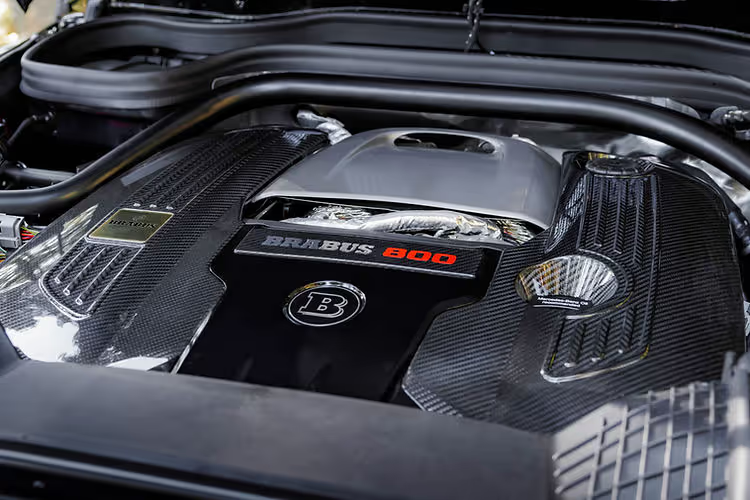
The 4.0-litre engine gains specially-developed turbochargers with larger compressors, and new bearings. Boost pressure is increased to 1.6 bar, and peak torque arrives from 3,600rpm. The headline power figure is reached at 6,600rpm, and both XL 800 variants have a limited top speed of 130mph. Naturally, the performance is sent to all four 22” wheels and all-terrain tyres via a 9-speed automatic transmission.
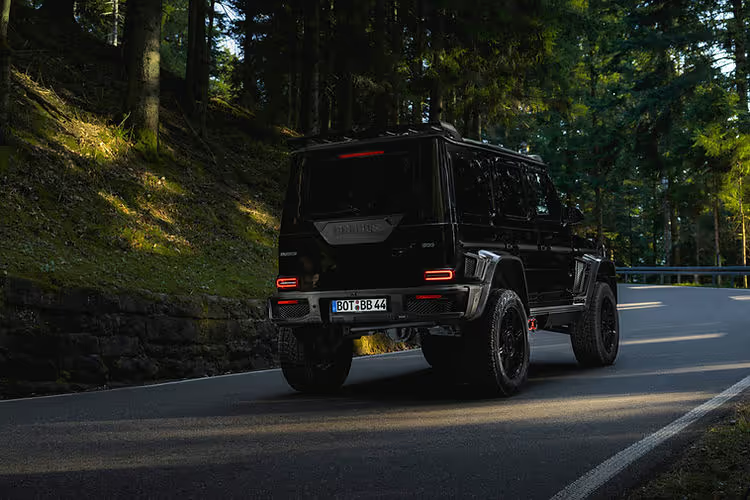
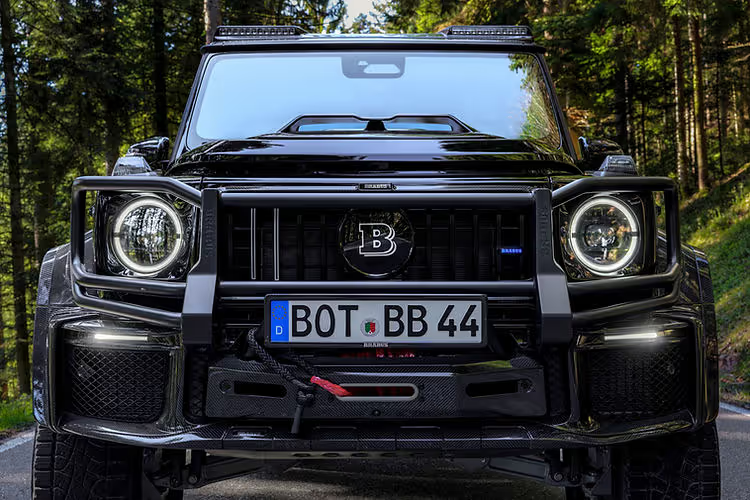
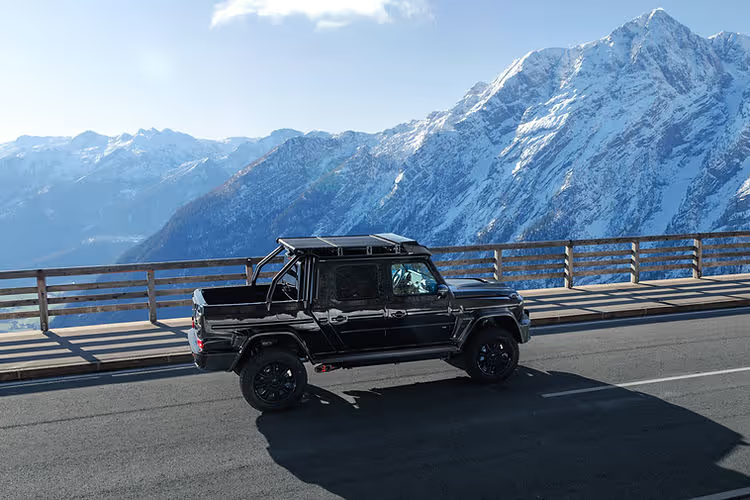
Exterior modifications include the Widestar bodykit made up of exposed carbon fibre bumpers and wheel arches. A winch features within the lower grille of both models, which is capable of pulling 4.5 tonnes. The bonnet features a scoop that’d make a Subaru Impreza STi jealous, and the XL model gains a bull bar, and prominent rear spoiler. Both variants have spotlights on the roof, with the XLP offering a roof rack as an option.
The difference between the two cars can be found behind the passenger cabin; the XL retains the two-box shape of the G-Wagen, while the P in XLP stands for pickup. Behind the rear seats, a new panel takes the place of the boot, and contains a heated window. A bespoke frame extension allows for the steel and high-strength carbon load bay to be added, itself lined with the same teak wood that Brabus’ boats are adorned with. The XLP has a 50cm (19.7”) increase to its wheelbase, allowing the rear axle to be moved towards the rear.
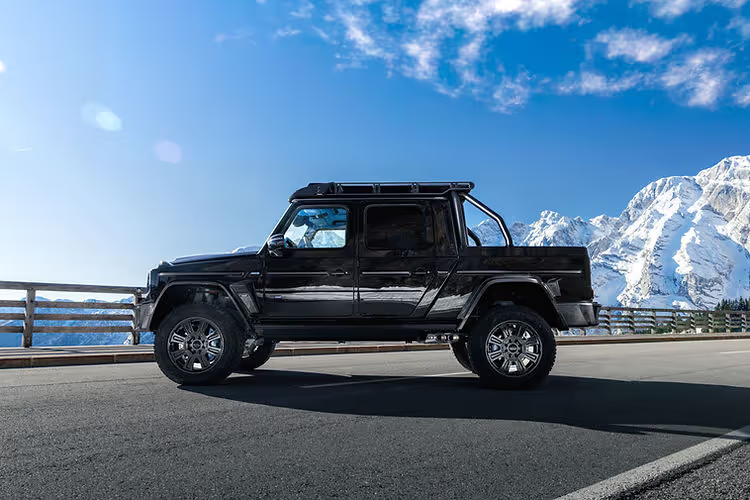
The XL 800 and XLP 800 have a ground clearance of 47cm (18.5”) thanks to a new suspension setup. Custom adaptive dampers feature at each corner, which can be adjusted via the car’s infotainment system. New links and billet aluminium-milled components feature at both ends, with the rear retaining its solid rear axle setup, but featuring multiple new components. The suspension has been calibrated to cope with the increase in ride height, and deliver “outstanding off-road capabilities”.
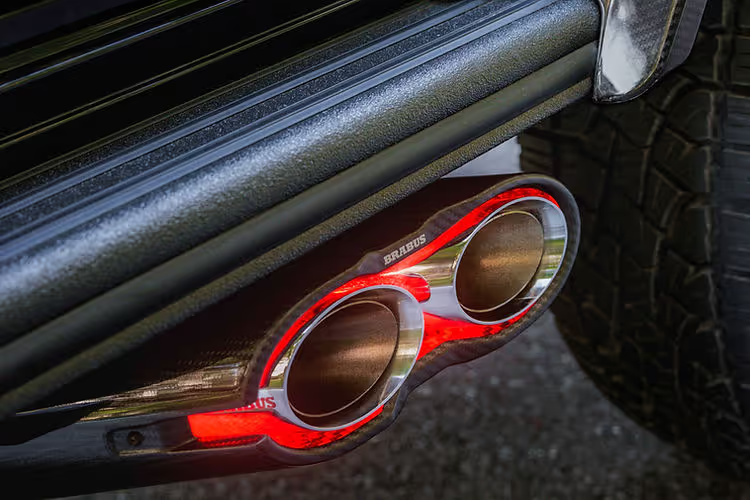
A regular G-Class requires a step-up to reach the cabin, so to allow easy access to the lifted off-roader, automatically deploying steps are attached to the running boards. The doors are fitted with new hinges that allow them to open at 90-degrees, but gaining access to the rear of the cabin will be more challenging owing to the placement of the illuminated side-exit exhausts.
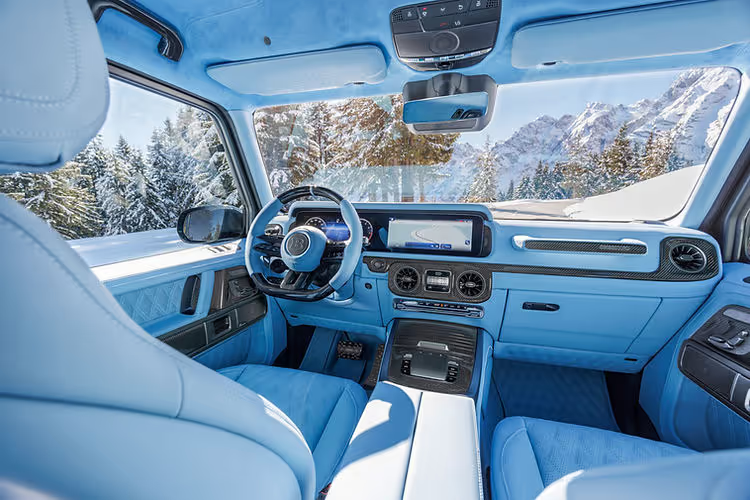
While retaining the dual-screen infotainment system and cabin layout, the interior has been re-upholstered by Brabus. The firm offers a near-limitless customisation range for each build, with colours, materials, and intricate details for the leather all available.
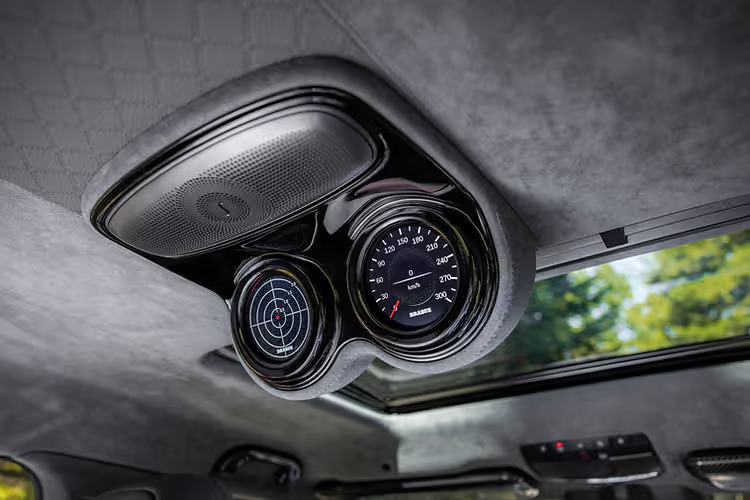
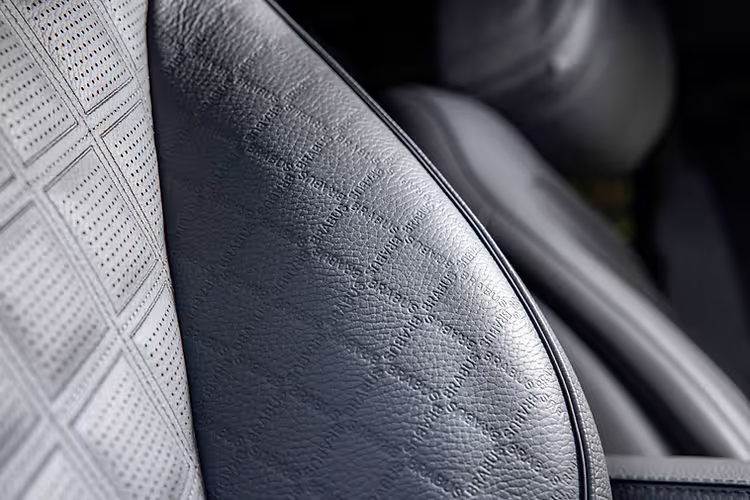
Look closely, and you’ll spot carbon fibre sun visors, pedals, and grab handles, along with the Brabus wordmark on the turbine-style air vents, and pressed into the leather seats. On the roof, a G-force gauge and speedometer show the rear passengers what the driver is up to. A plaque is displayed in the boot of the XL, detailing the exact specifications of each example.
Order books have opened for both the XL 800 and the XLP 800 Adventure, with prices beginning at just over £540,000 and £631,000 respectively, excluding VAT. Perhaps the most impressive numbers that the XL-twins have to offer come from the WLTP figures: combined fuel consumption of 11.6mpg, and CO2 emissions of 456g/km.
For a car like this though, that doesn't really matter; nobody buys a machine like this expecting Prius-like efficiency. A regular Mercedes-AMG G 63 starts from £189,375 OTR, but if a 25cm ground clearance isn’t enough, or a Mercedes-based pickup is what you want, Brabus has the fabulously over-the-top answers.


.avif)

.svg)

