-01.svg)
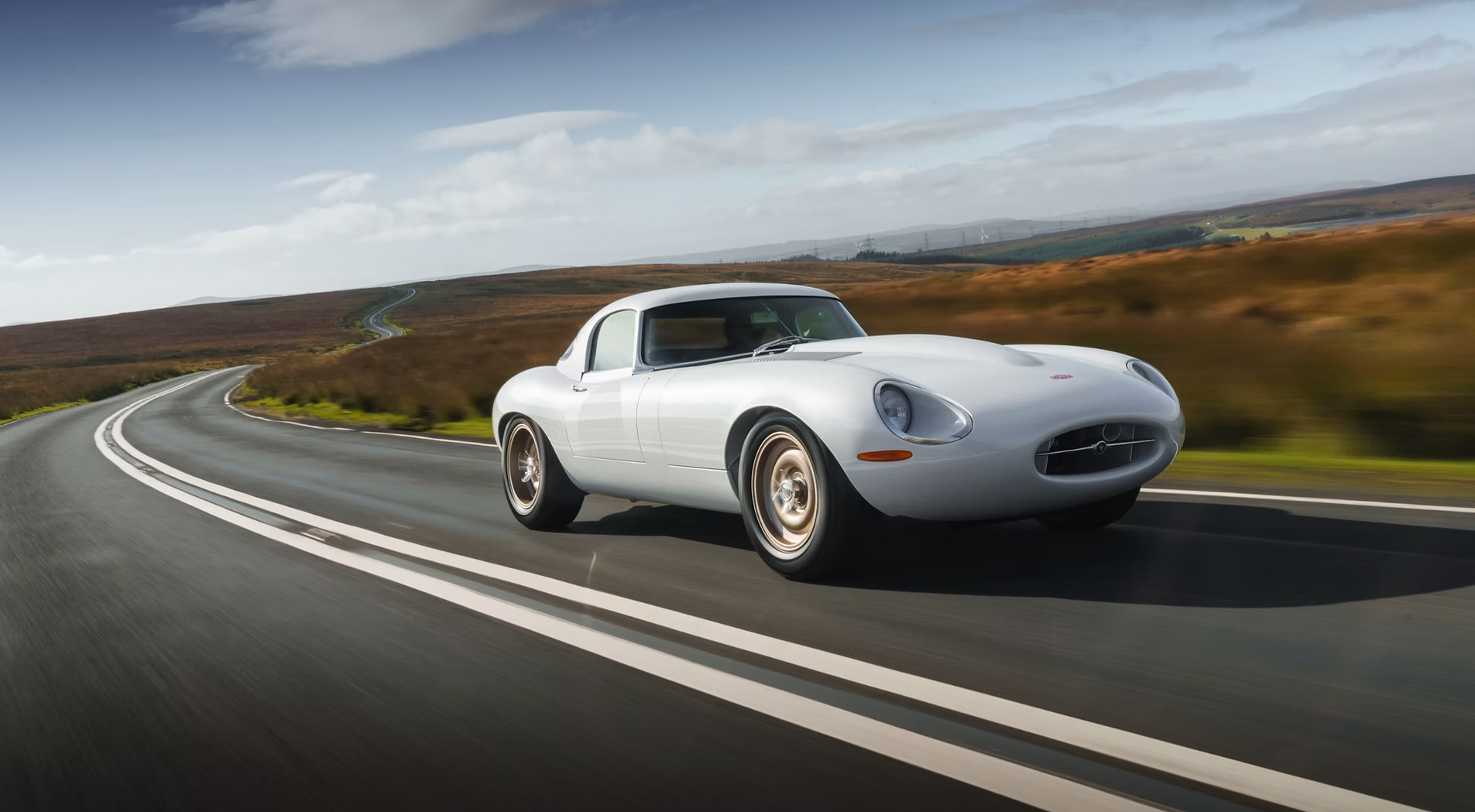

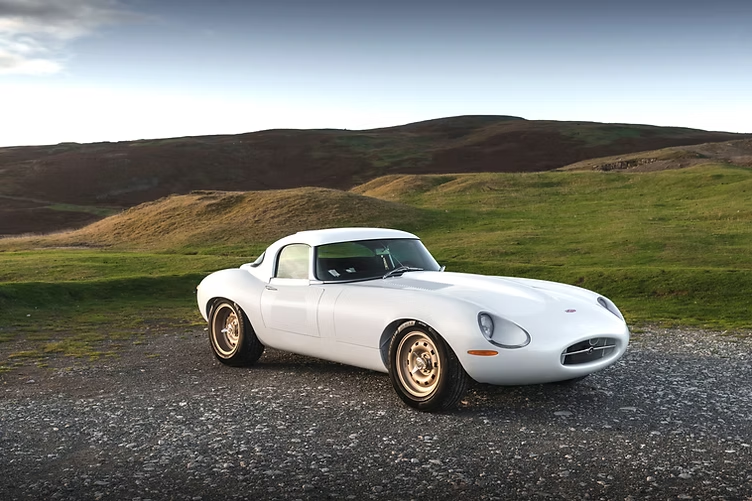
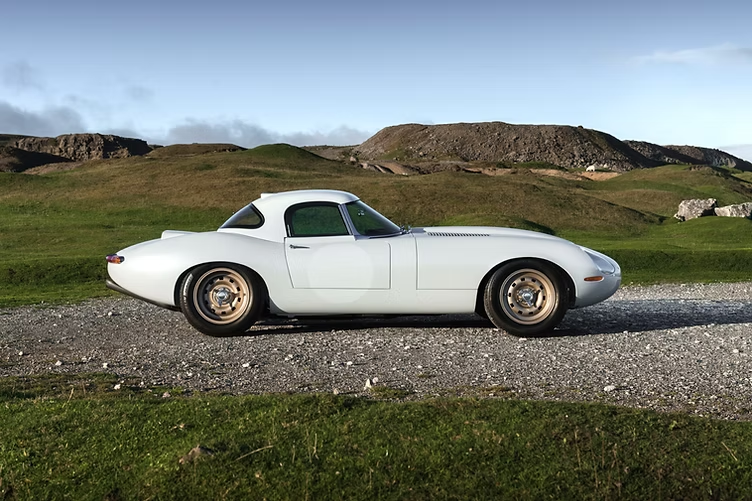
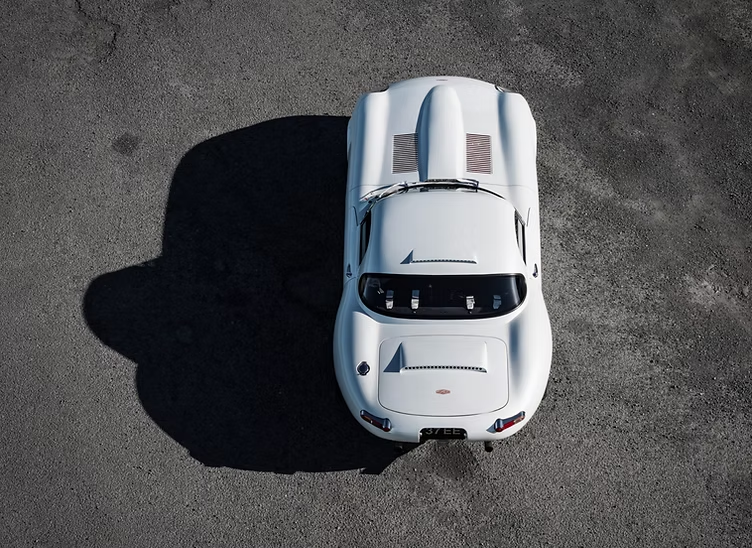
Putting that figure into context, a standard E-Type Roadster tips the scales at roughly 1,400kg. The GTR has shed more than 30 per cent of that mass through obsessive material selection: aluminium bodywork, magnesium transmission casings, a lightened flywheel – even lithium where necessary. Every body line has been re-sculpted for a lower, more purposeful stance, with raked glass, a reduced roofline, and the kind of panel gaps that suggest hours rather than minutes of adjustment.
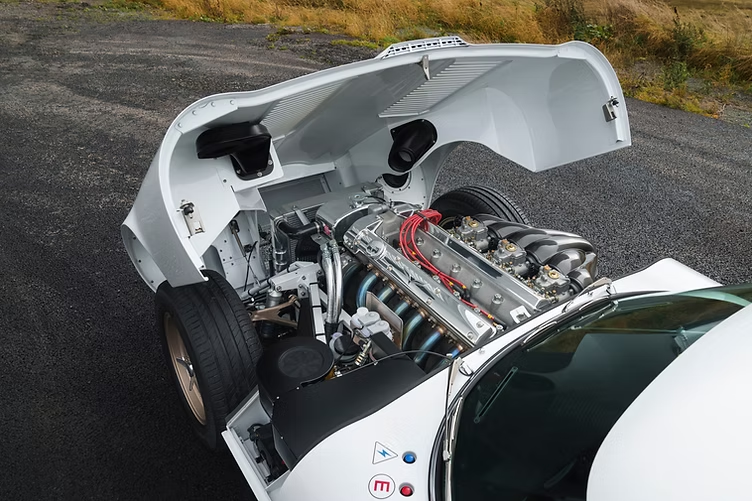
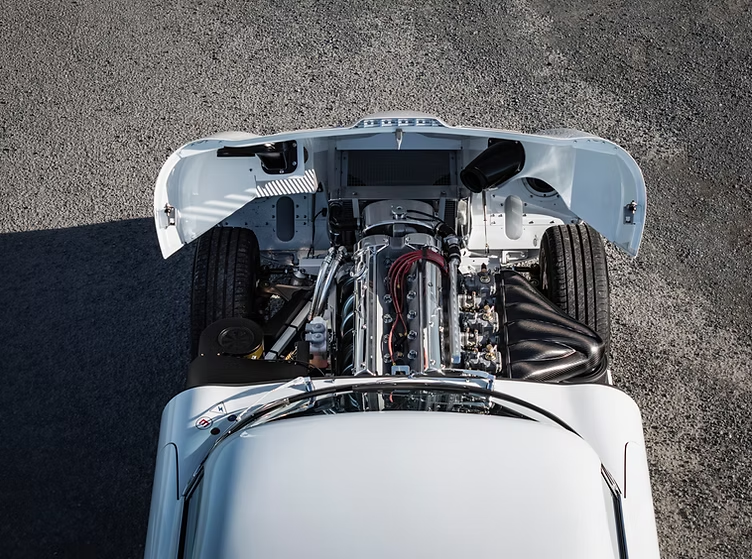
Power comes from Eagle's 4.7-litre straight-six with wide-angle head, fed by triple Weber carburettors. Titanium connecting rods raise the rev ceiling by 500rpm and contribute to a power-to-weight ratio exceeding 430bhp per ton. The engine breathes in through a carbon plenum, and out via an Inconel and titanium exhaust system. Given Eagle's form for sonorous soundtracks, the Lightweight GTR will have a note worth celebrating.
Behind the streamlined bodywork lies Öhlins dampers paired with bespoke-rated springs and revised suspension geometry. Reducing the unsprung mass has been a further obsession, resulting in titanium hubs and carbon-ceramic discs clamped by servo-assisted, AP Racing calipers.
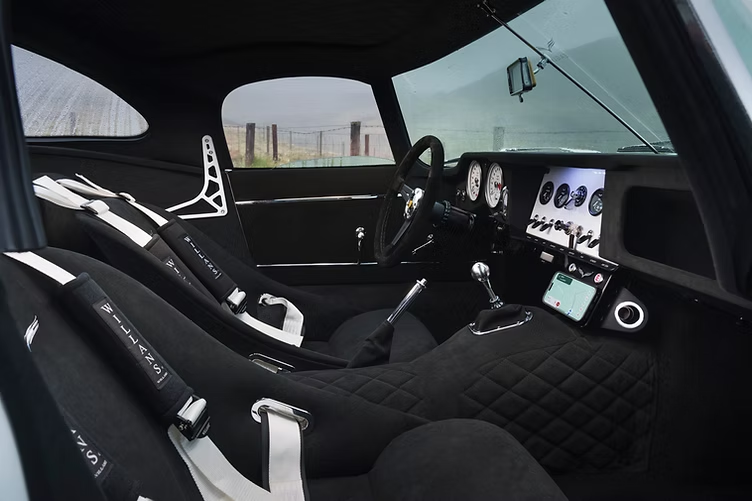
Black Alcantara covers most surfaces inside, and the lightweight aluminium seats echo period racing designs. Four-point harnesses and an integrated fire suppression system provide a link to the original, yet the GTR employs cloak and dagger tactics: this is a car capable of crossing continents – heated glass, air conditioning, and carefully considered sound insulation ensure the experience doesn't demand suffering. This is a minimalist, but not entirely spartan build.
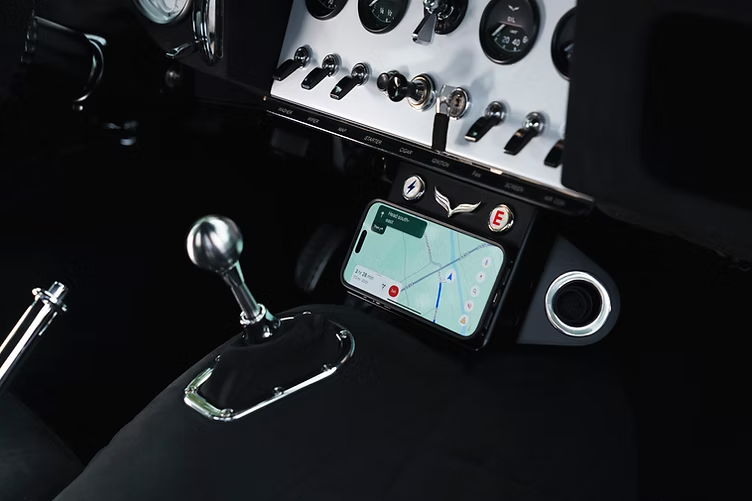
As expected, the attention to detail is befitting of a car costing an undisclosed sum. A floating binnacle houses auxiliary switches machined from platinum with mother of pearl inlays, while the badges sit painted beneath the lacquer rather than applied on top, and the fuel filler cap is flush-mounted aluminium. The only visible concession to today's digital world is a magnetic phone dock. Nothing dilutes the mechanical relationship between man and machine in this car: computer chips remain as scarce as driver aids.
That's because the commissioning client wanted the antithesis of modern performance cars, which increasingly rely on mass and electronics to deliver their speed. As he puts it: "I'm not sure those cars will age very well." This one, you suspect, is already timeless.
Eagle's Paul Brace notes the project has "enabled us to push the envelope of what is possible. We are immensely proud of the result."
Eagle calls it a 'One of One'. The description fits.


.jpg)

.svg)

