-01.svg)

Reigning in the performance is a new braking system featuring ventilated discs all round, and two-piston callipers on the front axle. Dynamic Chassis Control Plus (DCC) adaptive suspension comes as standard, and can be adjusted through 15 settings to offer a comfort or cornering-focussed setup. It works a treat in the Volkswagen Golf R, but with the Kodiaq vRS estimated to weigh around two tonnes, it remains to be seen how dynamically the large SUV can handle. As well as Eco, Comfort, Normal and Sport driving modes, a Snow and Off-Road setting can be selected, and an Individual setting can be customised to suit the driver.
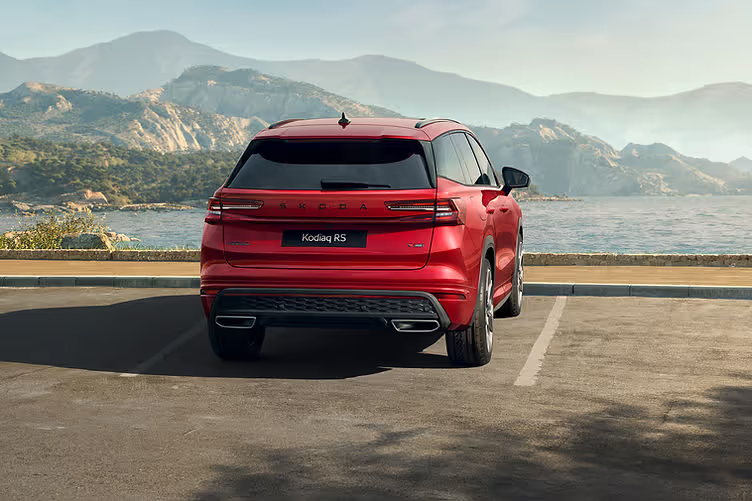
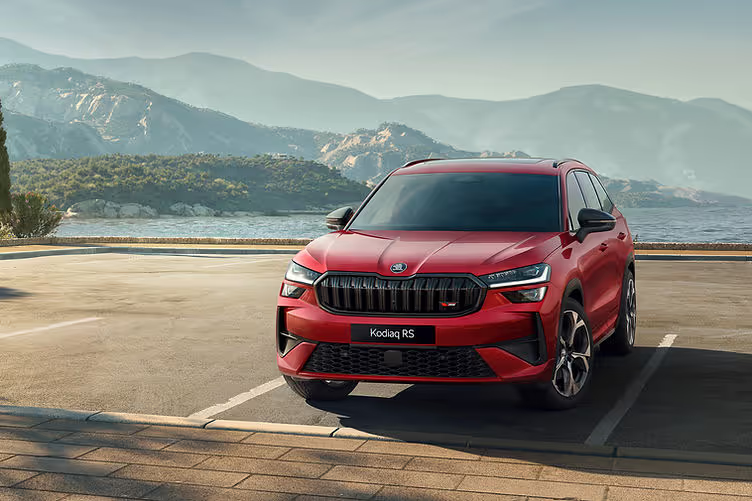
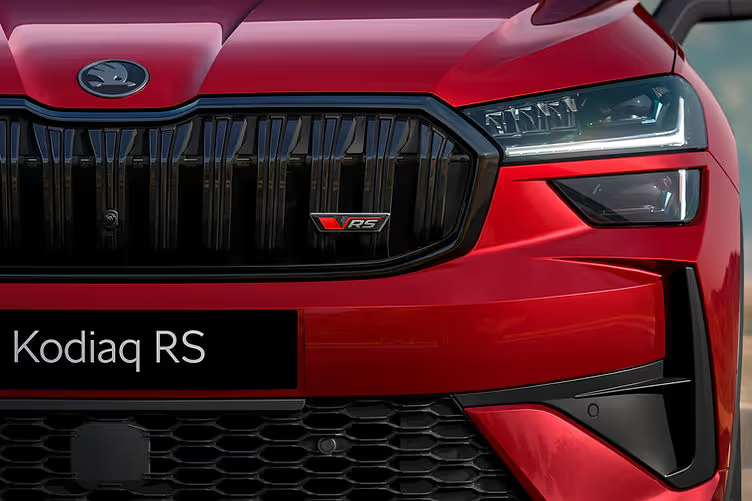
With new 20” wheels at each corner, the 2025 vRS model subtly sets itself apart from the regular Kodiaq with a bespoke styling package. Redesigned bumpers with honeycomb detailing, an illuminated gloss black grille, darkened exterior trim, black badges, a full-width reflective strip, and two wide trapezoid exhaust tips all feature. While the authentic sounds exit through the pipework, the Dynamic Sound Boost system augments the tone of the exhaust and send this through the speakers into the cabin.
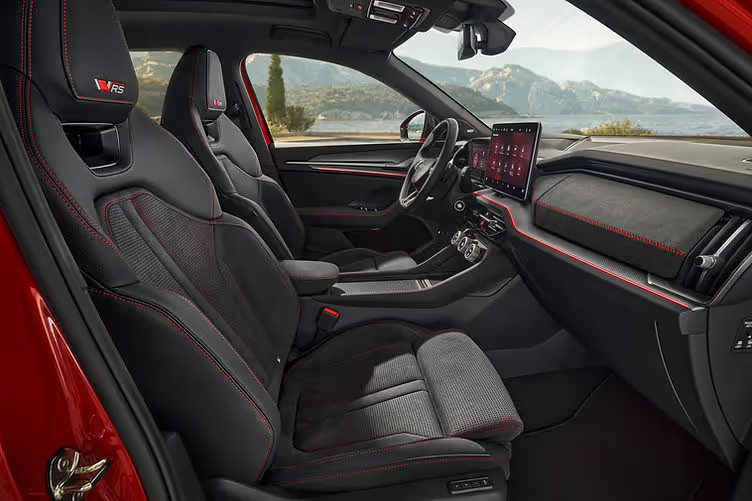
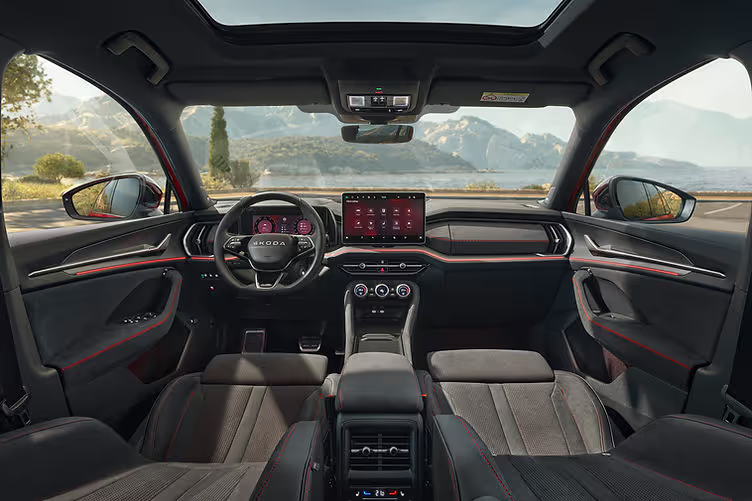
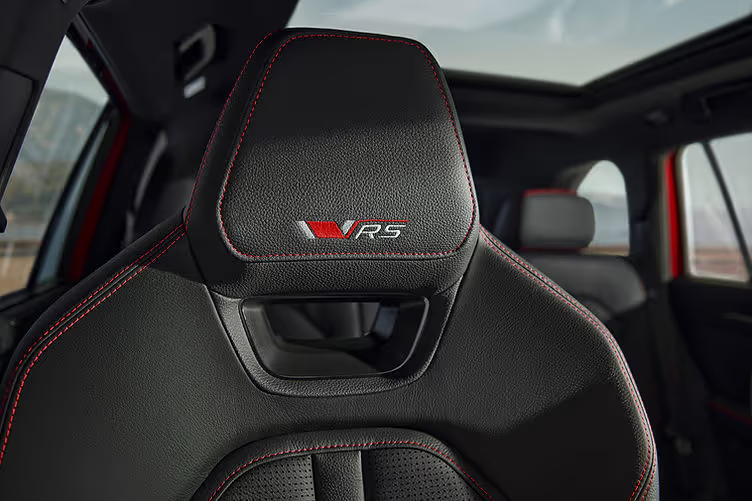
The 7-seat Lounge Design interior is upholstered in man-made leather with microfibre suede and red contrast stitching as standard, while the optional Suite Design dials back the suede and adds ventilated front seats, and heated rear seats. The two-piece front seats are heated, electrically adjustable, and feature the new vRS logo stitched into the fixed headrest. Ambient lighting, laminated windows, the Canton sound system, powered tailgate, a 10” customisable instrument cluster, and 13” infotainment display with smartphone integration all come as standard. Boot space ranges from 340 litres with all seats raised, to 845 with the third row stowed, up to an impressive 2,035 litres with the second row lowered, making the Kodiaq vRS a prime candidate for having the “fastest way to carry your family and a dog” cliché attached to it.
Pricing starts from £52,595 for the new Skoda Kodiaq vRS. A trip to the configurator can see this rise to £61,575 with every option box ticked, with features like a head-up display, panoramic sunroof, running boards, radar-guided cruise control and an electrically extending tow bar all available at an additional cost. The closest 7-seat rival comes from Mercedes-AMG with the £57,885 GLB 35 offering more pace from its 301bhp mild-hybrid engine, but less space from its slightly smaller dimensions. While the Kodiaq doesn’t offer the most performance in its class, its understated styling means that it can briskly fly under the radar, just like a vRS should.
Bonus trivia: Eagle-eyed readers may have noticed that the plates on the car show the name “Kodiaq RS” rather than vRS. In all other markets, performance Skodas are marketed as RS - standing for Rally Sport. The story goes that Ford UK weren’t best pleased about another manufacturer bringing a new “RS” model to market, so Skoda quite literally flicked the v at them, and the vRS was born. The v stands for victory.



.svg)

