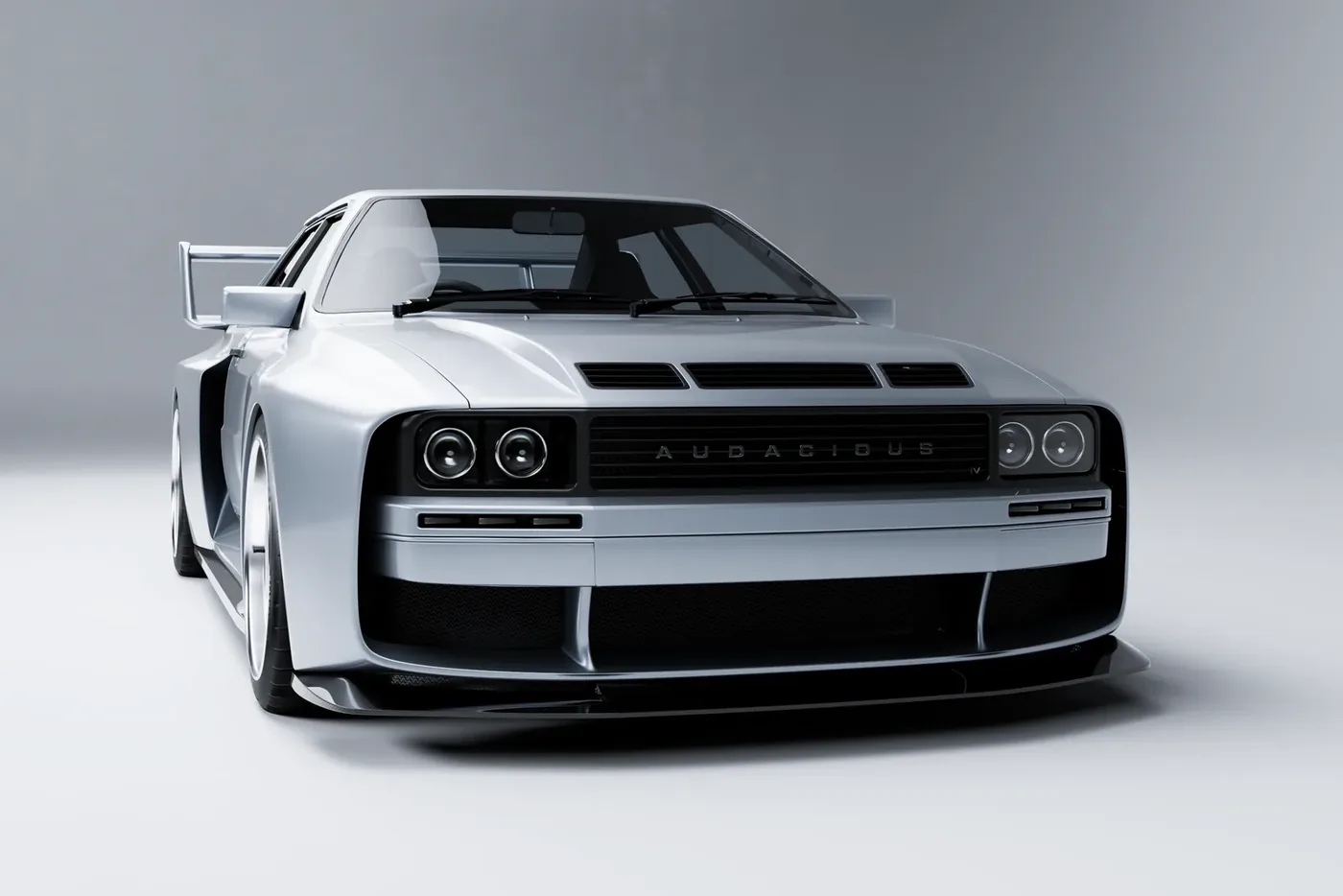
The V8 in question is a reworked version of the 4.2-litre unit from the B7 RS4, but that’s not all the RS4 donates. Underneath the carbon – or metal, the choice is yours – the IV is a B7 RS4, making it more a coachbuilt retromod than a traditional restomod.
Of the 50 cars, 40 pair all-new carbon-fibre panels with a re-engineered upper structure and new glazing. The remaining 10 form the metal side of the equation, clothed in hand-formed steel and aluminium, with dimensions adjustable to each commission. They also require an original quattro donor car alongside the RS4 – ideally a worn or neglected example few would restore – cannibalising its roof, pillars and glazing.
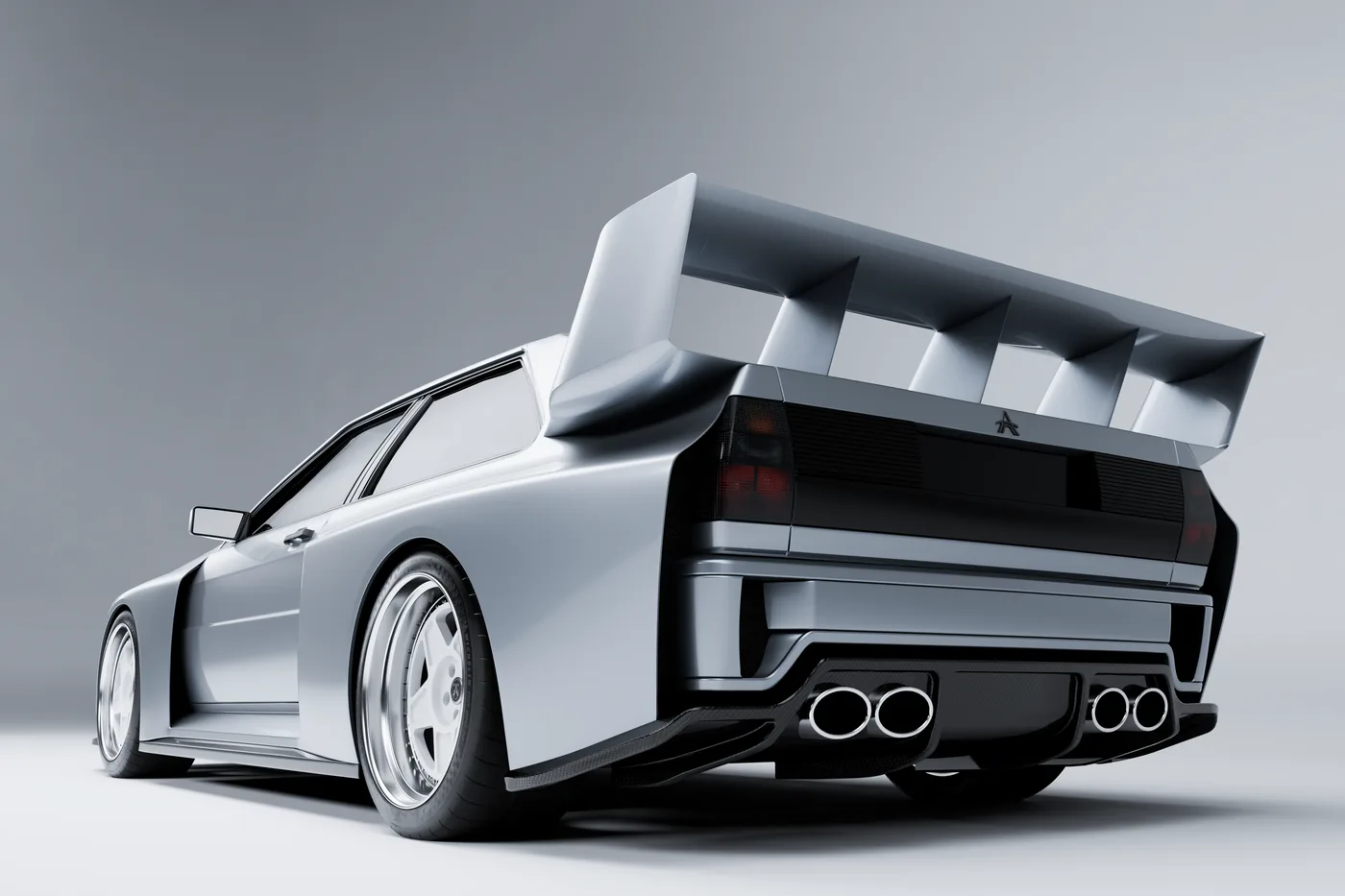
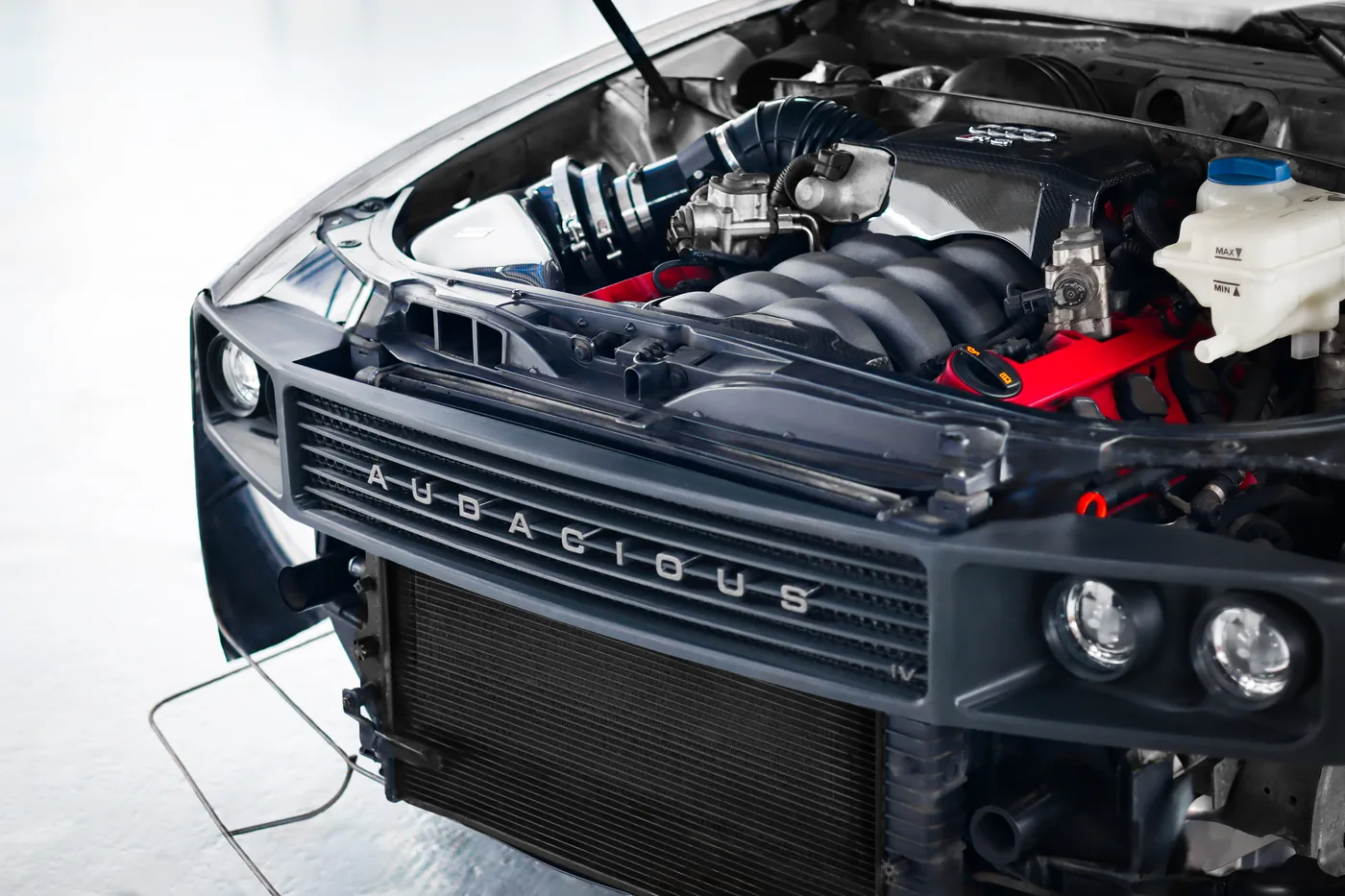
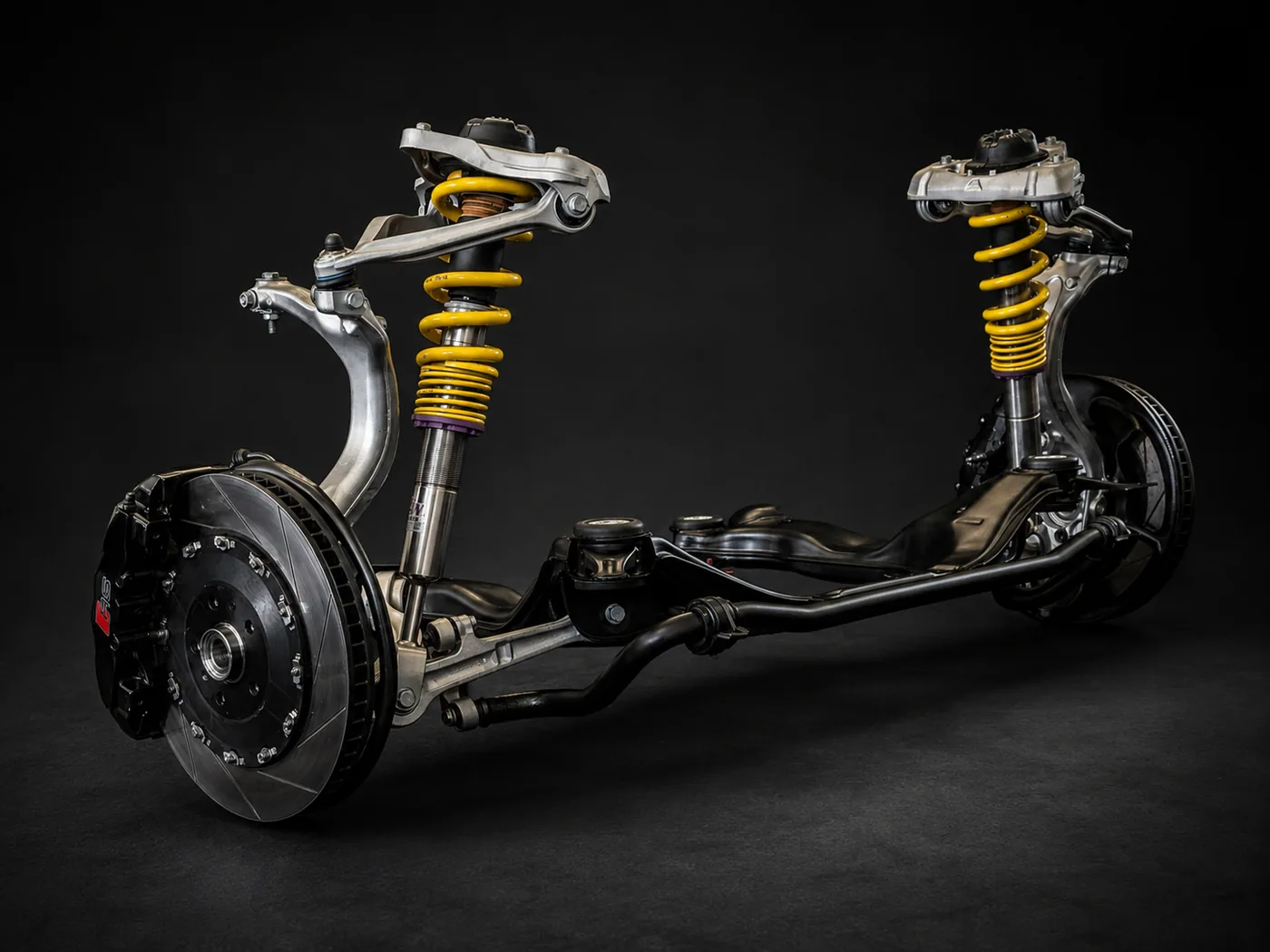
The IV keeps the B7’s floor and lower structure, suspension geometry, brakes, steering, electrics and control systems. Purists may balk, but Audacious says it offers ‘historic character without requiring the engineering beneath it to remain historic’. Even the name nods to the original: IV is four in Roman numerals, as vier is in German and quattro in Italian.
Recent quattro revivals from German tuner ABT and Munich-based start-up HSR both kept the five-cylinder formula, using tuned versions of the RS3’s turbocharged 2.5-litre engine. For its Type 859, HSR mounts the engine lengthways and pairs it with a six-speed manual from a B8.5 S4.
The RS4, by contrast, brings a drivetrain Audi already engineered as a package. The V8 sits lengthways from the outset, with a six-speed manual and a Torsen centre differential that normally sends 60 per cent of the torque to the rear.
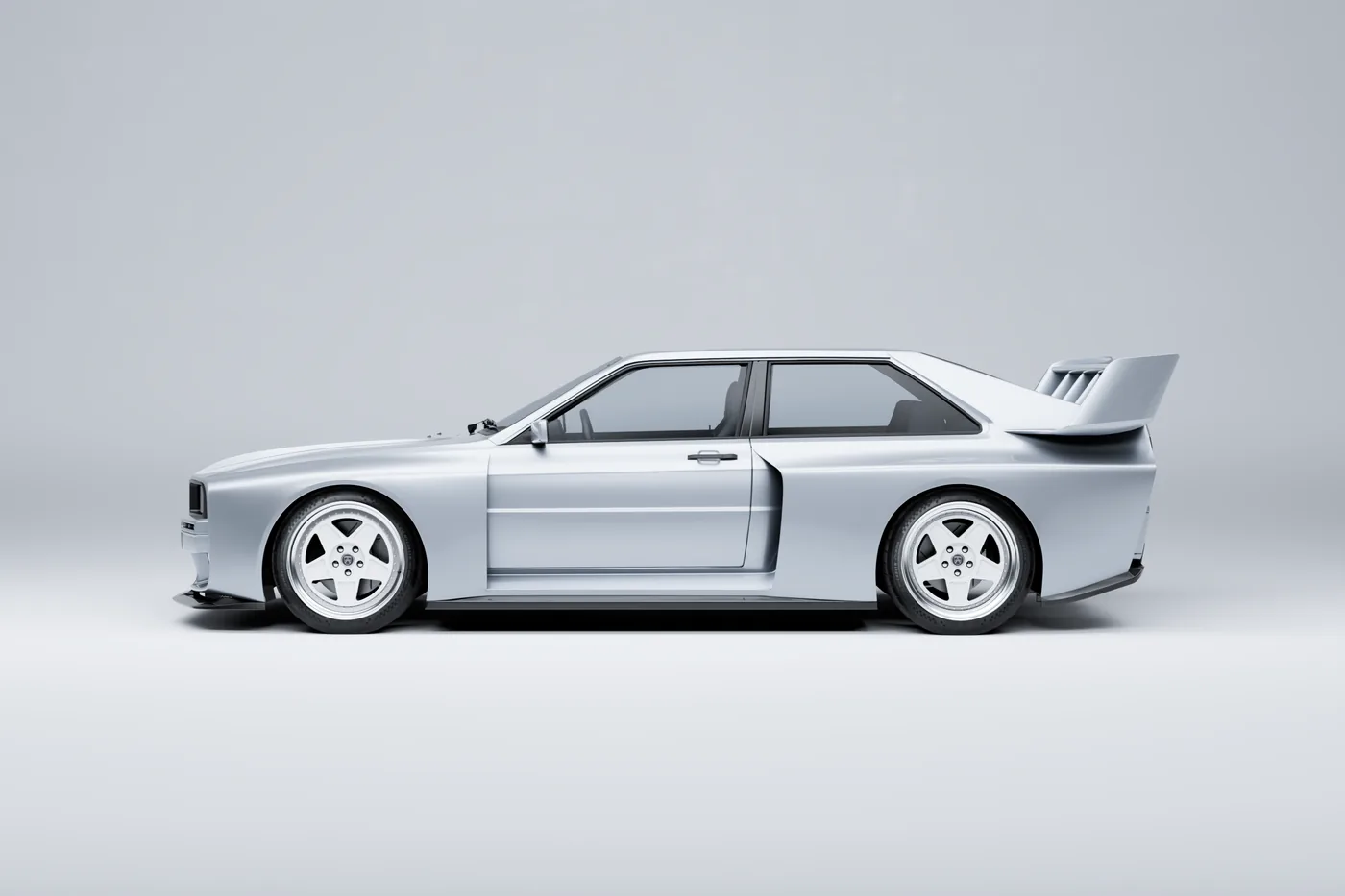
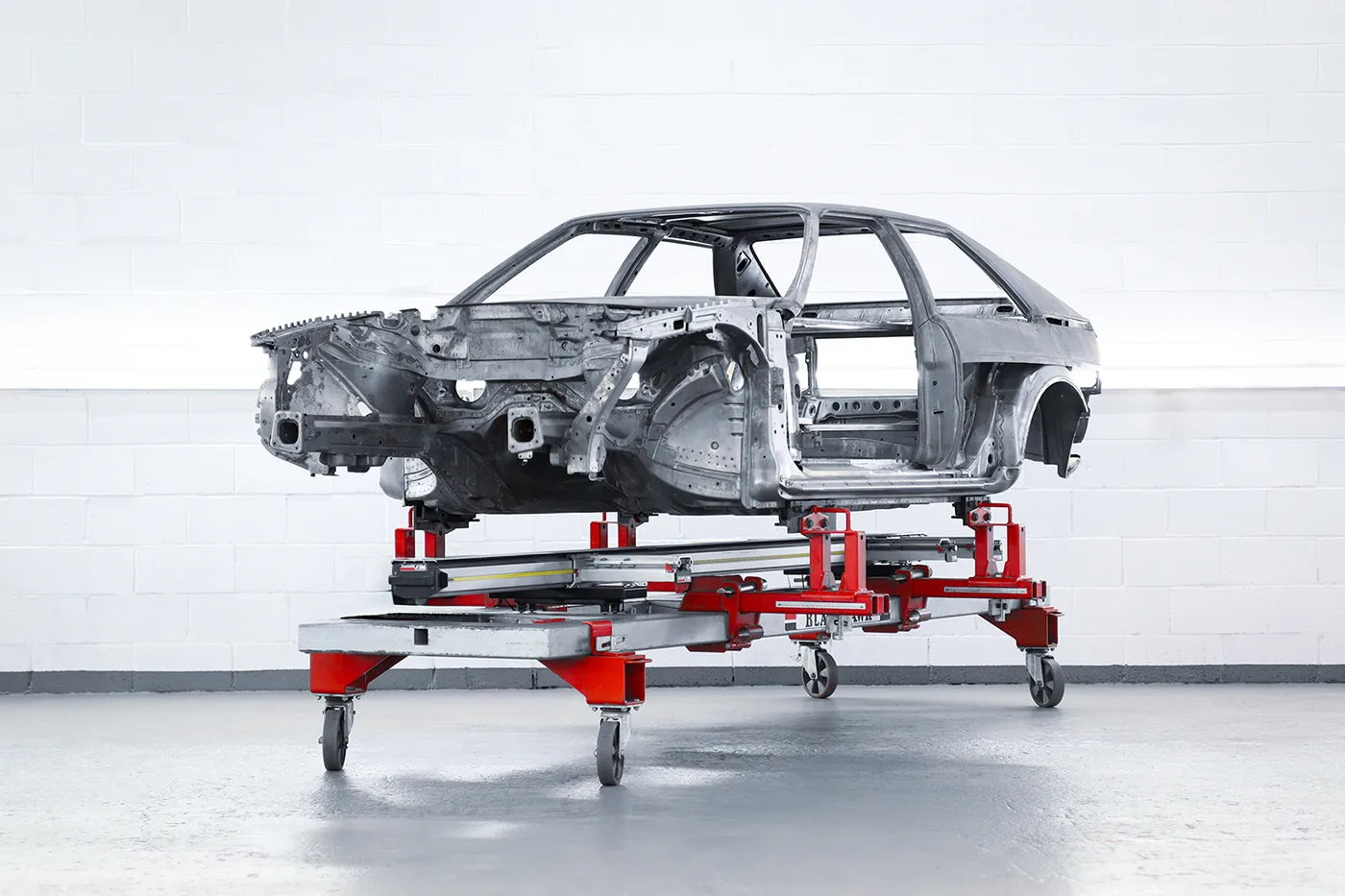
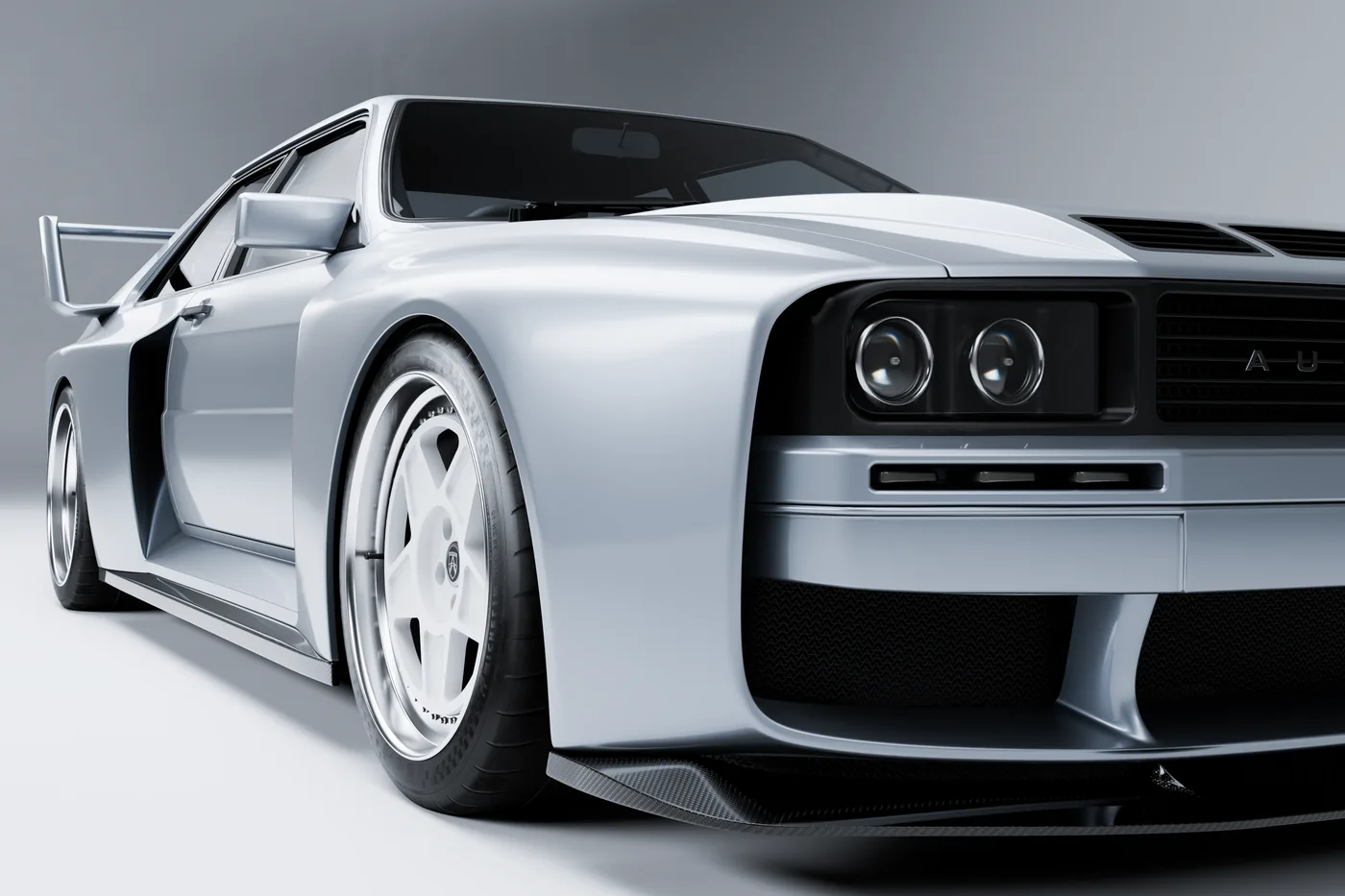
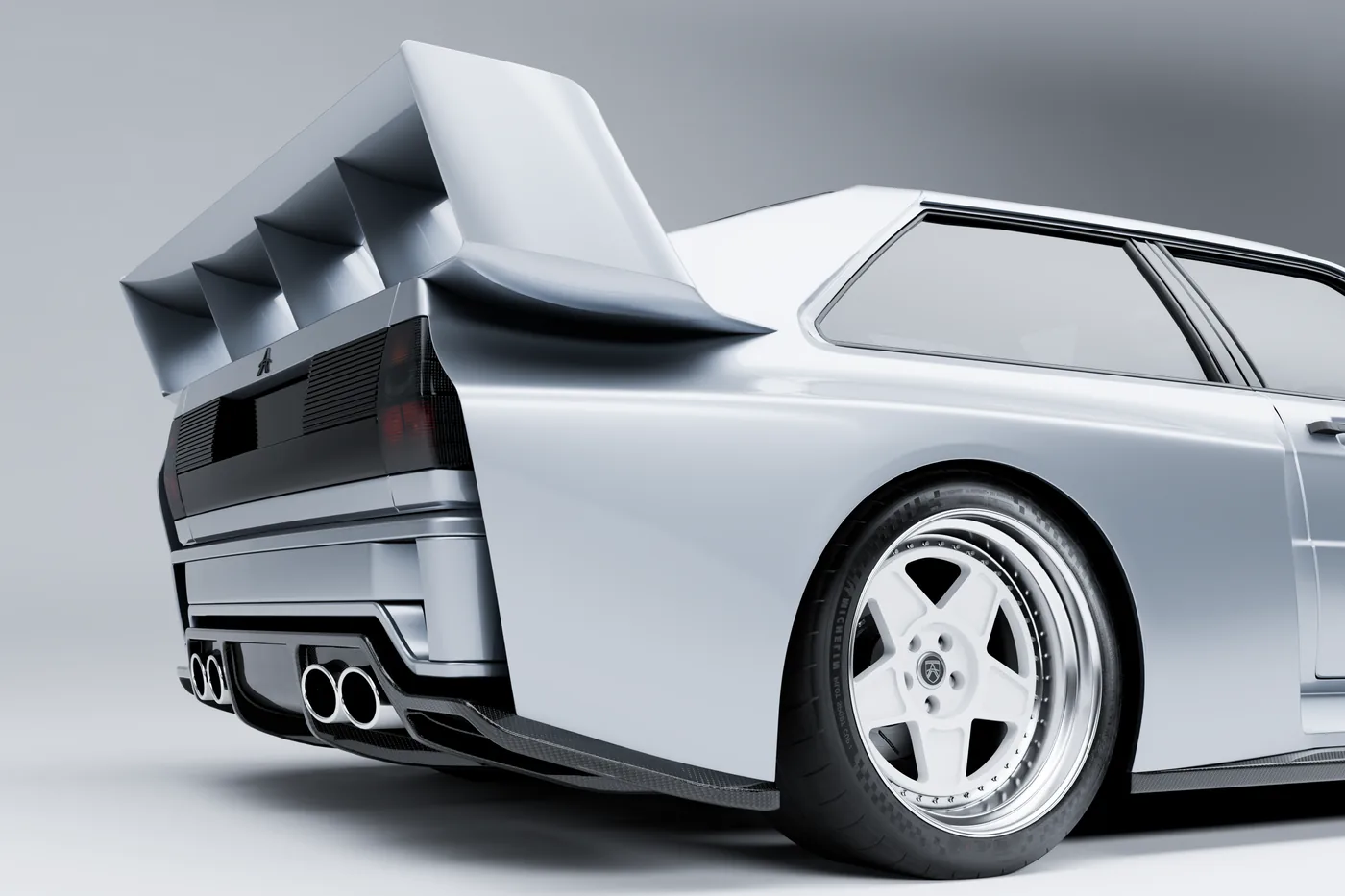
Marrying the B7’s larger footprint with the quattro’s silhouette hasn’t come without its challenges. Audi famously took 320mm out of the Ur quattro’s wheelbase to keep the Sport Quattro competitive in Group B. The IV goes the other way: its 2648mm wheelbase is 124mm longer than even the standard Ur quattro’s, and the RS4 is 94mm wider. On No.01, the first metal-bodied commission, that meant grafting the quattro’s cabin onto the RS4 floor and moving the A- and B-pillars outwards by 100mm in total, with the A-pillars reinforced to help the shell resist twisting. The side intakes and ducting, meanwhile, are shaped around a mid-mounted radiator and cooling package.
In standard form, the B7’s naturally aspirated, quad-cam V8 makes 414bhp and 317lb ft (430Nm), and revs to 8250rpm. Audacious is promising four states of tune. Stage One bolts on a supercharger for 600bhp – nearly three times what the Ur quattro made. Stage Two goes further still, with internal, cooling, fuelling and driveline work for 750bhp.
The other two programmes chase revs, targeting 10,000rpm with a lightening and strengthening package – one naturally aspirated, one supercharged. Neither has a published power figure yet.
The company will uprate the gearbox and four-wheel drive where the supercharged outputs demand it. It quotes 0–60mph in under 3.4sec and a 200mph top speed, without breaking the figures down by engine option, and says carbon-bodied cars could weigh as little as 1200kg, against the B7’s 1650kg DIN figure.
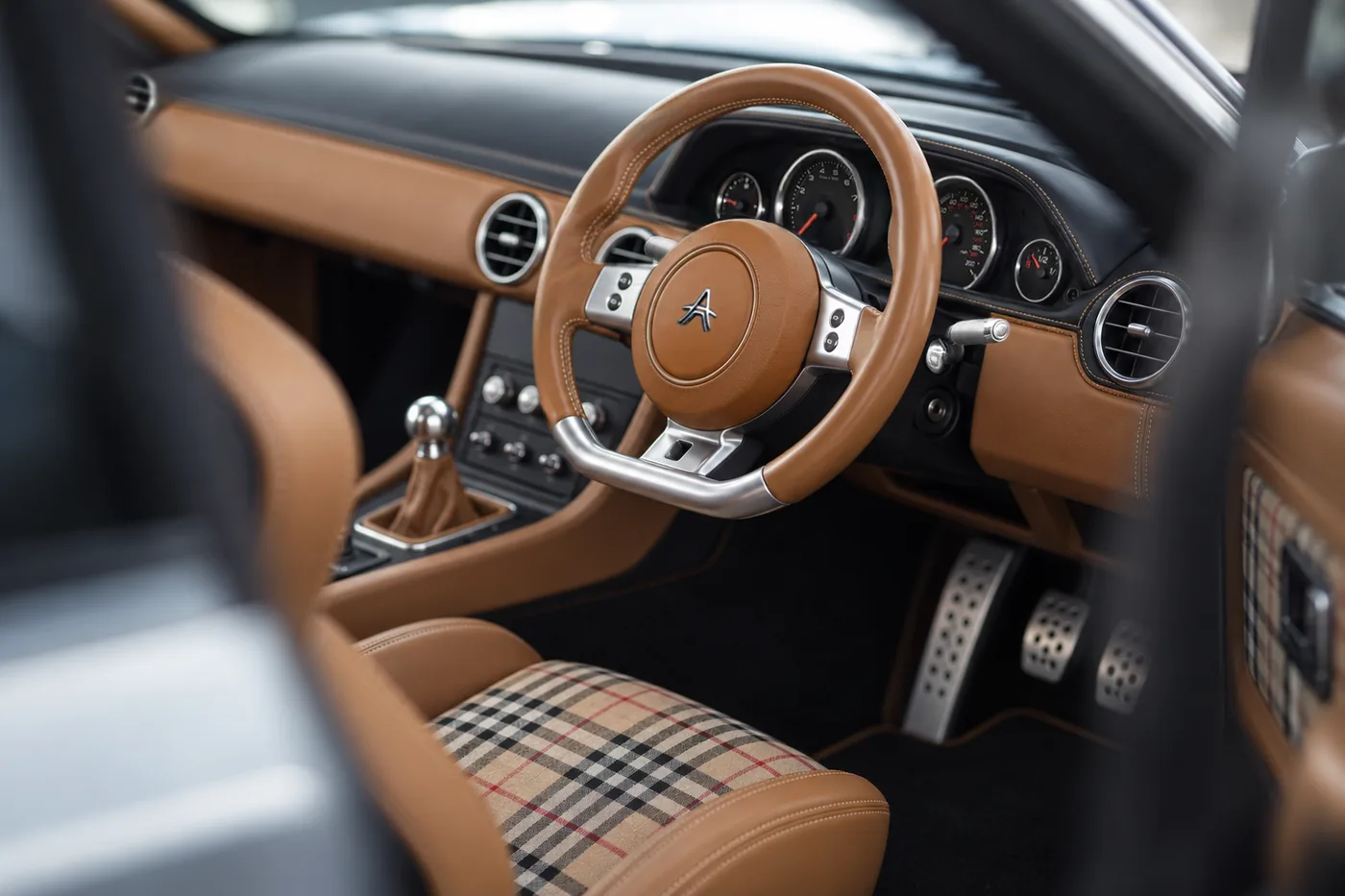
Inside, a bespoke binnacle and retrimmed seats and steering wheel sit alongside familiar RS4 parts left deliberately in view. The first show car is trimmed in tan and tartan.
Coachbuilding, structural development and assembly happen in-house at the company’s Scottish studio, while engine development, carbon manufacture, machining, paint and interiors go to partners it has yet to name. Beyond the core architecture, almost everything is open to customisation, with each buyer working directly with founder and designer Mac Zaglewski.
Audacious estimates around three years from commission to delivery, and the £350,000 starting price excludes the donor cars, individual specification, registration and taxes.
That undercuts HSR’s Type 859, projected at €500,000 (about £417,000) for 84 cars. Both firms are targeting a public debut at the 2027 Goodwood Festival of Speed, though HSR showed only renders at its July reveal. ABT, meanwhile, sold its first 25 slots in three hours before adding five more.