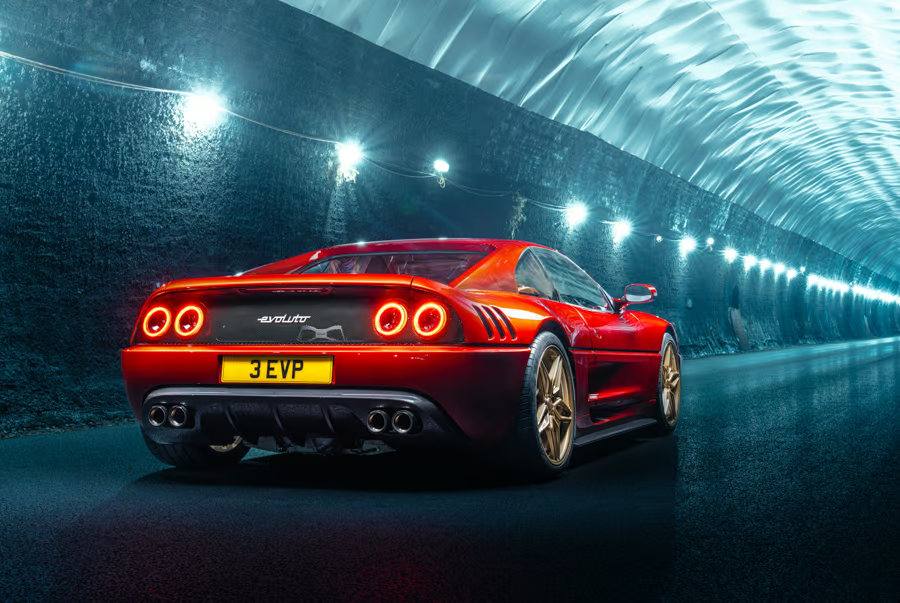
The NA1 never sold in great numbers, but its legacy is pivotal. Here was a mid-engined car that handled as sweetly as anything from Italy, yet could be driven every day with or without drama depending upon which cam lobes were engaged. It rattled Maranello to the point where Ferrari’s thinking changed, and the rest is history.
The Tensei is unlikely to shake the restomod world in the same way, but the finished car has gone some way to answering our reservations. Among the endless reworked 911s and Defenders, it stands out.
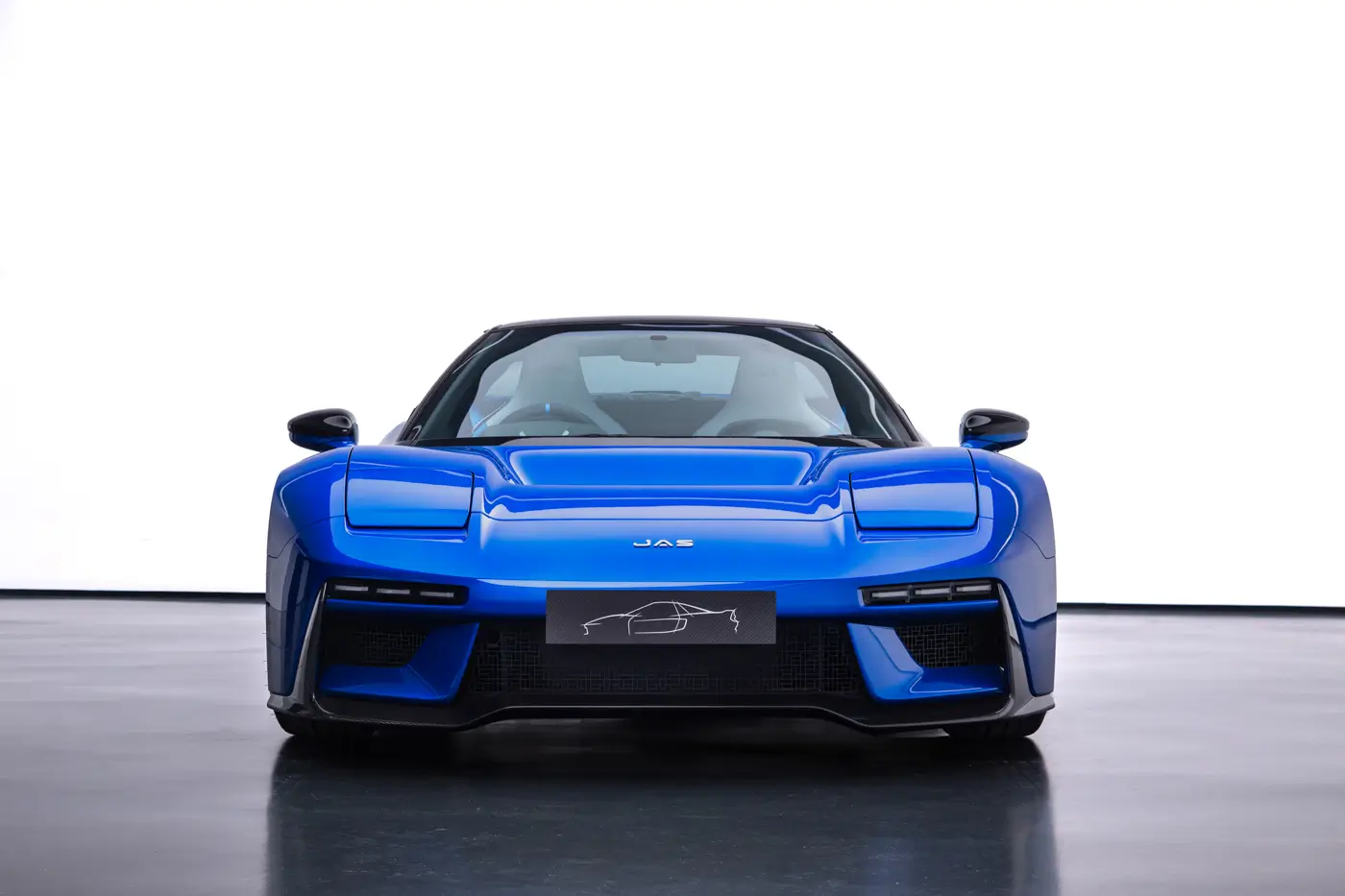
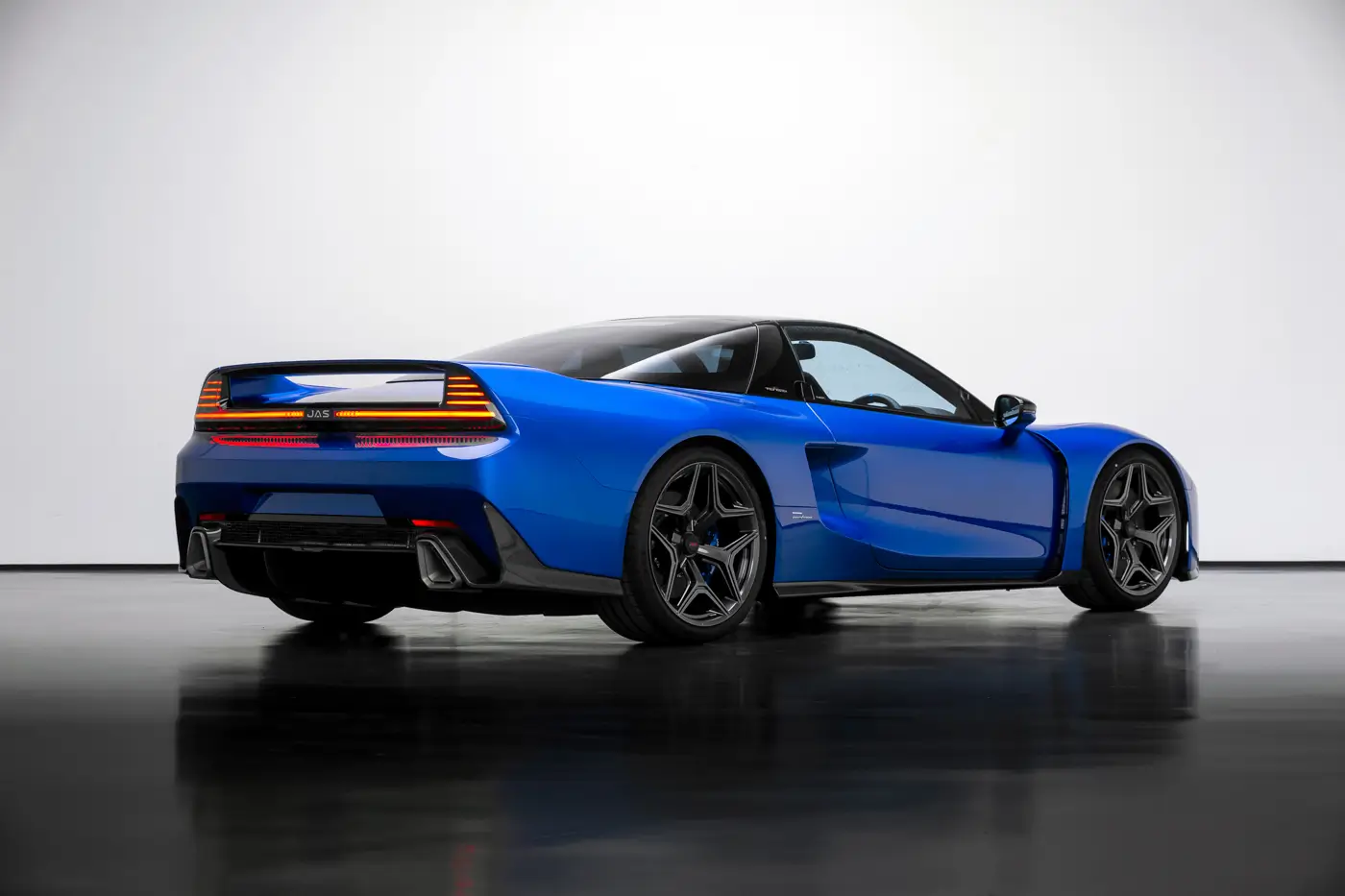
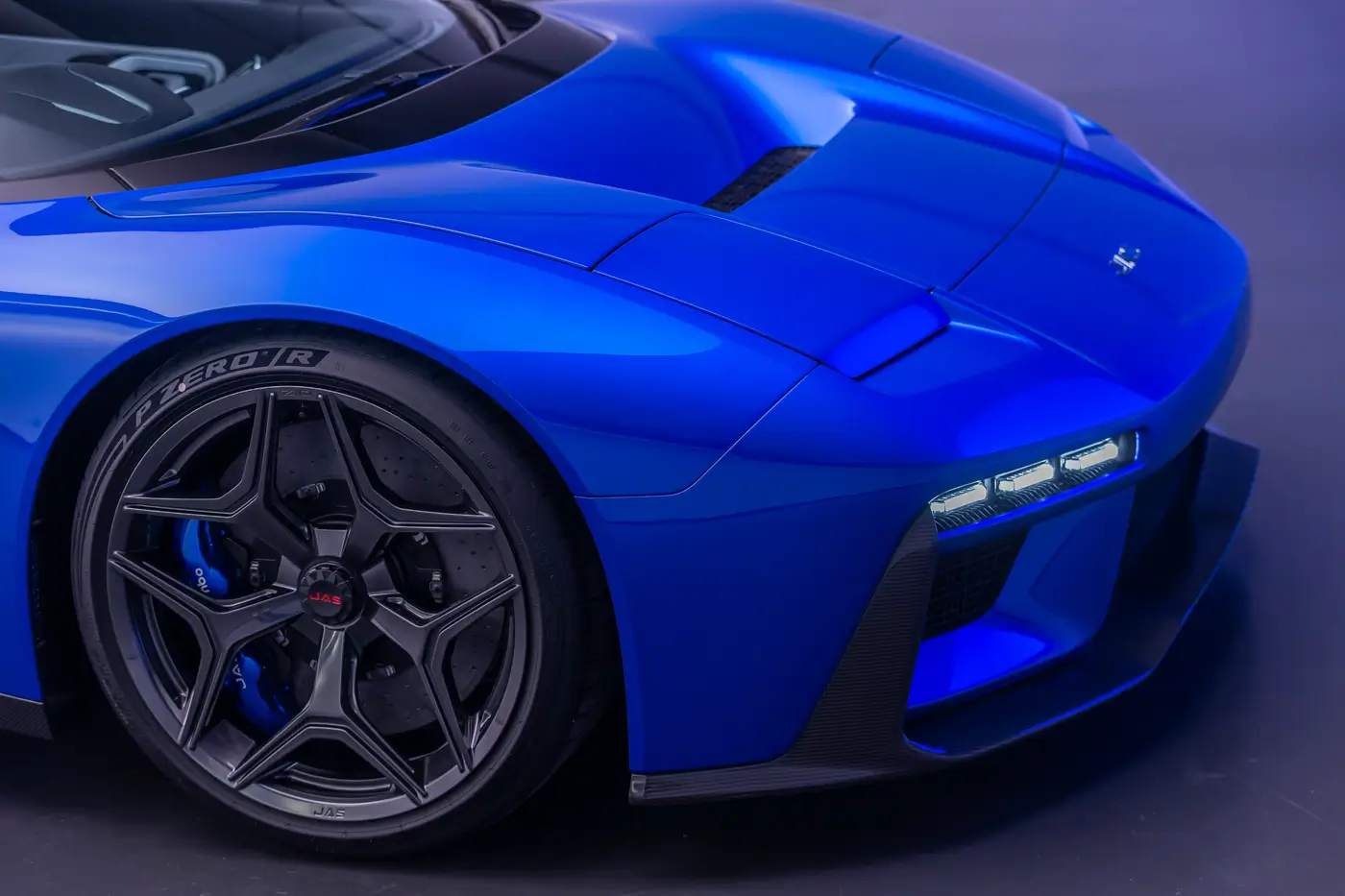
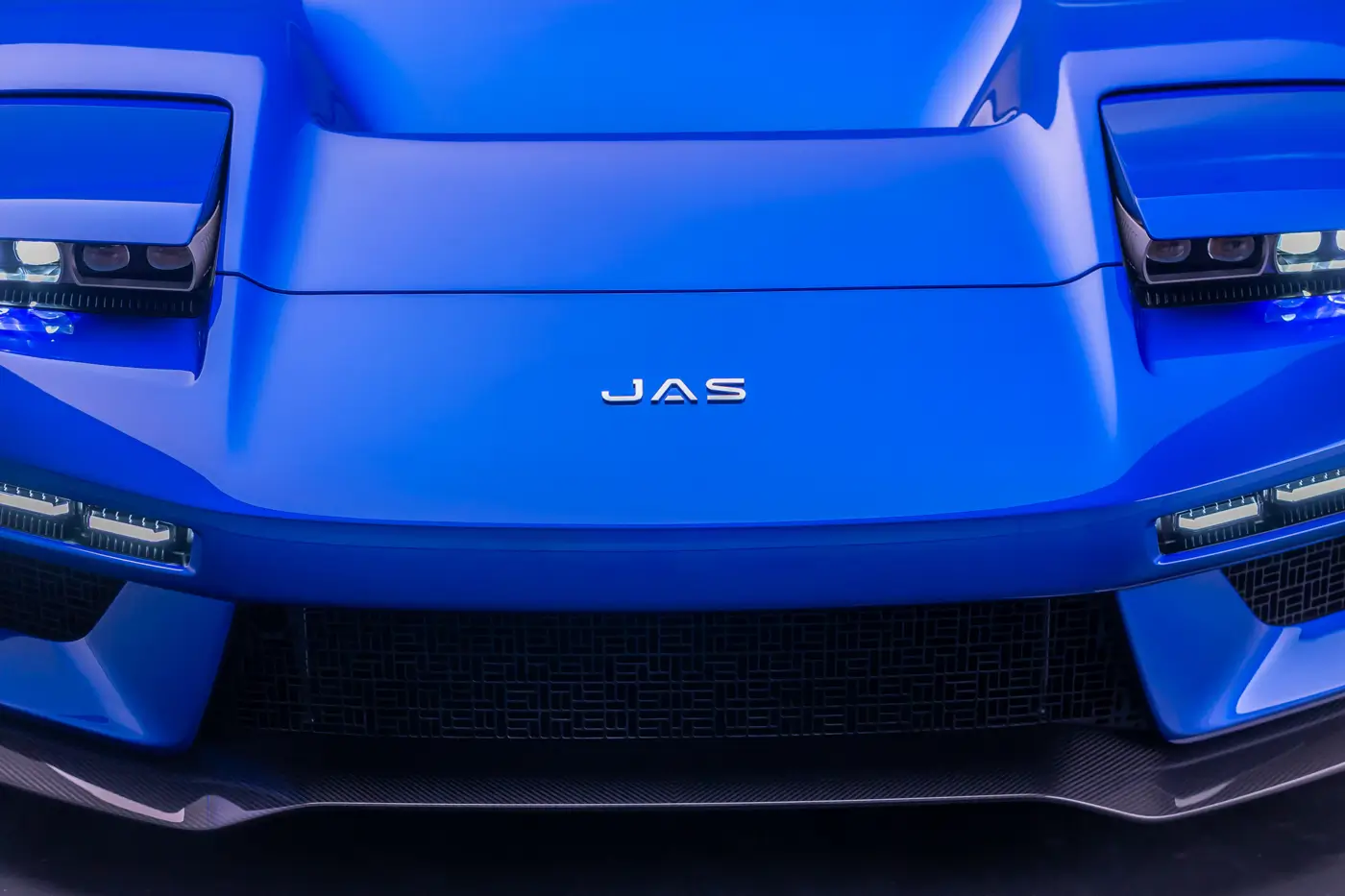
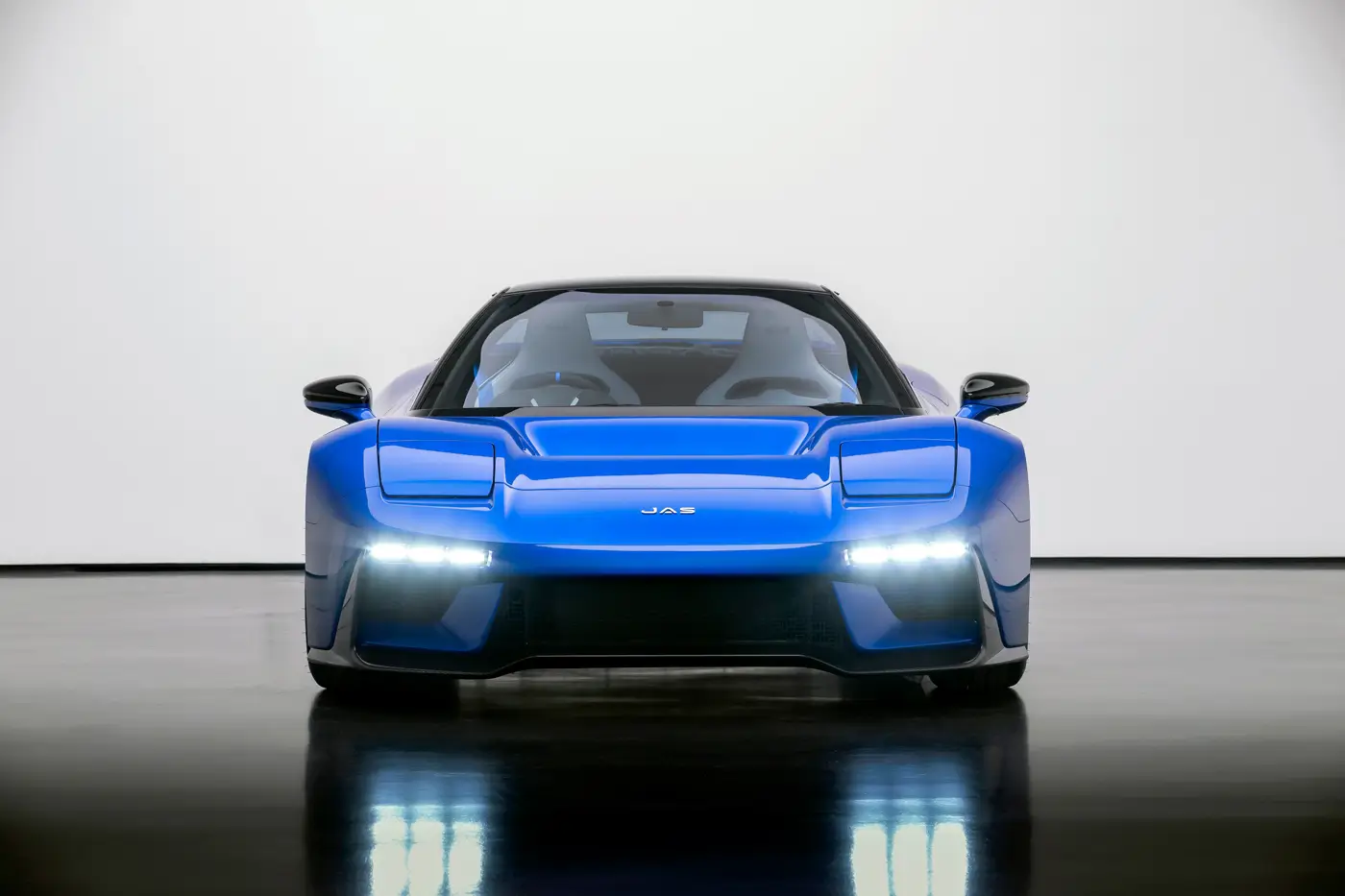
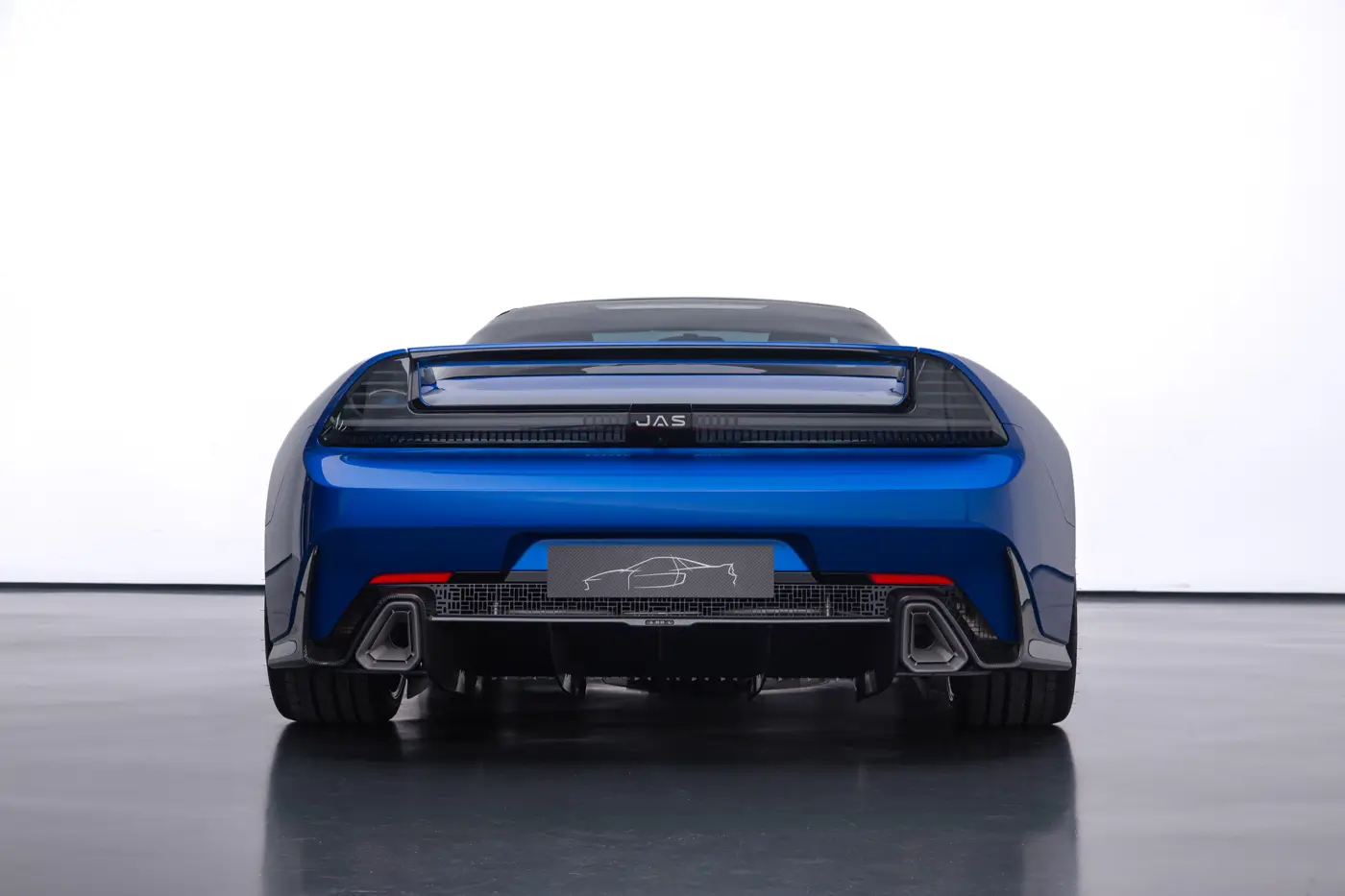
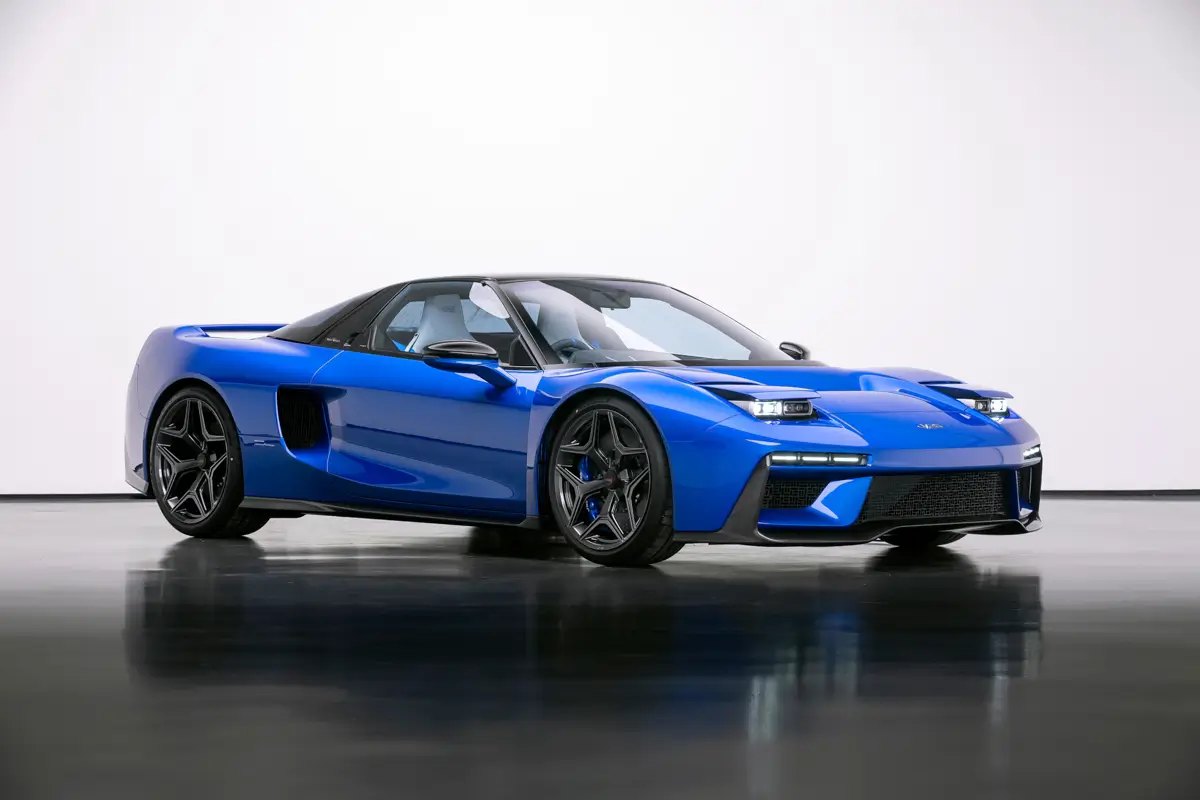
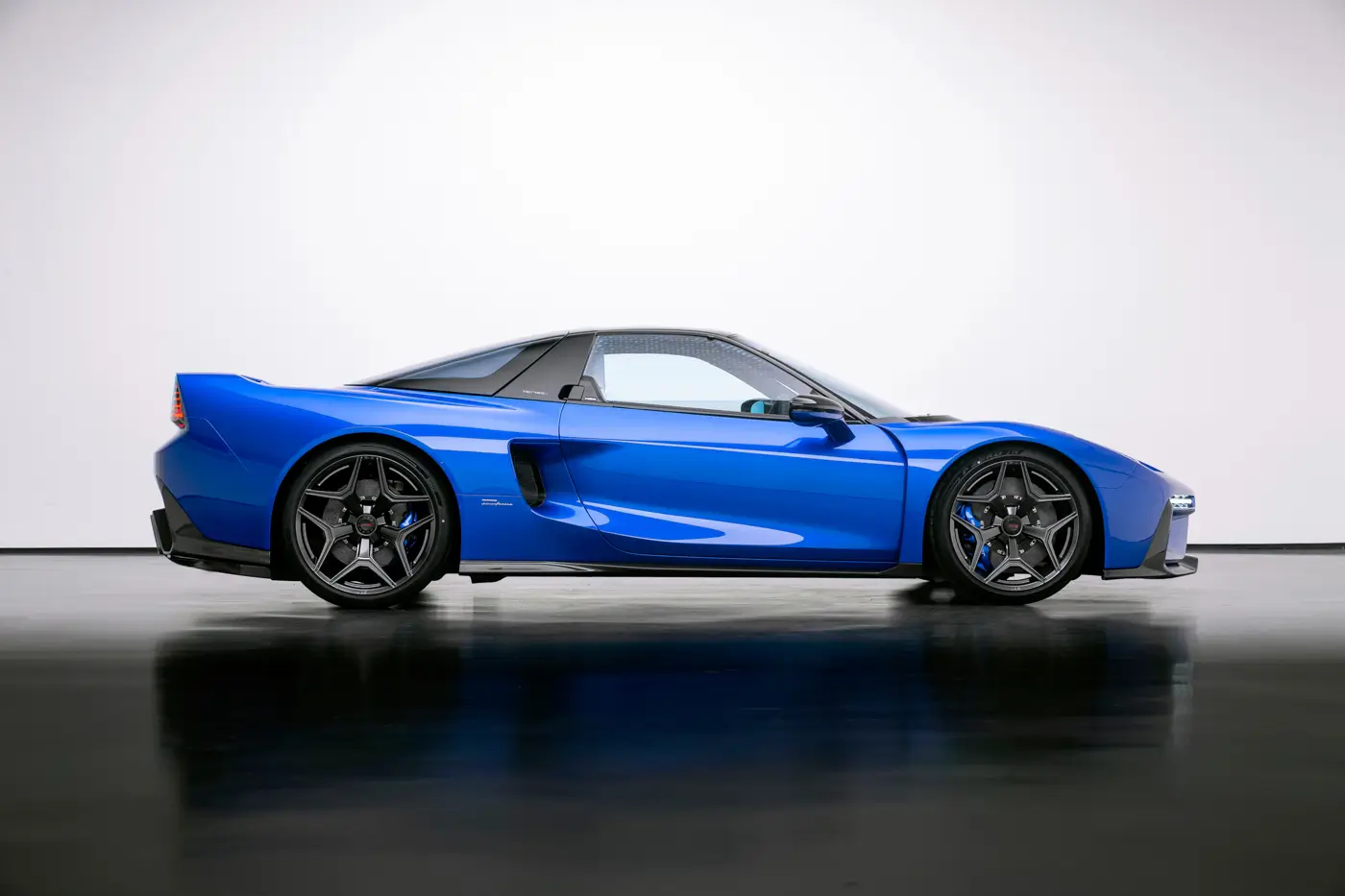
Pininfarina’s involvement may have something to do with that. The Tensei is 170mm wider at the front and 190mm at the rear, yet it keeps the low nose, the signature fighter-jet canopy and pop-up headlights of the NA1, while a longer wheelbase eats into the overhangs rather than adding length. The choice of designer is no accident or attempt to borrow stardust: it was Pininfarina’s HP-X concept of 1984 that set Honda on the road to the NSX in the first place.
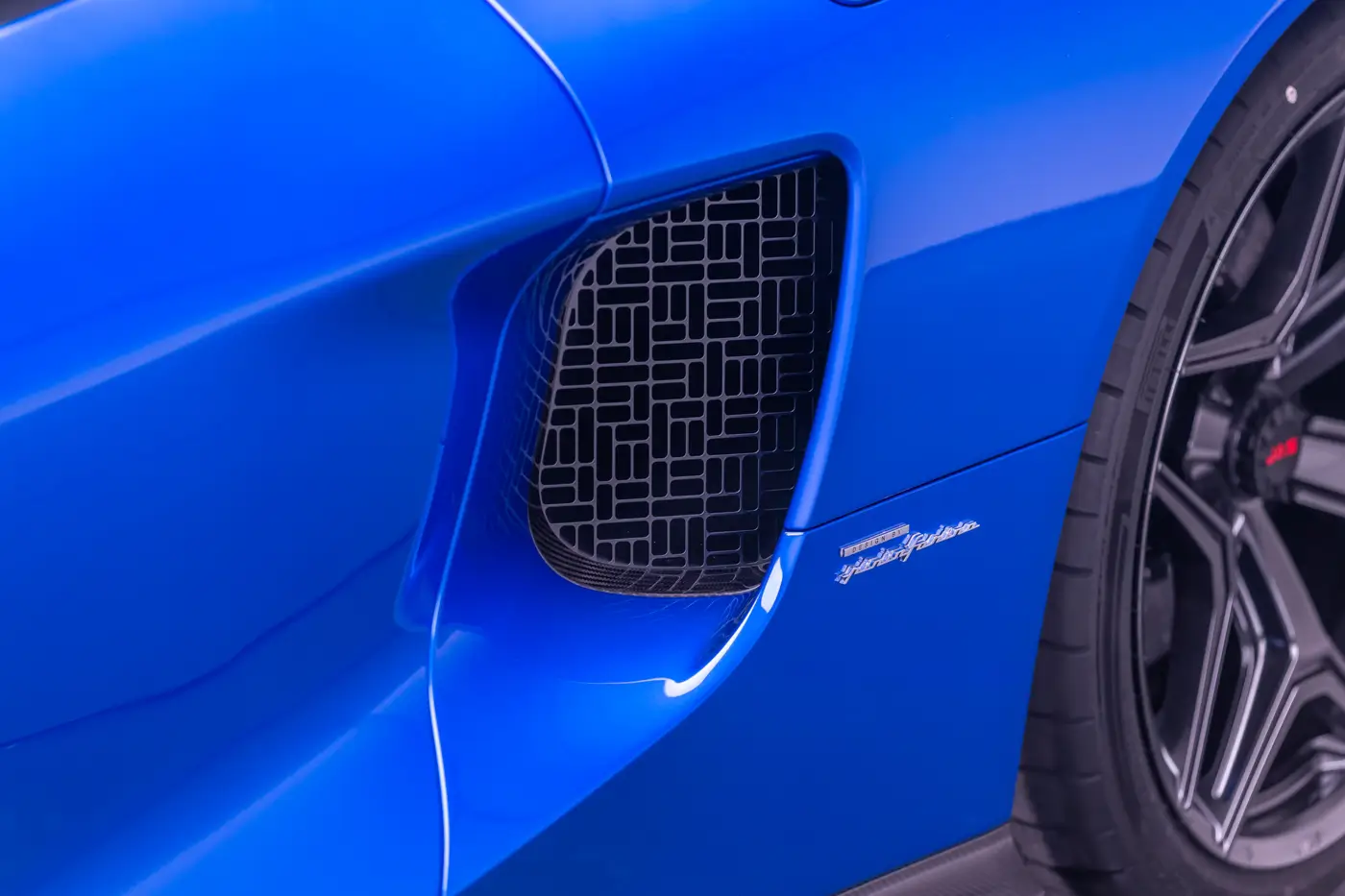
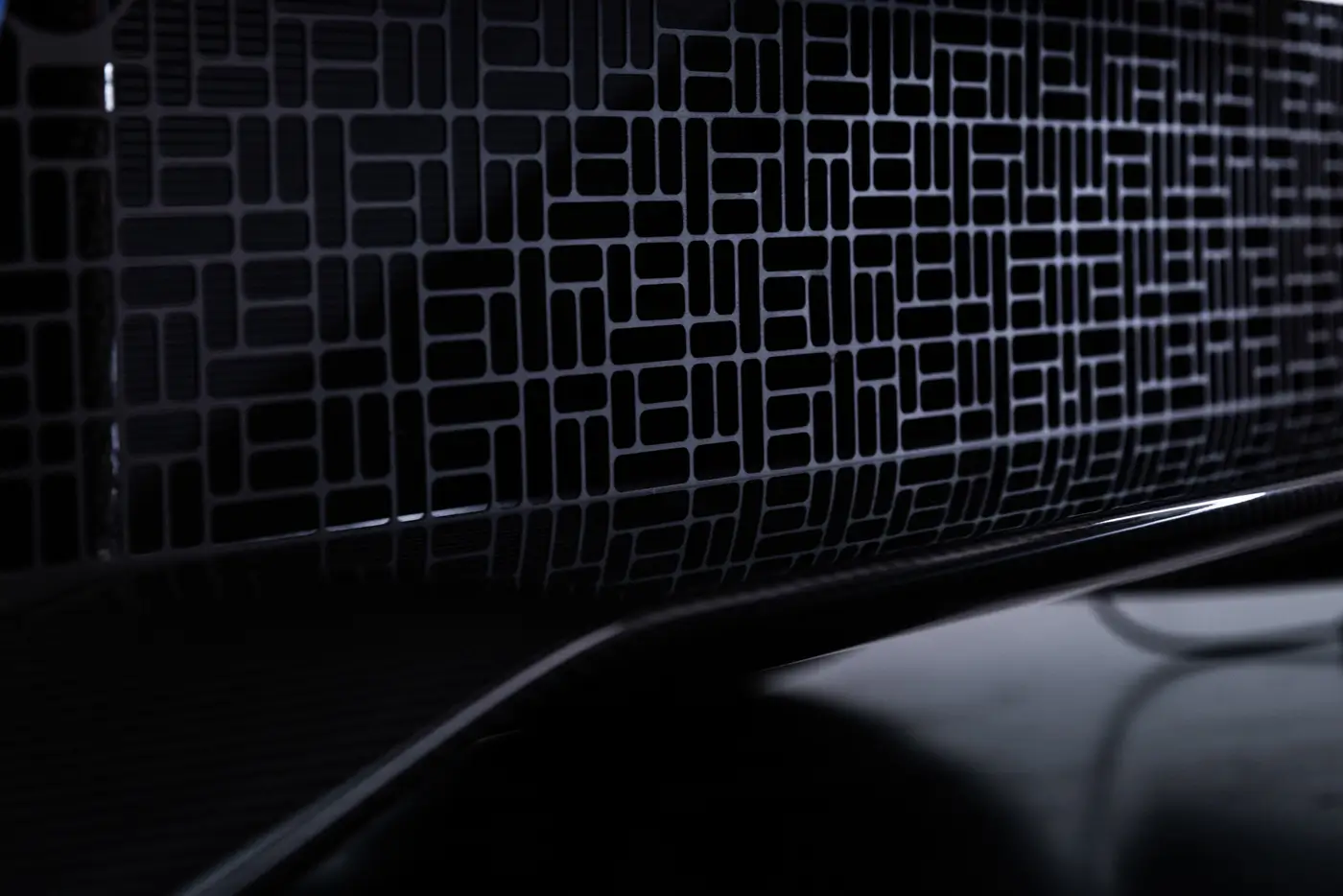
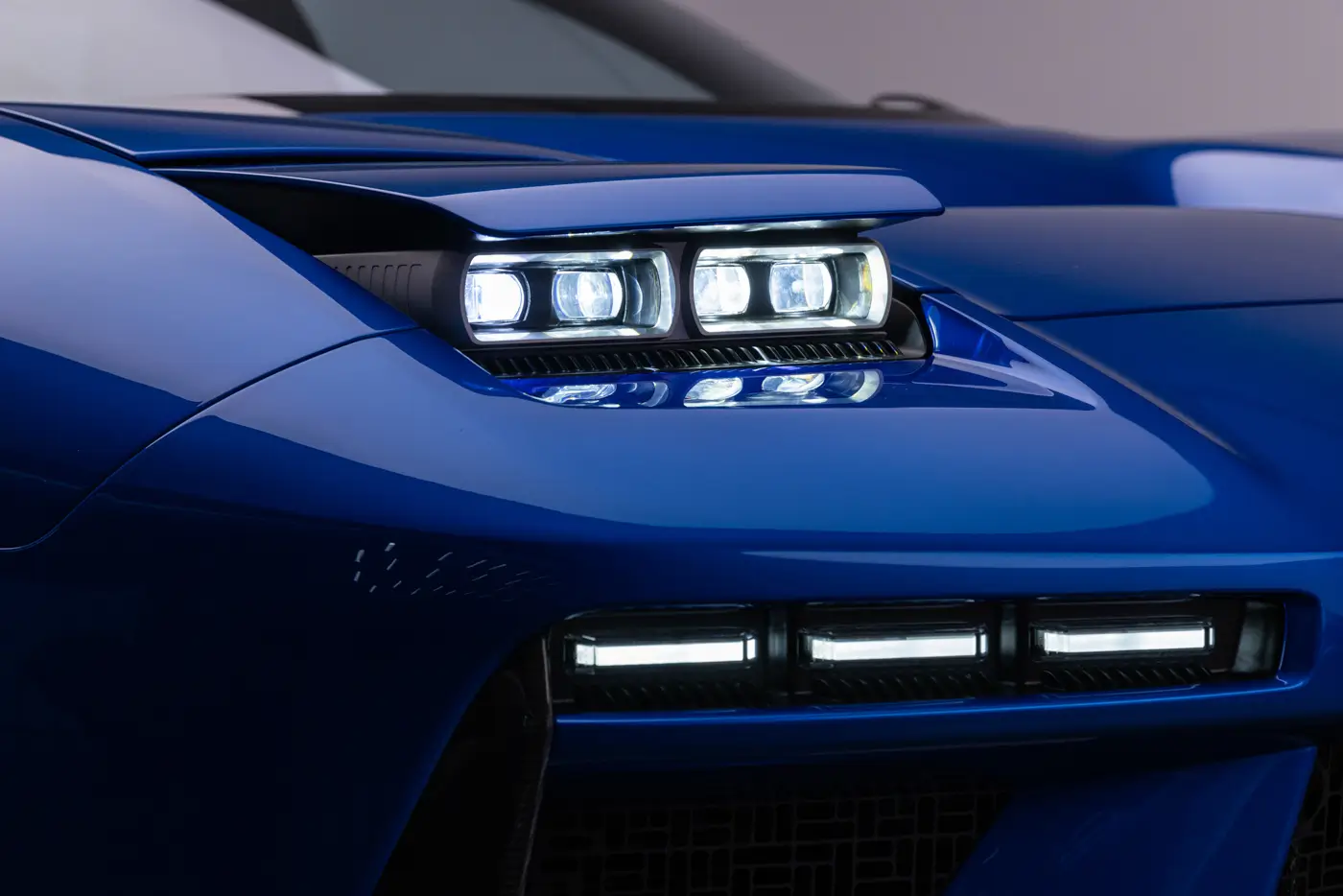
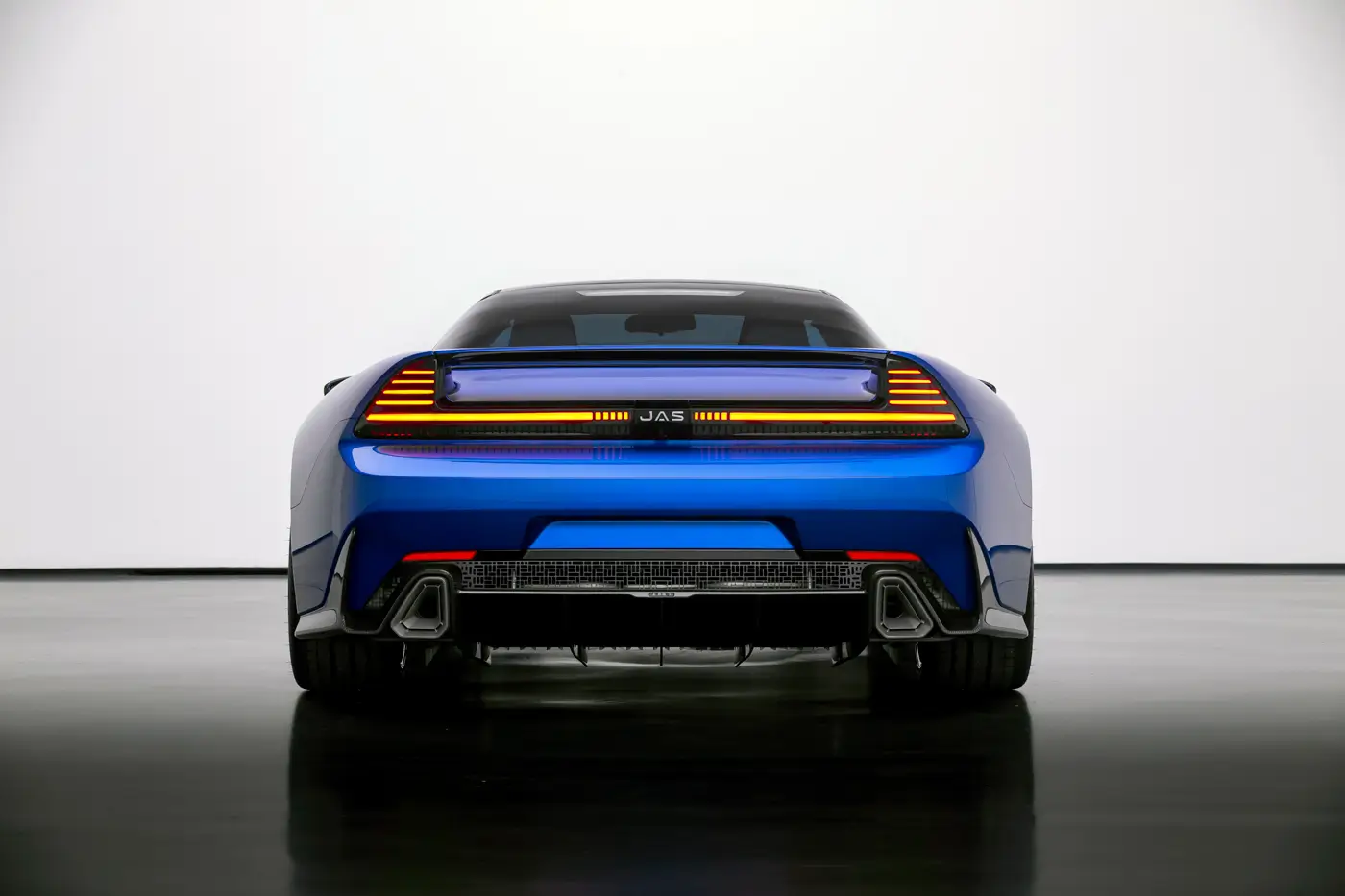
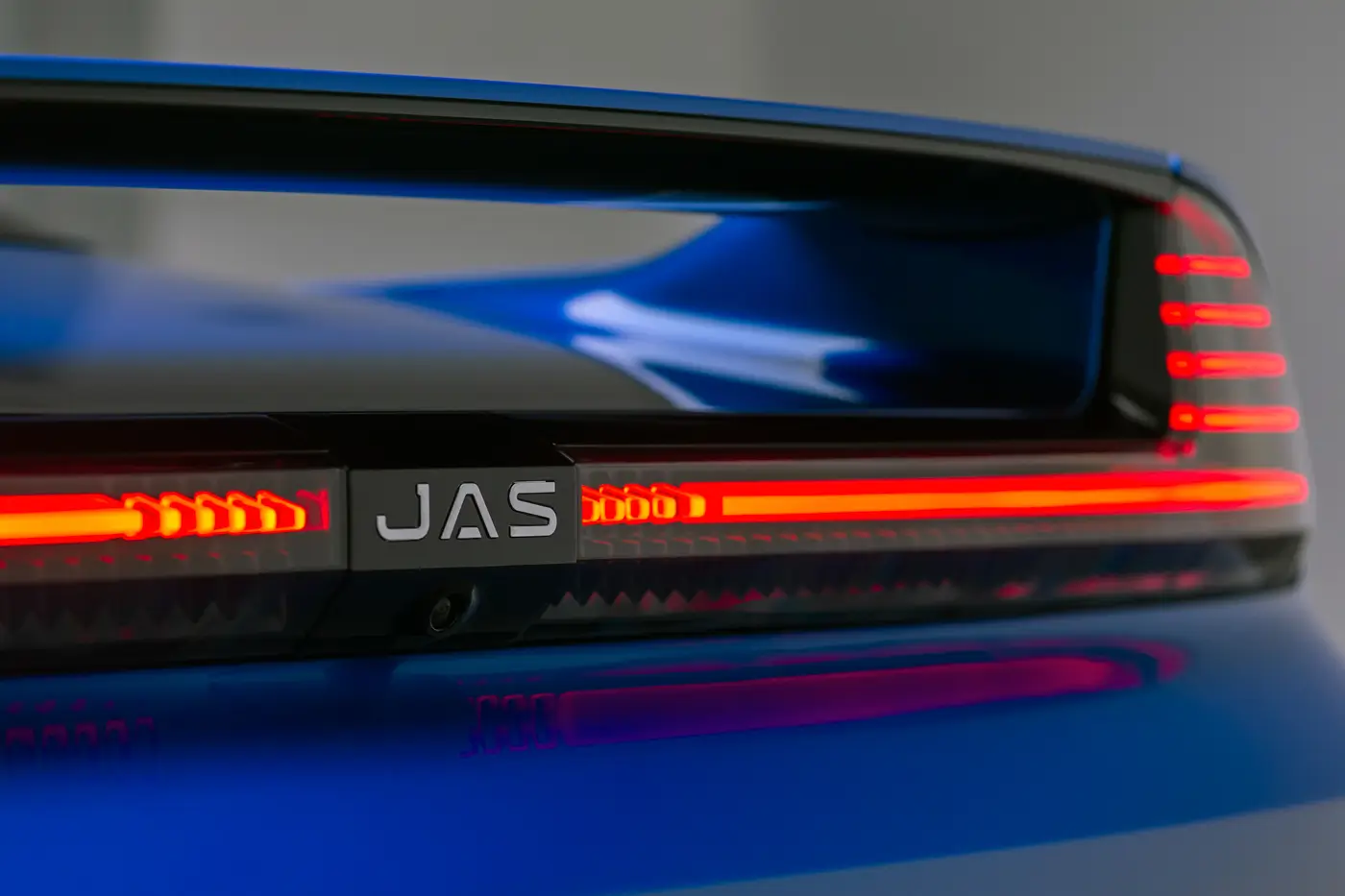
Every exterior panel is now autoclave-cured pre-preg carbon fibre, from the wings, door skins and bumpers to the bonnet and the boot lid with its integrated spoiler. JAS claims an impressive, albeit dry, weight of 1250kg. Airflow through the nose and along the flanks has been revised to improve cooling, while a carbon-fibre flat floor and active rear diffuser provide aerodynamic gains without disturbing the original silhouette. The rear screen also sits at a shallower angle. To meet modern homologation requirements, JAS has redesigned the pop-up mechanism around impact sensors and lightweight titanium linkages, with Matrix LED projectors inside.
Each build begins with a donor car, whose aluminium monocoque JAS laser-scans before bonding carbon-Kevlar reinforcement into the A- and B-pillars and the transmission tunnel. The original suspension pick-up points remain, but everything attached to them is new: double wishbones at the front, machined from billet aluminium, and a five-link rear, with lightweight uprights. Race-type ball joints at the wheel end and rubber bushes inboard strike a balance between control and refinement. The anti-roll bars are also uprated front and rear.
JAS has built Honda’s racing cars since 1998, from its World Touring Car Championship Civics to the TCR and latter-day NSX GT3, so it’s little wonder the dynamic overhaul doesn’t end there. Progressive-rate springs work with electronically controlled KW DDC dampers, adjusted through the instrument display, with KW also providing the hydraulic nose lift.
The new variable-ratio steering rack should answer one of the original’s few complaints – that it was too slow – though switching to electric assistance brings risks of its own. JAS promises it will be tuned to ‘feel purely analogue’.
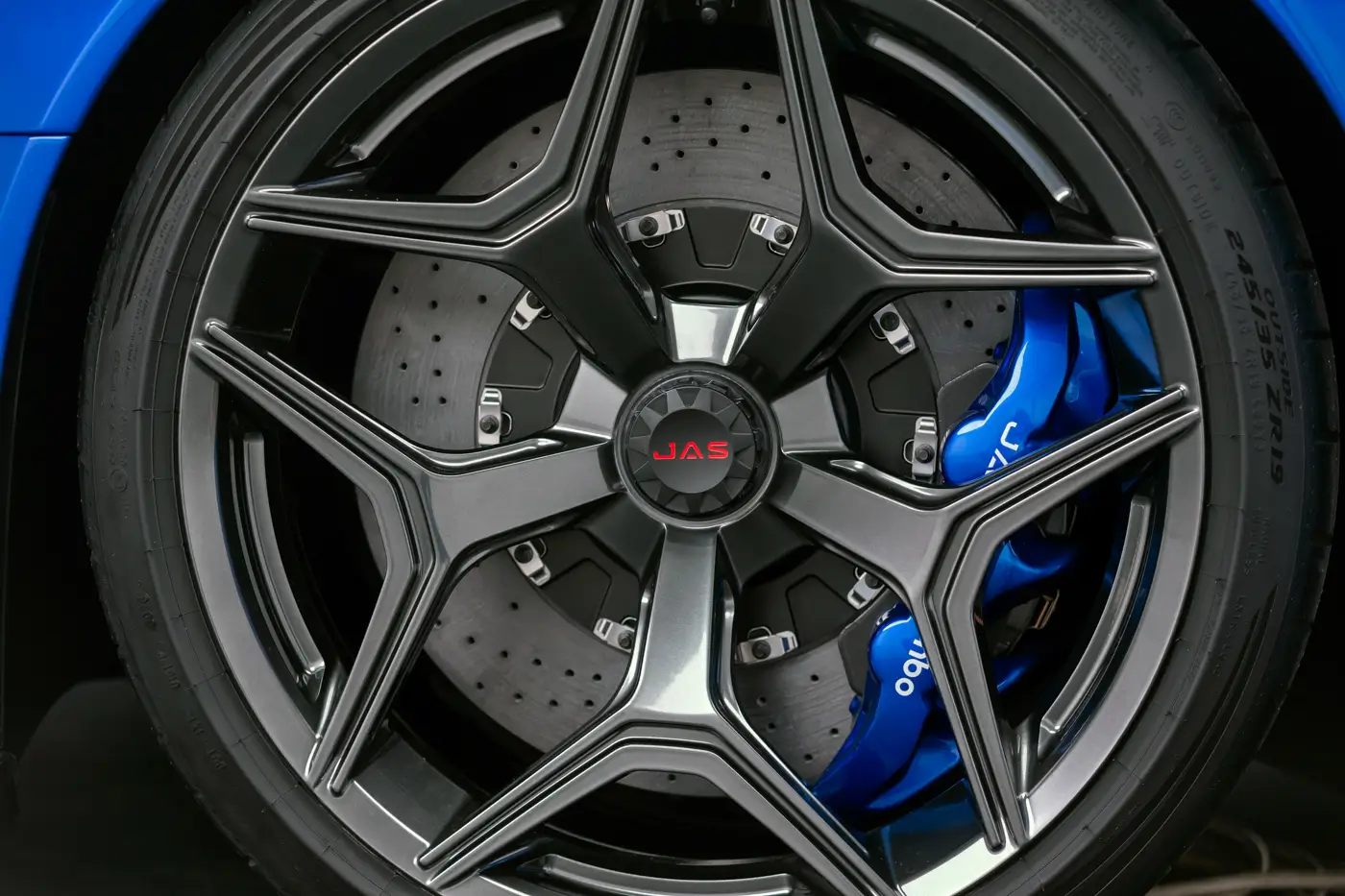
Brembo supplies six-piston calipers at the front and four-piston at the rear, clamping a choice of steel or CCM-R carbon-ceramic discs. The original NSX famously ran 15- and 16-inch alloys, and the Tensei retains the staggered arrangement, albeit scaled up to 19 inches at the front and 20 at the rear. Two centre-lock designs are offered, both by Pininfarina and manufactured by OZ Racing, with forged magnesium available as an upgrade.
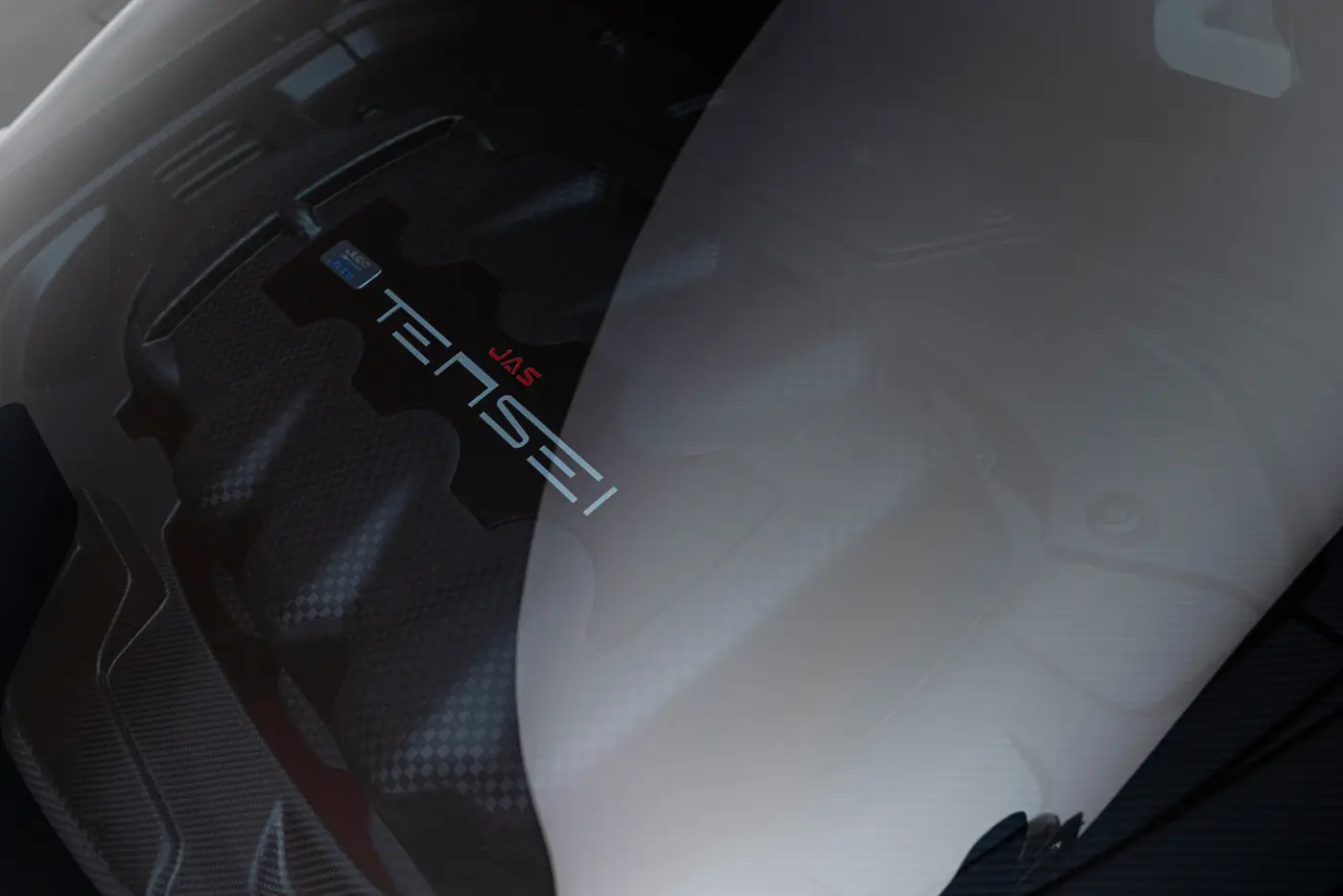
The most controversial decision of the project is the deletion of VTEC, so central to the original NSX’s character. JAS has turned to Judd Power, the erstwhile Formula 1 engine builder, which has kept the original C30A block and its 90-degree V angle, and little else.
Capacity grows from 3.0 to 3.5 litres, with a new short-stroke steel crankshaft, forged pistons and connecting rods. Lightweight alloy cylinder heads carry more aggressive camshaft profiles and titanium valves, with a fixed-timing valvetrain replacing VTEC.
Six individual throttle bodies beneath a carbon-fibre plenum promise sharper response and a more pronounced induction soundtrack, while burnt gases exit via a hydroformed Inconel and titanium exhaust that uses twin three-into-one manifolds and an X-pipe. A catalysed exhaust with silencers is optional, suggesting the standard system is the more feral of the two.
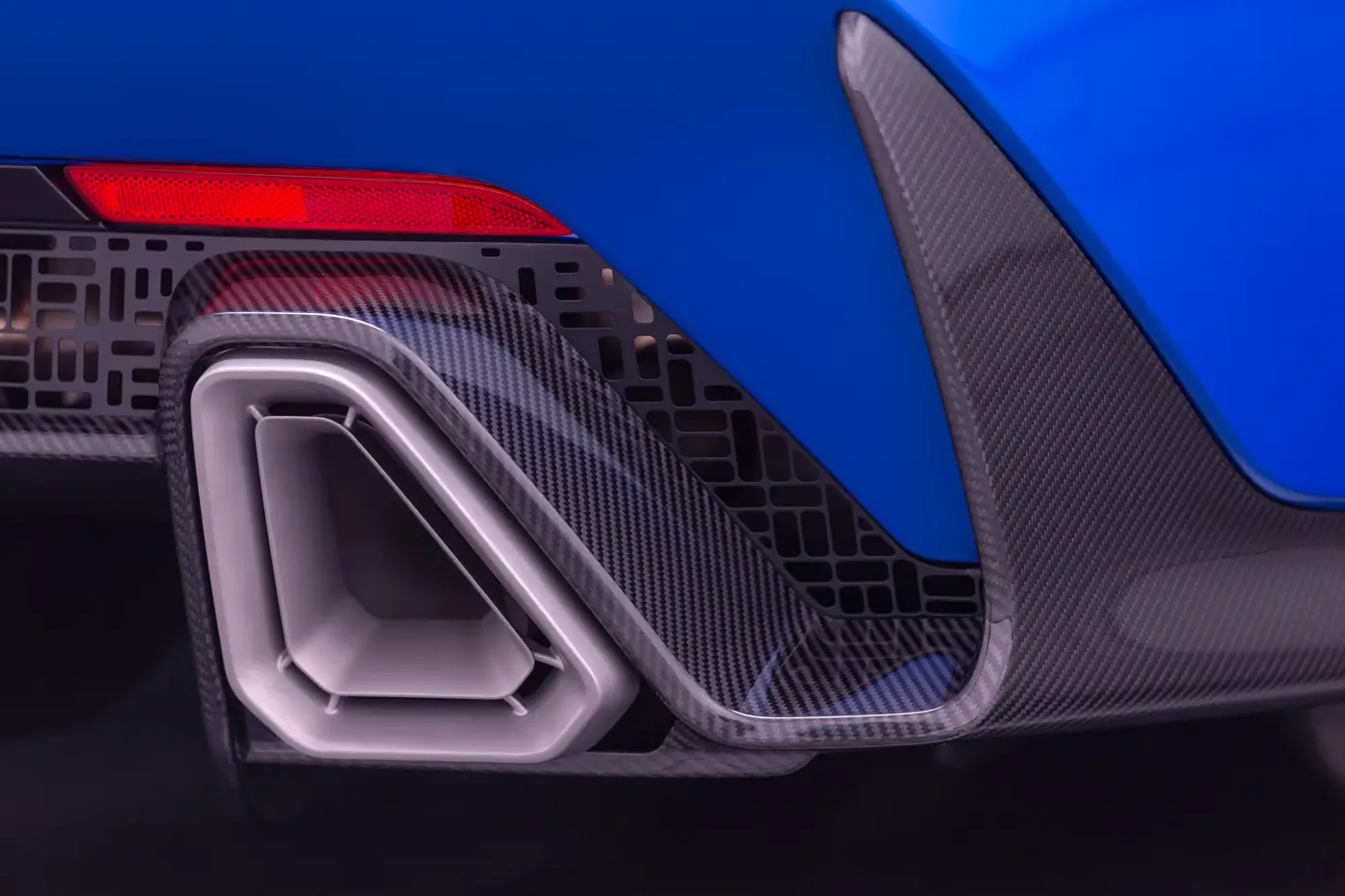
JAS quotes 414bhp at 8300rpm and 305lb ft at 5500rpm, with the limiter set at 8500rpm. In the UK, the launch NSX’s 3.0-litre V6 made 270bhp with the manual gearbox, and the later 3.2 made 290bhp. Rather than chase outright power, JAS talks of preserving ‘the immediate response that made the NSX iconic’.
A revised sump with a multi-stage scavenge pump allows the engine to sit 45mm lower in the chassis, further aiding handling, while the new engine management adds traction control and drive-mode calibration.
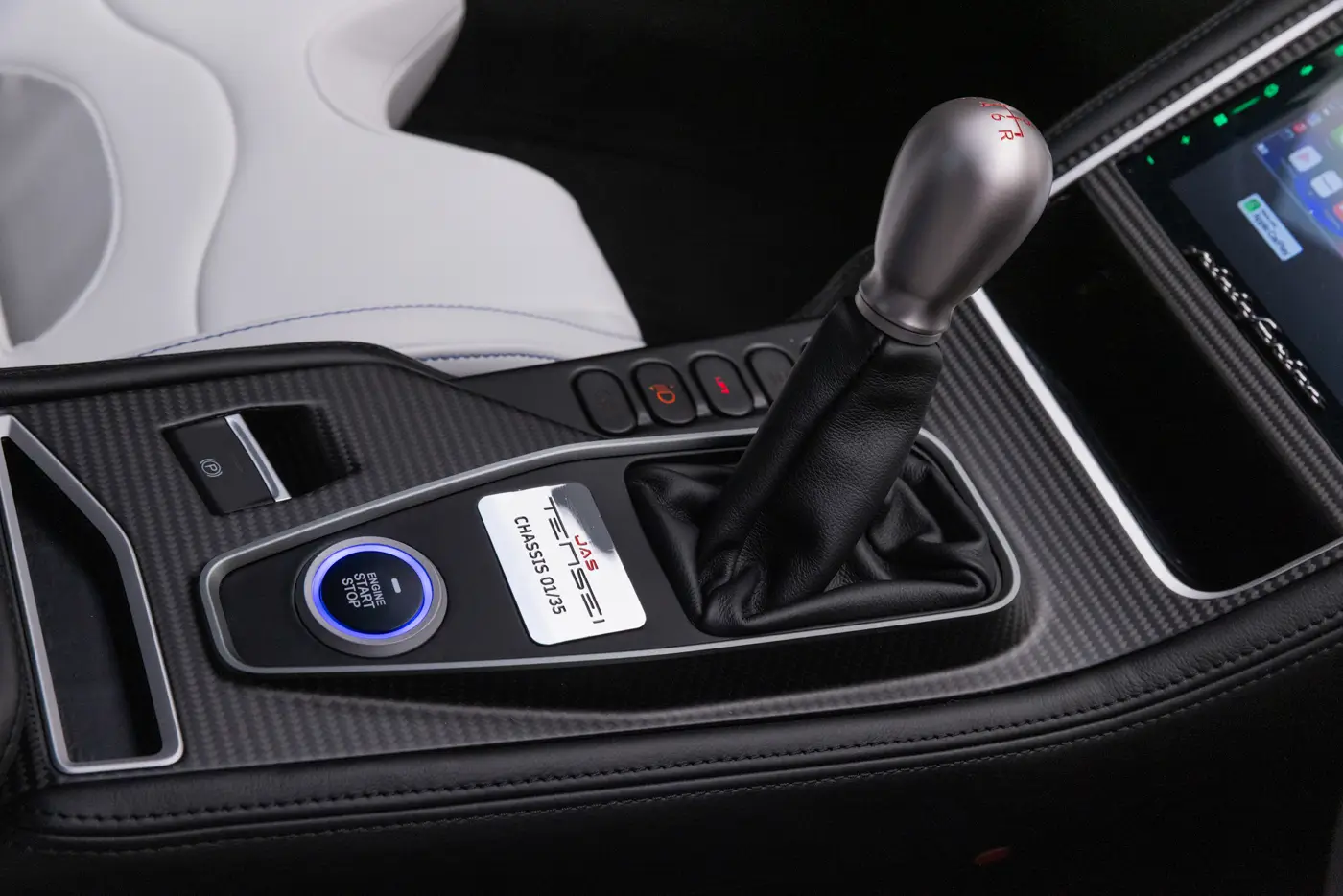
The gearbox is new, too. The launch NSX had a five-speed manual, and the six-speed only arrived with the 3.2-litre car in 1997. The Tensei’s six-speed is carried over from neither: JAS builds it in its own casing with its own internals, and pairs it with a lightweight flywheel, a twin-plate carbon clutch and a mechanical Torsen limited-slip differential. No automatic option will be offered.
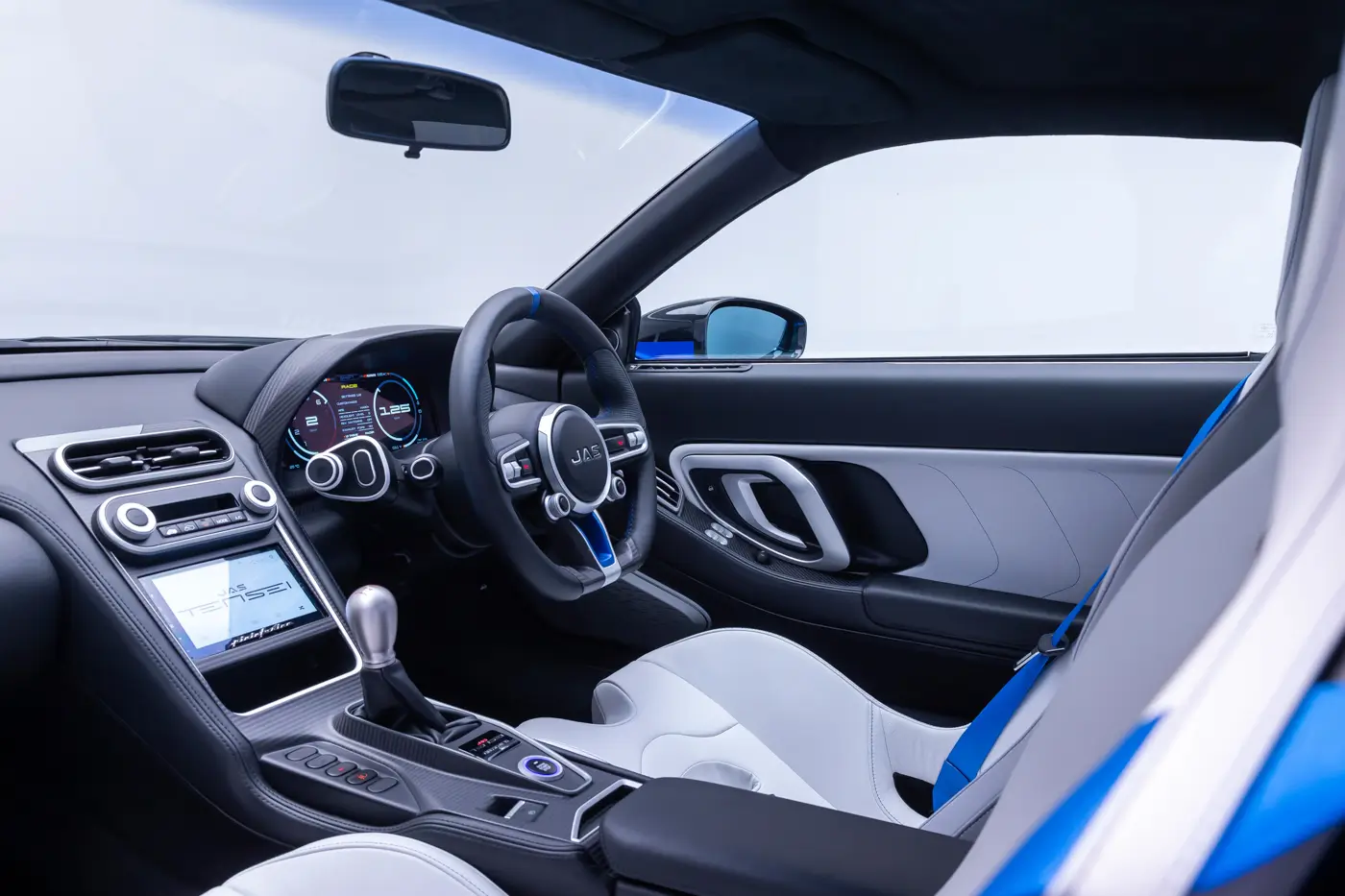
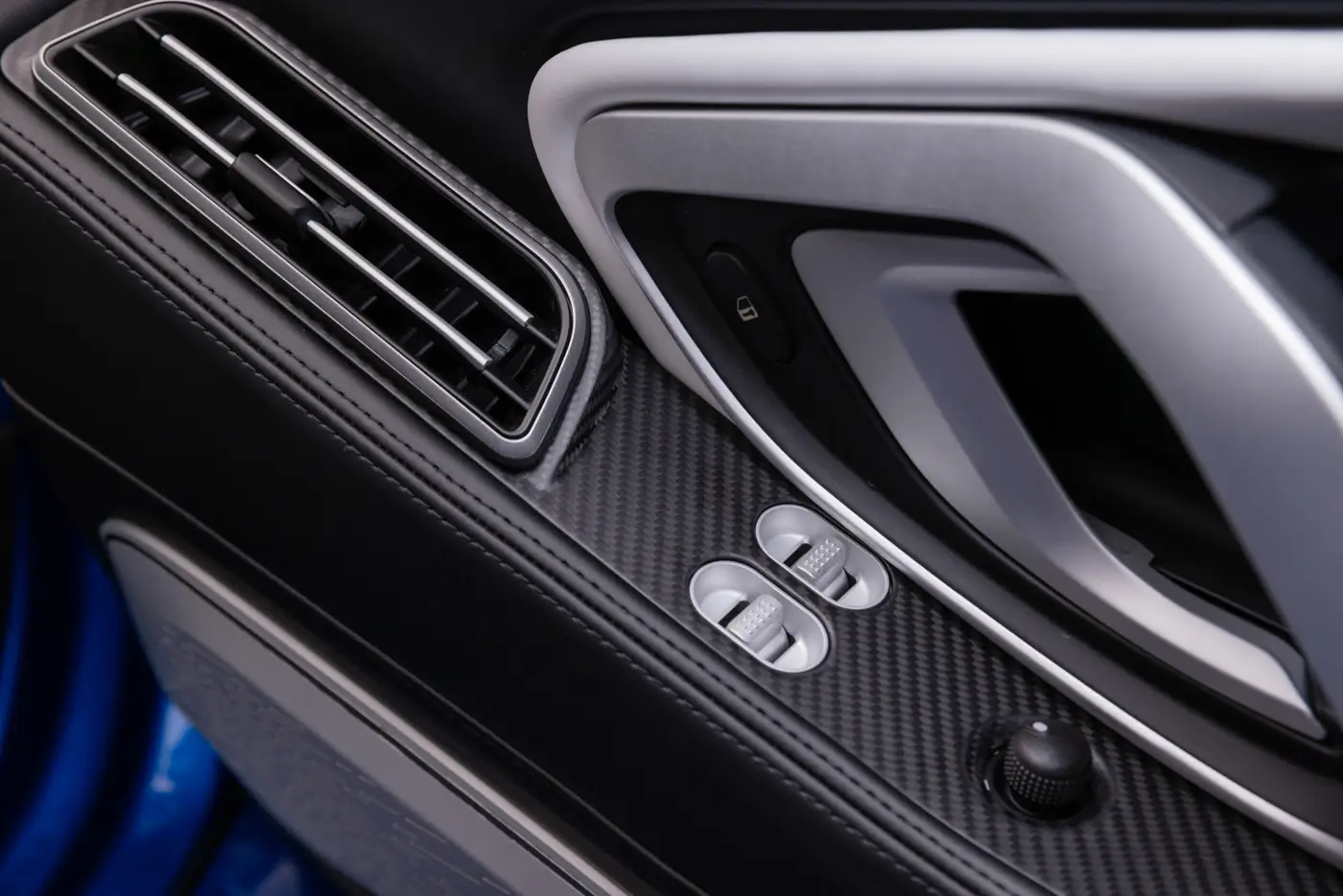
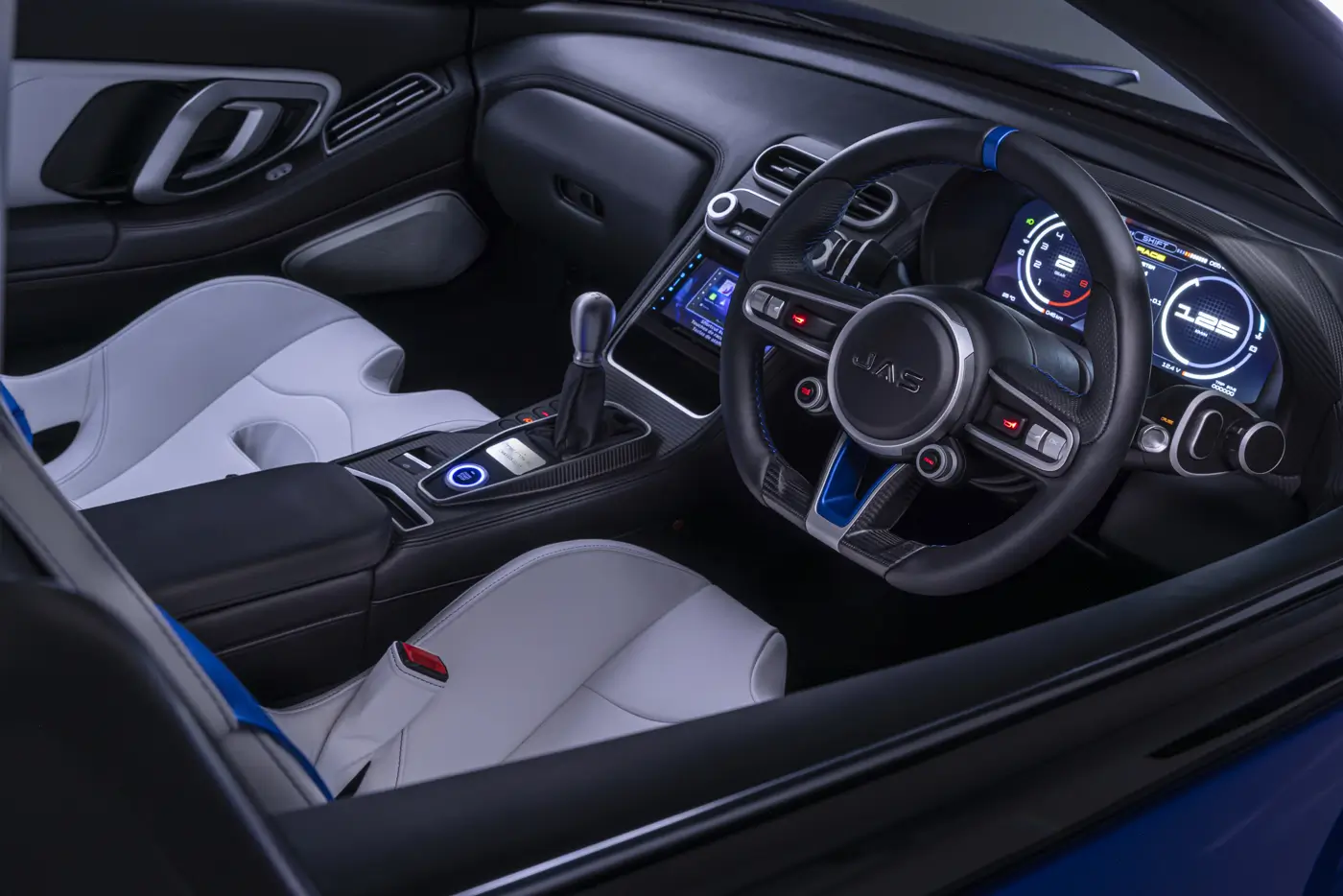
Inside, Pininfarina has kept the original dashboard architecture, low scuttle and slim pillars. The binnacle now holds a large central rev counter, reading to 10,000rpm, flanked by two configurable OLED screens for temperatures, pressures and lap times. A small central touchscreen handles Apple CarPlay and Android Auto, and the car keeps climate control and a stereo. JAS maintains that ‘luxury is not excess, but the absence of distractions’.
The dashboard is a single structural carbon-fibre moulding with a matt anti-glare finish, trimmed in natural-tanned leather and black Alcantara. Sabelt supplies exposed-carbon seats upholstered in hand-stitched saddle leather, the compact Alcantara steering wheel carries minimal buttons, while the aluminium gearknob has been upgraded to a titanium one. JAS promises hundreds of combinations of colours, materials and finishes, with Pininfarina’s atelier in Cambiano handling the more complex commissions.
Honda has given the finished car its blessing, allowing it to carry the NSX name and customers to fit Honda badges if they wish. Just 35 examples will be built at JAS’s facility in Arluno, near Milan, in left- or right-hand drive. The price of entry is €880,000, around £770,000, excluding local taxes and the donor NSX. Add that and a few bespoke touches, and the total approaches the €934,375 an NA2 NSX-R fetched at auction in 2025.
JAS Tensei: Specifications
- Engine: 3.5-litre naturally aspirated V6
- (Honda C30A block, developed by Judd Power)
- Power: 414bhp at 8300rpm (420PS)
- Torque: 305lb ft at 5500rpm (414Nm)
- Rev limit: 8500rpm
- Transmission: Six-speed manual, Torsen limited-slip differential, rear-wheel drive
- Brakes: Brembo, 380mm front; steel or carbon-ceramic
- Wheels: 19in front, 20in rear, forged OZ Racing centre-lock
- Length: 4415mm
- Width: 1928mm front, 2000mm rear
- Wheelbase: 2585mm
- Weight: 1250kg (dry, claimed)
- Production: 35
- Price: €880,000 (around £770,000) excluding taxes and donor car