-01.svg)

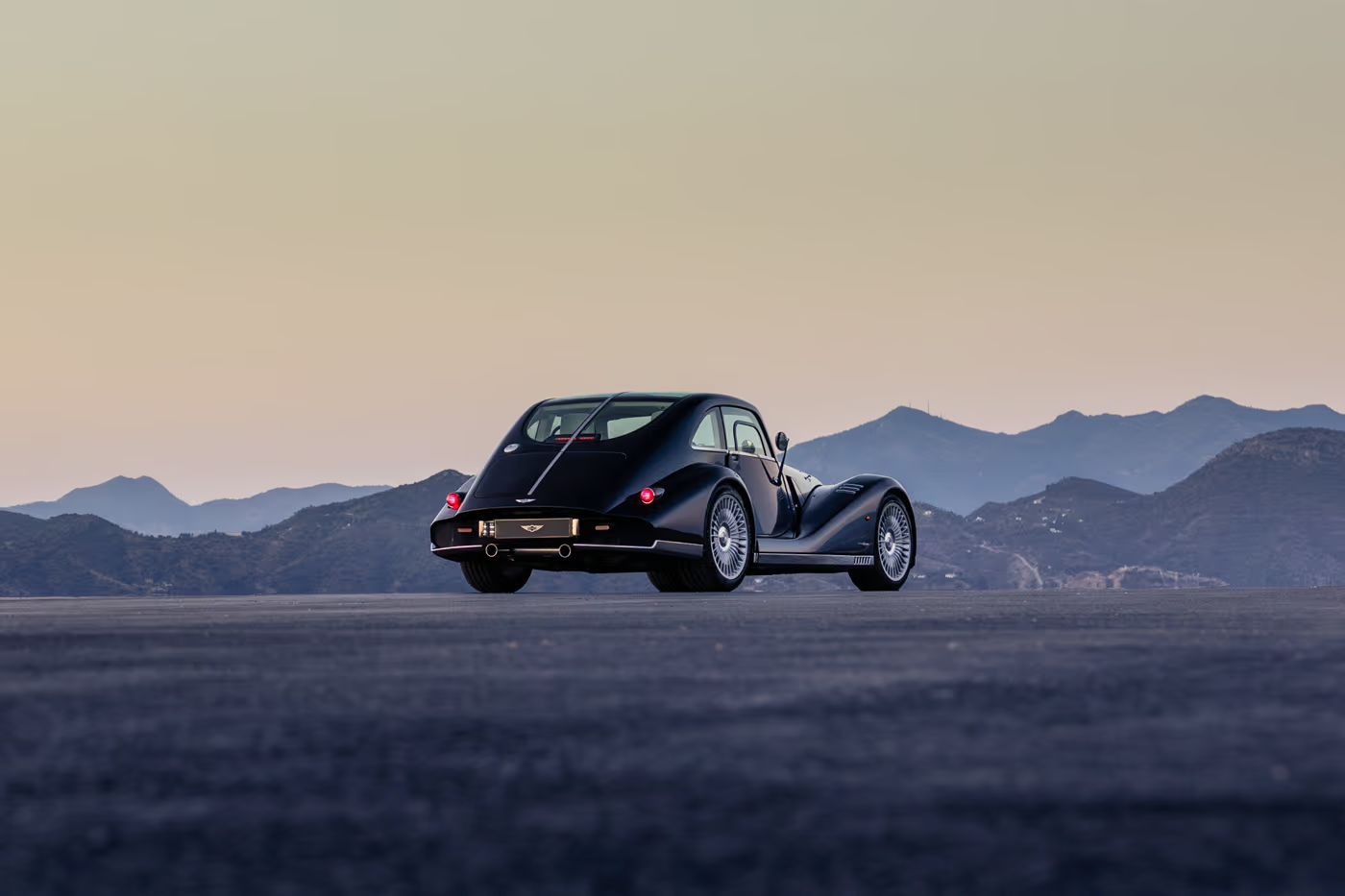
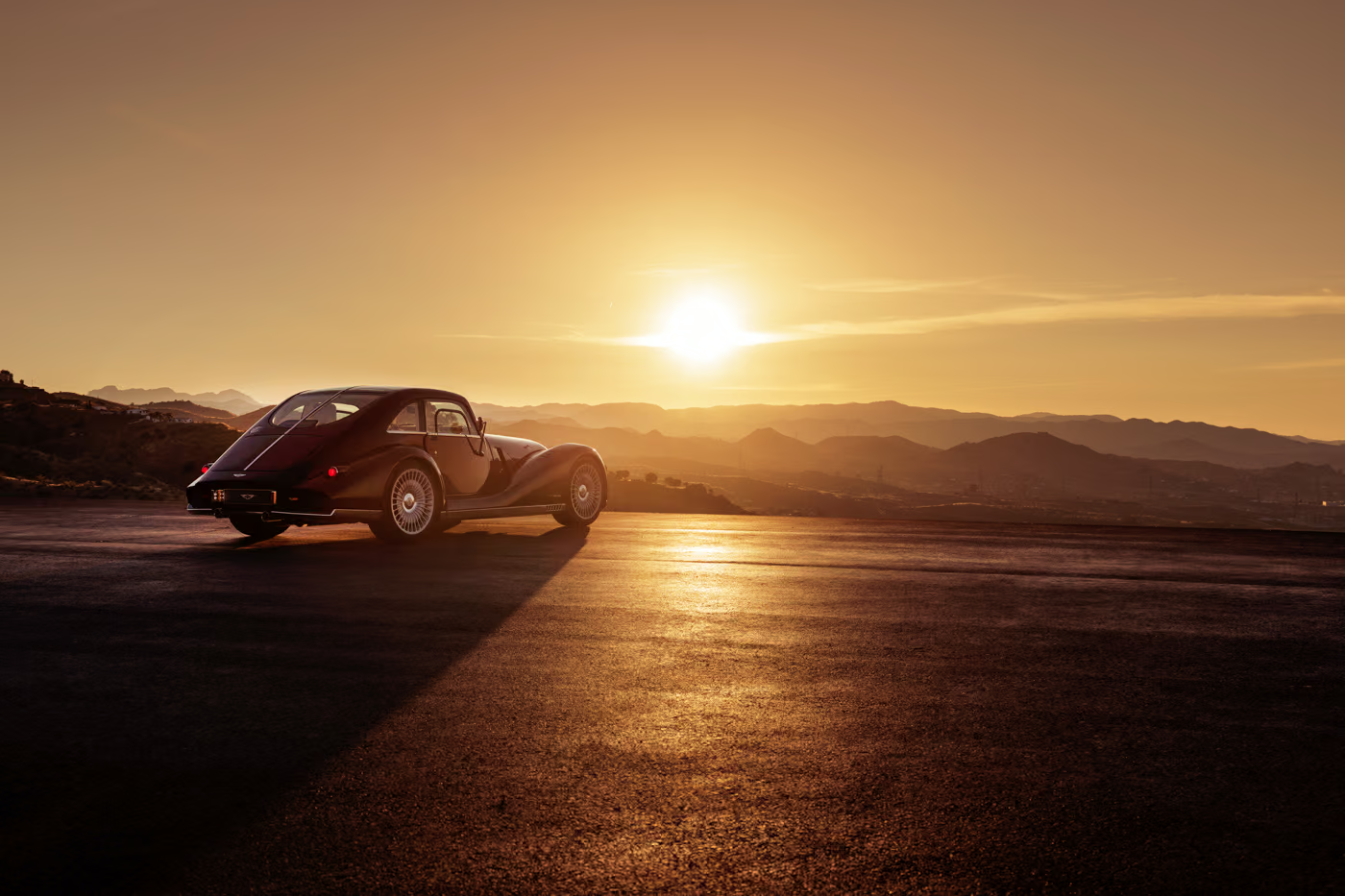
Made from aluminium, the roof frame features billet-machined A-pillars and stressed skin, with additional strength coming from a surprising place: the glass. Rather than being retained by a rubber seal, the windscreen and sunroof panels are bonded directly to the body. The addition of the greenhouse means the Midsummer Coupé weighs 1,210kg – an increase of 210kg over the speedster, but only 2.5% more than a Supersport fitted with the optional hardtop.
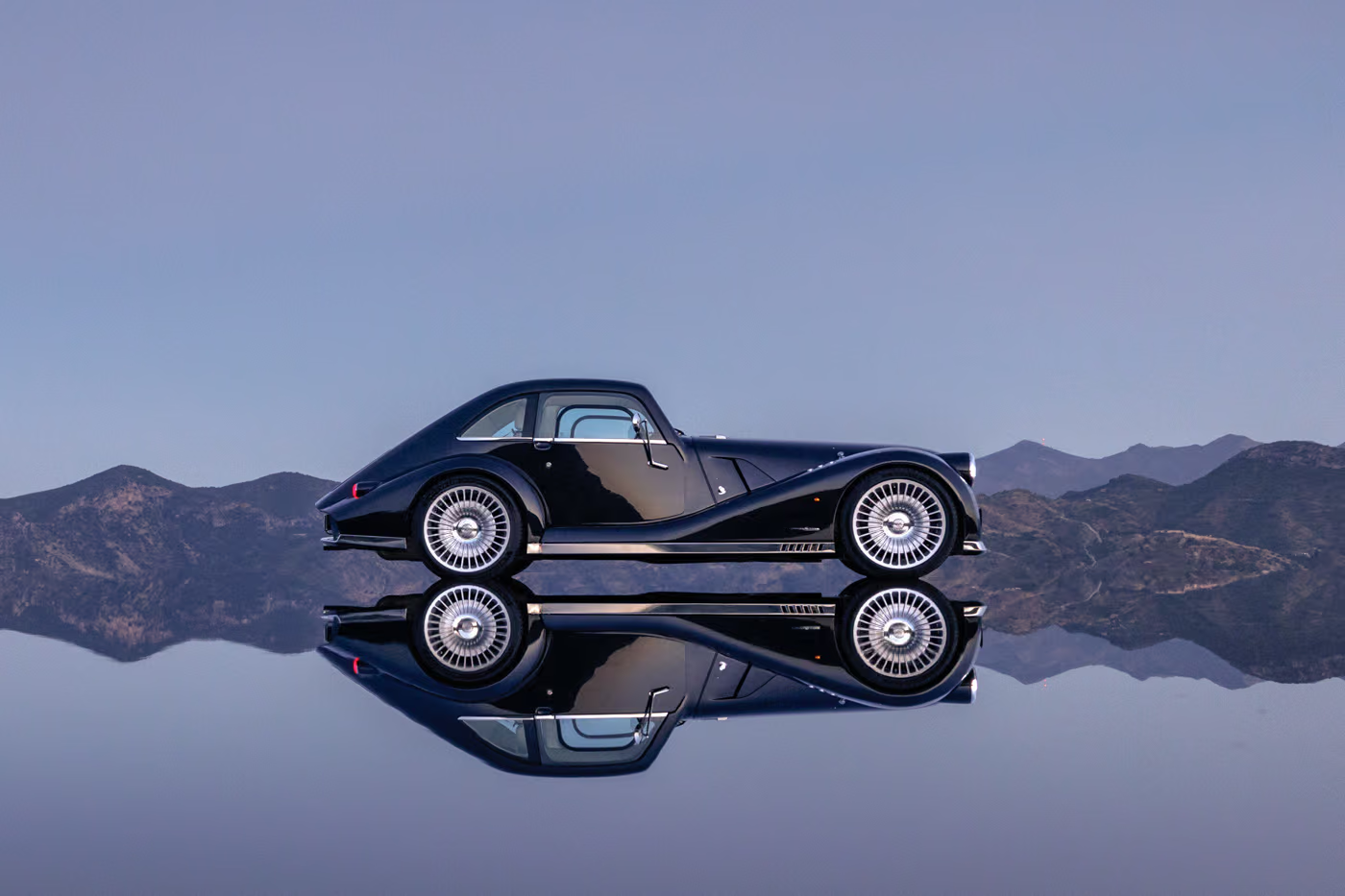
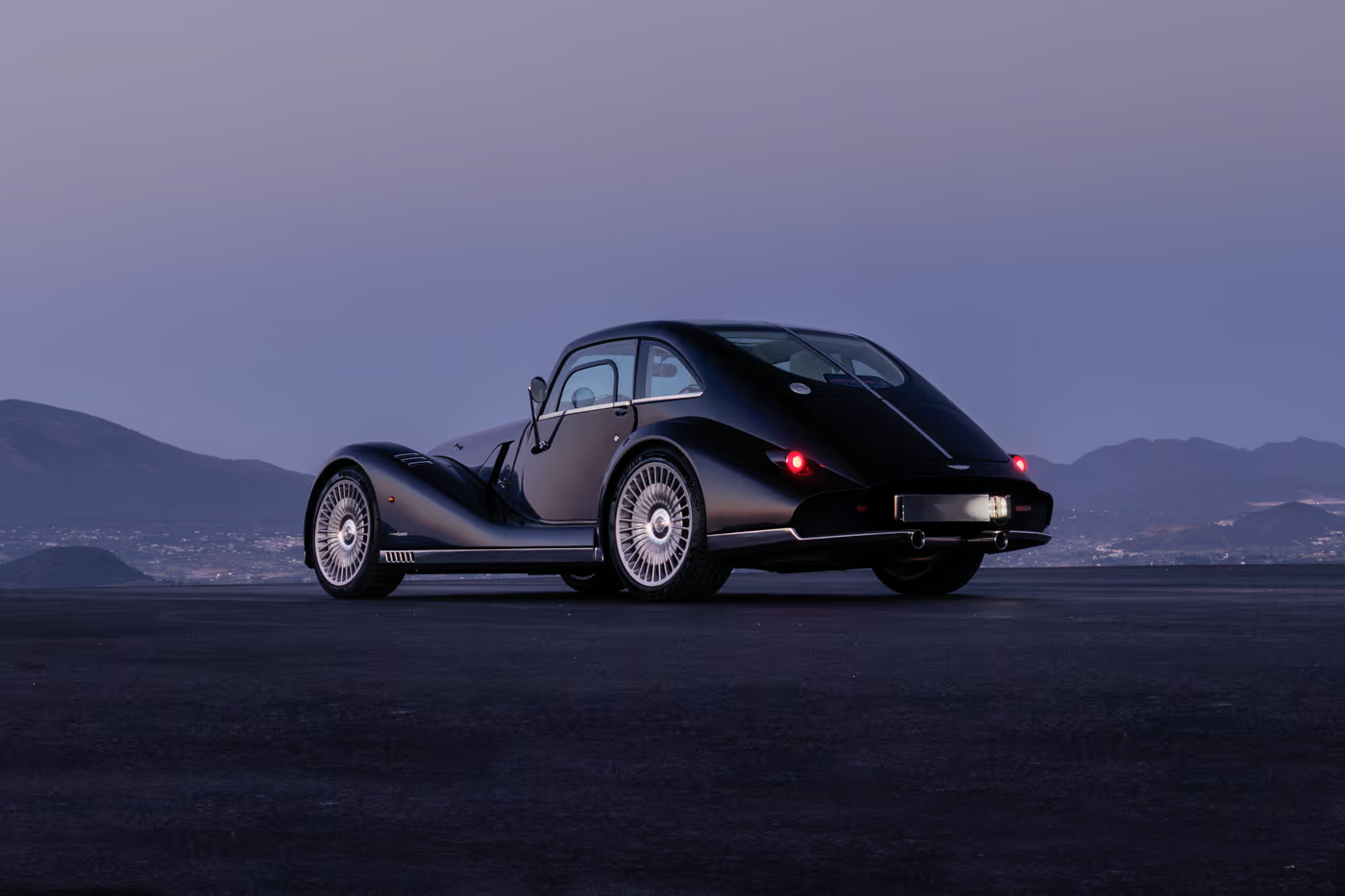
Partly offsetting the weight gain is the uprated BMW B58 ‘O1’ engine as used in the Supersport 400, developing 402bhp and 369lb-ft (500Nm) of torque. Drive is sent to the rear wheels through an eight-speed ZF automatic transmission, with grip coming courtesy of Michelin Pilot Sport 5 tyres. While no specific performance data has been quoted, we expect the Midsummer Coupé to reach 62mph from rest in under four seconds and have a top speed in excess of 155mph.
The original Midsummer speedster served as a preview for its maker’s new design direction, cleaning up the bodywork while retaining brand hallmarks like the horseshoe grille and round light pods. The grille keeps its classic style but is crowned by four rounded rectangular vents – a feature also found in groups of six on each side skirt, with a further three on each front wing.
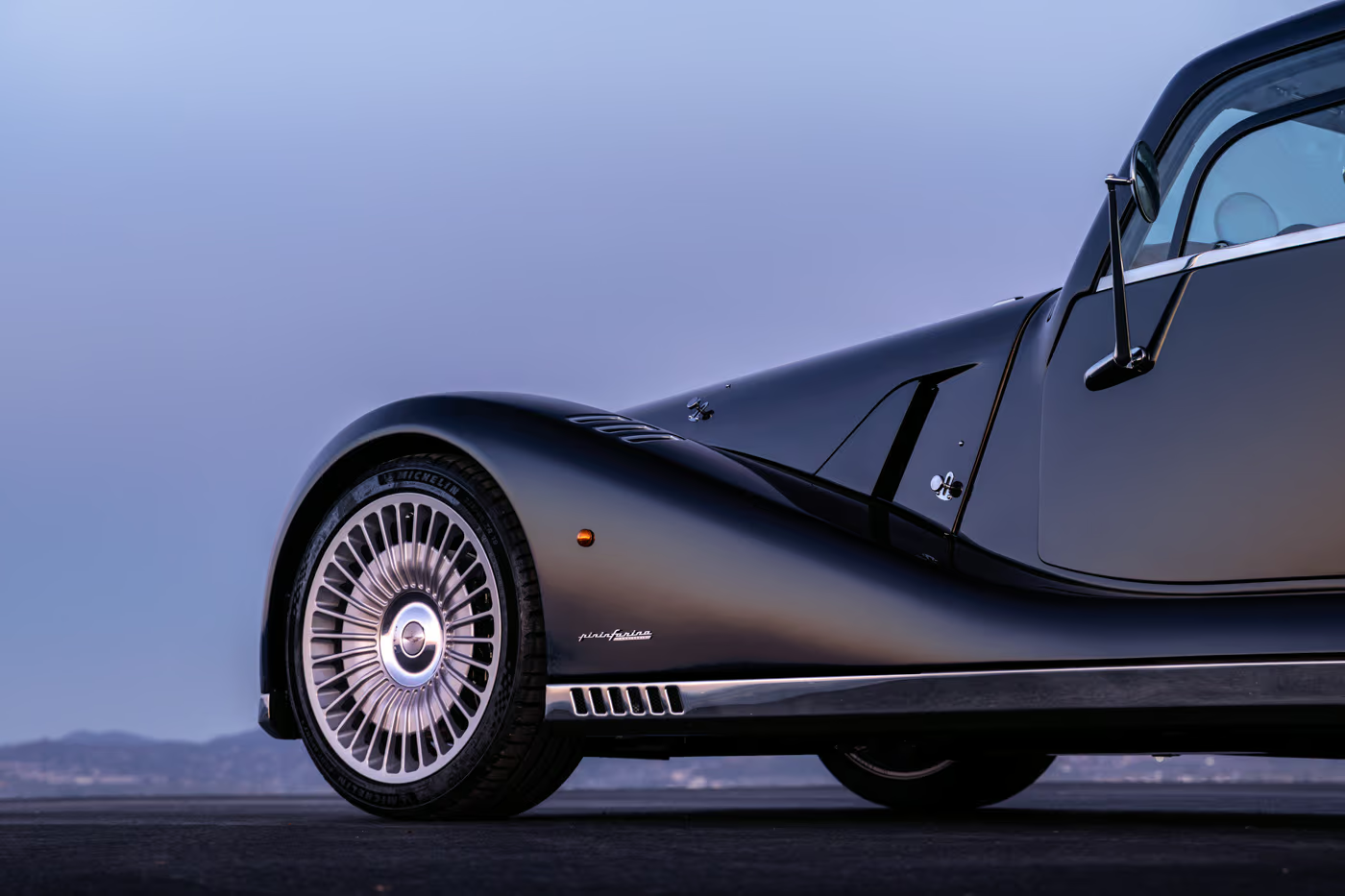
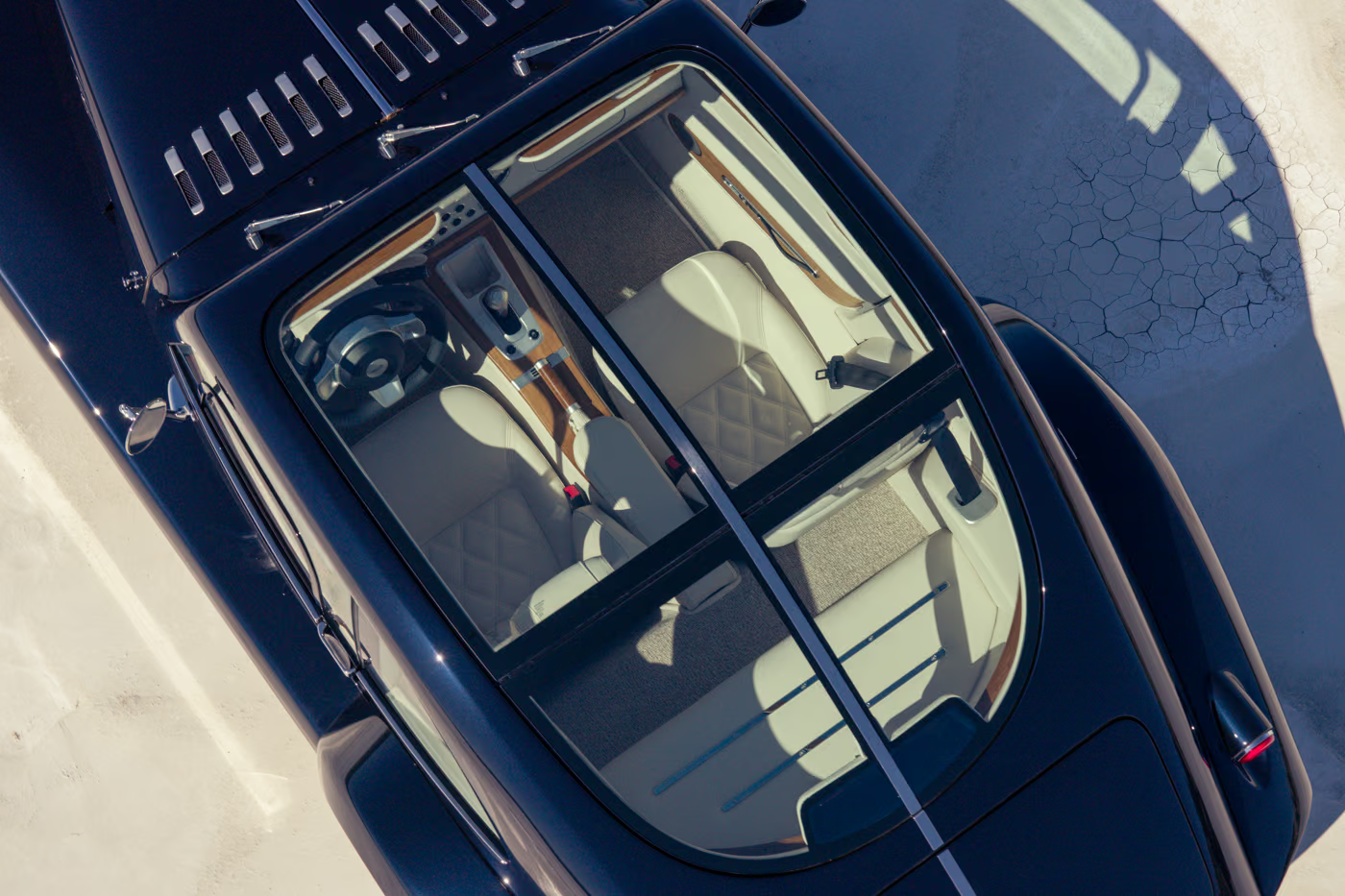
Twelve piano key-style vents sit at the rear of the bonnet – reduced from fourteen on the barchetta – and in true Morgan fashion, there are three wipers. The roof itself echoes the shape of the front wings, with a flat upper surface curving to form a singular falling line which connects the highest and lowest points of the car. Another connecting line runs from badge to badge, with a chrome strip splitting the bodywork and most of the glass in half.
More split glass is found at the sides, with a drop-window design similar to the Subaru SVX and the McLaren F1. A brand new forged wheel style has been introduced for the Midsummer Coupé, mixing multi-spoke and aerodynamically optimised designs for the 19” rims.
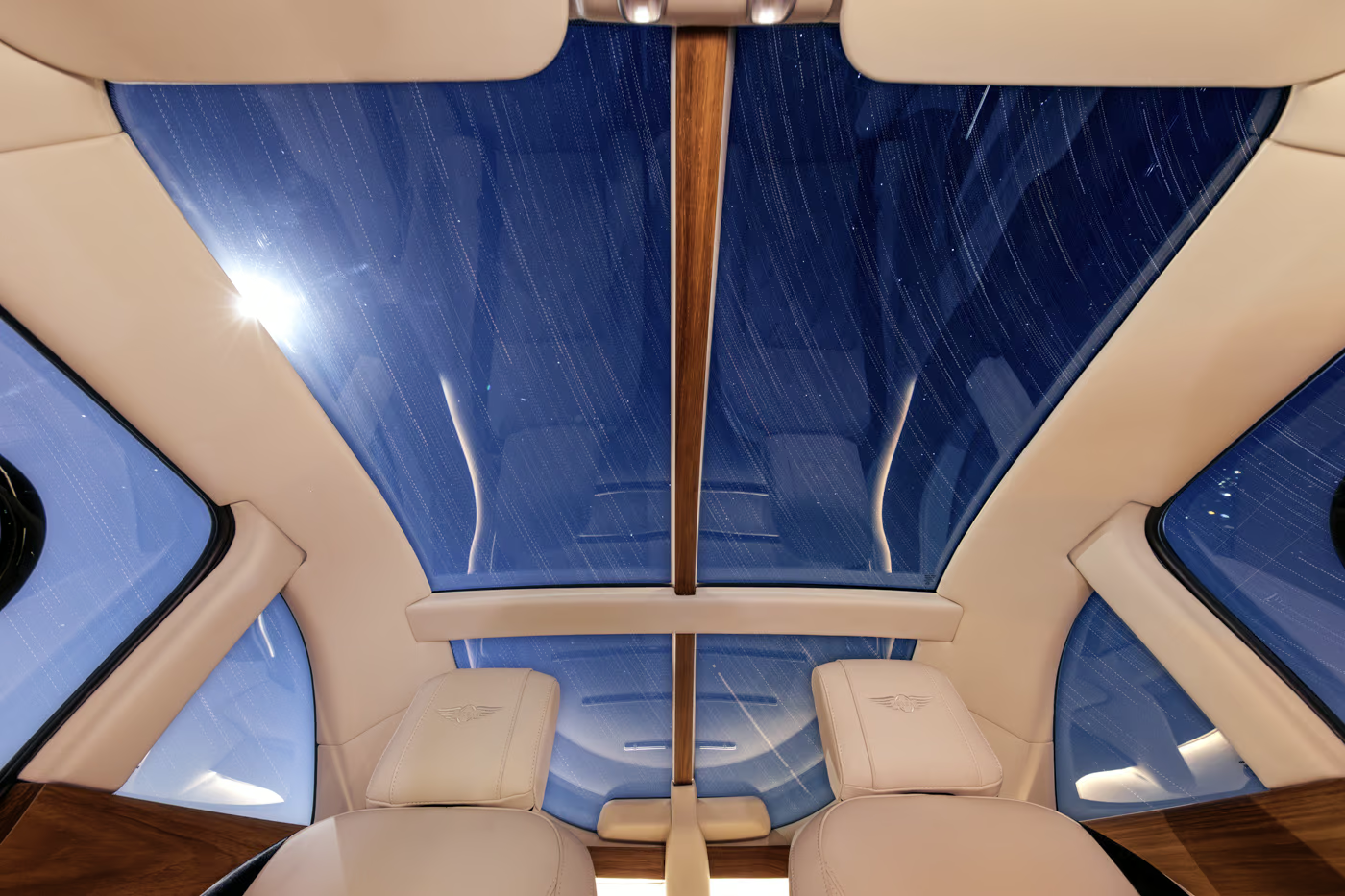
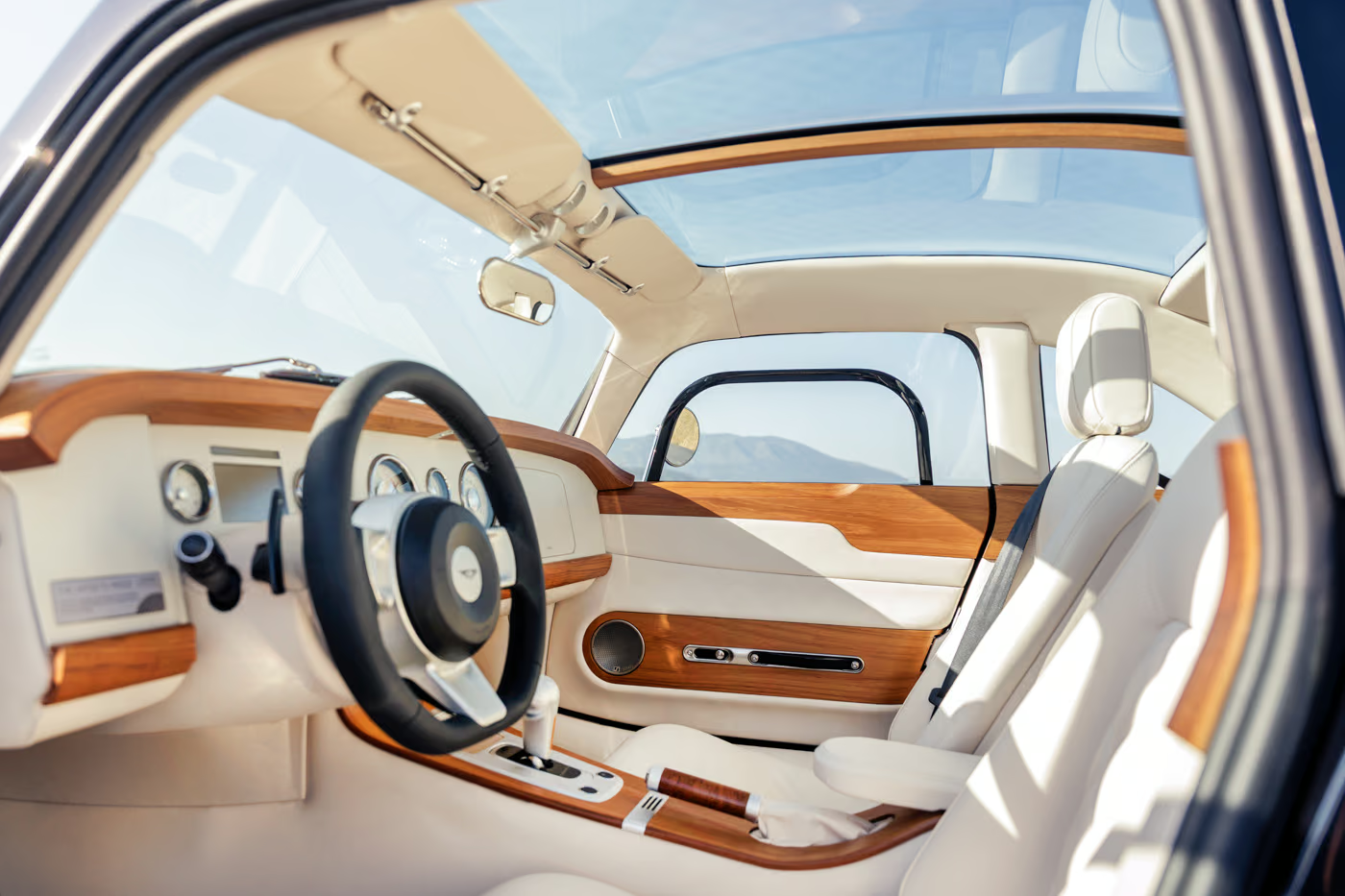
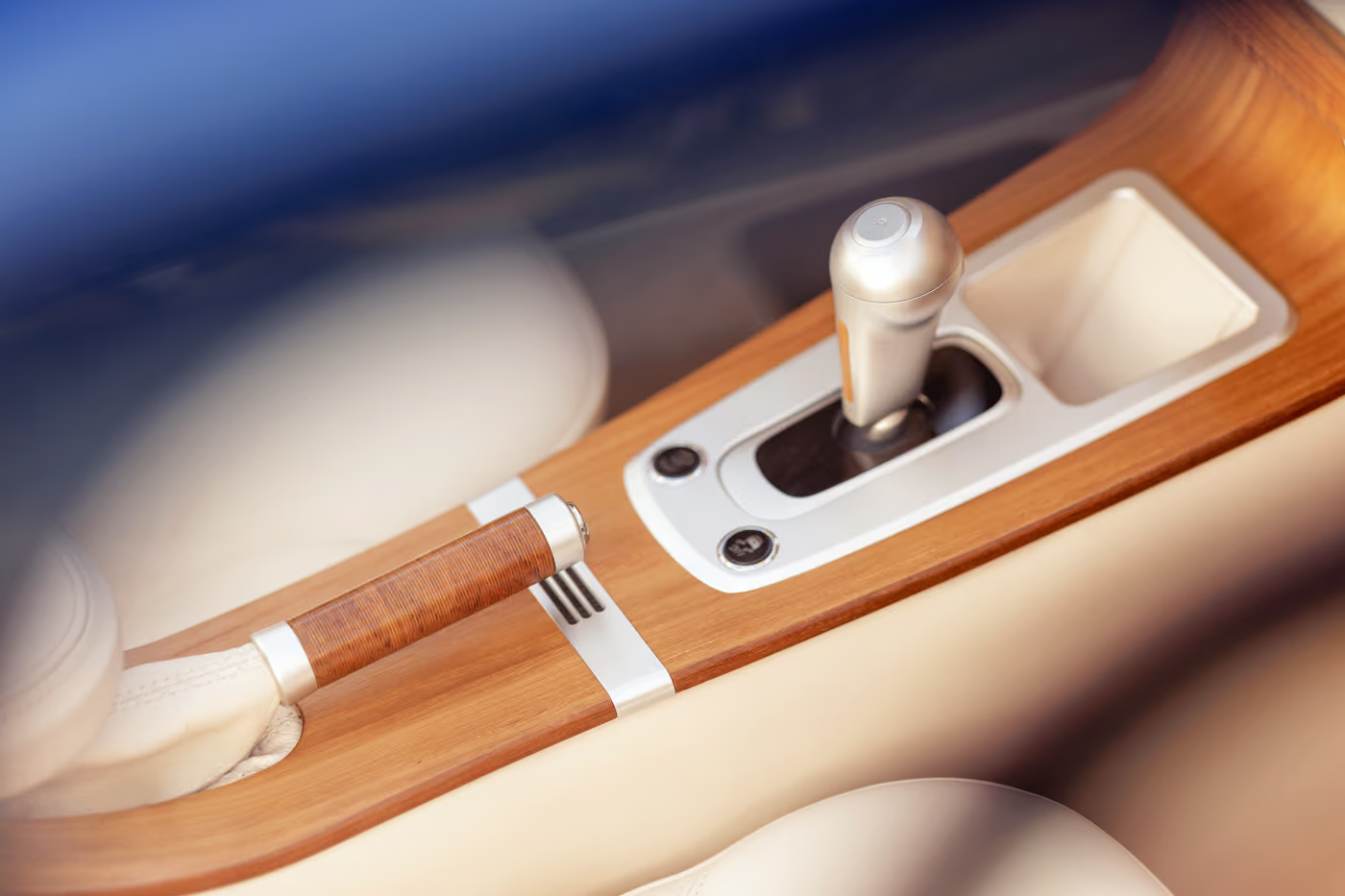
In keeping with Morgan’s traditional production methods, ash wood is used to form a frame around the rear of the chassis onto which aluminium body panels are fitted. Although this wood is invisible from the outside, plenty of the natural material is found within the two-seat cabin. A ring of wood envelops the two seats, with more found above tracing the path of the glass-splitting exterior chrome strip. The launch model uses teak veneers for its interior trim, sun visor and gear selector inlays, but other timber varieties can be specified.
Elsewhere, specially made window switches are fitted to the overhead panel, and an open storage area is found behind the seats to complement the boot. A digital instrument cluster is found behind the three-spoke aluminium/leather steering wheel, while traditional analogue dials take pride of place in the centre of the dashboard.
The Midsummer Coupé will be an even more exclusive proposition than its roofless forerunner with only nine cars set to be built – not including the prototype pictured. Called the "Artist's Proof", the launch car is destined for the Louwman Museum in The Hague, where it will join a collection of 275 cars spanning from the dawn of the automobile to the present day.
Each customer car will be highly personalised, and expected to cost close to £300,000. Production of Morgan’s first fixed-roof coupé since the Aero 8 will begin in the coming weeks, with each one being hand-made at the Pickersleigh Road factory.


-2.avif)

.avif)

.svg)

