-01.svg)

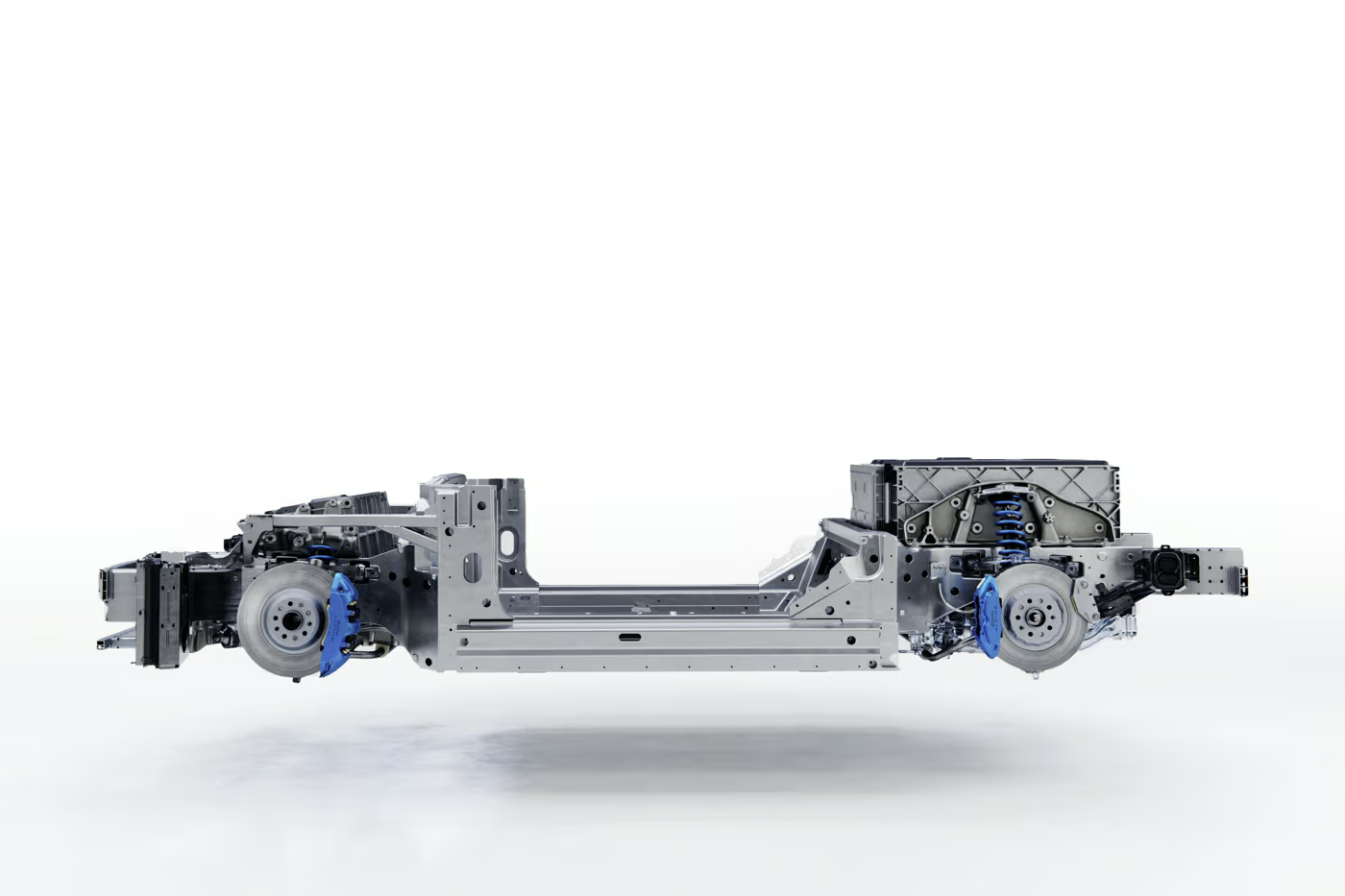
Whereas a traditional skateboard EV platform places the cells within the wheelbase as low down as possible, spreading mass evenly along the length of the chassis, such a set-up for the next generation A110 would either result in a significantly longer car than at present and a drastically raised cabin - compromises Dieppe was unwilling to accept. Instead, a smaller battery pack will be stacked directly above the front axle, with a larger pack occupying the space of a traditional ICE powertrain behind the occupants. While the total capacity is yet to be confirmed, the electric A110 will still promise usable range with a target of over 350 miles WLTP despite the unconventional layout. Fast charging is assured via an 800-volt cell-to-pack architecture.
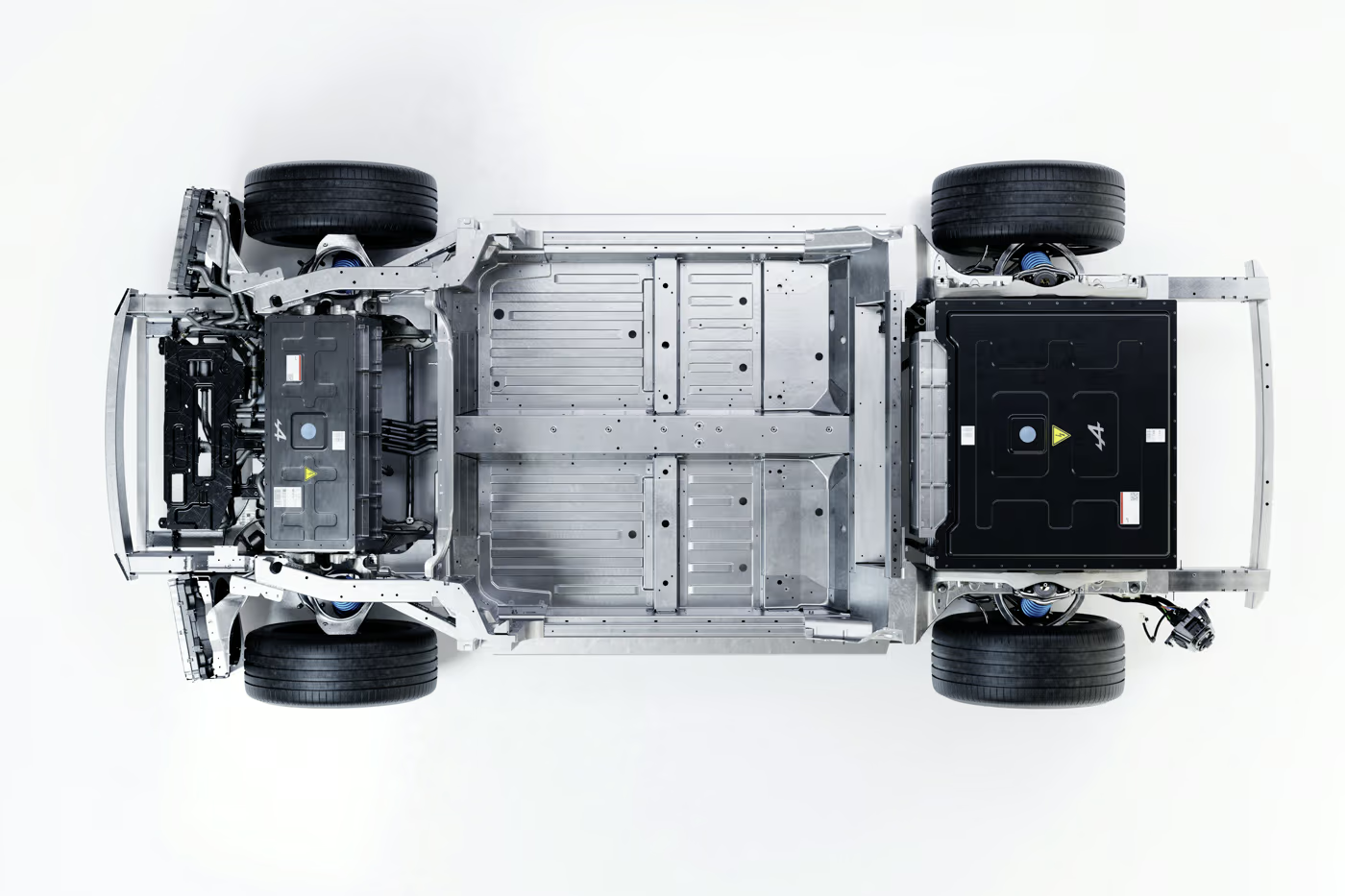

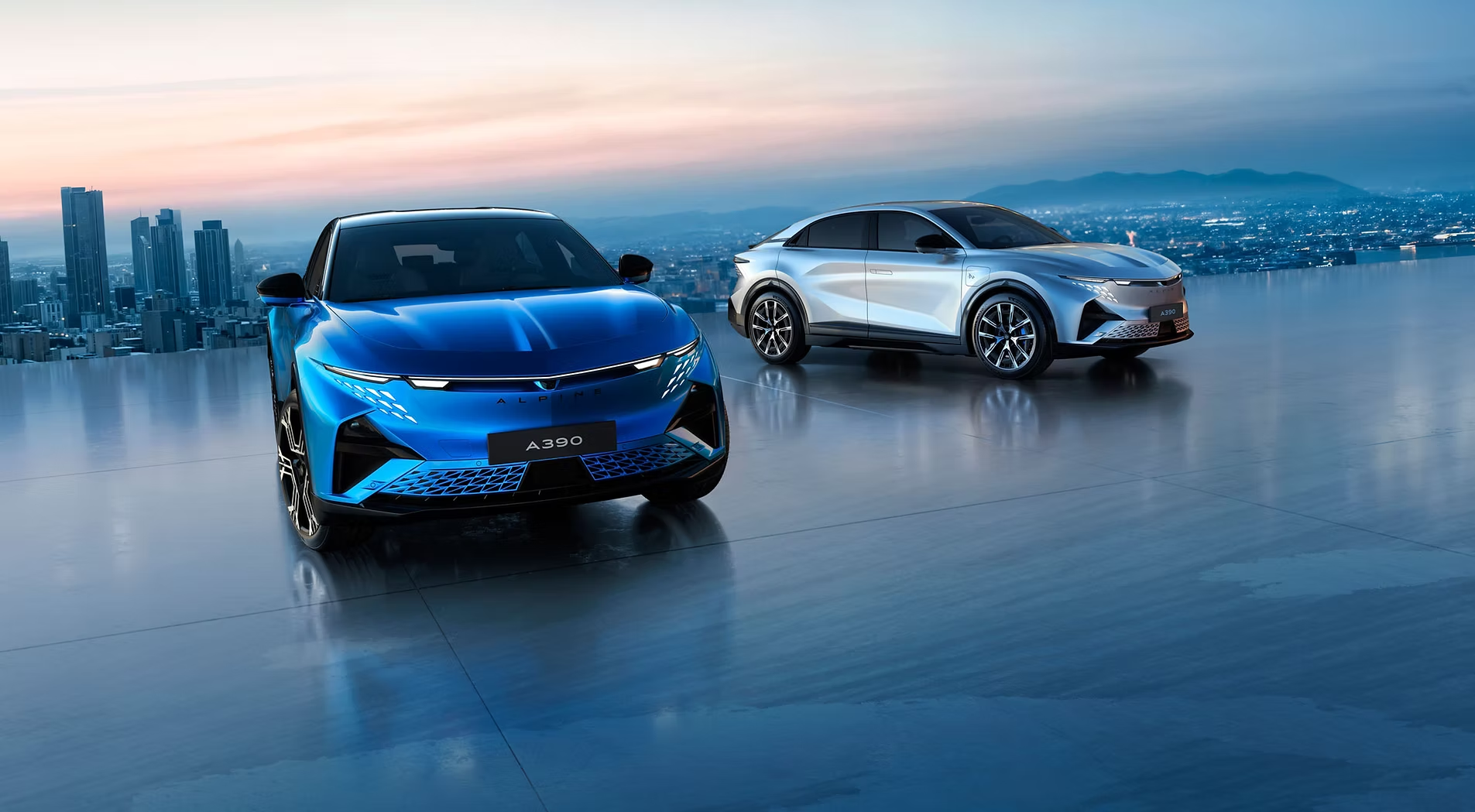
The new model will launch with a dual-motor drivetrain, with one power unit for each rear wheel. Already in use on the A390’s rear axle, the layout offers active torque vectoring and mimics the effect of a limited-slip differential. The motors will be controlled by the Alpine Dynamic Model ECU, which marshals the drivetrain, battery, brakes, steering, and active aerodynamic elements. Like the existing car, the electric A110 will also feature double-wishbone suspension all-round.
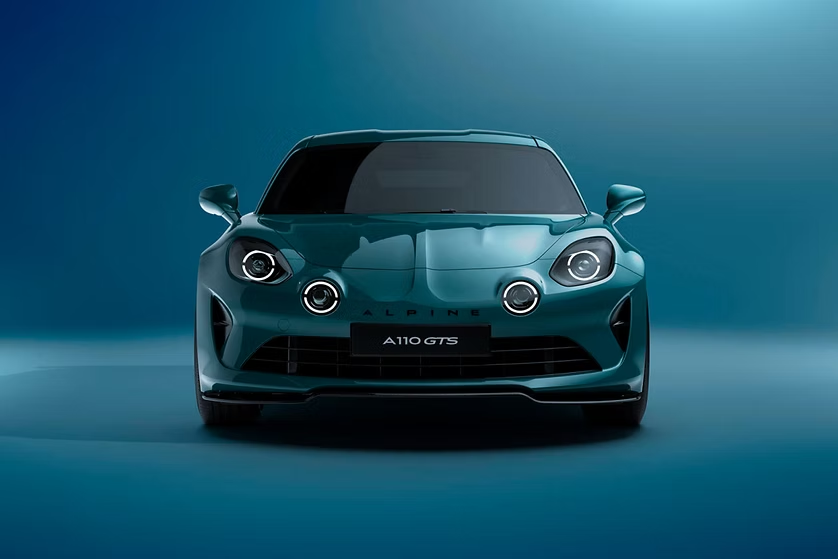
Interior design details remain thin on the ground at this stage beyond the promise of key instruments and switchgear being within easy reach of the driver. Alpine has, however, confirmed the next generation A110 will continue to be manufactured in Dieppe, and will be revealed with its production bodywork draping the new APP chassis in the second half of 2026. October’s Paris Motor Show is the likely occasion. The electric coupé will be joined by a spider, and 2+2-seater in the following years.
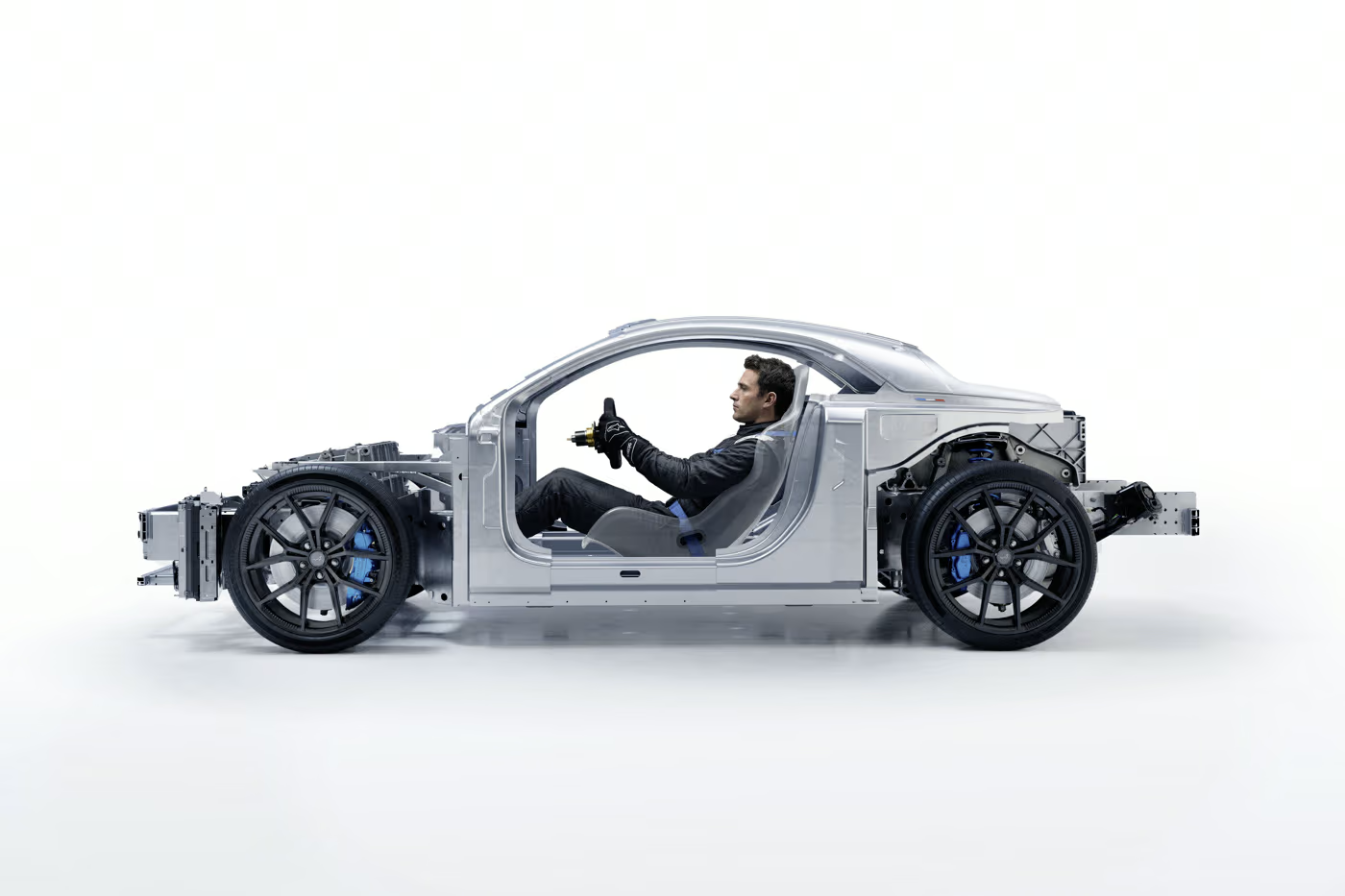
Alpine CEO, Philippe Krief, remains bullish in a marketplace clouded with uncertainty: “The [next] A110 will be true to Alpine's DNA and outperform the best of today’s combustion sports cars, thanks to the Alpine Performance Platform. Beyond this, by remaining agile and flexible, Alpine will be able to react in real time to market evolutions; our strategy is as adaptable as it is robust.”
While centring on an all-electric line-up for the time being, Krief’s comments leave the door open for a change in strategy should the market request it. A return to purely petrol powertrains should be ruled out right away owing to the incoming Euro 7 emissions regulations, alongside astronomical CO2-based car tax in France. That said, parent company Renault has shifted its focus from a fully-electric future to one with as much a place for hybrids as EVs in its product range. Likewise, Alpine has been working on hydrogen powertrains with the Alpenglow - a Le Mans-inspired running prototype with combustion engines built to burn liquid hydrogen.
Like the existing A110, Alpine’s future strategy appears to be an agile one.



.svg)

