-01.svg)
-2.avif)
That's because the new GT no longer sits on a bespoke, shortened SLS platform. Instead, it shares its underpinnings with the latest AMG SL – a car developed with all-wheel drive, soft-top packaging and optional rear seats in mind. That shared architecture shifts the GT’s brief. What was once a front-mid-engined, rear-driven two-seater is now a more flexible 2+2 grand tourer – closer in concept to the Porsche 911 than before.
Every version is now equipped with AMG’s 4MATIC+ all-wheel-drive system. The previous rear transaxle and dry sump setup have been replaced by a front-mounted nine-speed wet-clutch automatic and, most likely, a conventional sump. This change improves packaging and traction, but brings a weight penalty.
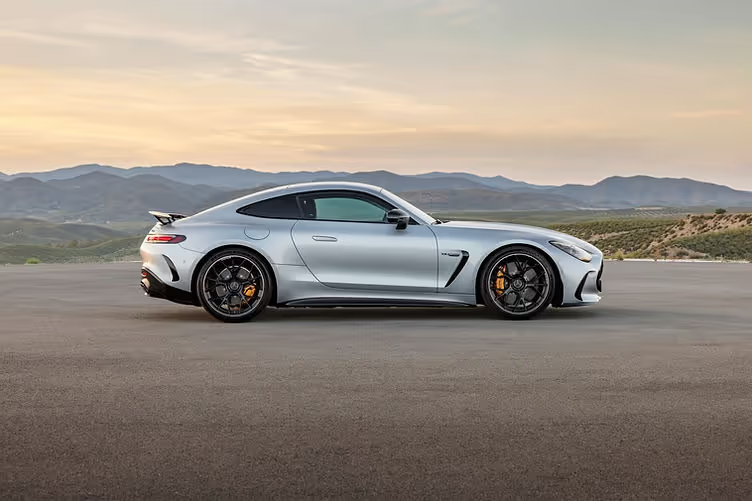
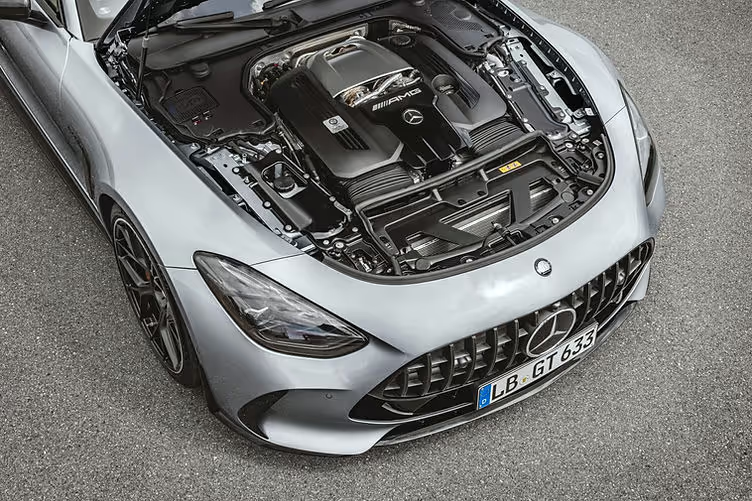
At launch, buyers will have a choice of two models: the GT 55 and GT 63. Both use the 4.0-litre twin-turbocharged V8, producing 476bhp and 700Nm in the GT 55, or 585bhp and 800Nm in the GT 63 – matching the old GT R. The GT 63 covers 0–62mph in 3.2 seconds and reaches 196mph; the GT 55 follows at 3.9 seconds and 183mph. The all-wheel-drive system defaults to a rear bias but can vary torque front to rear depending on conditions.
Chassis hardware includes aluminium double wishbones at each corner, adaptive dampers, rear-wheel steering, and an electronically controlled limited-slip differential. The GT 63 adds AMG’s Active Ride Control – a hydraulically cross-linked system that replaces anti-roll bars, varying roll stiffness in real time to balance body control with ride comfort.
.avif)
.avif)
Braking is handled by composite steel discs – 390mm at the front and 360mm at the rear – with six-piston front calipers. Carbon ceramic discs are not yet listed. Tyres are upsized compared with the SL, running 295-section fronts and 305 rears on forged 20-inch wheels with Michelin Pilot Sport S 5 rubber.
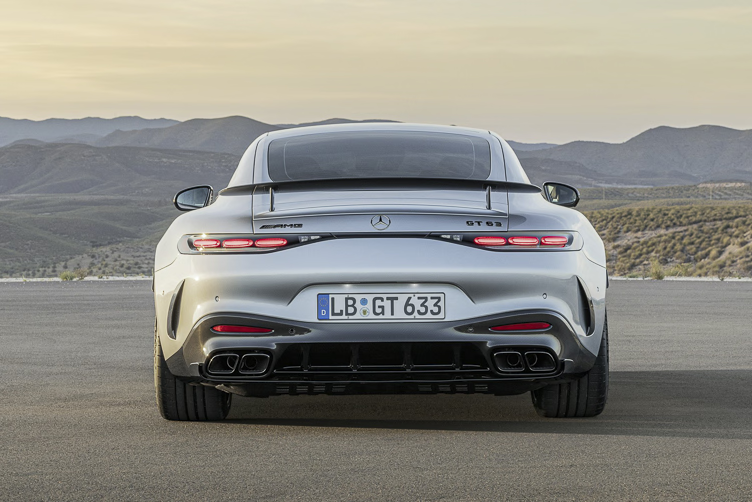
The aerodynamic package is more involved than the styling suggests. A rear spoiler adjusts through five positions from 80km/h upwards. Beneath the front end, a carbon flap drops by 40mm to generate a Venturi effect, reducing lift at speed and sharpening front-end response without driver intervention.
Inside, the cabin layout is shared almost entirely with the SL. The portrait touchscreen, centre console and Track Pace telemetry software carry over, alongside full smartphone integration. It remains a hatchback, with folding rear seats and a broad boot aperture – a practical benefit, particularly in 2+2 configuration.
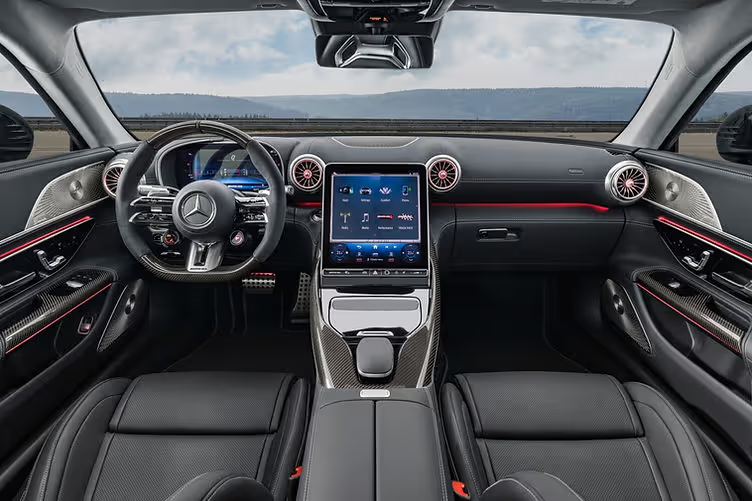
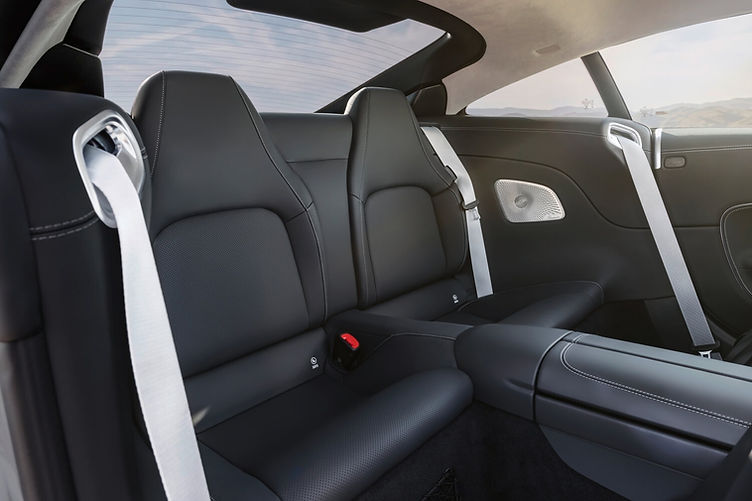
Materials and layout prioritise usability over theatrics. The standard AMG performance seats offer good lateral support, but the overall feel is more consistent with a GT car than a circuit-focused flagship. That reflects the car’s repositioning more than any engineering shortfall.
The second-generation GT broadens its range of capabilities, particularly in comfort, traction and daily usability. It also brings the car closer to more versatile rivals. But the trade-offs are clear: increased complexity, added weight, and the loss of some purist layout features. Whether that shift is welcome will depend on what buyers value most.
UK pricing is yet to be confirmed, but a modest uplift over the SL is likely – around £147,000 for the GT 55 and close to £172,000 for the GT 63.


.avif)


.svg)

