-01.svg)

Although most pure petrol and diesel-propelled cars will still be forced off the market in 2030, concessions have been made following a consultation with the automotive industry, and the public.
Hybrid and plug-in hybrid cars will continue to be allowed for sale until 2035, but mild-hybrid models will not. The Government has reduced the EV sales target for manufacturers from 100% in 2030, down to an as-yet unspecified level. They have confirmed that this year’s EV sales target is 28% for most manufacturers, with the target increasing every year. Brands that fall short of the EV sales target will be fined £12,000 per car.
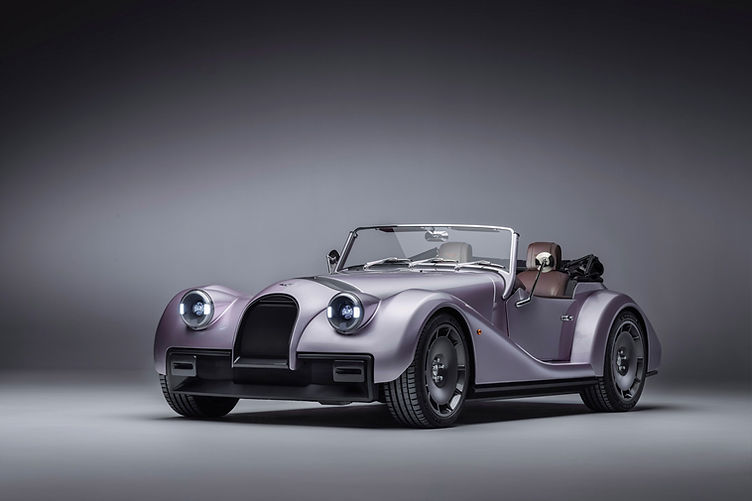
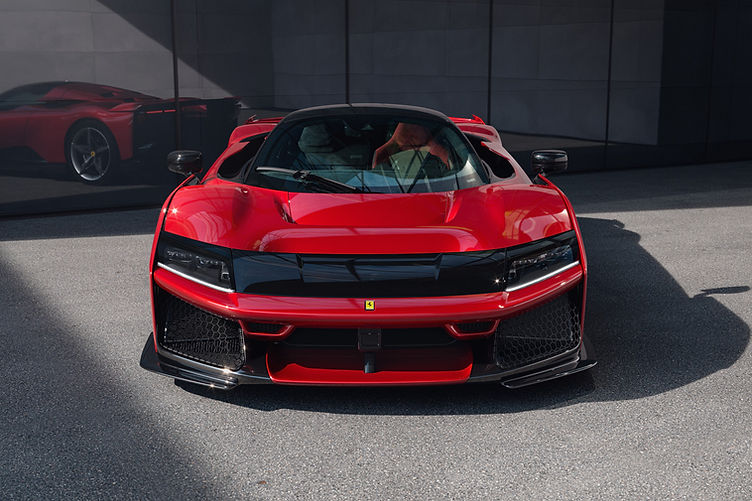
Low-volume manufacturers that sell less than 2,500 cars per year such as Ariel and Morgan will be exempt from the petrol and diesel ban. As a result, the British sports car industry is relatively safe for the time being, and supercar makers Bugatti, Ferrari, and Lamborghini will be able to sell their range as they can today, but a reduction in the average CO2 emissions of their model line-ups will be required.
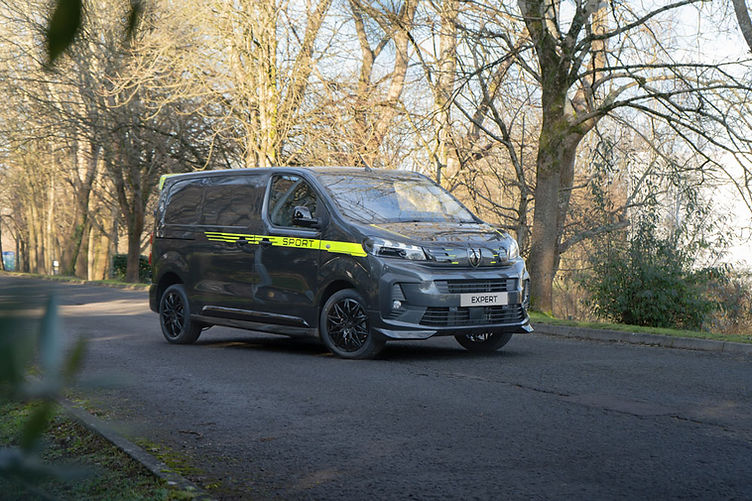
Internal combustion-engined vans will be able to be sold alongside their hybrid counterparts until 2035, at which point they will also have a zero emissions mandate brought in. The Government has also allowed zero emissions credits to be exchanged between passenger cars and vans for the first time. This allows manufacturers to pool their sales and emissions stats together to ensure that targets are met, and fines are avoided. One zero-emission car can be offset towards 0.4 petrol or diesel vans, while two cars can be offset by the sale of one zero-emission van.
According to data from the SMMT, 1.9 million new passenger cars were registered in the UK in 2024, of which 58.7% were powered by petrol and diesel engines. The 381,970 fully-electric cars made up 19.6% of the market, with combined hybrid and plug-in hybrid registrations of 428,576 accounting for 22%. Hydrogen car registrations were negligible, although they’re still touted to be the future by some, while electrified cars made up 41.6% of registrations last year.
The slight tweak in the zero-emissions passenger car mandate is the fifth one since former Prime Minister Theresa May introduced it. While this allows a slightly greater degree of flexibility for manufacturers, the market will ultimately decide what it wants to buy over the next few years, and nobody should rule out further adjustments to the 2030 ban of new petrol and diesel cars, and the subsequent 2035 outlawing of hybrids.
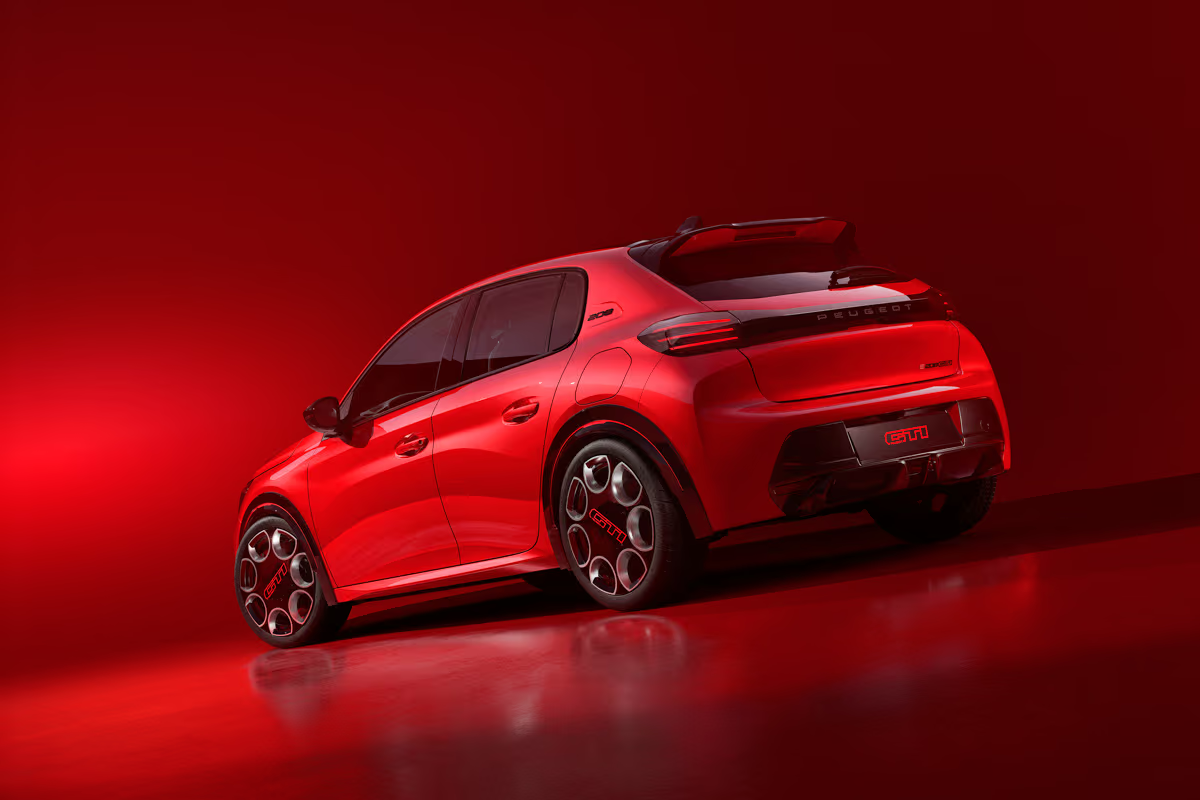
Images courtesy of Ferrari, Lotus, Mercedes-Benz, Morgan, and Peugeot.


-2.avif)

.svg)

