-01.svg)

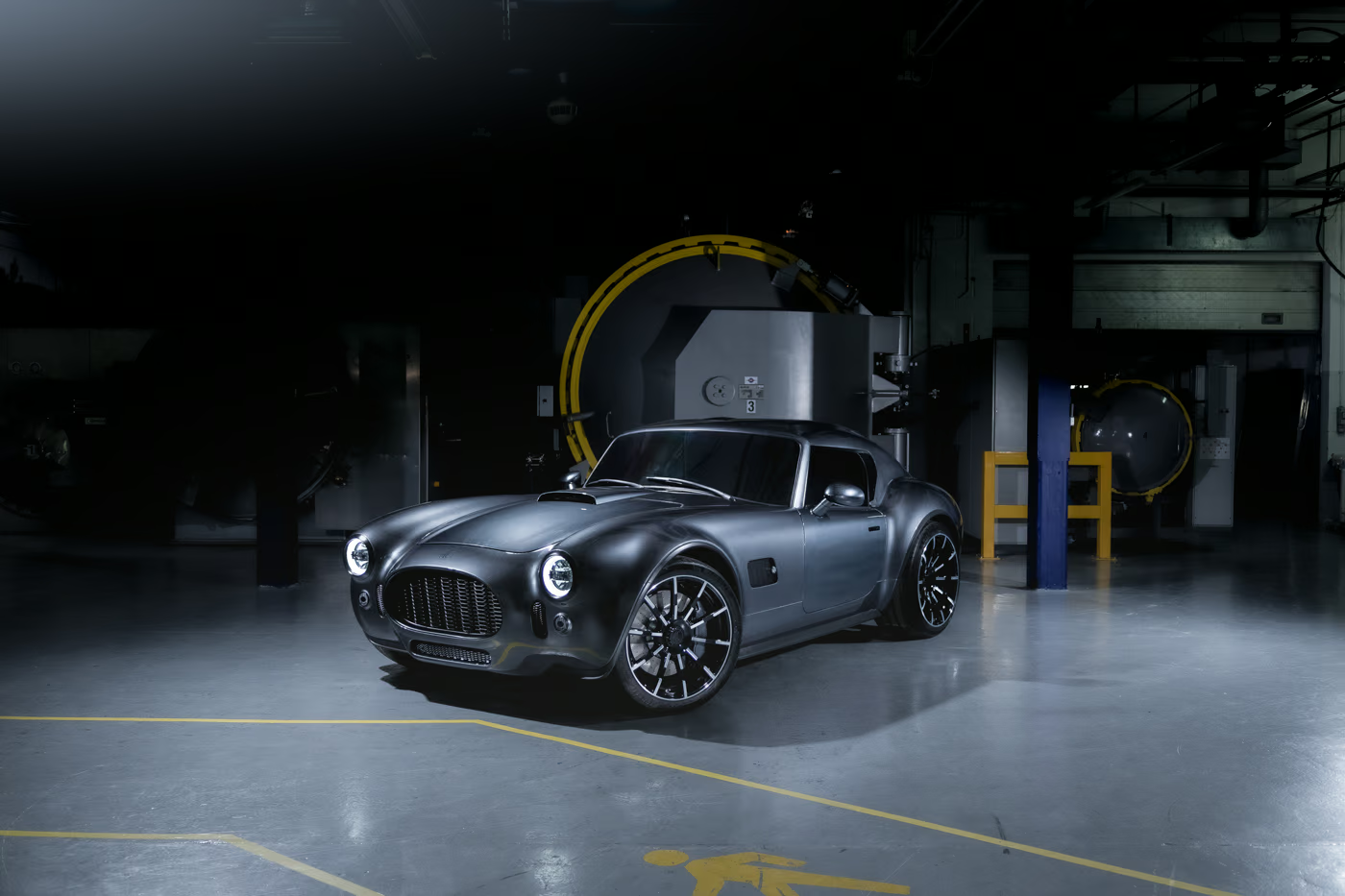
Sharing 75 per cent of its parts with the existing Roadster, the GT Coupe is built around AC's extruded aluminium spaceframe chassis – although neither are continuation cars. At 4,225mm long, 1,980mm wide and riding on a 2,570mm wheelbase, the Coupe is notably larger than the original Cobra. According to Autocar, this is a conscious decision to allow the GT Coupe to meet homologation requirements in markets that would otherwise restrict it to track use only. The choice came down to using blueprinted dimensions – dictating a smaller engine – or keeping the cubic inches and scaling up the car, and the former simply wouldn't do when it comes to a Cobra.
Power comes from a Ford-sourced 5.0-litre V8 in naturally aspirated or supercharged form. The supercharged car produces 720bhp and 605lb-ft, enough for a claimed 0–60mph time of under 3.5 seconds, while the naturally aspirated variant makes 450bhp and 410lb-ft. Both are offered with a six-speed manual or ten-speed automatic, suggesting the powertrain is the Mustang's Coyote V8. The power outputs point to the supercharger modifications as the work of US tuner Steeda, who also operate a European base.
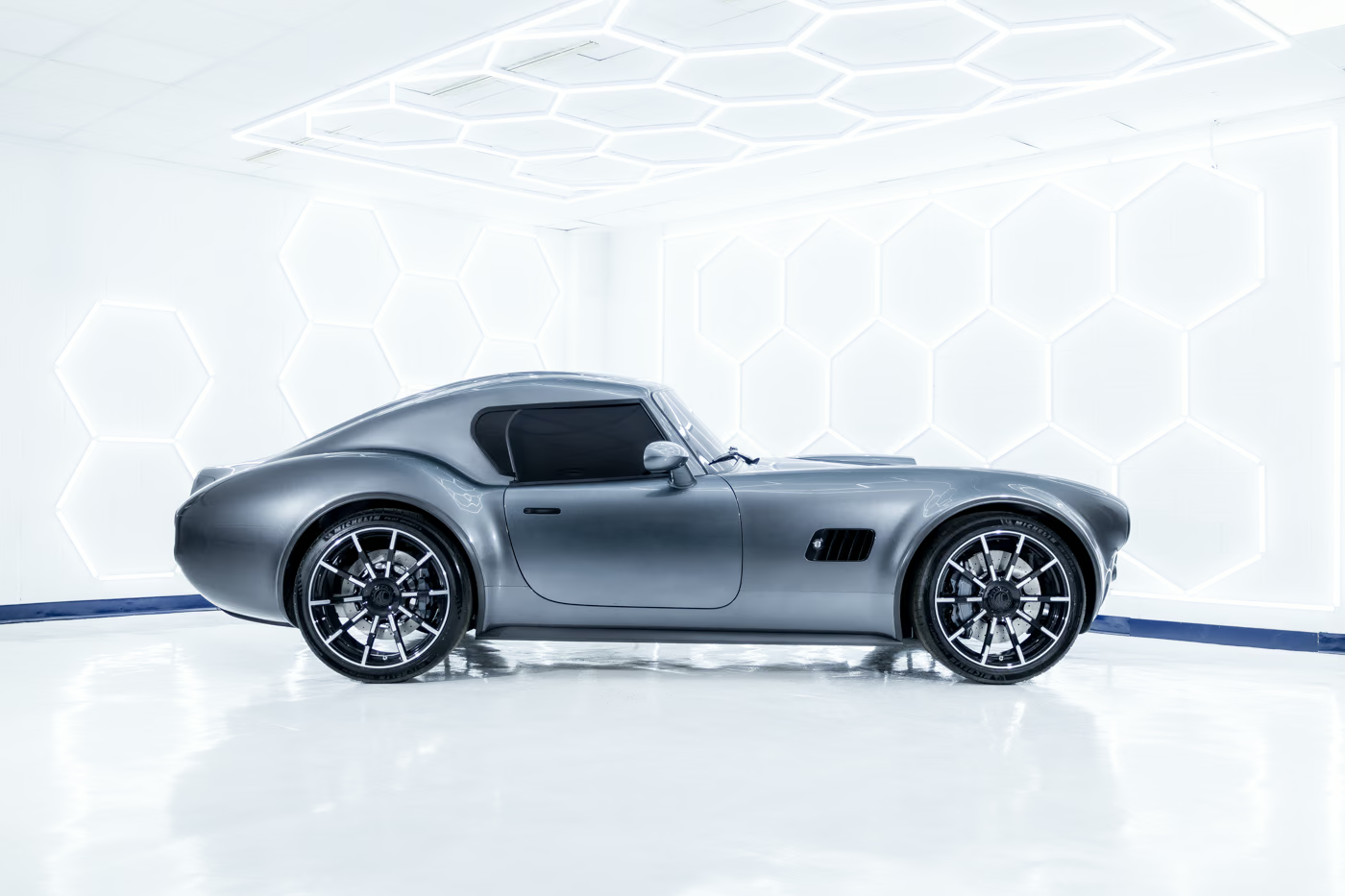
The GT Coupe runs double wishbone suspension all round, a welcome step forward from the live rear axle of the original Cobra. Naturally aspirated cars receive a limited-slip differential, upgraded to a Torsen unit on supercharged variants. AC claims the finished article will weigh less than 1,600kg in its heaviest form, with a near 50:50 front-to-rear balance.
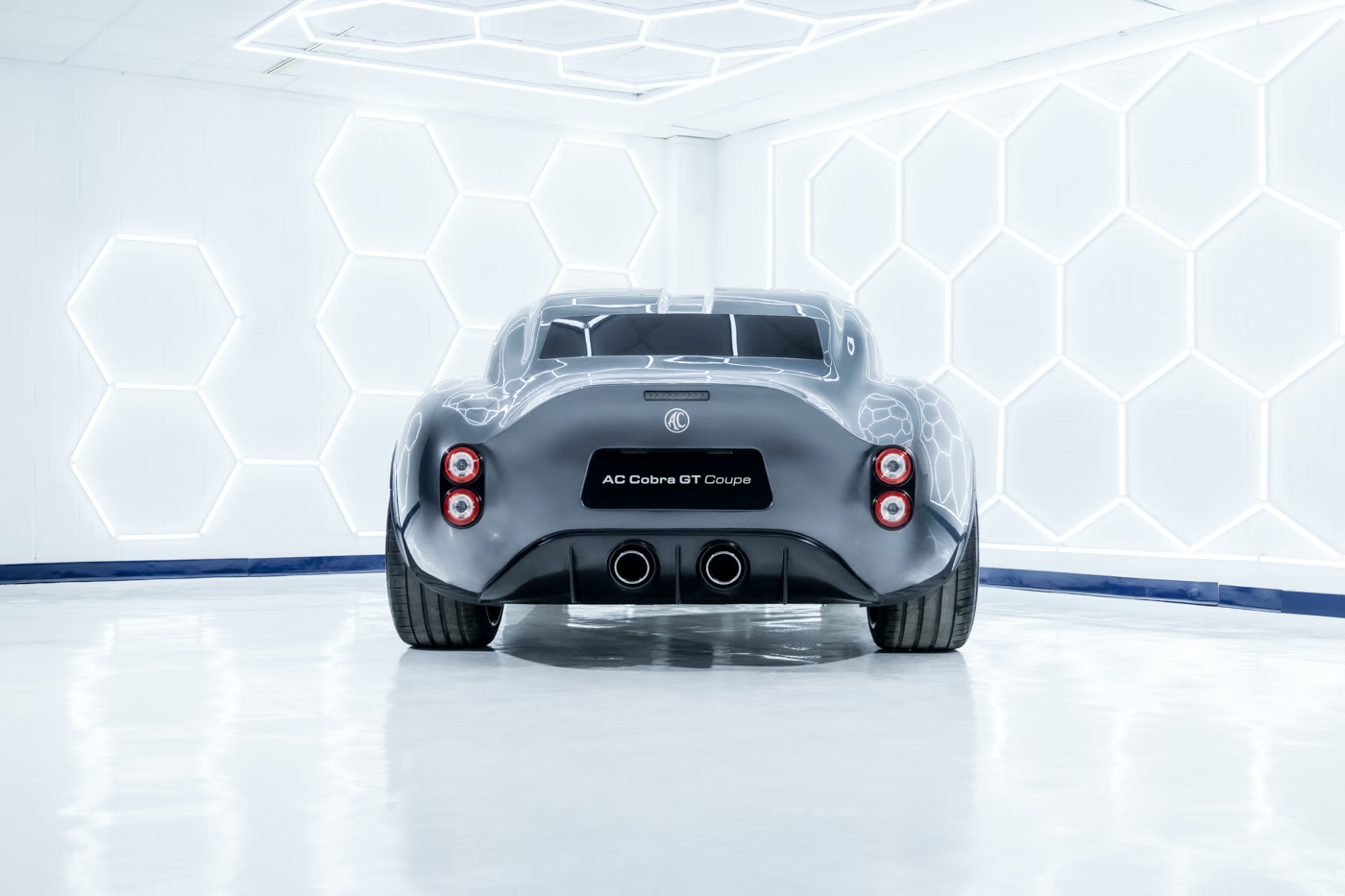
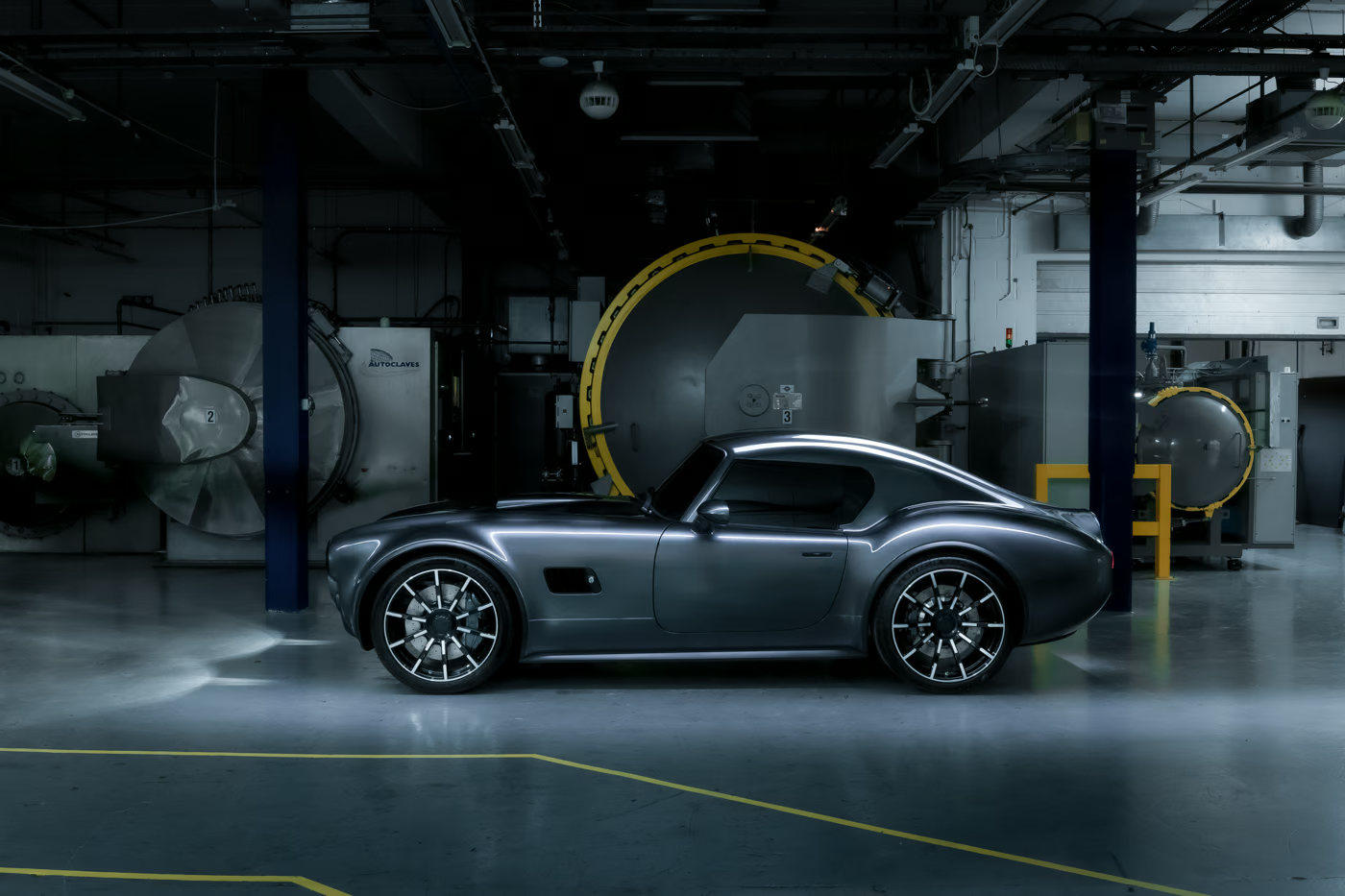
Both of the GT Coupe's most distinctive features can trace their roots directly to the 1964 AC A98 coupe that raced at Le Mans. The double-bubble roof is form and function in equal measure, offering sufficient headroom for occupants over 6ft, yet reduces the drag coefficient. The rear end gets the classic sawn-off Kammtail treatment, developed in period in the name of aerodynamics. AC claims performance is broadly in line with the open car despite a weight increase in the region of 100kg.
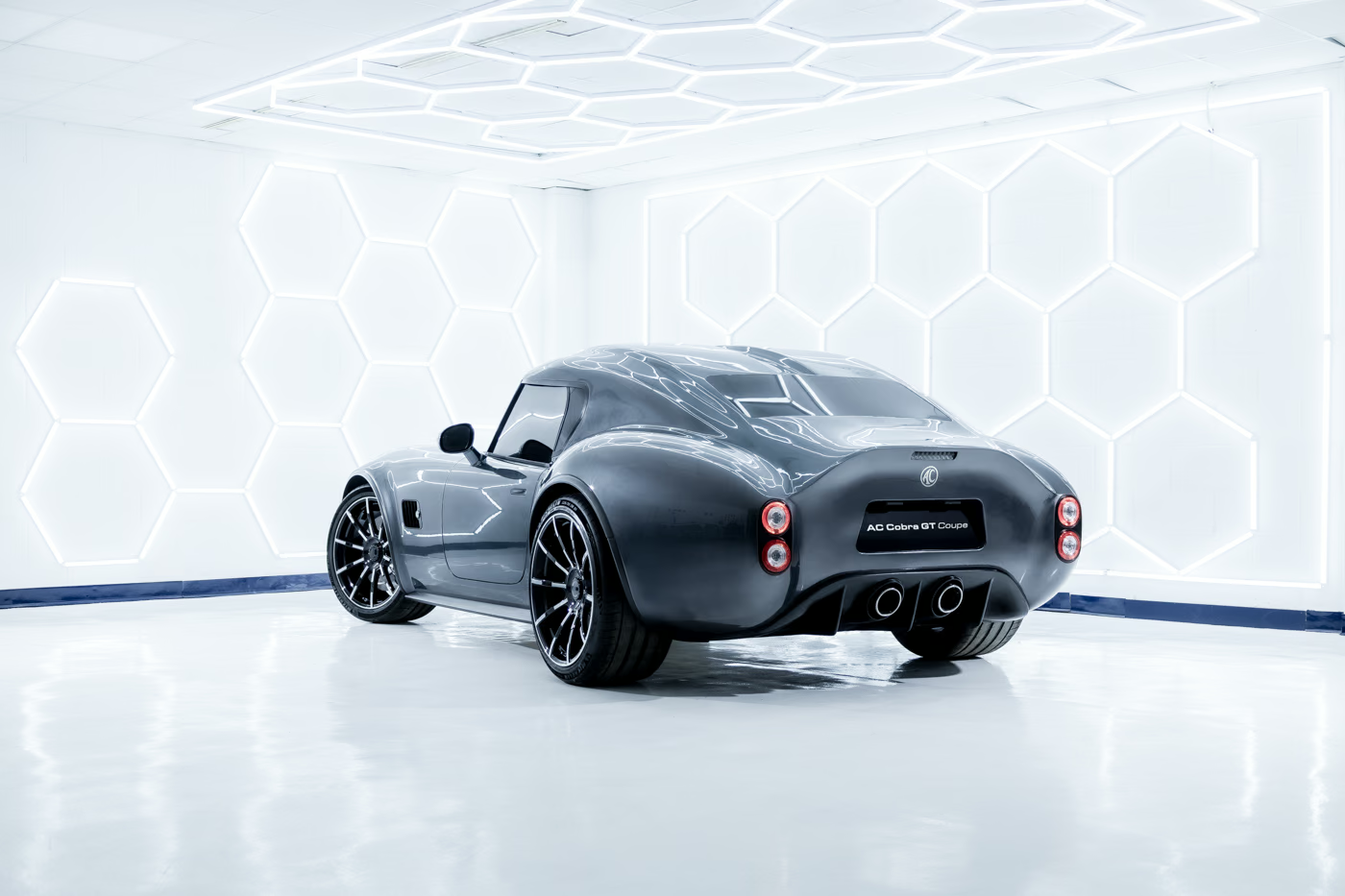
Elsewhere, the GT Coupe wears its increased dimensions well, although there's a hint of restomod about it with the smoothed surfacing, lack of brightwork and modern, LED head and tail lights. The one area where the proportions feel unresolved is the wheels; the oversized 21-inch rims feel more West Coast Customs than Goodwood pitlane. AC, for its part, would point those who want the most authentic car toward its Classic department.
The interior carries over the GT Roadster's combination of analogue dials, machined toggle switches and integrated infotainment, with AC's own pedal design, climate control and touchscreen navigation all standard. A new steering wheel replaces the previous off-the-shelf item, whose button-laden contemporary design sat at odds with the craftsmanship around it.
AC says production will be extremely limited, with each car built to individual specification. Prices start from £234,300 plus taxes for the naturally aspirated car and £256,300 for the supercharged variant, meaning the Coupe commands a £21,000 premium over the Roadster. First deliveries are scheduled for 2028, after existing GT Roadster orders are fulfilled. Autocar also reports a flagship Clubsport variant in development, rated at 799bhp and priced at £399,000, with production limited to 99 examples.




.svg)

