-01.svg)

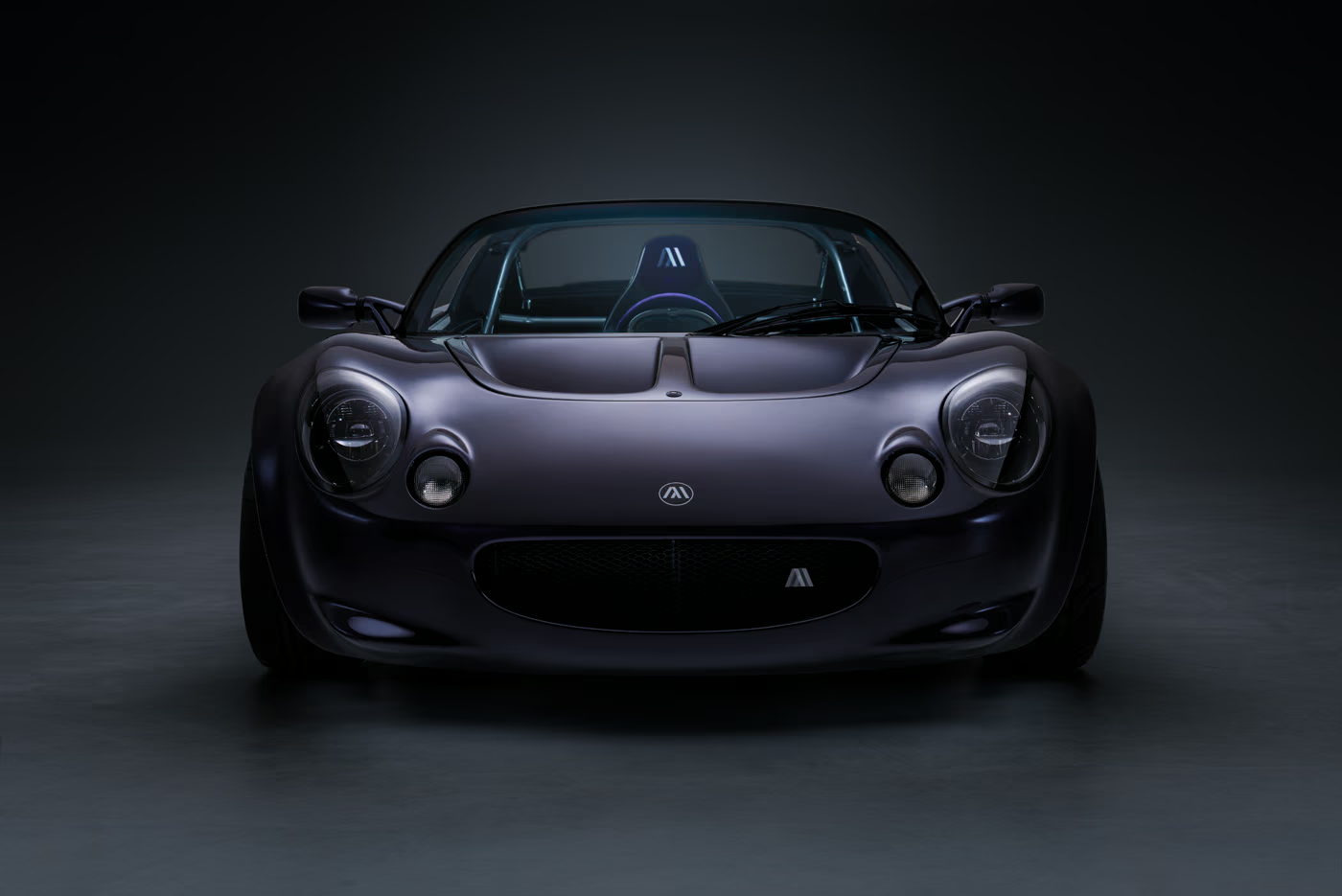
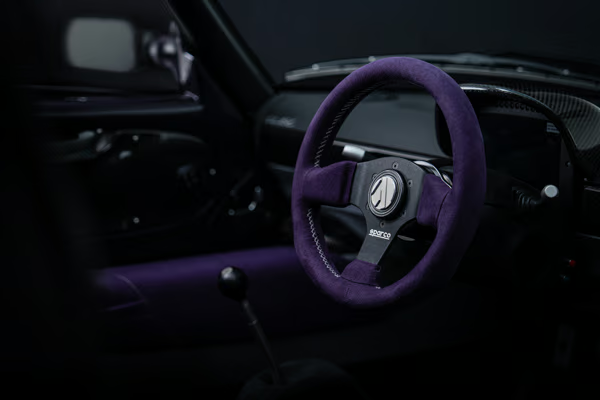
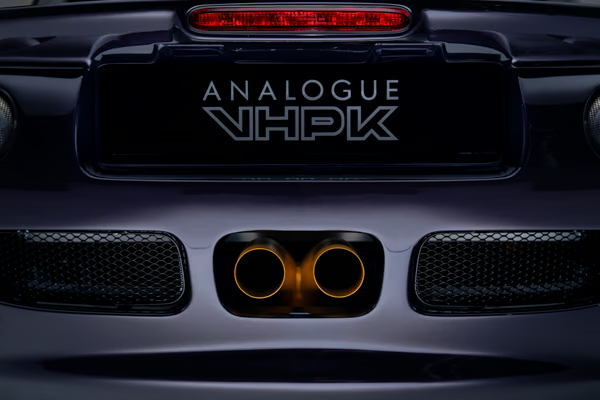
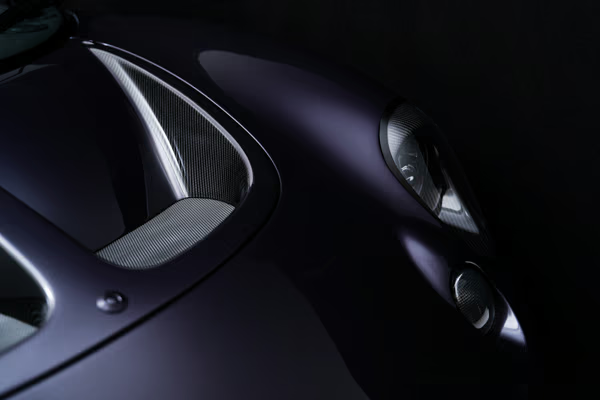
The first customer car is finished in bespoke ‘PK Purple’, with a matching Alcantara interior and contrasting gold exhaust tips. Beneath the colour sits an extensively restored and lightened S1 chassis, clothed in ultralight carbon-fibre bodywork comprising the front and rear clamshells, doors, engine cover and bonnet.
Rather than using a cheaper splash-mould process, Analogue produces its carbon panels from moulds created using CNC-milled patterns – techniques more commonly associated with aerospace and Formula 1. The company says the process improves both finish and strength while helping pare yet more weight from the car.
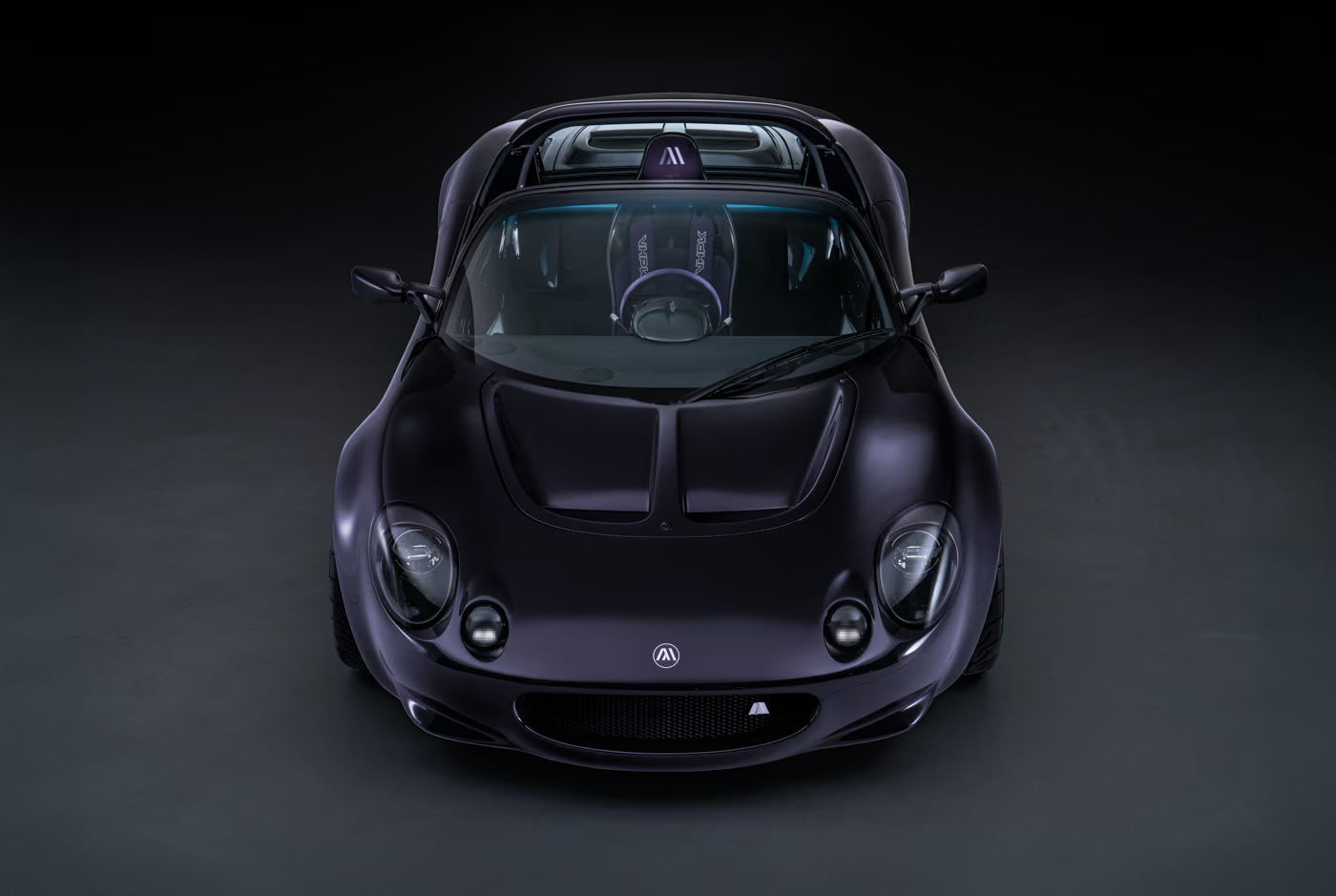
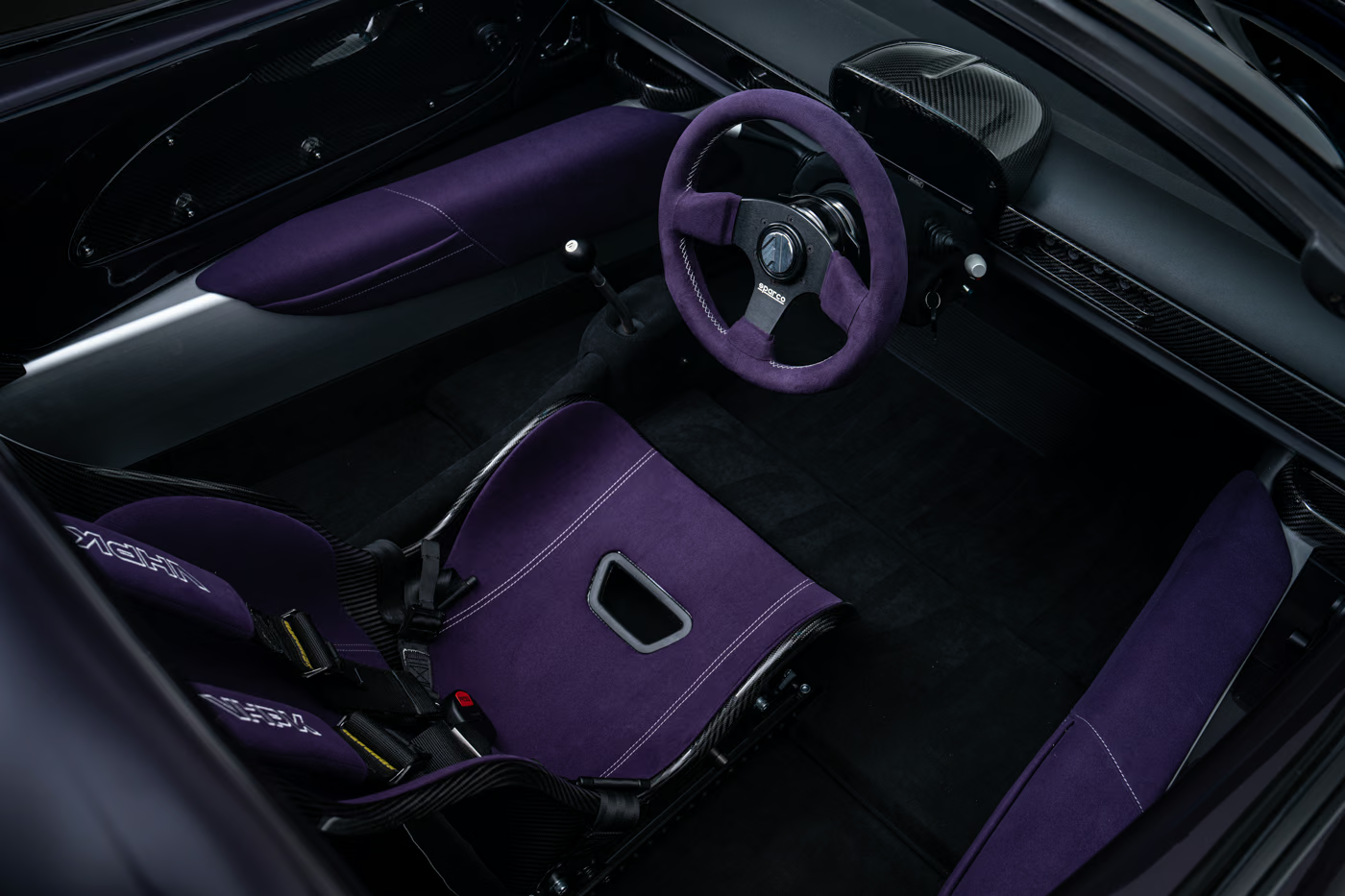
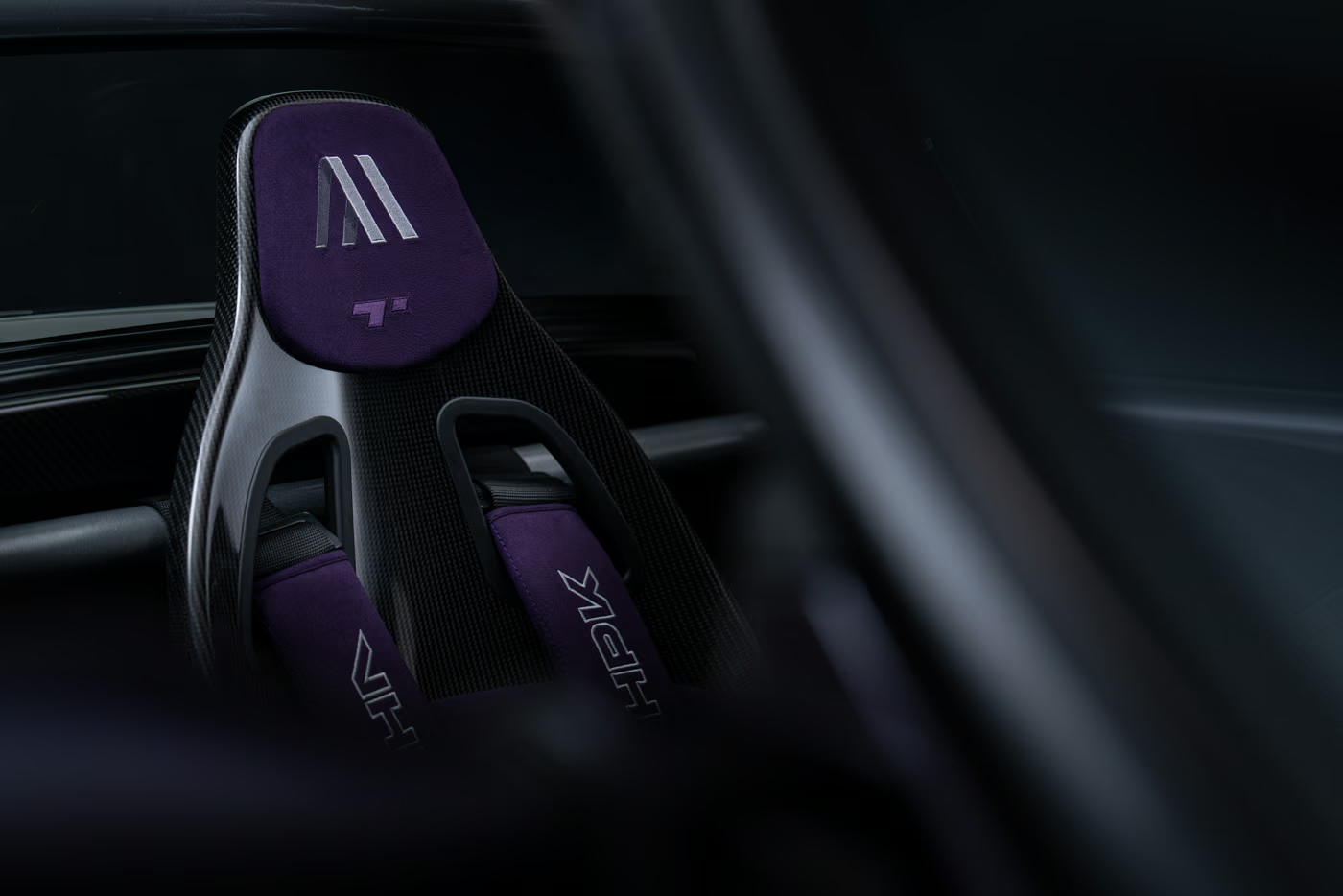
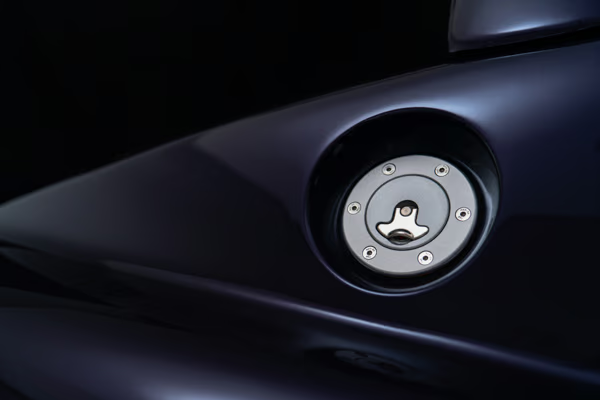
The diet extends well beyond the bodywork. Lightweight forged wheels are joined by bespoke ultralight hubs and 300mm carbon-ceramic brakes, while the cabin makes do with a single carbon-fibre bucket seat and carbon trim. A lightweight fuel tank and wiring loom feature too, along with a stainless-steel exhaust. Buyers can go further with a carbon-wheel package said to save another 12kg, while exposed carbon bodywork and a single-skin hardtop also appear on the options list. Electric air conditioning is available for those unwilling to suffer entirely for the cause.
That central seating position isn’t simply there for theatre. Inspiration came from the single-seat Elises that raced in the Autobytel Lotus Championship at the turn of the millennium, a Lotus Motorsport one-make series that supported the BTCC.
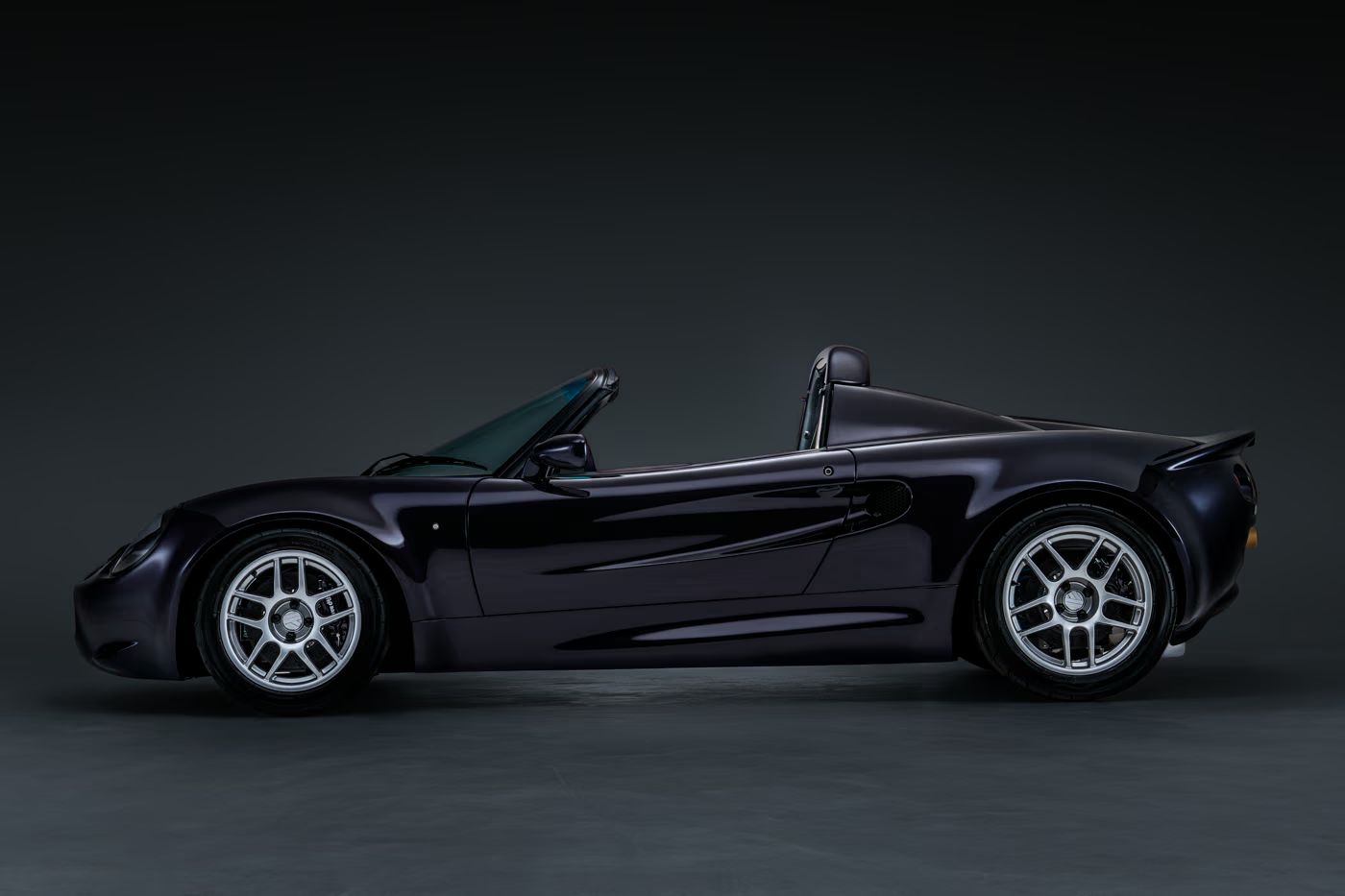
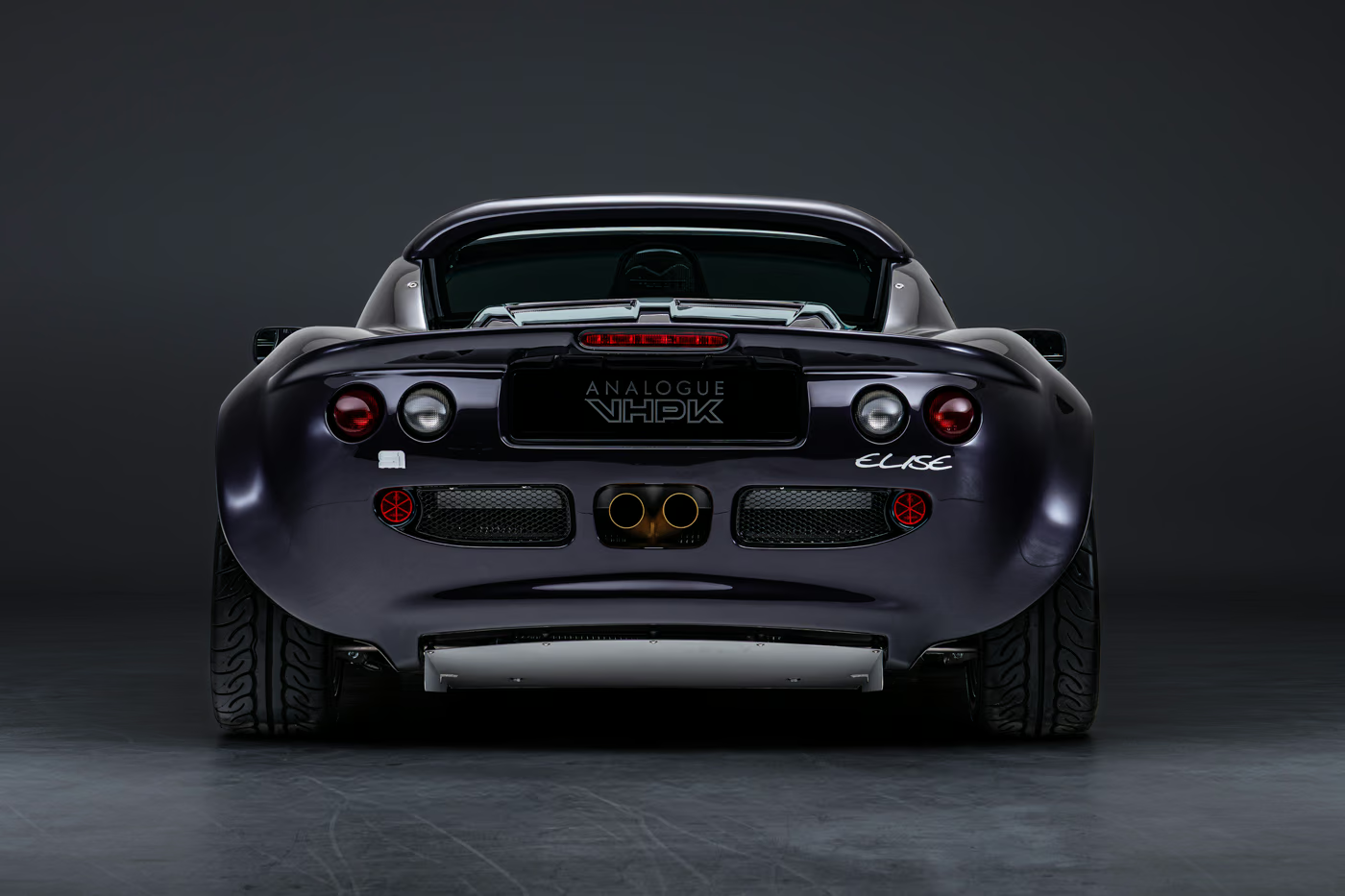
Underneath, the VHPK adopts the bespoke wide-track suspension developed for Analogue’s SuperSport, with lightweight aluminium uprights and steering arms paired with multi-way passive dampers. A fully active suspension system is available as an option.
Just as significant is what sits behind the driver. Rather than swapping out the Elise’s Rover K-Series or resorting to forced induction, Analogue has retained and comprehensively reworked the original engine. Capacity grows from 1.8 to 1.9 litres, with bespoke billet and forged internals helping lift output to 250bhp while strengthening the unit and reducing its weight. Drive is sent through an upgraded Quaife PG1 five-speed close-ratio gearbox with a limited-slip differential.
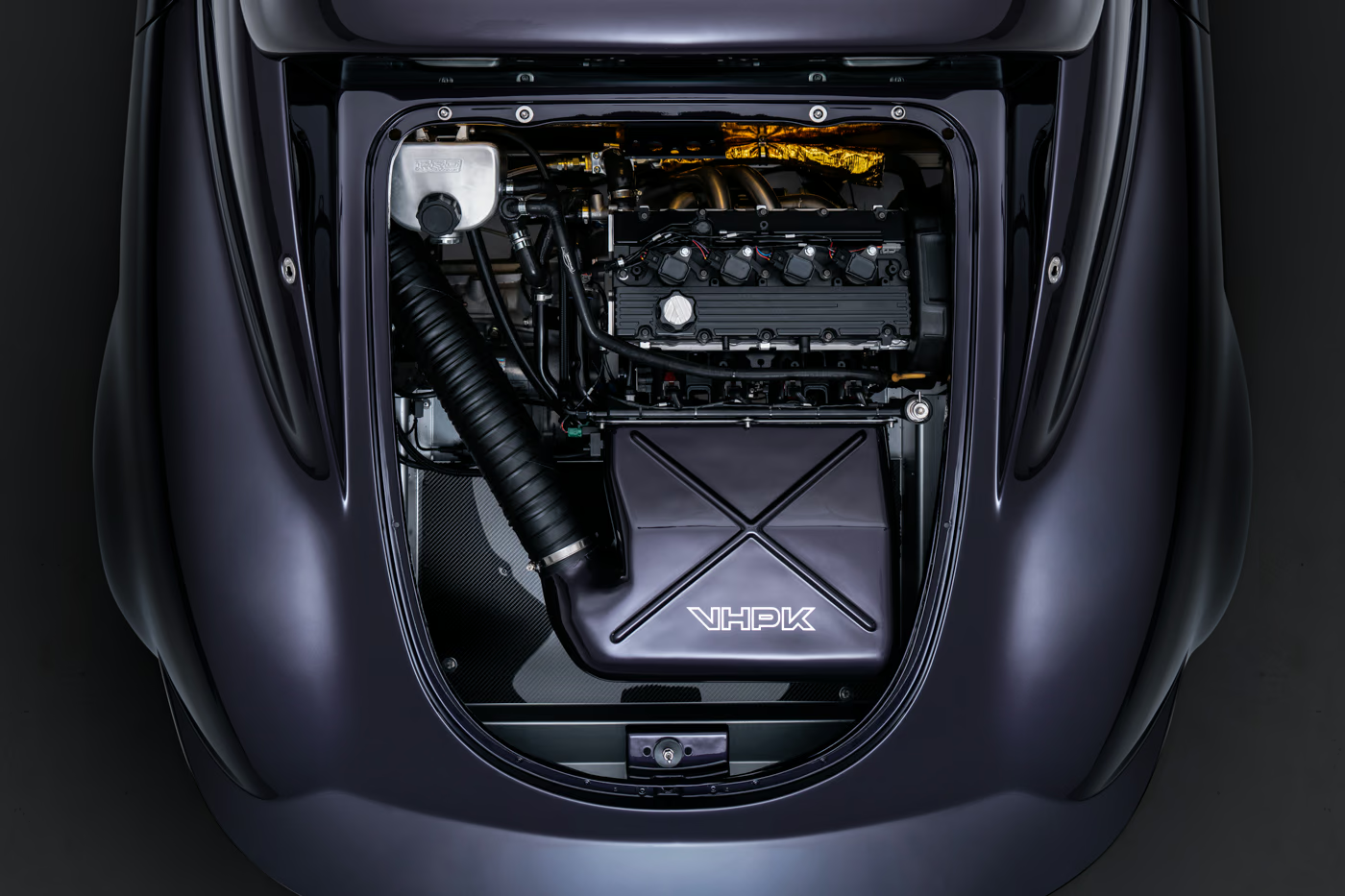
For context, the original 1996 Elise arrived with just 118bhp and weighed 725kg dry. The VHPK therefore more than doubles its power while tipping the scales at less than 600kg wet – at least 125kg lighter despite the less flattering measurement. That works out at over 400bhp per tonne, a useful illustration of just how far Analogue has pushed the original formula without abandoning the K-Series that defined it.
In case you’re wondering about the name, VHPK riffs on Lotus’s old VHPD – Very High Performance Derivative – designation, with the K neatly referencing the retained K-Series. The first car’s ‘PK Purple’ finish provides another clue: it was commissioned by Philip Kadoorie, the man also behind the Tuthill 911K, as first reported by evo.
Just 35 individually numbered VHPKs will be built worldwide, priced from £350,000 plus taxes. That figure includes the supply of a Series 1 Elise donor car.

.svg)

