-01.svg)

Instead, the G65 doubles down on choice, offering five powertrains from a single platform: diesel, petrol, plug-in hybrid, battery-electric and, from 2028, hydrogen. Availability will vary by market, with the UK forgoing the pure-petrol derivative.
The decision has dictated an evolution of BMW’s existing CLAR platform rather than an outright adoption of the Neue Klasse platform used by the iX3 and i3. That said, the iX5 still inherits genuine Neue Klasse hardware, including its 800V architecture, sixth-generation eDrive technology, Gen6 cylindrical battery cells, and the ‘Heart of Joy’ control unit.
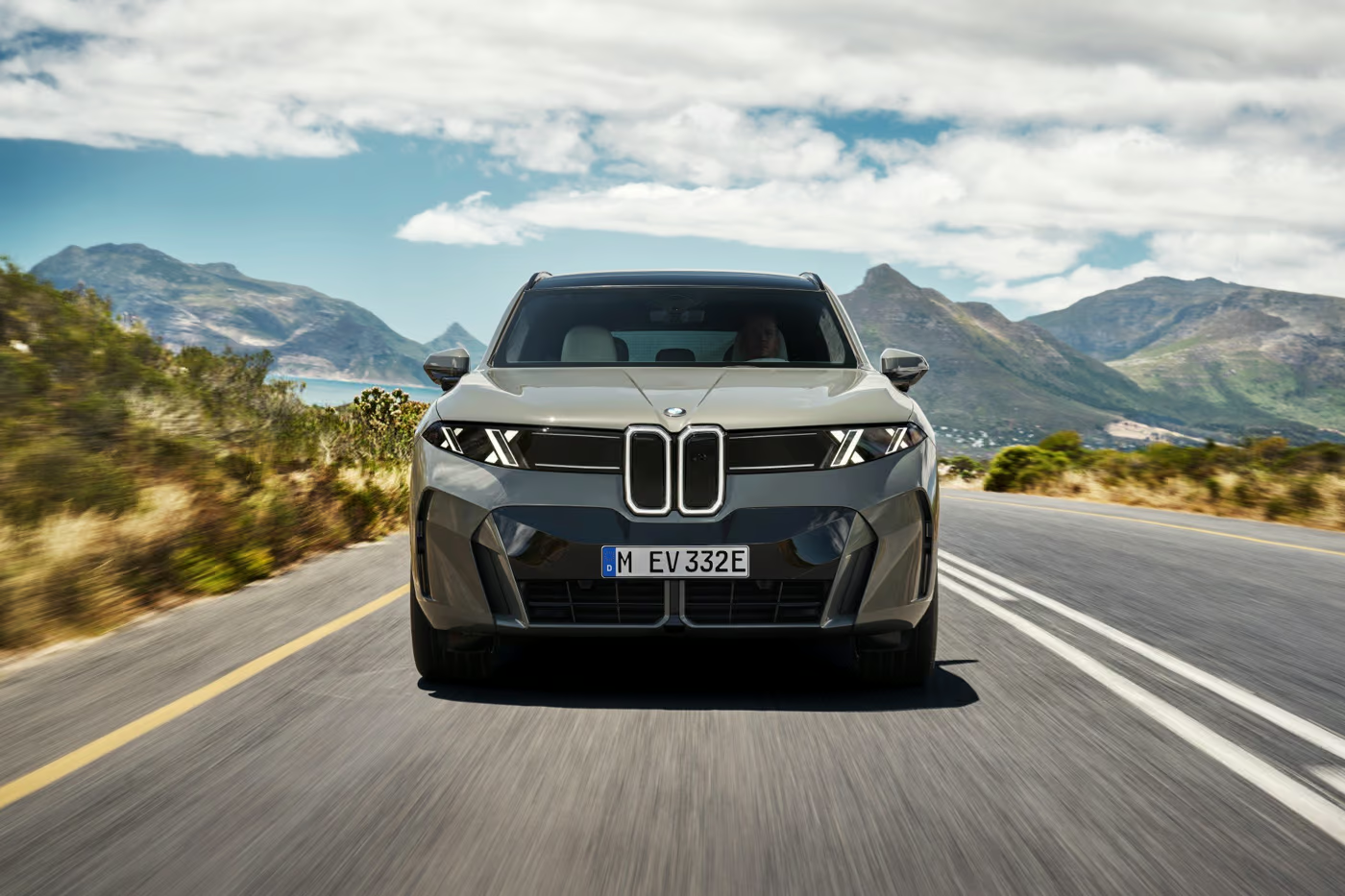
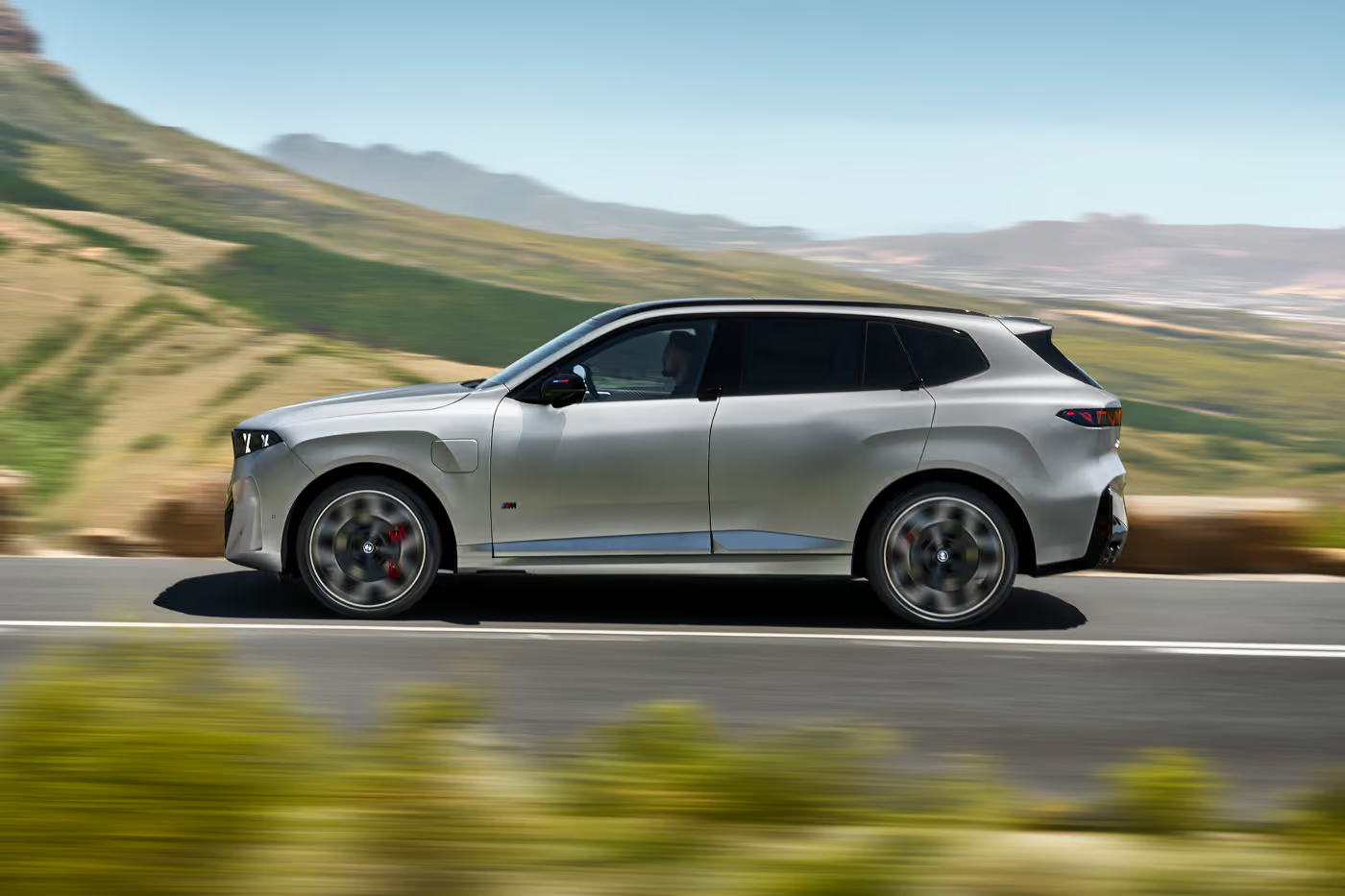
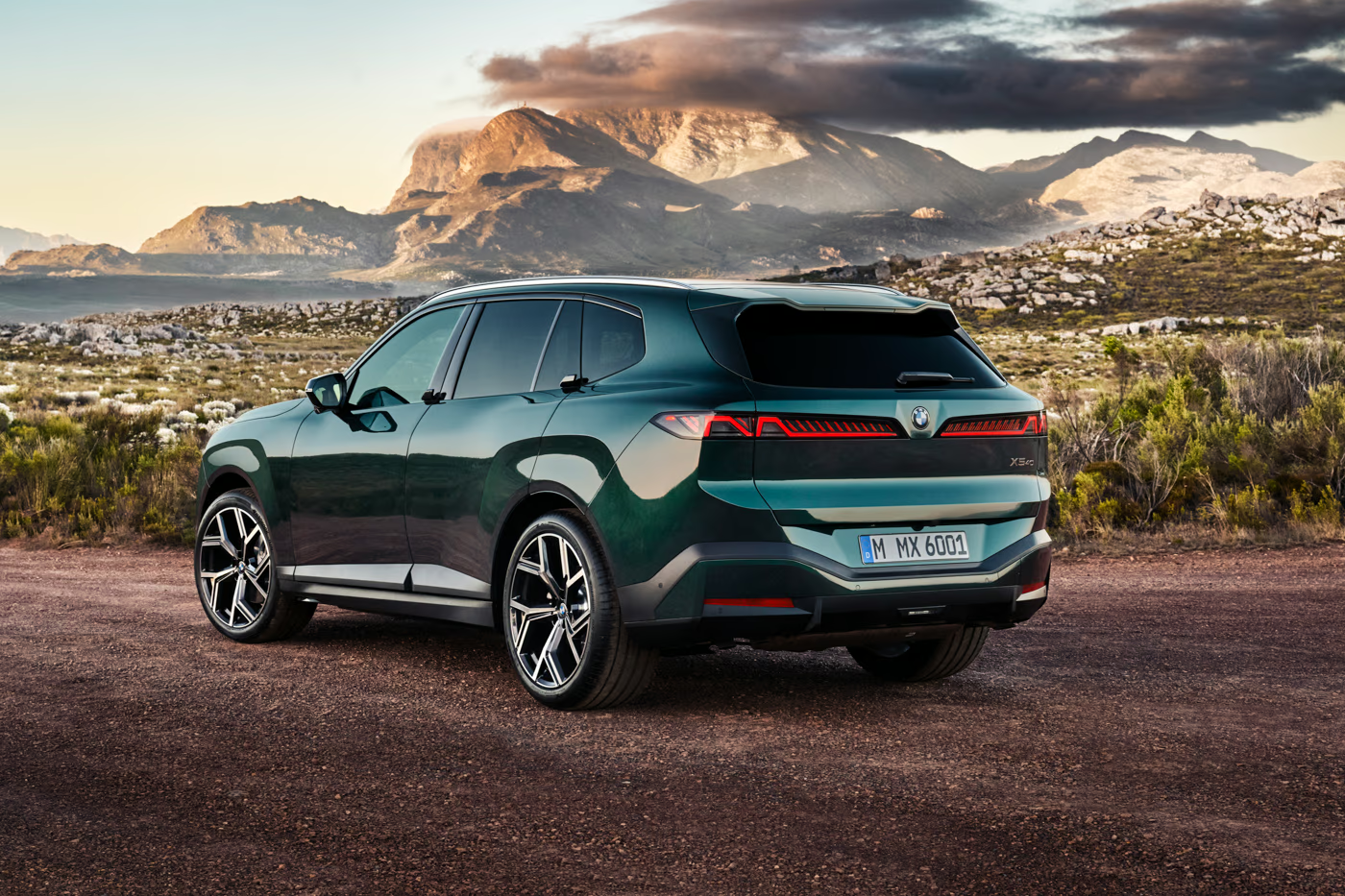
Leading the electric charge is the iX5 60 xDrive, the first fully electric X5. Twin motors produce a combined 570bhp and 593lb ft of torque, enough for 0-62mph in 4.6 seconds, while its 141kWh battery – the largest BMW has ever fitted to a production car – provides a WLTP range of up to 525 miles and supports DC charging at up to 460kW. Power is split 43:57 front/rear, with the rear motor having the biggest influence in terms of driving feel and regen. Although range betters the iX3’s, the oversized battery does come with a caveat: the iX5 60 xDrive carries an official EU kerb weight of 2,900kg.
Pipping it to 62mph by 0.1 seconds is the X5 M60e xDrive. Its 194bhp electric motor and reworked B58 3.0-litre straight-six combine for 604bhp and 590lb ft, and it’s also lighter than the EV to the tune of 185kg. Top speed rises to 155mph, 25mph beyond the electric flagship’s limited 130mph, while an electric-only range of up to 61 miles means most commutes can be covered without needing to rouse the engine.
Sitting below it is a second plug-in hybrid, the X5 50e xDrive. Essentially a carryover powertrain save for a new turbocharger on the detuned B58, it shares the same 194bhp electric motor for a combined peak of 482bhp and up to 63 miles of electric-only range.
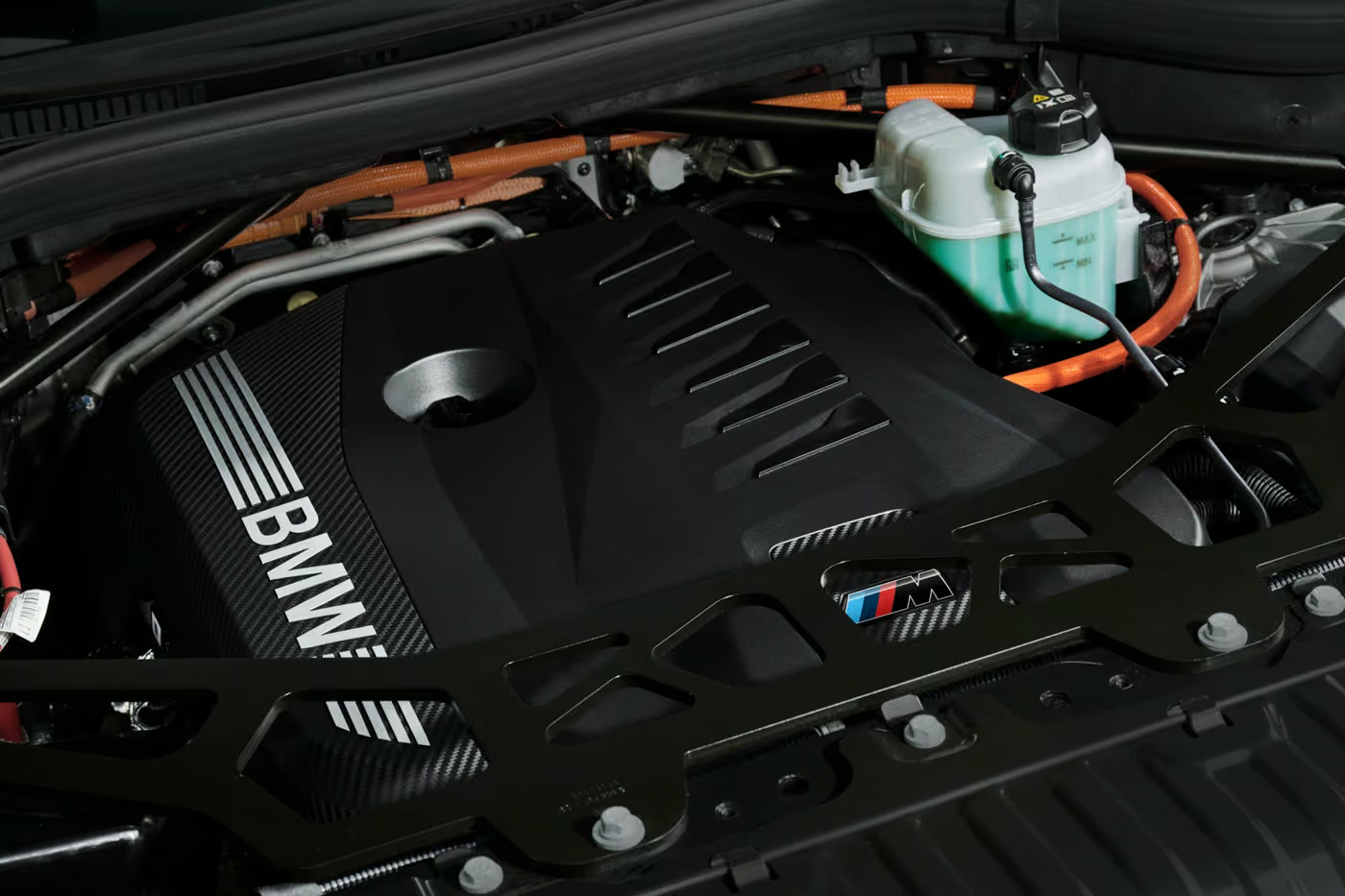
While the wider UK market has largely abandoned diesel, it remains a popular choice for SUVs; the fuel accounted for around a third of X5 sales in Britain last year. Accordingly, BMW is persisting with the X5 40d xDrive, powered once again by a B57 3.0-litre straight-six with sequential twin-turbocharging. It produces 309bhp and 494lb ft of torque, and delivers combined economy of up to 40.4mpg.
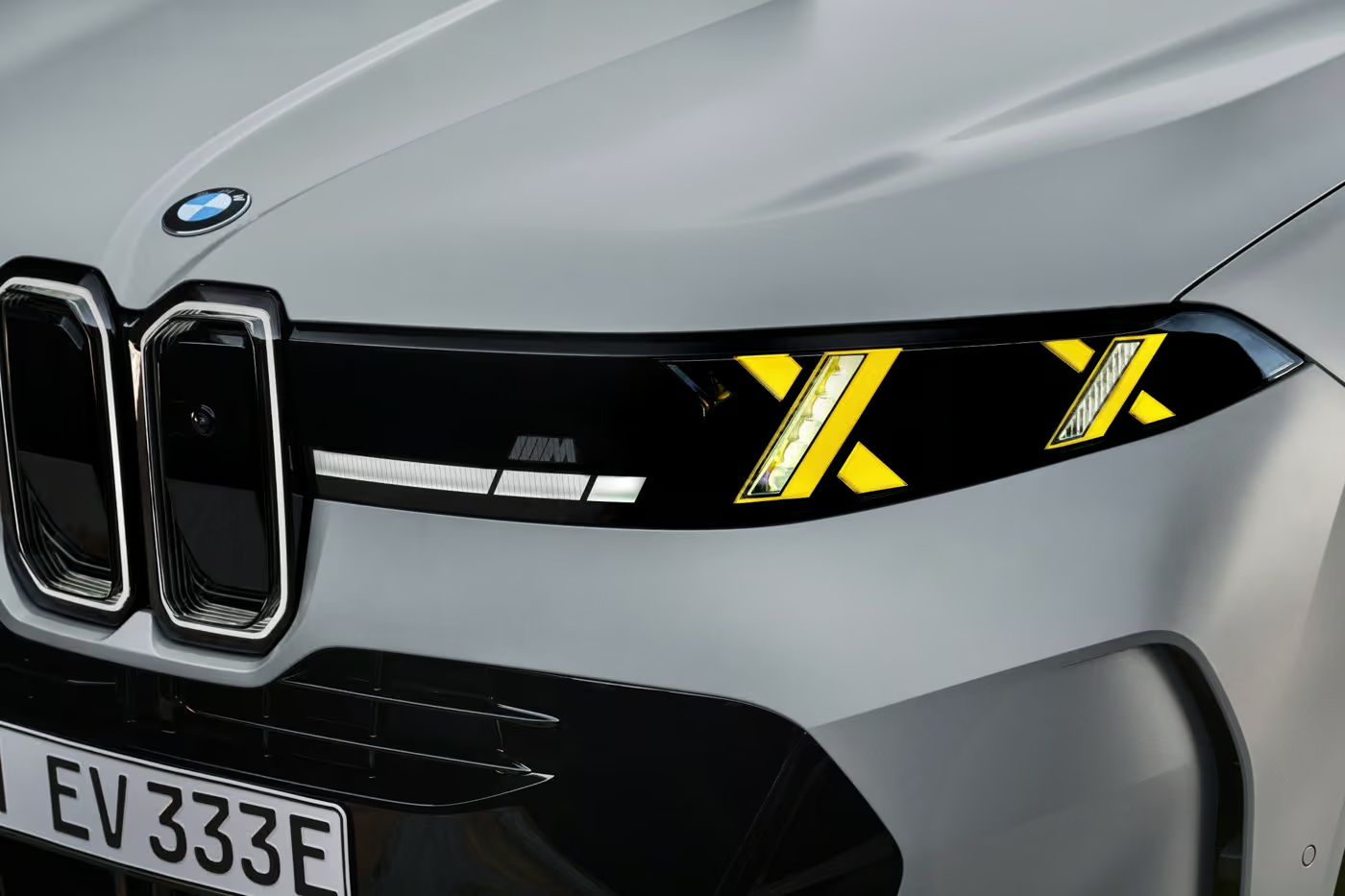
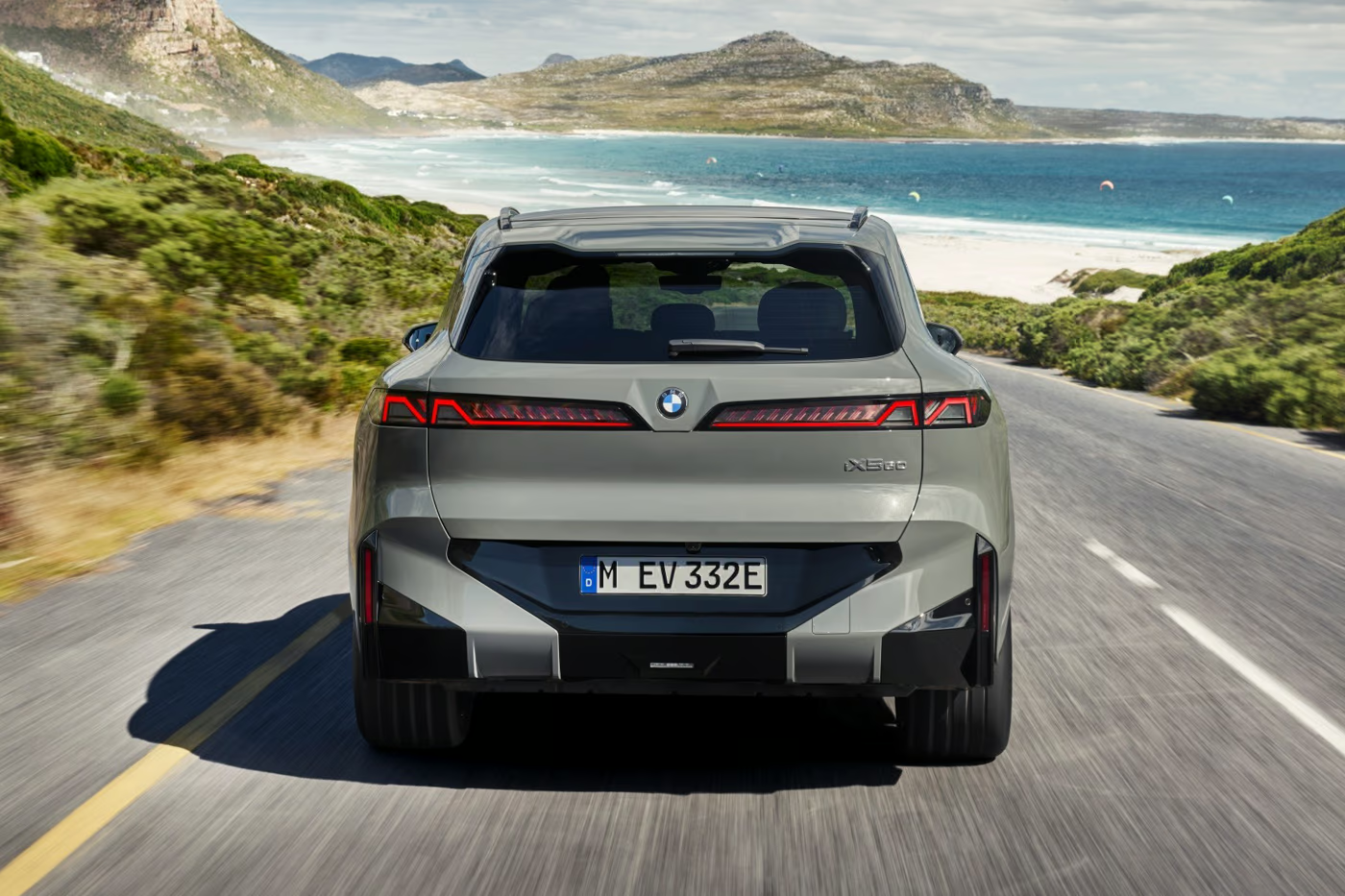
One Neue Klasse element the G65 X5 fully embraces is the design language, led by the illuminated vertical kidney grille, angular wheel arch surrounds, and near-full-length taillights. The distinctive new double-X DRLs, however, are already proving to be the biggest talking point. Mercifully BMW has included a toggle to deactivate the forward slash, reverting them to the now established single reverse slash. The M60e also receives yellow DRLs, which are quickly becoming a differentiator for flagship performance BMWs.
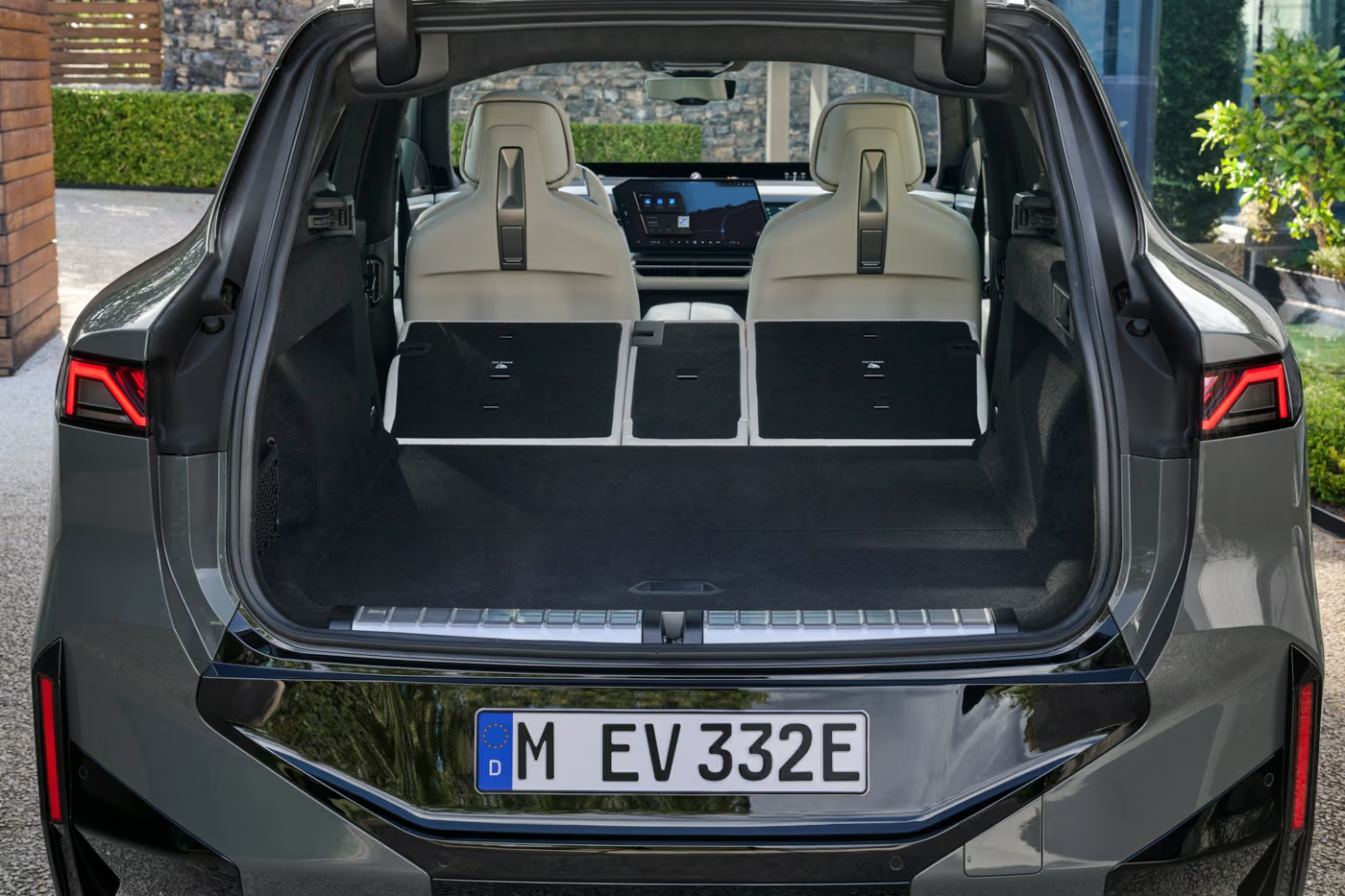
Another controversial decision from the design team is the deletion of the split-opening tailgate, a Touring and X-car staple for decades – sacrificed, BMW says, in the name of the model’s new monolithic design language. In terms of practicality, the iX5 has a clear advantage, offering a 53-litre frunk, while the PHEVs lose 130 litres of boot space (525 vs 655).
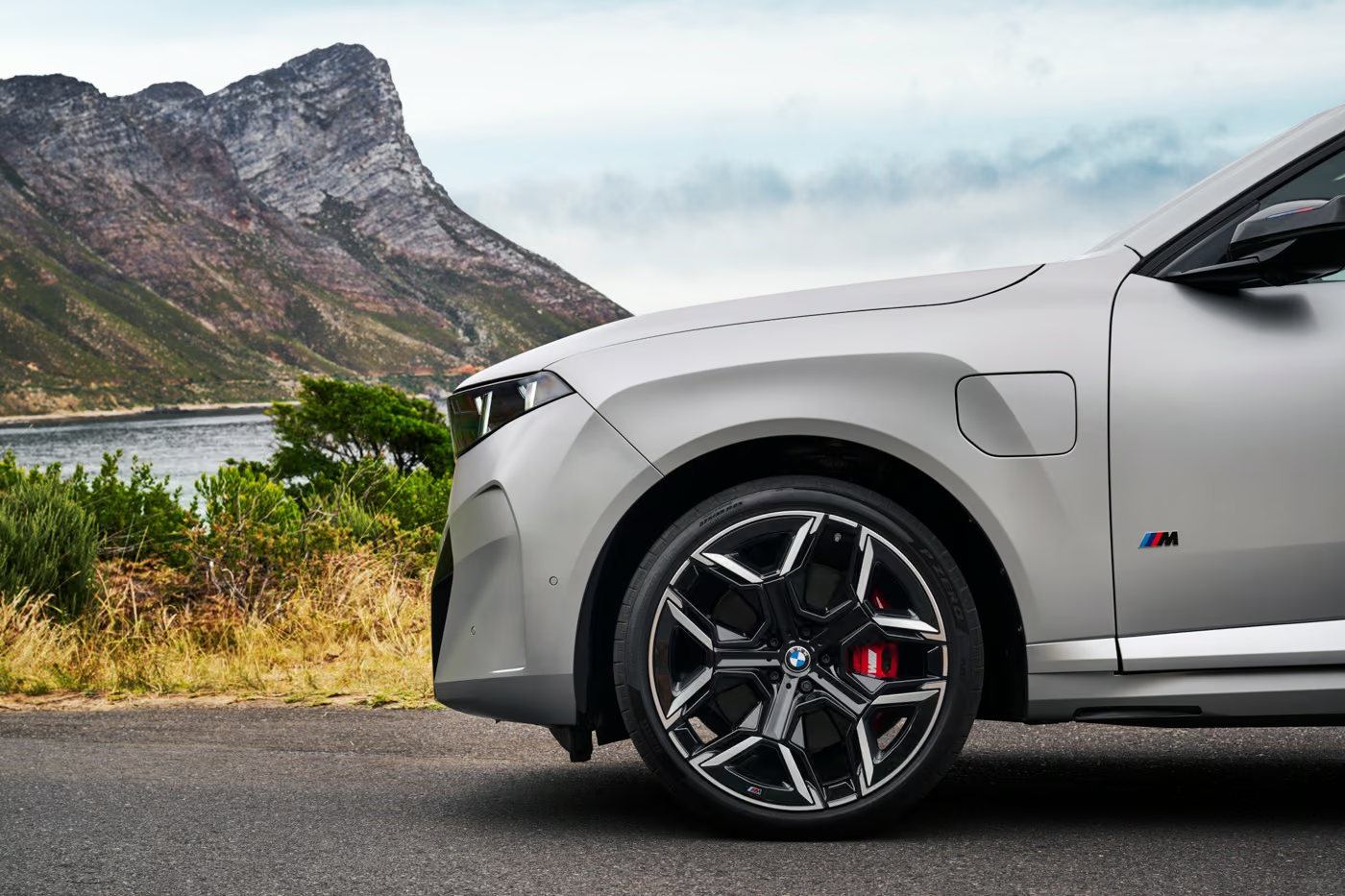
Other notable details include the winglet door handles, which replace the outgoing flush items, available with automatic soft-close doors. Eleven exterior colours will be offered alongside wheels up to 23 inches in diameter. Trim hierarchy includes M Sport, M Sport Pro and M Performance, each bringing distinct styling cues.
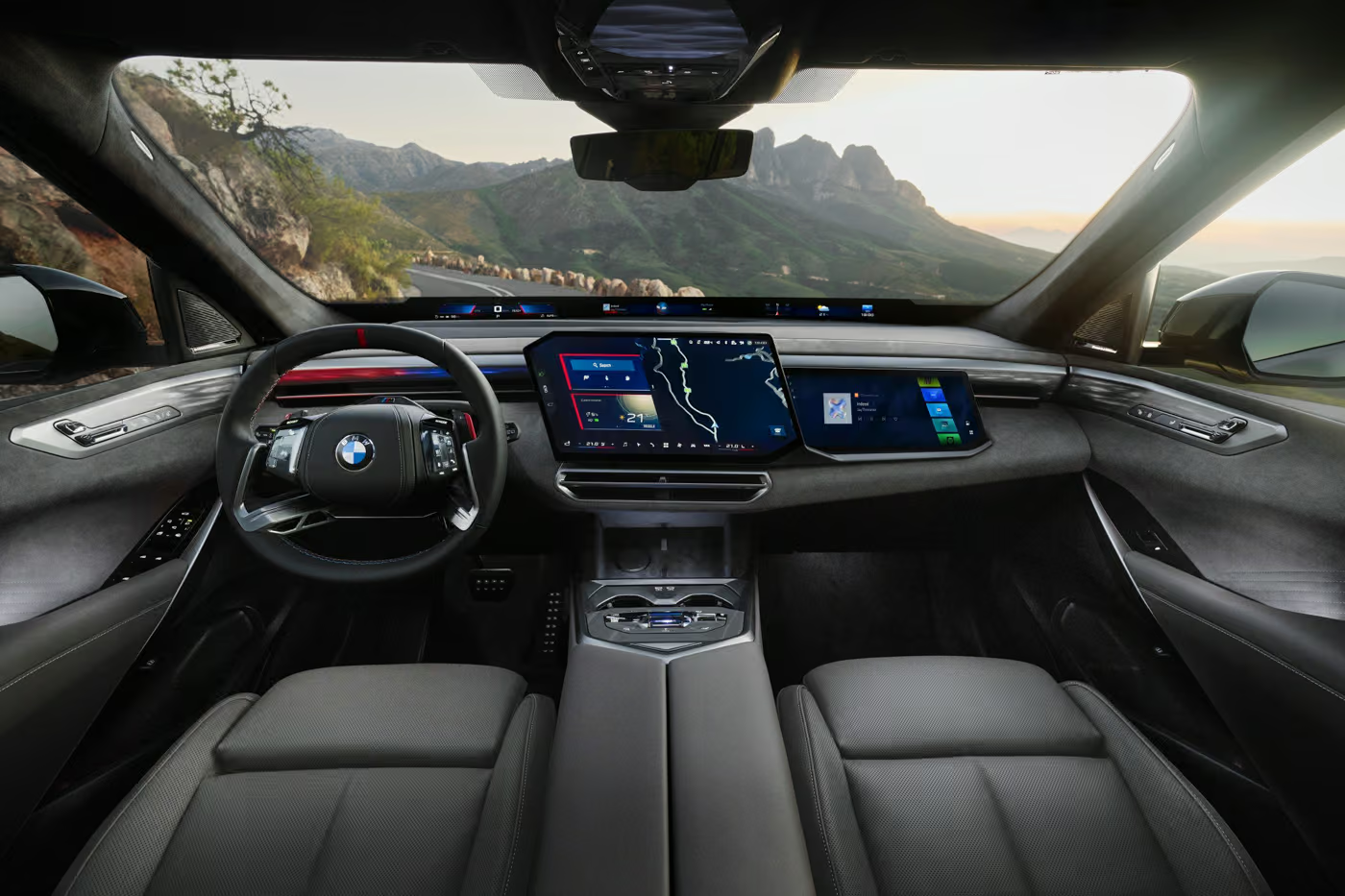
Inside, the cabin again toes the Neue Klasse line. The full-width Panoramic iDrive features, as does a 3D head-up display, and a 17.9in central touchscreen angled toward the driver in the best of BMW traditions. New to the X5 is the optional BMW Passenger Screen, a 14.6in display giving the front passenger video streaming, gaming and video calls independent of the driver’s own controls, with an interior camera automatically dimming it if it detects the driver glancing across.
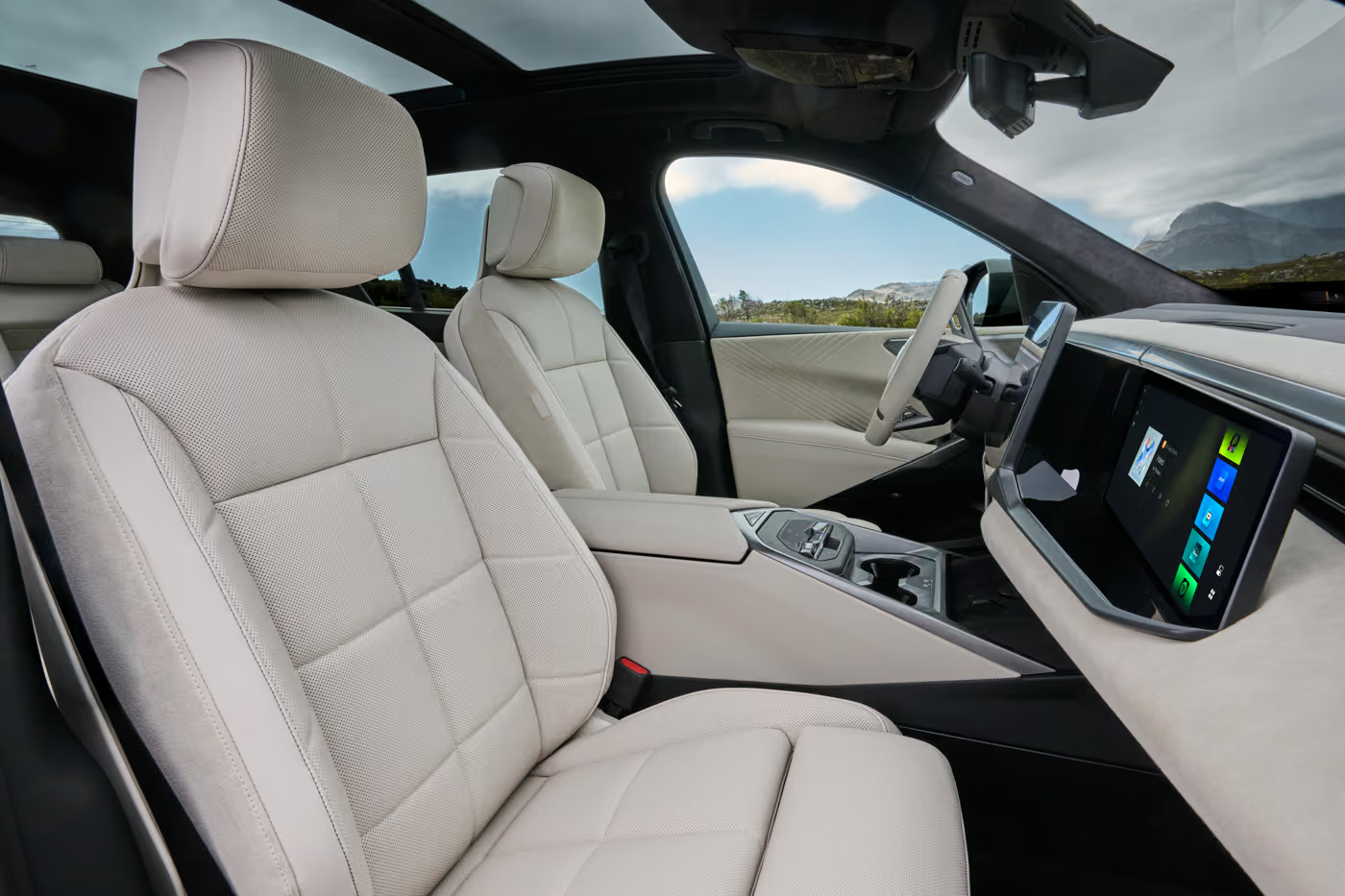
On the luxury side of the equation, slate makes its debut as a BMW interior material, alongside glass detailing and X-pattern stitching. A panoramic sunroof is standard, as are sport seats, with optional multifunction seats offering ventilation and massage, trimmed in Veganza or BMW Individual Merino Leather.
As you’d expect, the underlying dynamics software varies by drivetrain. The iX5 uses BMW’s Heart of Joy to coordinate its electric motors, steering and braking as a single system, paired with BMW Symbiotic Drive for smoother recuperation braking down to a standstill. Combustion and plug-in hybrid models run an analogous tenth-generation transverse dynamics management system, centralising steering, all-wheel drive and stability control in the same way, but built around an engine and gearbox rather than electric motors. Adaptive suspension is standard across the range, while Integral Active Steering, available as part of the optional Adaptive Chassis Control package, turns the rear wheels by up to 3.2 degrees, trimming the turning circle by 0.8 metres.
Driving Assistant Plus comes as standard across the range, while the more ambitious Motorway & City Assistant – offering hands-free driving and navigation-guided assistance through junctions and traffic lights – will be rolled out as an optional extra in Germany in early 2027 before a phased roll out across the rest of Europe.
Production begins at BMW’s Spartanburg plant in August 2026. Pricing remains unconfirmed; expect a rise over the outgoing car’s £75,860 starting point.
UK order books for the PHEV and BEV models open on 8 October 2026, with deliveries following from spring 2027. A fully electric M Performance version is in the works, though there’s no confirmation yet on whether the hydrogen model will reach the UK in 2028. Nor is there any word on a single-motor, rear-wheel-drive derivative, as offered on the iX3. Whatever follows, buyers won’t be short of choice.
.avif)



.svg)

