-01.svg)

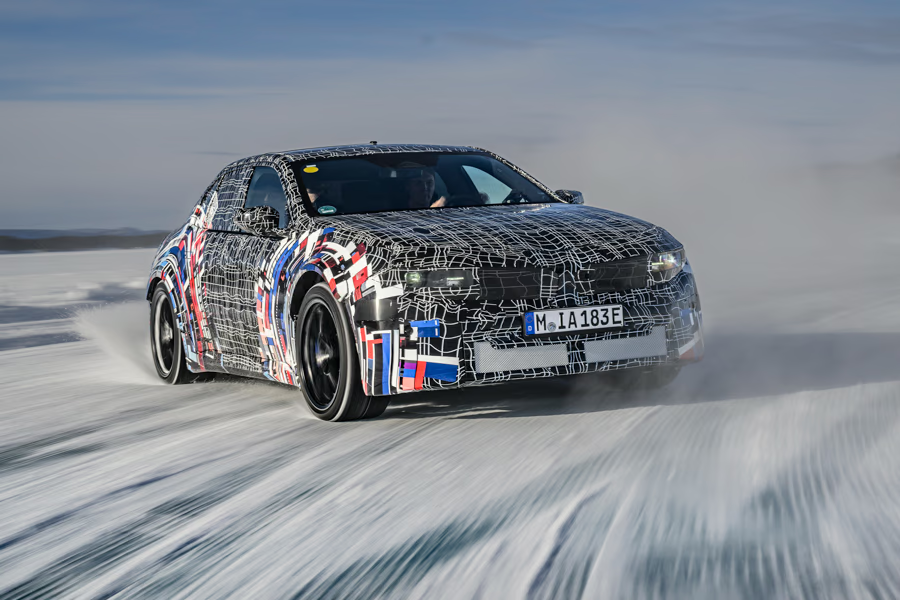
It's no secret BMW has form when it comes to presenting something as speculative then building it largely intact – especially the M division. The M Concept Neue Klasse is the forthcoming electric M3 in everything but name – the only things missing are a set of windscreen wipers and numberplates.
We've already covered the anticipated powertrain in detail, including its four-motor eDrive, 800V architecture, bespoke battery chemistry and wheel-specific torque control. Today is our first glimpse of the car without the camo wrap, and there is a lot to take in.
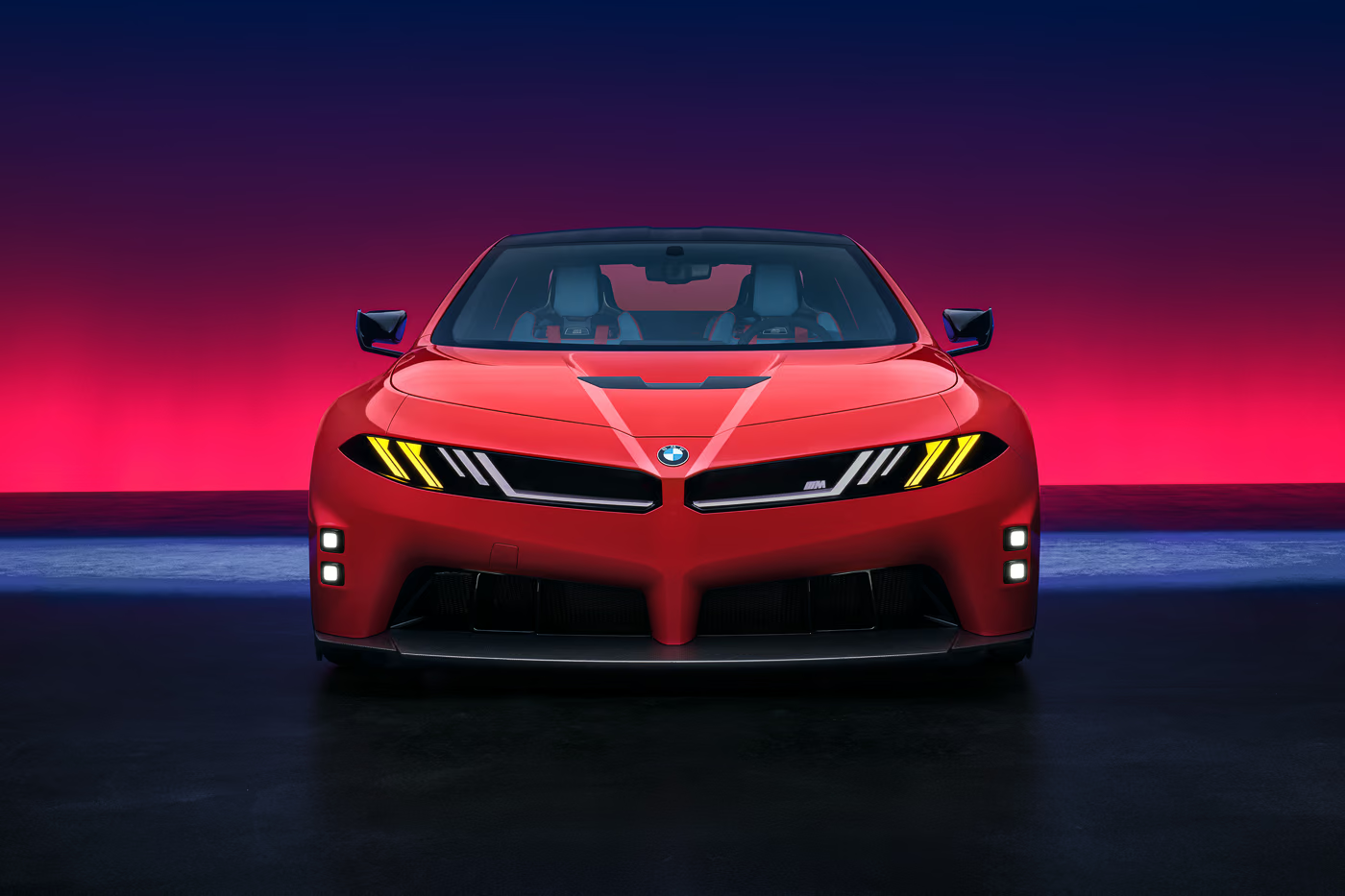
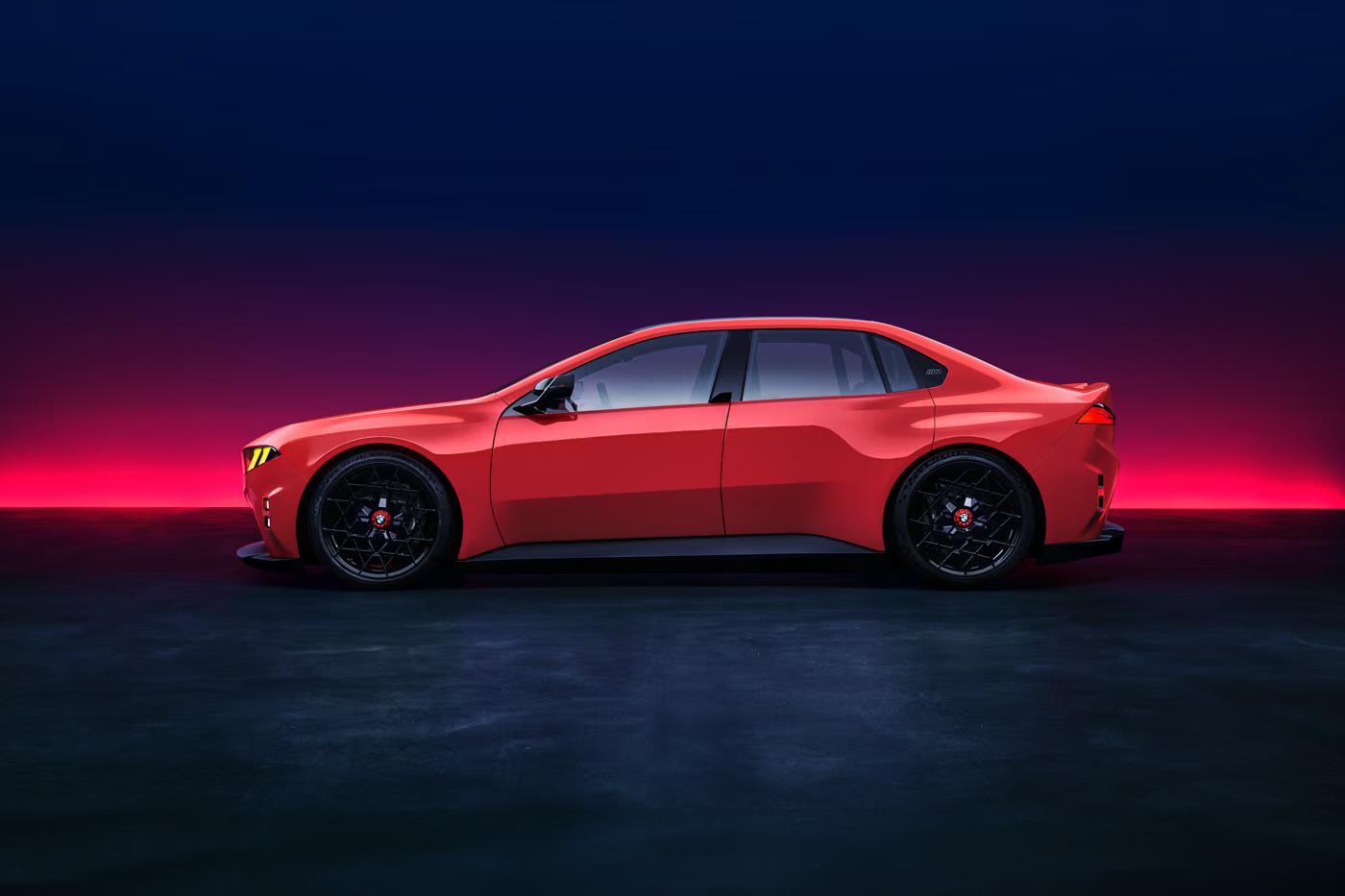
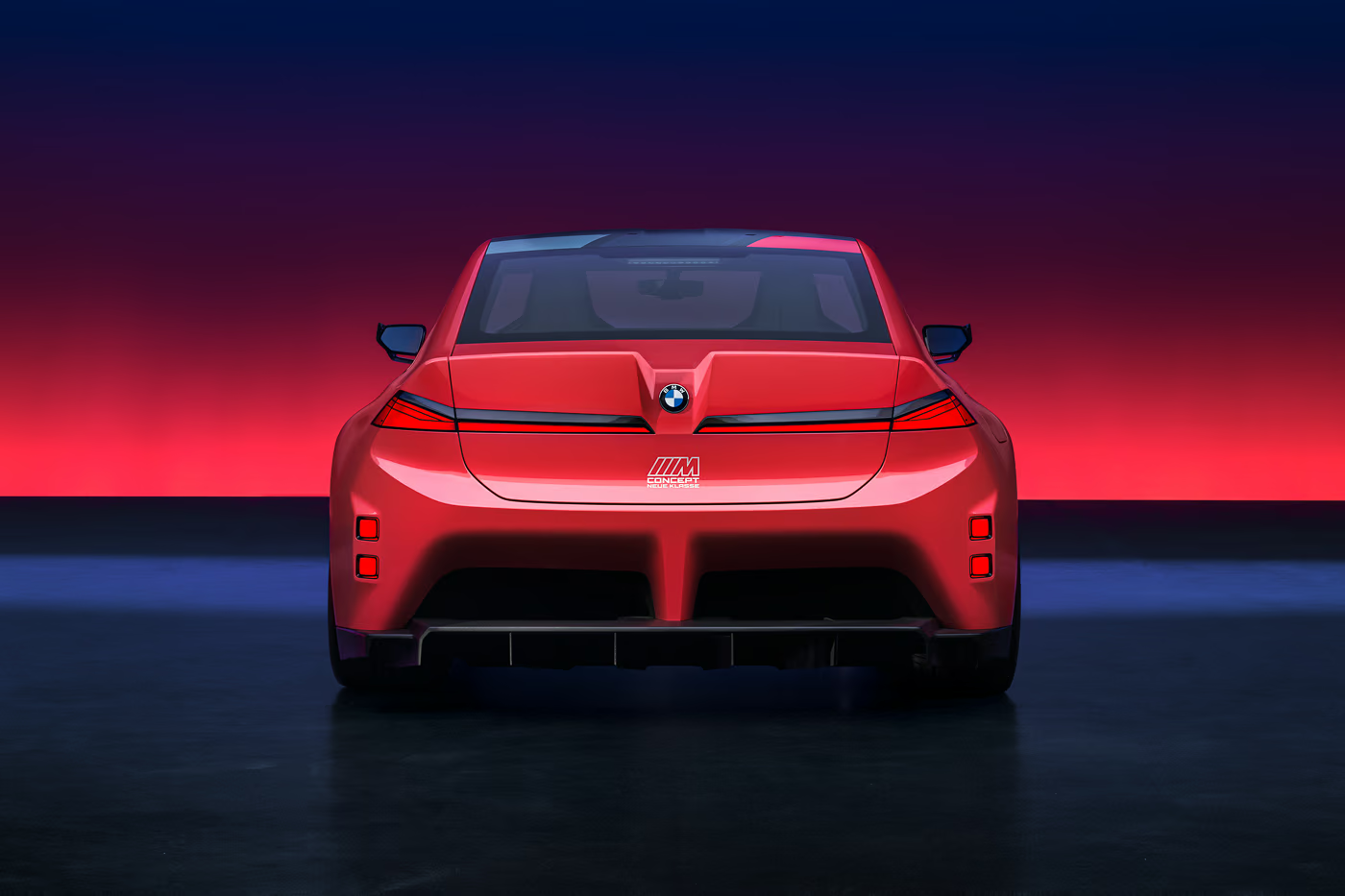
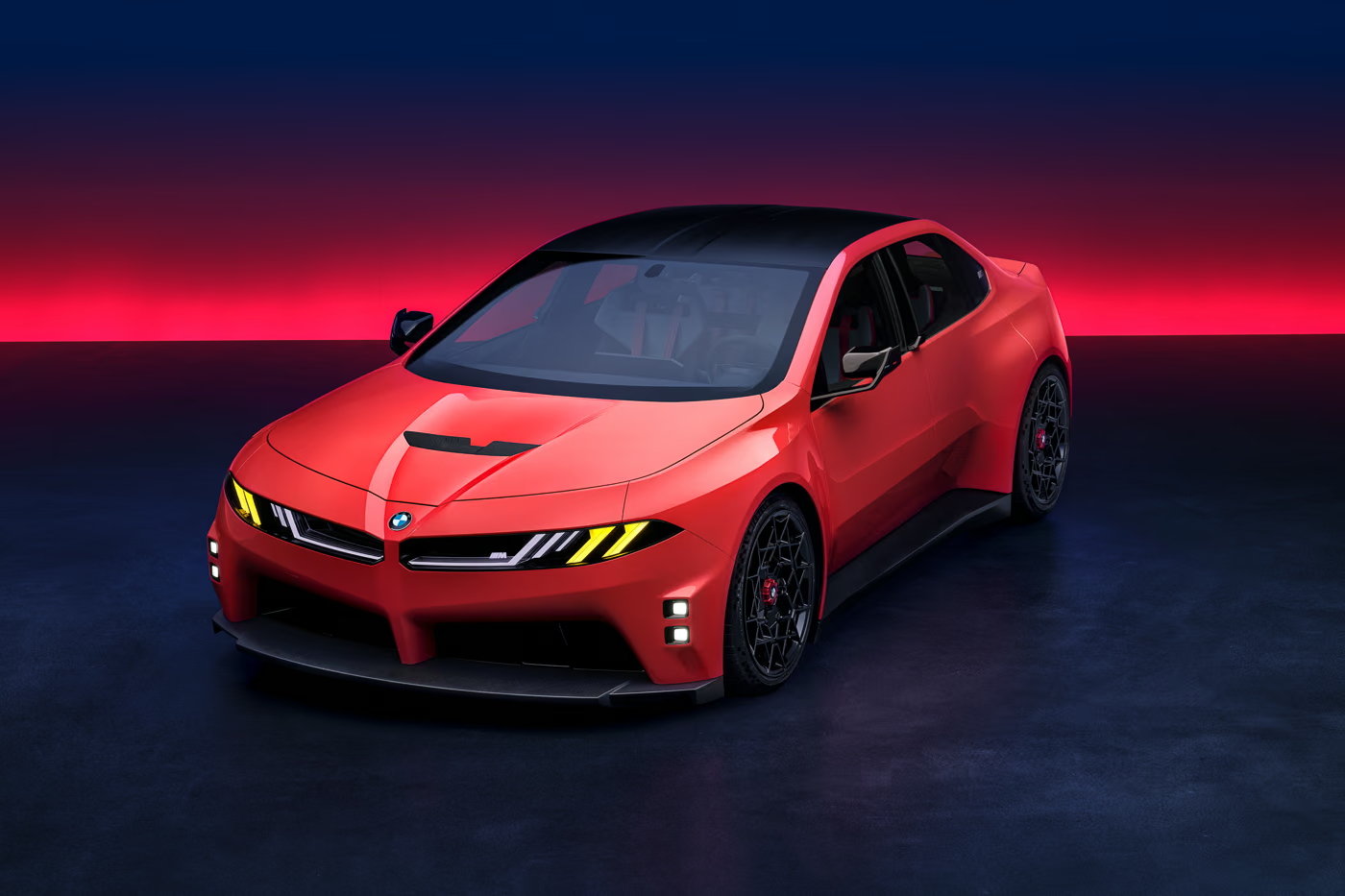
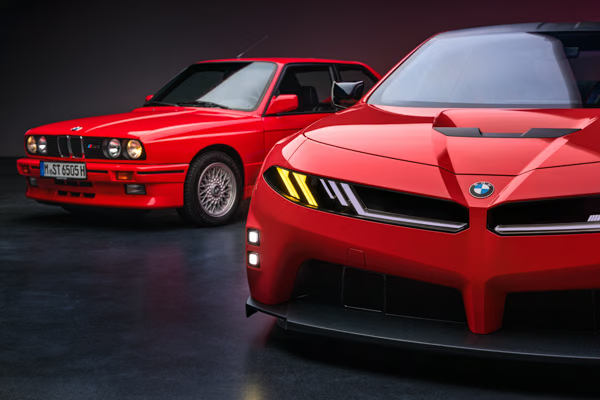
Across its six generations, the M3 has never looked to the past for inspiration – E46 side gills aside. The M Neue Klasse, however, draws heavily from an unexpected source: the E30 M3.
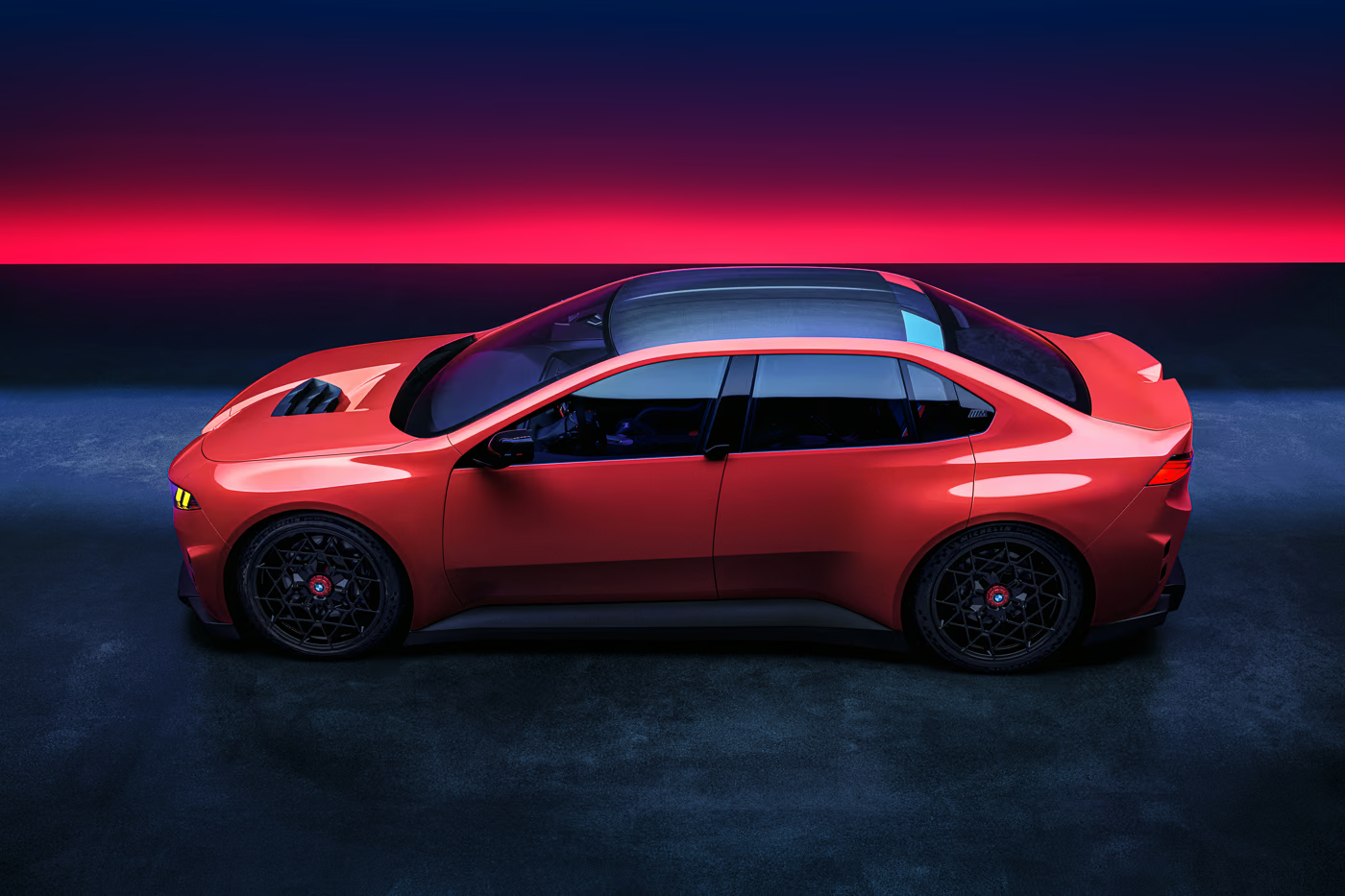
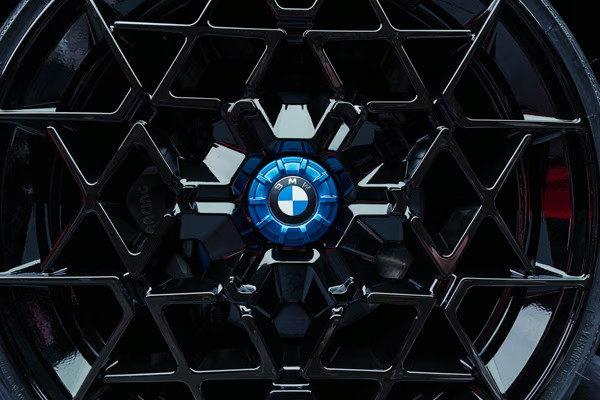
The wheel arches are the most noticeable homage, a contemporary interpretation of the E30's signature box flares, wider and more integrated but unmistakably from the same lineage. Sitting within them is a modern take on the E30's classic BBS cross-spoke design, although BMW has made that particular detail harder to spot by choosing black. The centre-lock hubs are perhaps one concept car flourish – blue on the right and red on the left in a nod to BMW's GT3 cars.
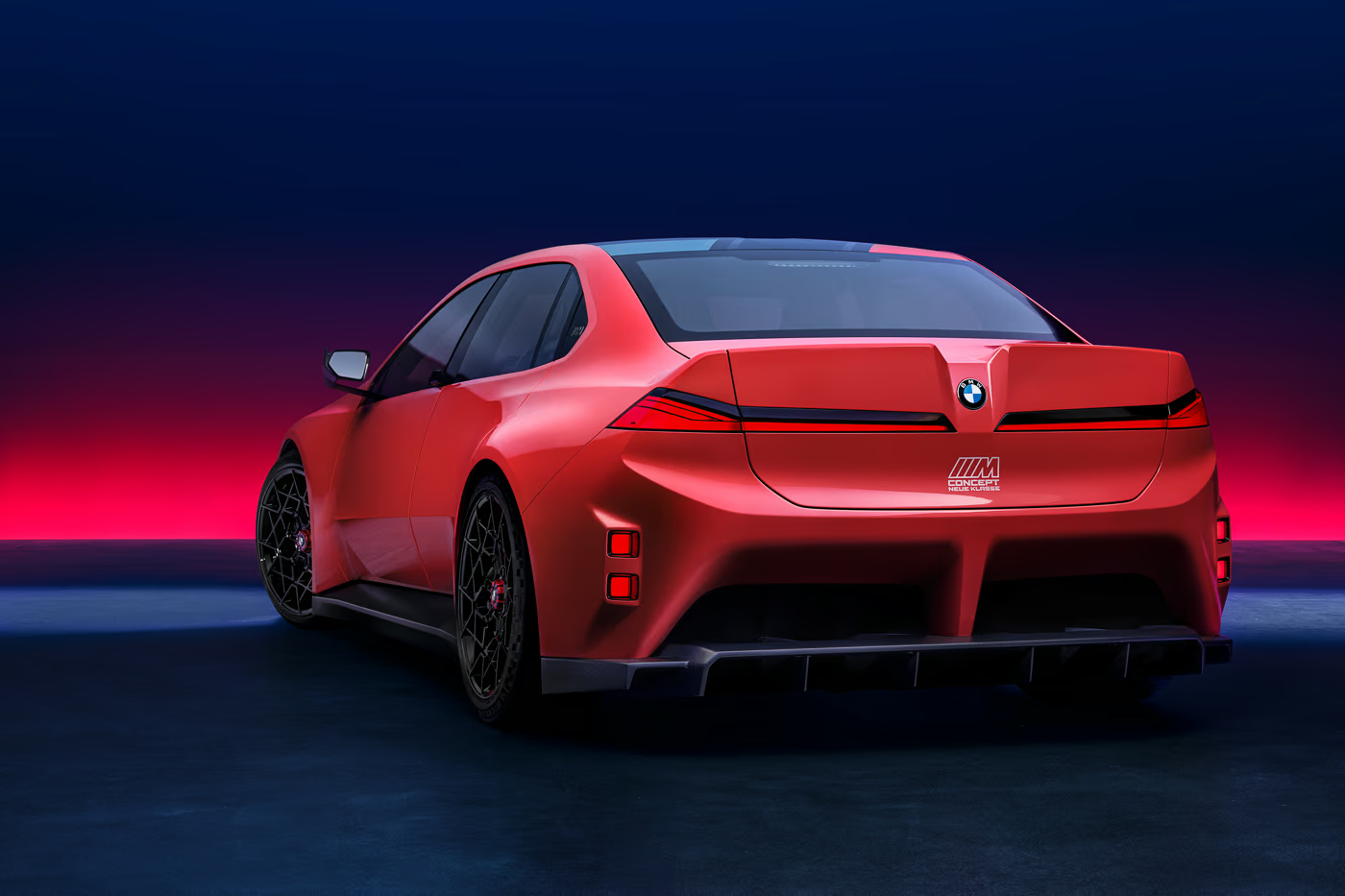
The shark nose has made a comeback too. It's best seen in the front apron and air dam, where a trimaran-inspired three-part structure manages airflow beneath the splitter. The feature is also mirrored at the rear, with a full-length diffuser that cuts deeply into the rear bumper, propped up by a significant carbon undertray. The final heritage detail can be found in the front grille, where a small M badge hides. Given BMW's current obsession with lighting, it is, of course, illuminated.
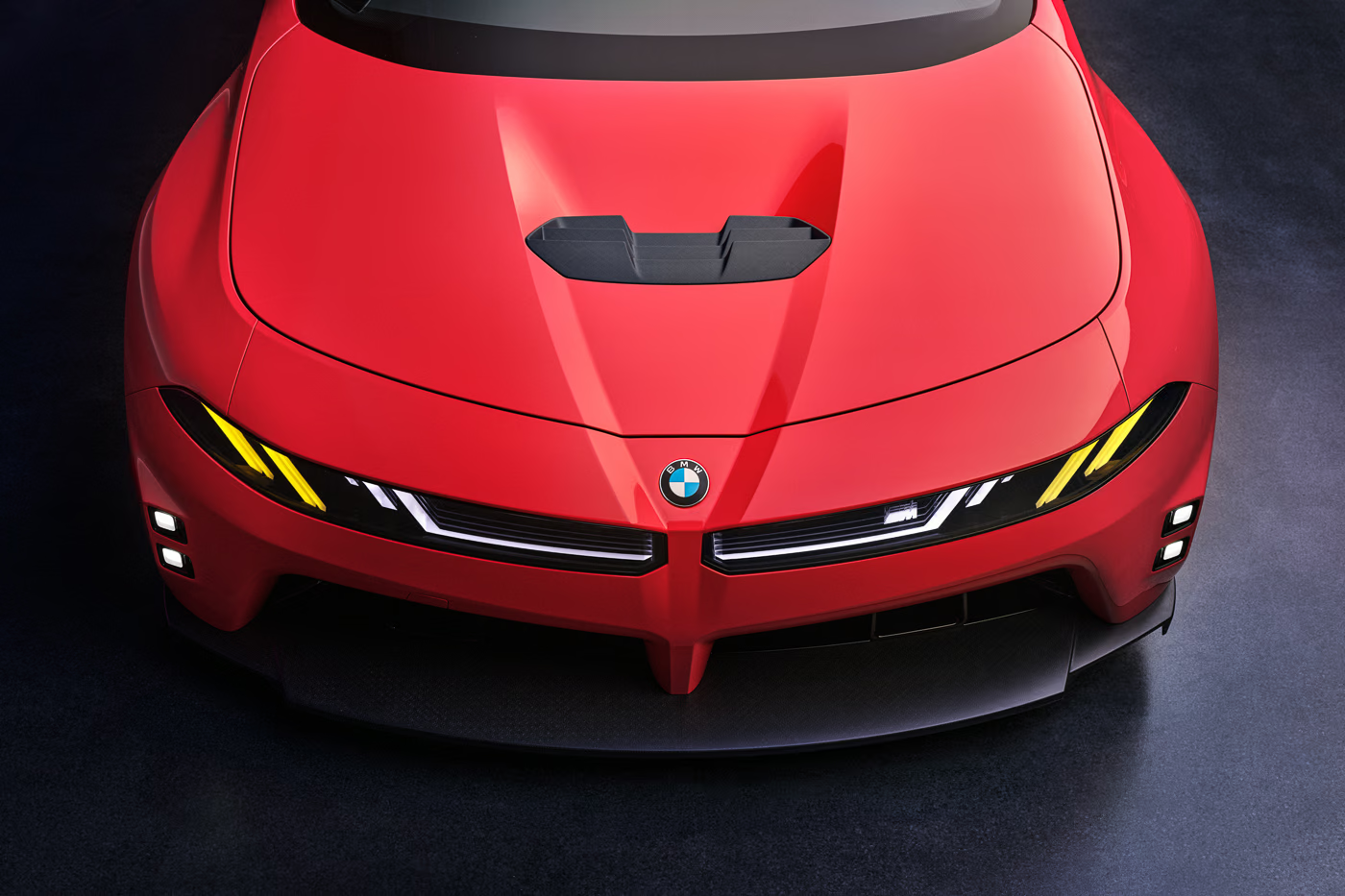
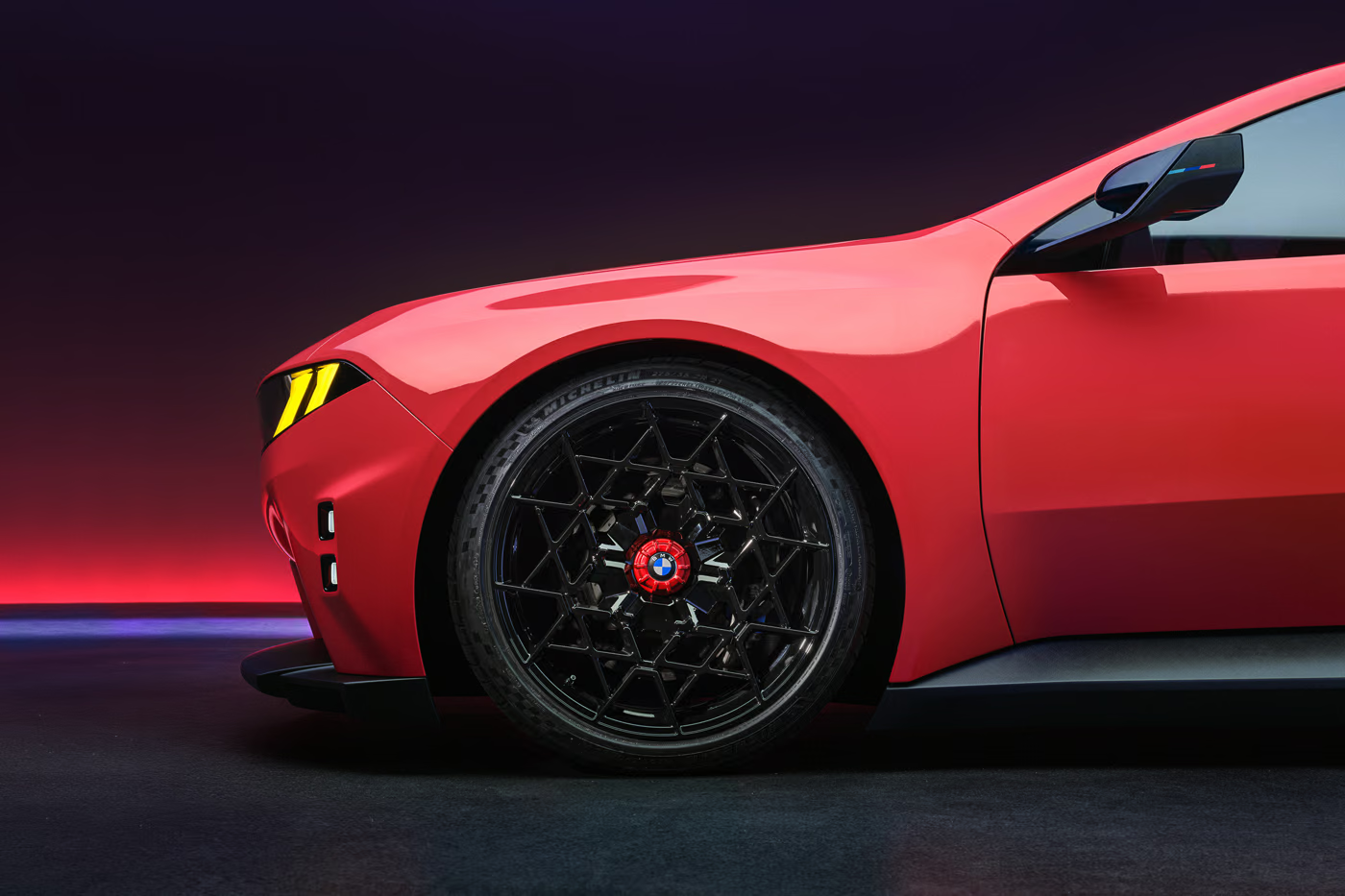
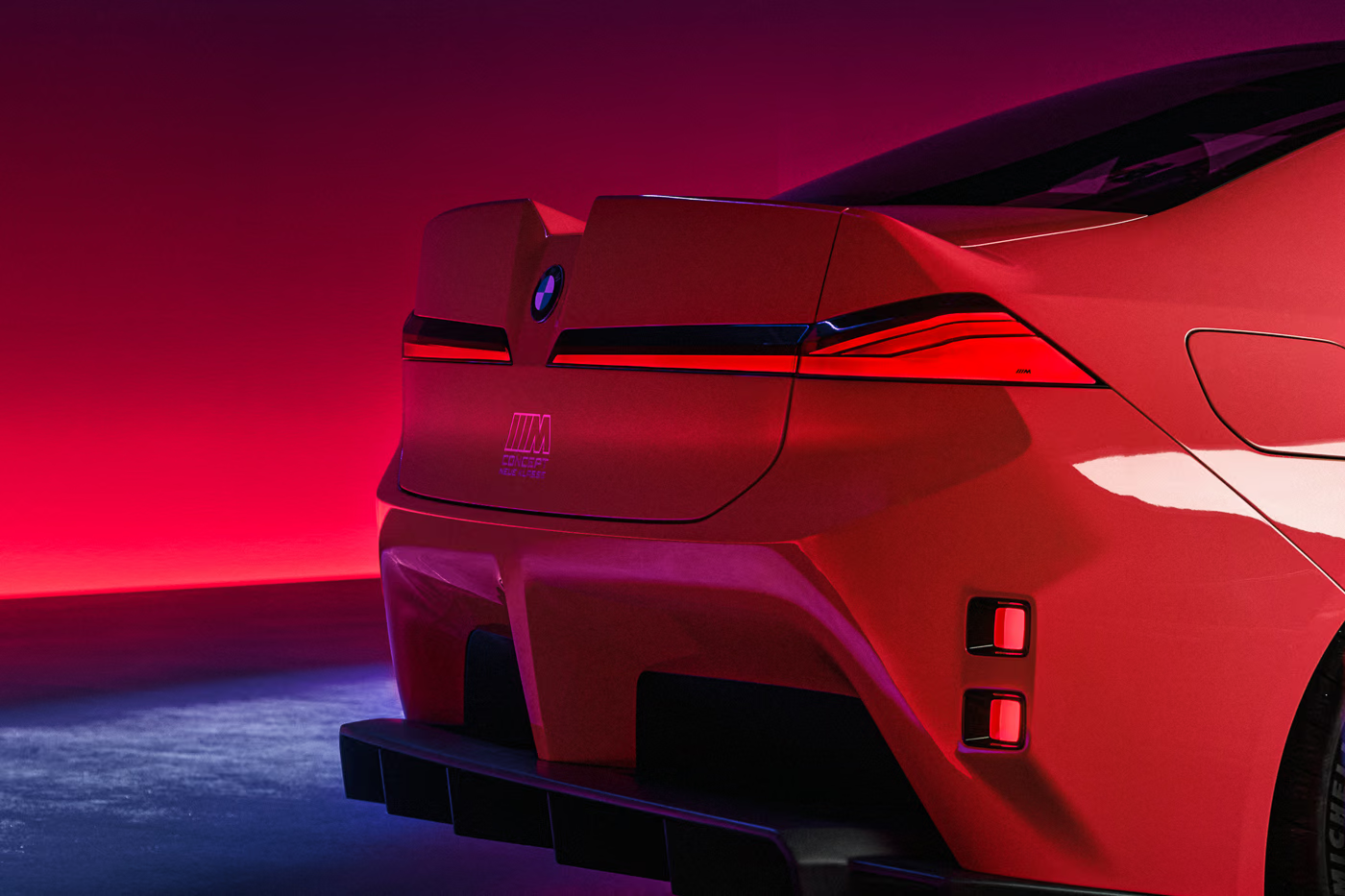
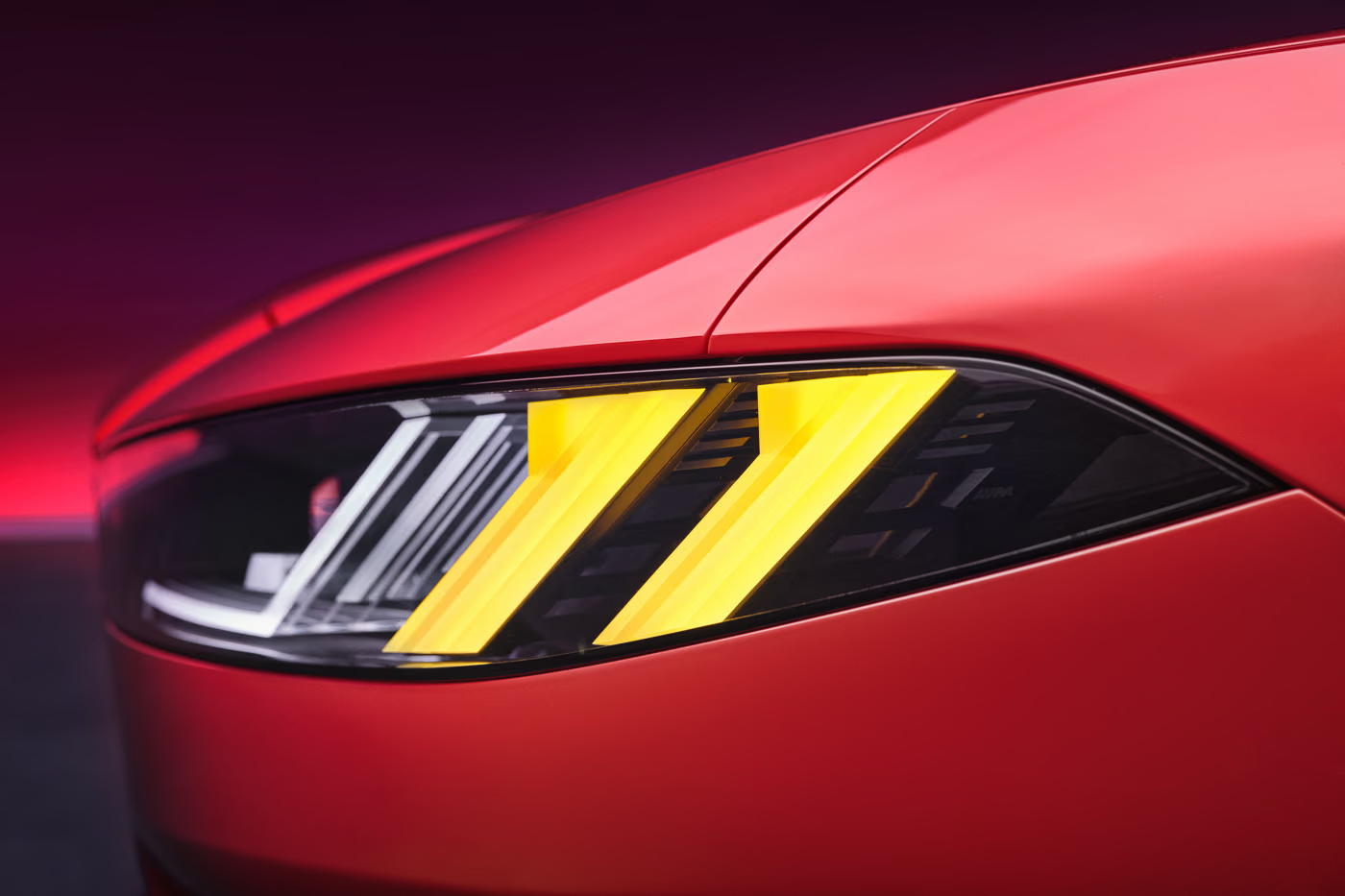
The trimaran constructs are flanked front and rear by a pair of stacked Track Lights, as seen on the M Hybrid V8 that finished second over the weekend. The yellow diagonals in the headlights are also drawn from the LMDh racer, with the hue previously reserved for CS models in the M hierarchy.
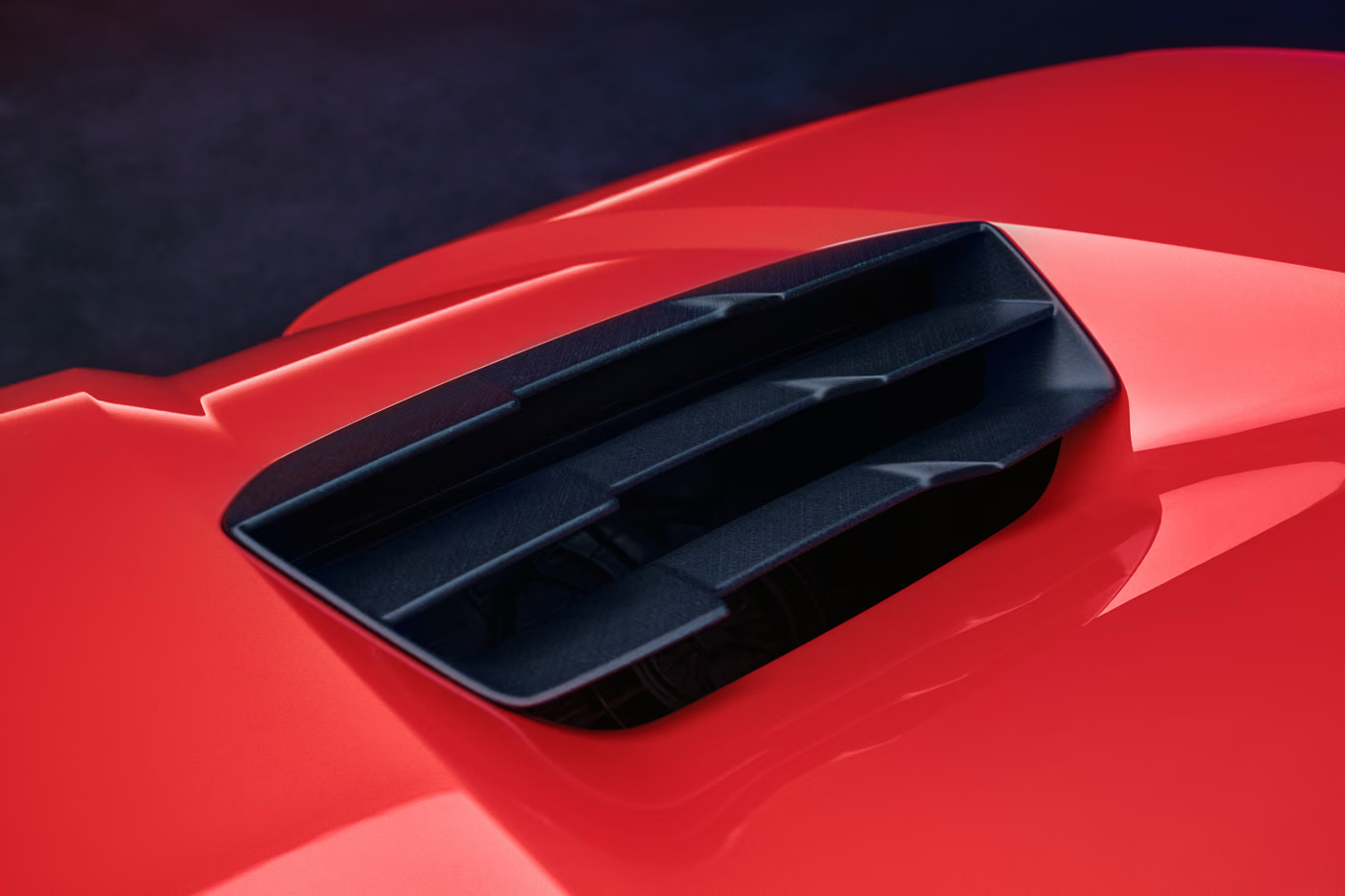
One M cue that's been turned on its head is the power dome. It's been replaced by a three-tier air extractor expelling air drawn in by the front splitter – an aero technique more commonly associated with mid-engined supercars and the likes of the Porsche 911 GT3 RS, and one only made possible by the absence of an engine. Its primary purpose is to provide cooling for the four individual electric motors powering the car, which BMW has let slip are capable of producing a combined output in excess of 1,000bhp.
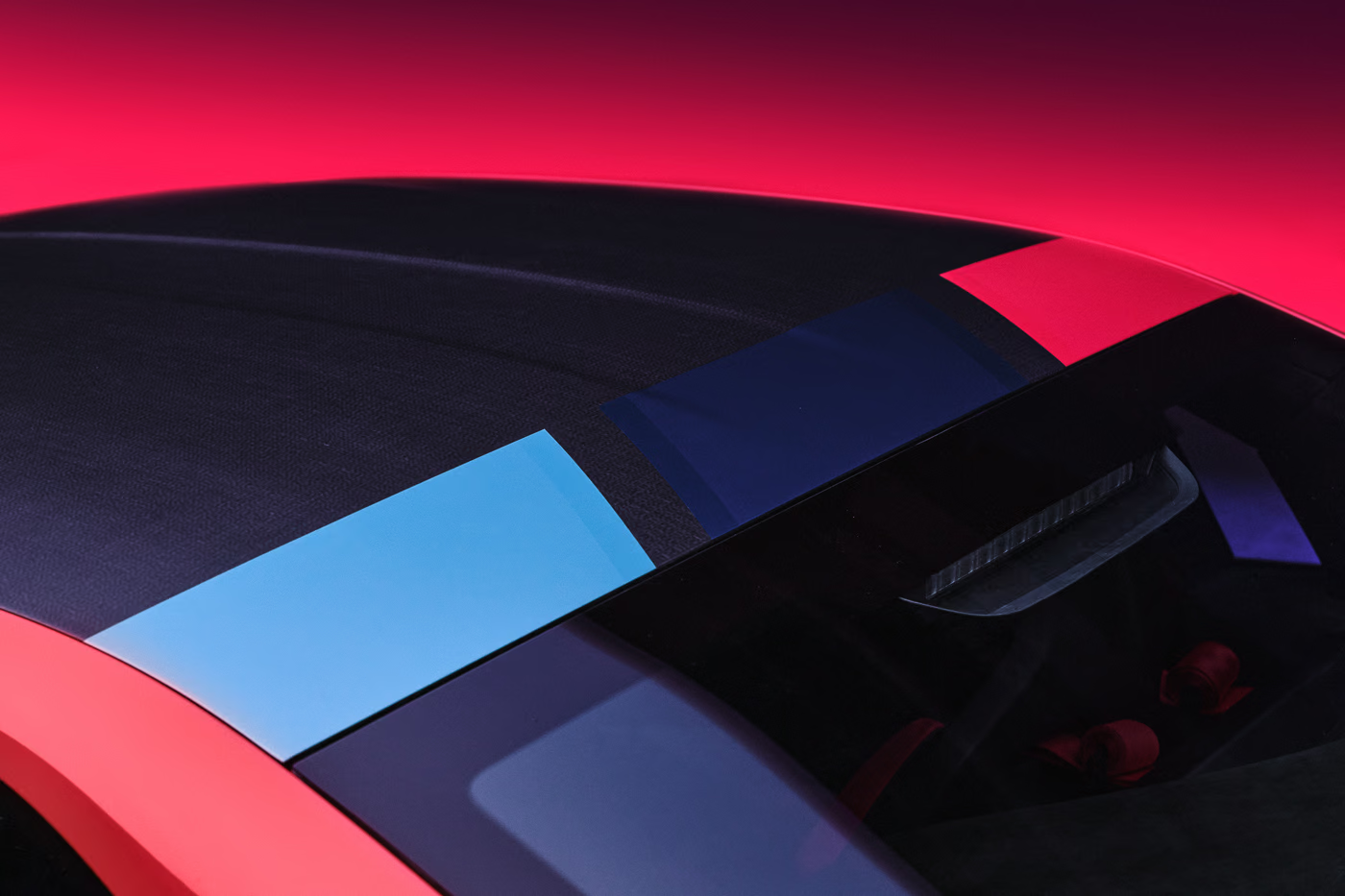
Another M calling card, the carbon fibre roof, hasn’t escaped attention either. The carbon has been replaced with a sustainable flax-based composite developed by Swedish firm Bcomp, bringing a 40 per cent reduction in carbon footprint, while remaining comparable in weight and structural properties. The material displays a distinctive grid-style weave, is finished matte rather than gloss, and on the M Neue Klasse carries the M tricolour graphic just above the rear windscreen, worked into the weave itself rather than applied over it – a detail that deserves to survive into production.
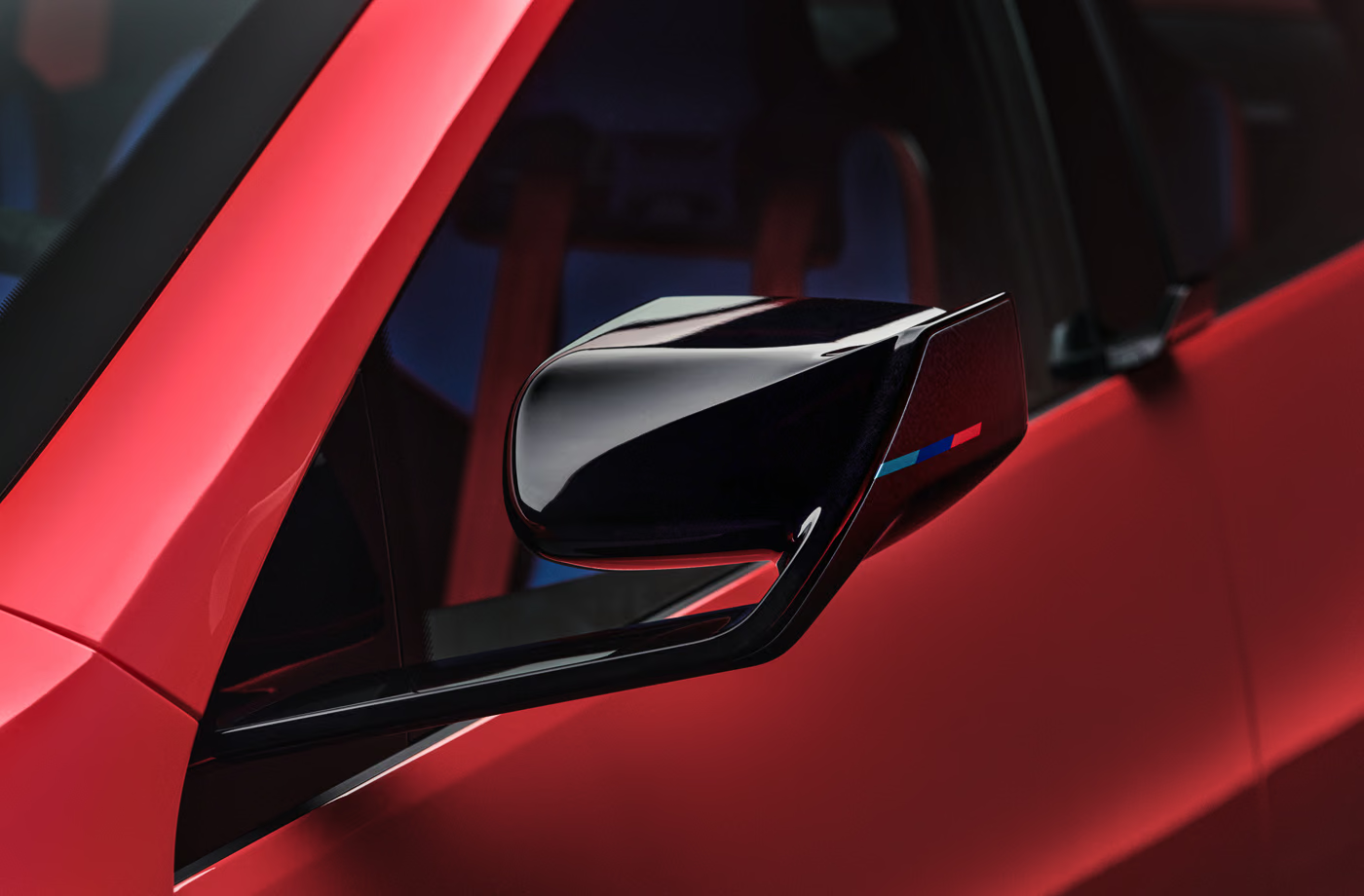
M cars have always received special door mirrors, and the Neue Klasse Concept is no different. The traditional M hook – previously pointing back toward the body centreline – has been rotated to a vertical fin in the name of efficiency. Like the roof, they're also crafted from the flax composite.
The finishing touch to the exterior is the prominent ducktail spoiler with its unique cutaway at the apex of the trimaran. In case you’re wondering about the colour, it's called Monza Red metallic, and has been specially developed for the M Concept Neue Klasse. Considering BMW has chosen to name it after a racetrack in time-honoured M fashion, it would be a surprise not to see it on the production car, no doubt as an expensive option.
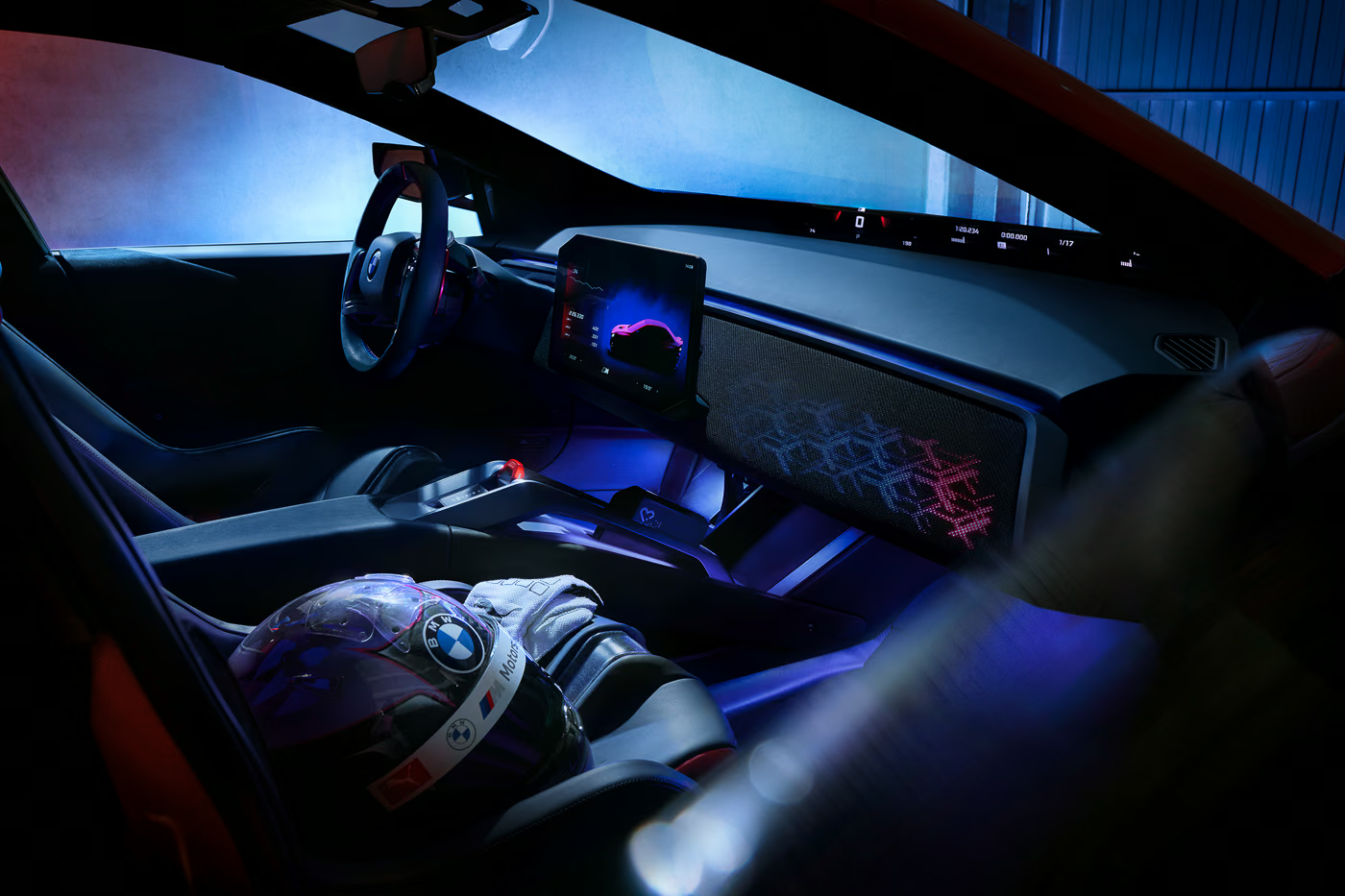
The interior has a similar production-ready feel, sharing the Neue Klasse i3's architecture with its panoramic display and parallelogram-shaped LCD screen angled toward the driver – although the graphics have received an M makeover.
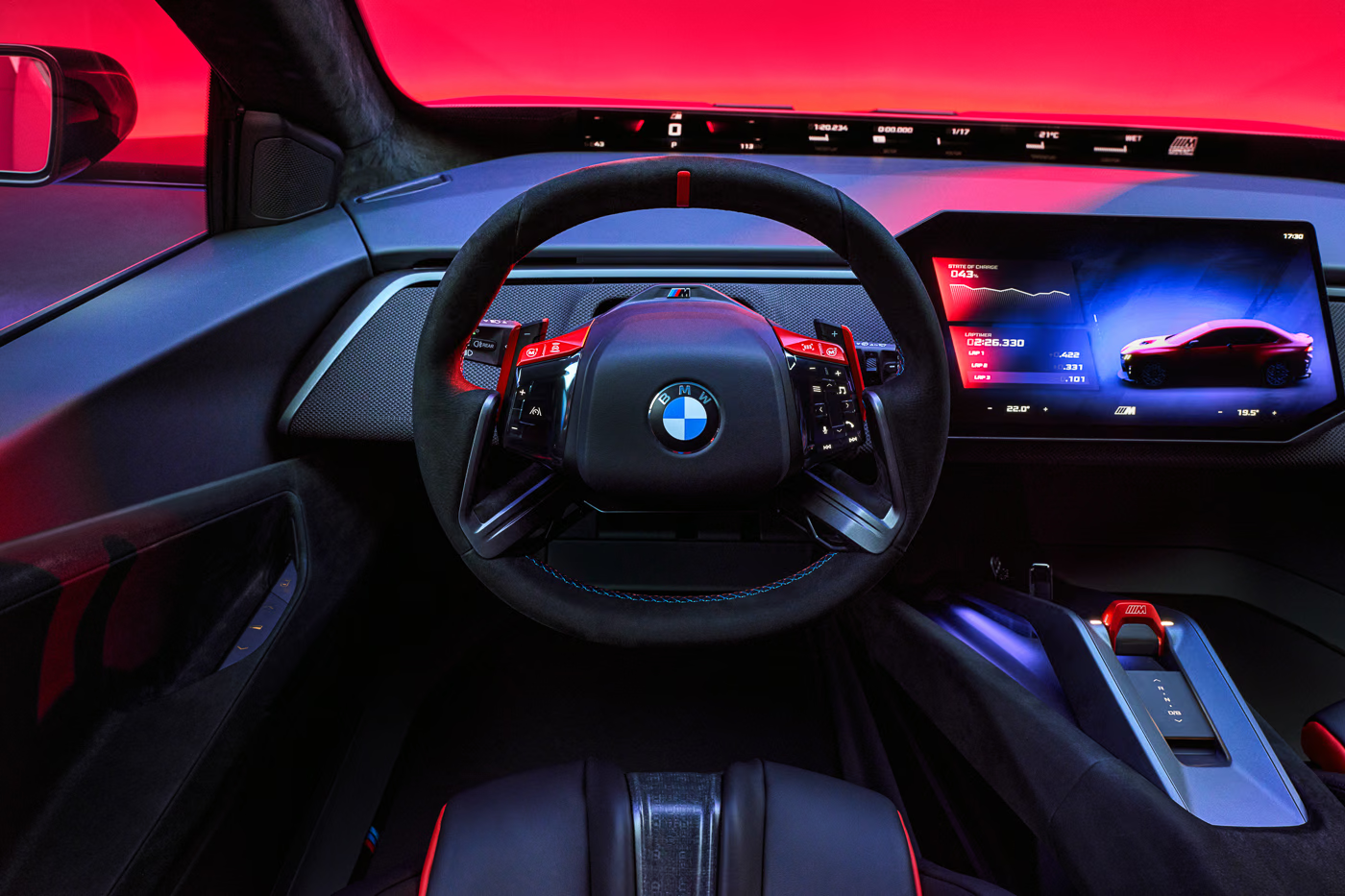
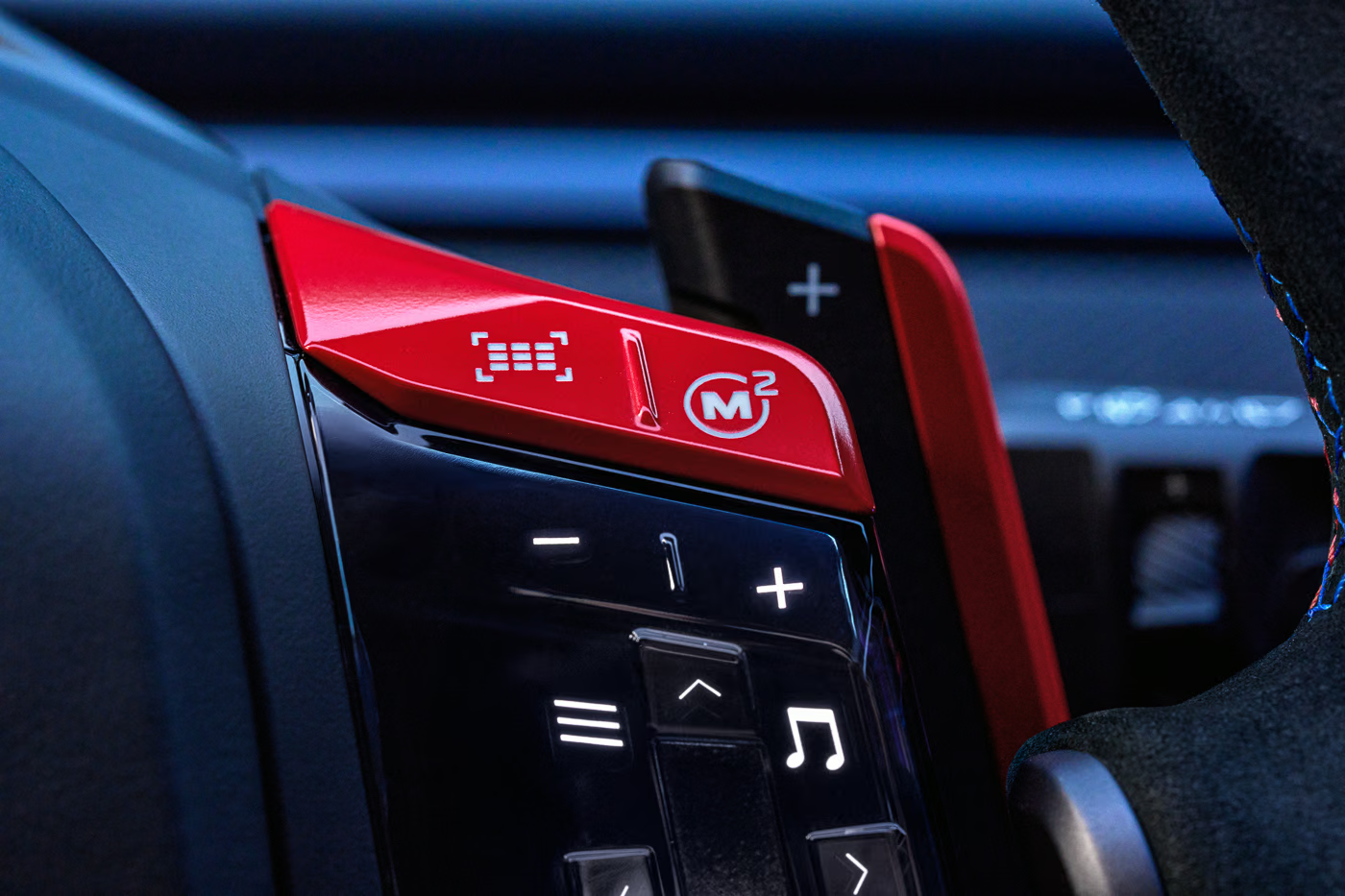
But the best news is that BMW M has extended its long-standing tradition of doing things its own way by re-introducing physical buttons on the steering wheel. There are four in total, anchored above the spokes, home to the customisable M1 and M2 buttons, a dedicated ADAS delete, and a shortcut to the adaptable driving modes. The haptic controls for regular in-car functionality remain, but there is now an important, tactile distinction. The M Concept Neue Klasse also adopts a simple colour code system for the buttons, with everything red changing how the car behaves and responds.
The wheel itself is small by design, intended to be looked over rather than through, with all driving information relocated to the head-up display. Tap the M logo on the LCD and the projection along the base of the windscreen strips back to bare essentials – lap times, sector times, tyre and battery temperatures in black and white. The only concession to colour is the power meter, which transitions through the M tricolour as demand increases.
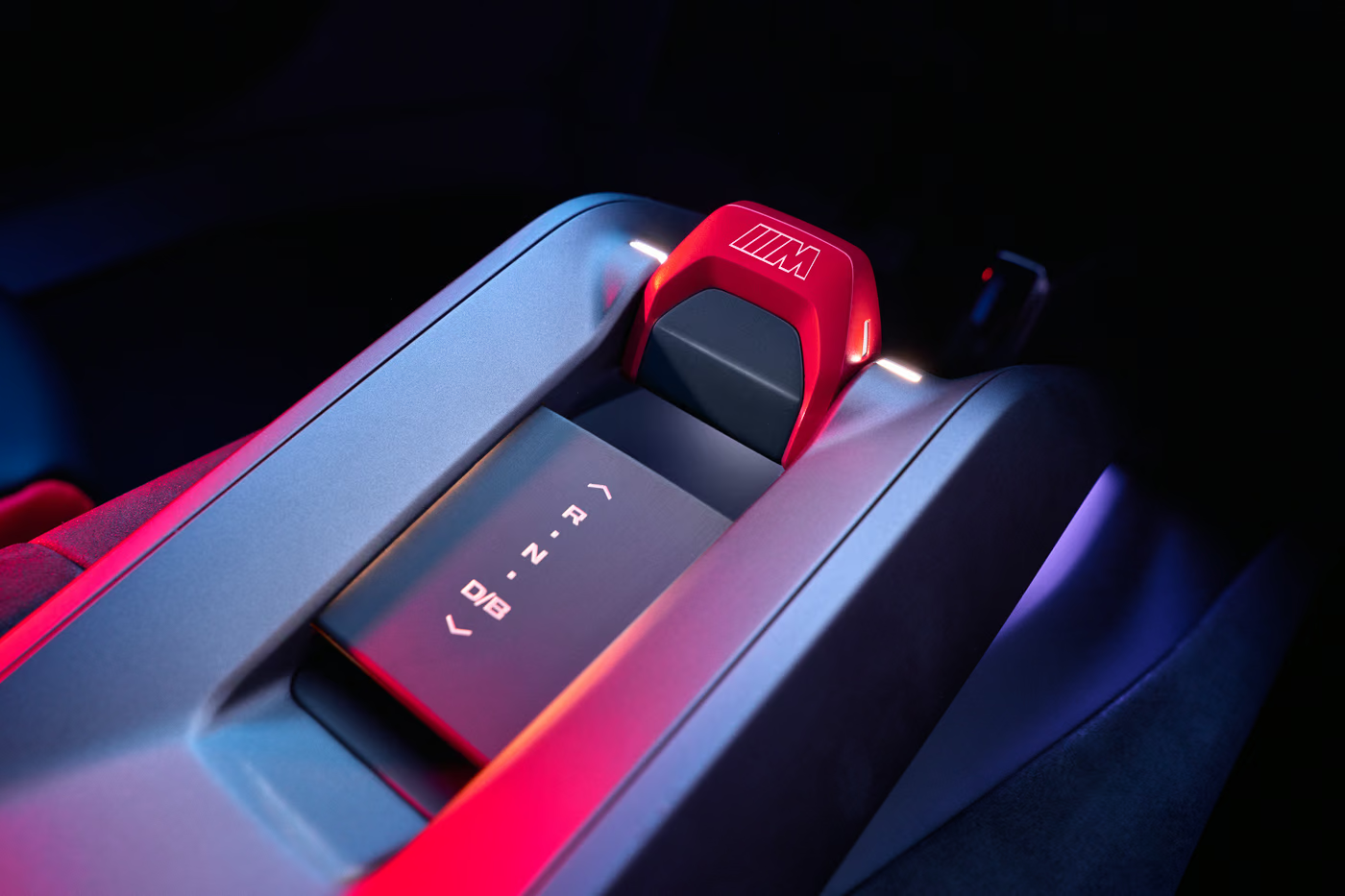
Tucked behind the wheel are gearshift paddles, complete with red tips. They’re linked to a simulated gearbox in a similar vein to the Hyundai Ioniq 5N and recently revised Porsche Taycan, creating a pause in the torque delivery between gearchanges, mimicking a combustion powertrain. The trickery will doubtless also extend to select driving modes that manipulate the throttle mapping to give a more progressive response, answering one of the key criticisms of electric motors – the binary nature of their power delivery.
A potentially more controversial move is the as yet unnamed augmented soundscape. BMW has gone to the effort of recording select historical M cars in an anechoic chamber – the V10 M6, the S65-powered M3 GTS, and the twin turbo S55 from the F82 M4 GTS among them. Digitising such soundtracks will not be an easy task, and if BMW gets it wrong, they'll be dealing with a different kind of noise from M diehards.
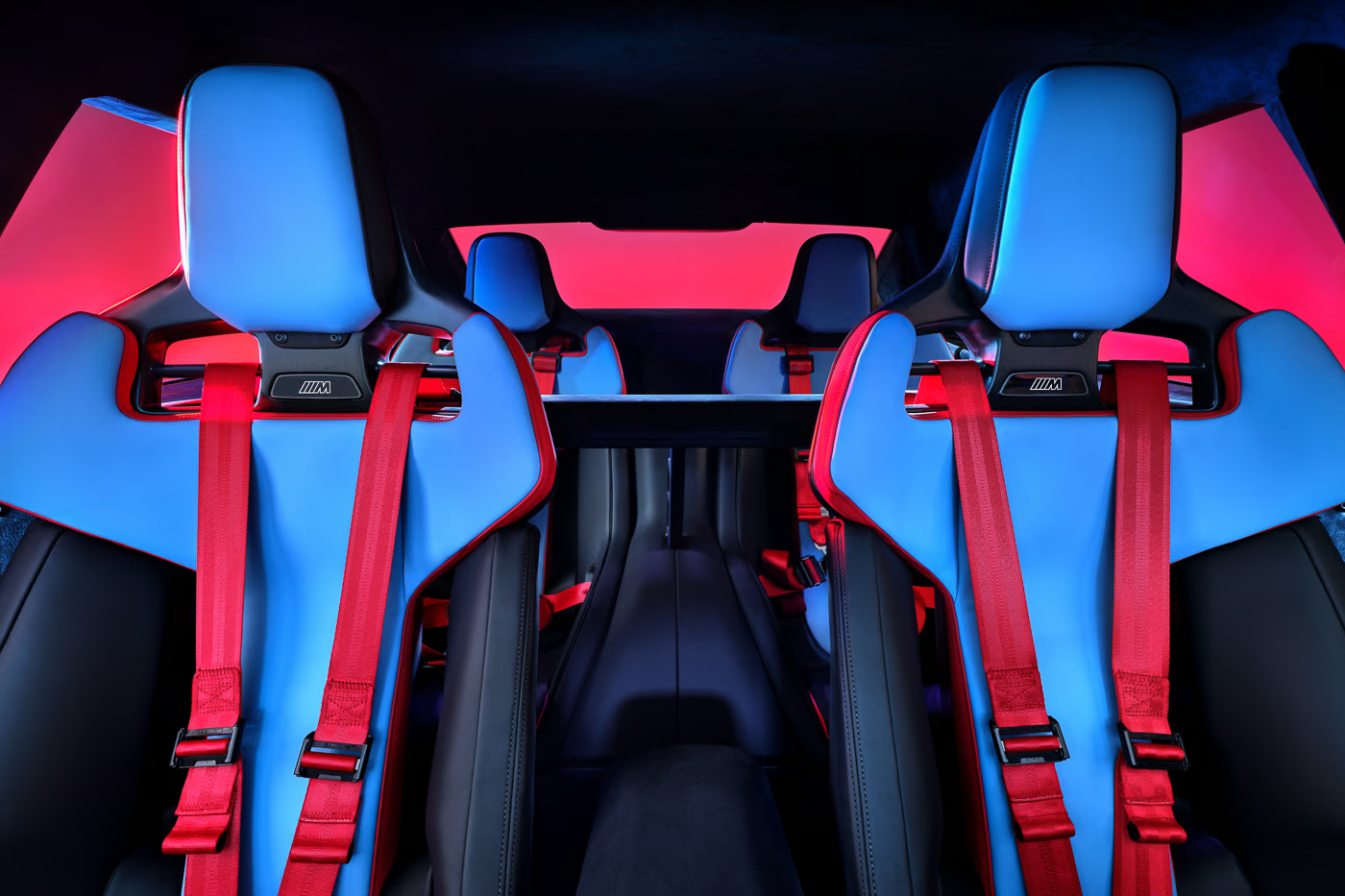
The one area where the showroom illusion breaks is the seating. The Concept offers four individual bucket seats rather than a conventional rear bench, each equipped with racing harnesses. The steering wheel rim, door panels and roll bar are finished in black nubuck leather – the first use of the material in an M car – which has been buffed, giving the look and feel of Alcantara but with greater durability. The dashboard, meanwhile, is covered in black knit with hexagonal M-logo backlighting, and the front buckets feature flax-composite shells, a material also found on the central spine between the front occupants.
One EV drawback even BMW M cannot solve is the elevated driving position, due to the battery pack located below the cabin. BMW still promises a wide range of adjustment and clear sightlines over the vented bonnet, but anyone arriving from a G80 M3 will notice the difference immediately.
But if the driving position proves to be the biggest hurdle, BMW M will have done its job emphatically. The M3 has always reinvented itself, but for the first time ever, it will diversify beyond bodystyles, with an S58-powered petrol hybrid going on sale alongside the electric variant. Whichever wins that particular sales battle could prove to be a pivotal moment not just for the M3, but for the performance car as a whole. On this evidence, BMW looks set to deliver the most compelling electric driver's car yet built.

.svg)

