-01.svg)

Naturally, the biggest draw is what’s above the cabin – either a five-layer fabric roof, or nothing at all. Raising or stowing the roof takes just 13.5 seconds, and can occur at speeds up to 37mph. With the Z-folding roof tucked away beneath the tonneau cover, the sounds of the 3.9-litre twin-turbocharged V8 can be enjoyed to the fullest. Ferrari's long-serving F154 now develops an additional 20bhp compared to its predecessor, taking the total to 631bhp, with peak power delivered a mere 100 revolutions shy of the 7,600rpm redline.
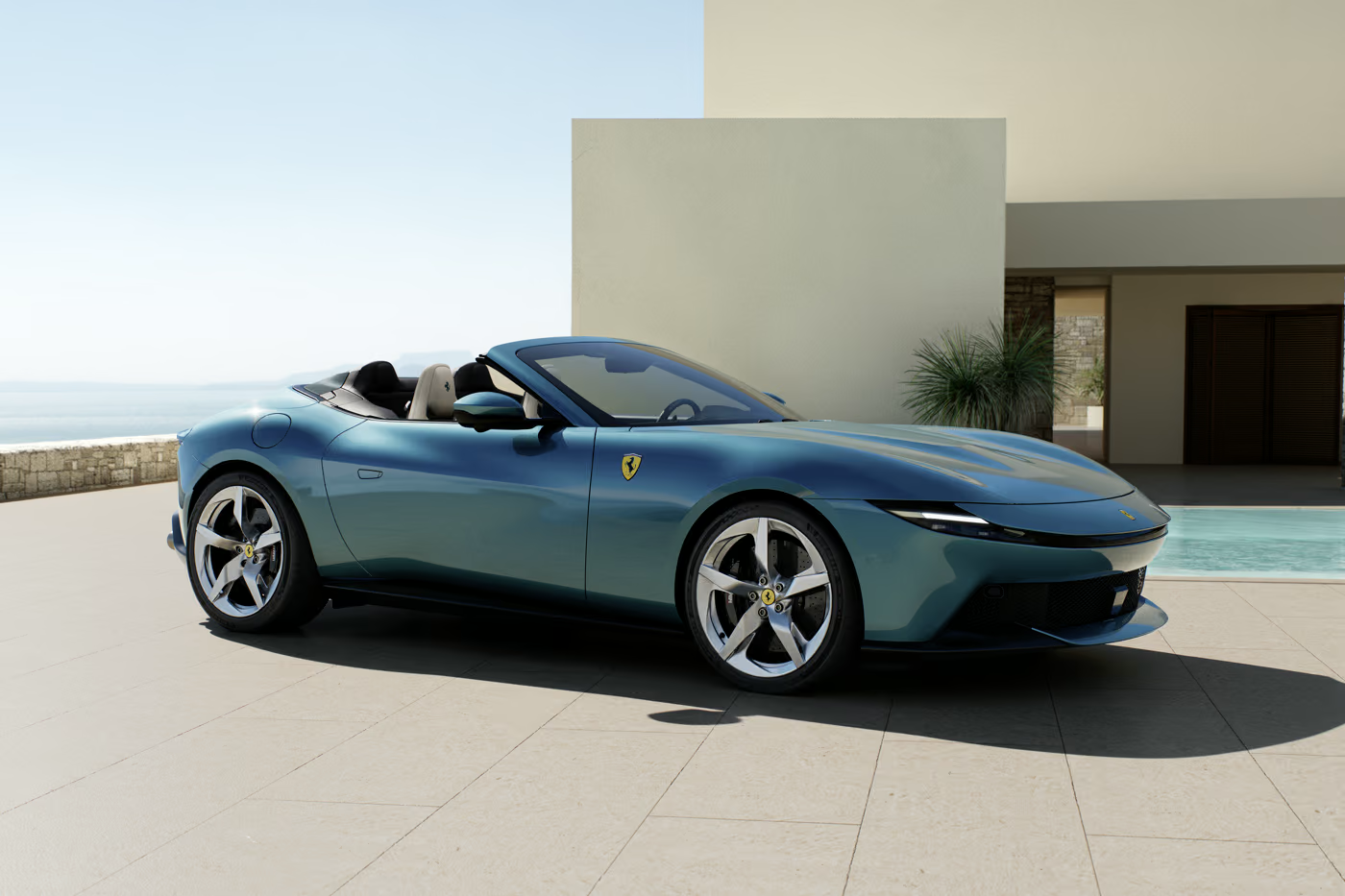
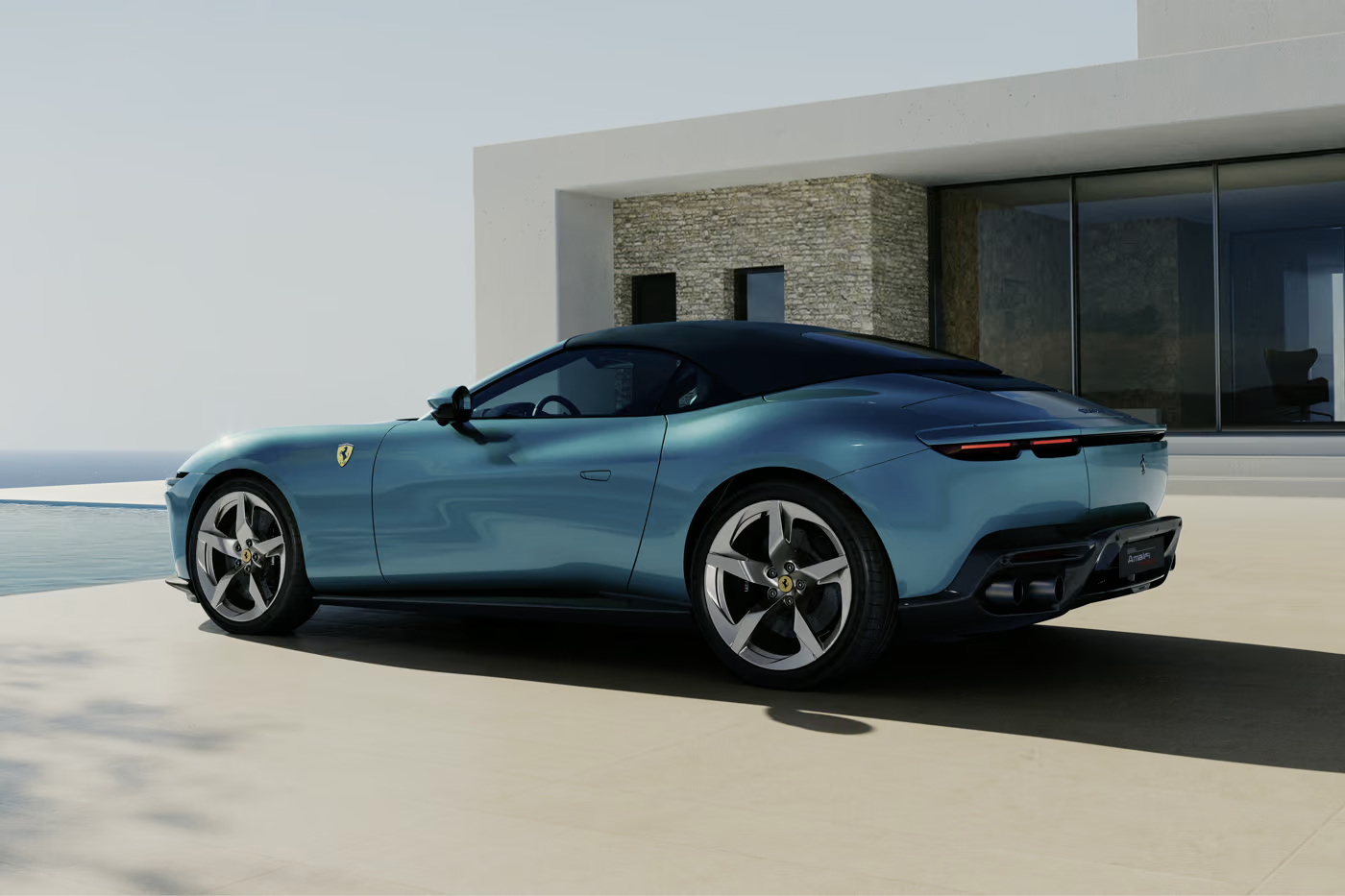
The two turbochargers spin faster – up to a maximum of 171,000rpm – and the engine develops its maximum 561lb-ft (760Nm) of torque from 3,000-5,750rpm. The V8 also benefits from lightened camshafts that save 1.3kg, and a lightened block that dispenses with non-structural aluminium to save another kilo. The engine sends its power to the rear wheels via an 8-speed twin-clutch transmission and an electronically controlled limited-slip differential. Despite a weight penalty of 86kg compared to the coupé, the Amalfi Spider still dispatches 0-62mph in 3.3 seconds, 124mph in 9.4 seconds, and reaches a top speed of 199mph.
Adaptive suspension and a five-stage Manettino all feature as standard, with Ferrari claiming a greater dynamic range thanks to reconfigured settings within the driving modes. These range between Wet, Comfort, Sport, Race, and ESC-Off modes, with gradual transitions between each setting designed to make the Amalfi easier to control, but also rewarding drivers who turn the dial to Sport and Race. The car also features brake-by-wire with an enhanced ABS system, with its data being fed to a 6D sensor and grip estimation software. This allows the Amalfi to precisely marshal braking force to the wheel that needs it most when cornering, all while assessing tarmac adhesion levels to ensure stability. An emergency stop from 62mph requires just 30.8 metres, and coming to a halt from 124mph takes 119.5m.
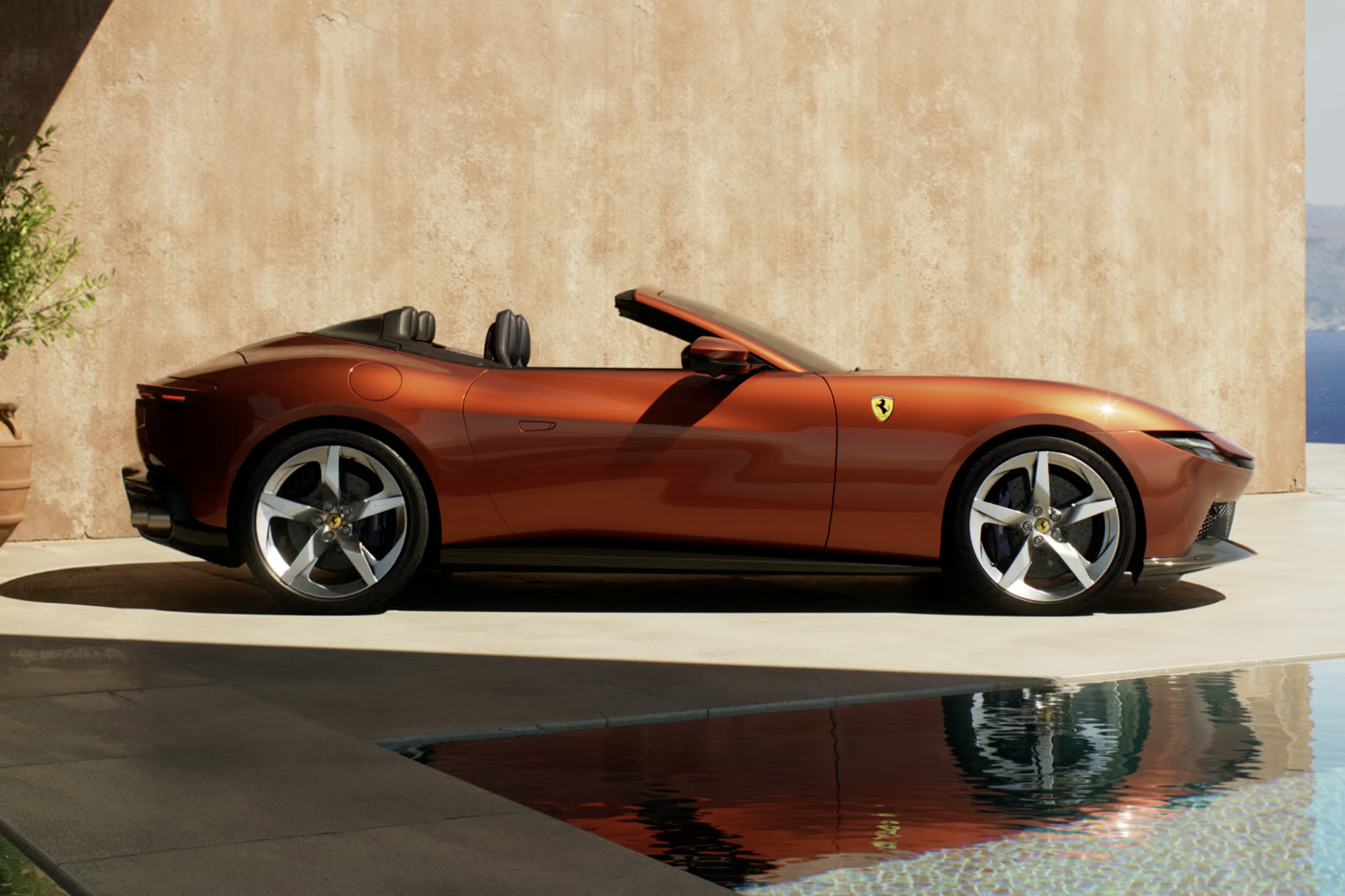

Mechanical grip comes courtesy of specially developed tyres with staggered sizing of 245/35 R20 at the front, and 285/35 R20 at the rear. Three rubber options are available, with specially developed Pirelli P Zero, Goodyear Eagle F1 SuperSport, and Bridgestone Potenza Sport compounds created just for the Amalfi Spider. This is complemented by aerodynamic grip from the adjustable wing which rises from the rear deck, and moves through three positions depending on speed and braking demands. The aerofoil adds up to 110kg of downforce at 155mph, while incurring a drag penalty of less than 4%. Elsewhere, vortex generators, turning vanes, and a large rear diffuser help to manage airflow beneath the Amalfi Spider.
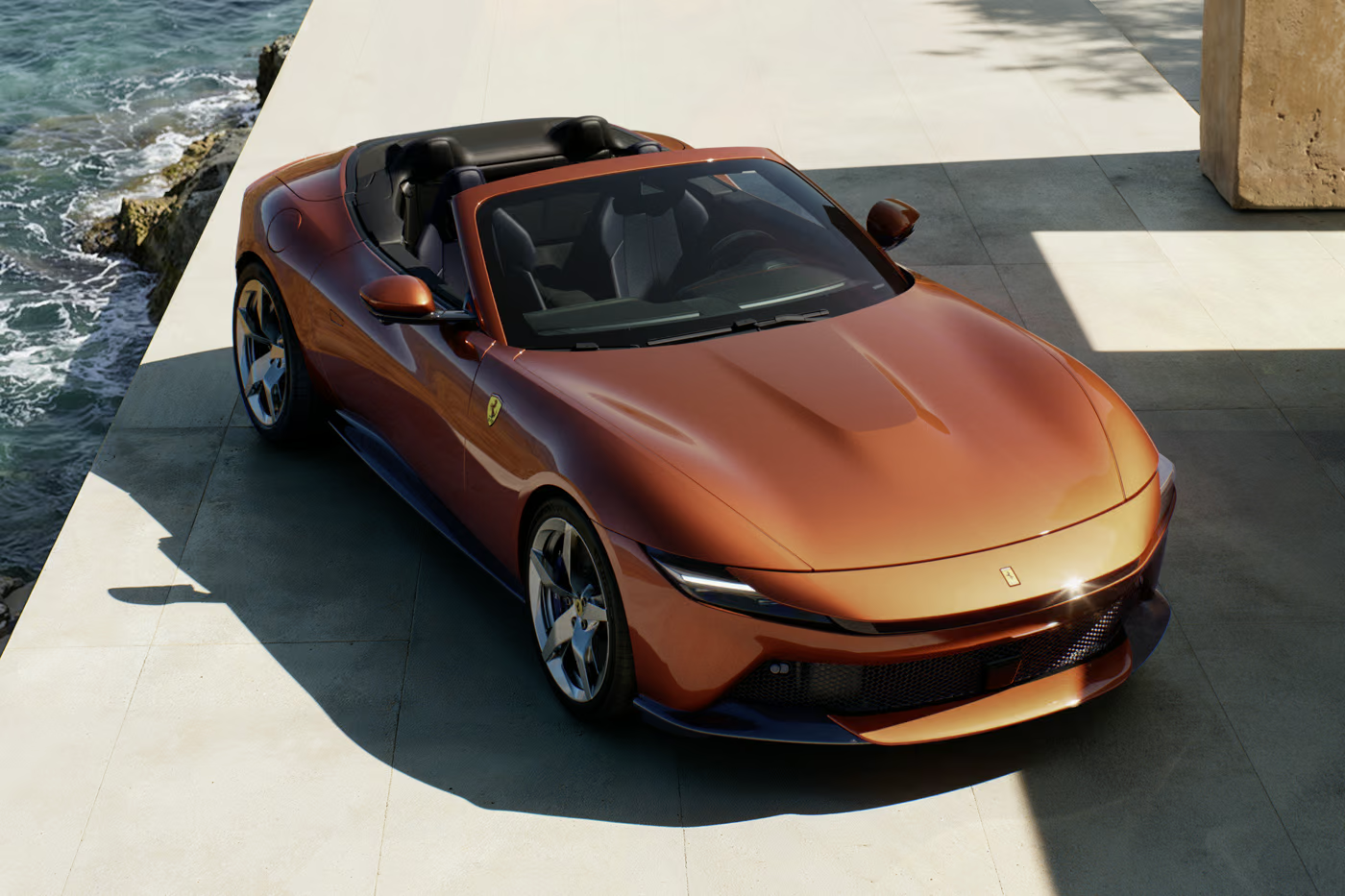
Visually, the Spider carries over the new nose design as seen on the coupé, with a large opening above the front splitter. The black outer edges contrast with the painted centre section to make the nose look like it’s floating above the splitter. The headlights are semi-concealed within a black strip that stretches from side to side, with the main projectors only becoming visible when activated. An air vent sits above each running light, allowing air to flow through the bonnet to aid cooling and aerodynamic performance.
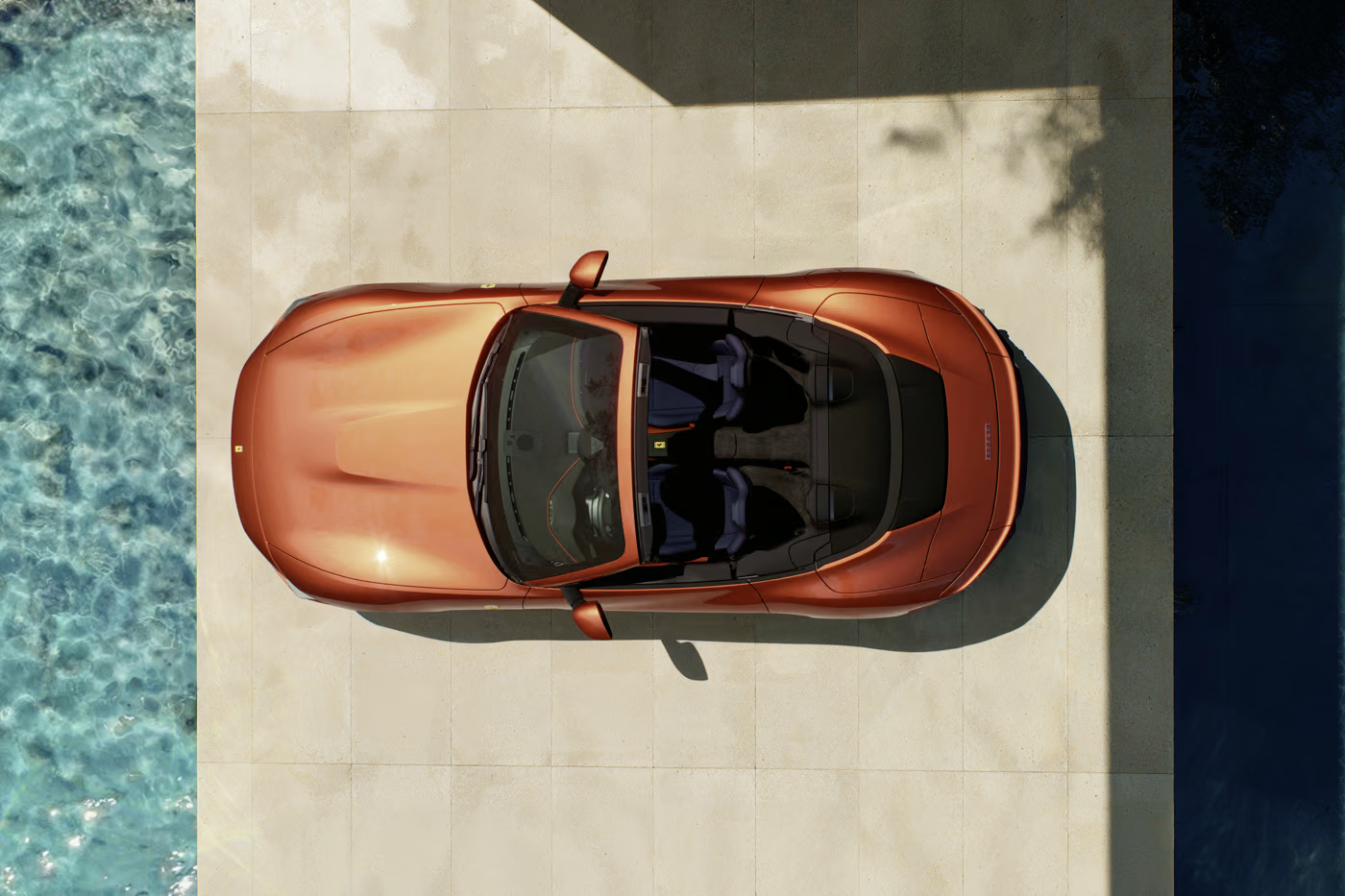
The Amalfi Spider retains the pronounced rear arches found on its fixed-roof sibling, with the rear bodywork curving upwards beyond the rear axle. The metal then joins the sloping rear deck on its journey down towards the four-segment tail lights that are seen on all modern Ferraris. With the roof lowered, the rear seat headrests protrude above the cabin like roll-hoops, helping to make the rear third of the car look shorter than it actually is.
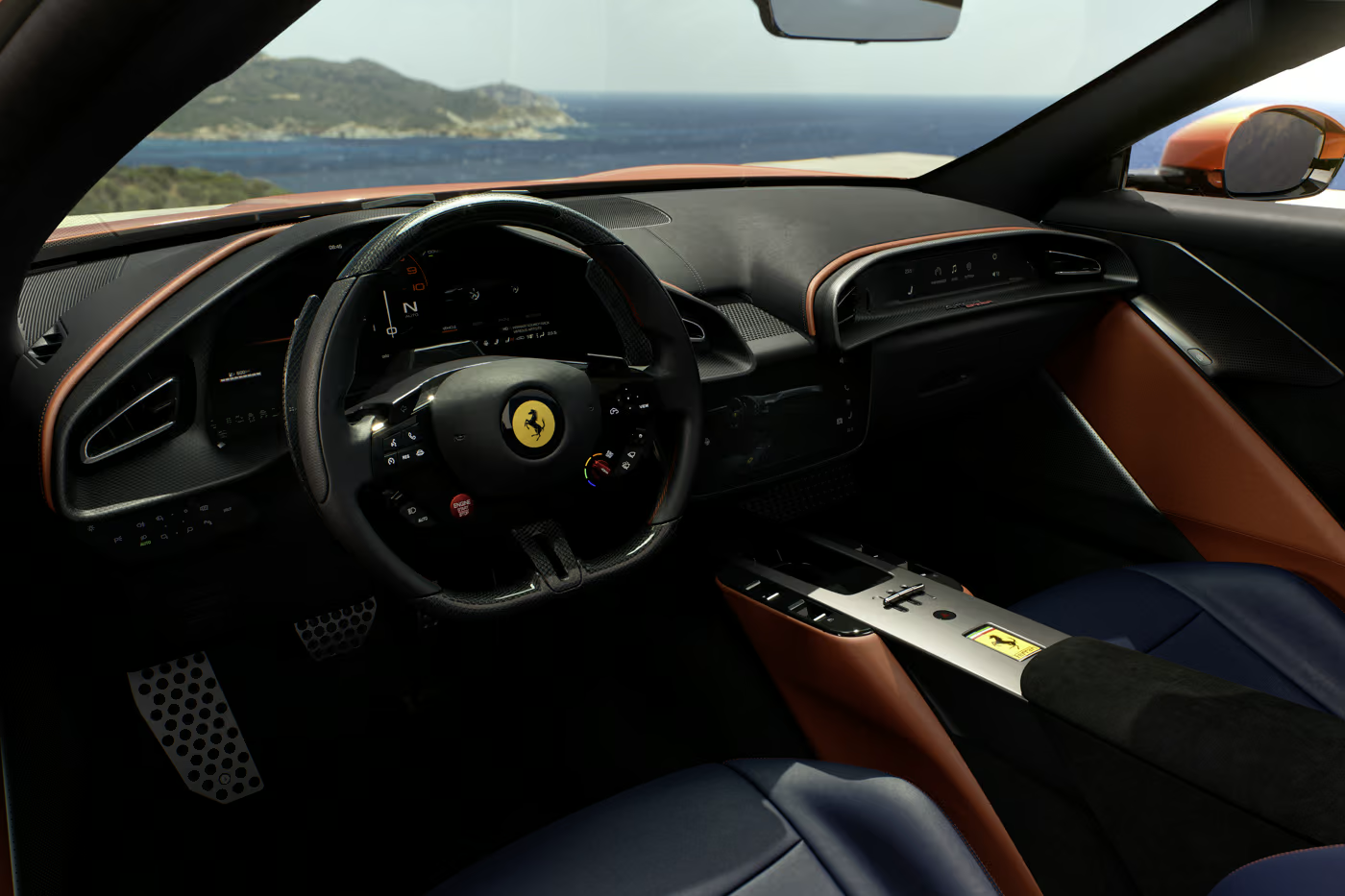
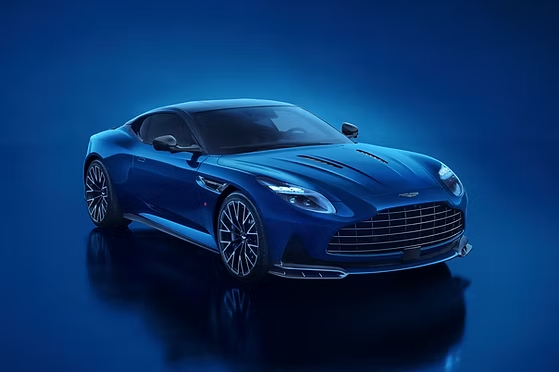
Ferrari describes the Amalfi Spider’s interior as having a 2+ layout rather than a 2+2, almost acknowledging the rear seats will seldom be used for passengers. Instead, the space will more likely be used to build on the car’s 255-litre boot capacity, which trumps its closest rivals – the Aston Martin DB12 Volante (200-litres) and Mercedes-AMG SL63 (240-litres). The front of the cabin has a near-symmetrical design, with two wraparound sections and integrated displays in the dashboard for both the driver and passenger. Addressing one of the Roma’s main criticisms, Ferrari has reverted to physical switchgear on the steering wheel.
Pricing is yet to be revealed for the new Ferrari Amalfi Spider, but we expect a noticeable premium over the Coupé’s £200,000 starting price. The configurator is live already, with deliveries expected to commence in the second half of 2026.



.svg)

