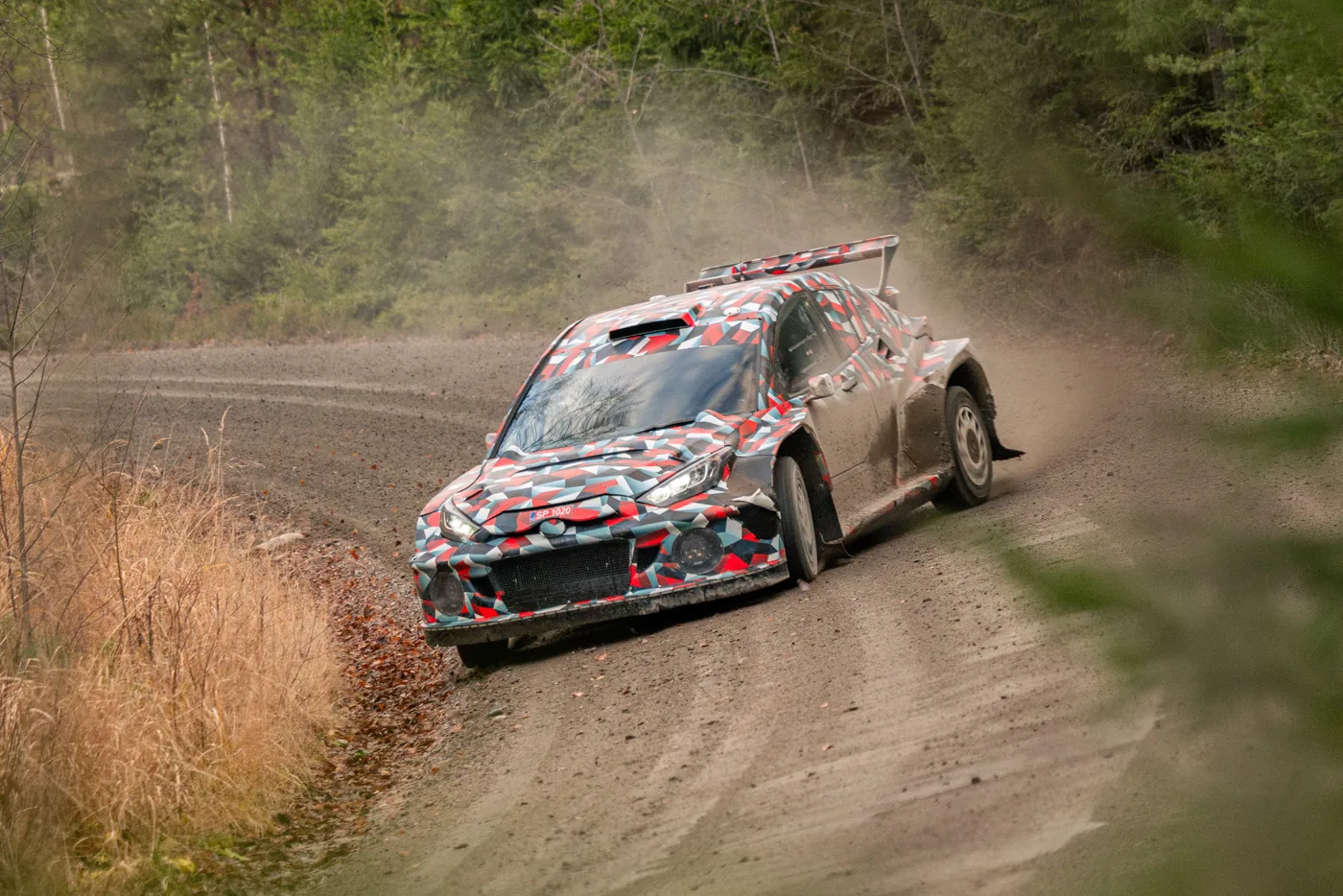
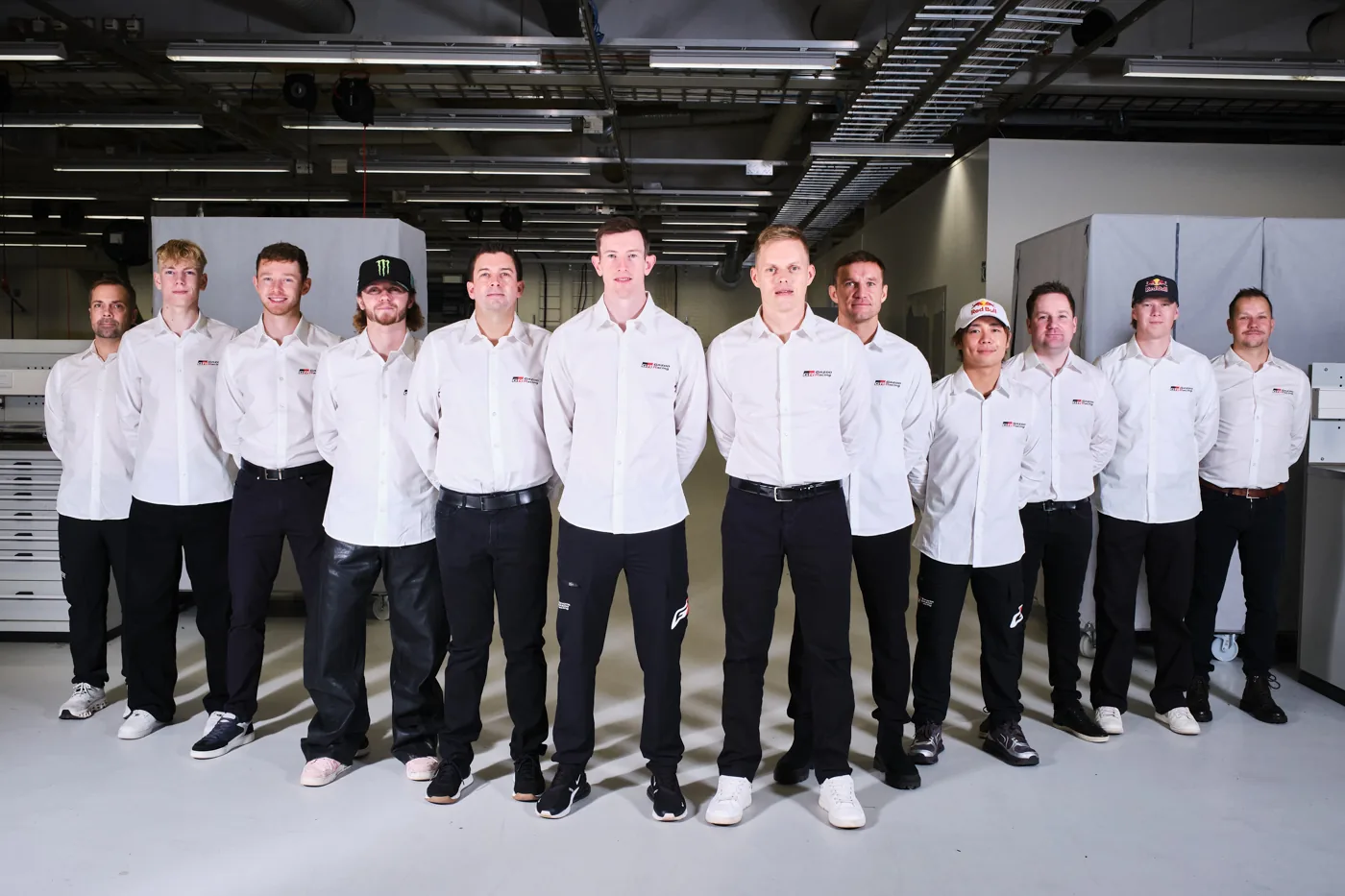
On top of that, both will field three cars each – up to six factory entries on every rally, with Gazoo Racing’s third seat set to rotate between past champions and future prospects. For an outfit that has won every manufacturers’ title since 2021, it’s a strong show of support for the new rules.
The Celica’s inclusion poses some interesting questions. Its return to the Toyota showroom has been heavily rumoured for some time now, and the next one is set to be a radical departure from the formula the bread-and-butter Celica has followed since 1985, swapping a front-engined, front-wheel drive 2+2 layout for two seats and an engine mounted behind them. If you’re thinking that sounds much closer in spirit to an MR2, you’re not the only one.
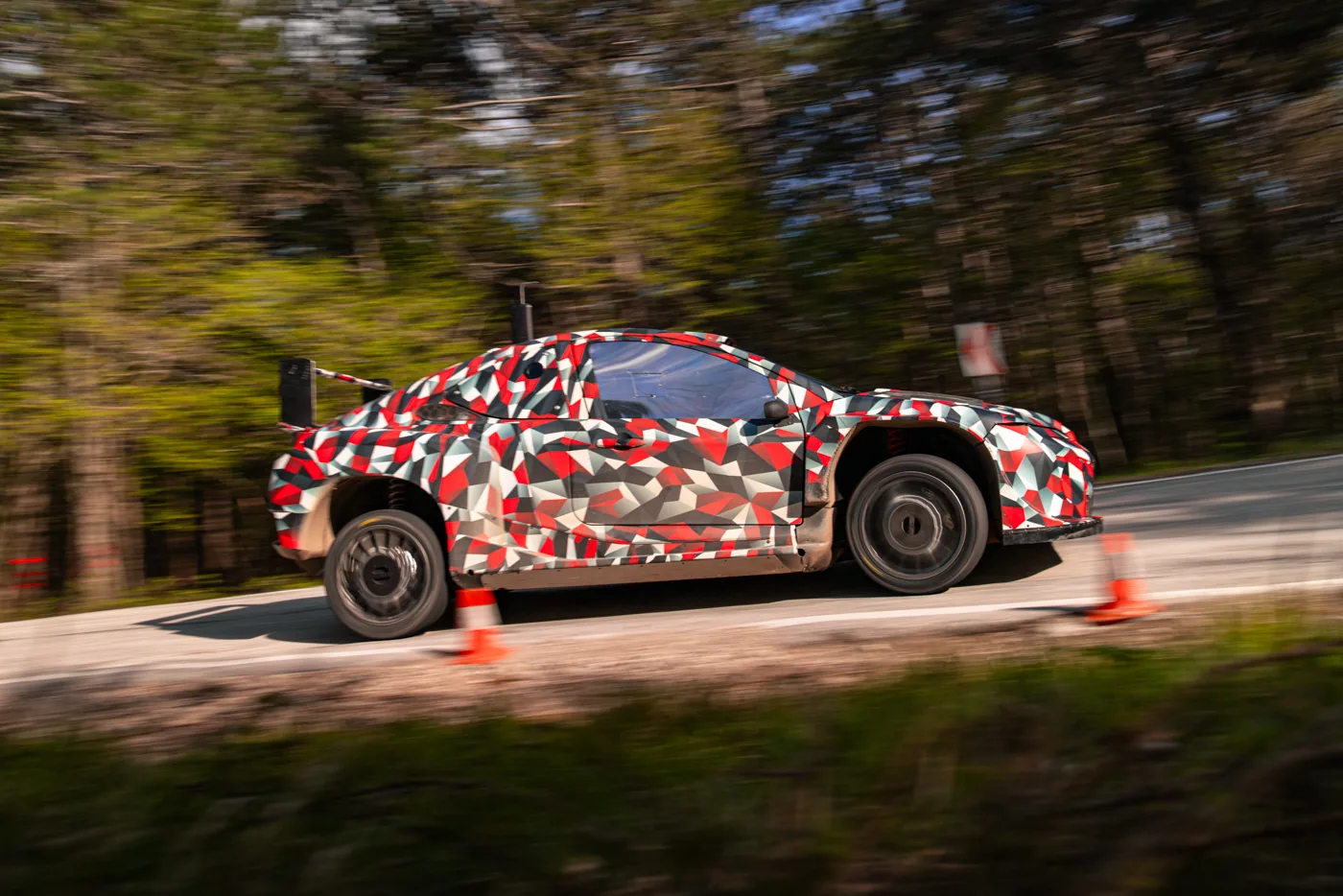
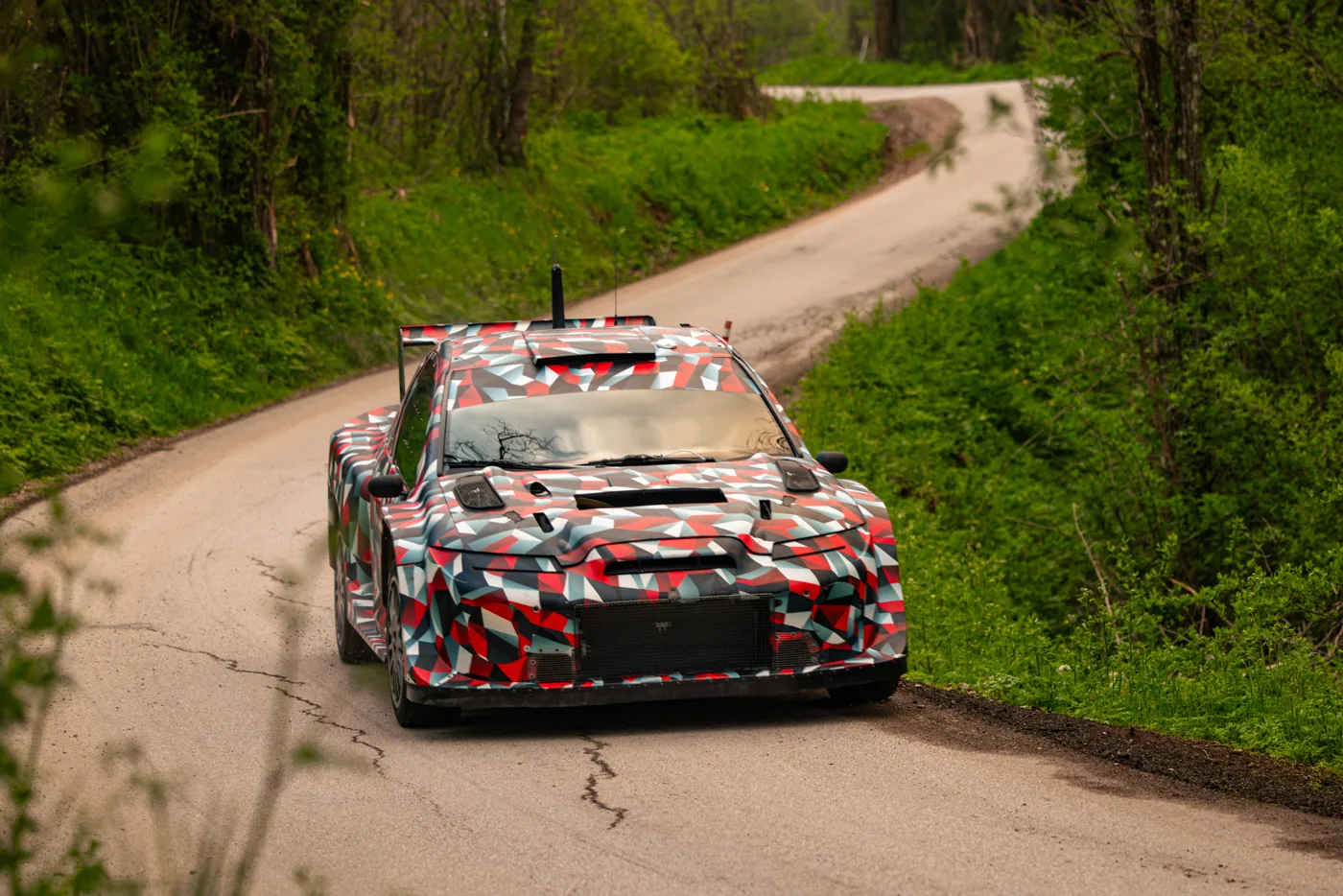
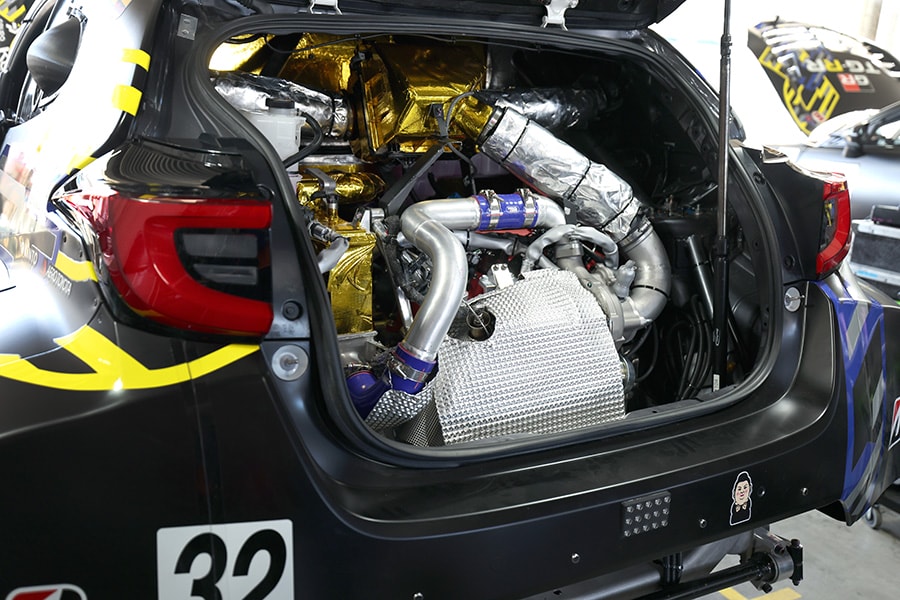
We’ve already seen undisguised prototypes competing in Japan’s Super Taikyu endurance series, most recently at Okayama in October. Developed from the GR Yaris M Concept, the coupé is reportedly powered by Toyota’s new G20E 2.0-litre turbocharged four-cylinder, capable of around 400bhp, and drives all four wheels. WRC regulations, however, limit the rally car to a 1.6-litre turbo. Either way, Toyota will be hoping to channel the success of the Celica GT-Four, which carried Carlos Sainz to the 1990 drivers’ title in ST165 form and the team to the 1993 manufacturers’ crown as the ST185.
Driver Line-ups
Reigning champions Elfyn Evans and Scott Martin lead the Celica line-up, joined by Oliver Solberg and Elliott Edmondson, and Sami Pajari and Marko Salminen – the three crews who settled this year’s title in dramatic fashion on the final stage in Sardinia. Solberg was leading down the final stretch before unwittingly becoming part of the scenery, handing the title to Evans, who took the championship by five points from Solberg and six from Pajari. Their efforts sealed a sixth straight manufacturers’ title for Toyota, equalling Lancia’s record.
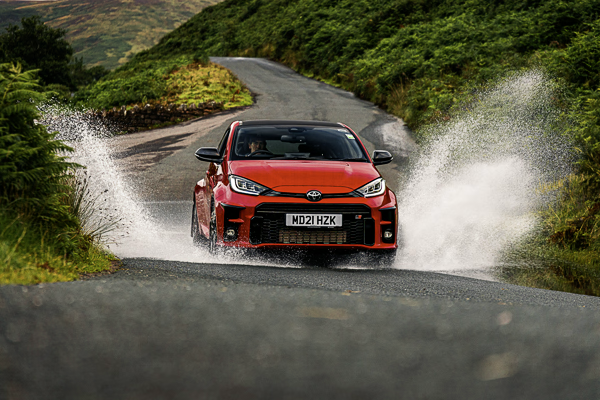
In the GR Yaris, Takamoto Katsuta and Aaron Johnston are joined by two returning champions. Ott Tänak and Martin Järveoja come back seven years after winning the 2019 title with the team, while Kalle Rovanperä and Jonne Halttunen, champions in 2022 and 2023, return for a partial season – with nine-time champion Sébastien Ogier among those who could fill the gaps in the roster.
Both teams will operate under the same roof at Toyota’s headquarters in Jyväskylä, Finland, where the two cars are being developed side by side. Toyota reckons the rivalry between its two squads will make both cars better. A new technical centre is already under construction nearby, with ground broken earlier this month.
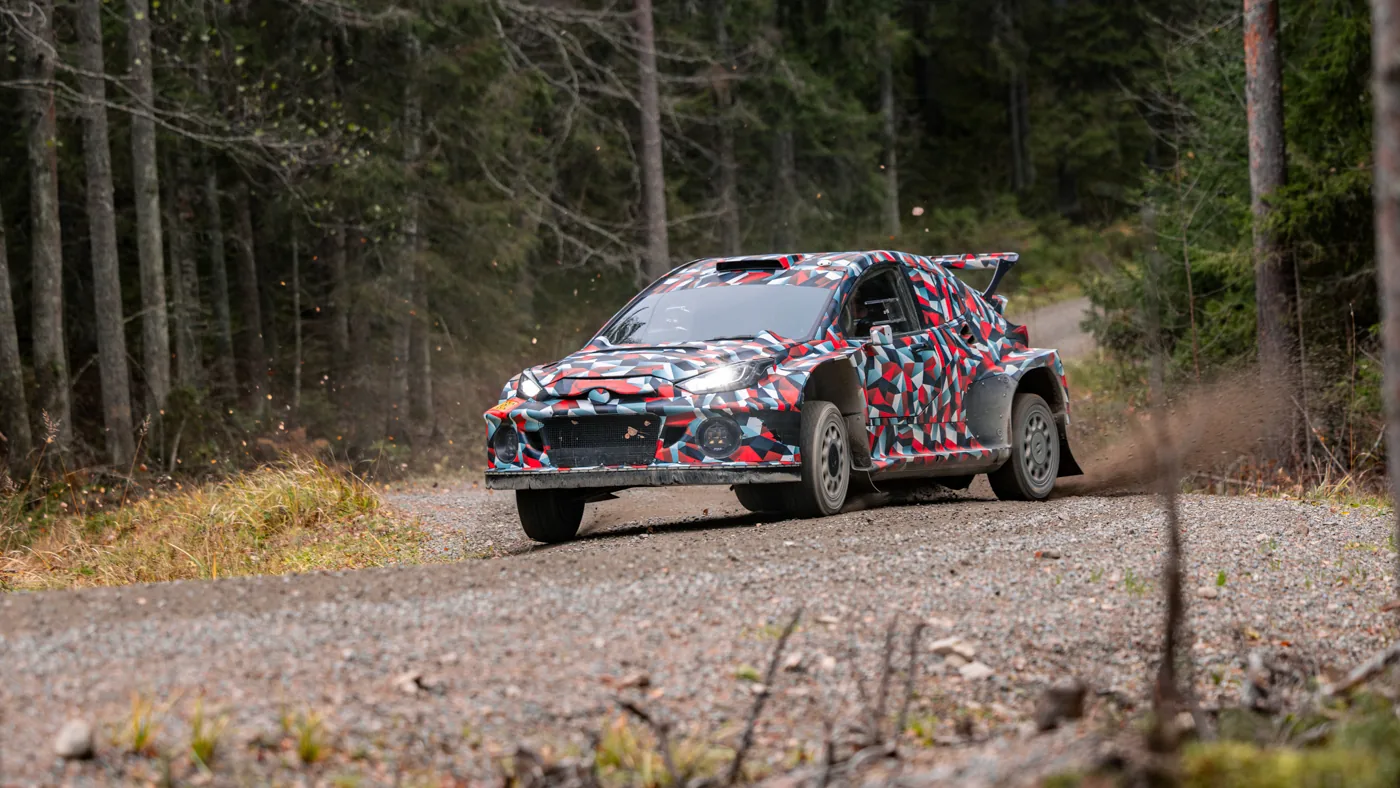
Will the 2027 GR Yaris Be Mid-Engined?
Should Ogier return in the GR Yaris, it may be a very different machine from the limited-edition special that bears his name. Toyota has continued developing the mid-engined GR Yaris M project, reverting it to the 1.6-litre three-cylinder in the process. Could both cars place their powertrains behind the driver?
Sadly, the disguised prototypes in Toyota’s images appear to undermine the theory. While the WRC27 Yaris does sport a mysterious louvred vent in the rear quarter panel, it lacks the large rear opening of the GR Yaris M development cars. The Celica also forgoes the side intakes of its Super Taikyu counterpart. This could be a tactical switch to keep stones and debris away from the radiators on loose surfaces, but the additional vents in the bonnet and nose suggest otherwise.
In all likelihood, both cars are built around the GR Yaris Rally2’s hardware, which keeps its engine up front. Then again, the driving force behind the GR Yaris M project is Akio Toyoda, Toyota’s chairman and a man used to getting his way.
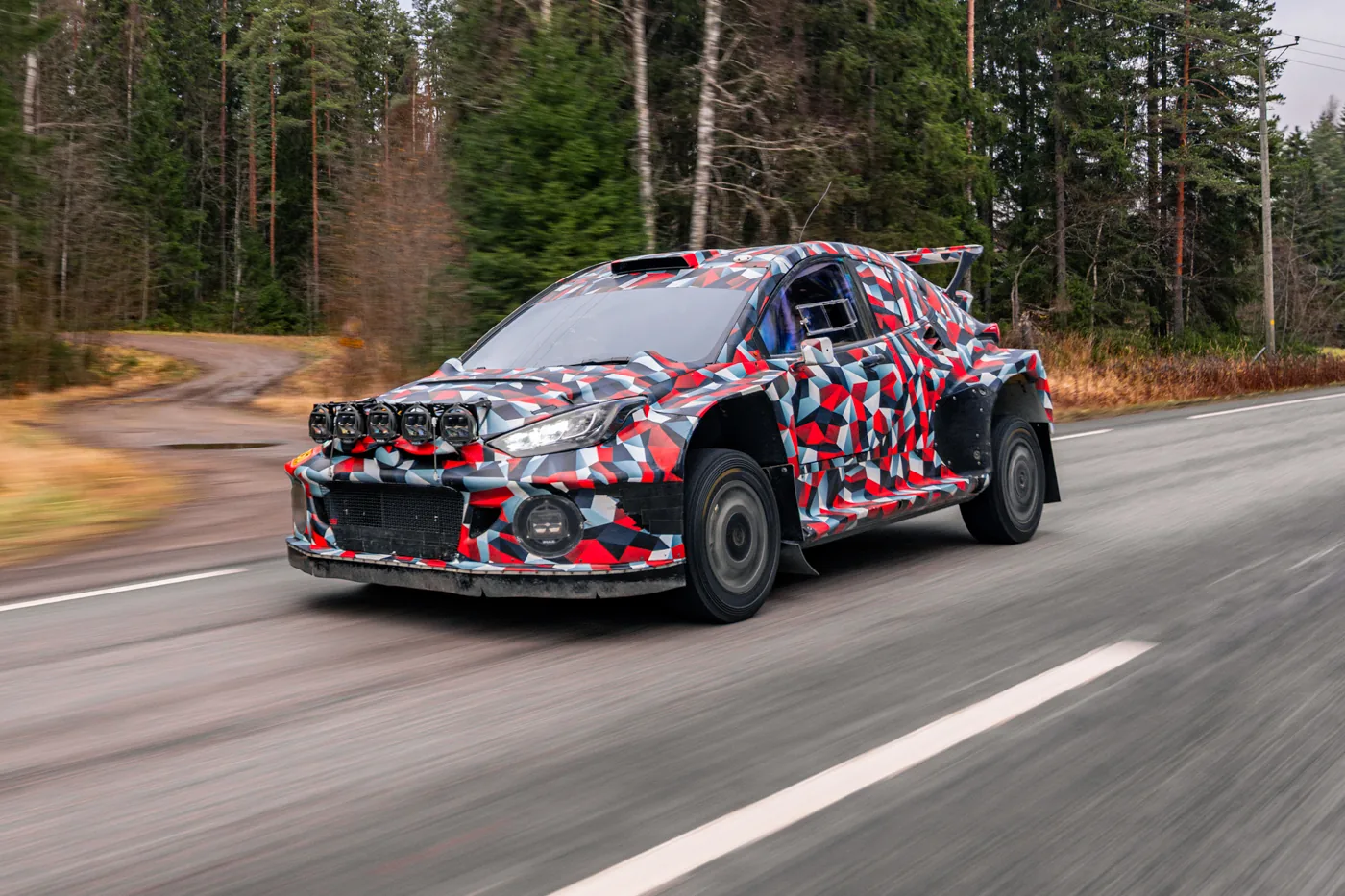
2027 Rally1 Regulations
The 2027 regulations are what let a rally Celica arrive before the road car. Rally1 has been a silhouette formula since 2022, with every car built around a tubular space frame, but the new rules cut the last tie to the showroom: the bodywork can take any shape inside a reference volume set by the FIA and no longer needs to derive from a production model. The hybrid systems of the outgoing cars are gone too, with the aforementioned 1.6-litre turbocharged engine running on sustainable fuel. The FIA also caps the price of a ready-to-run car at €345,000 – more than 50 per cent below the outgoing formula, by its own figures.
It’s a long way from peak homologation, when Group A demanded cars compete in the showrooms as well as the special stages – a rule that put the likes of the Celica GT-Four, Lancia Delta Integrale, Ford Escort RS Cosworth and Subaru Impreza Turbo on driveways across Europe. The irony is that homologation also gave us the GR Yaris. In 2017, Gazoo Racing president Shigeki Tomoyama committed Toyota to building 25,000 road cars in a year to homologate its next rally Yaris. Rally1 then dropped the requirement, but Toyota built its Rally1 car around the GR Yaris regardless – and hasn’t lost a manufacturers’ title since.
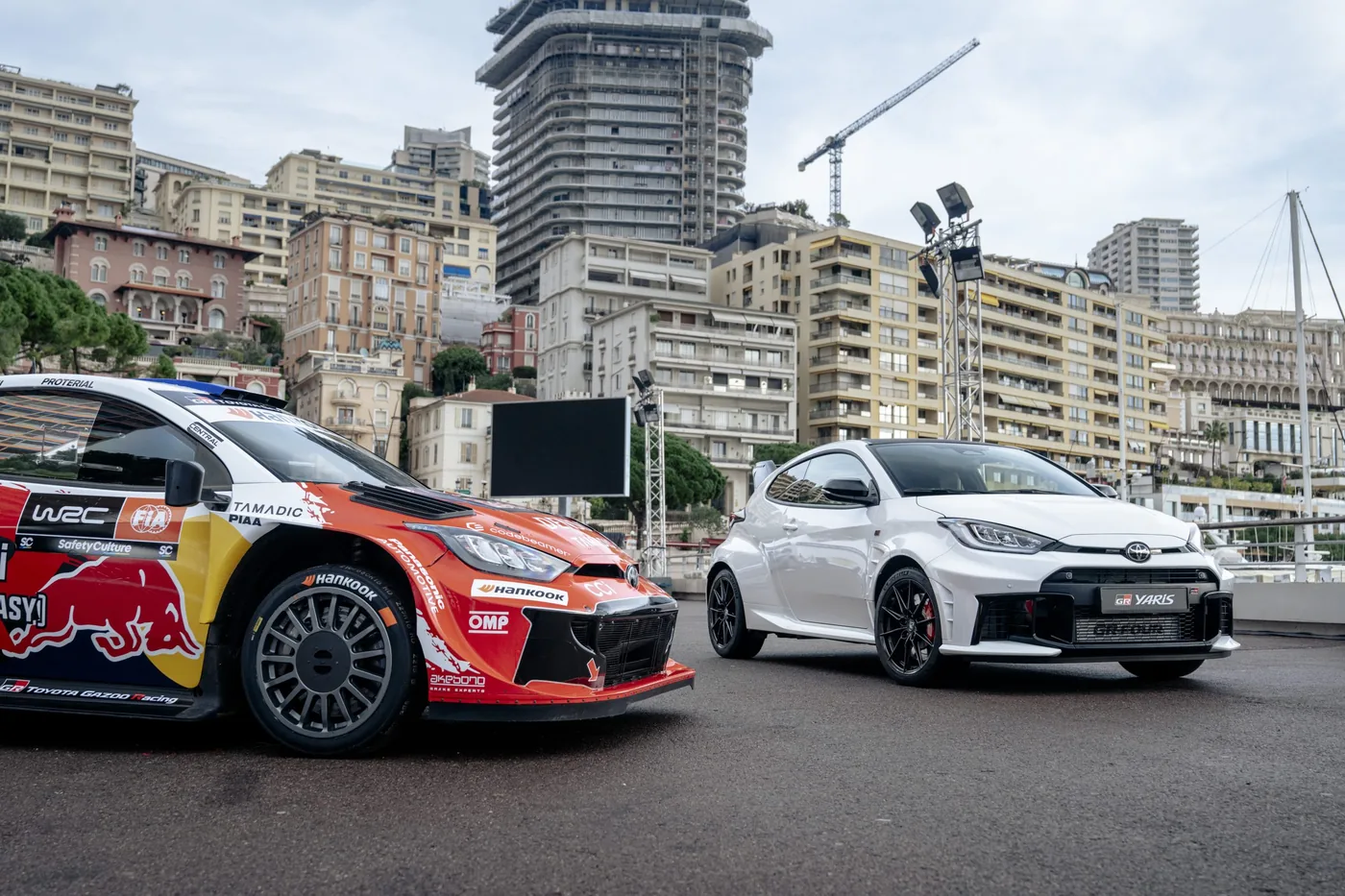
While the new regulations look to combat spiralling costs and reduce complexity, manufacturers and casual fans are less enthusiastic than ever about flagship rallying. As Michael Greenfield-Raban argued in 2022, the lack of spin-off aspirational performance cars is a major reason the WRC finds itself struggling.
M-Sport’s Richard Millener predicted in 2025 that the timescale would leave ‘one manufacturer ready for 2027’, and so it has proved. Hyundai said in June that it would not build a new car, and it has yet to confirm its plans. M-Sport will run Fiesta Rally2s fitted with a €7,500 upgrade kit in 2027, before Ford returns as a full factory team from 2028 and introduces a new car in 2029.
The only other new cars come from tuners. Spain’s RMC Motorsport has yet to show its hand, but Belgium’s Project Rally One has opted for a leftfield combination: a Porsche Macan silhouette with a Volkswagen Group engine closely related to the Skoda Fabia Rally2’s. A certain Sébastien Loeb has been spotted testing the car on more than one occasion.
Back in 2025, Toyota technical director Tom Fowler said that ‘if there’s nobody to race against it doesn’t make any sense’. Toyota now says its two squads will compete ‘as equal challengers for victory’.
Toyota will reveal both cars in full before the season starts, once the FIA has signed them off in December. Only then will we know where the engines sit.