NEWS
Toyota Confirms GR GT Road Car and GT3 Racer, Reveals Lexus LFA EV Concept
Craig Toone
By
Images by
Toyota / Lexus
Published
8 Dec 2025
Toyota Confirms GR GT Road Car and GT3 Racer, Reveals Lexus LFA EV Concept

One for the road, one for the track, and one for the future. Toyota’s three high-performance flagships share a brand-new platform set to host ICE, hybrid and EV powertrains.
Toyota has form for dragging its feet between concept car and production reality. The A90 Supra took five years to reach fruition. The Lexus LFA was ready for production before the board famously pulled the plug at the 11th hour, demanding the supercar be manufactured from carbon fibre rather than aluminium. The time-lapse on that one was seven years, or ten if you include development time – one for each of the magnificent V10's cylinders.
A successor to that car has been teased in three forms since January 2022. Now, Toyota has confirmed the trio were, as suspected, production-intent prototypes set to ruffle feathers in the front-engine super GT market – on road and track.
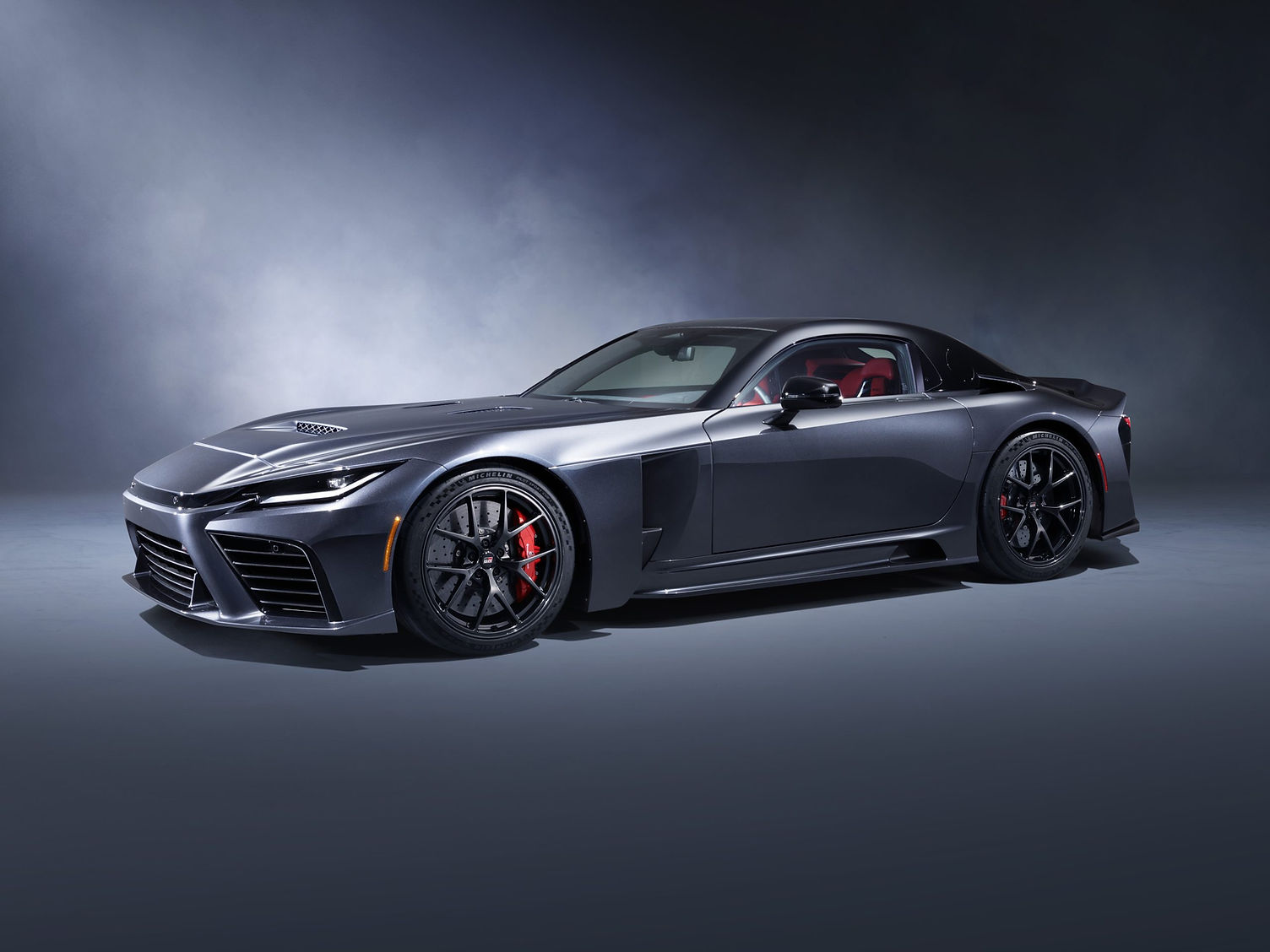
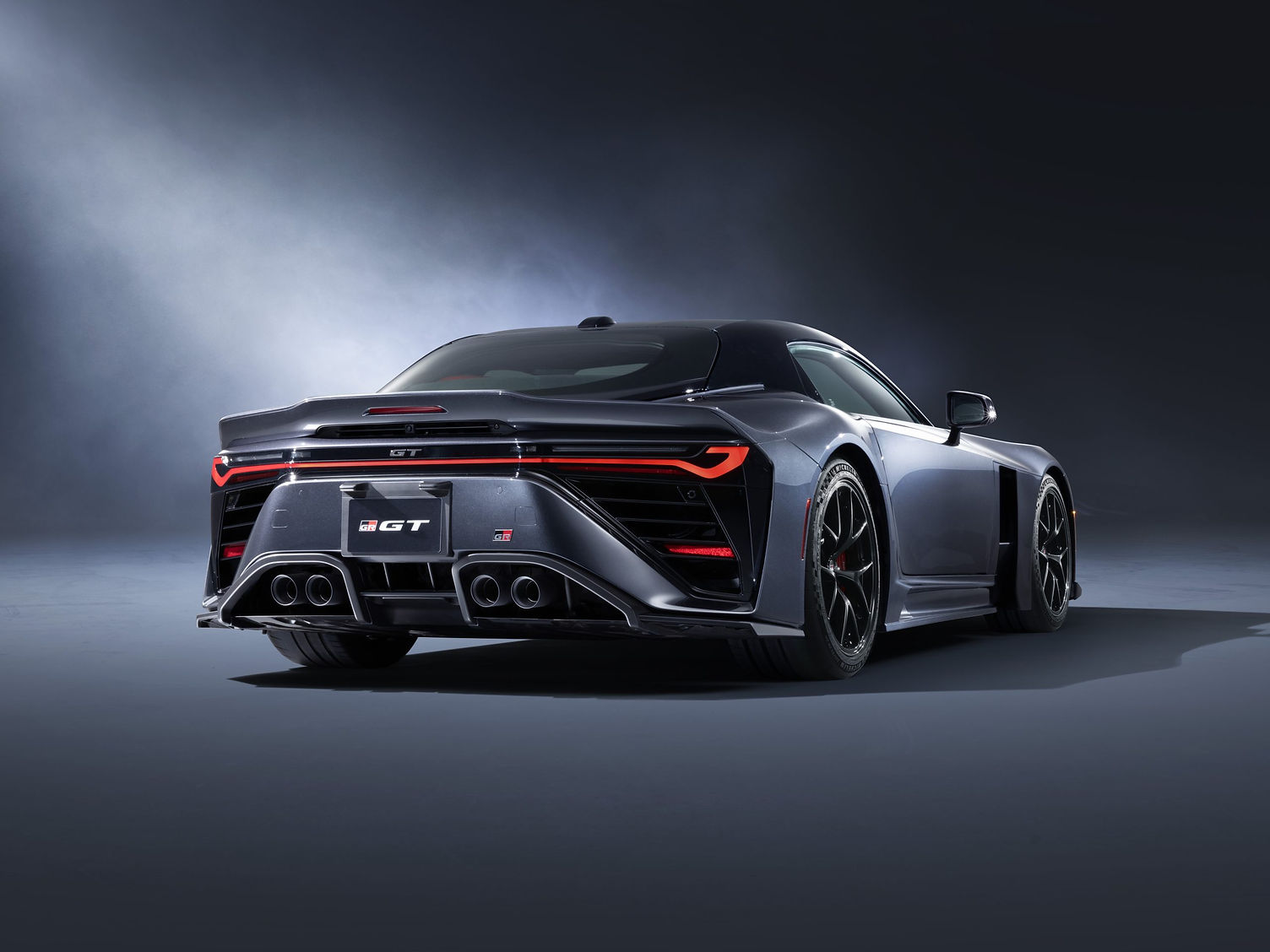
The GR GT is the headline act. Featuring a twin-turbocharged hybrid V8, it takes direct aim at the Aston Martin Vantage S and Mercedes-AMG GT. Spinning off from this is the GR GT3, a FIA GT3-spec race car engineered for privateers. Silently bringing up the rear is the Lexus LFA Concept, which pivots to purely electric propulsion.
The three have been developed simultaneously under the Japanese principle of Shikiken Sengu, centred on preserving and passing on craft skills to the next generation. And while that may sound like a PR soundbite, there appears to be genuine merit to the claim.
Shikiken Sengu involves periodically rebuilding Shinto shrines, not just to preserve the structure but to pass on traditional techniques – architecture, metalwork, weaving – from master artisans to apprentices. Toyota has adopted the philosophy by having the engineers behind the LFA's carbon monocoque and V10 mentor a younger generation on these three projects, maintaining skills that might otherwise be lost as the industry moves toward electrification.
The fruit of their labour is a new, all-aluminium spaceframe – a first for Toyota – shared across all three cars. Large castings in the main structure are joined by extrusions and advanced bonding techniques, and a combination of aluminium and carbon fibre reinforced plastic make up the body panels, while the suspension is composed of forged aluminium double wishbones all-round. The platform has been specifically designed to achieve the lowest possible centre of gravity.
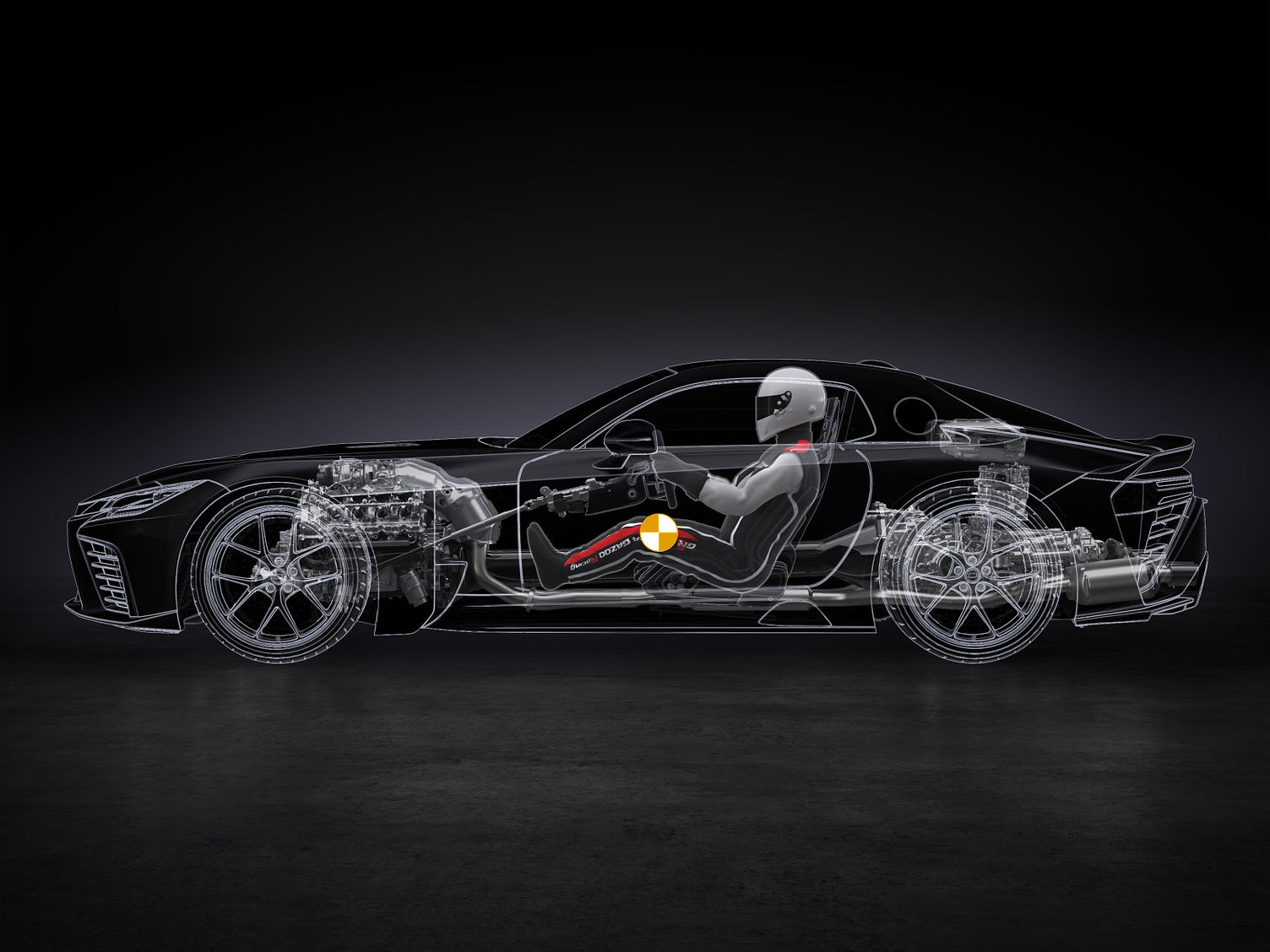
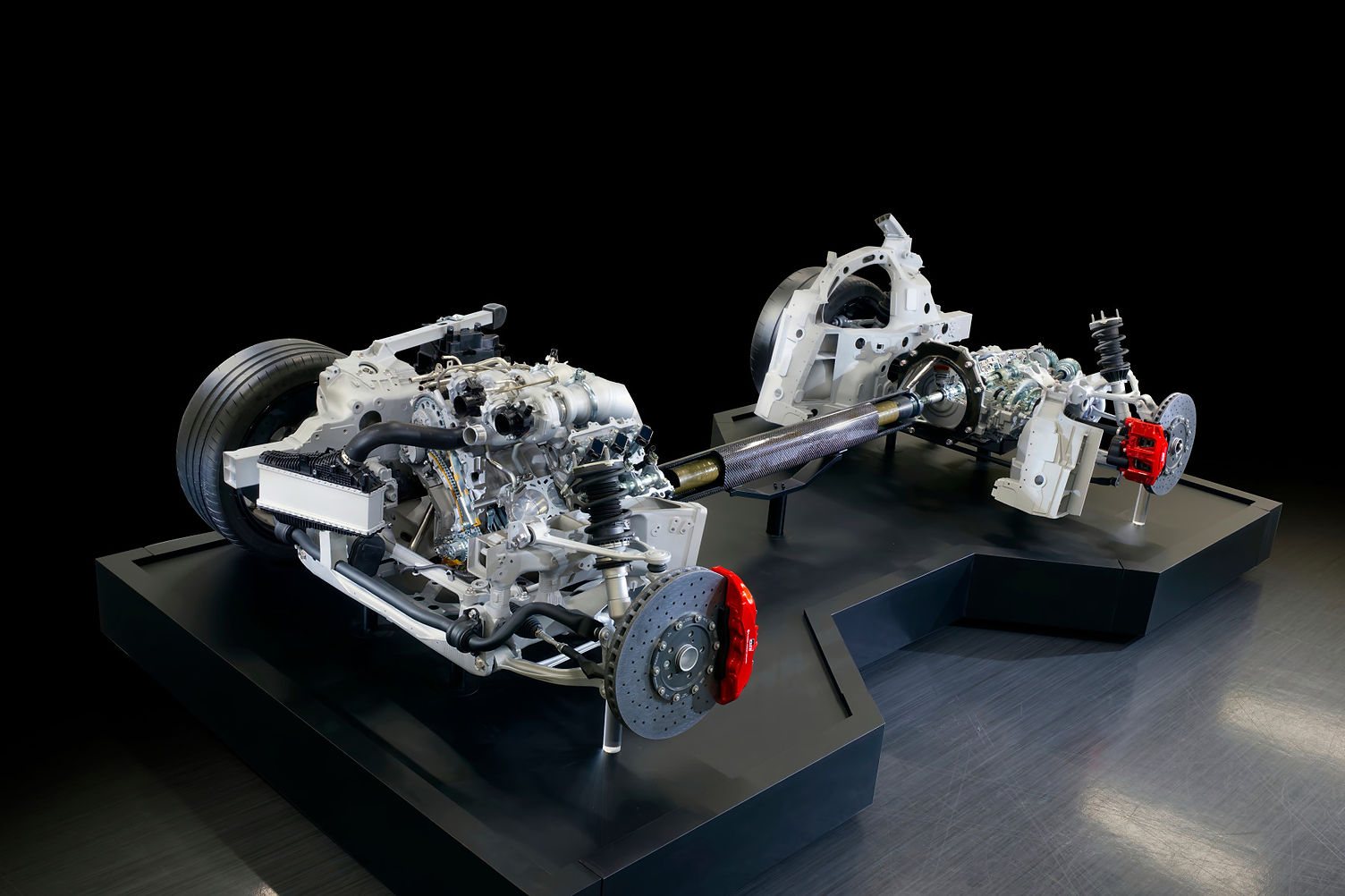
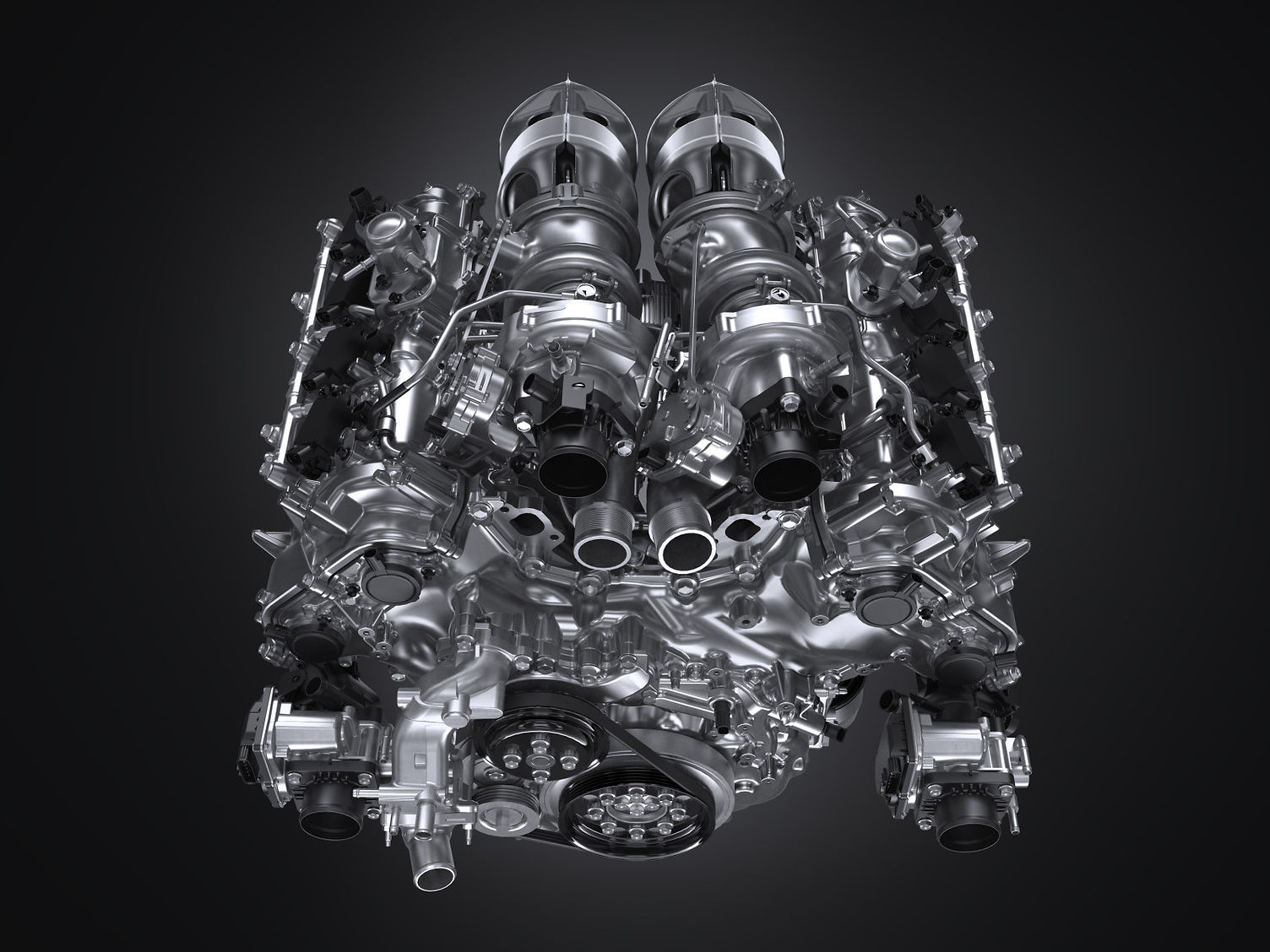
Mounted within is the all-new 4.0-litre ‘hot vee’ twin turbo engine, which works in tandem with a single electric motor integrated into a new, transaxle-mounted eight-speed automatic. Power is sent exclusively to the rear wheels, and in order to improve shift times and response, the gearbox uses a wet-start clutch in place of a traditional torque converter. A mechanical locking differential also features.
Combined peak output is quoted as 641bhp and 627lb-ft (850Nm) of torque, although Toyota says those figures are merely development goals at this point, and may increase further. No performance figures have been divulged at this stage beyond a claimed top speed in excess of 199mph. Toyota hasn’t been forthcoming on how much of that total output is the work of the V8 either, but the manufacturer has released some intriguing engineering details, namely an 87.5 x 83.1mm bore and stroke, specifically created to reduce engine height, further contributing to a lower centre of gravity. The engine also features dry-sump lubrication and an oil pan with a thinner than usual design.

Toyota has been specific about the role of the electric motor: it's positioned to smooth transient response during acceleration and gear changes, filling the momentary lag inherent to turbocharged engines. The transaxle uses an unusual arrangement to minimise wheelbase and optimise weight distribution. Power travels rearward through a carbon fibre propshaft, enters the transaxle at its far end, then reverses direction via conical gears before passing through the differential to the rear wheels.
It's complex engineering more commonly seen in all-wheel-drive systems, adapted here to pack the transaxle tight behind the rear axle – shortening the wheelbase and helping achieve a 45:55 weight distribution. Speaking of weight, despite the aluminium and carbon construction, the GR GT weighs 1,750kg.
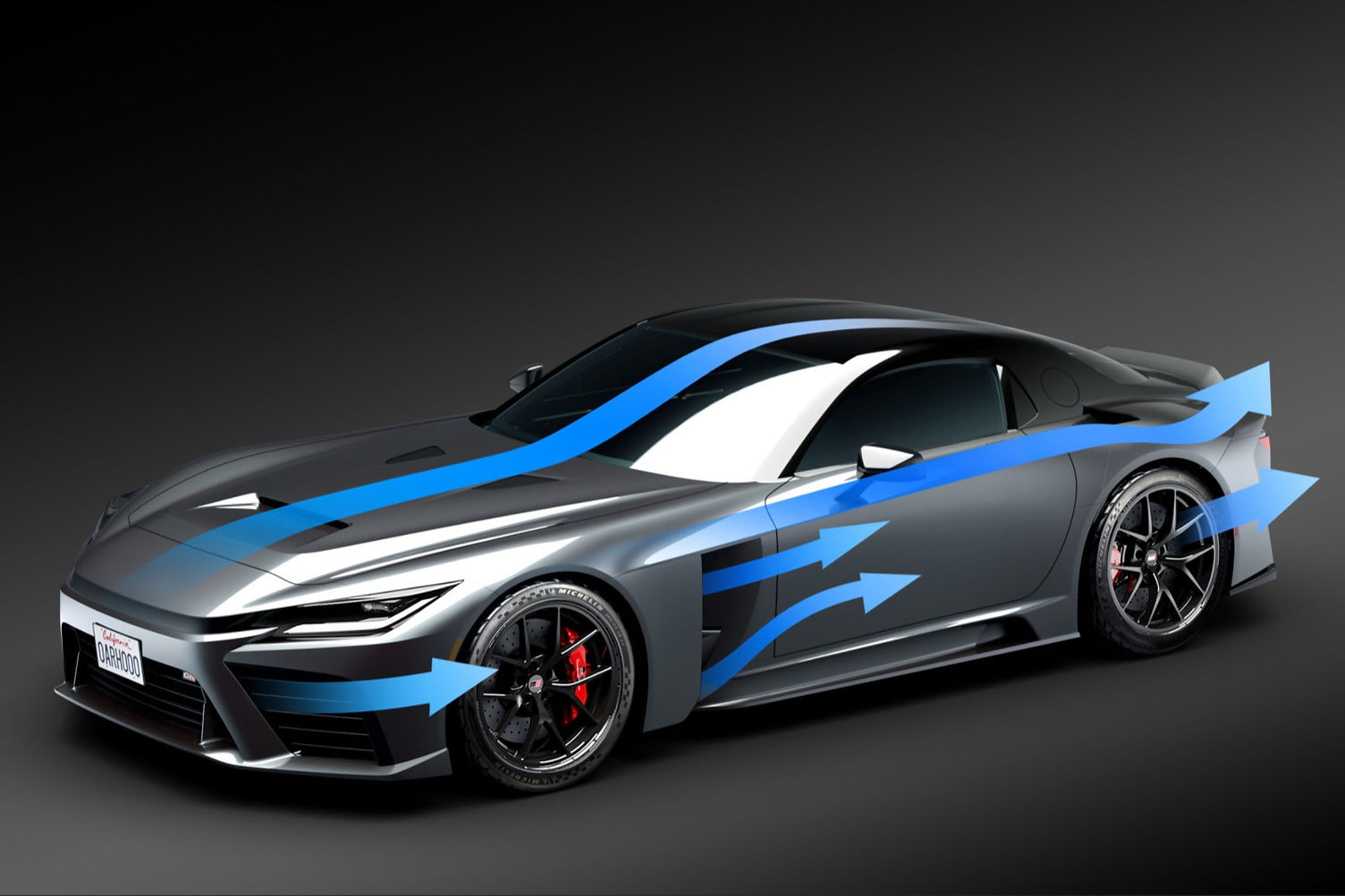

Form follows function when it comes to the styling of the aforementioned body panels. Specialists from Toyota's FIA WEC programme established an "aerodynamic model" representing an ideal form before the first sketches were drawn, which explains the close relationship between the concept cars and today’s reveal. The model also dictated much of the exterior design: the low nose, flat tail, and plethora of vents – each serving a purpose. Combined with the low centre of gravity imperative and transaxle packaging, this resulted in dimensions of 4,820mm long, 2,000mm wide, and just 1,195mm tall.
That makes the two-seater GR GT over 300mm longer than a Porsche 992 Carrera and not far off the width of a Lamborghini Revuelto. The substantial dimensions aid stability and predictability at speed, an essential trait for the GR GT3, which will be appreciated by drivers during longer endurance racing stints. Toyota themselves make several references to “a focus on linear response and a high level of controllability”, meaning the GR GT will likely have an approachable handling balance despite the power output and rear-wheel drive.
Electronics honed in competition will also play a part. The suite has evolved from Toyota's Nürburgring 24-hour endurance programme, with multi-stage traction control adjustment similar to systems in M cars and AMGs. Bespoke Michelin Pilot Sport Cup 2s (265/35ZR20 front, 325/30ZR20 rear) hide Brembo carbon ceramic brakes.
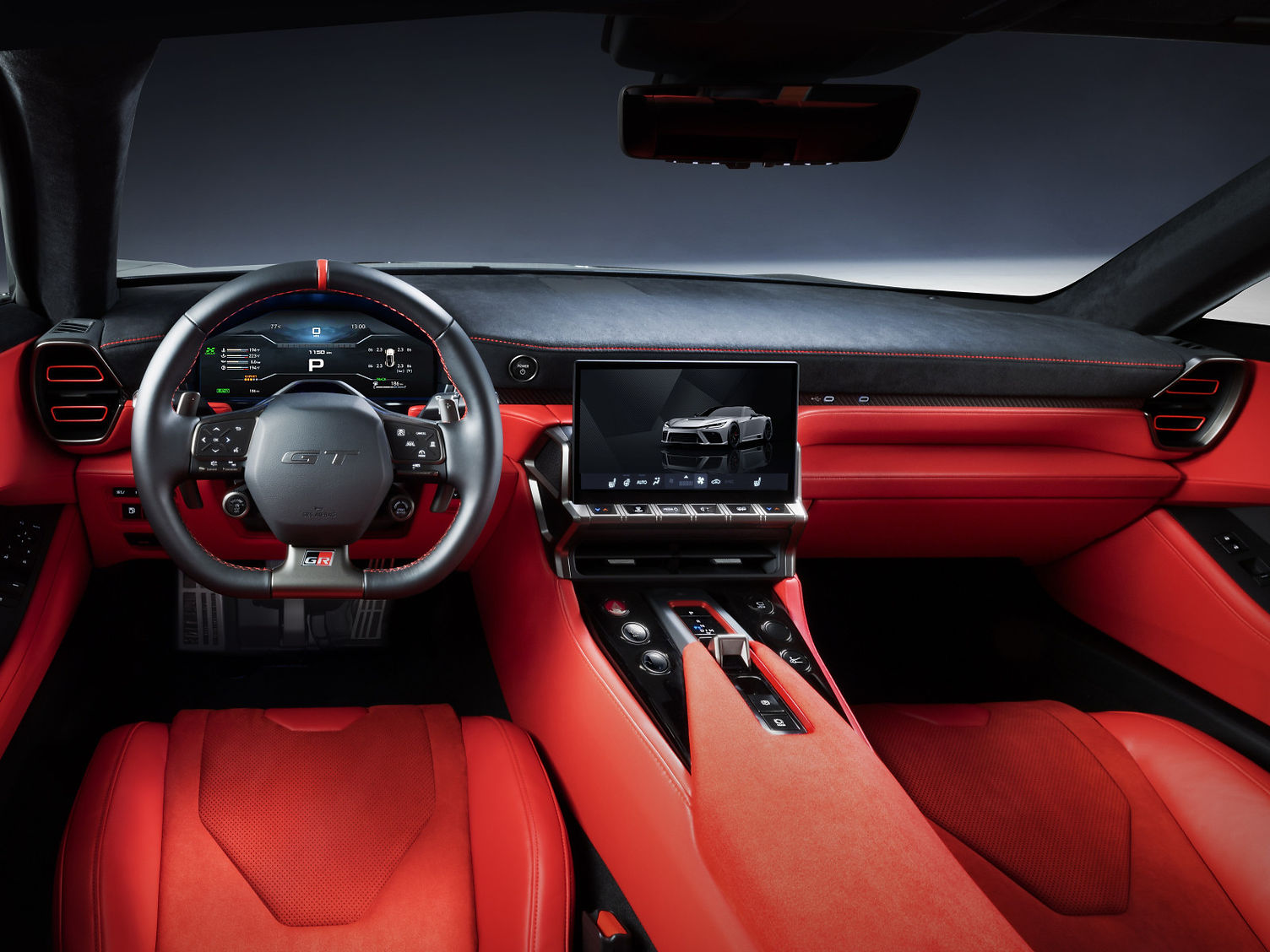
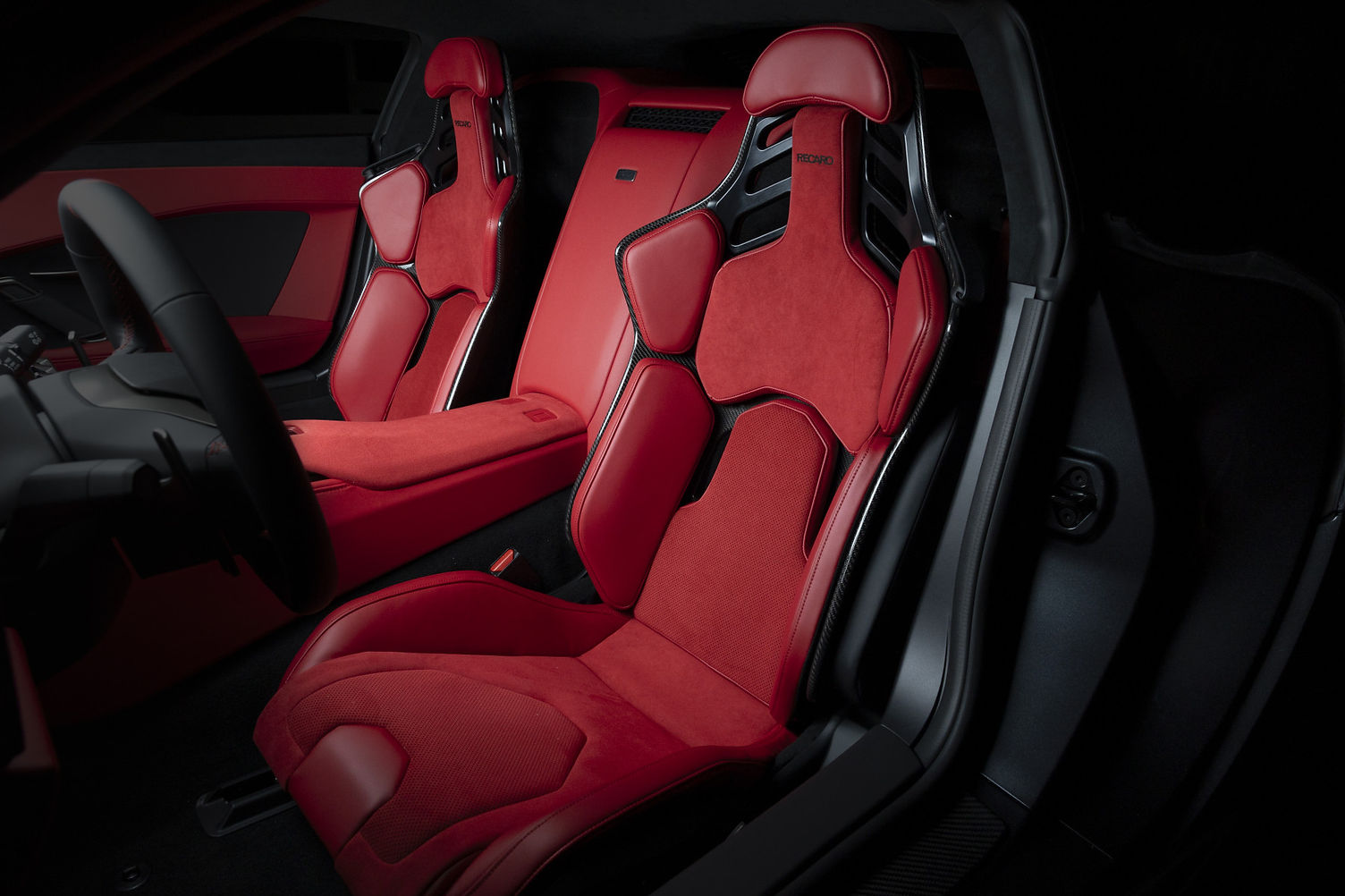
The interior of the GR GT follows a similar function-first mantra, with everything developed around the driver and maximising visibility. Ultra-lightweight, leather-lined Recaro bucket seats place the driver as low as possible in the chassis, with a large transmission tunnel dominating the space between. The materials blend weaved carbon fibre, alcantara and leather throughout, though aesthetics come second to ergonomics: the central touchscreen bucks the trend for excessive screen acreage, with a prominent row of toggle switches below handling major functions.
Physical buttons dominate the steering wheel too – no haptic controls here – while Manettino-style rotary switches handle traction control and driving modes, the former engraved with 'Expert', almost goading the driver into pressing it. Finishing off the interior is a larger, wraparound LCD that can display as much or as little information as desired.

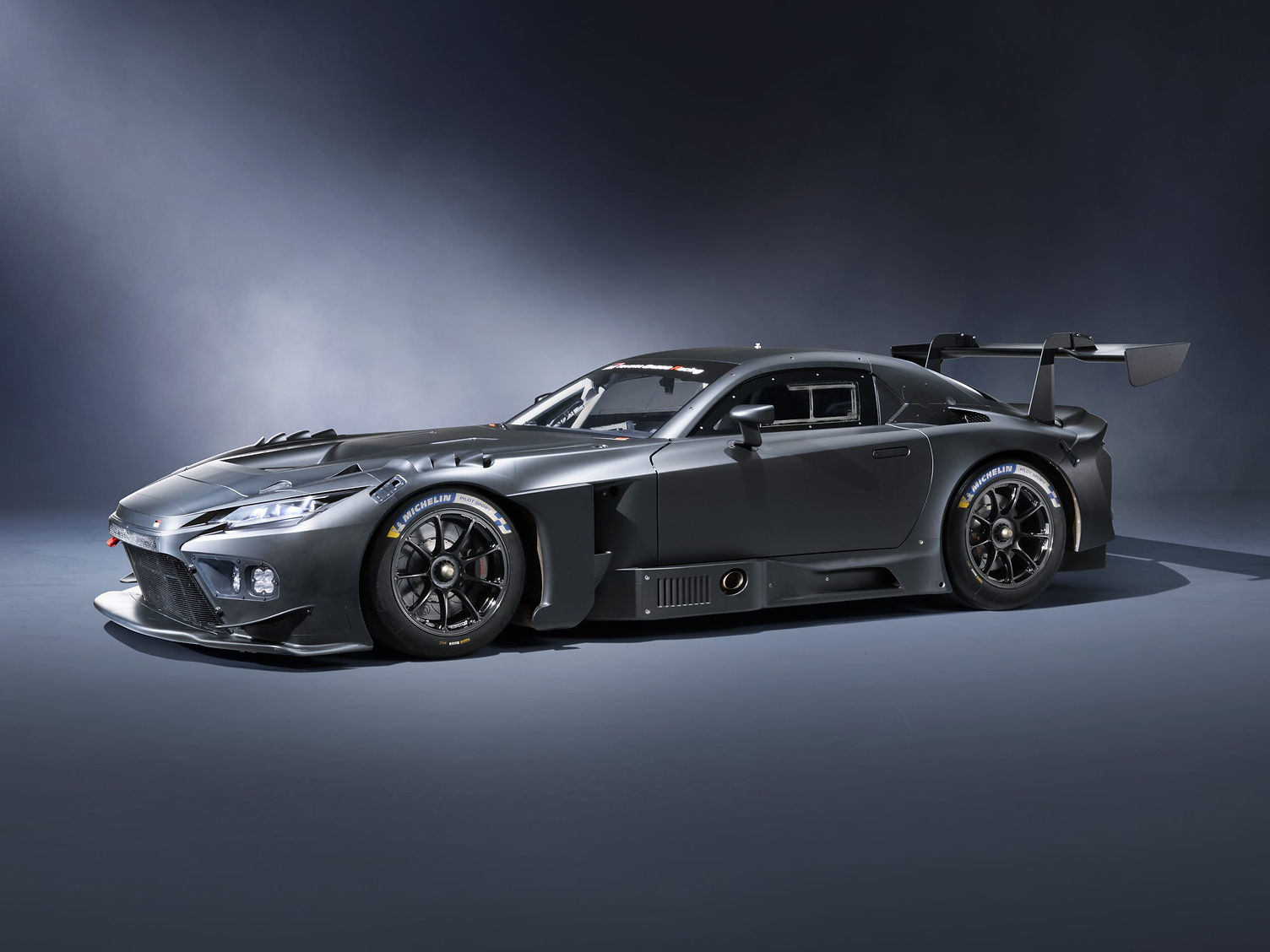
The GR GT's development has been intrinsically linked to its racing counterpart from the start. Toyota's new GT3 platform replaces the Lexus RC F on the world stage and in regional championships, and if anything, the engineering choices stem from making a competitive race car first, with the road car following. The RC F has scored a recent class victory at the 12 Hours of Sebring, and a title in the IMSA Sportscar Championship, however the need for a clean-sheet successor had been evident for some time.
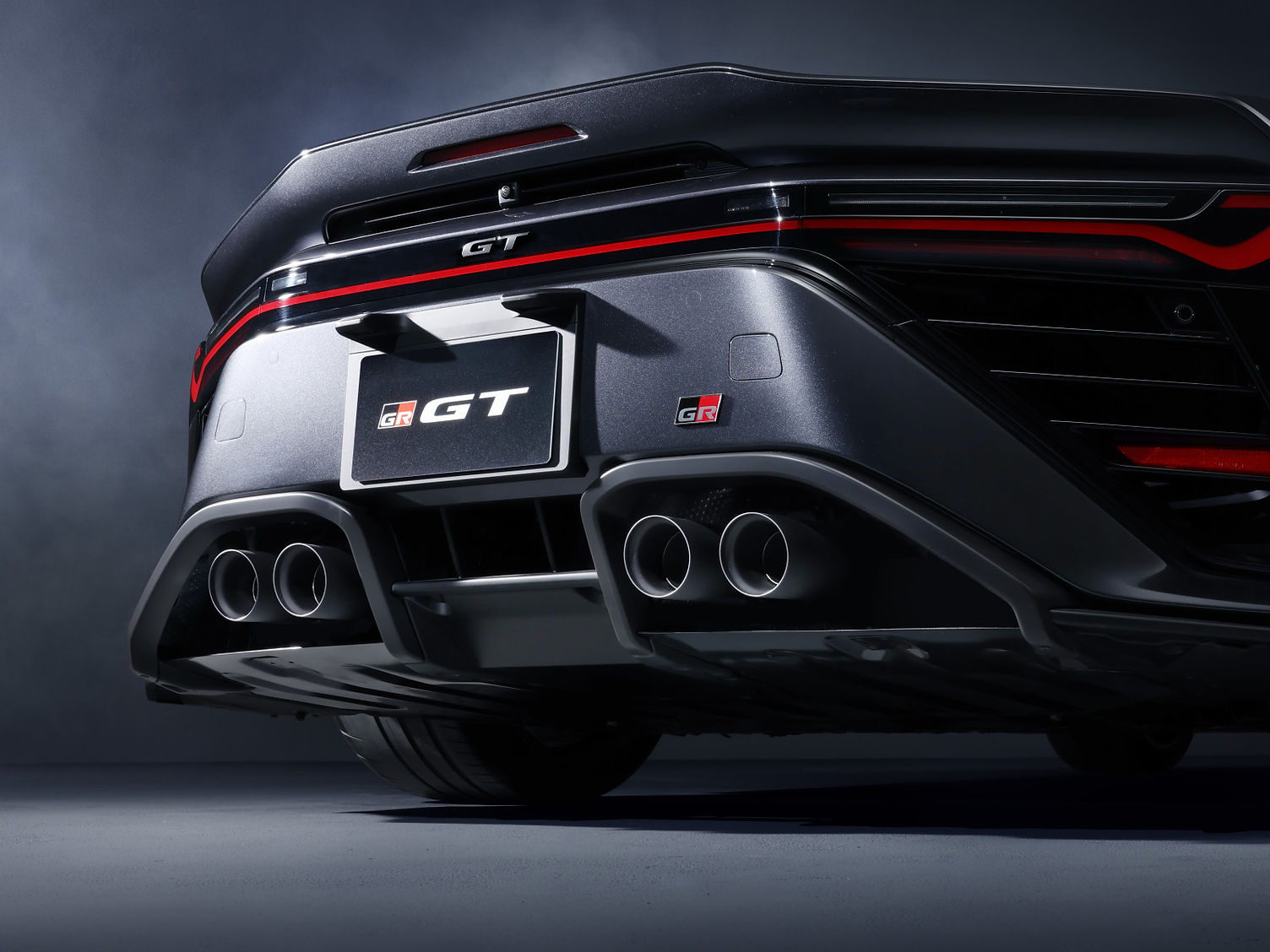
Despite the close ties, the differences between the road car and racer are extensive. GT3 regulations forbid the hybrid system, meaning the V8 will run solo on track, making 500-600bhp depending on Balance of Performance restrictions. Toyota has repackaged the rear accordingly, shortening the bodywork by 35mm and switching the quad-exit exhaust for side-exit pipes to accommodate an enlarged rear diffuser – though even that is dwarfed by the sheer size of the rear wing.
A splitter and dive planes appear up front, plus additional vents over the front wings to shed heat and reduce air pressure. The interior also receives a significant motorsport makeover.

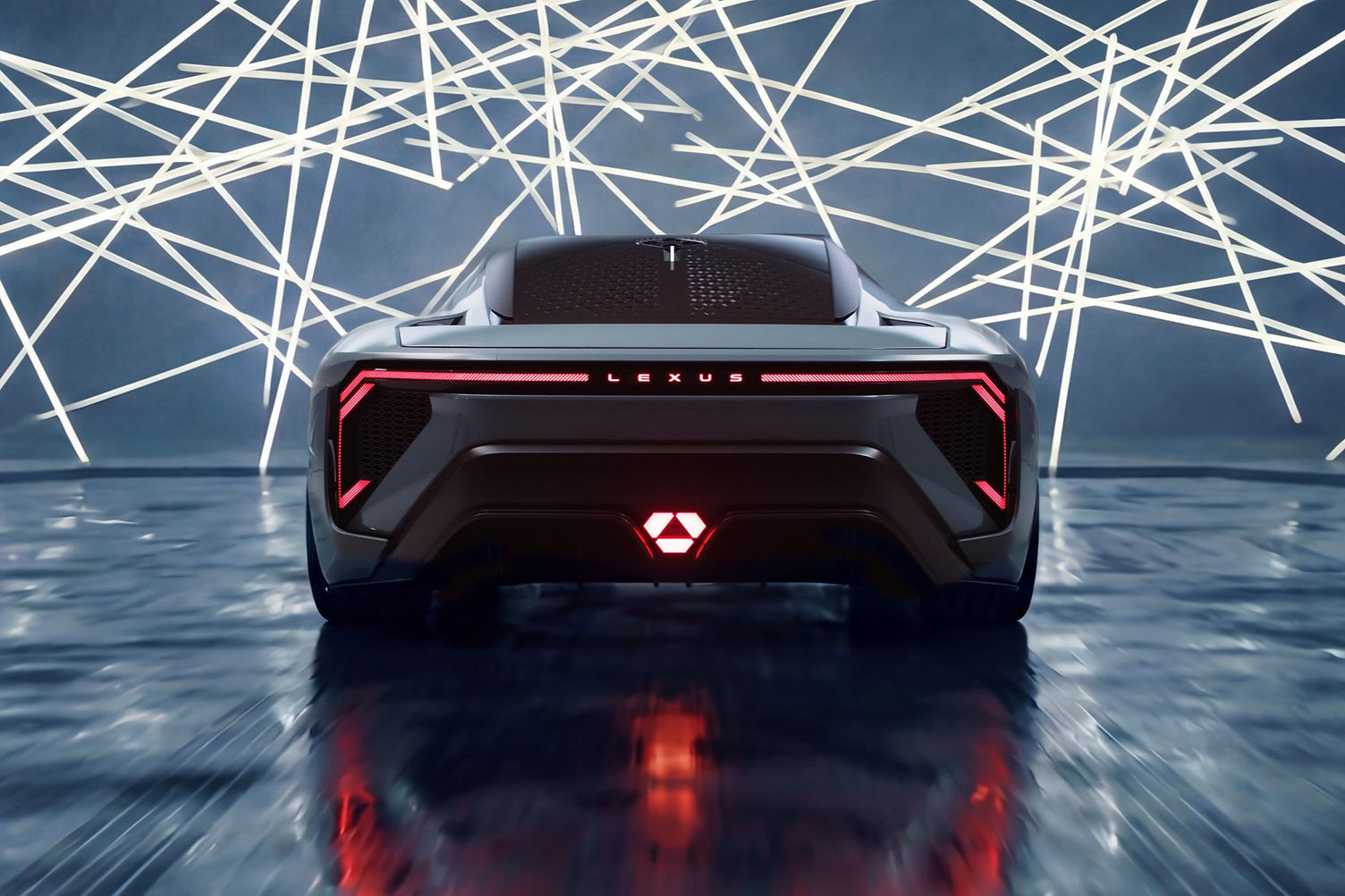
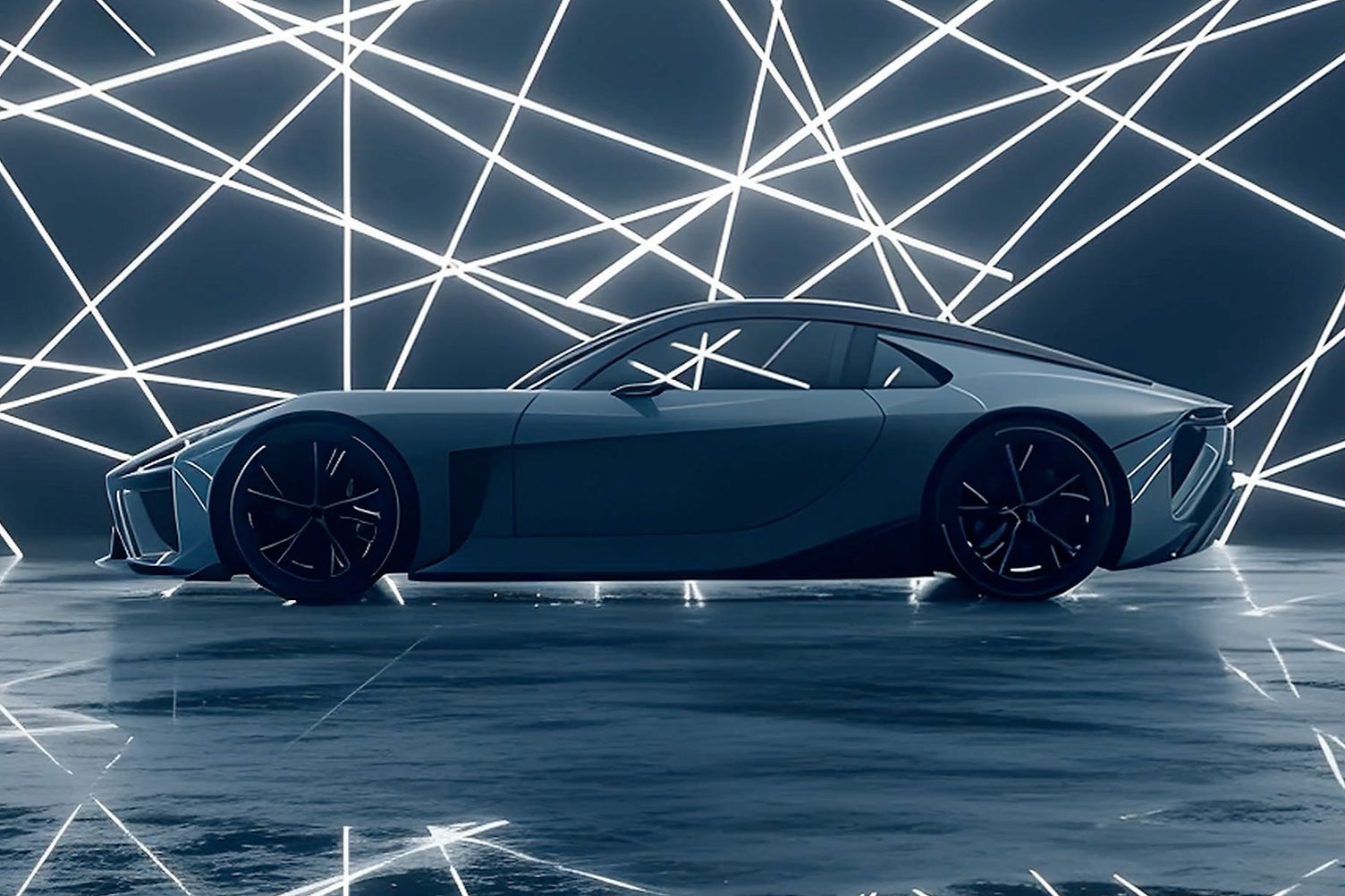
The third piece of the puzzle is the LFA Concept, built around the same architecture as the GR GT models. Like the GT3, the dimensions differ, with the Lexus being 130mm shorter and 40mm wider than its GR-badged counterpart, but the 2,725mm wheelbase and low driving position remain the same. The body has been reworked to offer a more elegant look – one which gives hints towards the future design direction of other Lexus road cars, and waves goodbye to the hourglass-shaped grille. Unlike the GR GT which forgoes active aerodynamics due to the low GoG obsession, the LFA Concept features a retractable rear wing.
Details on the battery and powertrain configuration remain under wraps, but the transmission tunnel and long bonnet will provide ample space for high-voltage cells, or if rumours are to be believed – Toyota’s first application of solid state batteries.
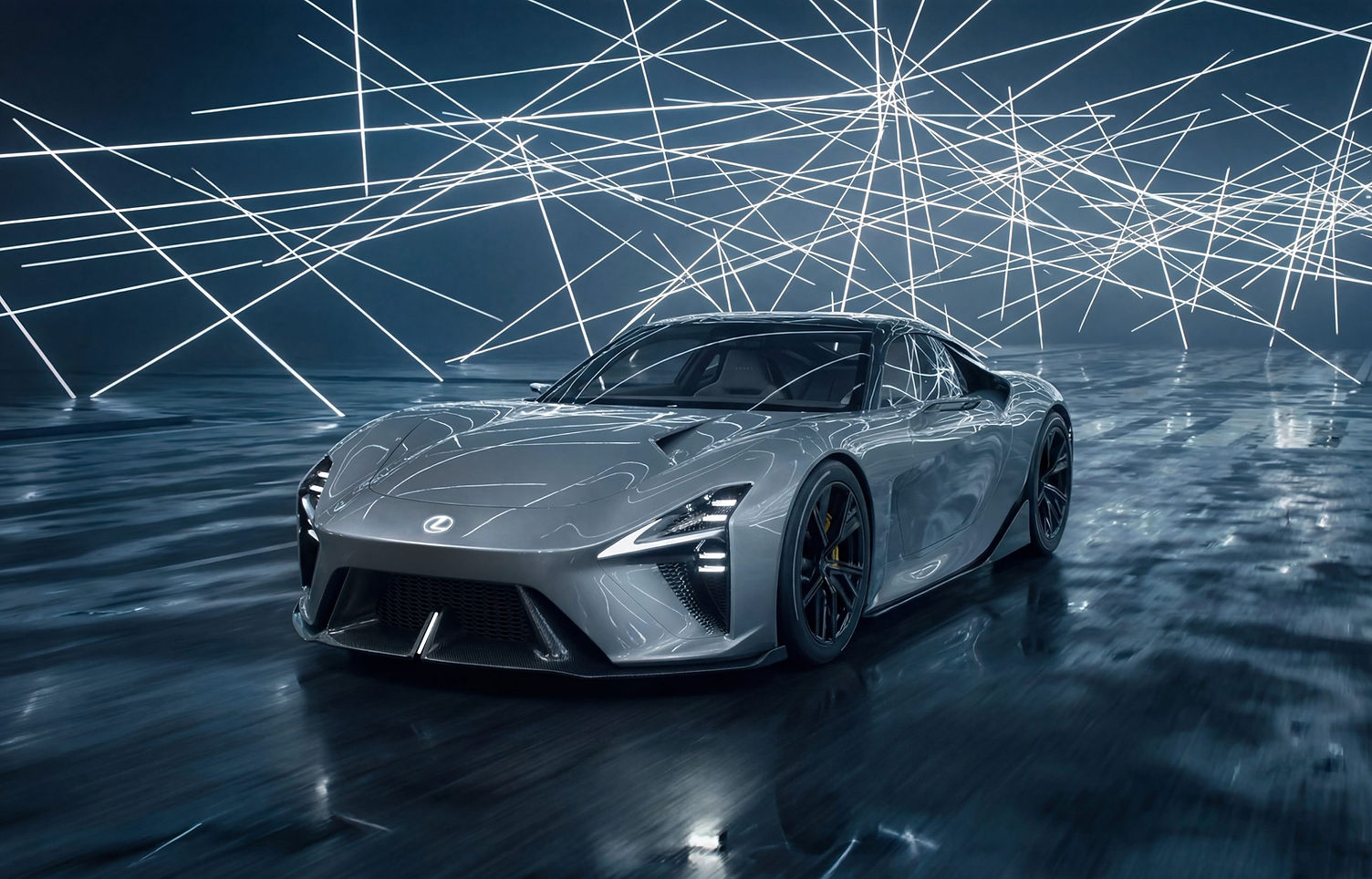
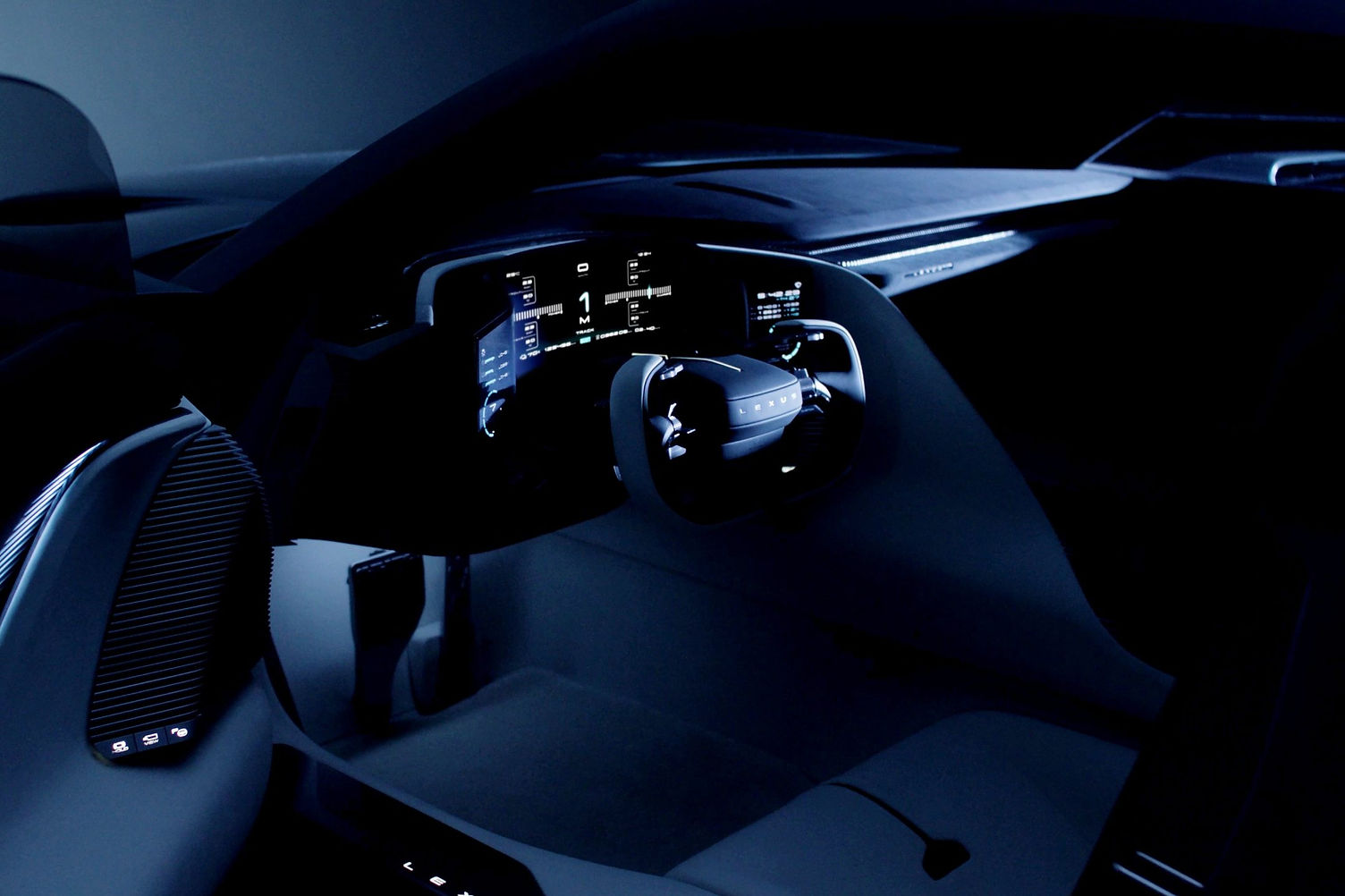
Inside, a steering yoke sits ahead of a multi-display showing live telemetry. A dedicated “Boost Map” can be activated for maximum performance. Lexus says that the LFA Concept will “demonstrate the potential of BEV sports cars”, with a clear aim of generating interest in the category which has so far struggled to capture the hearts and orders of enthusiasts.
While the move to an electric powertrain will disappoint those wishing for a combustion-powered successor to its 10-cylinder predecessor, Lexus describes the LFA name as “not bound to vehicles powered by internal combustion engines”, but rather a car defined by its technology and engineering that underpin it.
Once again Toyota Chairman Akio Toyoda has proven to be a driving force behind the motivation to build the trio. Rather than adapting an existing platform and powertrain, or entering into another collaboration, engineers have been given the opportunity to build a unique chassis capable of housing electric drivetrains, and a brand-new V8 that will remain exclusive to the GR GT.
Although the project started in 2020, development of the GR GT is not yet complete. At least another 12 months of work remains for the R&D teams, ahead of its racing and sales launch in 2027. Interestingly, while the LFA Concept has Lexus badges at either end, the GR GT is completely devoid of Toyota branding, suggesting the car may be raced – and possibly sold – under either brand depending on the market. Could we be witnessing the birth of Gazoo Racing as a brand in its own right, with further models to follow?
As for the electric LFA, while it is presented as a concept for now, RUSH understands that the car has been green-lit for production, and expects it to launch alongside the GR GT, offering over 1,000bhp from a multi-motor set-up. We look forward to reporting more details as they emerge.


Author
Photography by:
Toyota / Lexus
Published on:
8 December 2025
Our Print Magazine
LATEST ARTICLES
About the Author

Craig Toone
Rush Founder
Obsessed with cars and car magazines ever since growing up in the back of a Sapphire Cosworth. Wore the racing line into the family carpet with his Matchbox toys. Can usually be found three-wheeling his Clio 182 Trophy around the Forest of Bowland, then bemoaning its running costs.
Related Articles
Yukihiko Yaguchi Interview
Michael Greenfield-Raban
|
21 March 2022
Yukihiko Yaguchi spent an unprecedented 40 years as an engineer for Toyota, ultimately rising to the head of Lexus’s high-performance F division, going toe-to-toe with the likes of BMW M and Mercedes AMG. In a rare interview, Michael Greenfield-Raban finds out how - despite retirement - Yaguchi-San hasn’t taken his foot off the throttle…
NEVER MISS AN ARTICLE

One for the road, one for the track, and one for the future. Toyota’s three high-performance flagships share a brand-new platform set to host ICE, hybrid and EV powertrains.
Toyota / Lexus
8 December 2025
One for the road, one for the track, and one for the future. Toyota’s three high-performance flagships share a brand-new platform set to host ICE, hybrid and EV powertrains.
First published
8 December 2025
Last updated
8 December 2025
Photography
Toyota / Lexus
W
Toyota has form for dragging its feet between concept car and production reality. The A90 Supra took five years to reach fruition. The Lexus LFA was ready for production before the board famously pulled the plug at the 11th hour, demanding the supercar be manufactured from carbon fibre rather than aluminium. The time-lapse on that one was seven years, or ten if you include development time – one for each of the magnificent V10's cylinders.
A successor to that car has been teased in three forms since January 2022. Now, Toyota has confirmed the trio were, as suspected, production-intent prototypes set to ruffle feathers in the front-engine super GT market – on road and track.
The GR GT is the headline act. Featuring a twin-turbocharged hybrid V8, it takes direct aim at the Aston Martin Vantage S and Mercedes-AMG GT. Spinning off from this is the GR GT3, a FIA GT3-spec race car engineered for privateers. Silently bringing up the rear is the Lexus LFA Concept, which pivots to purely electric propulsion.


The three have been developed simultaneously under the Japanese principle of Shikiken Sengu, centred on preserving and passing on craft skills to the next generation. And while that may sound like a PR soundbite, there appears to be genuine merit to the claim.
Shikiken Sengu involves periodically rebuilding Shinto shrines, not just to preserve the structure but to pass on traditional techniques – architecture, metalwork, weaving – from master artisans to apprentices. Toyota has adopted the philosophy by having the engineers behind the LFA's carbon monocoque and V10 mentor a younger generation on these three projects, maintaining skills that might otherwise be lost as the industry moves toward electrification.
The fruit of their labour is a new, all-aluminium spaceframe – a first for Toyota – shared across all three cars. Large castings in the main structure are joined by extrusions and advanced bonding techniques, and a combination of aluminium and carbon fibre reinforced plastic make up the body panels, while the suspension is composed of forged aluminium double wishbones all-round. The platform has been specifically designed to achieve the lowest possible centre of gravity.


Mounted within is the all-new 4.0-litre ‘hot vee’ twin turbo engine, which works in tandem with a single electric motor integrated into a new, transaxle-mounted eight-speed automatic. Power is sent exclusively to the rear wheels, and in order to improve shift times and response, the gearbox uses a wet-start clutch in place of a traditional torque converter. A mechanical locking differential also features.
Combined peak output is quoted as 641bhp and 627lb-ft (850Nm) of torque, although Toyota says those figures are merely development goals at this point, and may increase further. No performance figures have been divulged at this stage beyond a claimed top speed in excess of 199mph. Toyota hasn’t been forthcoming on how much of that total output is the work of the V8 either, but the manufacturer has released some intriguing engineering details, namely an 87.5 x 83.1mm bore and stroke, specifically created to reduce engine height, further contributing to a lower centre of gravity. The engine also features dry-sump lubrication and an oil pan with a thinner than usual design.


Toyota has been specific about the role of the electric motor: it's positioned to smooth transient response during acceleration and gear changes, filling the momentary lag inherent to turbocharged engines. The transaxle uses an unusual arrangement to minimise wheelbase and optimise weight distribution. Power travels rearward through a carbon fibre propshaft, enters the transaxle at its far end, then reverses direction via conical gears before passing through the differential to the rear wheels.
It's complex engineering more commonly seen in all-wheel-drive systems, adapted here to pack the transaxle tight behind the rear axle – shortening the wheelbase and helping achieve a 45:55 weight distribution. Speaking of weight, despite the aluminium and carbon construction, the GR GT weighs 1,750kg.


Form follows function when it comes to the styling of the aforementioned body panels. Specialists from Toyota's FIA WEC programme established an "aerodynamic model" representing an ideal form before the first sketches were drawn, which explains the close relationship between the concept cars and today’s reveal. The model also dictated much of the exterior design: the low nose, flat tail, and plethora of vents – each serving a purpose. Combined with the low centre of gravity imperative and transaxle packaging, this resulted in dimensions of 4,820mm long, 2,000mm wide, and just 1,195mm tall.
That makes the two-seater GR GT over 300mm longer than a Porsche 992 Carrera and not far off the width of a Lamborghini Revuelto. The substantial dimensions aid stability and predictability at speed, an essential trait for the GR GT3, which will be appreciated by drivers during longer endurance racing stints. Toyota themselves make several references to “a focus on linear response and a high level of controllability”, meaning the GR GT will likely have an approachable handling balance despite the power output and rear-wheel drive.
Electronics honed in competition will also play a part. The suite has evolved from Toyota's Nürburgring 24-hour endurance programme, with multi-stage traction control adjustment similar to systems in M cars and AMGs. Bespoke Michelin Pilot Sport Cup 2s (265/35ZR20 front, 325/30ZR20 rear) hide Brembo carbon ceramic brakes.


The interior of the GR GT follows a similar function-first mantra, with everything developed around the driver and maximising visibility. Ultra-lightweight, leather-lined Recaro bucket seats place the driver as low as possible in the chassis, with a large transmission tunnel dominating the space between. The materials blend weaved carbon fibre, alcantara and leather throughout, though aesthetics come second to ergonomics: the central touchscreen bucks the trend for excessive screen acreage, with a prominent row of toggle switches below handling major functions.
Physical buttons dominate the steering wheel too – no haptic controls here – while Manettino-style rotary switches handle traction control and driving modes, the former engraved with 'Expert', almost goading the driver into pressing it. Finishing off the interior is a larger, wraparound LCD that can display as much or as little information as desired.


The GR GT's development has been intrinsically linked to its racing counterpart from the start. Toyota's new GT3 platform replaces the Lexus RC F on the world stage and in regional championships, and if anything, the engineering choices stem from making a competitive race car first, with the road car following. The RC F has scored a recent class victory at the 12 Hours of Sebring, and a title in the IMSA Sportscar Championship, however the need for a clean-sheet successor had been evident for some time.
Despite the close ties, the differences between the road car and racer are extensive. GT3 regulations forbid the hybrid system, meaning the V8 will run solo on track, making 500-600bhp depending on Balance of Performance restrictions. Toyota has repackaged the rear accordingly, shortening the bodywork by 35mm and switching the quad-exit exhaust for side-exit pipes to accommodate an enlarged rear diffuser – though even that is dwarfed by the sheer size of the rear wing.
A splitter and dive planes appear up front, plus additional vents over the front wings to shed heat and reduce air pressure. The interior also receives a significant motorsport makeover.

The third piece of the puzzle is the LFA Concept, built around the same architecture as the GR GT models. Like the GT3, the dimensions differ, with the Lexus being 130mm shorter and 40mm wider than its GR-badged counterpart, but the 2,725mm wheelbase and low driving position remain the same. The body has been reworked to offer a more elegant look – one which gives hints towards the future design direction of other Lexus road cars, and waves goodbye to the hourglass-shaped grille. Unlike the GR GT which forgoes active aerodynamics due to the low GoG obsession, the LFA Concept features a retractable rear wing.
Details on the battery and powertrain configuration remain under wraps, but the transmission tunnel and long bonnet will provide ample space for high-voltage cells, or if rumours are to be believed – Toyota’s first application of solid state batteries.


Inside, a steering yoke sits ahead of a multi-display showing live telemetry. A dedicated “Boost Map” can be activated for maximum performance. Lexus says that the LFA Concept will “demonstrate the potential of BEV sports cars”, with a clear aim of generating interest in the category which has so far struggled to capture the hearts and orders of enthusiasts.
While the move to an electric powertrain will disappoint those wishing for a combustion-powered successor to its 10-cylinder predecessor, Lexus describes the LFA name as “not bound to vehicles powered by internal combustion engines”, but rather a car defined by its technology and engineering that underpin it.


Once again Toyota Chairman Akio Toyoda has proven to be a driving force behind the motivation to build the trio. Rather than adapting an existing platform and powertrain, or entering into another collaboration, engineers have been given the opportunity to build a unique chassis capable of housing electric drivetrains, and a brand-new V8 that will remain exclusive to the GR GT.
Although the project started in 2020, development of the GR GT is not yet complete. At least another 12 months of work remains for the R&D teams, ahead of its racing and sales launch in 2027. Interestingly, while the LFA Concept has Lexus badges at either end, the GR GT is completely devoid of Toyota branding, suggesting the car may be raced – and possibly sold – under either brand depending on the market. Could we be witnessing the birth of Gazoo Racing as a brand in its own right, with further models to follow?
As for the electric LFA, while it is presented as a concept for now, RUSH understands that the car has been green-lit for production, and expects it to launch alongside the GR GT, offering over 1,000bhp from a multi-motor set-up. We look forward to reporting more details as they emerge.


One for the road, one for the track, and one for the future. Toyota’s three high-performance flagships share a brand-new platform set to host ICE, hybrid and EV powertrains.


_edited.jpg)