-01.svg)

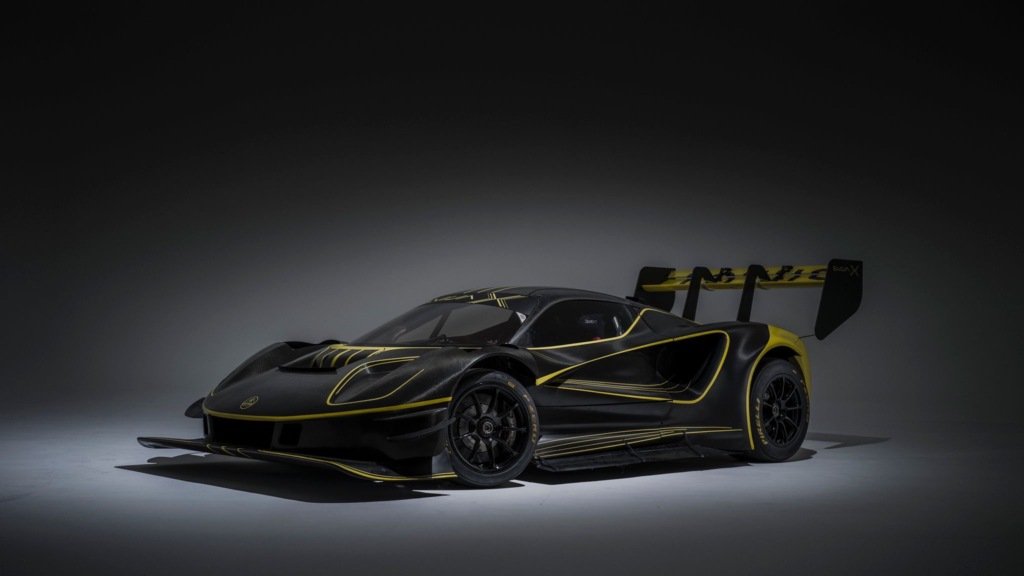
Not to be outdone, Lotus has unleashed the car’s true potential in the form of the track-only Evija X, which has just set the third fastest lap ever recorded at the Nürburgring Nordschleife.
Only the outrageous Porsche 919 Hybrid Evo and VW ID.R have gone faster. The Lotus completed the 12.9-mile track in just 6 minutes 24.047 seconds. More impressive still, it is technically the quickest car to lap the Nordschleife using the fundamental chassis and powertrain of its road-legal counterpart, the Evija. Here’s how Lotus pulled off the feat – with 24 Hours of Daytona and Le Mans class winner Dirk Müller behind the wheel. The official onboard video is a must-watch.
.jpg)
On reviewing the lap, what stands out most is the absence of the understeer typically associated with heavy electric cars, and the unrelenting top speed, with the Evija X hitting 212mph on the longest straight. Other brain-melting moments include how flat the car remains through Flugplatz and the entry to Schwedenkreuz – both taken at over 155mph.
Also striking is the minimal performance drop from the battery pack. Normally, as batteries heat up over the course of a lap, a loss of power follows. But the Evija X powers down the back straight without any sign of flagging. There’s visible dampness on sections of the tarmac – particularly under the trees – where Müller has to lift off and delay applying full throttle to avoid wheelspin. The sheer pace of electric cars is hard to convey on video, but the stopwatch leaves no room for doubt.
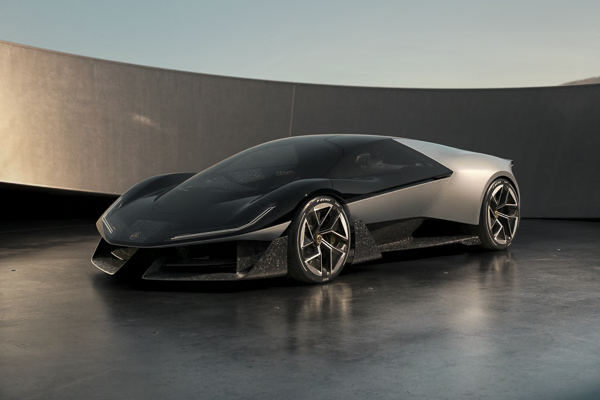
The Evija X shares its powertrain, chassis, battery and driveshafts with the road-legal Evija, producing 1,972bhp and 1,323Nm of torque from a quad-motor drivetrain. Each motor draws from a 93kWh battery.
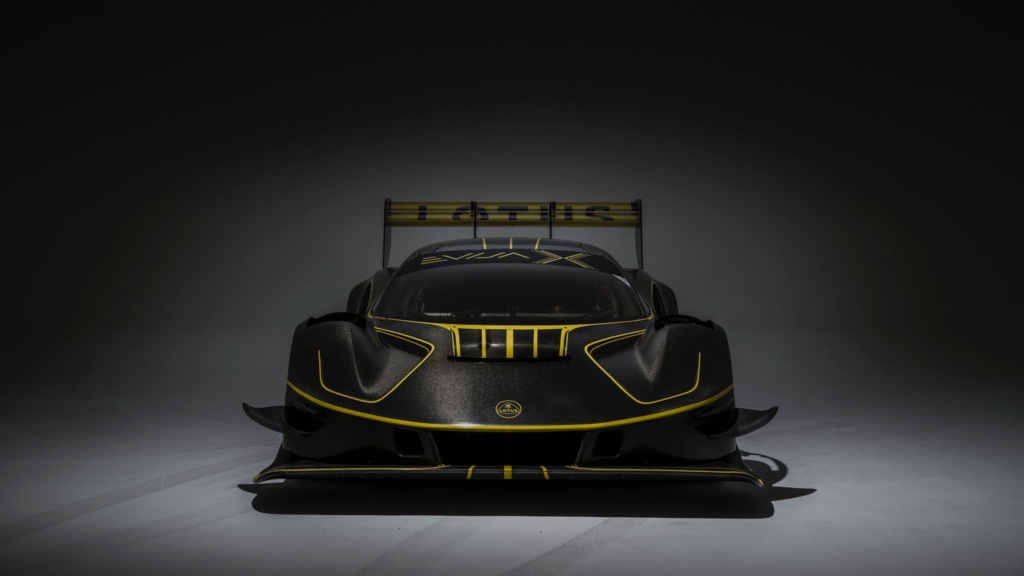
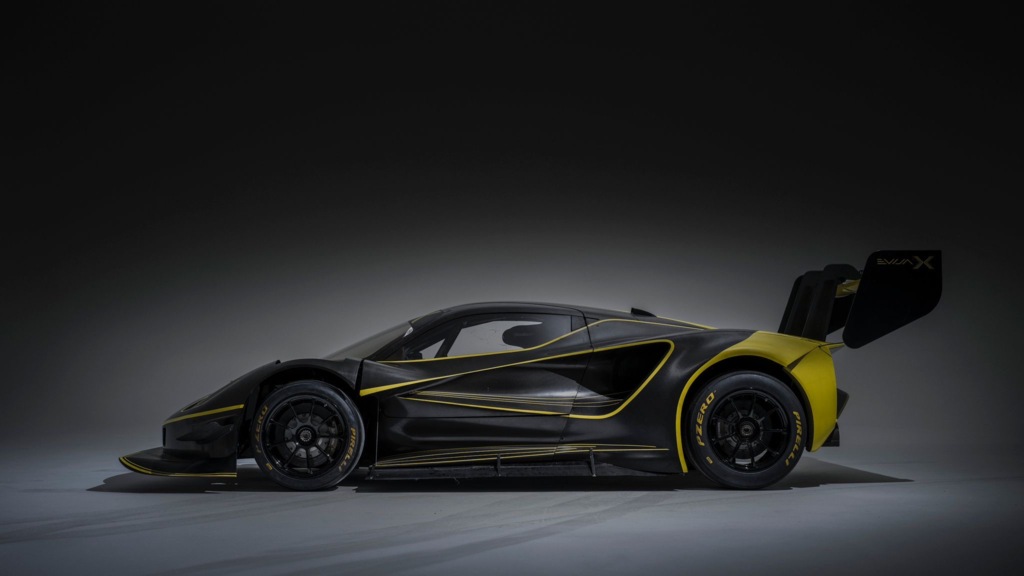
That’s where the similarities end. The Evija X sports a revised carbon body, with reworked aero elements front and rear – including a new splitter and an active rear wing with a drag reduction system. Together, these tweaks generate a staggering 4,500kg of downforce to help the car stay planted on the notoriously bumpy Nordschleife. Its side profile has also been subtly widened, following extensive wind tunnel testing specifically for this track. Lotus has been testing the Evija X at the Nürburgring since June 2023.
And there’s more. This lap was set in October 2023, when sections of the circuit were damp, and Lotus claims the Evija X could go even quicker. If further refined and run again in summer conditions, it could challenge – or even eclipse – the VW ID.R and take second place on the hypothetical podium of the fastest machines ever to lap the fearsome Nordschleife.


.avif)

.svg)

