-01.svg)
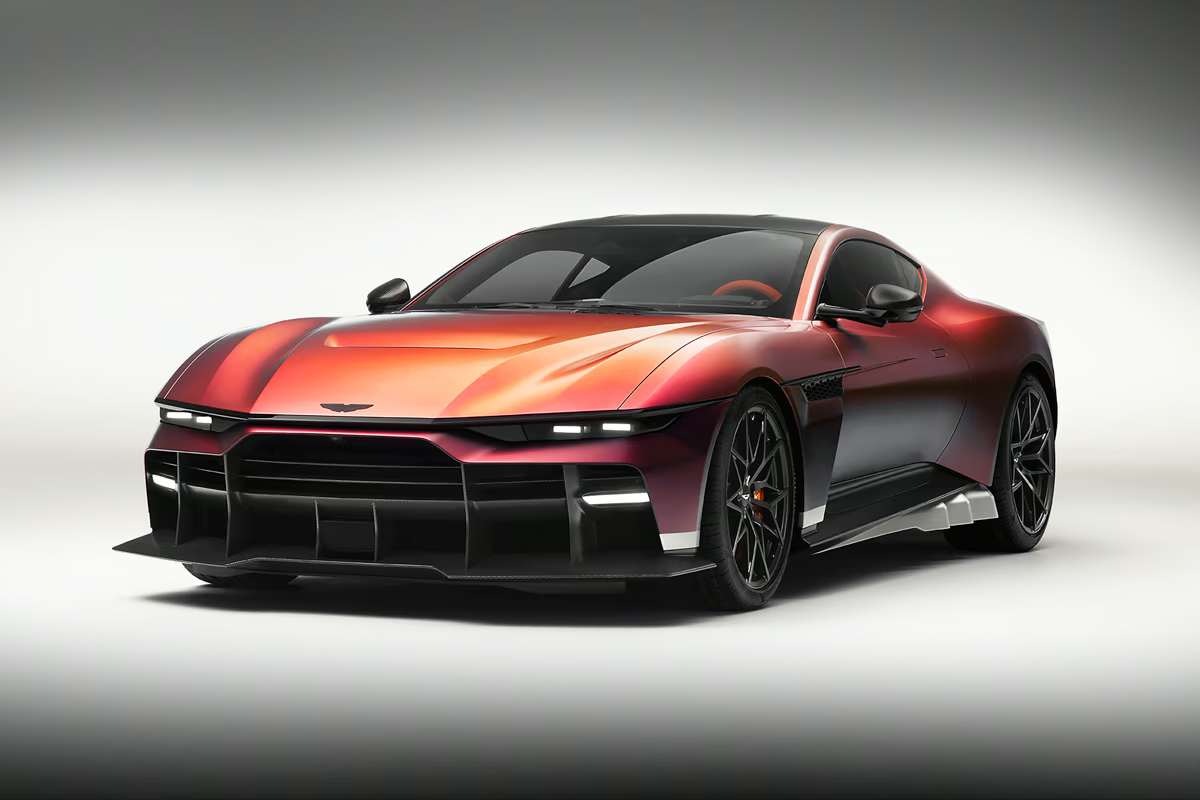
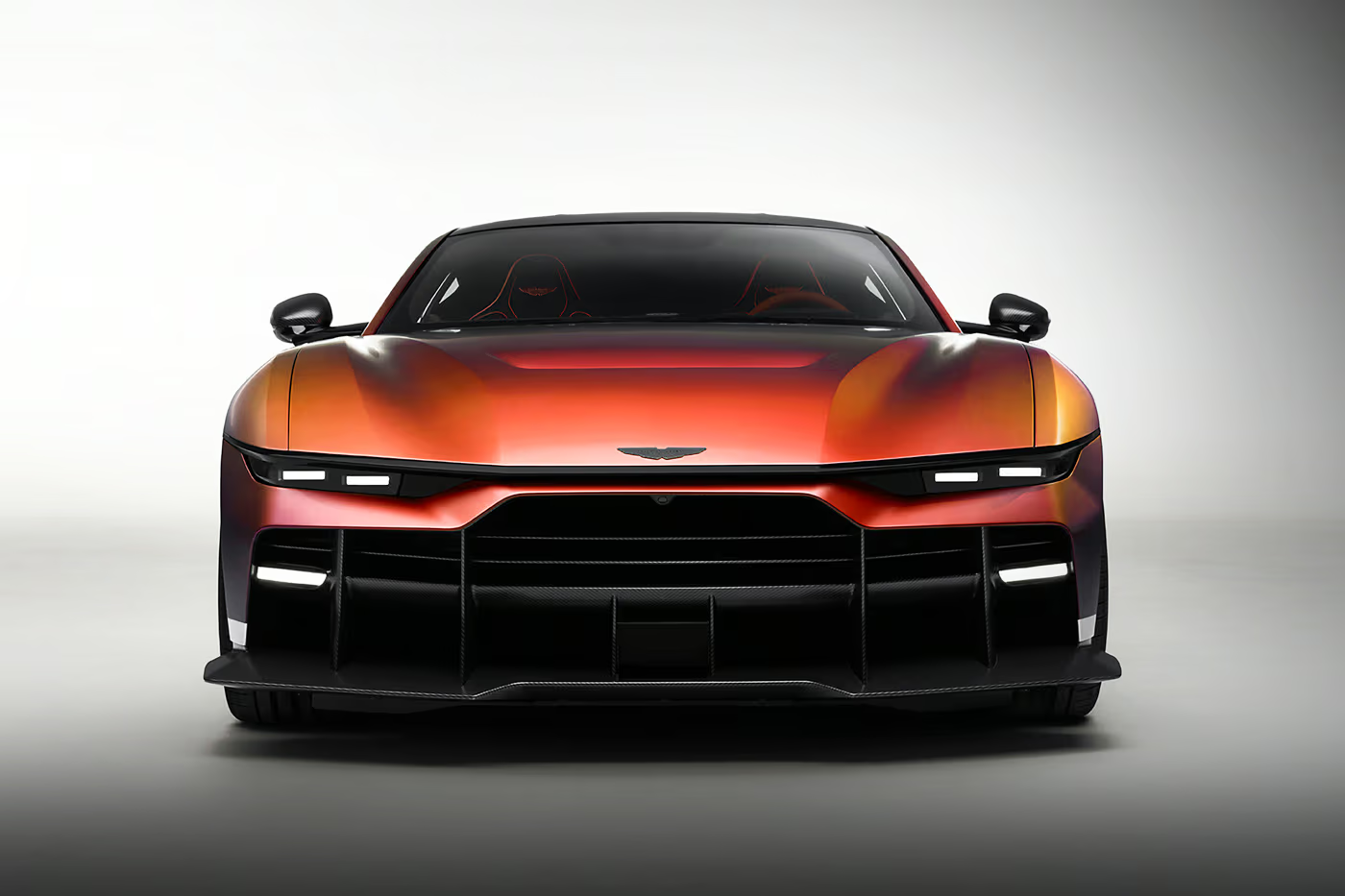
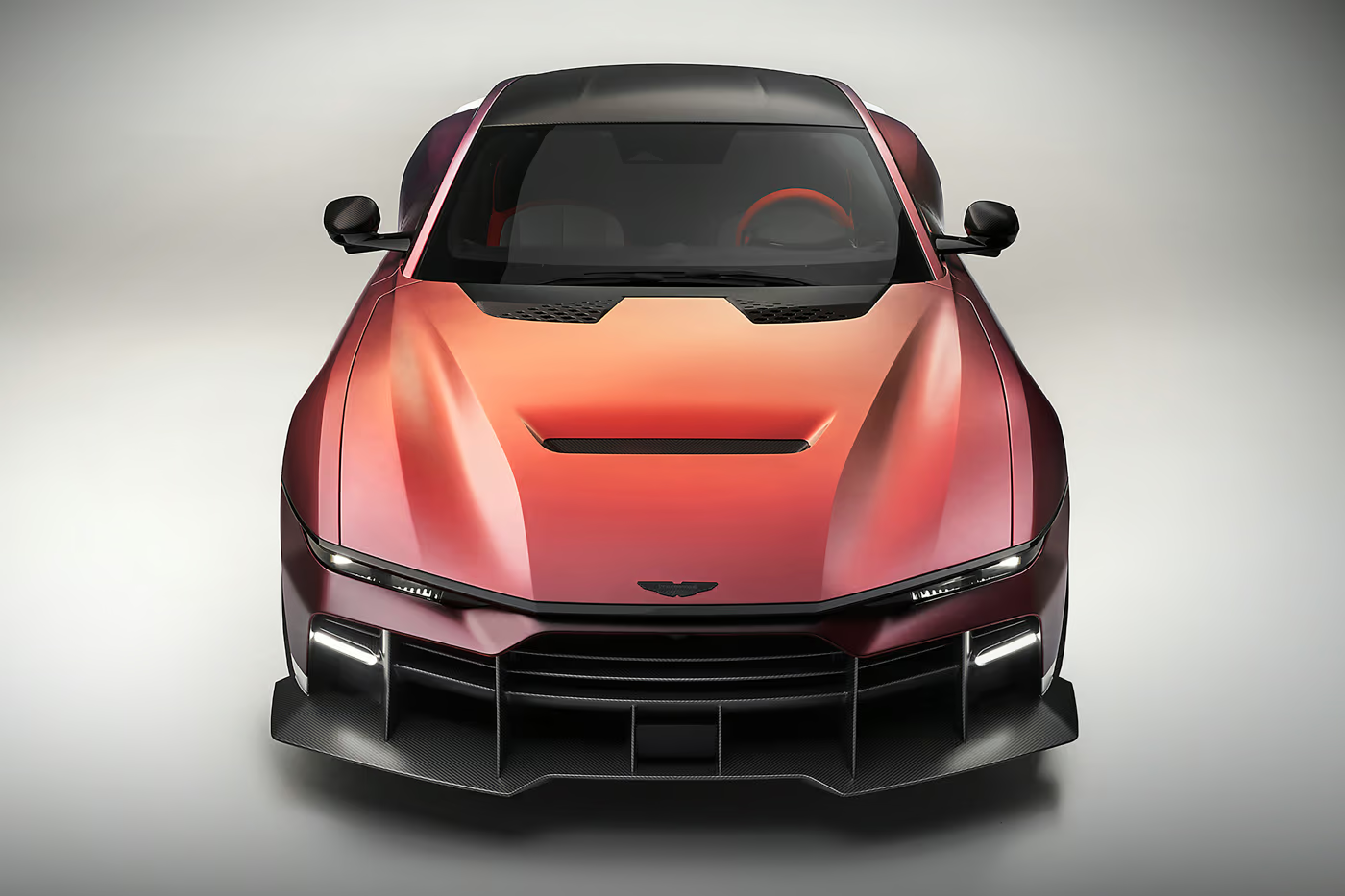
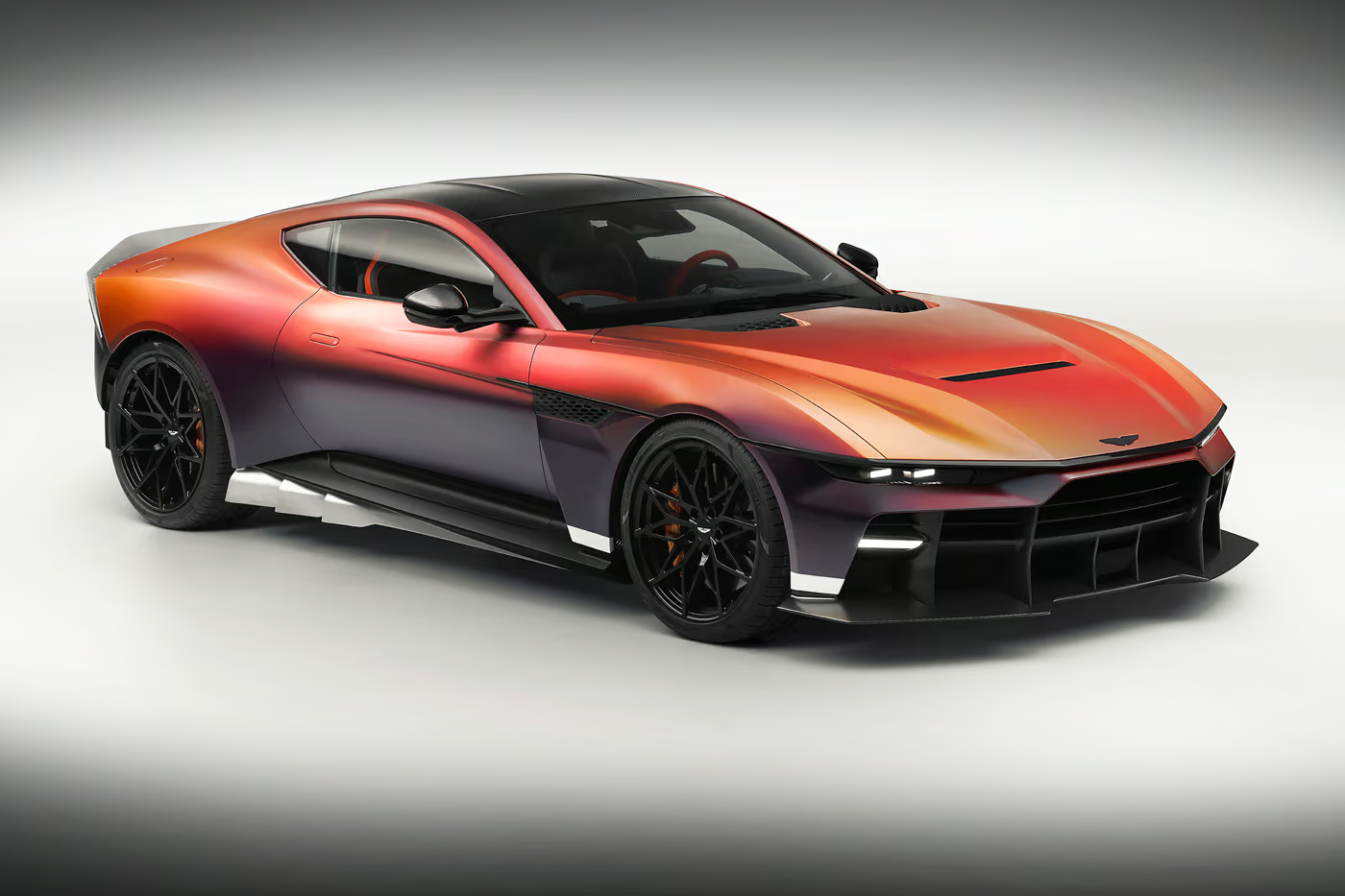
Derived from the Latin valens, meaning strong or powerful, the Valen certainly lives up to the billing. The full carbon-fibre rebody trades much of the elegance associated with Aston Martin's front-engined GTs for something altogether more brutal – striking rather than pretty, with a vast grille and four-element lighting arrangement that echoes the controversial V8 Vantage Zagato of the 1980s.
Like the Valiant and Valour before it, the changes amount to considerably more than coachwork and a headline power figure. The familiar 5.2-litre twin-turbo V12 gains just 14bhp, taking output to 838bhp, but more significantly, Aston says Valen is up to 110kg lighter than the 1910kg Vanquish.
One deviation the Valen does make is sticking with the eight-speed ZF automatic, rather than following the Valiant and Valour down the manual route. Given the notable shift back in favour of three pedals occurring at Monterey Car Week 2026, Aston is going against a trend it helped establish. The transmission isn’t untouched, however, gaining bespoke calibration and shift strategies developed for the Vantage GT4 race programme.
Aston has also revised the driving modes and stability control systems, but we’ll come back to those. Projected performance is 0–62mph in 3.1 seconds, with top speed unchanged at an electronically limited 214mph.
With the Vanquish already sporting carbon-fibre bodywork, the 110kg saving is a cumulative maximum rather than a blanket saving across every Valen. Standard magnesium wheels, reduced sound deadening and a titanium exhaust contribute to the diet, but achieving the full figure requires a visit to the options list: the Lightweight Pack adds machined aluminium suspension arms and knuckles, plus titanium chassis bolts, together saving 16.9kg.
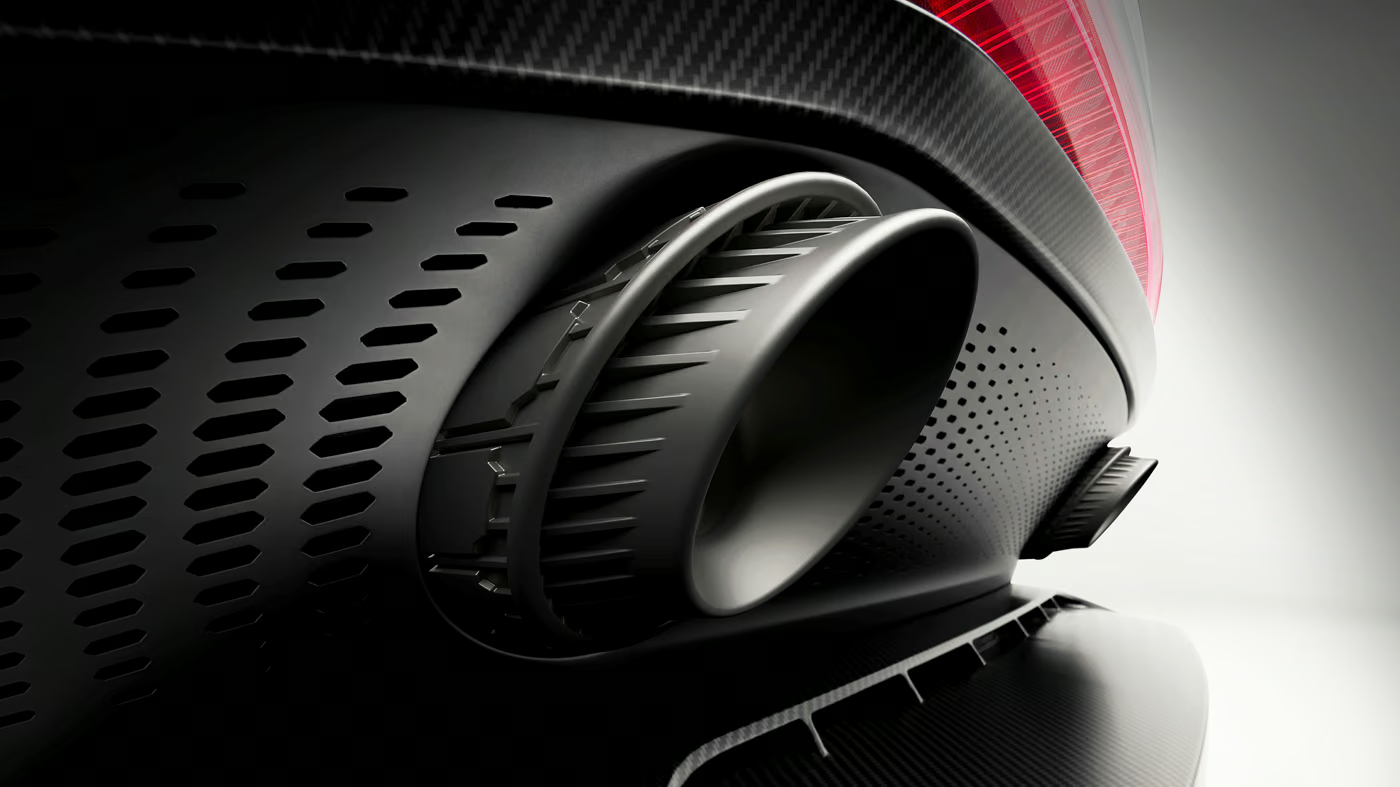
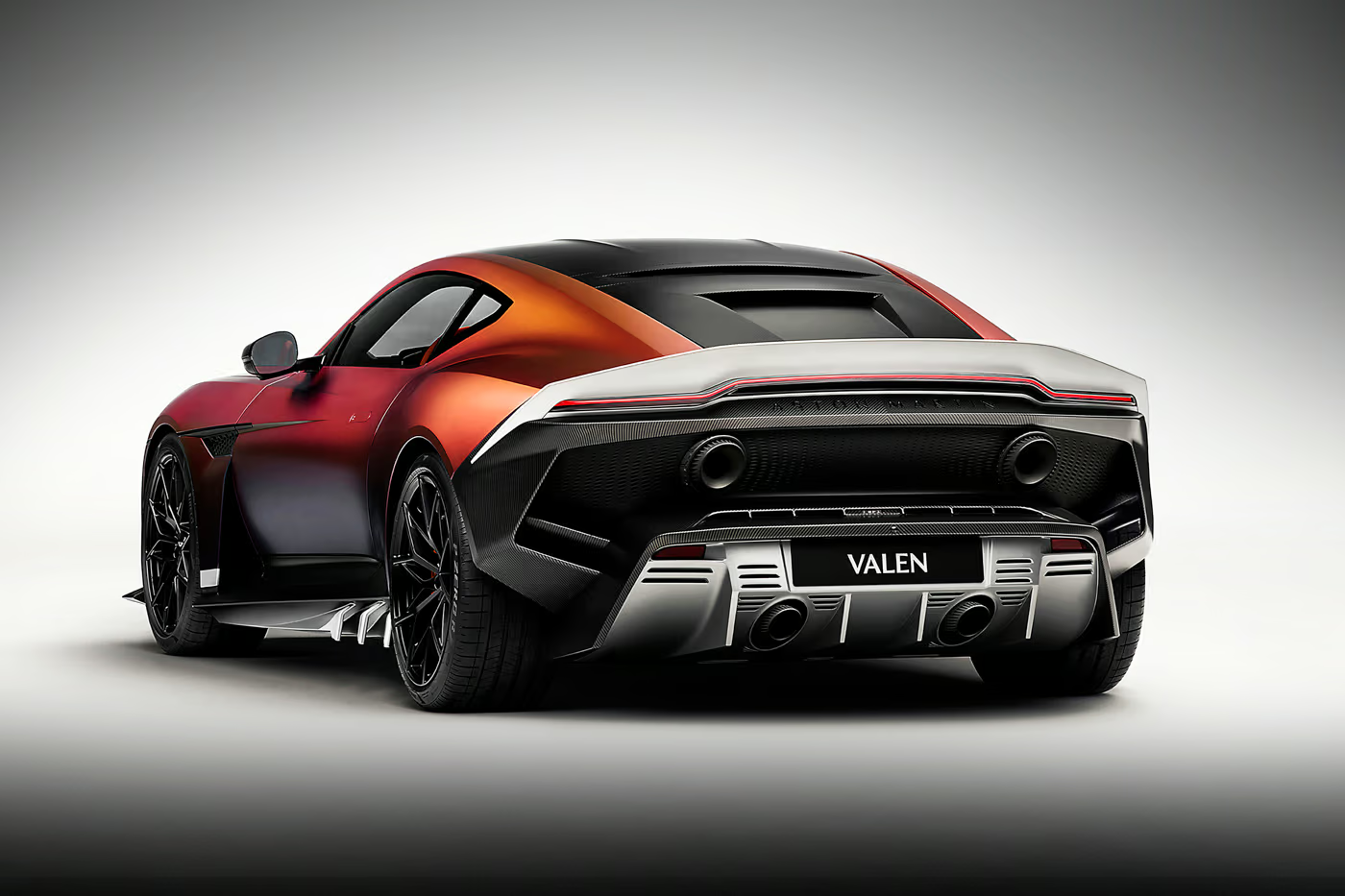
The exhaust system is destined to become one of the Valen’s main talking points. Its design is as elaborate as the bodywork, with four outlets divided between two distinct pairs – one high-mounted, the other embedded within the diffuser. The upper duo remain permanently open, whereas the lower pair is valved, opening according to the selected drive mode. Behind the 3D-printed titanium finishers sit new ‘micro-mufflers’, tuned to deliver a harder-edged note higher up the rev range. According to Aston, the result is ‘a significant increase in character and presence’.
Backing that up is the decision to delete the Vanquish’s augmented engine sound, a detail Marek Reichman revealed while speaking to Henry Catchpole. Reichman added that engineers have even configured the exhaust to transmit some of the V12’s lower-frequency energy through the seat.
Aston Martin is also making some big noises about the chassis revisions. The Vanquish already uses Bilstein DTX adaptive dampers, carbon-ceramic brakes and an electronic rear differential. The Valen goes further with a solidly mounted rear subframe, model-specific springs and helper springs, plus bespoke software calibration for the EPAS and stability-control systems. Collectively, Aston says the changes ‘sharpen response, precision and control’ without sacrificing the car’s inherent grand-touring ability.
The calibration changes are best illustrated by the drive modes. Where the Vanquish’s presets span Wet, GT, Sport and Sport+, the Valen narrows this to Sport and Sport+ and a new Track setting. Unexpectedly, Track adopts a longer, more progressive throttle map intended to improve control at higher speeds, while Sport and Sport+ use shorter maps for a more immediate response. The brake booster has also been reworked to provide a firmer pedal.
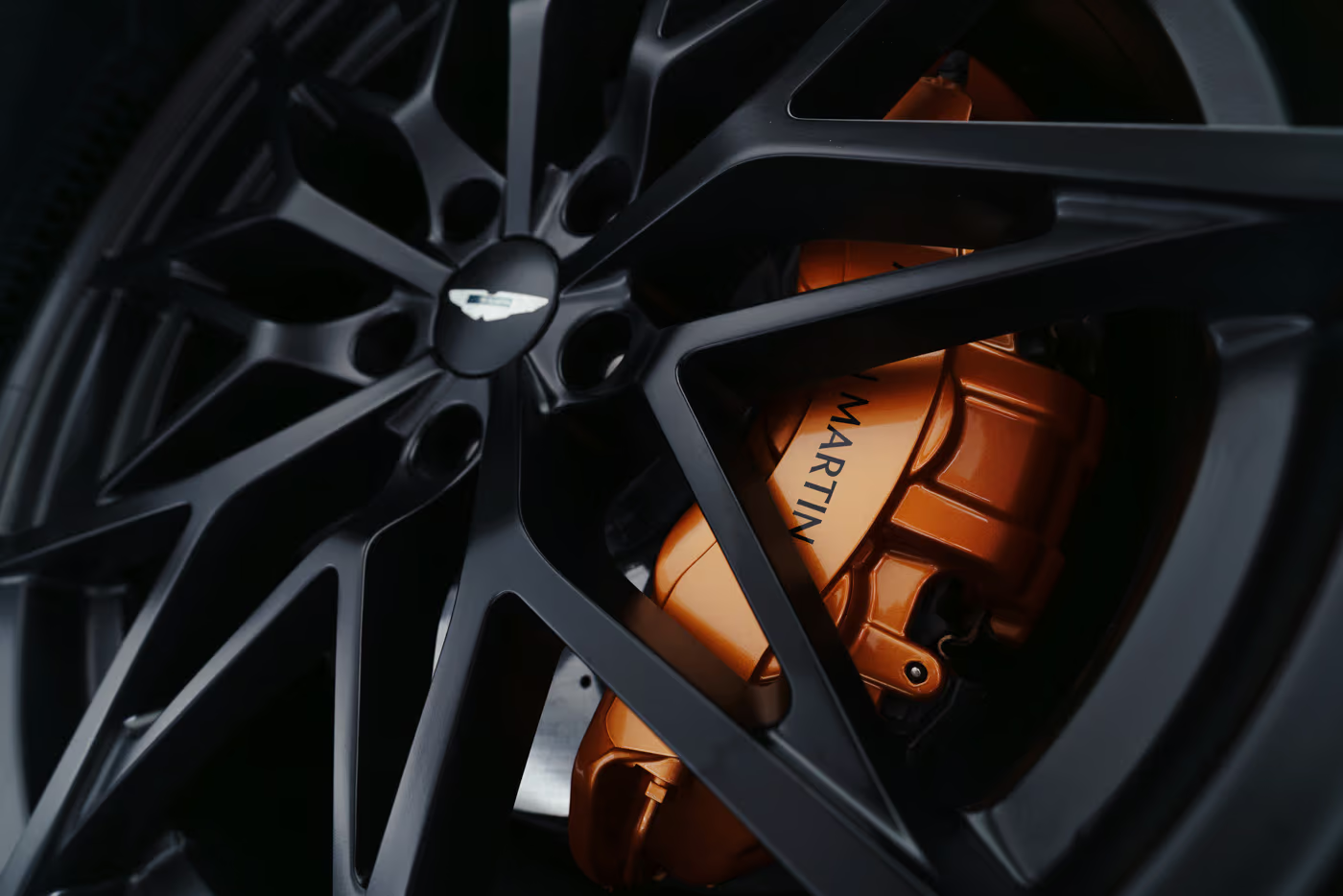
The Vanquish already has sophisticated stability control, but the Valen goes a step further with Pirelli’s Cyber Tyre technology. A sensor embedded within each tyre provides live telemetry on pressure, temperature, load and wear, feeding the data into the car’s control systems so the ESP can adjust its parameters accordingly. Notably, the tyres themselves will be AM-marked bespoke P Zero Rs, a more performance-focused road tyre than the P Zero PZ4 fitted to the Vanquish, but stopping short of the track-leaning P Zero Corsa. Sizes remain unchanged at 275/35 ZR21 front and 325/30 ZR21 rear.
What clearly has changed is the bodywork, starting with the familiar Aston Martin grille – or, more accurately, what has become of it. One vast aperture now consumes much of the lower nose, shaped into the traditional Aston outline by the bodywork above and a substantial splitter that rises in tandem with the centre section. Four deeply recessed lighting elements sit beneath the leading edge of the bonnet, giving the nose a low, hooded appearance with more than a hint of S650-generation Ford Mustang in front three-quarter view.
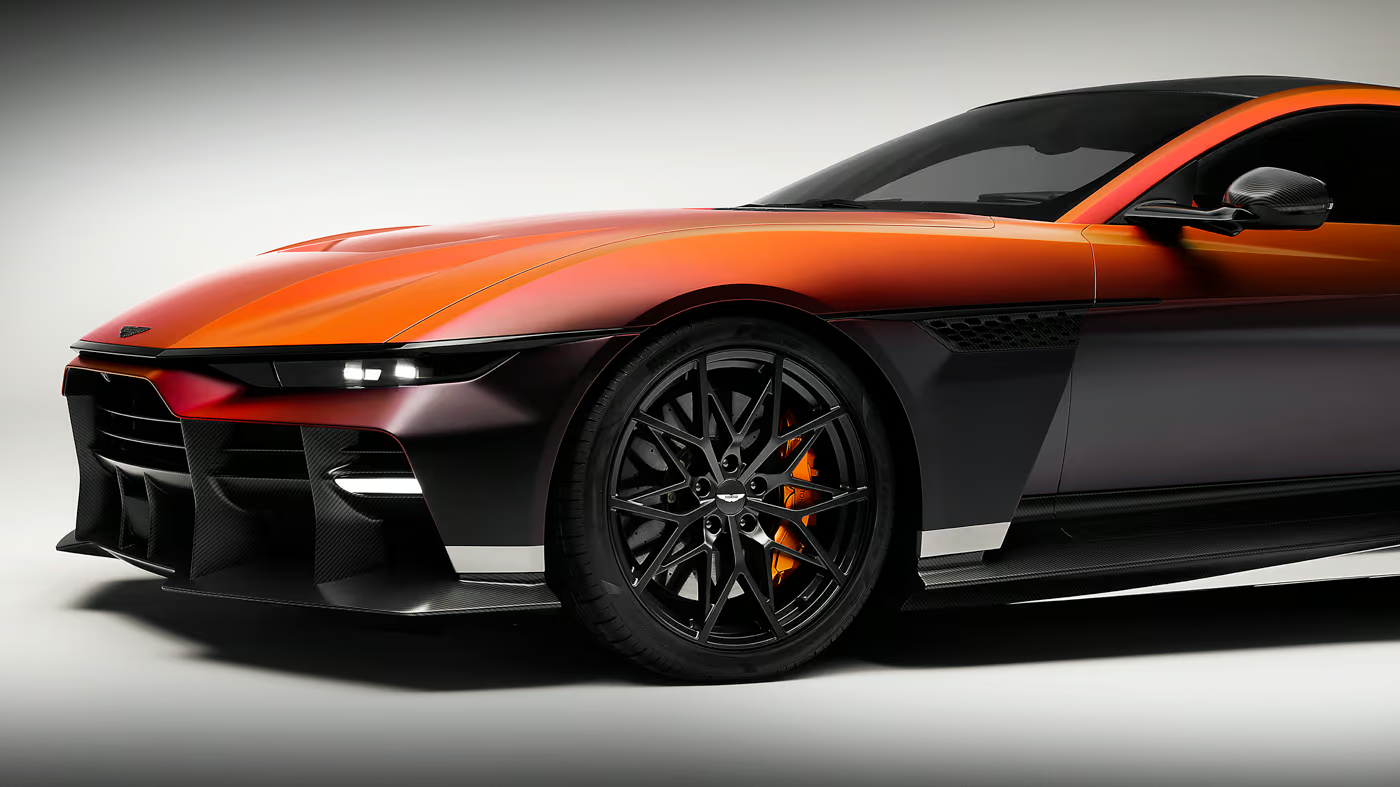
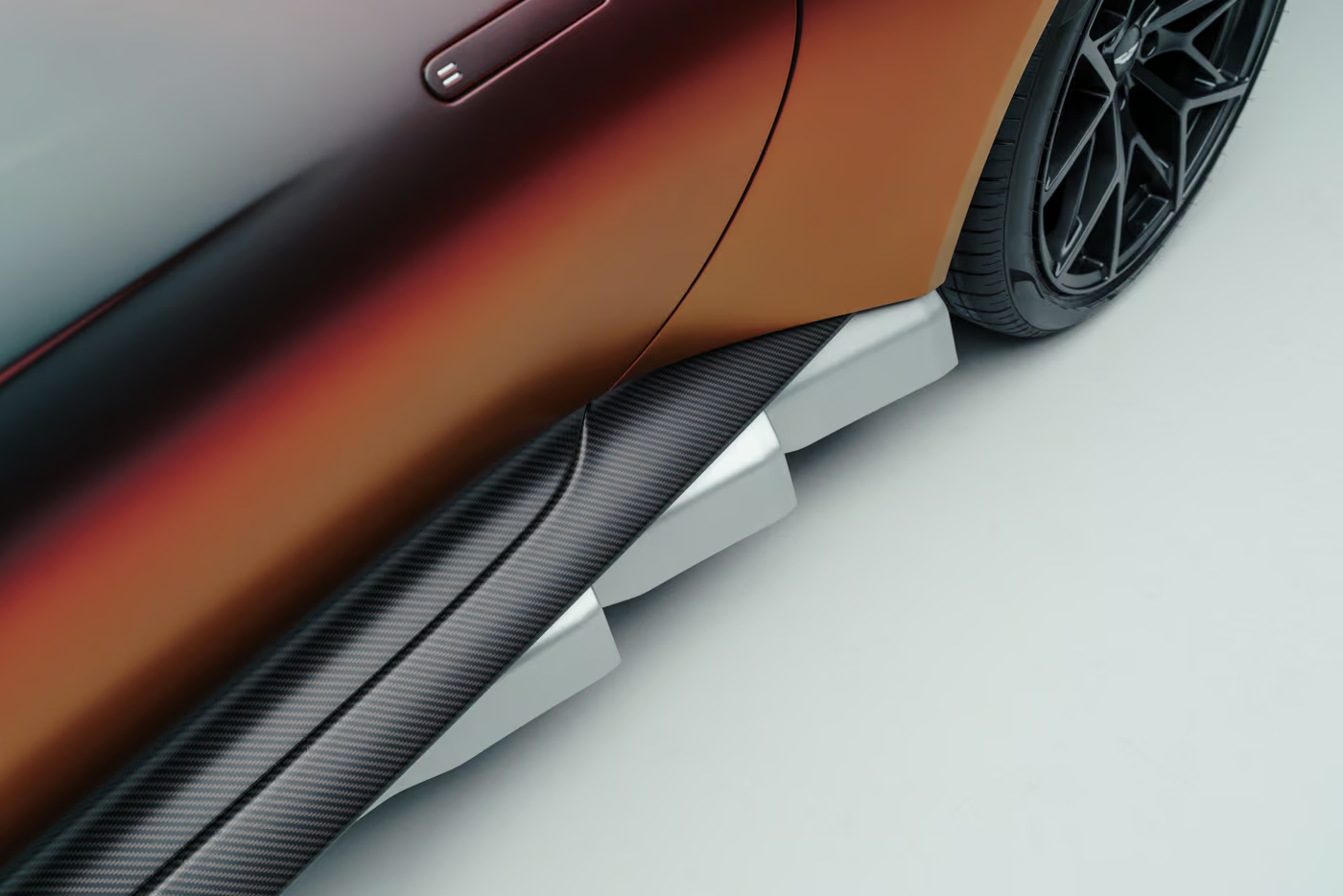
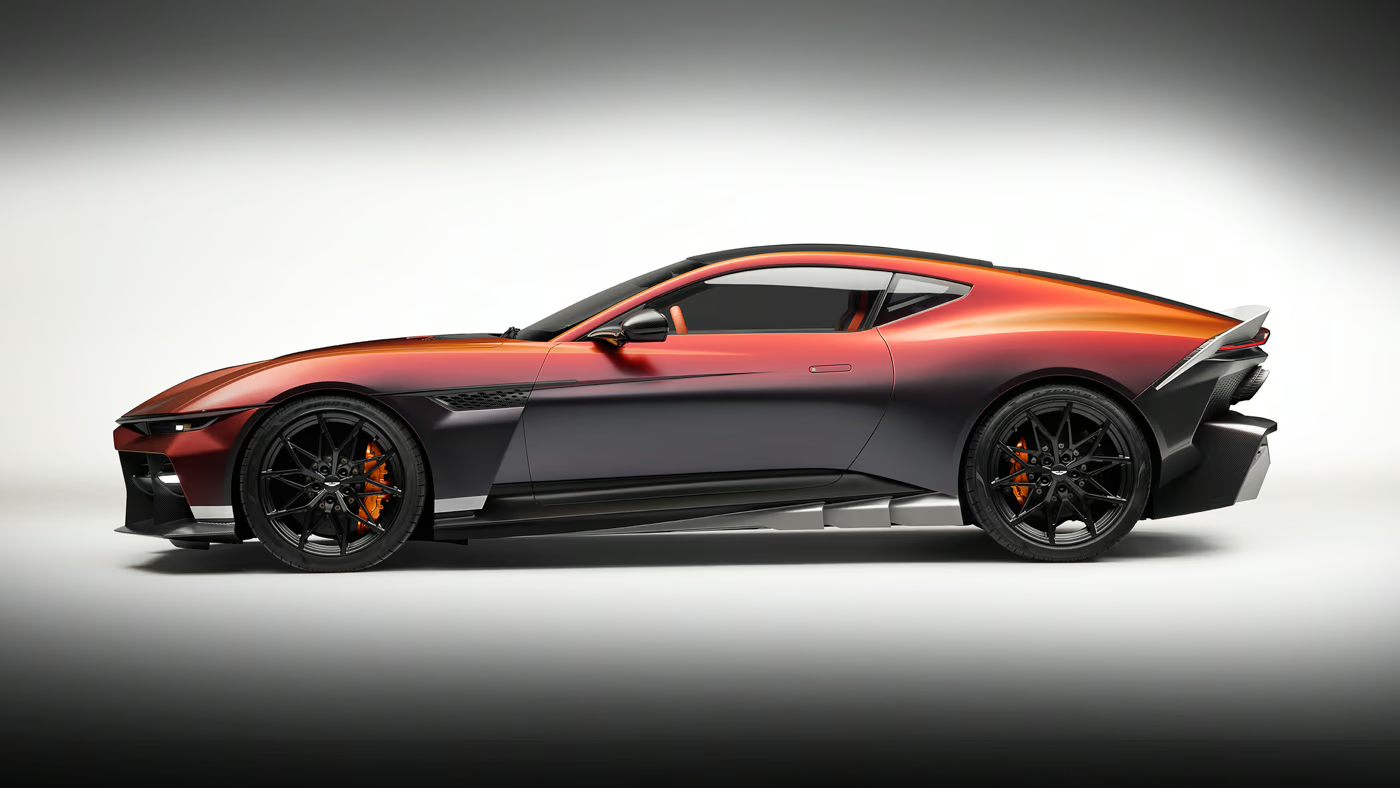
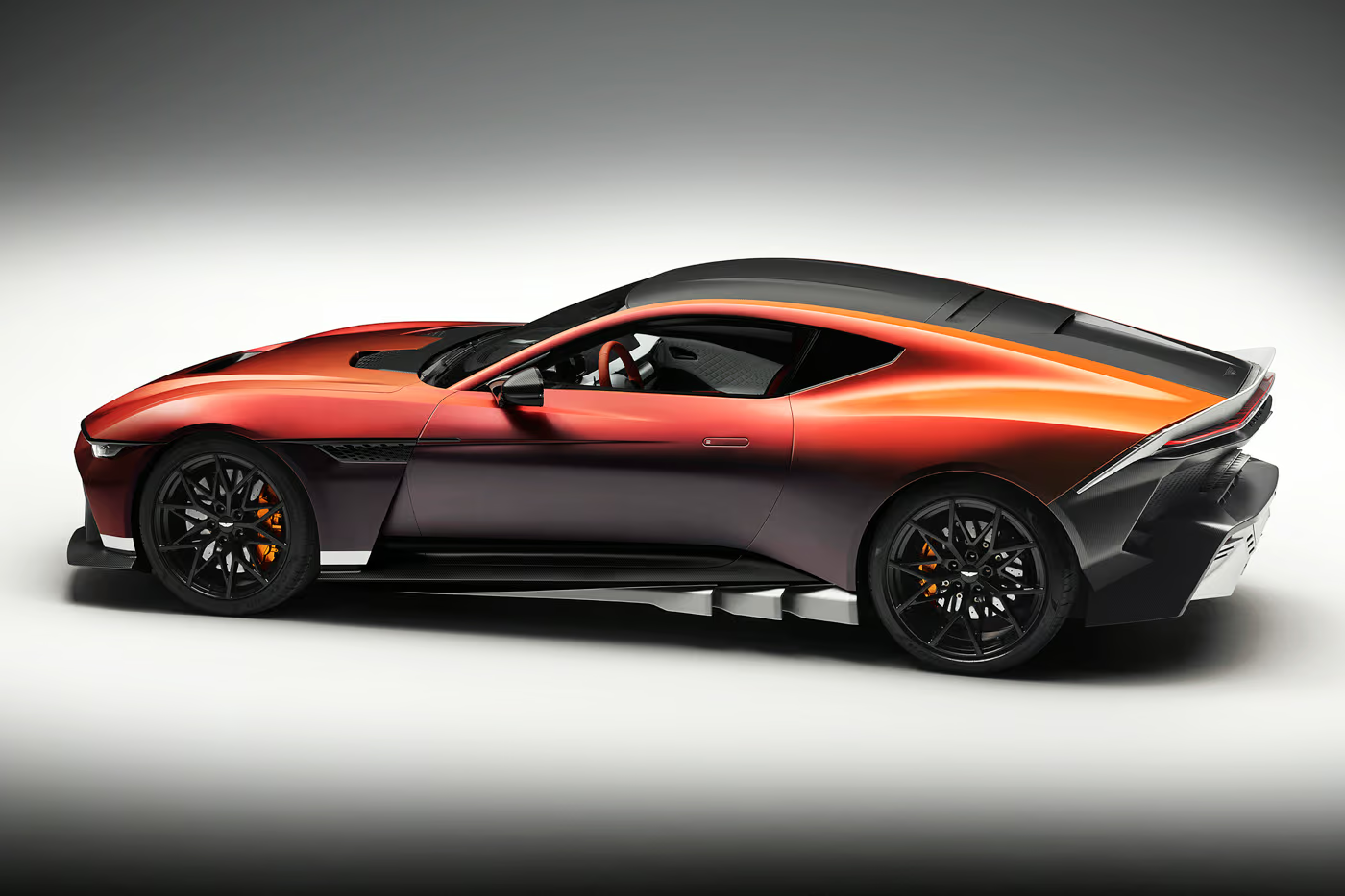
Another traditional element turned into a statement is the side strake, which has swollen into a substantial blade running through the front-wing vent and helping extract turbulent air from the wheelarch. Beneath it, the sill steps sharply outwards before terminating in a row of saw-tooth vortex generators ahead of the rear wheel, picked out in contrasting silver against the launch car’s Satin Andromeda Red bodywork.
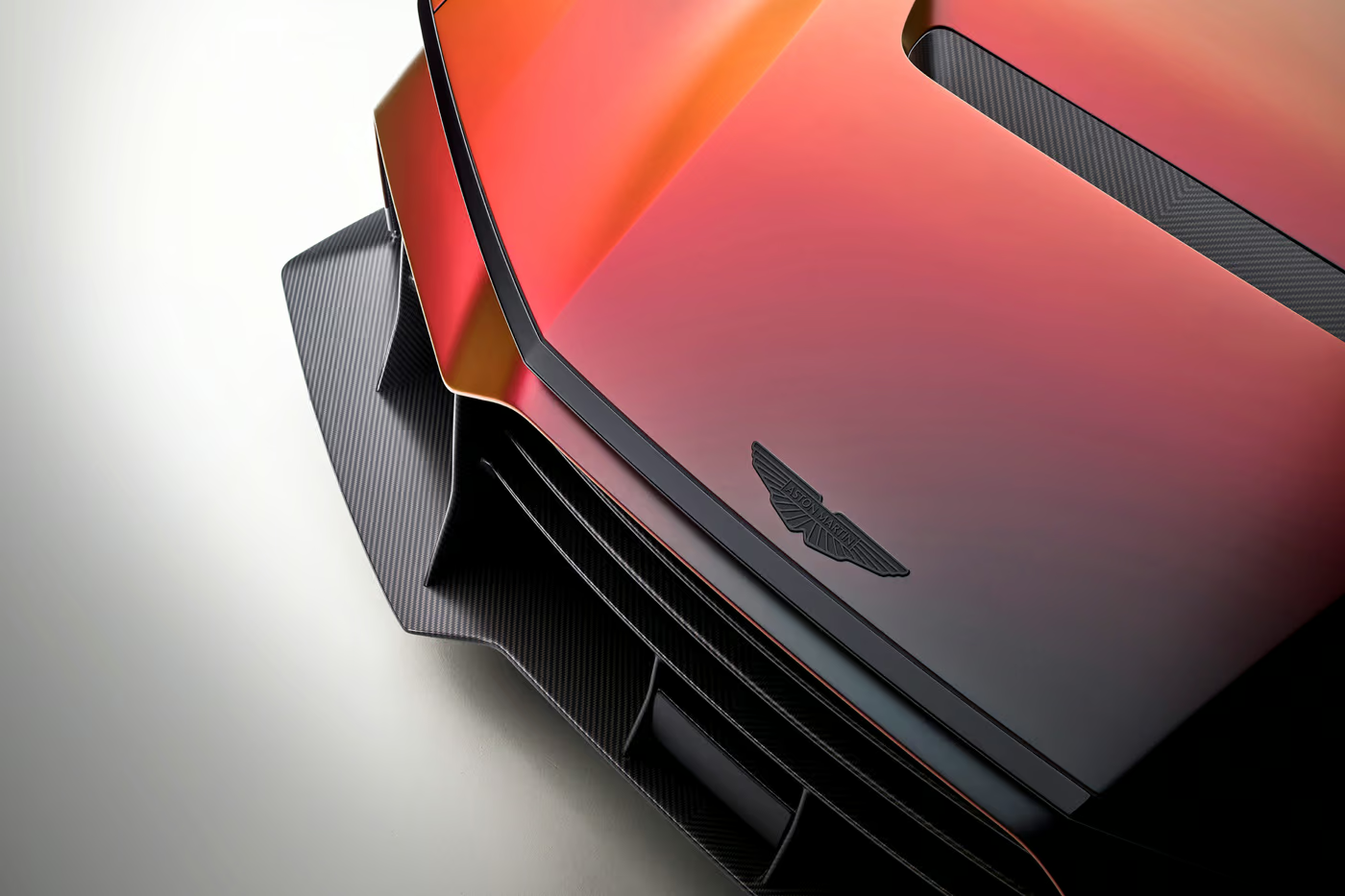
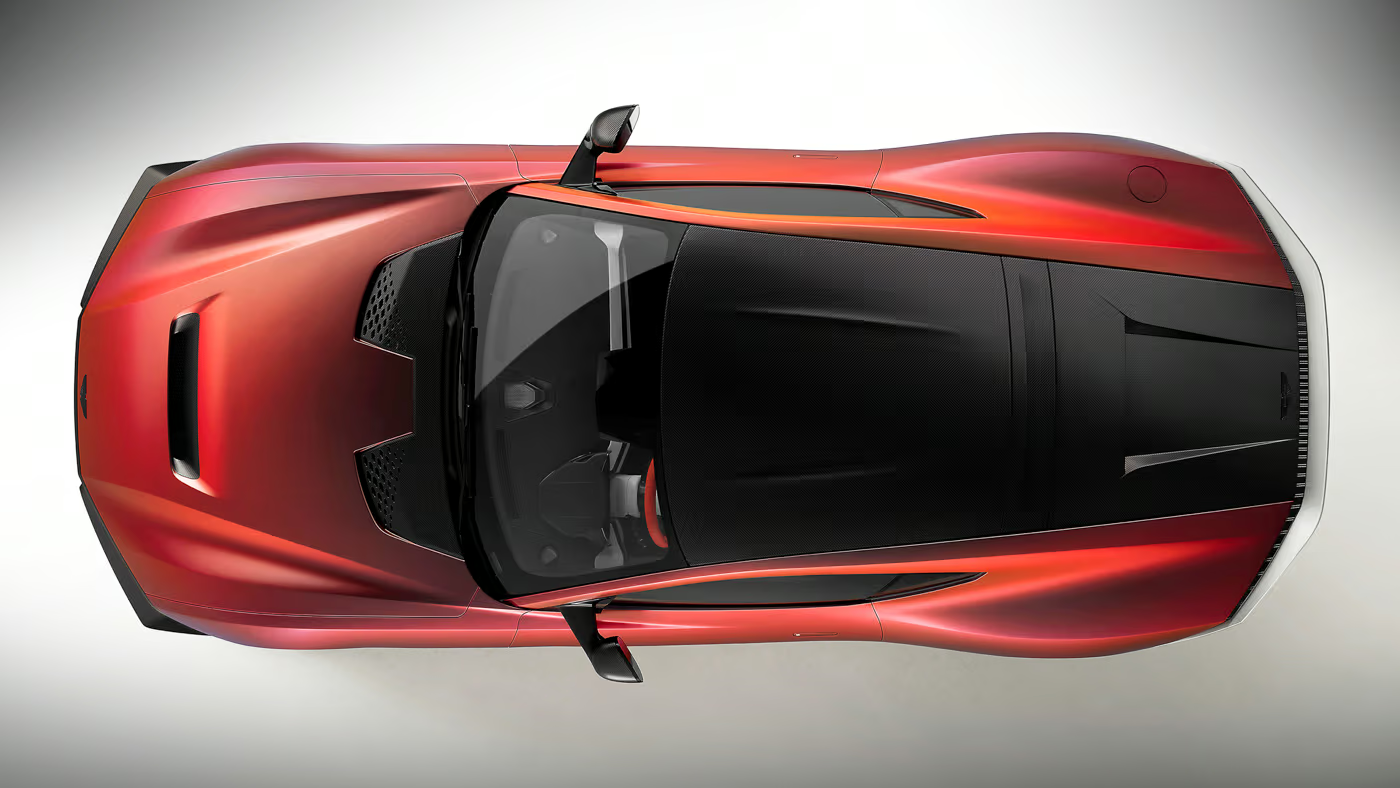
The paint itself deserves a mention. It uses Chromaflair pigments to shift dramatically with the light, moving through deep red and copper into gold and flashes of blue depending on the viewing angle.
Back on the bodywork, the roof carries an exceptionally subtle double-bubble profile in another nod to the V8 Vantage Zagato and its restrained interpretation of what is traditionally a more overt and curvaceous Zagato calling card.
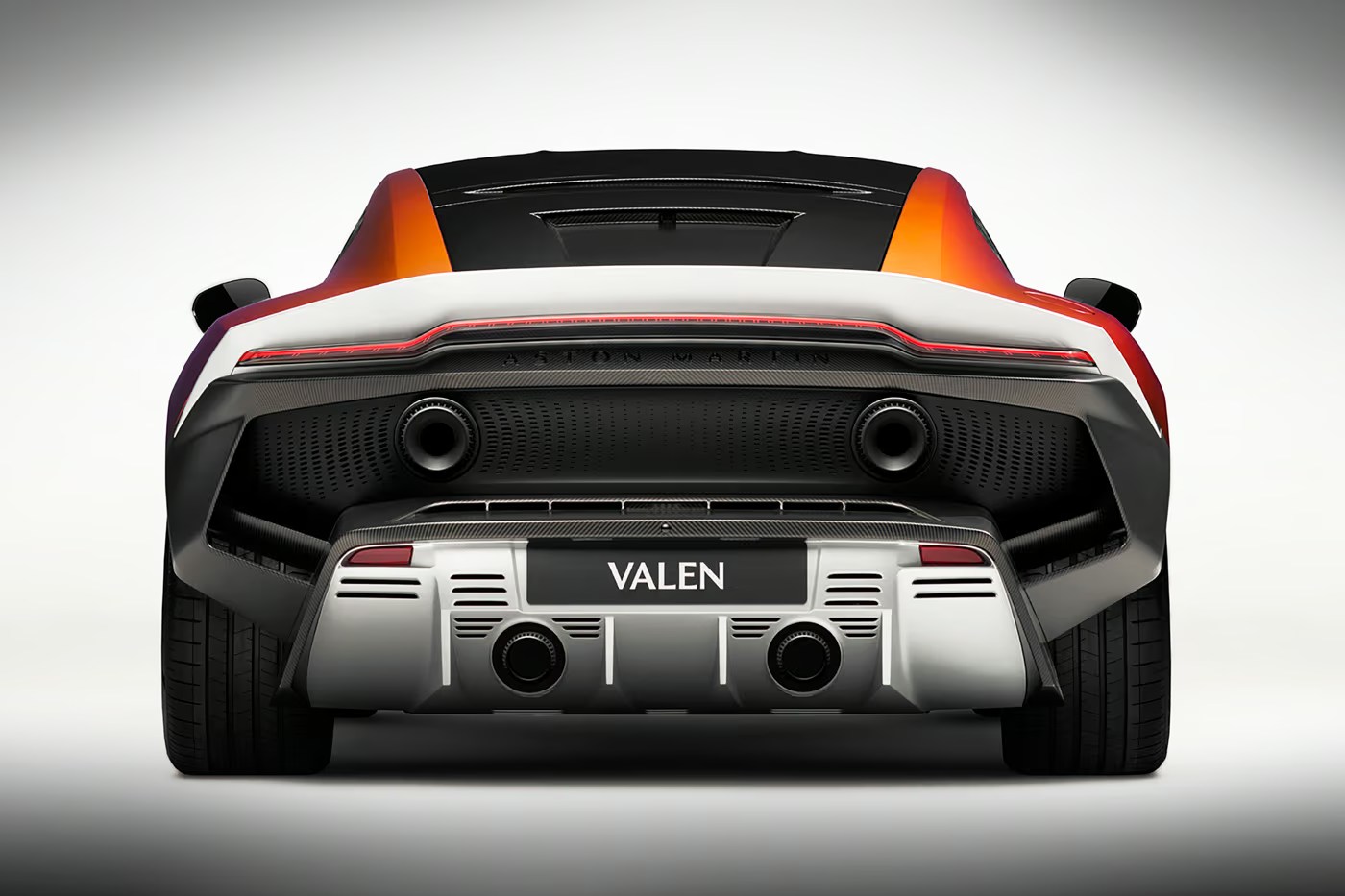
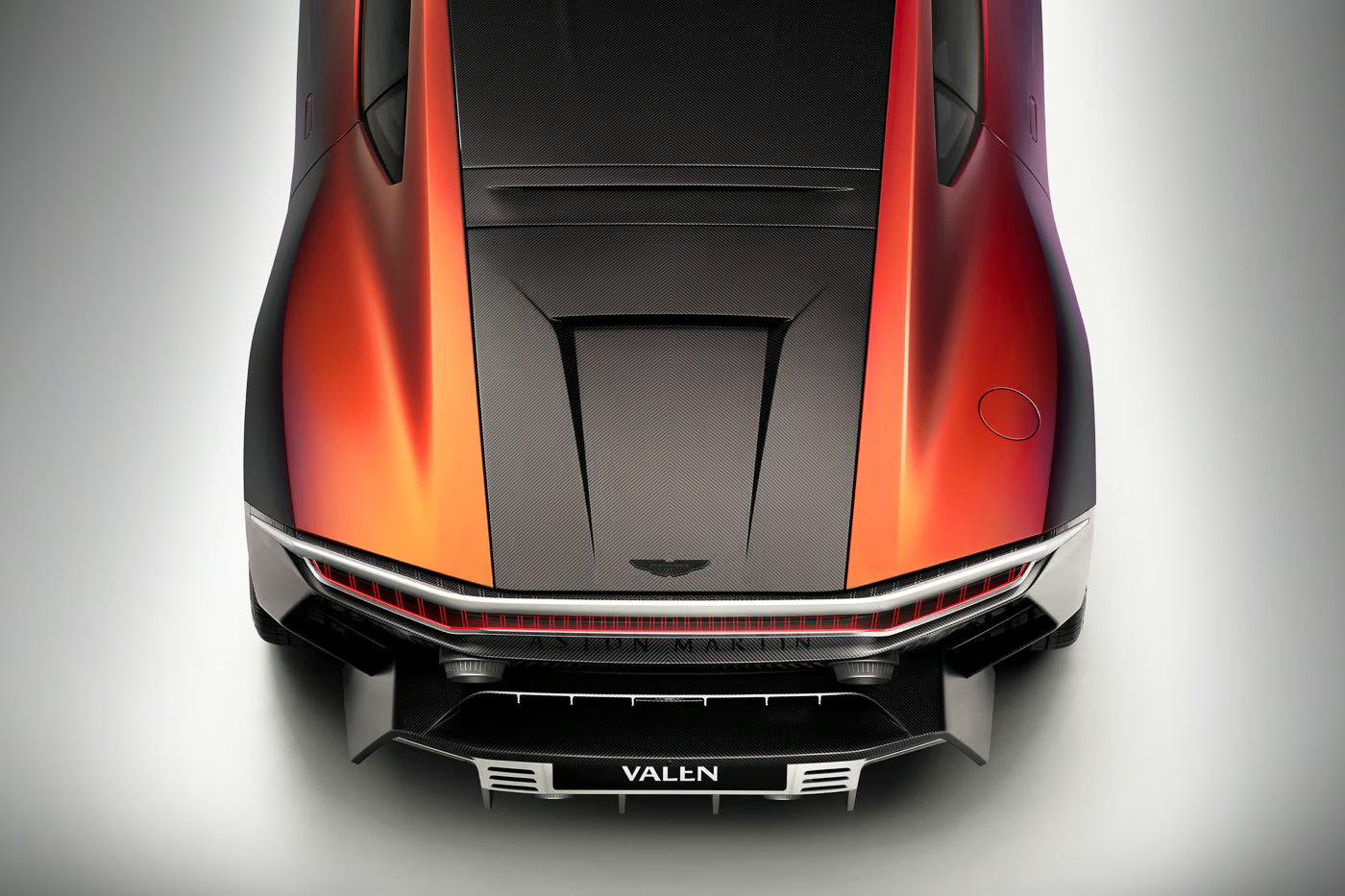
The rear works just as hard for attention as the nose, with much to take in. Viewed square-on, there is a definite mid-engined feel, with the broad haunches and aforementioned exhaust arrangement nestled within a full-width ‘grille’. The latter is actually a carbon panel punctured with cutaways that resemble mesh, while the deletion of the rear screen in favour of a vented panel completes the illusion. Given the reduction in boot space from 248 to 170 litres, the V12 might as well be amidships.
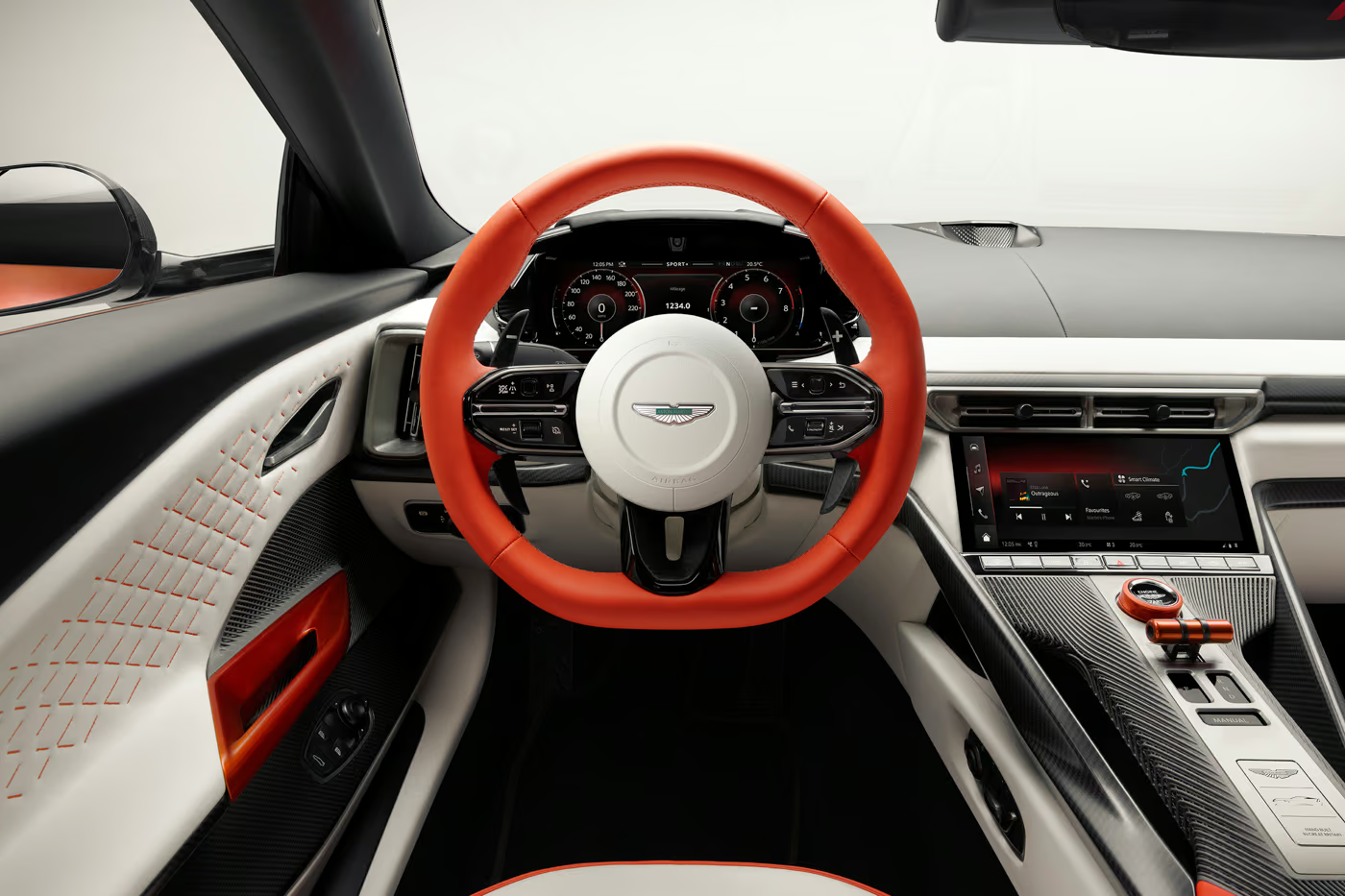
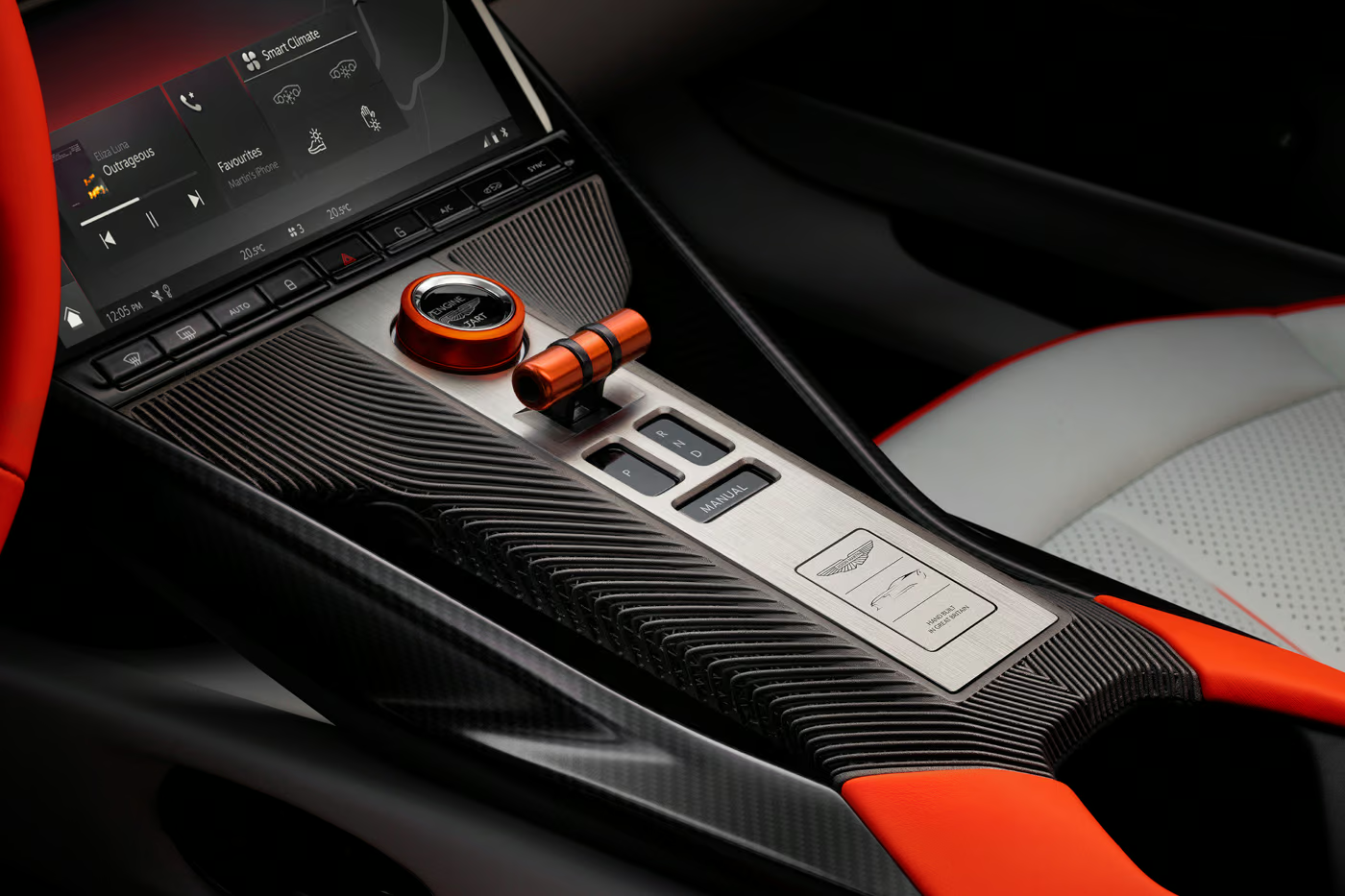
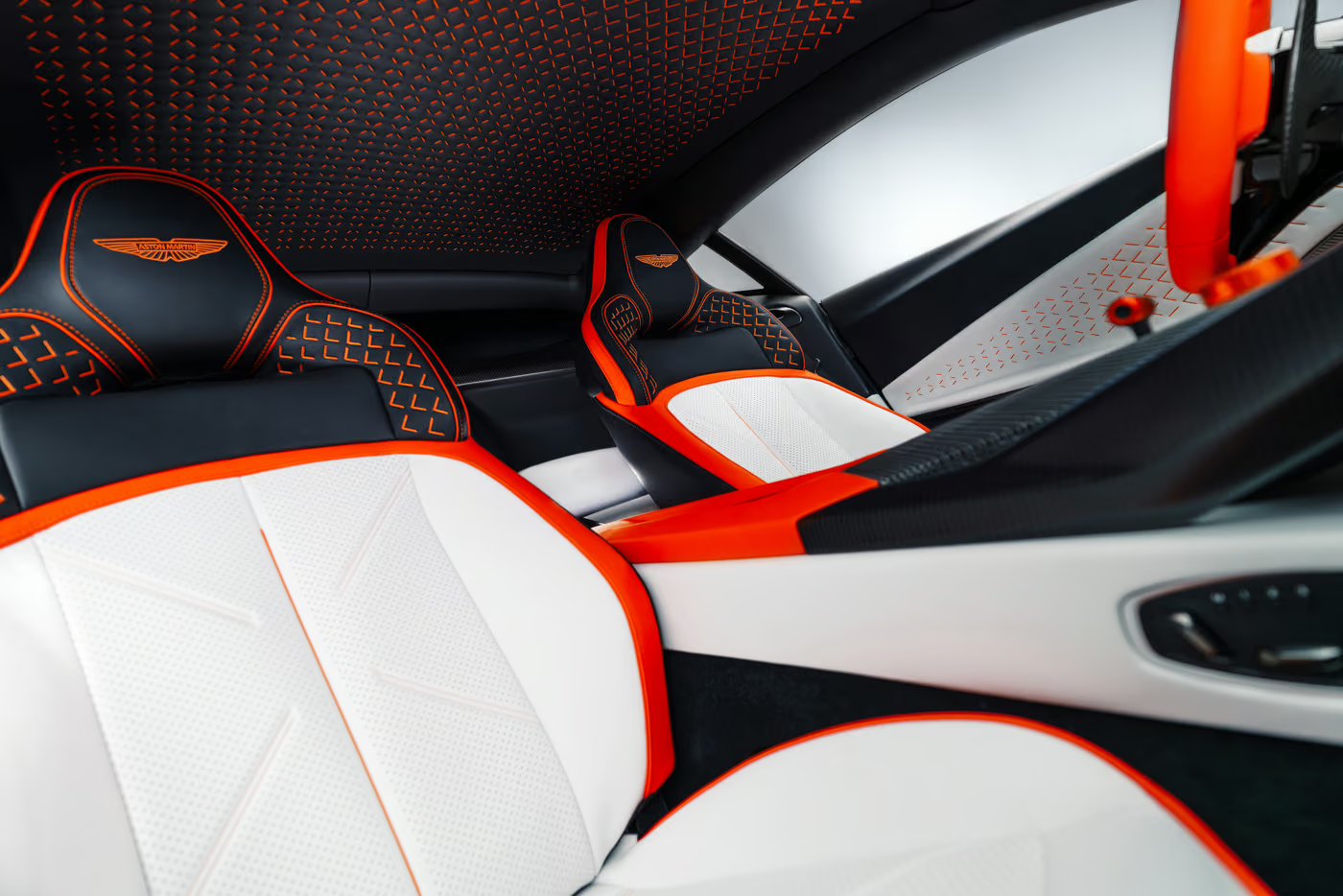
Inside, the drama continues with a high-contrast colour scheme. Chosen by the Q division, it pairs tangerine leather highlights – most eye-catchingly on the steering wheel – with an almost white, silver-grey hide featuring tightly spaced quilting on the door cards and headrests. Only the sharpest eyes are likely to spot Aston Martin’s claimed ‘new interior architecture’ beneath it. In reality, the changes amount to a slimmer centre console with Valhalla-derived switchgear, revised 3D-printed air vents and new sports seats.
Aston Martin will build 150 Valens, with first deliveries scheduled for the second quarter of 2027. Official pricing has yet to be announced, although EVO reports a figure of £1.5 million before personalisation.
More interesting is what the Valen says about Aston Martin’s increasingly prolific specials programme, which seems to have quietly brought the fertile ground historically occupied by its Zagato collaborations in-house. After Valour and Valiant settled on Vantage-derived underpinnings, the formula has moved back up to the company’s flagship front-engined GT platform.
Aston Martin’s V12 specials have rarely struggled for buyers, and there is little reason to expect the Valen to be any different. With the company reporting more than £1.5 billion in net debt in its latest results, the business case is obvious. Expect more to follow.



.avif)

.svg)

