-01.svg)
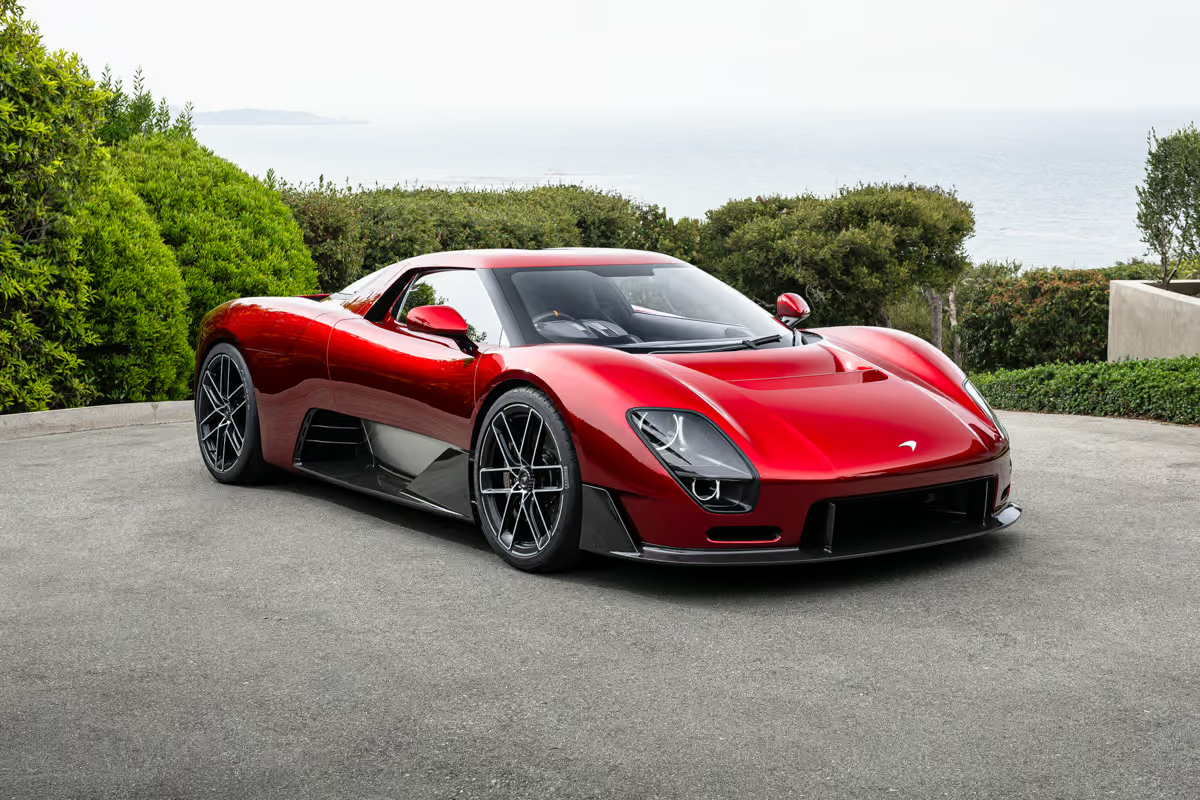
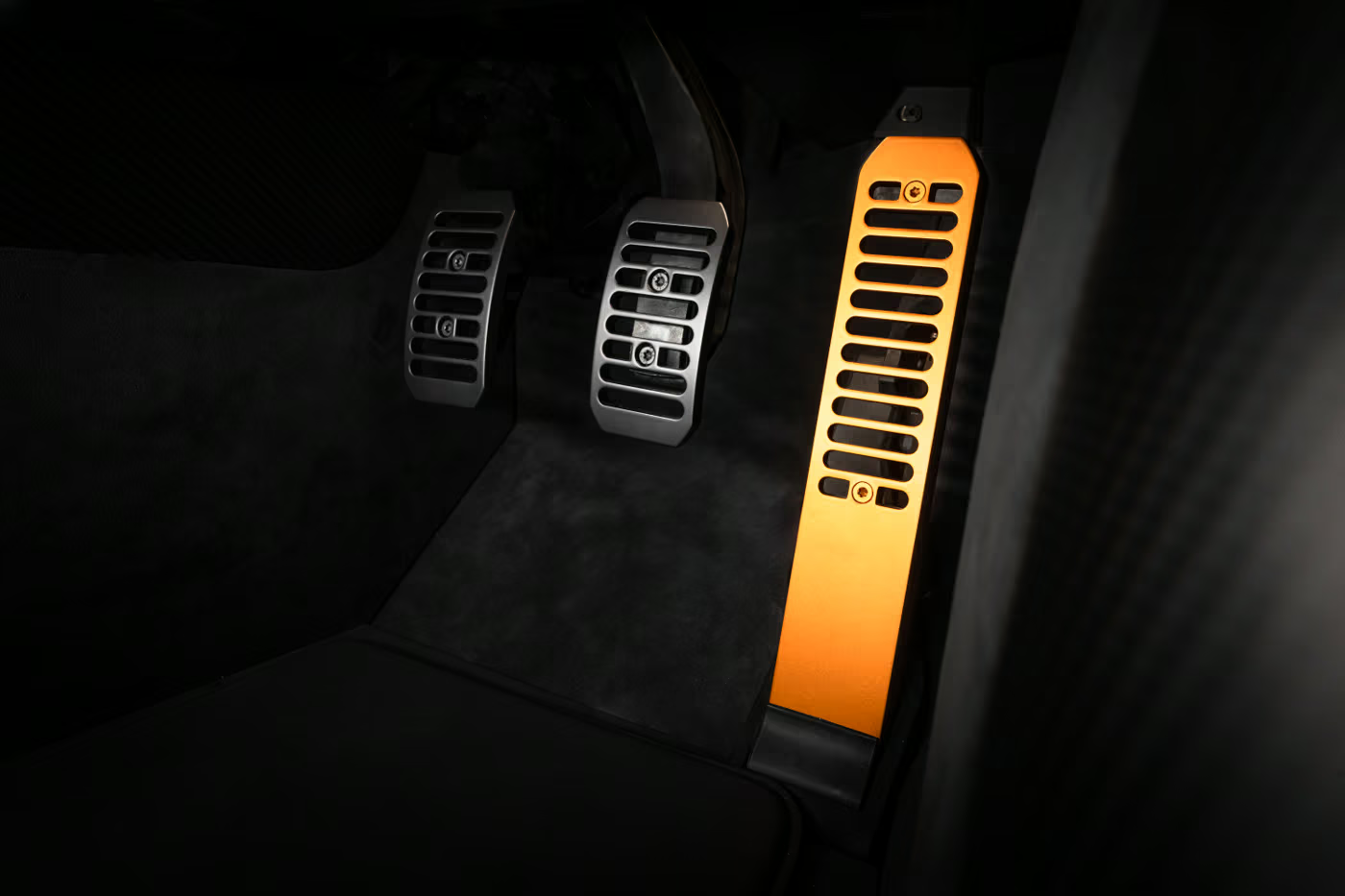
Revealed at Monterey Car Week, the McL 6GT Concept signals several departures from McLaren’s established playbook, chief among them the return of an 'authentic manual transmission' – a clear and mischievous barb aimed at the Ferrari 12Cilindri Manuale. Notably, the 6GT is set to be the first three-pedal McLaren since the F1.
Yes, that means the McL 6GT is destined for production. Due in 2028, McLaren describes it as the foundation for a new, highly exclusive type of supercar positioned beyond the existing range. V8 power is promised, although McLaren won't be drawn on whether that refers to a new engine, or the evergreen M840T found in the 788HS.
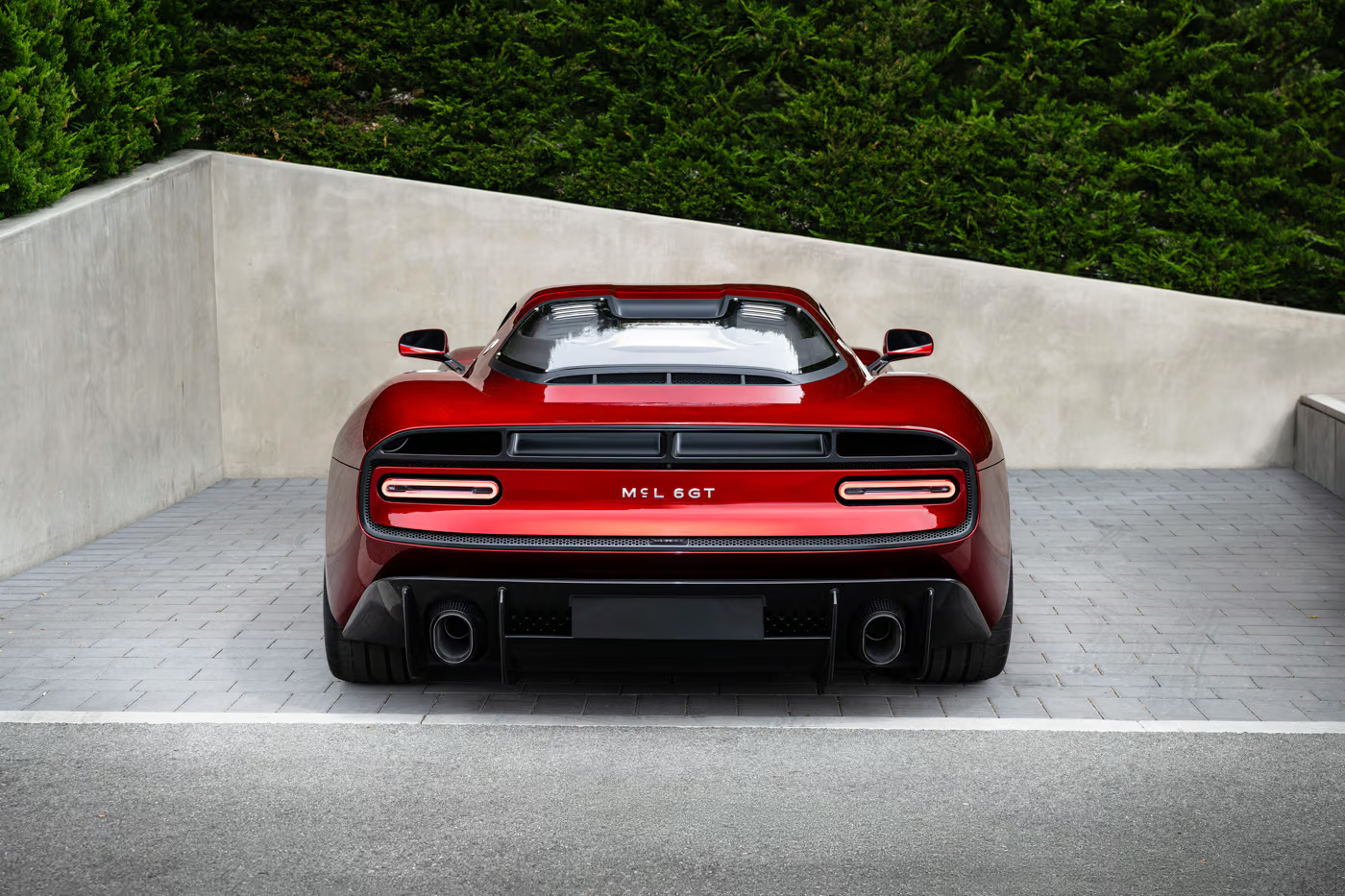
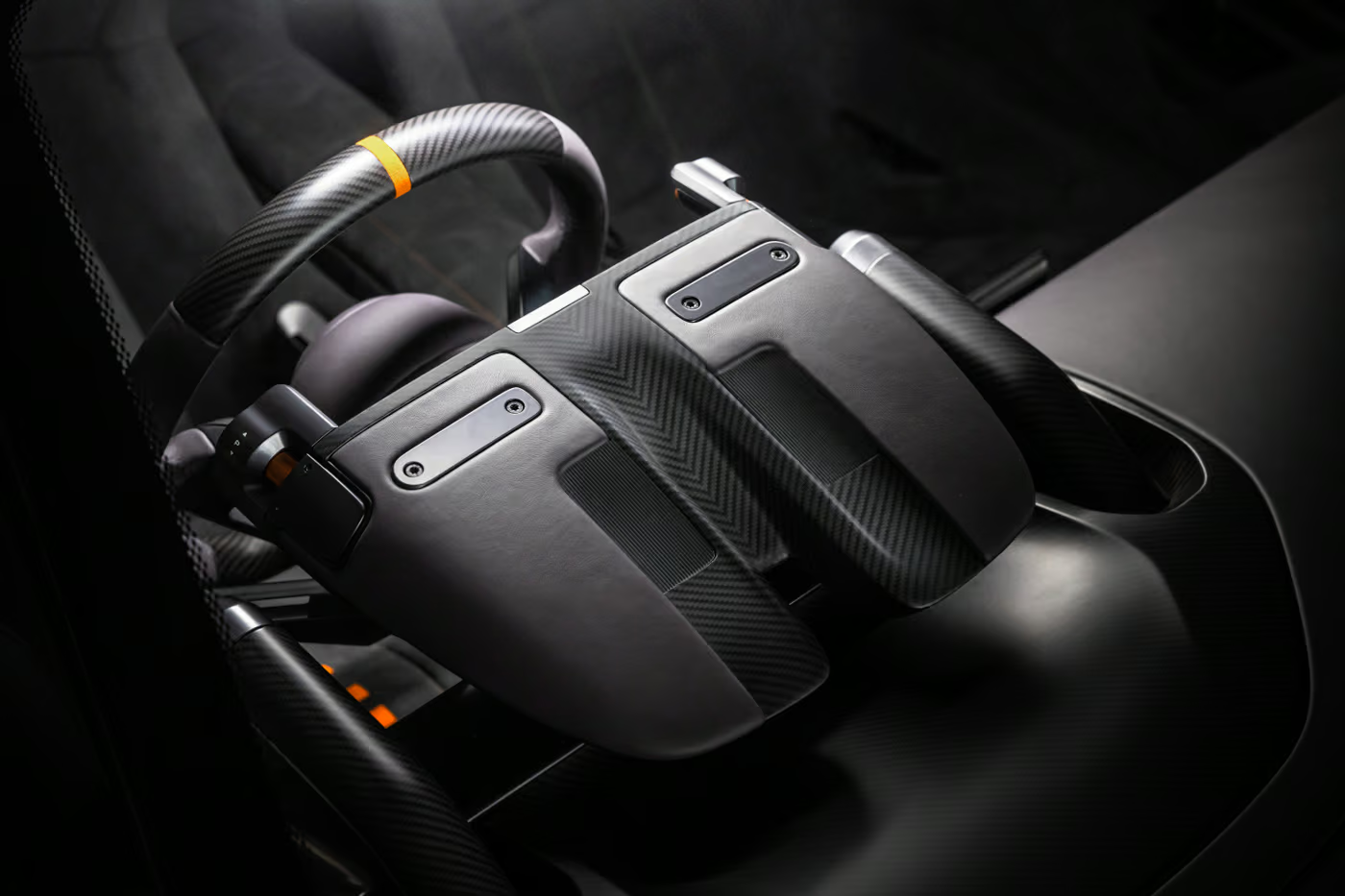
McLaren isn’t giving any numbers away either, leaning on rear-wheel drive, hydraulic steering and physical switchgear as evidence of an unapologetically analogue driving experience. It’s being similarly coy about weight, simply confirming the 6GT will use ‘the latest super-lightweight carbon fibre monocoque technology, combined with carbon fibre bodywork’.
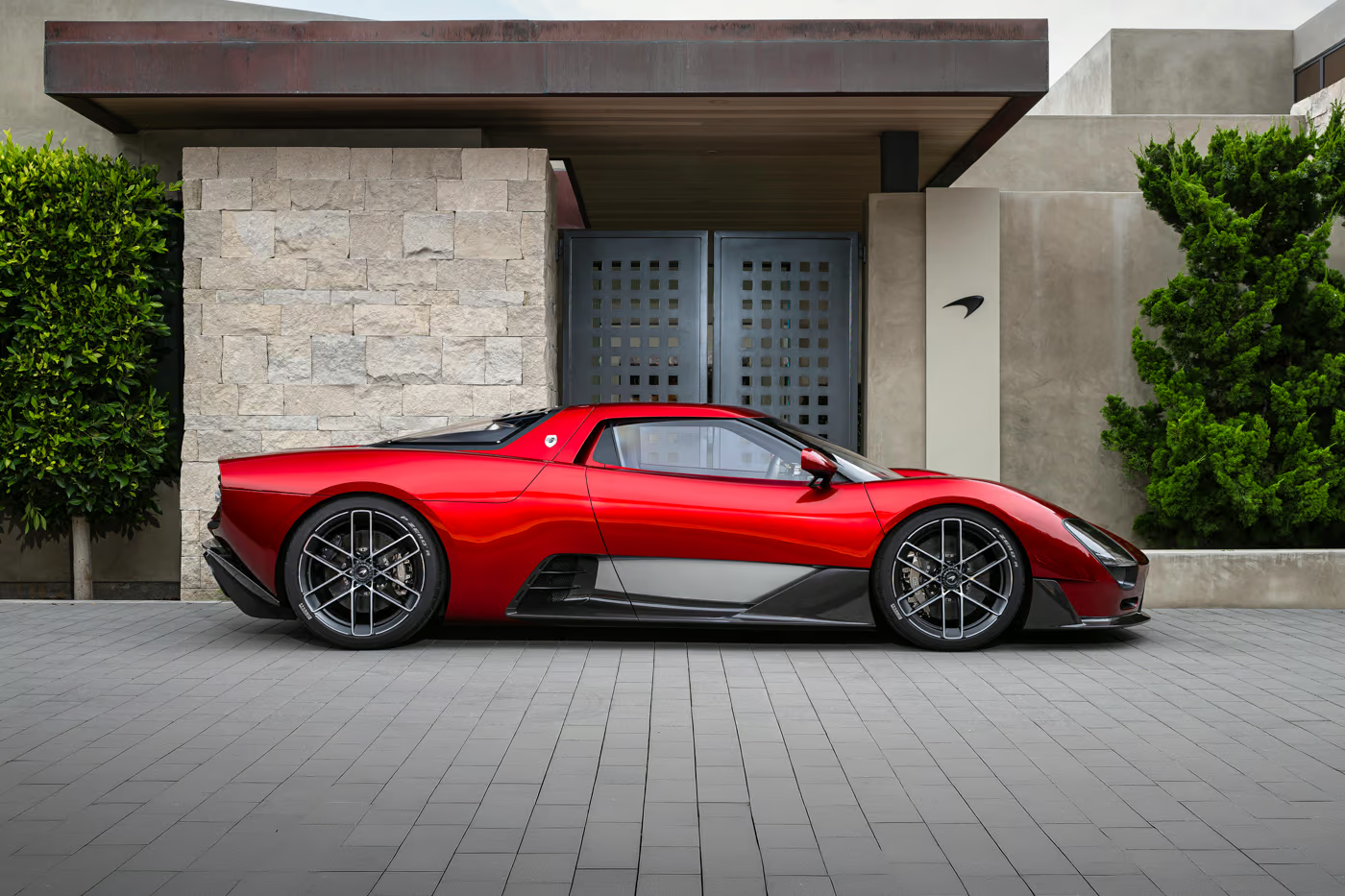
The design language – quite literally – marks a hard departure from the norm too. McLaren is a company best known for looking forward, yet here it is talking about heritage and origins. Even so, the 6GT avoids falling into outright retro pastiche, instead providing a contemporary update of the source material. The low nose, oversized headlights, broad shoulders and generous glasshouse have clearly been executed with no visible concessions to active aero or chasing lap times.
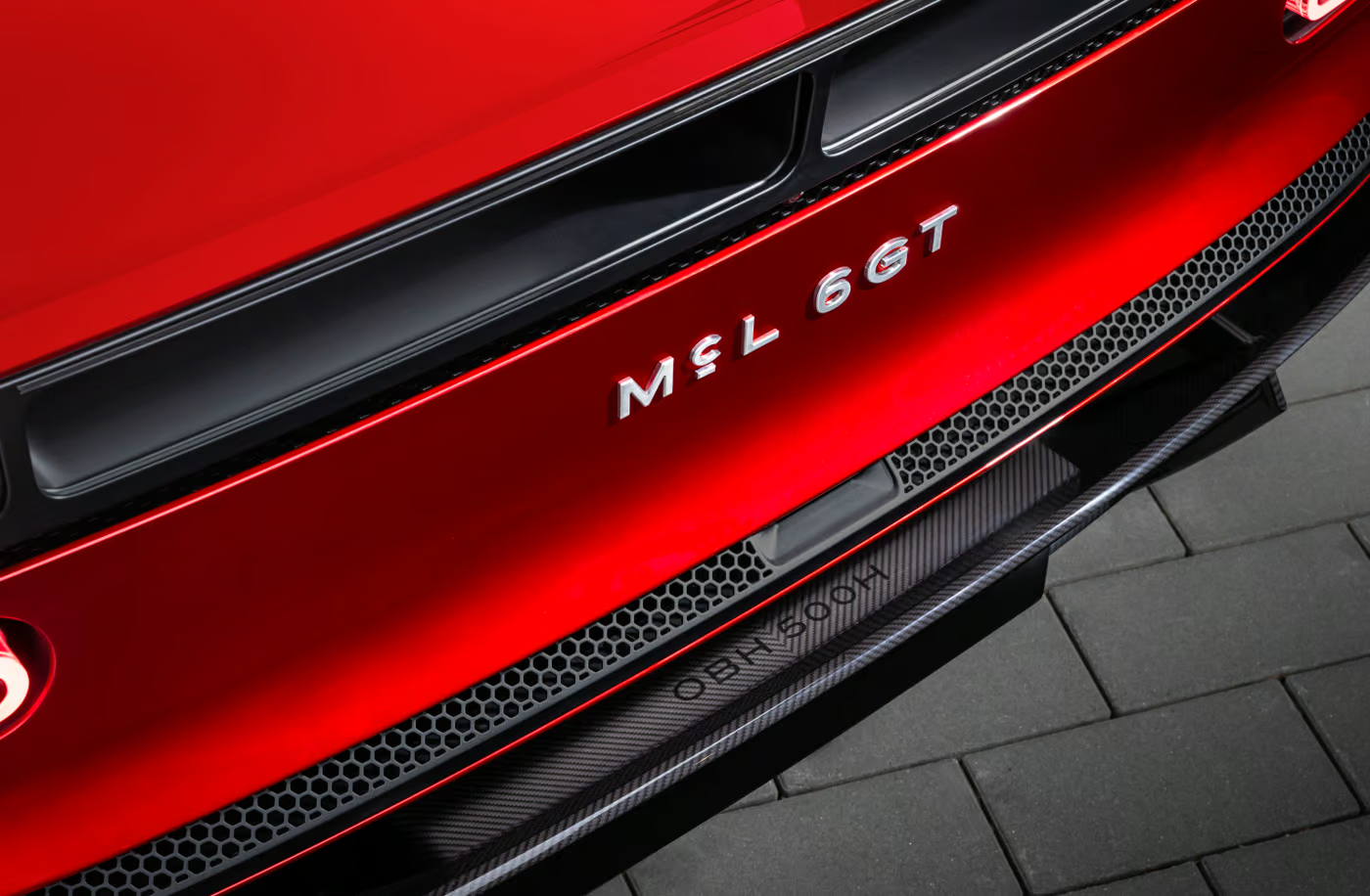
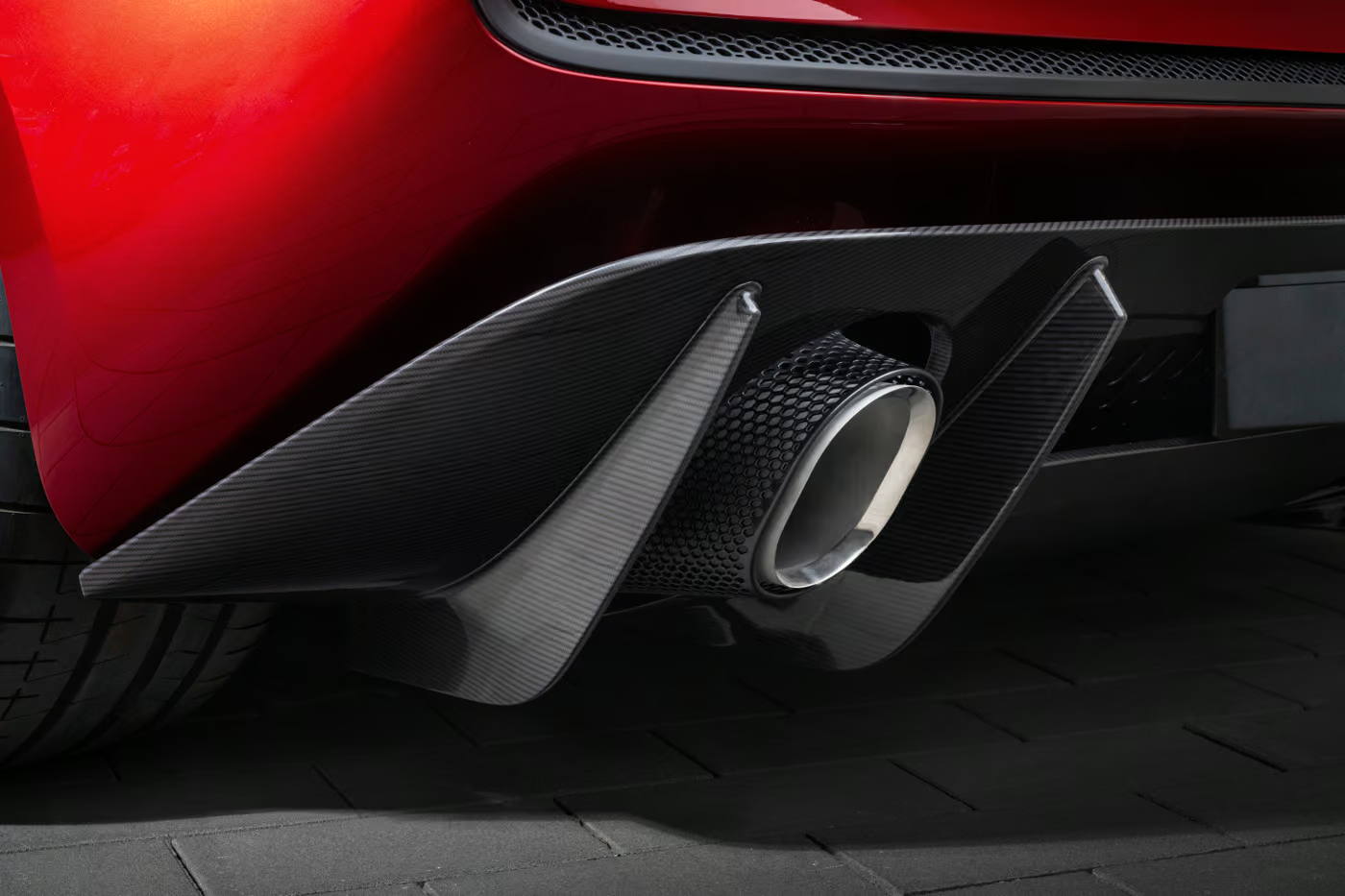
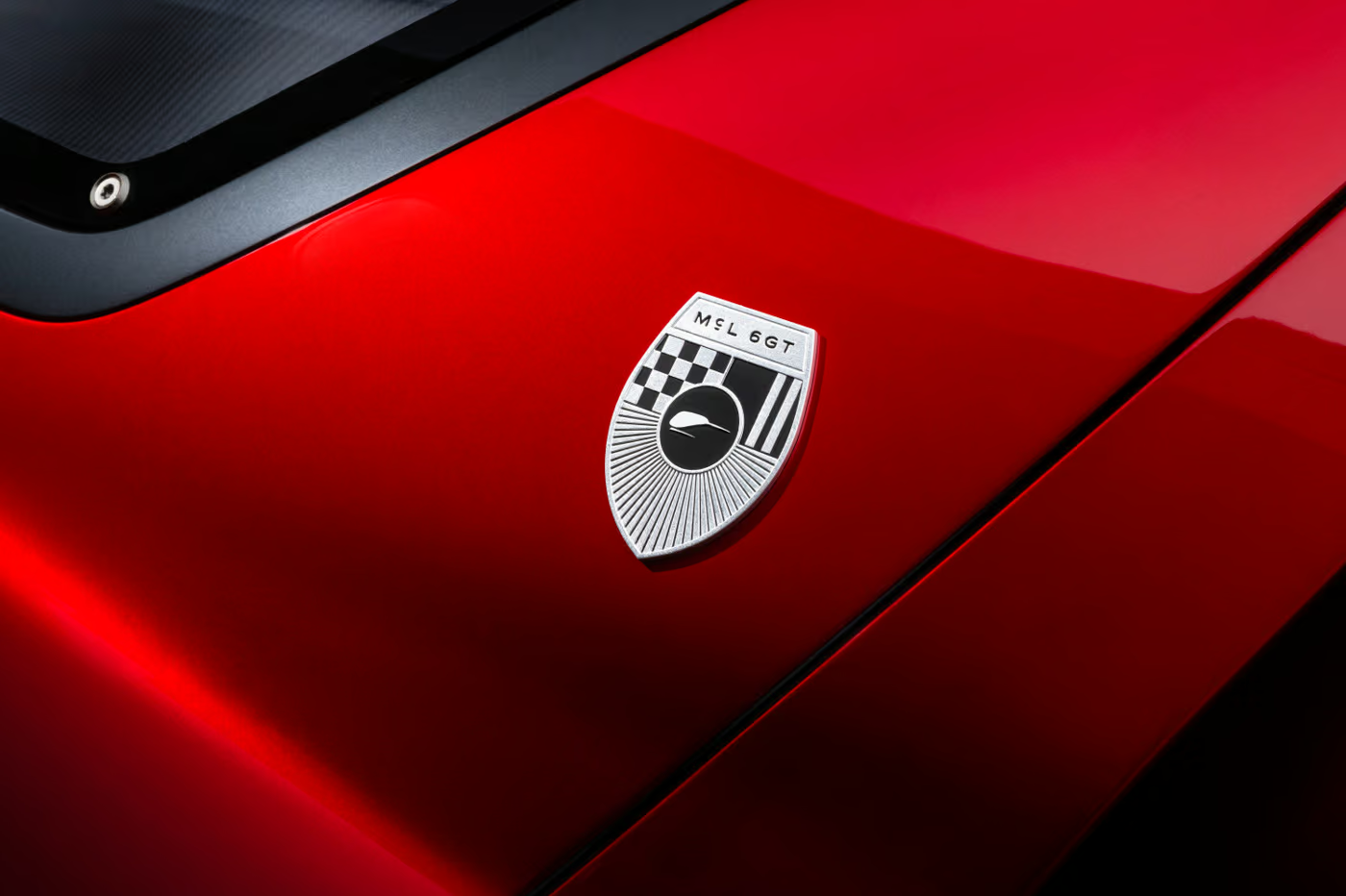
There’s a trace of the GMA T.33 in the side profile, with the steeply raked screen, large but low intake pods discreetly tucked into the sills, and sawn-off Kamm tail. A shallow channel runs down the centre of the roof, feeding what appears to be an intake carved into the top of the rear screen. There’s also a hint of XJ220 in the way the rear haunches roll over the arches and taper away, while the tail itself has an oval theme going on, with the exhaust tips, tail lights and floating ‘racing panel’ all bearing the shape. It’s an exercise in timeless restraint – one that shuns the trend for gigantic diffusers. A particularly classy touch is Bruce McLaren's M6GT registration, OBH 500H, discreetly set into the carbon beneath the badge.
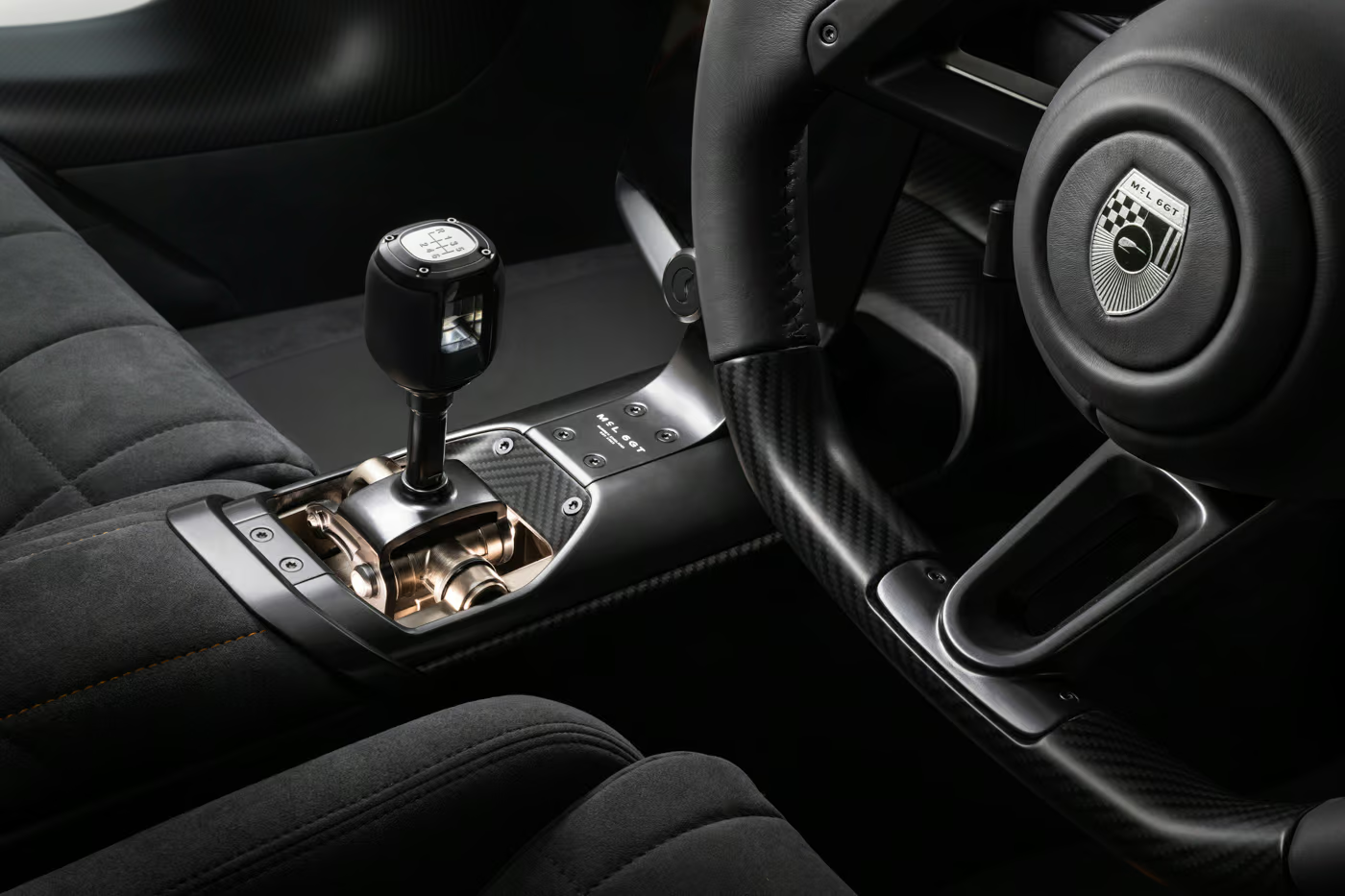
In terms of the interior, McLaren has shared all the details – but not the images. Boxed quilting works the heritage angle, while exposed gloss carbon and knurled aluminium switchgear add contemporary nods to the M6GT. The transmission tunnel foregoes the supercar staple of an open gate, instead opting to directly expose the linkage beneath the gearlever, which features a three-dimensional Speedy Kiwi set within its upright.
Ultimately, fulfilling the analogue vision may hinge upon a single decision: what resides in the engine bay. In a stratosphere of naturally aspirated 11000rpm Cosworth V12s and 9000rpm Ilmor Engineering V8s, standing by the turbocharged M840T would be a gamble, given it already receives criticism for its character at the £250,000 level.
Bruce McLaren said of the original M6GT: 'Some way down the line I think it is bound to happen. I hope it happens.' The concept certainly has the feel of a finished article – 2028 already feels too long a wait.







.svg)

