-01.svg)
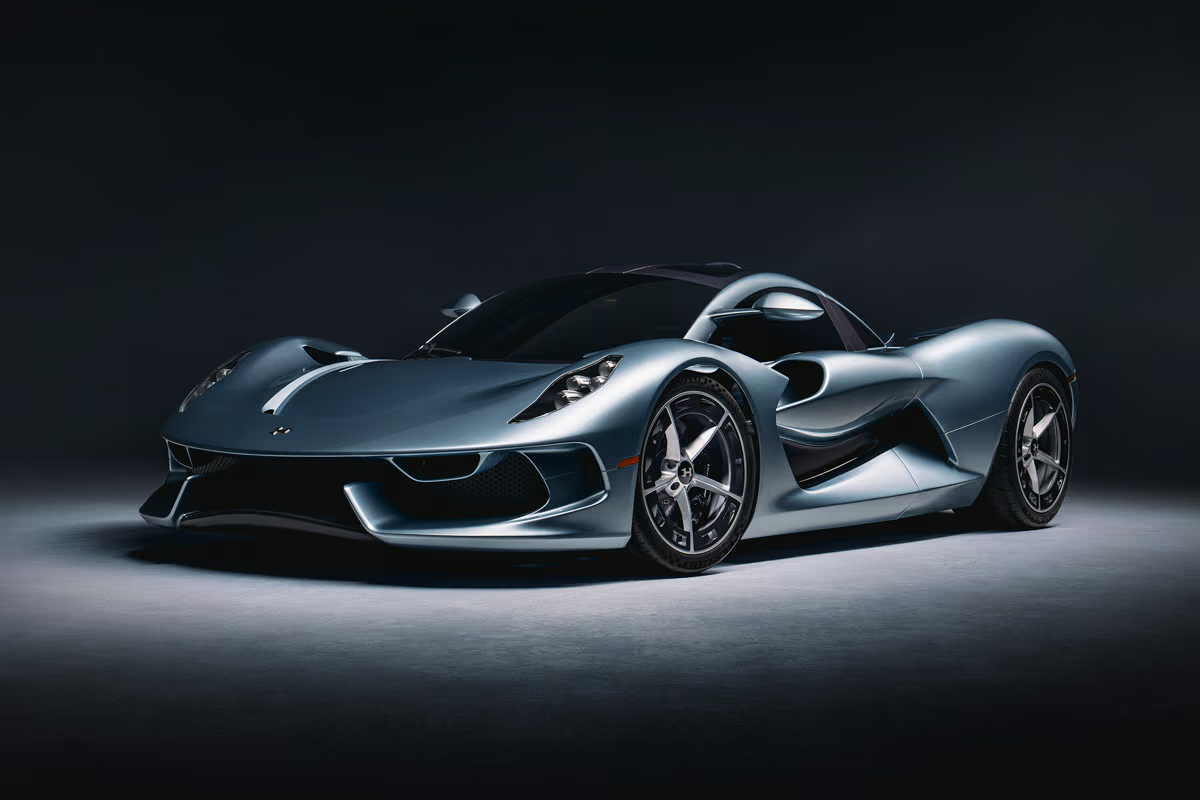
With a top speed of 220mph, and a targeted output of 800–850bhp, the new Hennessey Blackbird still justifies its membership of the hypercar club. But what matters is how those numbers are generated, and how they’re channelled.
Described by Hennessey as a touring hypercar, the Blackbird prioritises an analogue driving experience. Central to this is the all-new, 6.2-litre naturally aspirated V8 in development with Ilmor Engineering, said to rev beyond 9000rpm. Where the F5’s twin-turbocharged 6.6-litre ‘Fury’ engine descends from the Chevrolet LS architecture – pushrods and all – the as yet unnamed unit will run overhead camshafts. Hennessey believes it will be the most powerful naturally aspirated V8 fitted to a homologated road car. That title currently belongs to the Corvette Z06’s 5.5-litre LT6, which produces 670bhp and spins to 8600rpm.
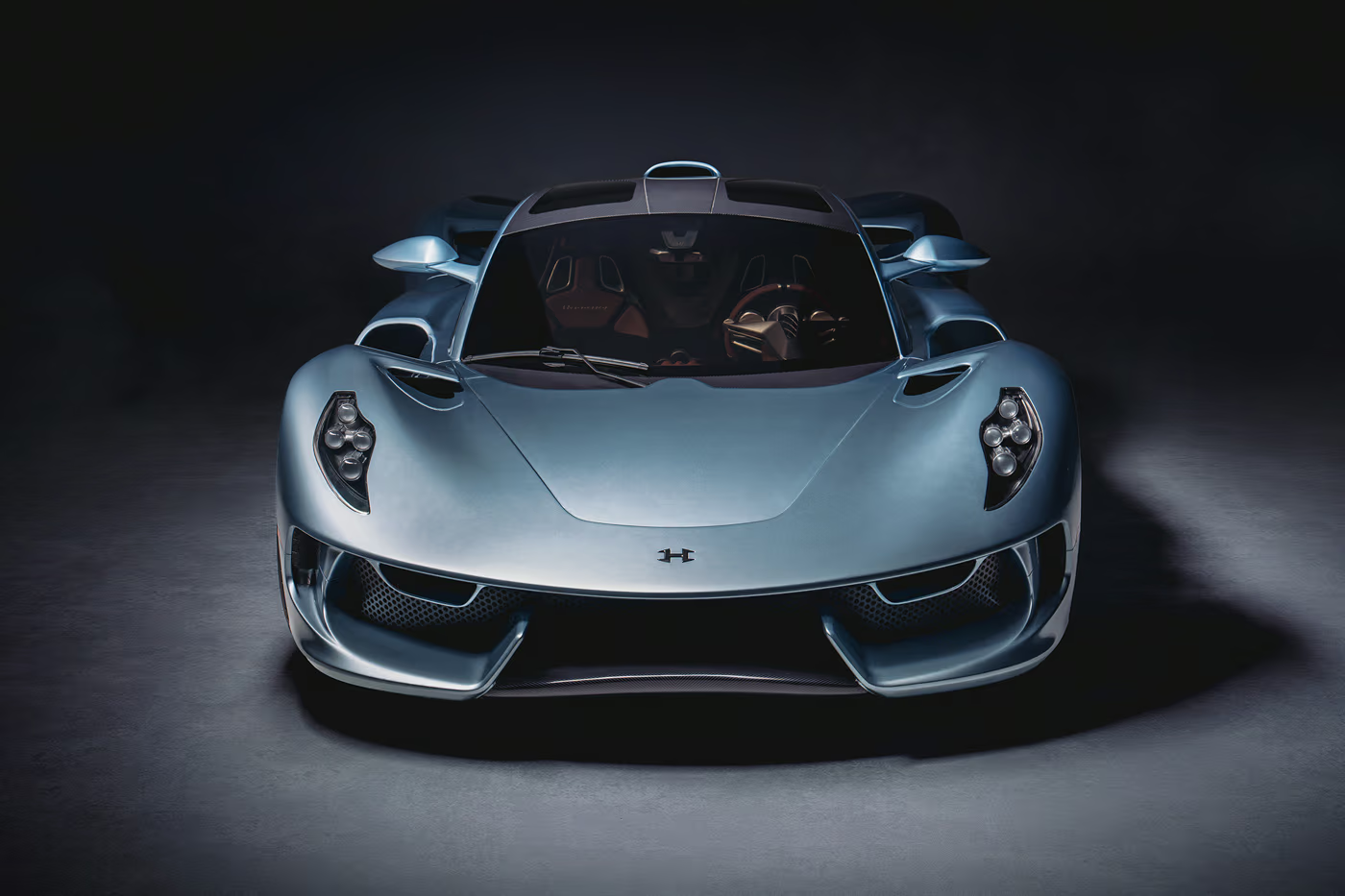
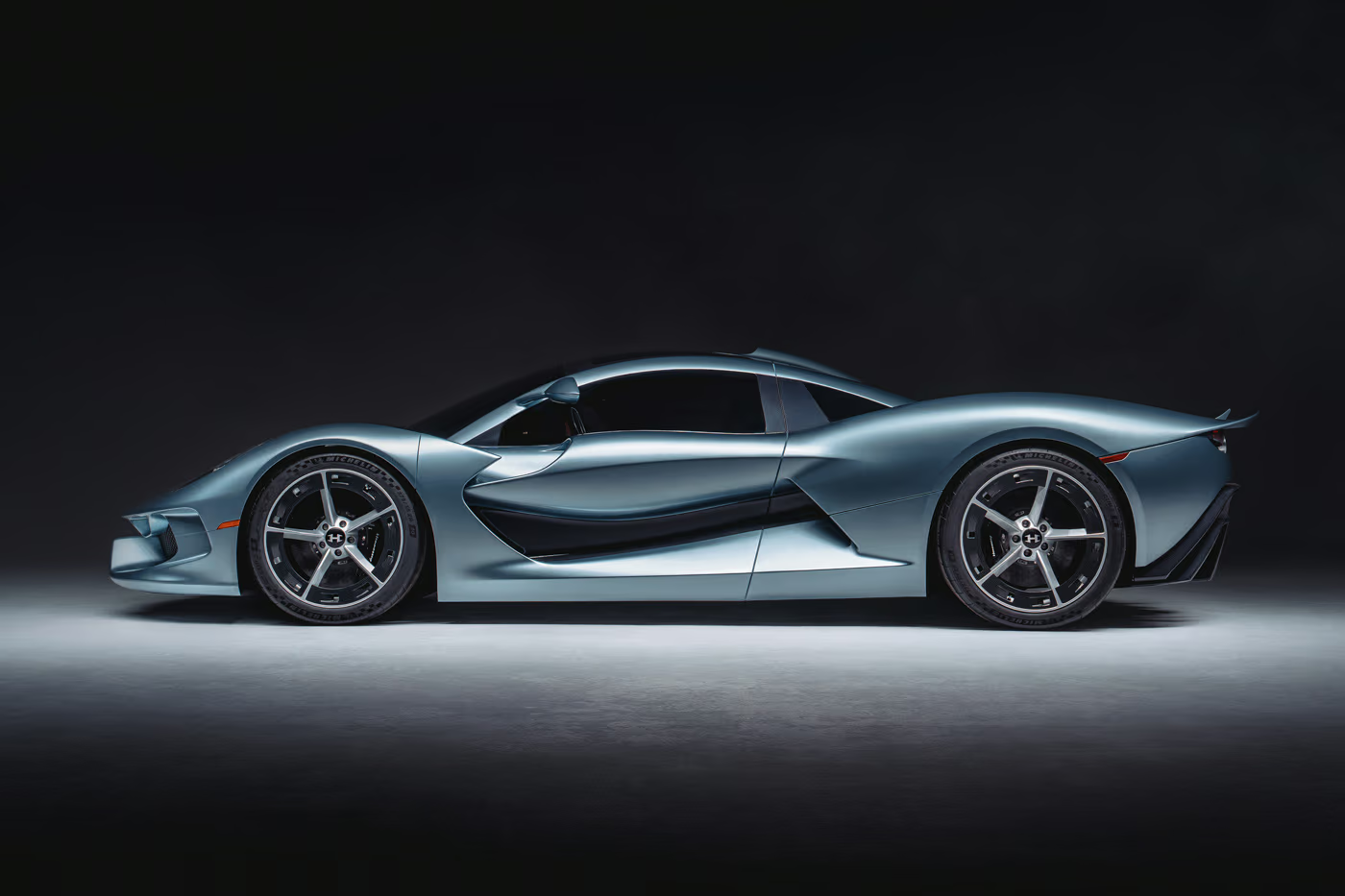
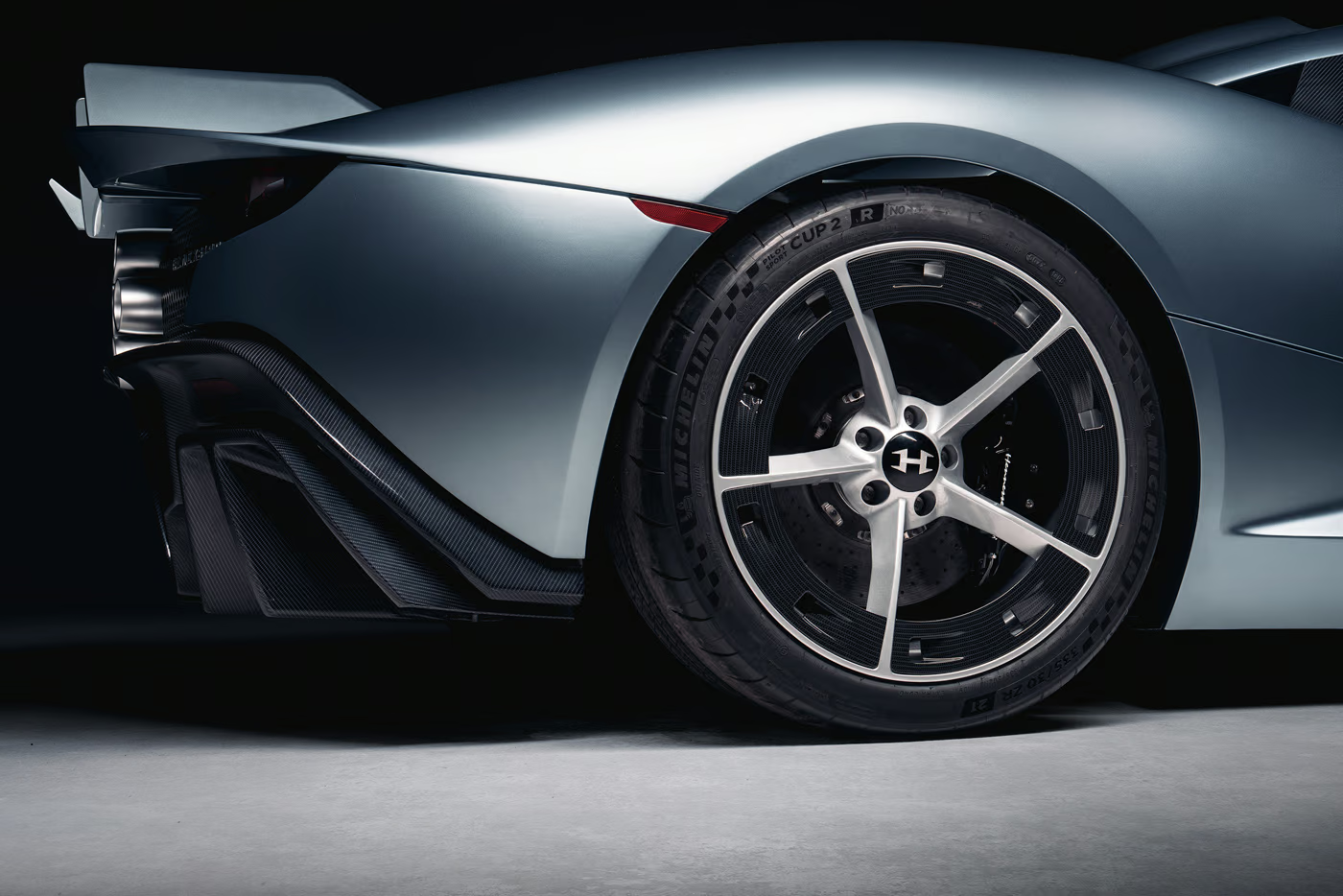
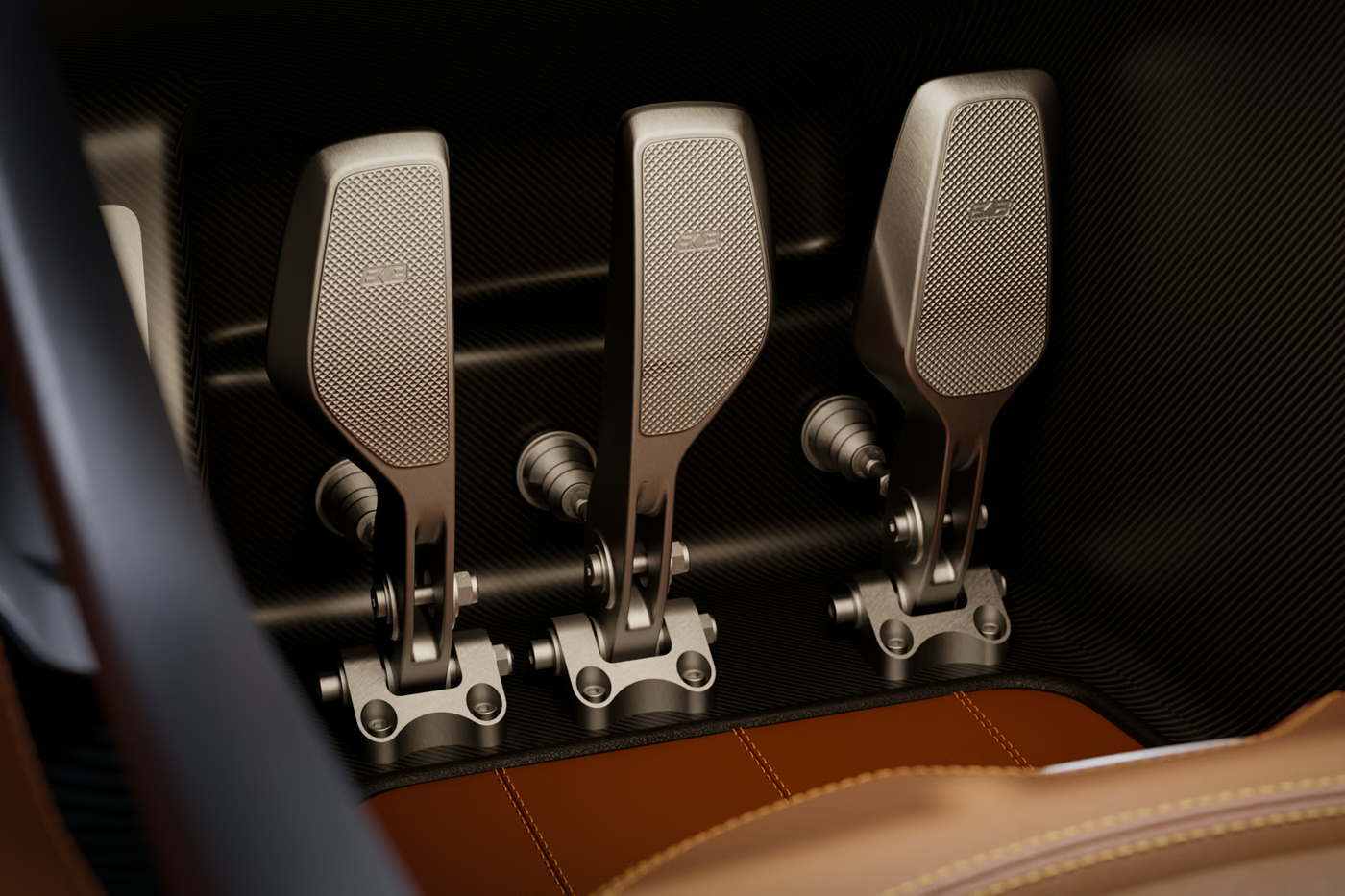
As per the Revolution LF, power is sent to the rear wheels via a six-speed manual transmission that features a gated lever with exposed linkage. The tub and bodywork are carbon, the suspension is inboard and pushrod-operated, and Michelin Pilot Sport Cup 2 tyres sit on 20-inch wheels. Driver aids start and end with traction control and ABS. Under 1360kg dry is the official claim, although John Hennessey has suggested a more ambitious 1224kg is on the cards.
Projected 0–60mph is 2.5 seconds. Given the firm’s penchant for a speed record, you would expect it to be gunning for the McLaren F1’s 240.1mph, unbeaten by a naturally aspirated car since 1998. The fact Hennessey isn’t chasing it is further confirmation of the new direction.
‘We got feedback that to some degree 1,800 to 2,000 horsepower can be a bit intimidating at times,’ John Hennessey has said, adding that the wider hypercar market was heading in what he called an unsustainable direction.
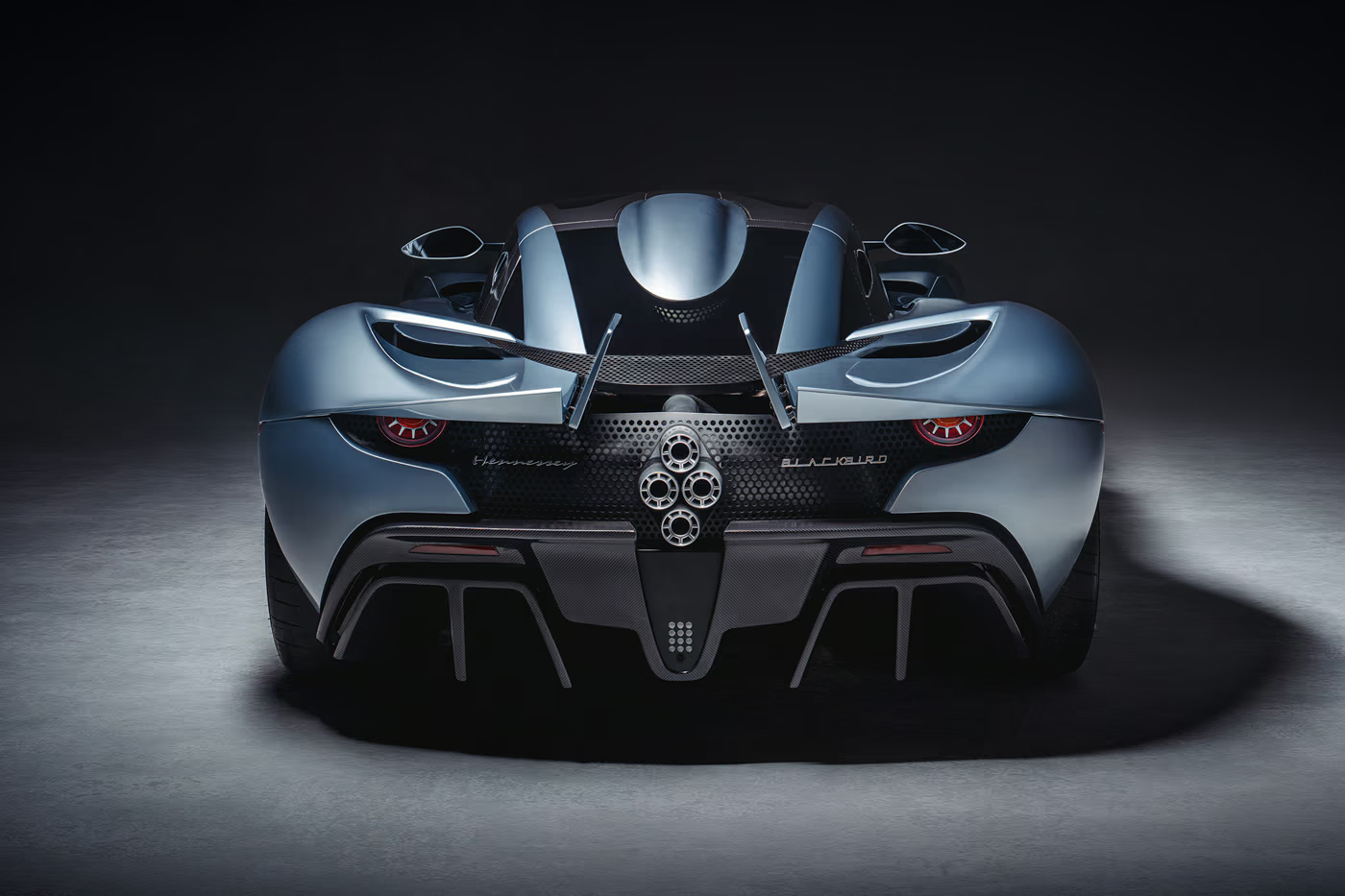
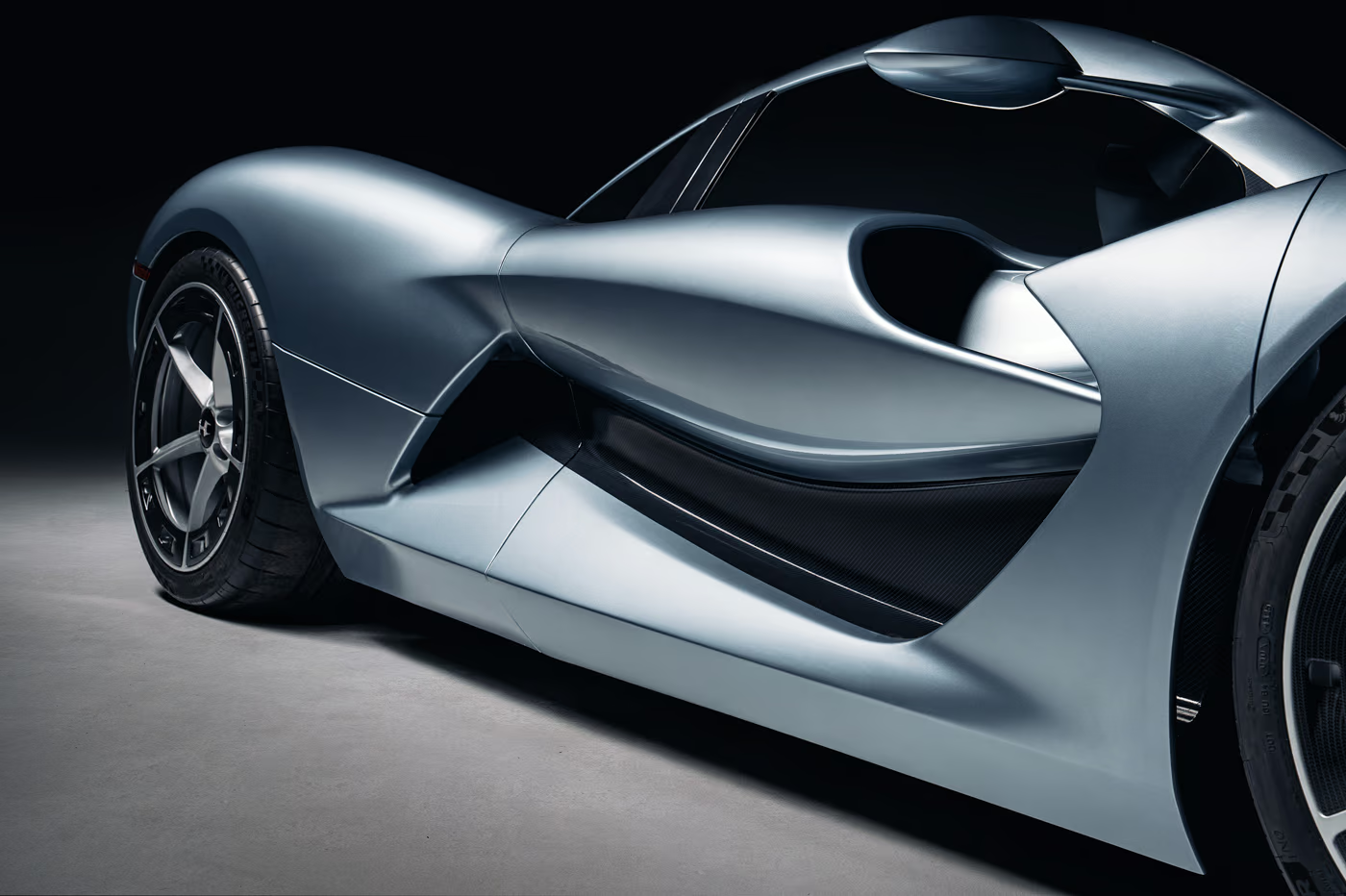
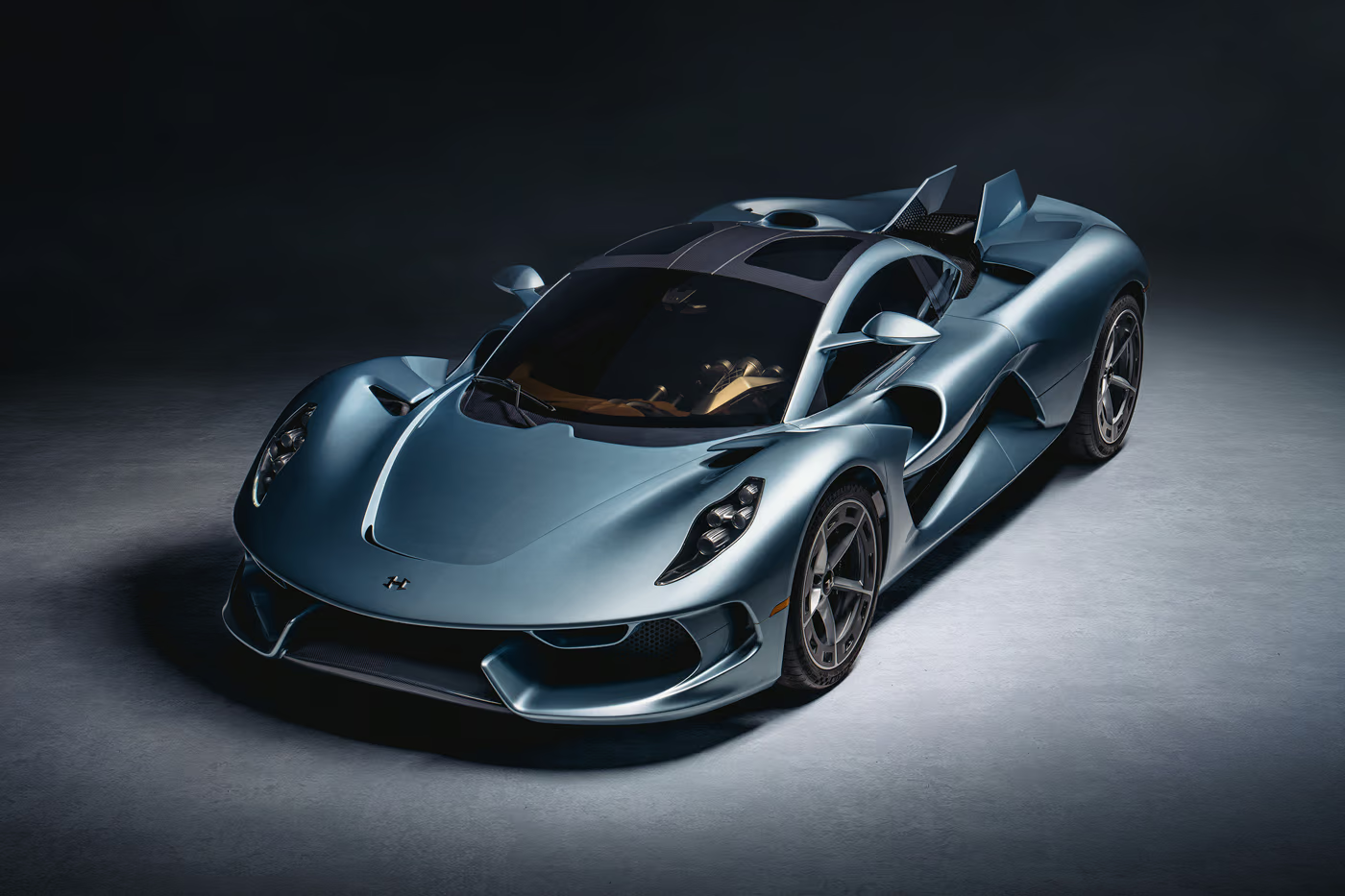
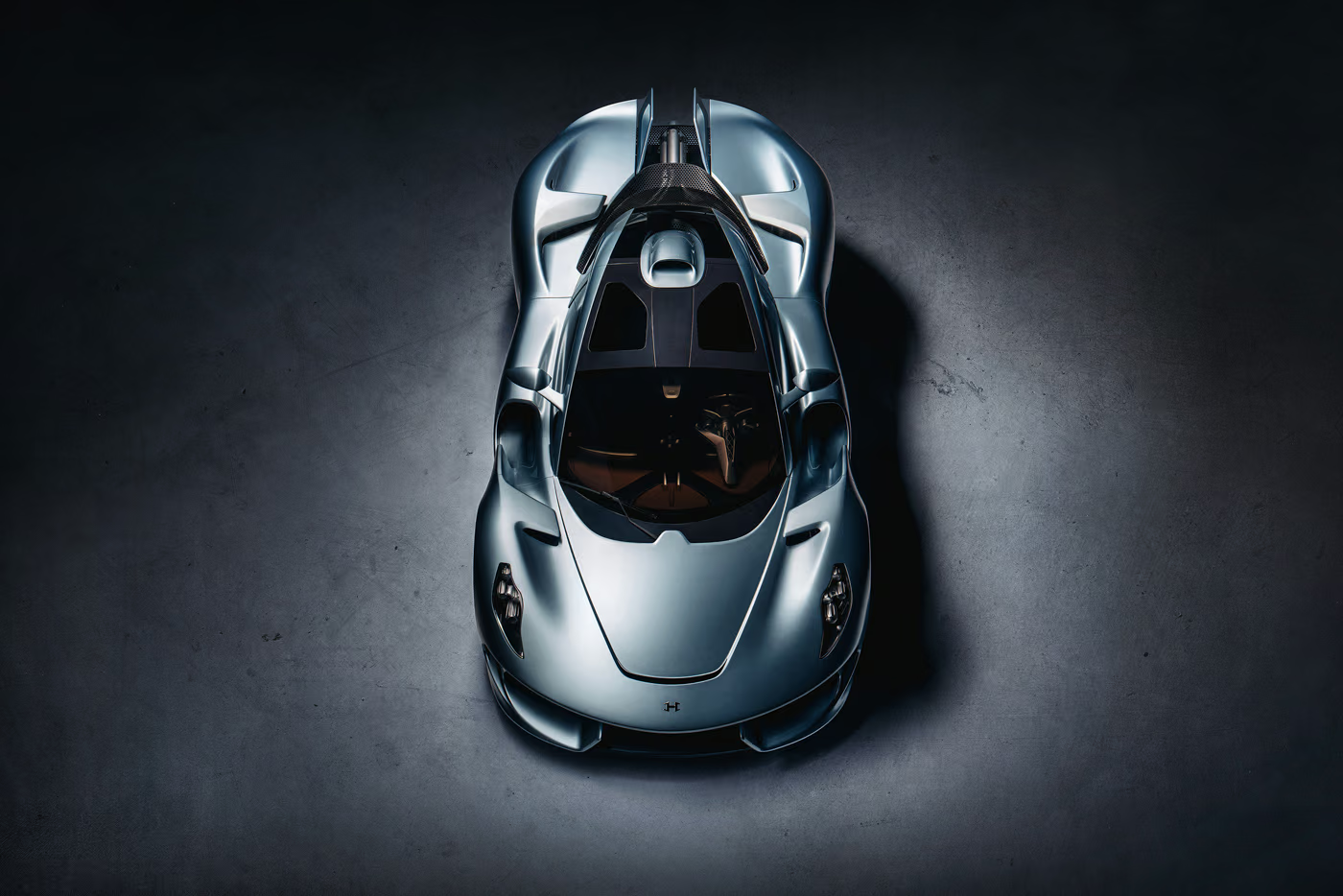
Hennessey trademarked the Blackbird name back in 2021, although it is only now that a design inspired by the legendary SR-71 spy plane has been shown. Without the need to satisfy a 300mph top speed, design director Nathan Malinick has been allowed to flex his creative muscles. He took the aircraft’s chine line as the car’s only hard crease and ran it the length of the flank. Nothing else on the body is sharp, with a riot of curves sitting above, including Formula 1-inspired side pods, winglets that cantilever over each arch, and mirrors mounted high on the A-pillars in tribute to the McLaren F1’s XP1 prototype. The roof scoop is a shaker item, attached to the induction system rather than the bodywork, so it moves with the engine.
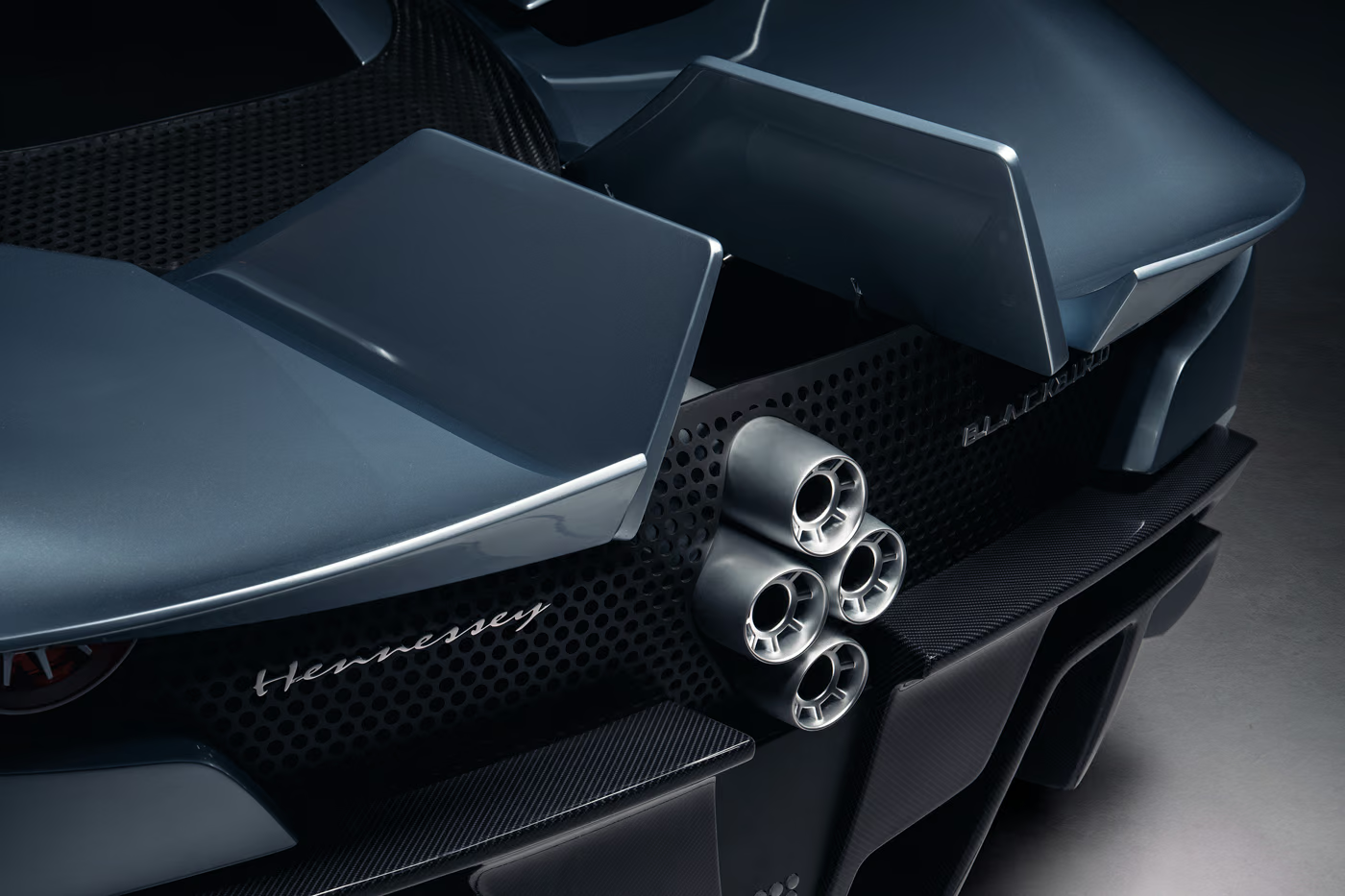
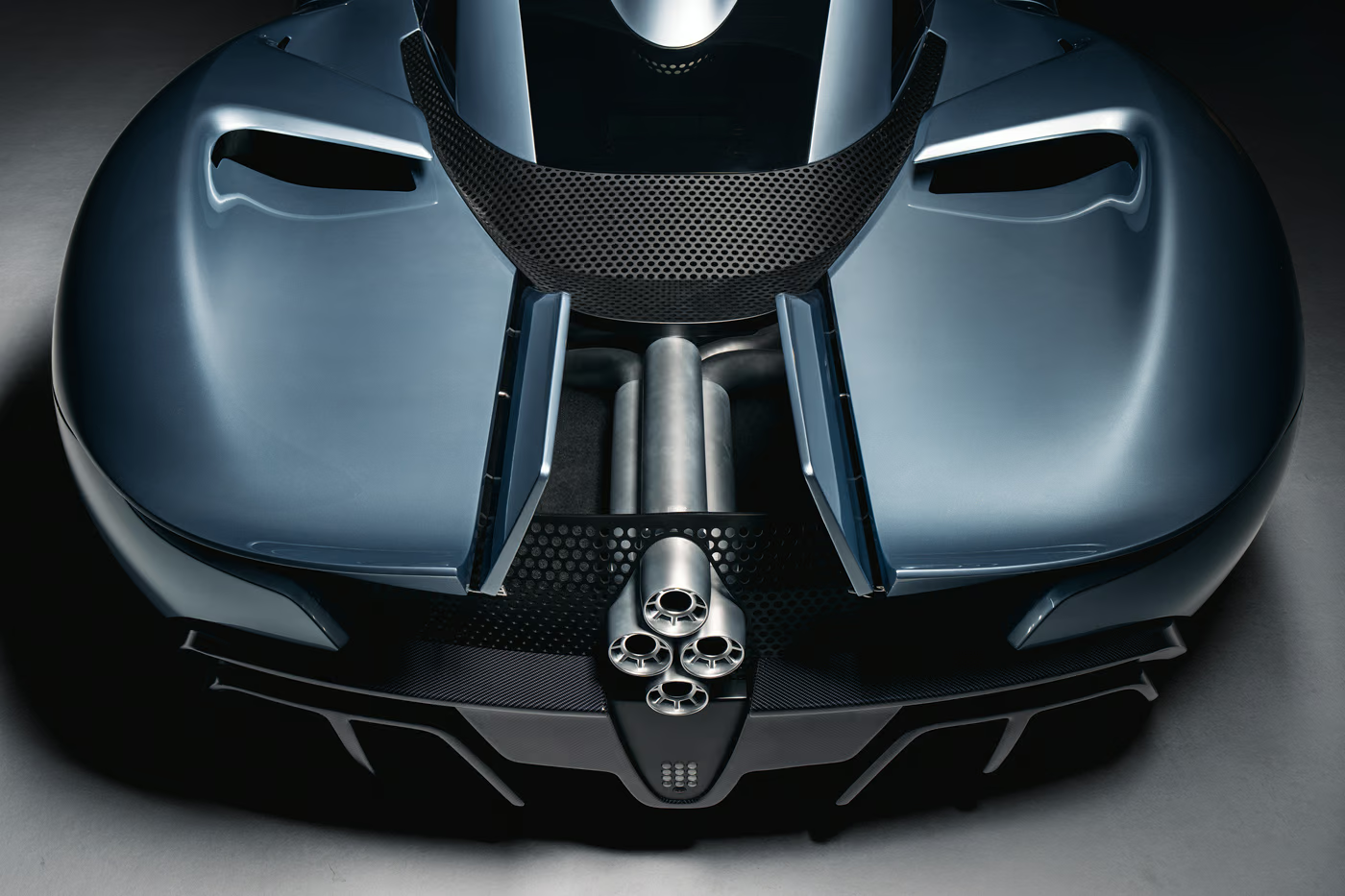
The most overt link to the Lockheed is a pair of active vertical stabilisers at the rear. They deploy automatically at 71mph, raise 71 degrees a side, and can be triggered manually at any speed. When raised, they vent the engine bay and open a view onto the exhaust runs, which exit high in the rear panel through four tips arranged in a diamond, in tribute to another landmark aircraft – Chuck Yeager’s Bell X-1.
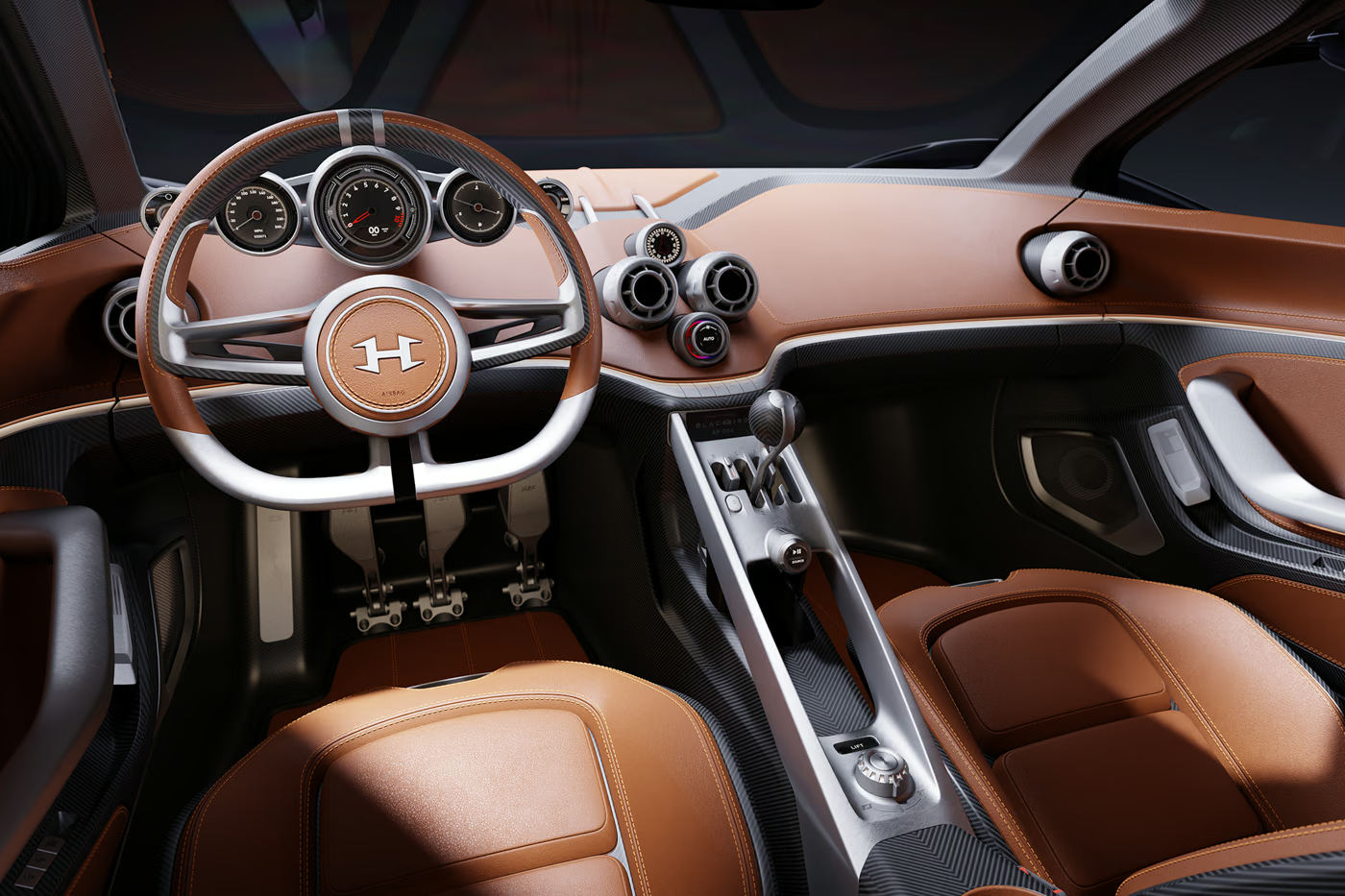
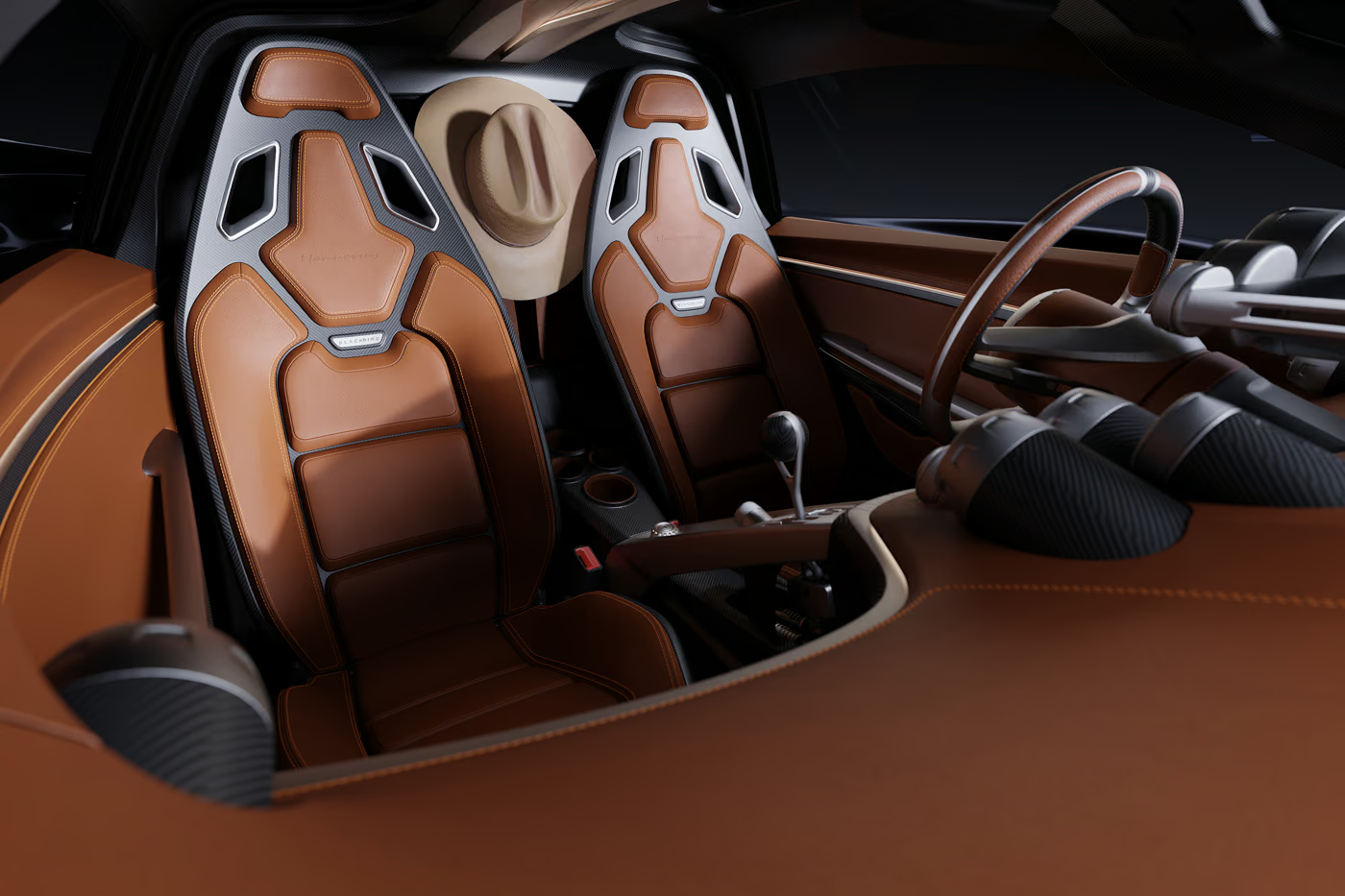
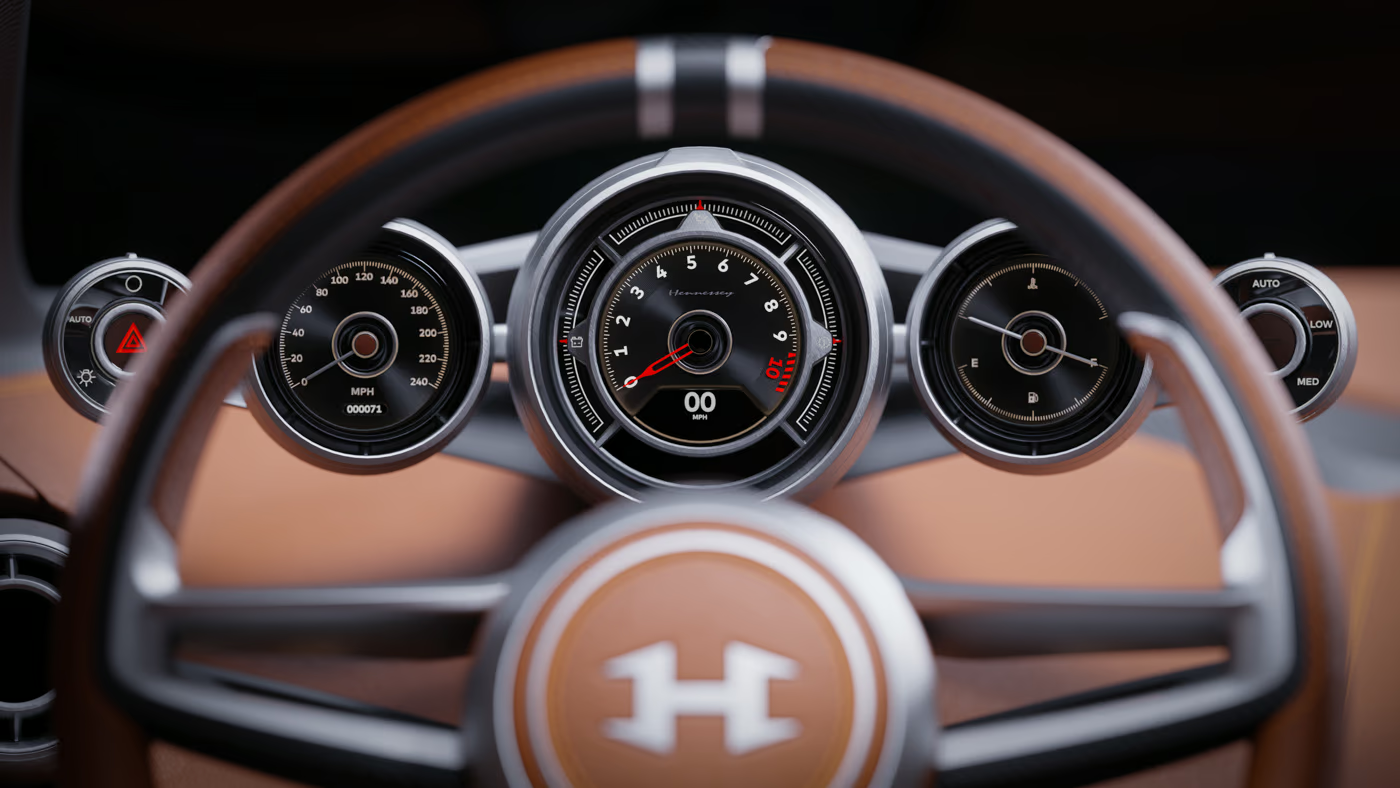
There are no screens anywhere in the Blackbird – not even hidden pop-ups. Five analogue dials face the driver, the tachometer largest and central. The ignition takes a physical key, while the start button sits overhead in an aircraft-style console. The closest thing to fitted sat nav is a whiskey compass, the liquid-filled magnetic backup carried by SR-71 crews – actual navigation comes from the driver’s phone, which drops into a bespoke holster and plays through the car’s speakers. Naturally, there is a post between the seats for a Stetson.
The touring part of the equation comes in the form of adaptive dampers, an enlarged canopy-style glasshouse, tightened NVH targets and the gullwing doors that take a section of sill with them. An optional Sky Glass roof panel and glazed rear bulkhead further the theme. The frunk swallows two full-size carry-on bags, with rear-quarter pods providing additional capacity. Hennessey is promising the car will be capable of covering more than 800 miles a day in relative comfort.
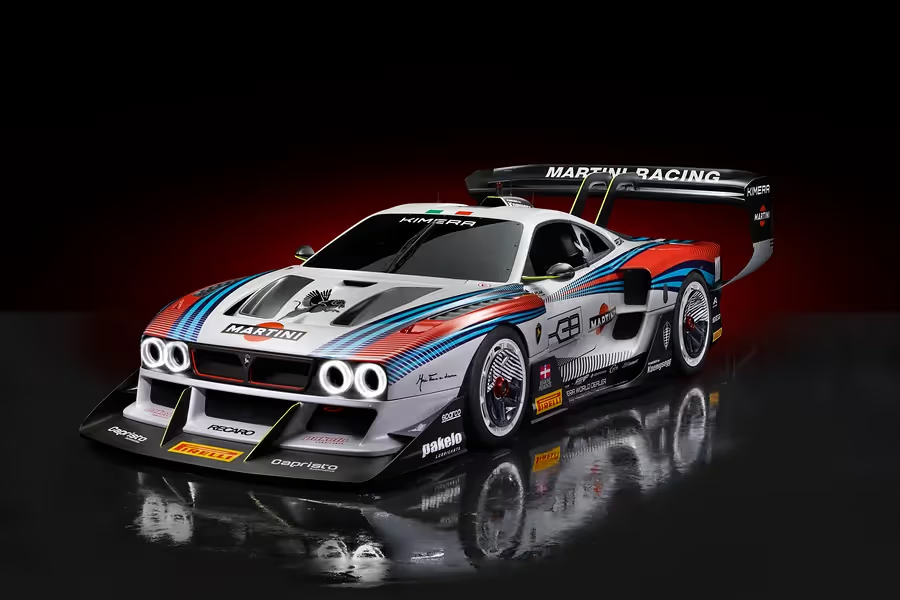
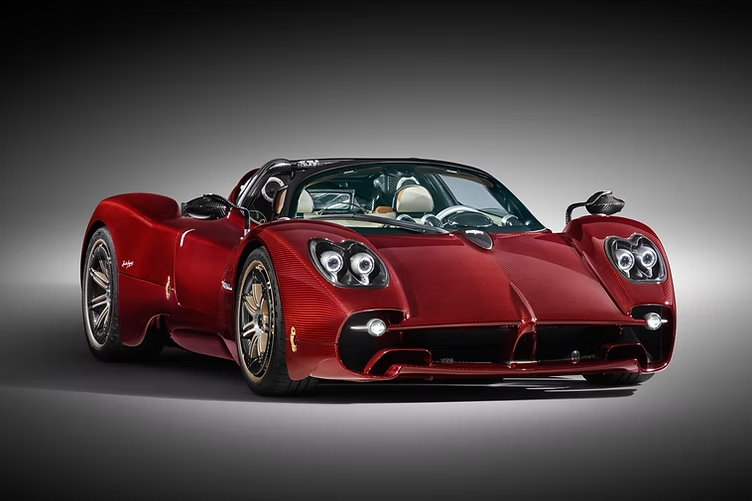
At $2.5 million before taxes, the Blackbird shifts Hennessey away from trading blows with Koenigsegg and into the territory of Gordon Murray Automotive and Pagani. Kimera has also recently elevated itself from restomodder to fledgling hypercar manufacturer with the announcement of the K-39. Each has its own take on the definition of analogue. More than two-thirds of the Blackbird’s 71-car run was allocated before the public debut at The Quail on 14 August.
Speaking to evo, John Hennessey indicated there are no plans for right-hand drive, although the firm has promised the car will be ‘homologated for key global markets’.
Hennessey names the Porsche Carrera GT and Ferrari F40 as key reference points, two supercars best known for their intensity and purist appeal. Everything the Blackbird is being sold on rests on following in these footsteps. Those with their name down will have a long wait to find out: Venom F5 assembly ends in 2028, with the Blackbird set to follow in 2029 or 2030.


_edited_edited.avif)

.svg)

