-01.svg)

The electric JCW also benefits from a higher top speed of 124 mph compared to the 112 mph limit of the regular versions. However, this is 29 mph slower than its petrol-powered predecessor, but I think 124 mph will feel more than quick enough in a Mini.
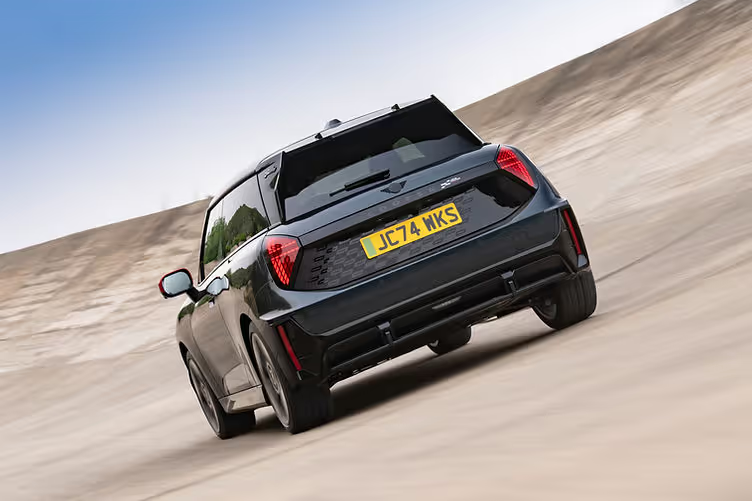
The 49.2 kWh usable capacity of the battery returns a claimed range of up to 251 miles - 7 more than the less powerful Cooper SE. Naturally, this will vary depending on route profile, with a fast B-road blast certain to drop the predicted range, but lifting off on corner entry will feed energy back into the battery thanks to the two-stage regenerative braking. With my recent test of the F56 Mini JCW returning 20 mpg, a B-road range of 170 miles would be more than enough for me.
Regardless of how it’s driven, the e-JCW requires 30 minutes to DC charge from 10-80% with a maximum input of 95 kW. A top-up at home using a wallbox requires just under 8 hours, and 11 kW AC charging capability is included as standard to make public recharging a tad faster.
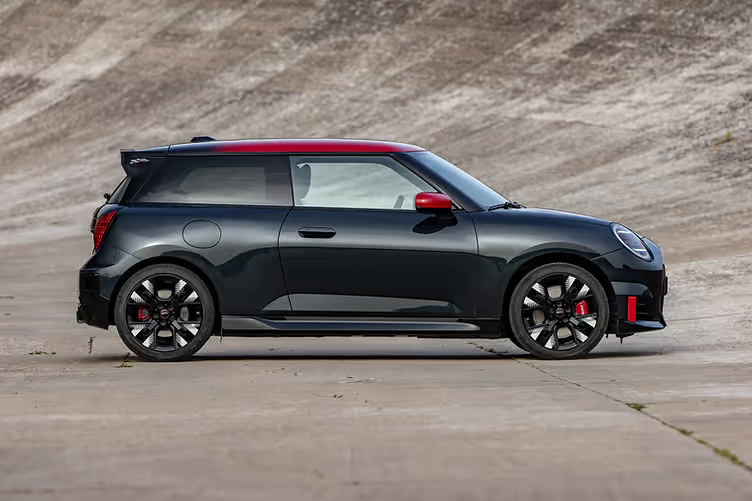
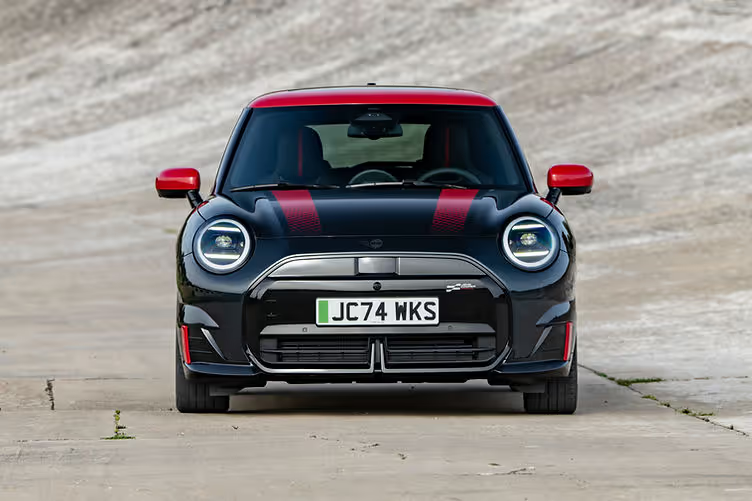
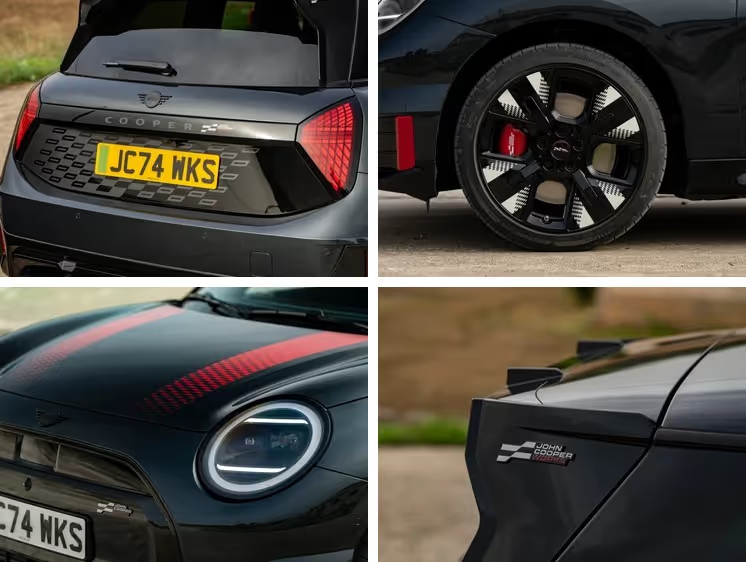
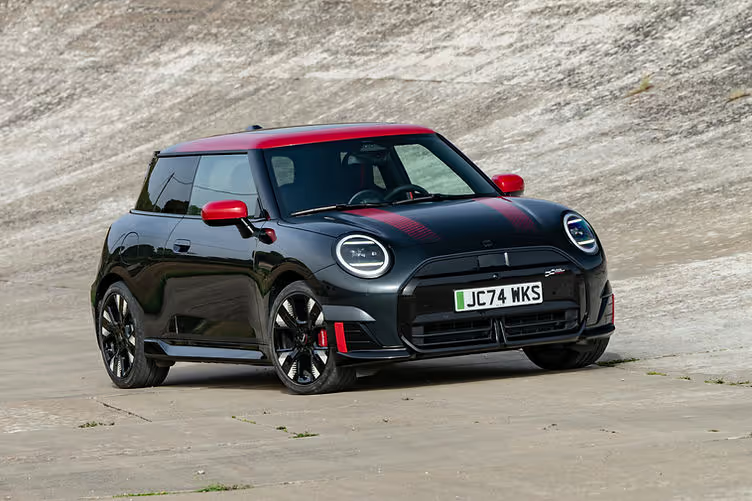
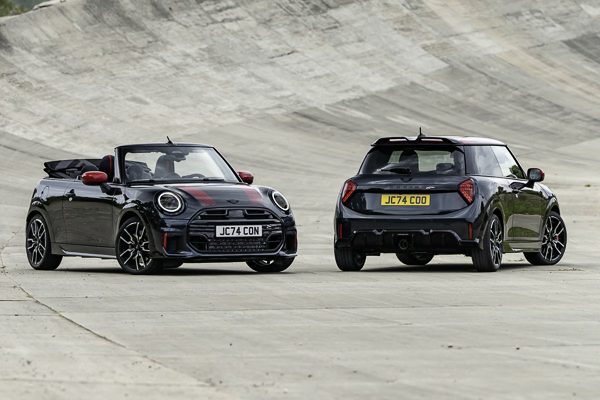
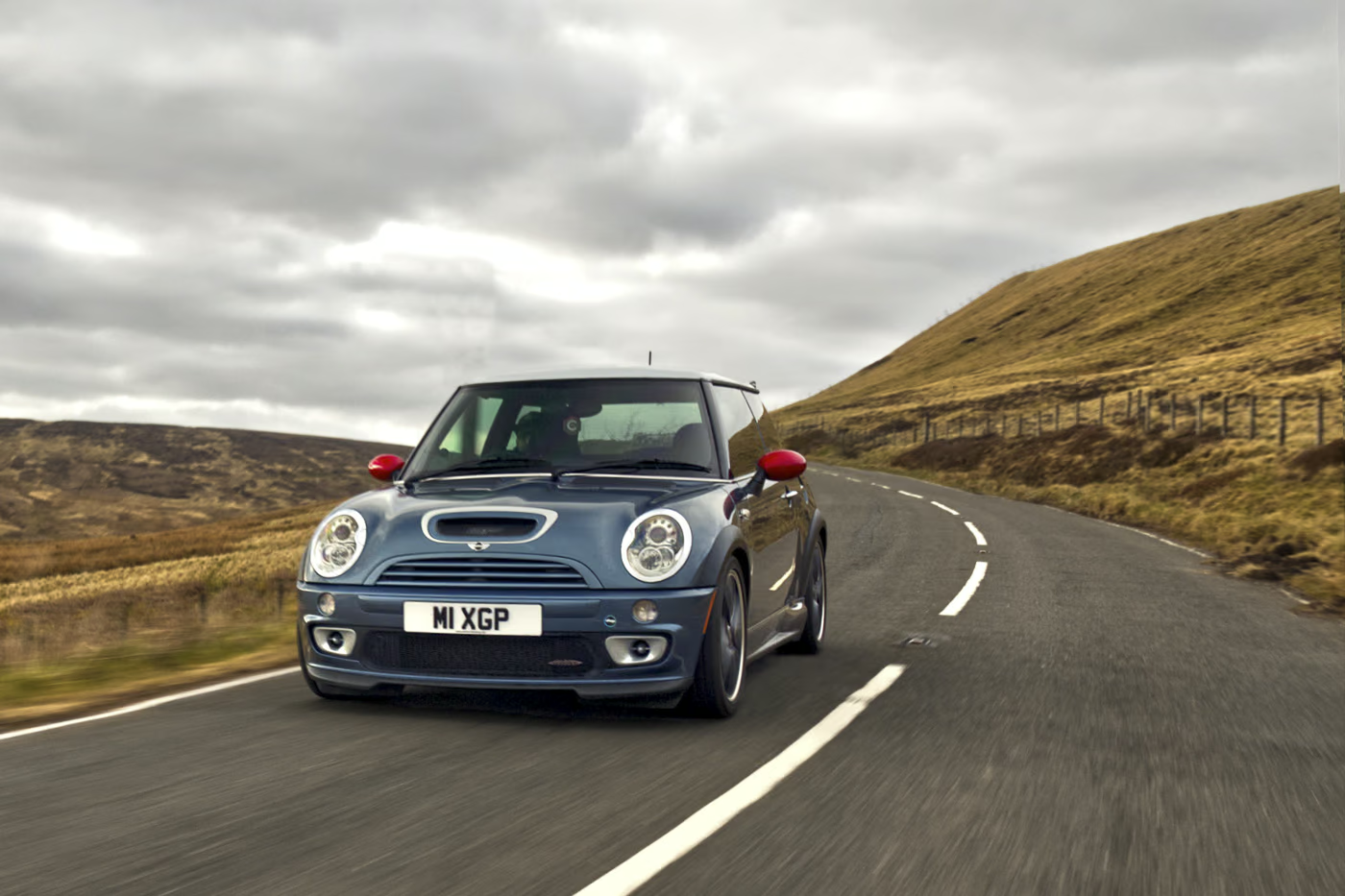
The styling upgrades for the JCW are certainly of the subtle variety, with only mild tweaks being made to the front bumper and rear diffuser compared to the “Sport” trim Cooper and Cooper S versions. The e-JCW gains a more pronounced front splitter, an Aston Martin Vanquish-style black insert on the boot lid with a chequered flag design, an enlarged roof spoiler and a more aggressive diffuser that sees the addition of a horizontal body coloured strip. The roof and mirror caps are painted red as standard, with a multitone red and black design available.
At each corner, newly designed 18” Y-spoke wheels come as standard, wrapped in 225/40 mm Hankook iON Evo R EV-optimised tyres. These sit ahead of enlarged brakes with four-piston callipers, which are painted in performance-adding red. The wheels and brakes are the most visible of the chassis changes, with the JCW-specific suspension “maximising Mini go-kart handling.” We’ll have to wait and see whether this means a passive or adaptive setup.
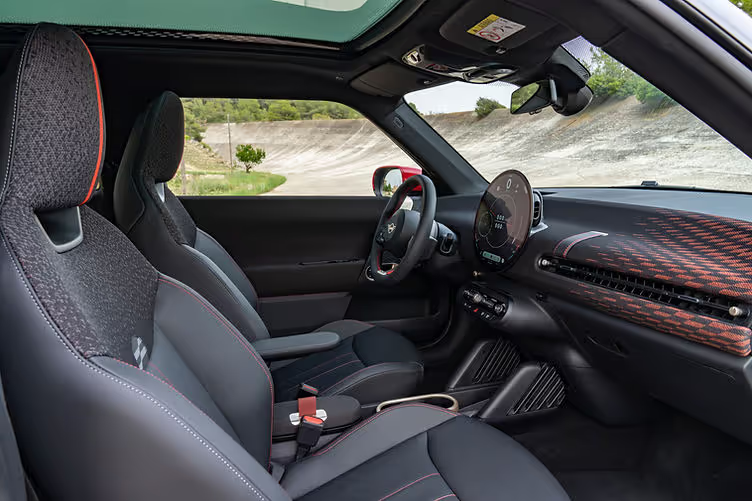
The enhanced styling features continue inside, with two-piece seats in black synthetic leather with black and red fabric above the shoulder line. This colour theme continues on the fabric-wrapped dashboard that sees ambient lighting being projected onto it as opposed to having embedded lights. The source of the light is at the rear of the single circular infotainment display, which shows everything from power, speed, revs and charging info, to navigation, air conditioning settings and even a digitised version of the card game Uno.
There are plenty of styles to choose from on the display, with a bespoke theme being introduced to go with the new JCW driving mode. Beneath the screen are switches for the gear selector, adjusting the driving mode, media volume and starting or stopping the electric motor.
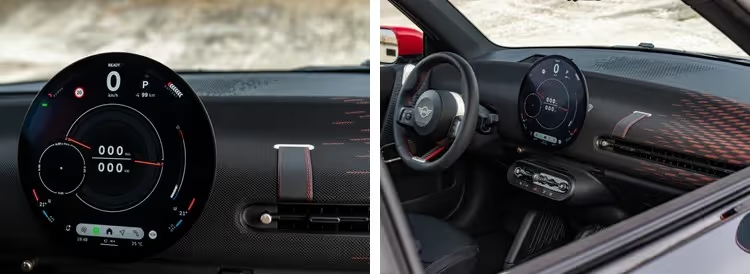
Although the steering column-mounted speedo and rev counter is gone, John Cooper Works models receive a head-up display as standard so key information can be seen in the driver’s line of sight. While the “Boost” button is mounted on the left hand spoke of the steering wheel, irritatingly there are no paddles for adjusting energy recovery; this is something that I view as key to elevating driver engagement levels in electric cars and I hope comes at the facelift, but for now the driver will have to press the gear selector to choose from the two stages of energy recovery.
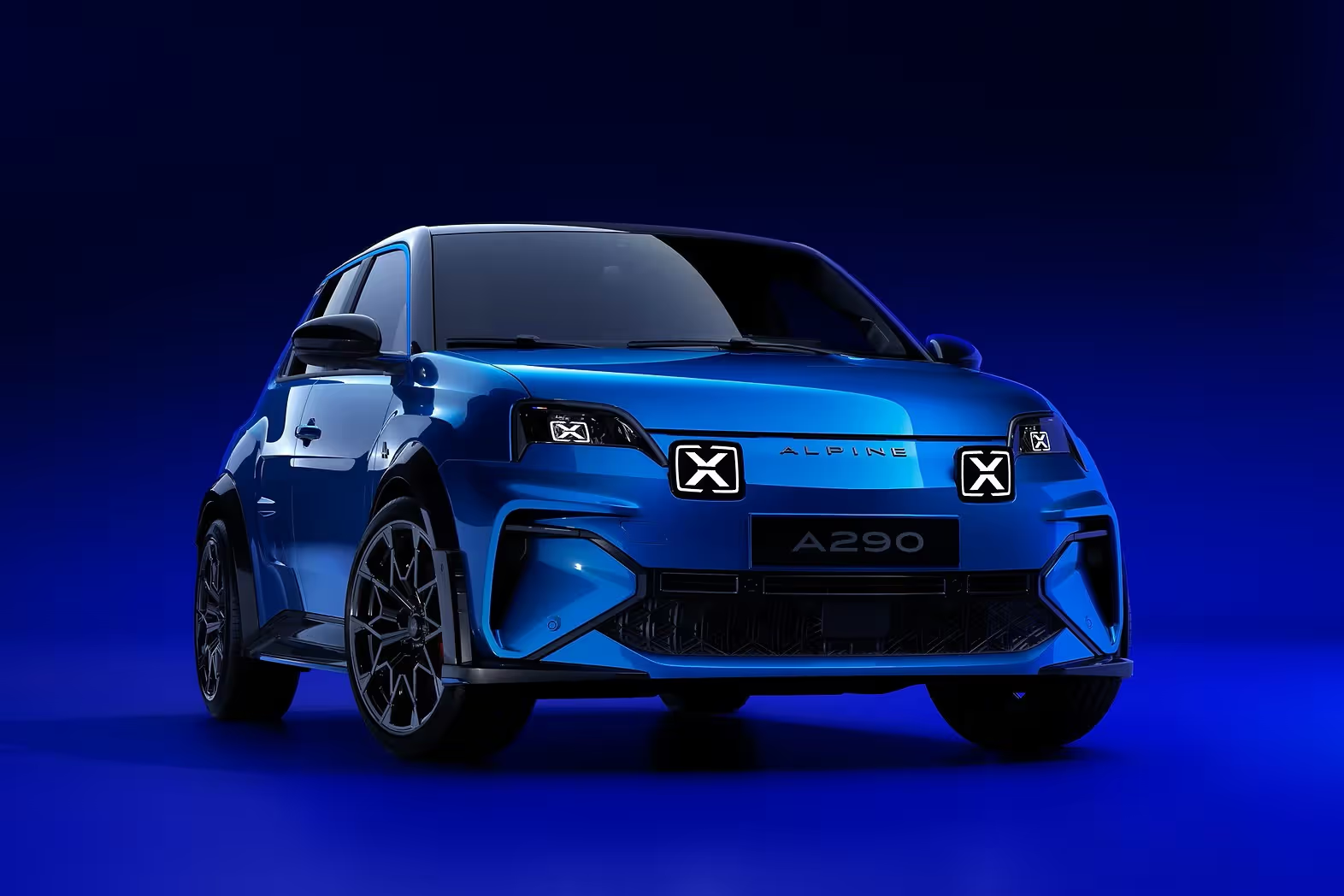
The new Mini John Cooper Works 3-door hatch is priced from £38,420 and the configurator will go live from October 23rd; the model is set to arrive in the UK from April 2025. The new electric hot hatch will go up against the Renault 5-based Alpine A290, and an in-house competitor called the Mini John Cooper Works.
A petrol-powered JCW is due to follow in the coming months using a heavily updated version of the existing combustion platform. It’ll offer similar styling and performance but with a 2.0 litre four-cylinder turbo engine under the bonnet, as opposed to the electric motor we see here. Until that comes, this is the next contender in the compact hot hatch segment and just like the Alpine A290, it’ll be arriving silently.



.svg)

