-01.svg)
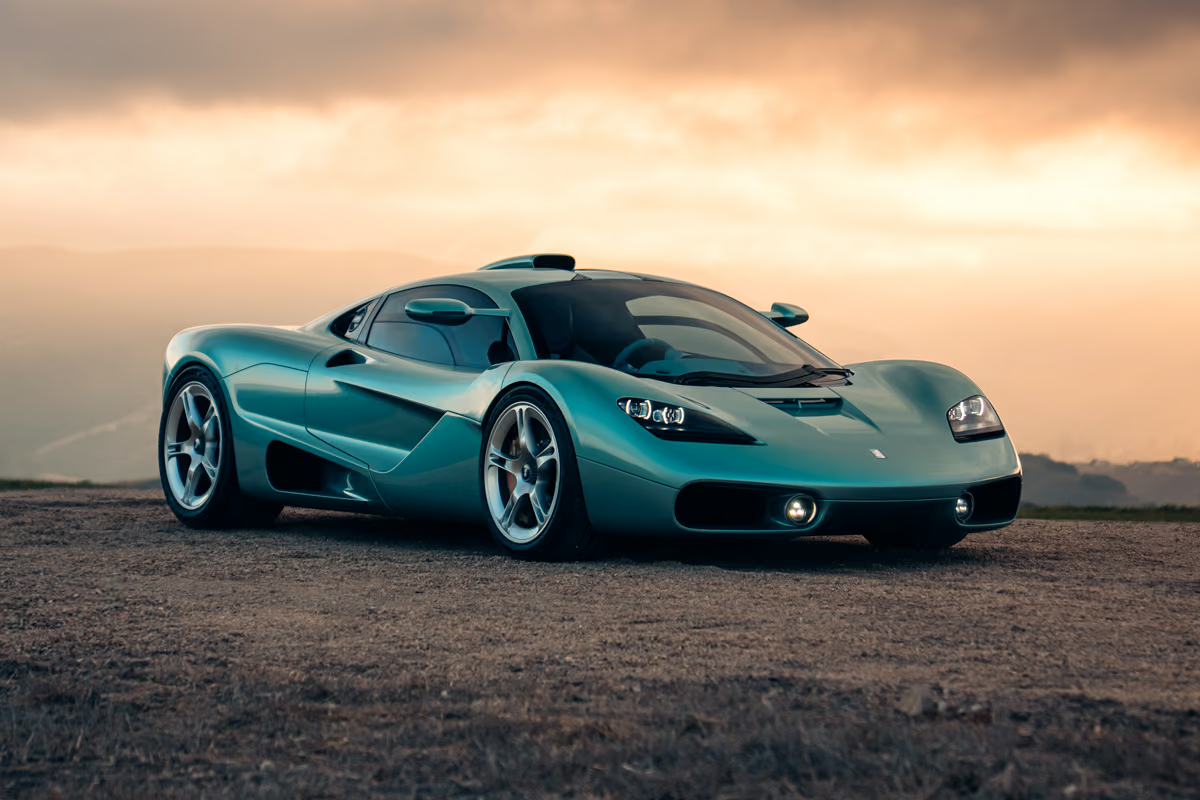
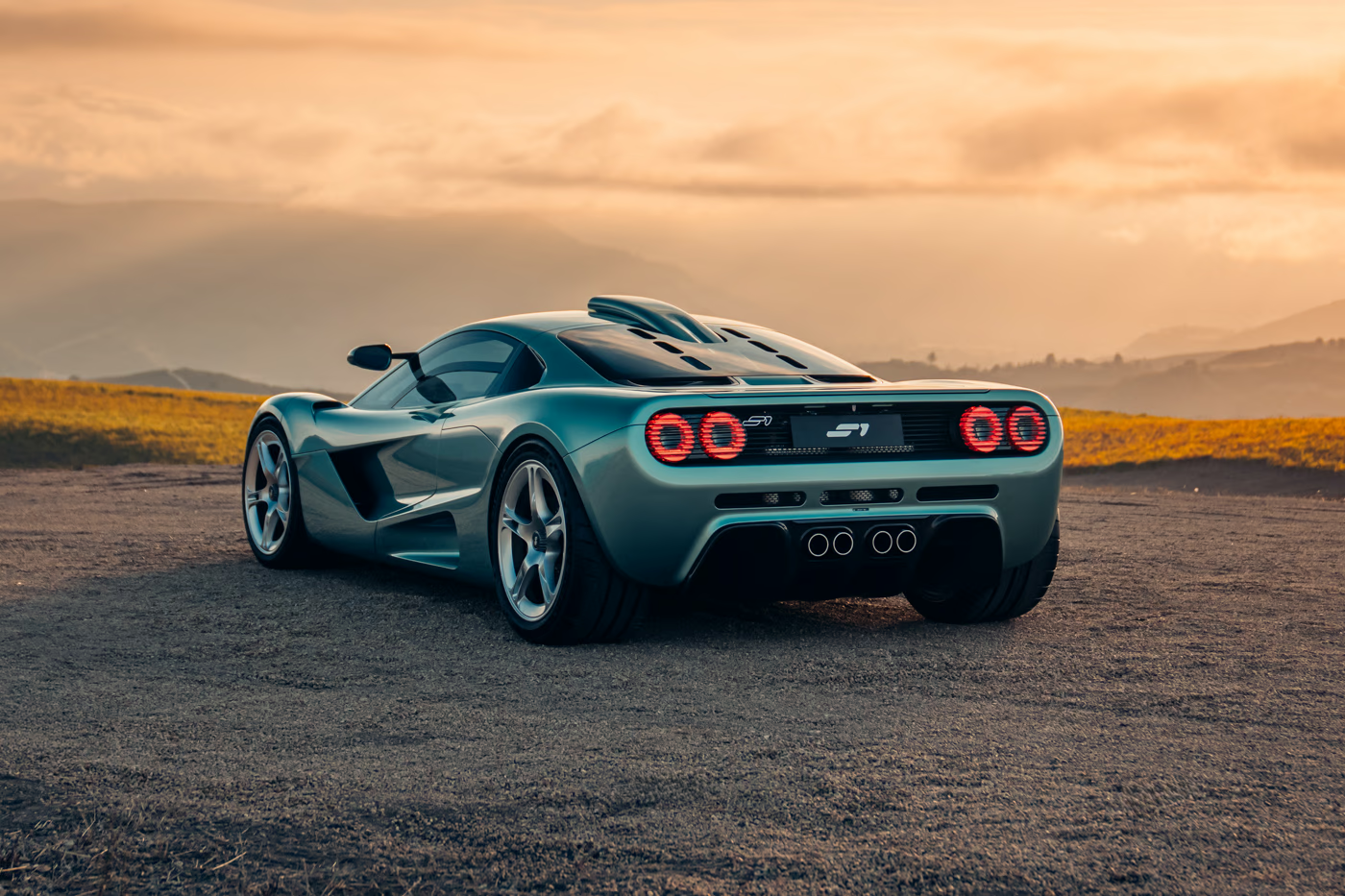
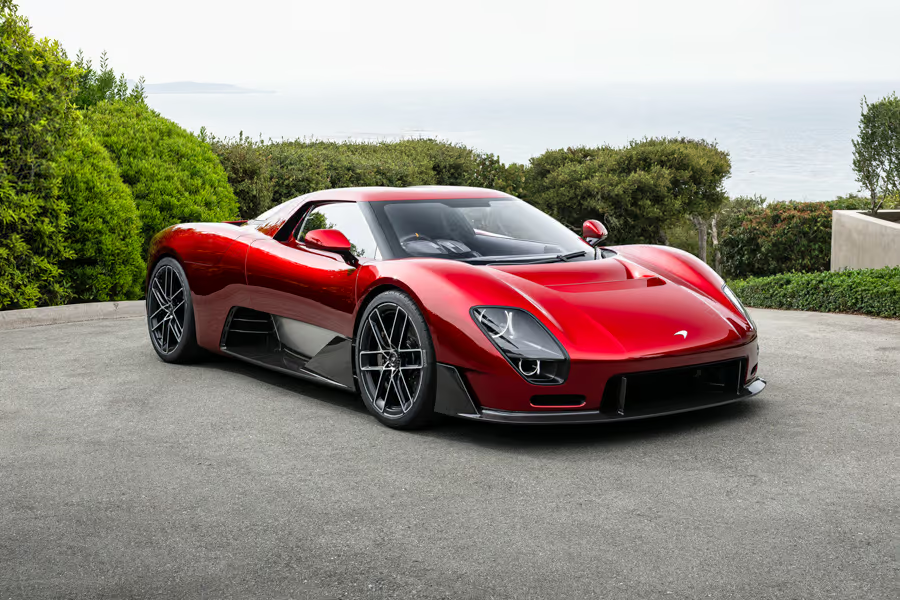
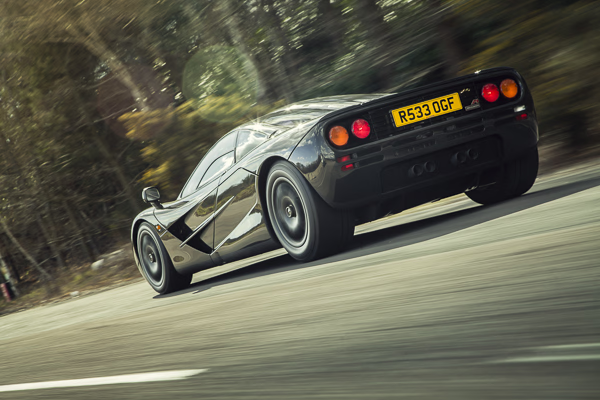
Far more than an LM shorn of its wings, GMSV states every body panel has been redesigned and is unique to the S1. The result bears an even closer resemblance to the McLaren F1, as if the seminal hypercar had remained in production and gradually evolved in the mould of the Porsche 911.
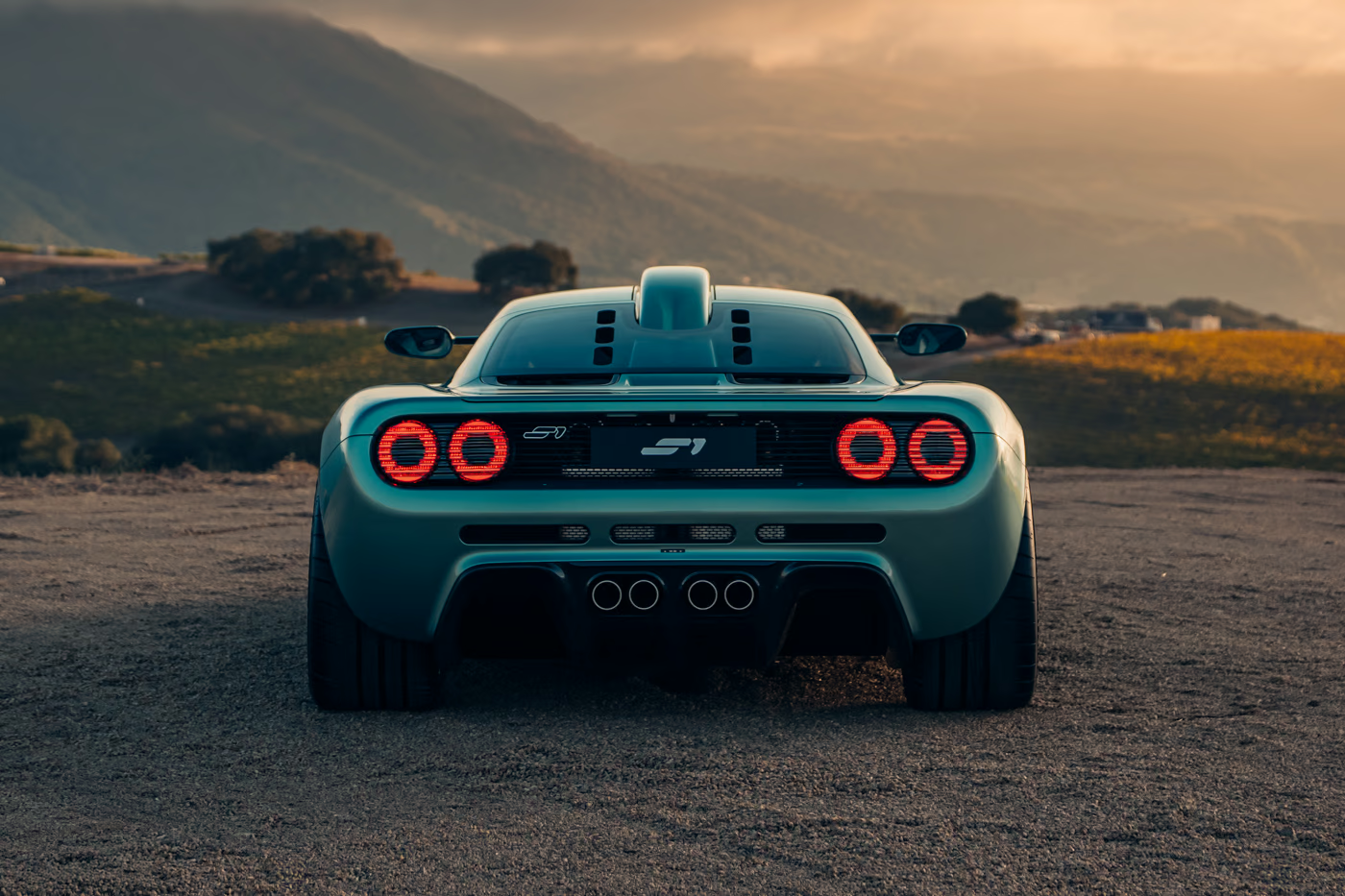
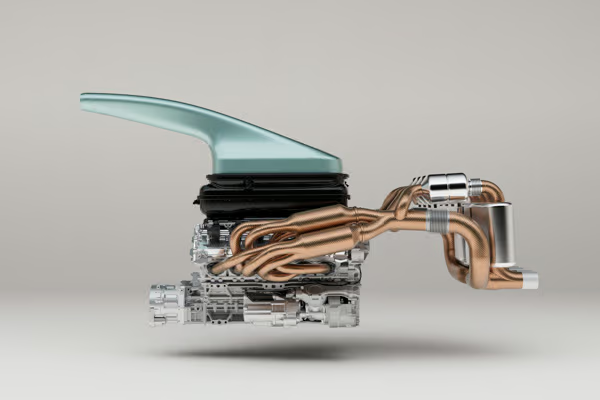
Two new intakes – a NACA-style duct worked into the shoulder line and a much larger intake below – feed the V12’s oil coolers, while a small cutaway behind the front wheels helps to ease pressure in the arches. The signature ram-induction also stands proud of the roofline, fixed directly to the engine rather than routed through the body as on the F1.
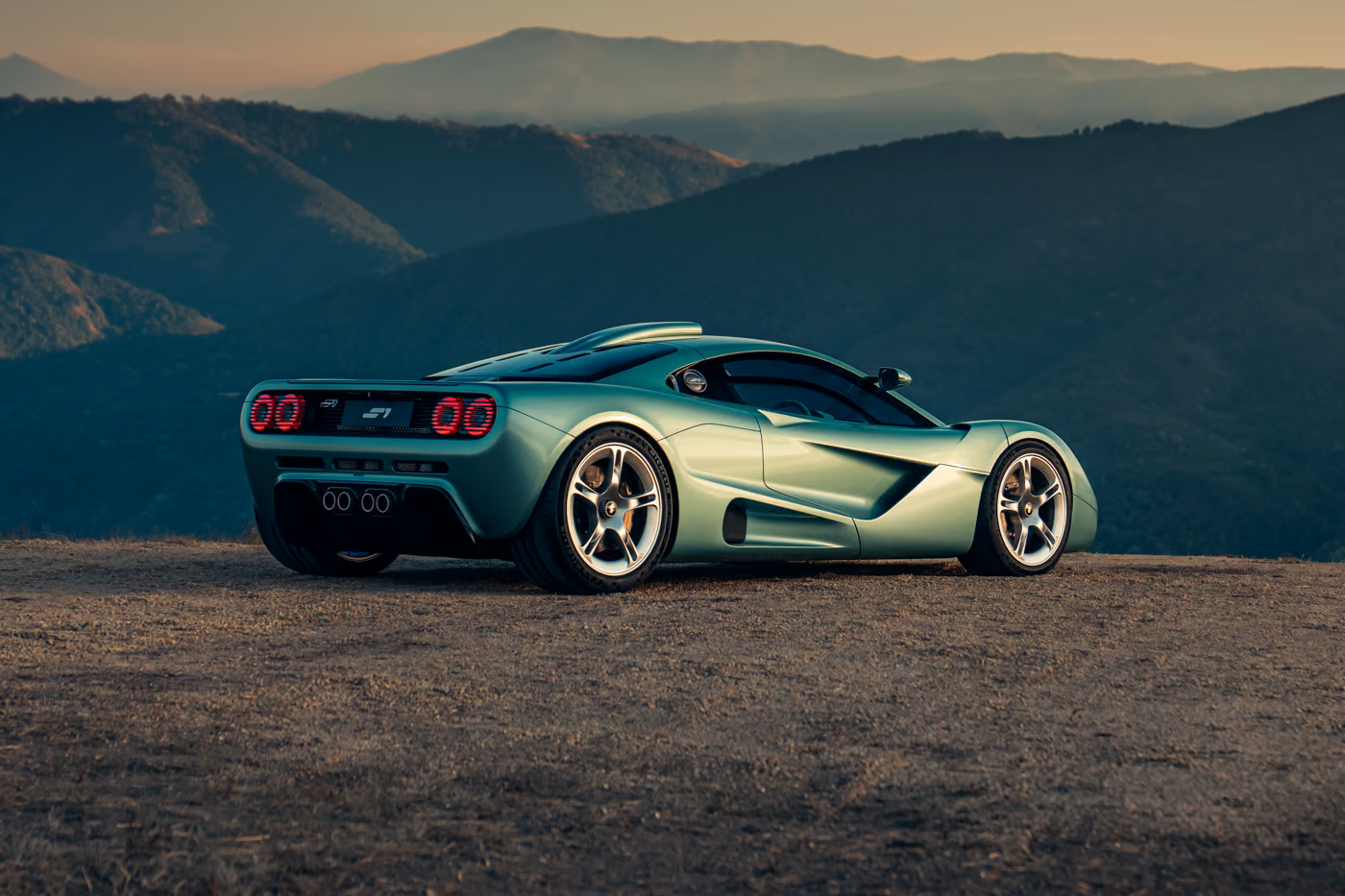
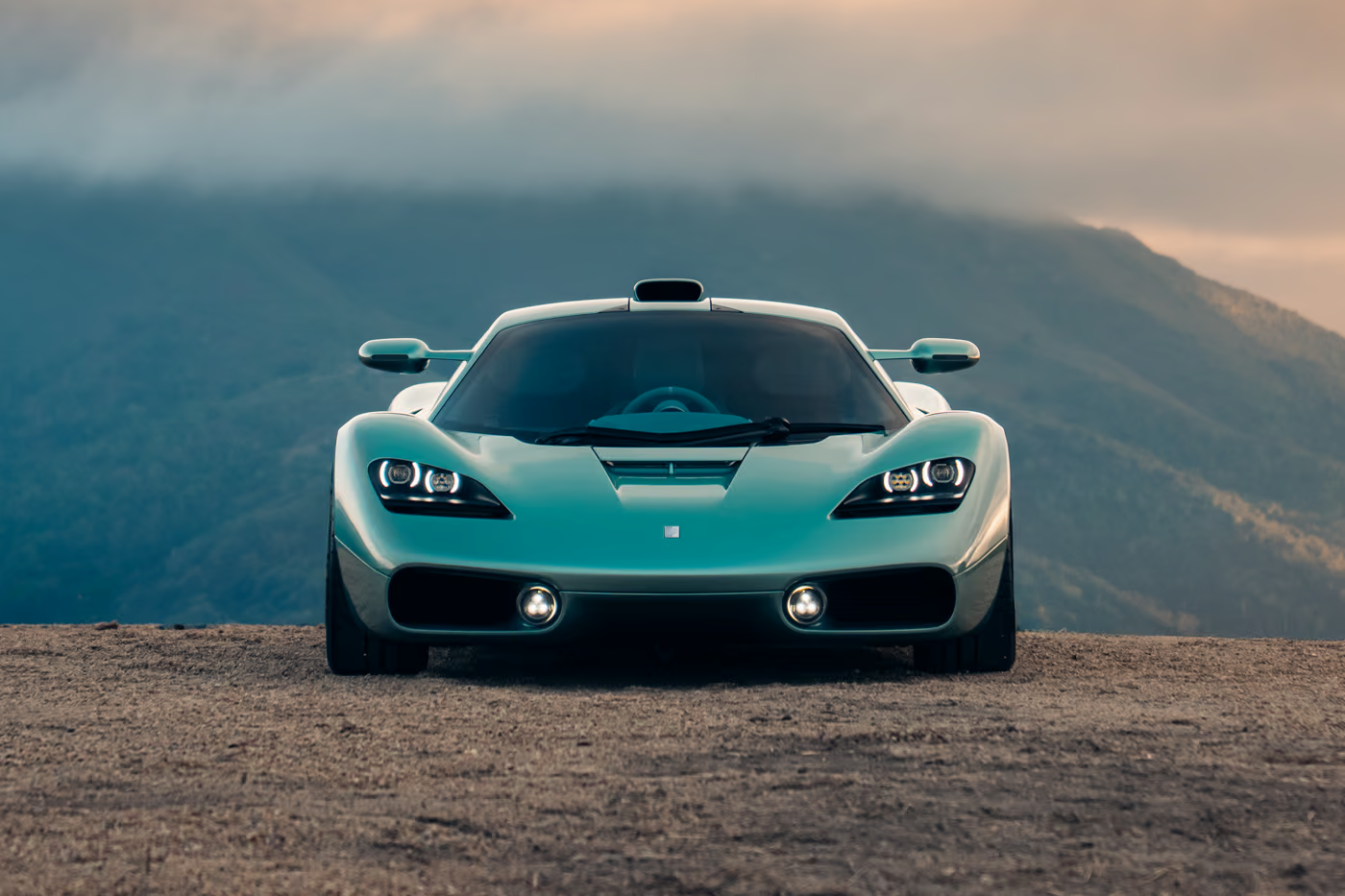
Modernising the car are contemporary lighting units and a marked reduction in shutlines – particularly across the nose, which looks more like a clamshell than a jigsaw puzzle of panels.
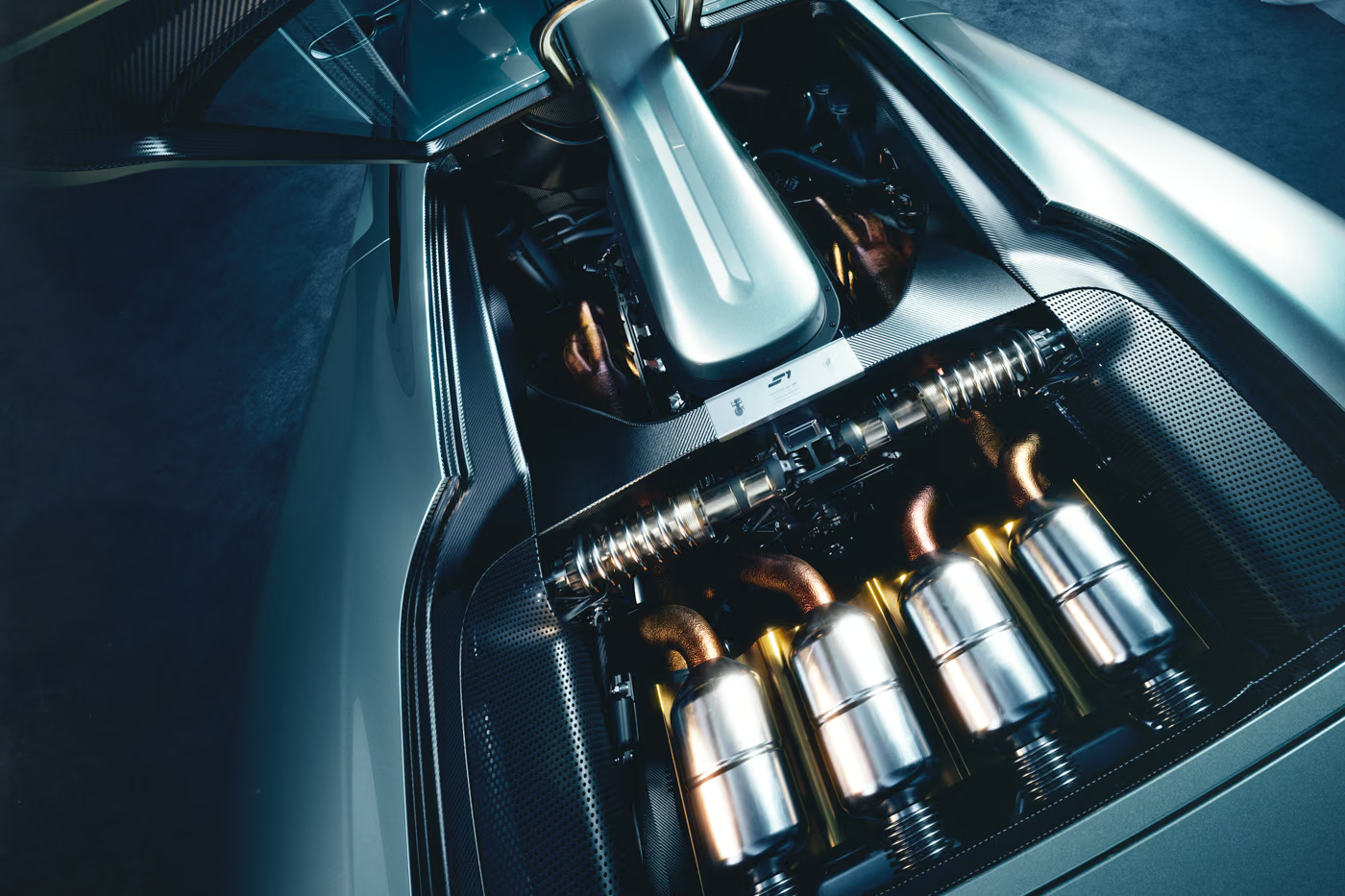
The A-pillar-mounted mirrors and auxiliary lights tucked into the front air intakes are fitting touches, recalling the Clinic Model that introduced the F1 to the world at the 1992 Monaco Grand Prix. Same goes for the five-spoke centre-lock wheels. Naturally, the engine remains on full display, along with the polished Inconel exhaust and 24-carat gold-plated heat shield.
The Cosworth V12 has been reworked to suit the touring remit. Capacity has grown to 4.2 litres – or fallen from 4.3 if you happen to be the customer who commissioned all five S1 LMs – while the redline holds fast at 12,100rpm. Power from the naturally aspirated engine is quoted at up to 681bhp, but the real story lies with the torque output – 369lb ft at 7000rpm, more than 80 per cent of which is available from 2500rpm. For reference, the T.50 offers 71 per cent of its maximum at the same crank speed. To save you reaching for a calculator, that’s at least 295lb ft versus 244. As is Murray’s way, acceleration and top speed go unquoted.
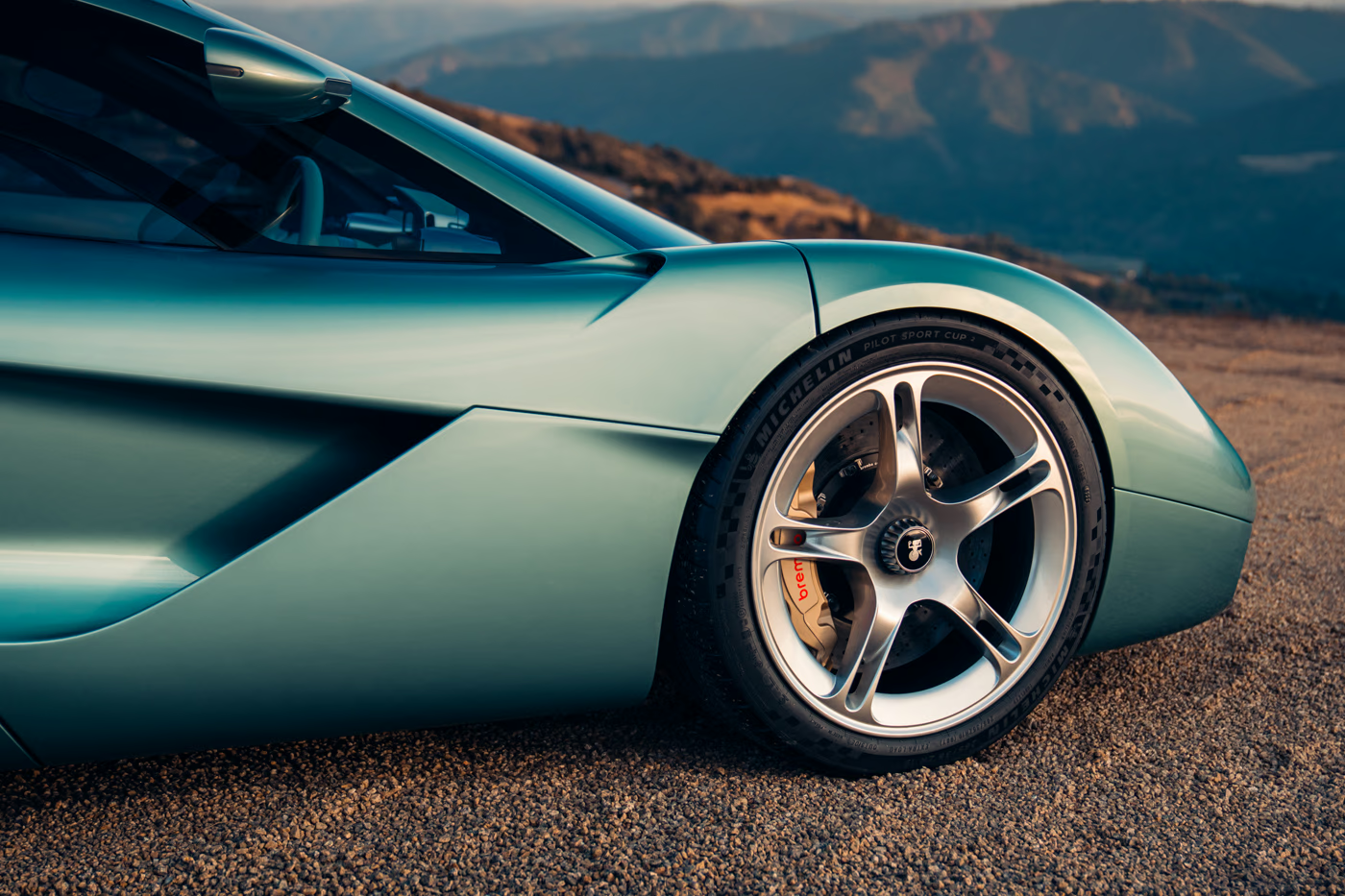
The manual gearbox has also been fettled: sixth becomes a touring ratio, while straighter cable routing is intended to improve shift feel.
The chassis follows suit. Ride height rises by 10mm and the damping is retuned for greater compliance, which GMSV insists comes without dulling steering precision or feedback. How much of that is down to the revised steering system remains to be seen: the T.50 famously uses clutched electric assistance that automatically disengages above 10mph for ultimate connection. The S1 puts that decision back in the hands of the driver by offering a 'switchable and selectable' setup.
Although the LM’s high-downforce package has been deleted, the S1 doesn’t abandon the subject entirely. Active aero concealed within the rear diffuser adjusts the centre of pressure to maintain its balance as speed builds and under braking. Even so, GMSV stresses the emphasis remains on ‘mechanical grip, balance and confidence on the road’ rather than extreme downforce.
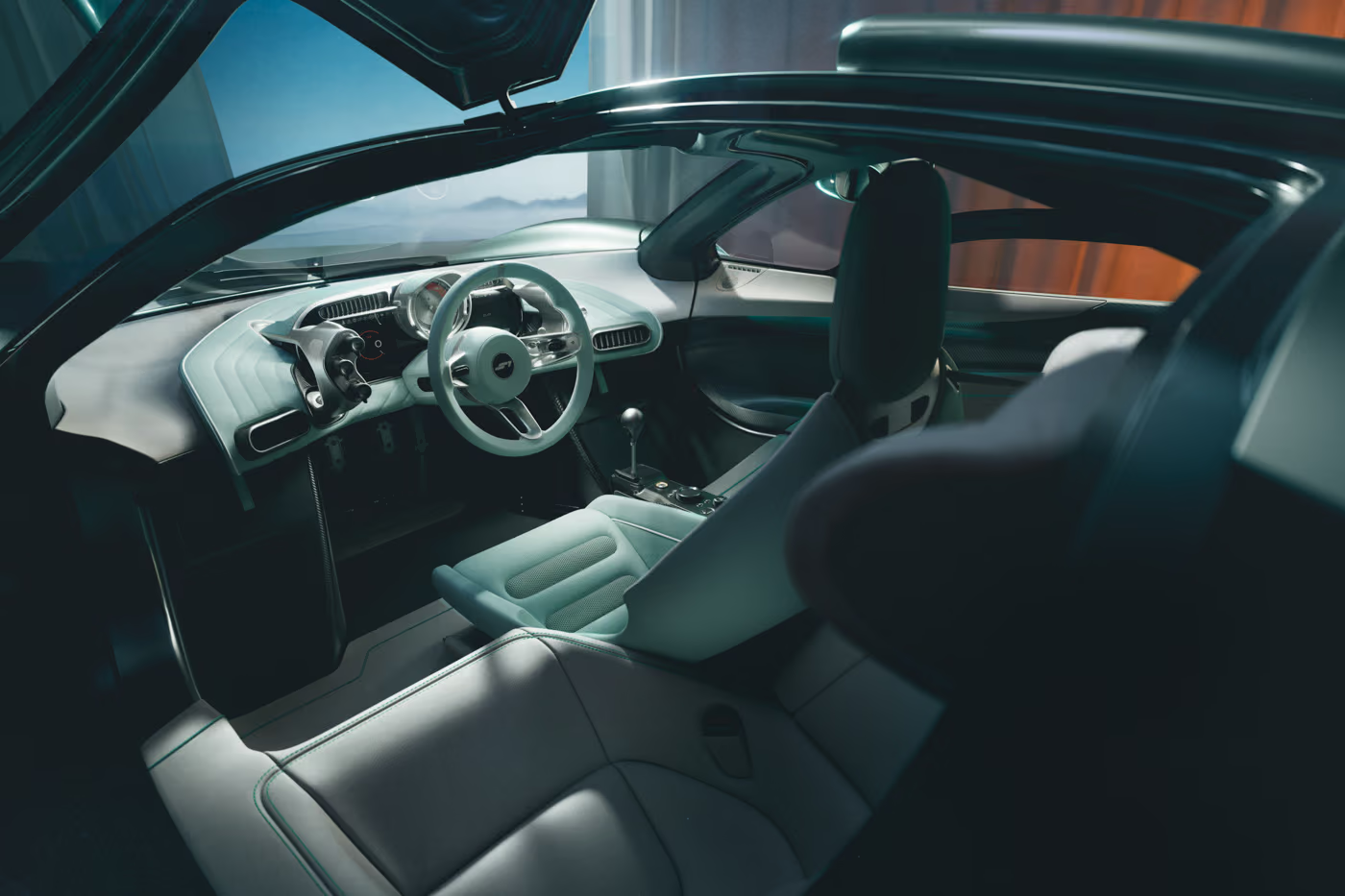
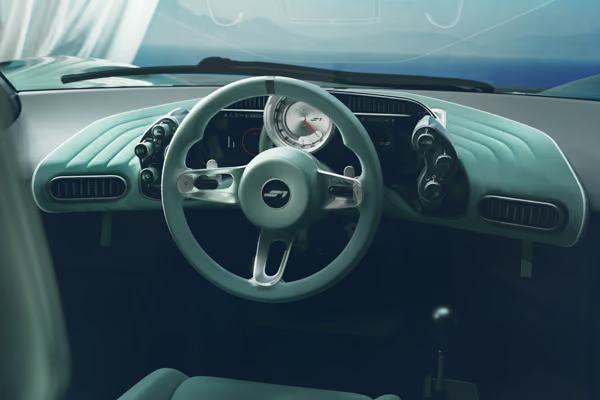
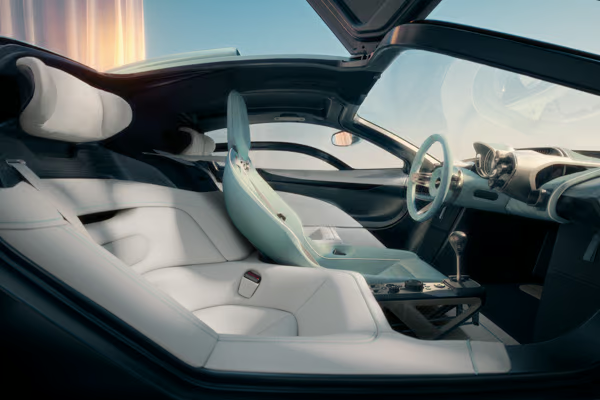
The interior trades the LM’s Lexan windows for glass and its hardcore aesthetic for leather, bespoke fabrics and seats that hold their occupants in place rather than clamp them. NVH enters the brief too, the S1 gaining sound insulation alongside a lightweight audio system. Even the dihedral doors have been engineered to open wider for a more graceful shuffle into the central driver’s seat. As on the T.50, the central analogue rev counter is framed by two small LCDs, one for media and one for vehicle information. The A-pillar mirrors also house rear-facing cameras.
Despite the relative luxury, GMSV is promising a final weight that will undercut the 997kg T.50.
Sixty-four cars will be built, matching the number of road-going McLaren F1s produced. All sold prior to the car’s reveal, and like the performance, the price remains undisclosed. Murray describes the S1 as an exception to GMSV’s usual remit. ‘We’re not going to do something that even resembles this in future,’ he told Top Gear. ‘This is it.’
_edited_edited.avif)

.svg)

