NEWS
Hyundai Ioniq 6 N Goes on Sale in the UK From £65,800
Craig Toone
By
Images by
Hyundai N
Published
27 Jan 2026
Hyundai Ioniq 6 N Goes on Sale in the UK From £65,800

The full UK specification of Hyundai’s 641bhp answer to the BMW i4 M60 and Audi’s e-tron GT quattro has been released, which includes a 302-mile range and updated virtual gearshift.
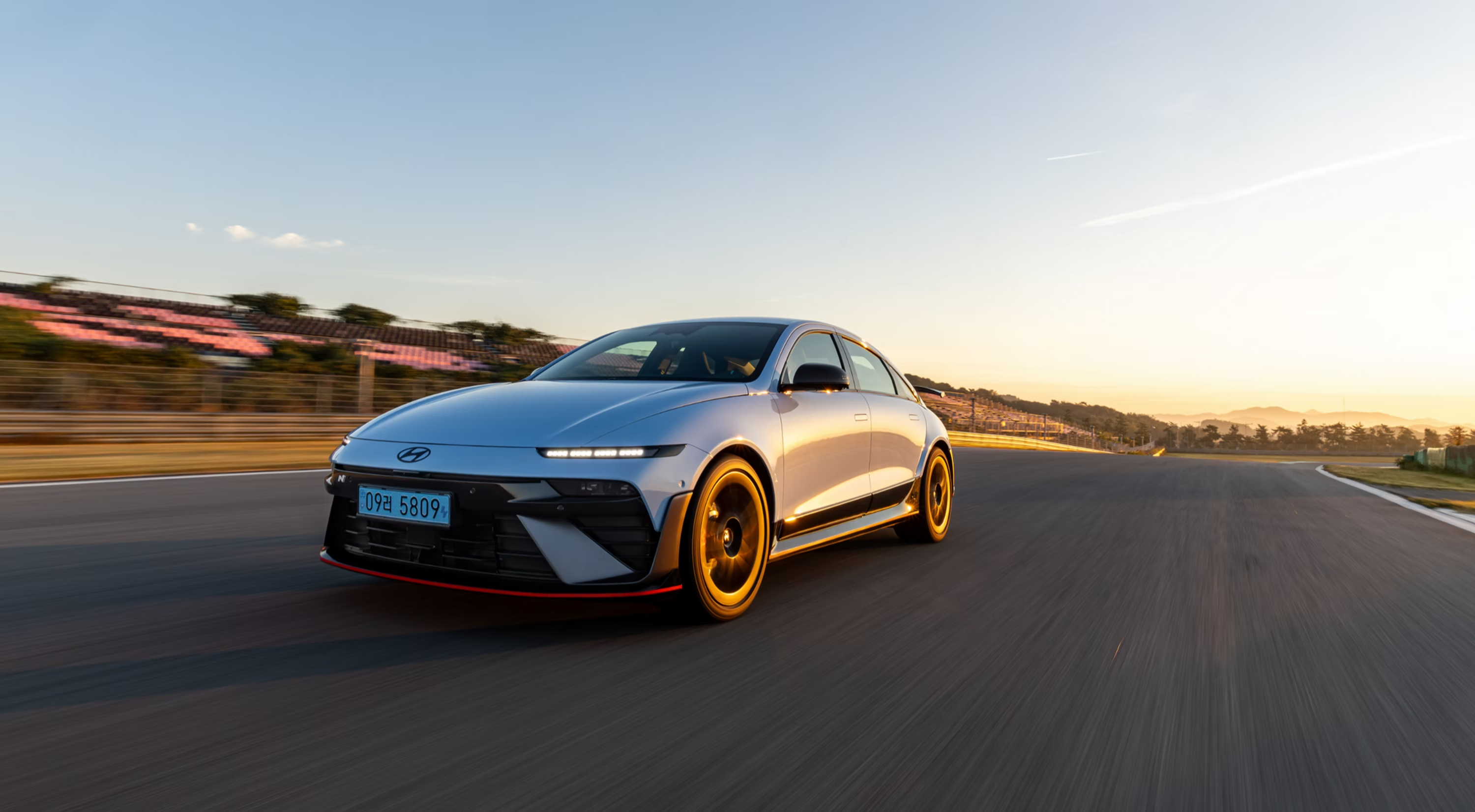
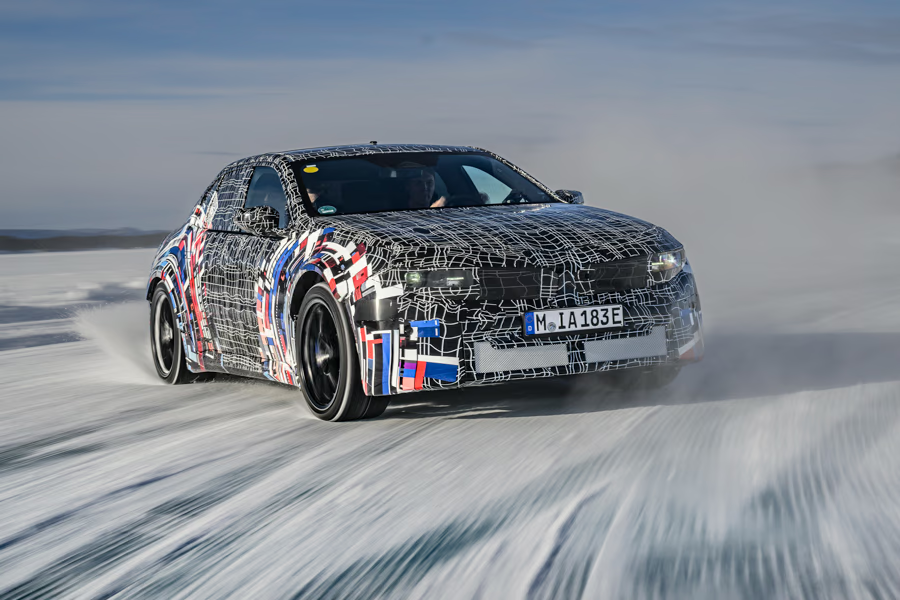
Hyundai has opened UK order books for the Ioniq 6 N, its second performance EV, priced at £65,800. The four-door fastback arrives as a more aerodynamically focused derivative of the Ioniq 5 N crossover, applying the same fundamental E-GMP platform architecture to a lower, sleeker body.
The 6 N employs the same dual electric motors producing a combined 641bhp and 770Nm of torque with N Grin Boost engaged – sufficient for 0-62mph in 3.2 seconds and a 160mph maximum. An 84kWh battery provides 302 miles of WLTP range, whilst 800V architecture enables an 18-minute 10-80% charging time when hooked up to a 350kW infrastructure. While the stopwatch top up remains competitive, range is one area where the platform is starting to show its age, as all its key rivals can go at least 10 per cent further.
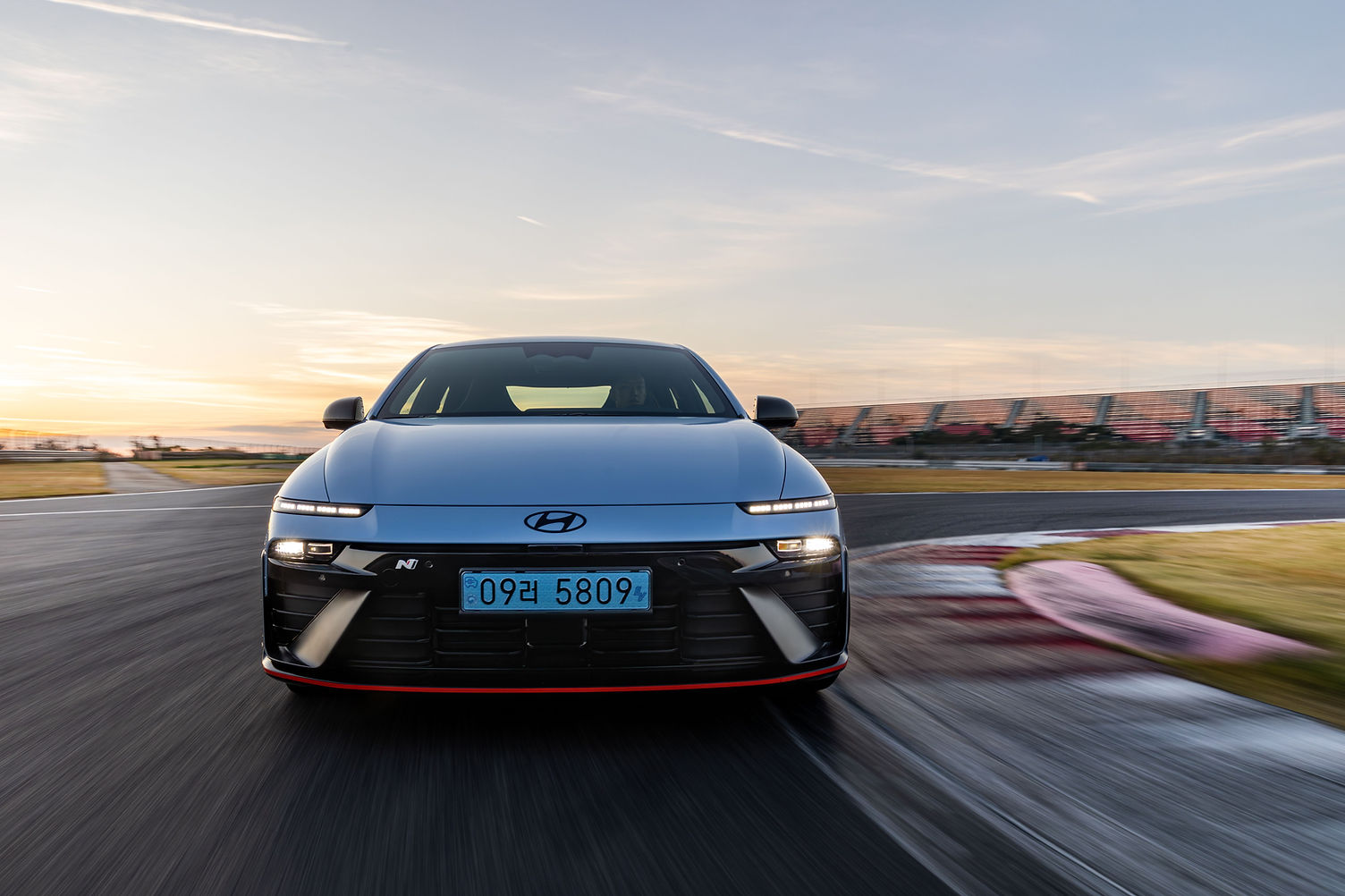
Where the 6 N differentiates itself from the 5 N is in chassis tuning. While the same 220bhp front, 373bhp rear power bias is in effect, the lower roll centre of the 6 N's body allows for new suspension geometry that improves dynamics without – Hyundai claims – sacrificing comfort. Stroke-sensing electronically controlled dampers react to wheel movement in real-time, whilst recalibrated bushing bridges the divide between road and track demands.
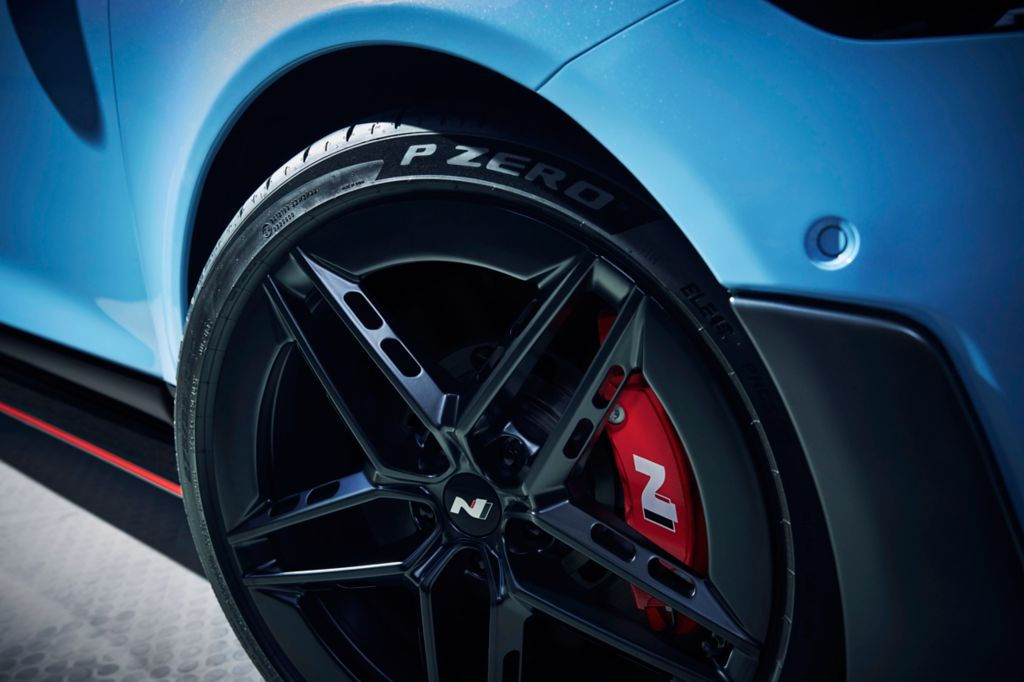
When the going gets twisty, an electronic limited-slip differential marshals the power at the rear, while strategic axle strengthening reduces flex under load. Hyundai also states the EPAS has been sharpened for more immediate response and enhanced feedback. Braking is courtesy of four-piston monobloc calipers gripping 400mm ventilated discs at the front, with 360mm rears – substantial hardware even considering the 2,201kg kerb weight. Like the 5 N, the car sits on 20-inch lightweight wheels shod with specially developed Pirelli P Zero rubber.
The N e-Shift system will also be making an appearance, updated with shorter ratios for the simulated eight-speed DCT, complete with an 8,500rpm redline and ambient lighting cues to encourage exploring it. While it may harm straight line acceleration, many find e-Shift to be a worthy sacrifice at the altar of engagement. Those looking for the traditional EV headrush of relentless acceleration can, of course, turn the system off.
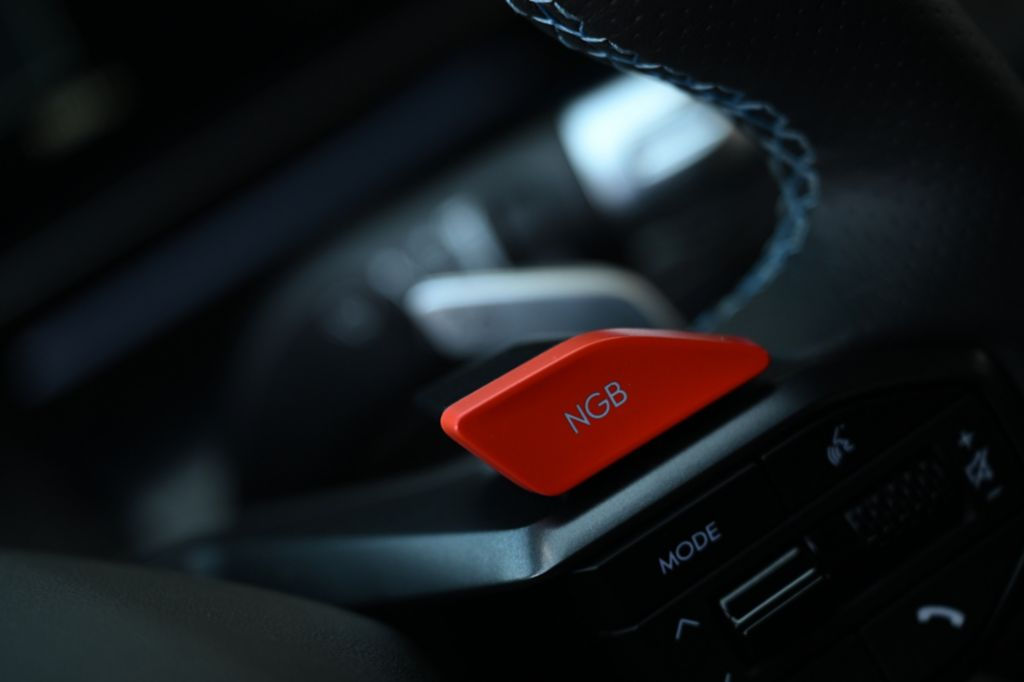
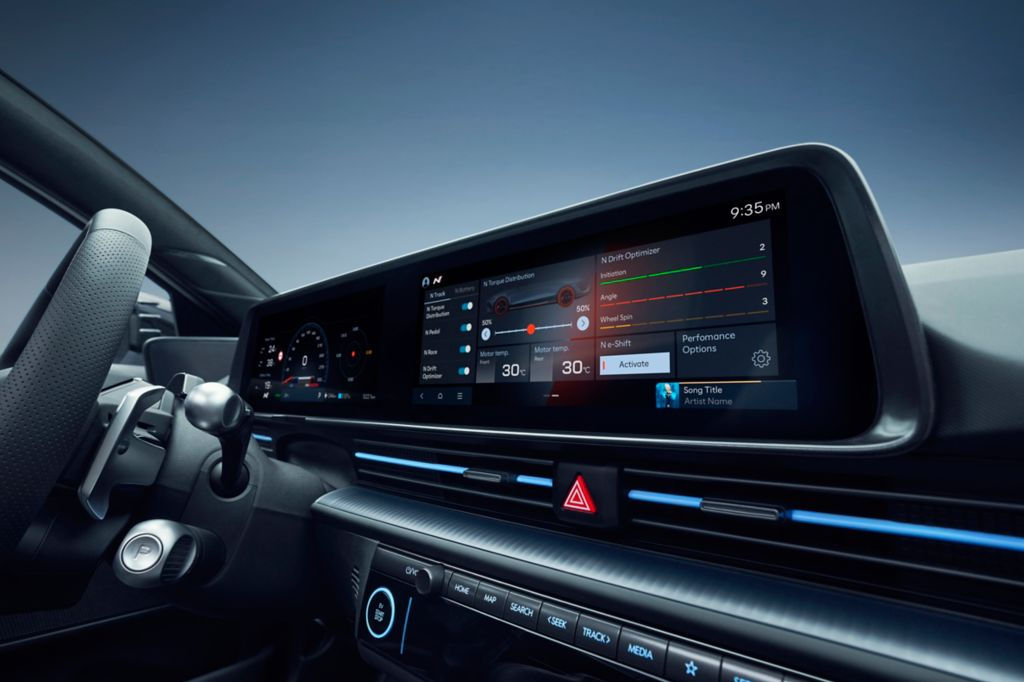
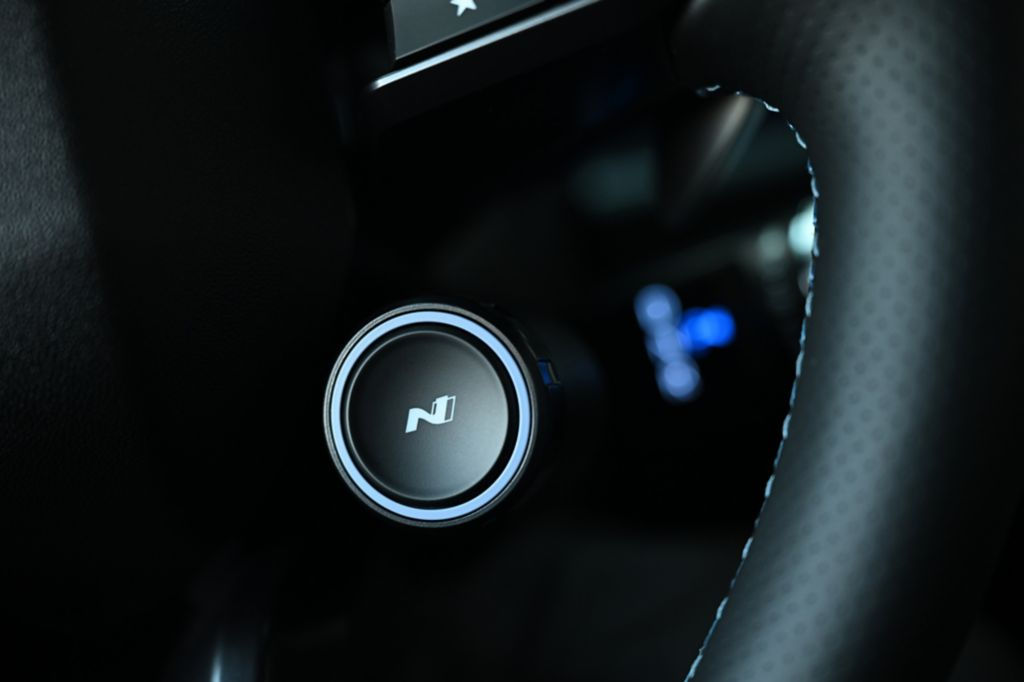
Hyundai is claiming similar incremental improvements to the N Active Sound+ generator too, which benefits from hardware upgrades and new acoustic tuning. Whether you consider these features theatre or substance will depend largely on your tolerance for synthetic inputs in an EV driving experience, though they're fully configurable alongside torque distribution, drift optimiser, and battery pre-conditioning functions. As per the 5 N, two customised setups can be saved onto the N1 and N2 buttons mounted on the steering wheel.
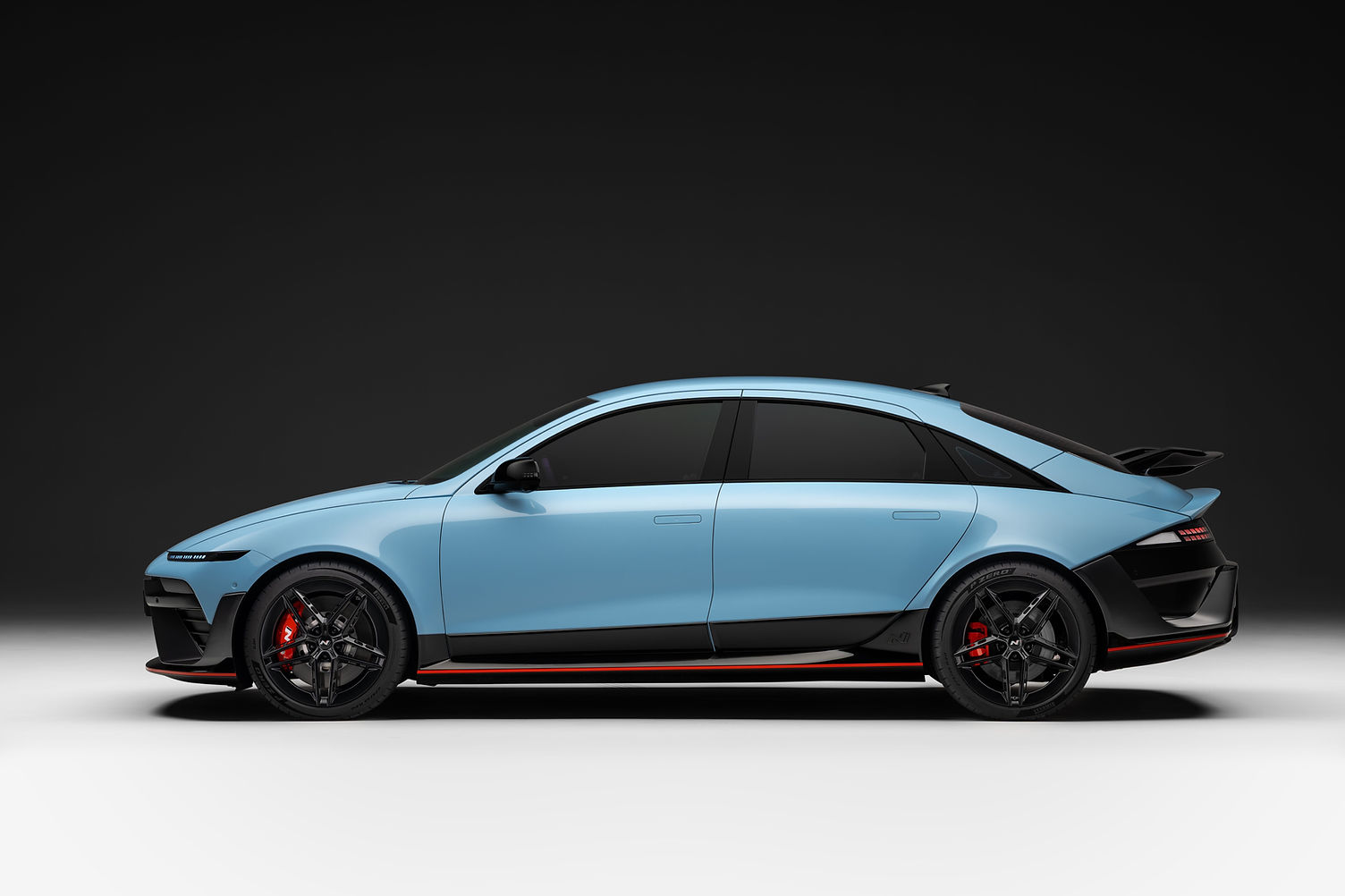
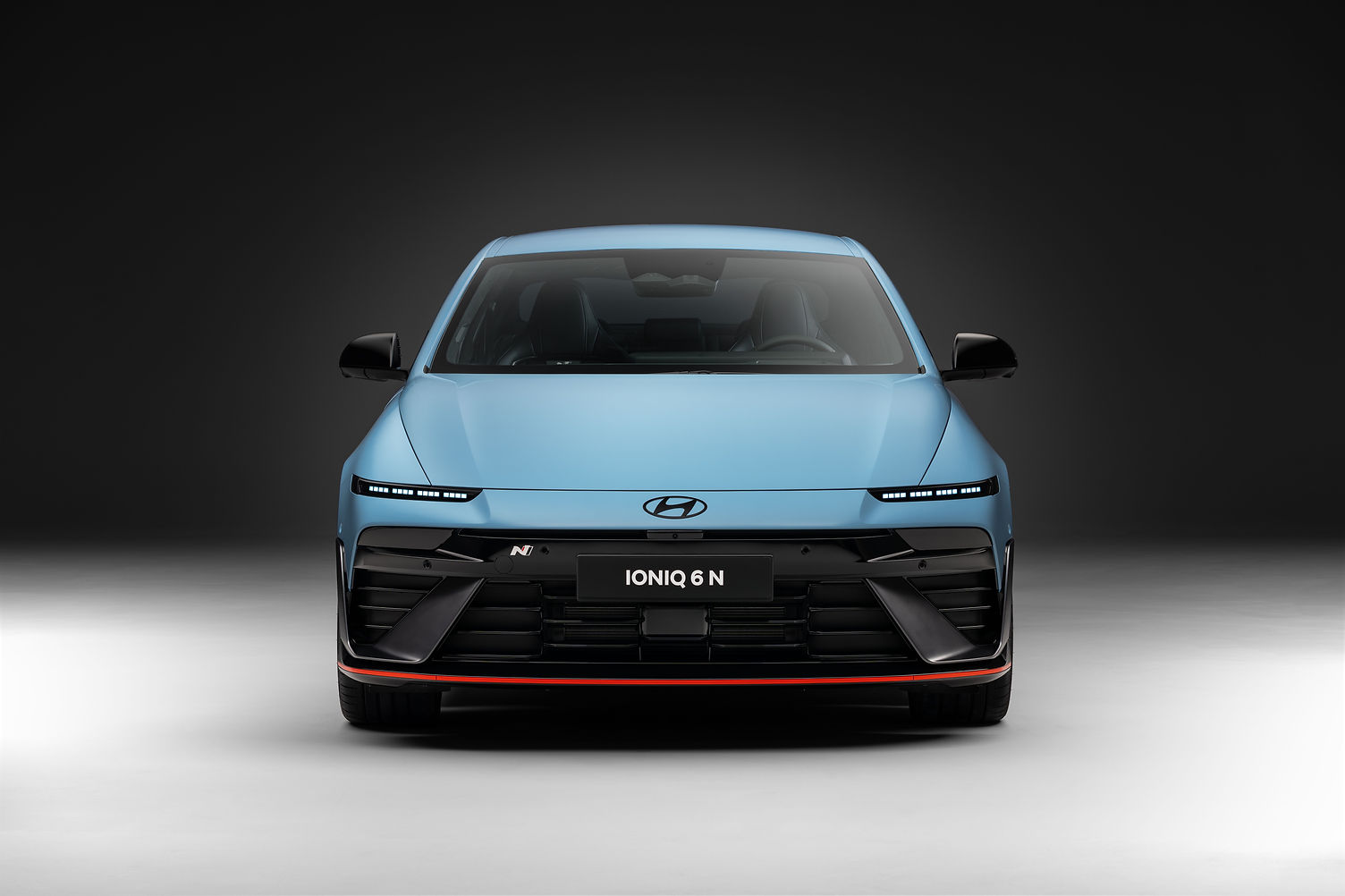
The styling of the 6 N builds on the recently facelifted Ioniq 6, adding the widened arches and visual cues expected of an N model, but the unmissable feature set to become the car’s trademark is the large swan neck rear wing. With its rivals majoring on discretion, Hyundai’s approach will be divisive, bringing to mind the Honda Accord Type R of the late 1990s.
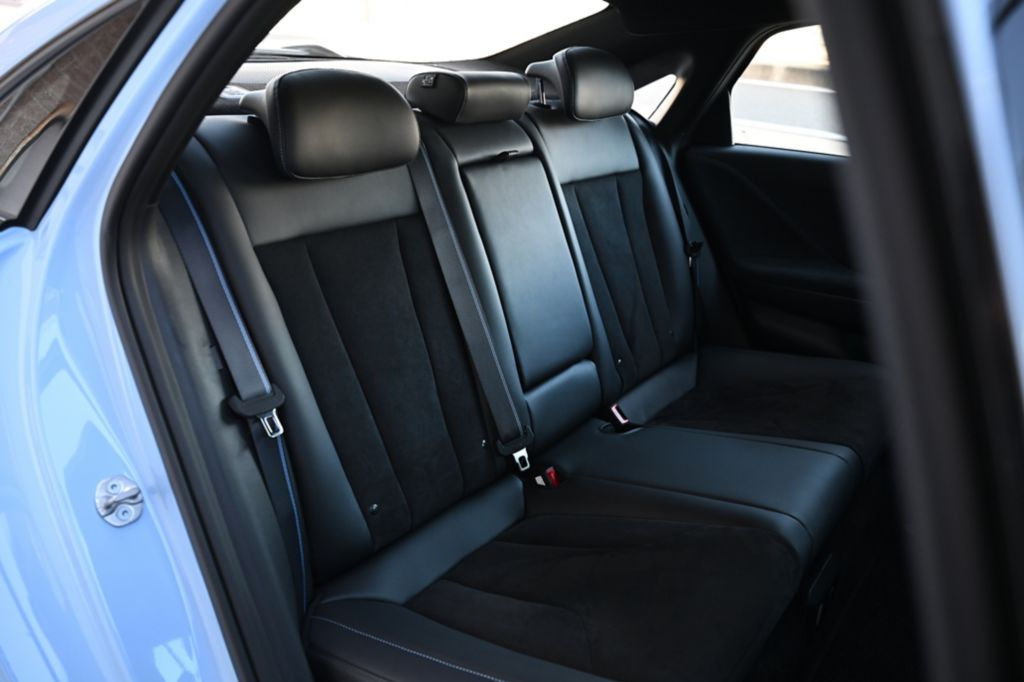
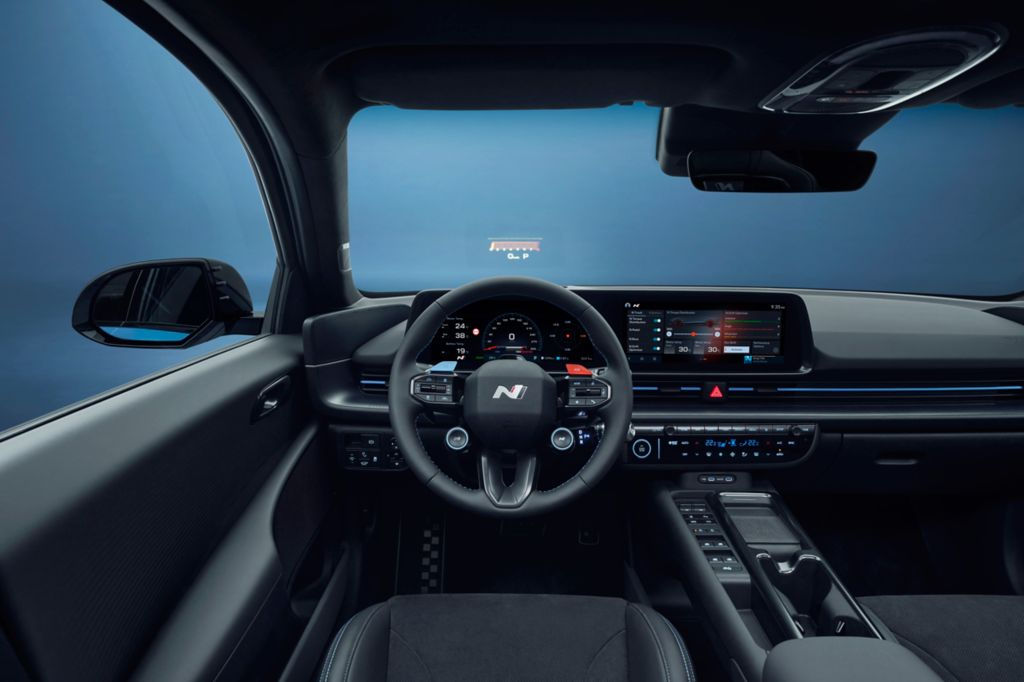
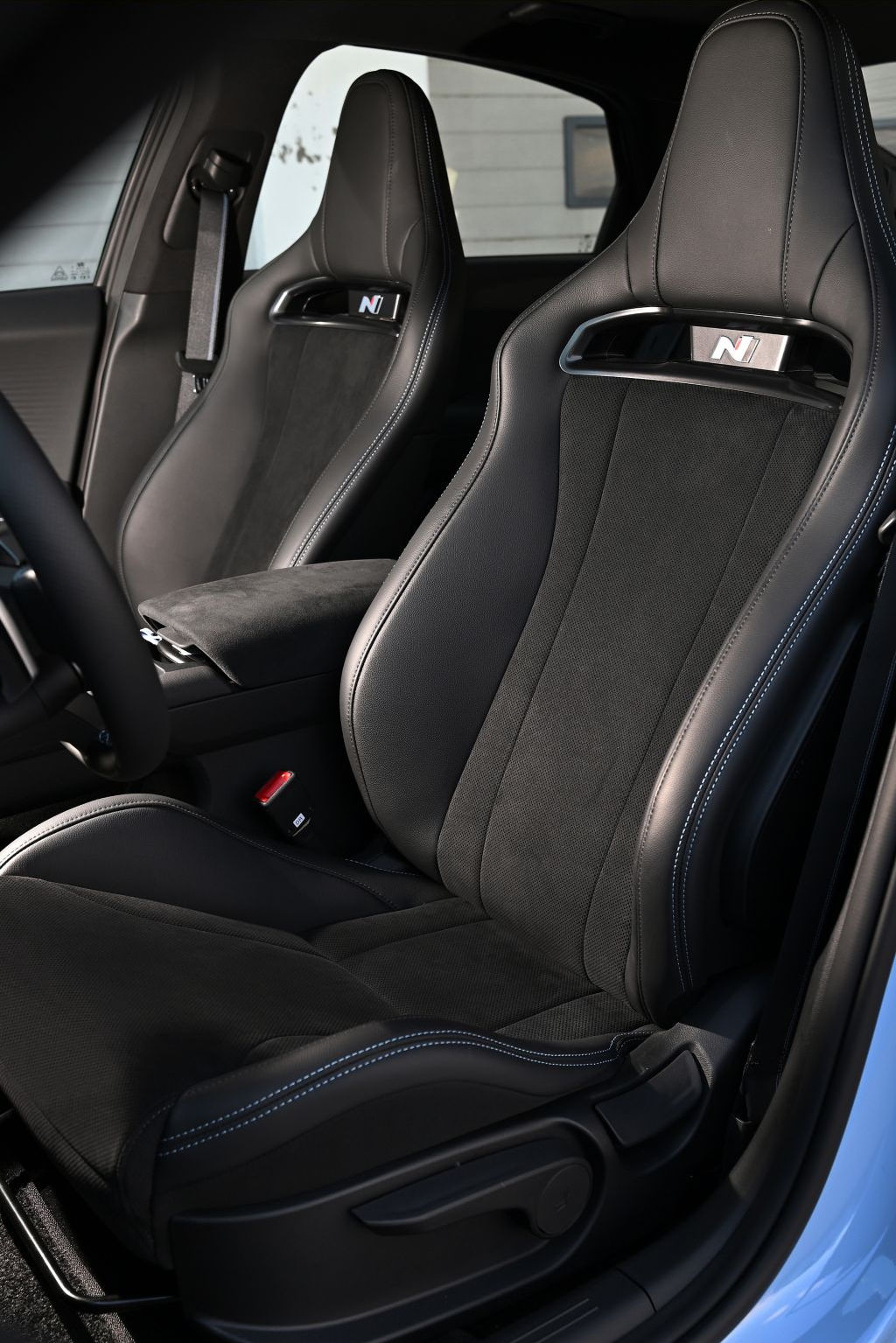
Inside, Alcantara-trimmed bucket seats, aluminium N pedals, and suede roof lining elevate the ambiance, though in terms of practicality the fastback silhouette means rear headroom is in short supply.
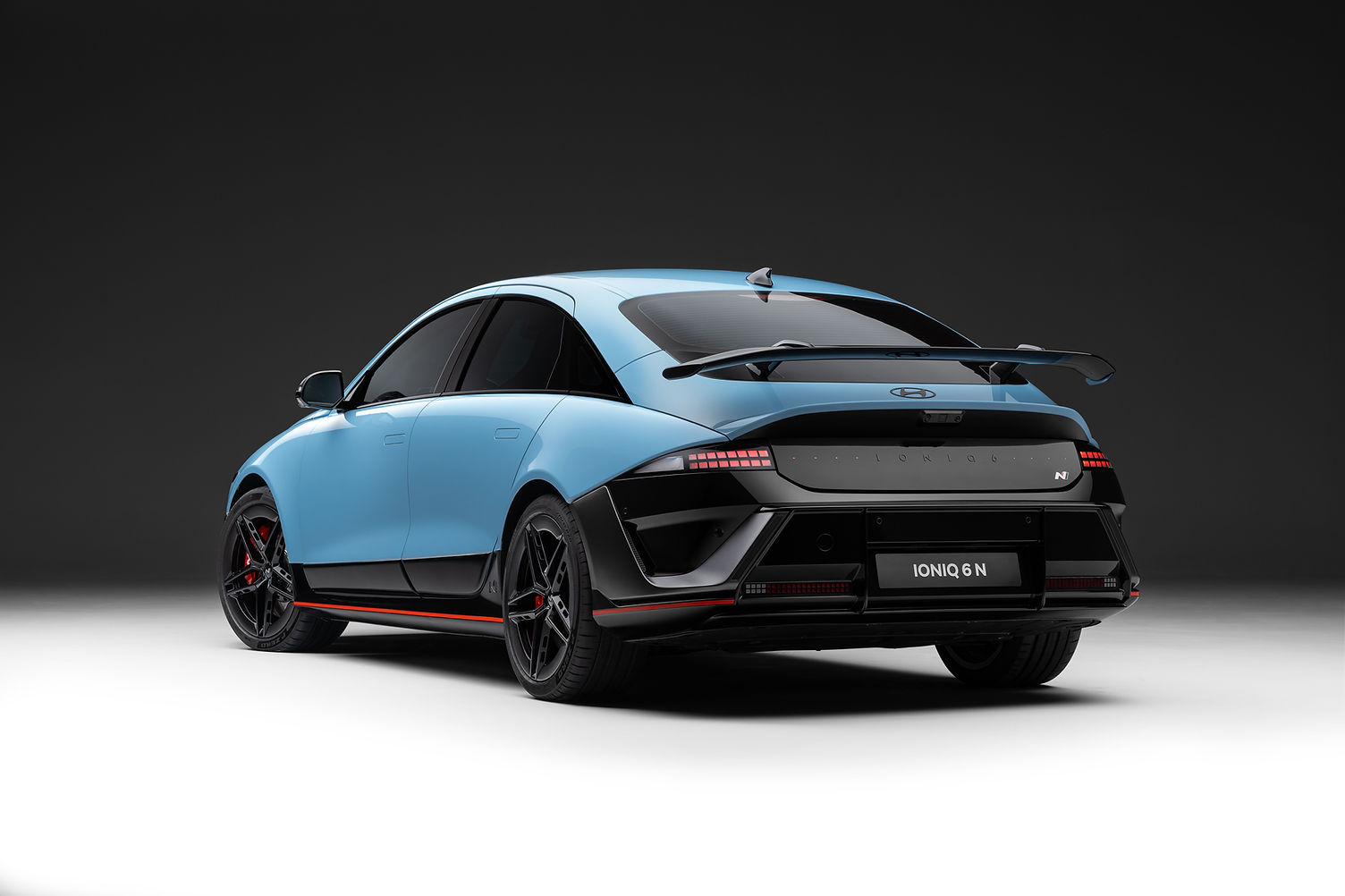
Available in a single specification, options extend only to paint and a panoramic roof at £1,250. Serenity White pearl is the no-cost option, with Performance Blue, Abyss Black, and Nocturne Grey metallic commanding £750, while Nocturne Grey matte and Gravity Gold matte require a further £500.
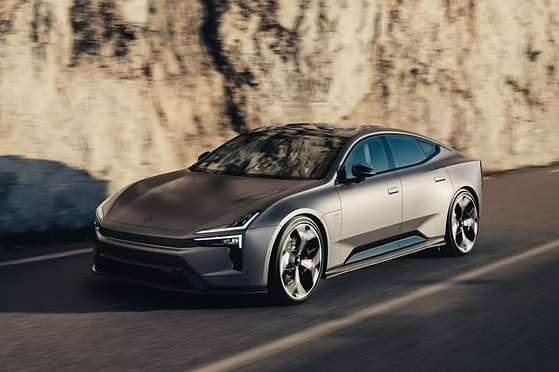
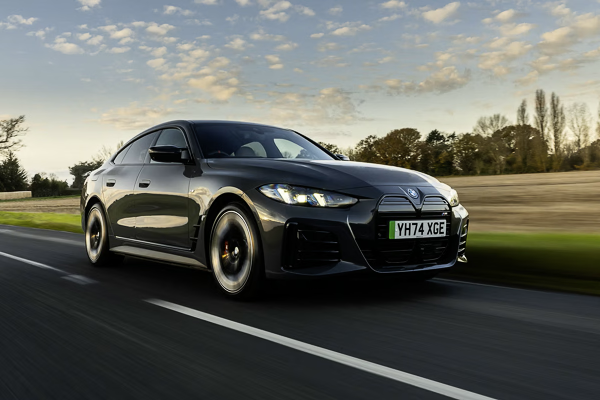
That £65,800 asking price positions the 6 N in a surprisingly buoyant hot EV saloon segment. Despite reported struggles for Porsche's Taycan and the Ioniq 5 N's own commercial challenges – slow sales despite strong critical acclaim and aggressive lease deals – the driver-focused fastback EV market continues expanding. BMW's i4 M60 offers 593bhp for £71,000. The recently reduced Lotus Emeya now starts from £84,990 and has 603bhp on tap, while Polestar's 5 Dual Motor ups this to 737bhp and wraps it in a very pretty body for a fraction more.
Before we get too carried away, at the opposite end sits MG's IM5 Performance, which undercuts the Hyundai significantly at £48,500 whilst trumping all of the above with 740bhp. Whether its dynamics match the specification remains a different question.
The man down the pub would have you believe the performance EV market is tanking – "even Porsche can't make it work" – yet here we have BMW, Lotus, Polestar, MG, and Hyundai all fielding credible four-door performance EVs within a £40k bookend. The segment clearly has depth, even if commercial success remains elusive for some players. More importantly, such rivalry only serves to benefit us enthusiasts as engineers push themselves harder.
On the strength of the 5 N, the 6 N certainly has the dynamic credentials to challenge – maybe even lead – the sector. Whether it has the brand cachet to convince buyers to steer away from premium alternatives remains its greatest challenge. When deliveries commence this spring, Hyundai will get their answer.
Author
Photography by:
Hyundai N
Published on:
27 January 2026
Our Print Magazine
LATEST ARTICLES
About the Author

Craig Toone
Rush Founder
Obsessed with cars and car magazines ever since growing up in the back of a Sapphire Cosworth. Wore the racing line into the family carpet with his Matchbox toys. Can usually be found three-wheeling his Clio 182 Trophy around the Forest of Bowland, then bemoaning its running costs.
Related Articles
NEVER MISS AN ARTICLE

The full UK specification of Hyundai’s 641bhp answer to the BMW i4 M60 and Audi’s e-tron GT quattro has been released, which includes a 302-mile range and updated virtual gearshift.
Hyundai N
27 January 2026
The full UK specification of Hyundai’s 641bhp answer to the BMW i4 M60 and Audi’s e-tron GT quattro has been released, which includes a 302-mile range and updated virtual gearshift.
First published
27 January 2026
Last updated
27 January 2026
Photography
Hyundai N
W
Hyundai has opened UK order books for the Ioniq 6 N, its second performance EV, priced at £65,800. The four-door fastback arrives as a more aerodynamically focused derivative of the Ioniq 5 N crossover, applying the same fundamental E-GMP platform architecture to a lower, sleeker body.
The 6 N employs the same dual electric motors producing a combined 641bhp and 770Nm of torque with N Grin Boost engaged – sufficient for 0-62mph in 3.2 seconds and a 160mph maximum. An 84kWh battery provides 302 miles of WLTP range, whilst 800V architecture enables an 18-minute 10-80% charging time when hooked up to a 350kW infrastructure. While the stopwatch top up remains competitive, range is one area where the platform is starting to show its age, as all its key rivals can go at least 10 per cent further.

Where the 6 N differentiates itself from the 5 N is in chassis tuning. While the same 220bhp front, 373bhp rear power bias is in effect, the lower roll centre of the 6 N's body allows for new suspension geometry that improves dynamics without – Hyundai claims – sacrificing comfort. Stroke-sensing electronically controlled dampers react to wheel movement in real-time, whilst recalibrated bushing bridges the divide between road and track demands.
When the going gets twisty, an electronic limited-slip differential marshals the power at the rear, while strategic axle strengthening reduces flex under load. Hyundai also states the EPAS has been sharpened for more immediate response and enhanced feedback. Braking is courtesy of four-piston monobloc calipers gripping 400mm ventilated discs at the front, with 360mm rears – substantial hardware even considering the 2,201kg kerb weight. Like the 5 N, the car sits on 20-inch lightweight wheels shod with specially developed Pirelli P Zero rubber.
The N e-Shift system will also be making an appearance, updated with shorter ratios for the simulated eight-speed DCT, complete with an 8,500rpm redline and ambient lighting cues to encourage exploring it. While it may harm straight line acceleration, many find e-Shift to be a worthy sacrifice at the altar of engagement. Those looking for the traditional EV headrush of relentless acceleration can, of course, turn the system off.


Hyundai is claiming similar incremental improvements to the N Active Sound+ generator too, which benefits from hardware upgrades and new acoustic tuning. Whether you consider these features theatre or substance will depend largely on your tolerance for synthetic inputs in an EV driving experience, though they're fully configurable alongside torque distribution, drift optimiser, and battery pre-conditioning functions. As per the 5 N, two customised setups can be saved onto the N1 and N2 buttons mounted on the steering wheel.
The styling of the 6 N builds on the recently facelifted Ioniq 6, adding the widened arches and visual cues expected of an N model, but the unmissable feature set to become the car’s trademark is the large swan neck rear wing. With its rivals majoring on discretion, Hyundai’s approach will be divisive, bringing to mind the Honda Accord Type R of the late 1990s.
Inside, Alcantara-trimmed bucket seats, aluminium N pedals, and suede roof lining elevate the ambiance, though in terms of practicality the fastback silhouette means rear headroom is in short supply.

Available in a single specification, options extend only to paint and a panoramic roof at £1,250. Serenity White pearl is the no-cost option, with Performance Blue, Abyss Black, and Nocturne Grey metallic commanding £750, while Nocturne Grey matte and Gravity Gold matte require a further £500.
That £65,800 asking price positions the 6 N in a surprisingly buoyant hot EV saloon segment. Despite reported struggles for Porsche's Taycan and the Ioniq 5 N's own commercial challenges – slow sales despite strong critical acclaim and aggressive lease deals – the driver-focused fastback EV market continues expanding. BMW's i4 M60 offers 593bhp for £71,000. The recently reduced Lotus Emeya now starts from £84,990 and has 603bhp on tap, while Polestar's 5 Dual Motor ups this to 737bhp and wraps it in a very pretty body for a fraction more.
Before we get too carried away, at the opposite end sits MG's IM5 Performance, which undercuts the Hyundai significantly at £48,500 whilst trumping all of the above with 740bhp. Whether its dynamics match the specification remains a different question.


The man down the pub would have you believe the performance EV market is tanking – "even Porsche can't make it work" – yet here we have BMW, Lotus, Polestar, MG, and Hyundai all fielding credible four-door performance EVs within a £40k bookend. The segment clearly has depth, even if commercial success remains elusive for some players. More importantly, such rivalry only serves to benefit us enthusiasts as engineers push themselves harder.
On the strength of the 5 N, the 6 N certainly has the dynamic credentials to challenge – maybe even lead – the sector. Whether it has the brand cachet to convince buyers to steer away from premium alternatives remains its greatest challenge. When deliveries commence this spring, Hyundai will get their answer.


The full UK specification of Hyundai’s 641bhp answer to the BMW i4 M60 and Audi’s e-tron GT quattro has been released, which includes a 302-mile range and updated virtual gearshift.


.jpg)