-01.svg)

A new hybrid system features an electric motor from Helix and a battery from Bold Technology. The new hardware almost doubles the push-to-pass potency up to 100bhp, while offering 14 times more energy storage to allow for extended boost times. All cars will feature a six-speed Xtrac gearbox, and a transparent engine cover to allow fans and team personnel alike to get a good view at the new powertrain.
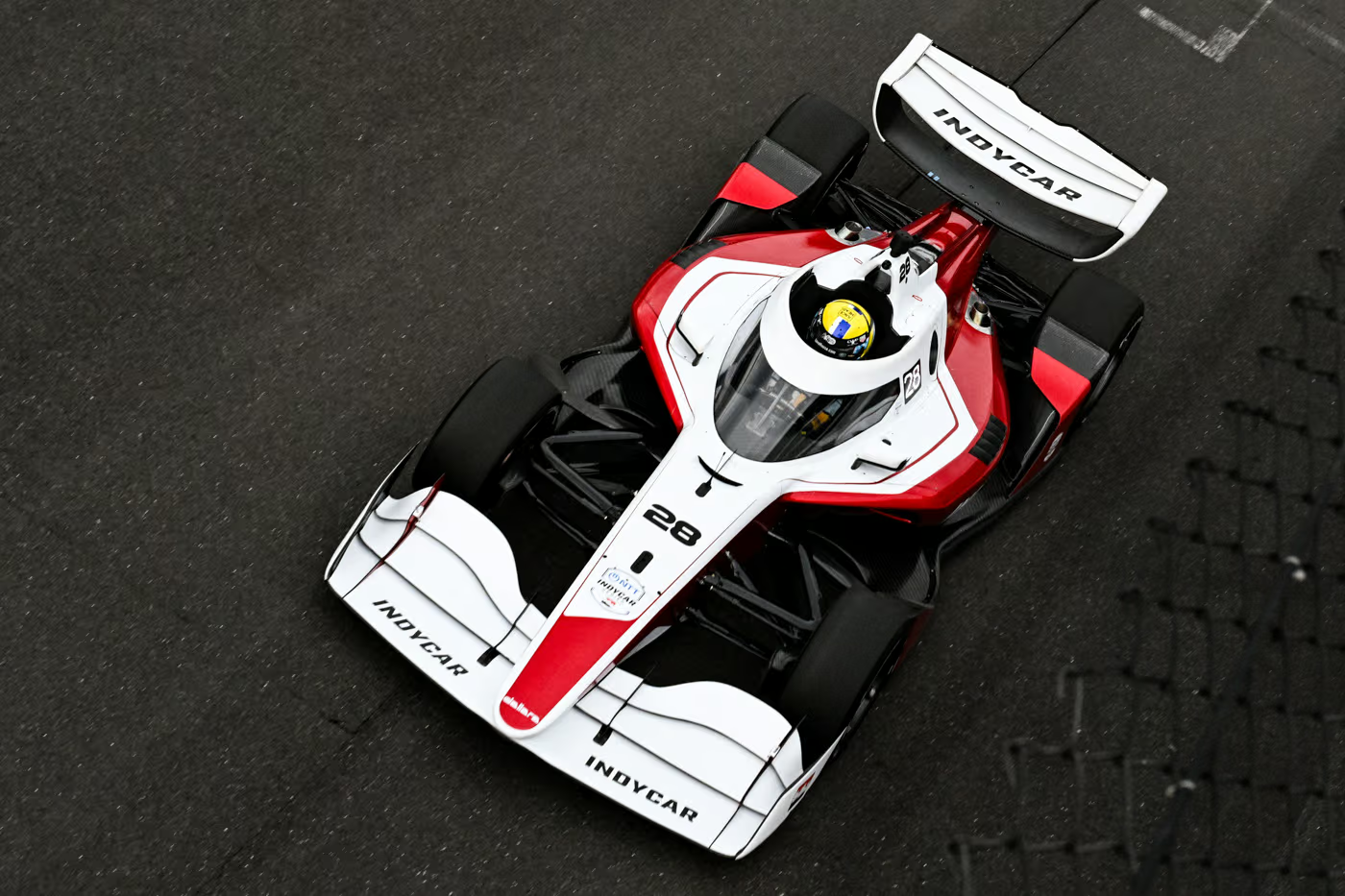
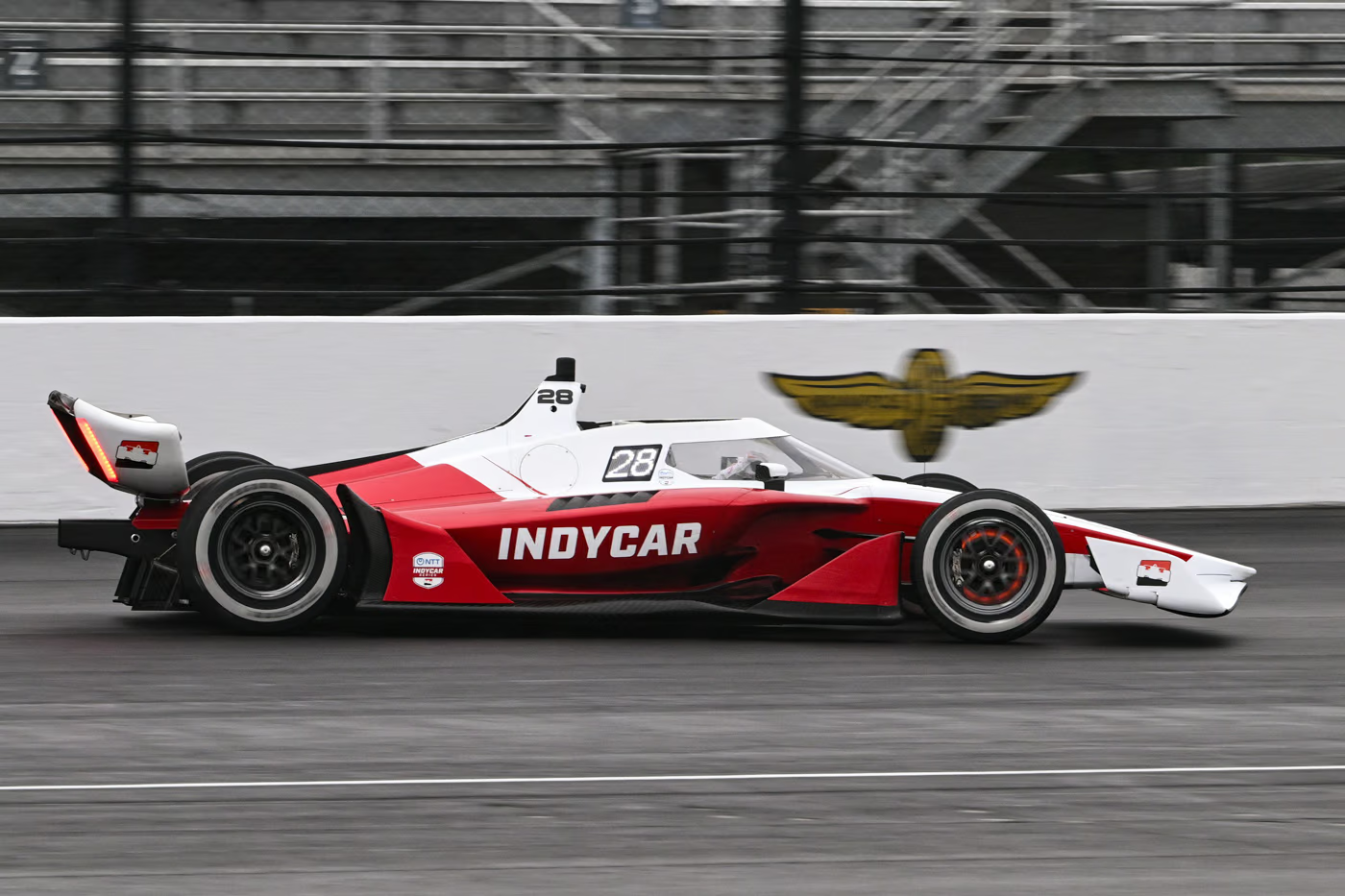
The series wants to break records with the new car, and as such will allow the IR-28 to run at maximum power during qualifying for the Indy 500. The current records were set by two-time winner Arie Luyendyk in 1996, who took just 2:31.908 for his full 10-mile qualifying run with a fastest lap of 39.895 seconds. In average speed terms, that’s 236.986mph for four laps, and 237.498 for his fastest tour of The Brickyard.
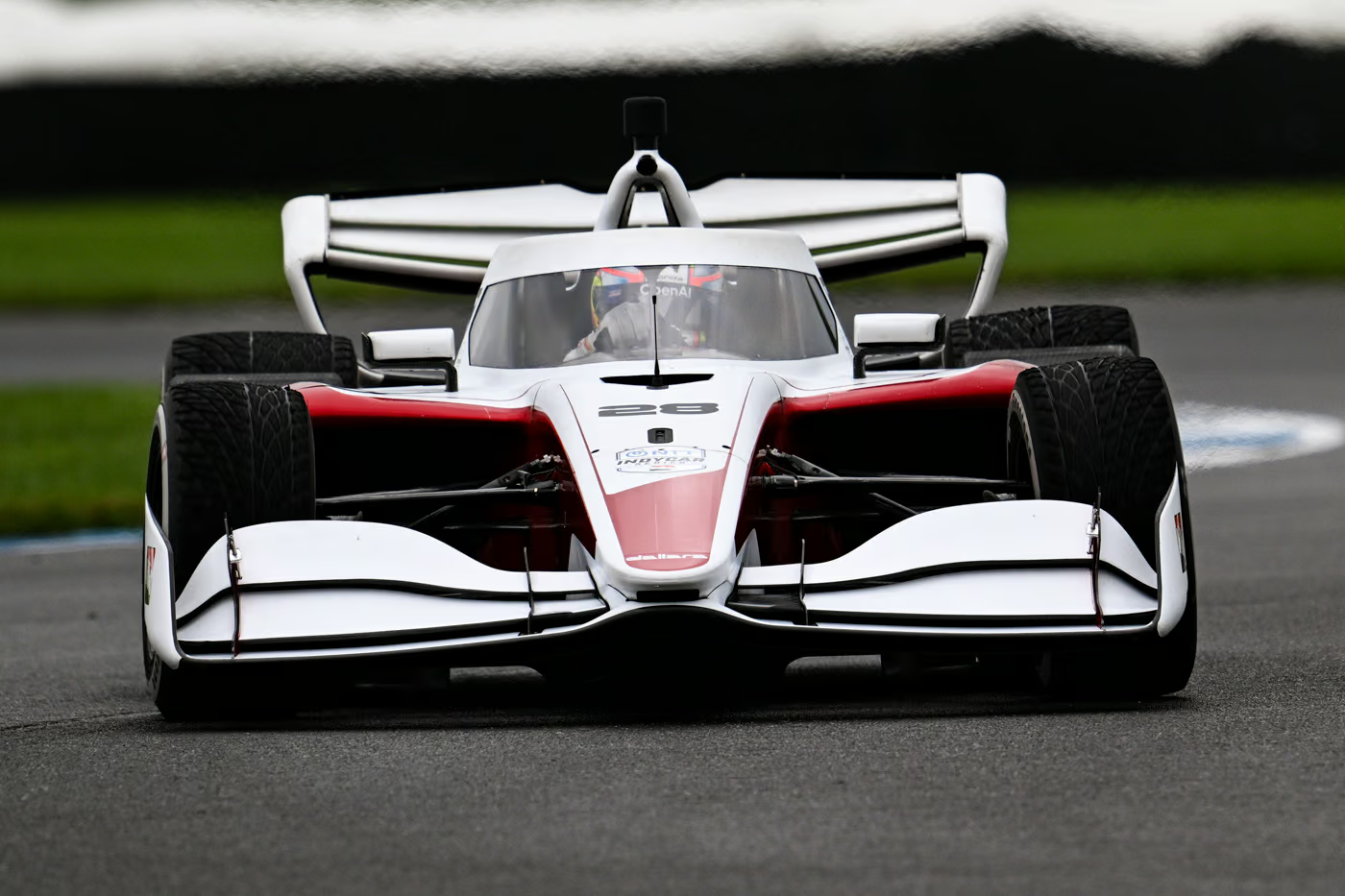
Outright power is just one string in the IR-28’s bow, with the car also benefitting from a 45kg weight reduction and brand new aerodynamic packages. Three bodywork kits will be used, ranging from maximum downforce for street tracks to low-drag for ovals, with an intermediate set-up for road courses like Laguna Seca and short ovals like Phoenix Raceway. The front wing takes on an aircraft-inspired design with a clean blend from the mainplane to the endplates, while a trio of inverted coathanger-shaped designs are found at the rear.
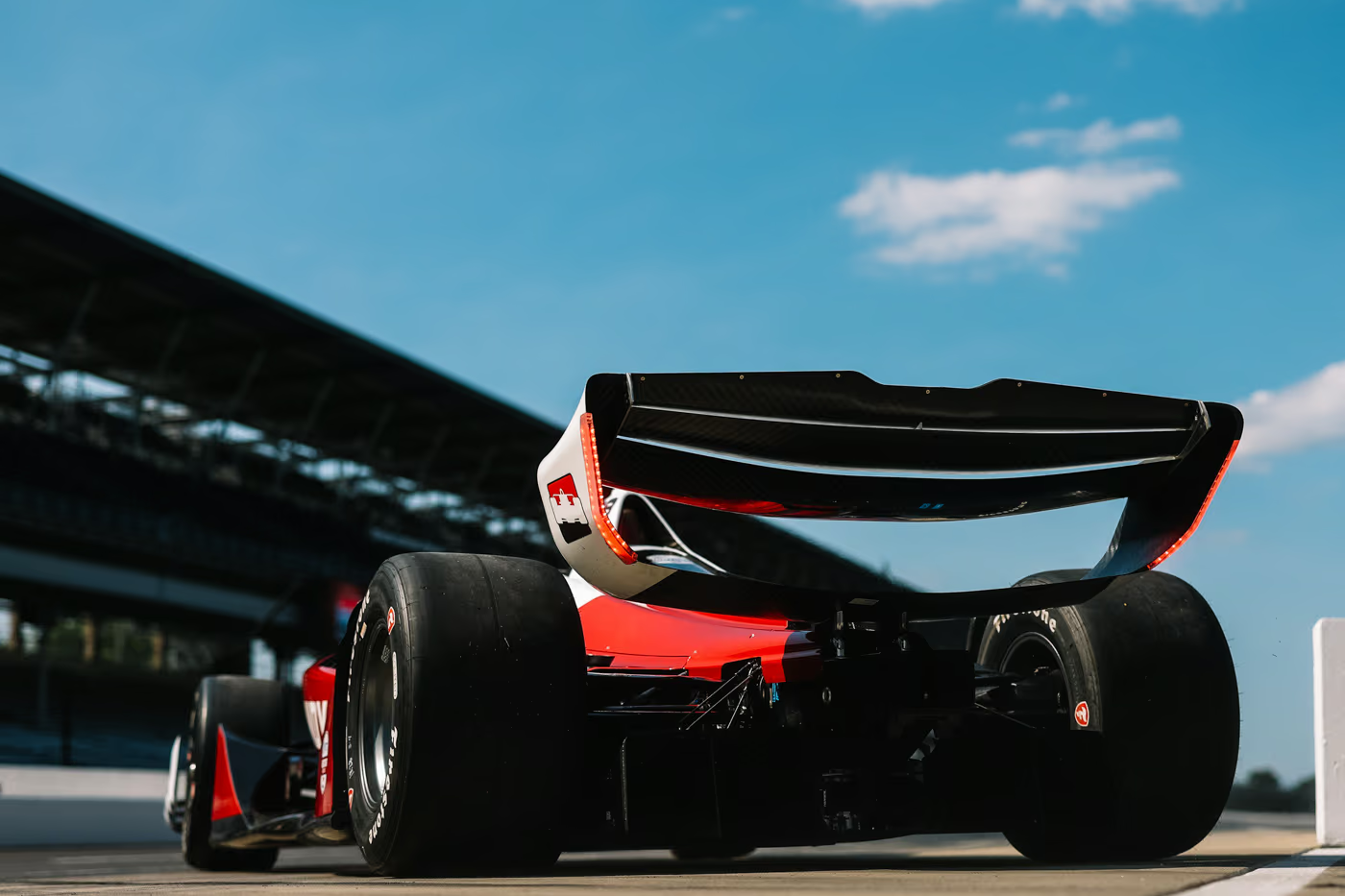
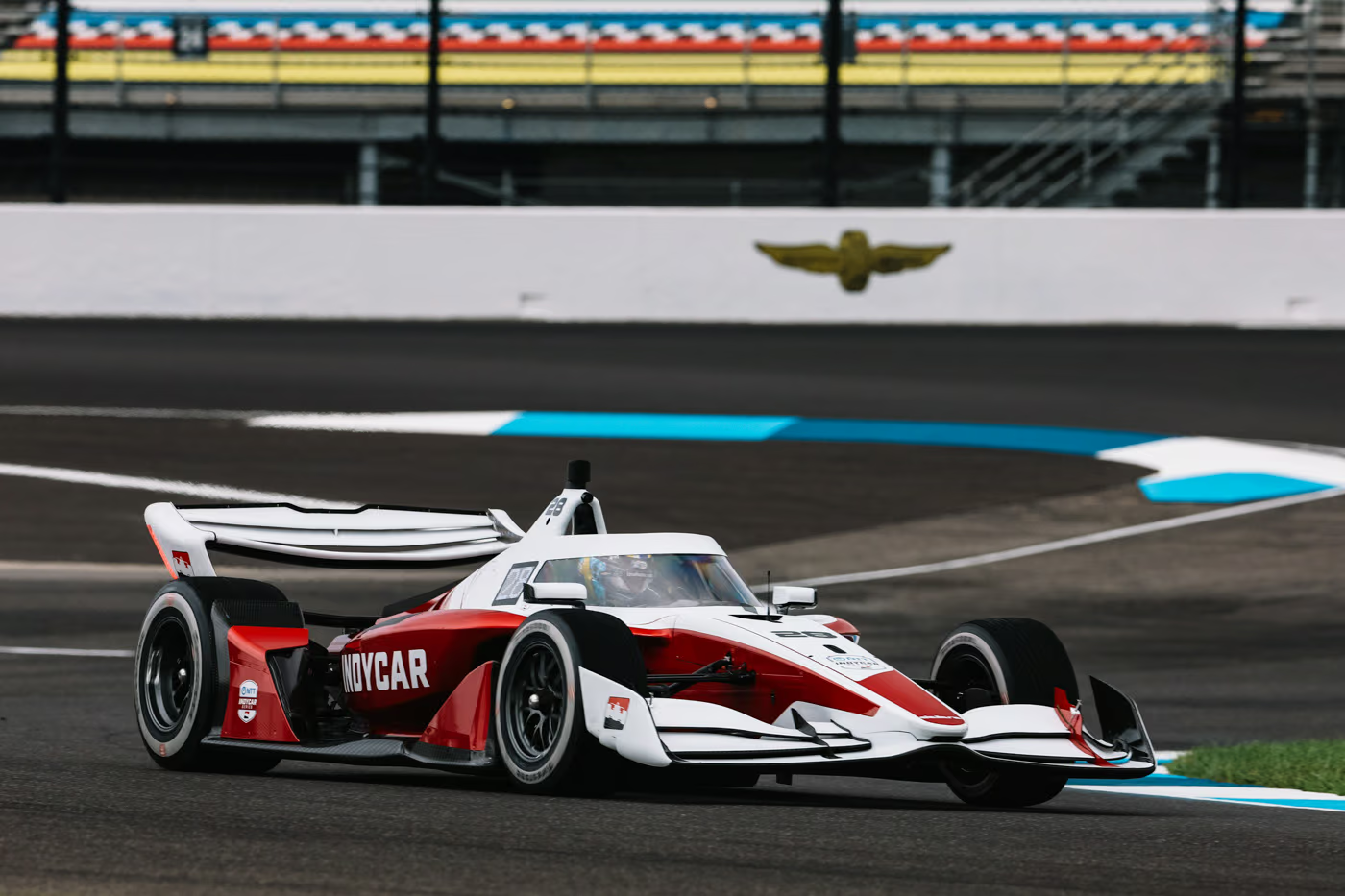
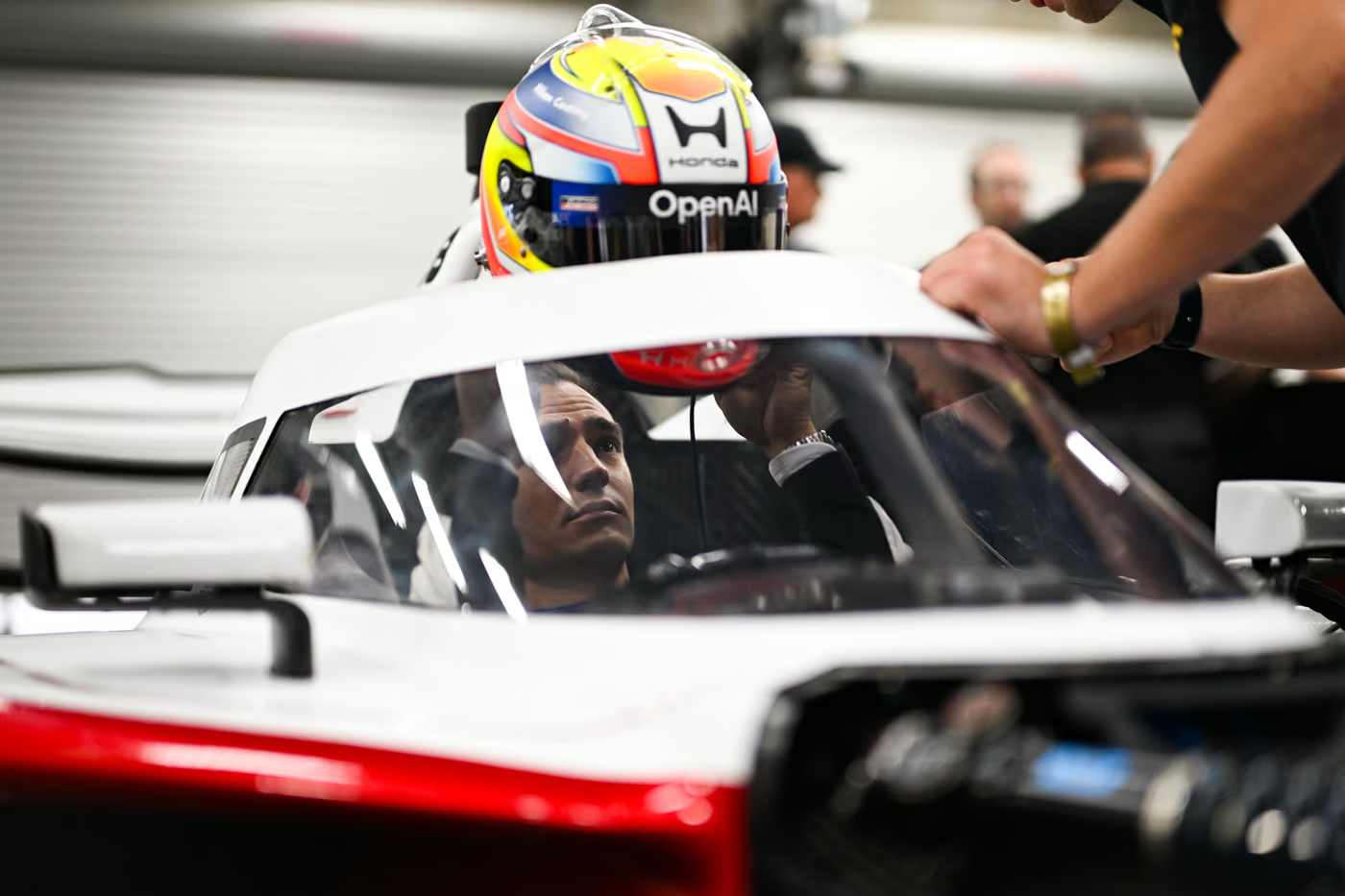
Narrow sidepods protrude from the spine, separated from the floor below. Large barge board-style floor extensions trail the front wheels to serve a dual purpose: managing airflow along the side of the car, and preventing wheels from interlocking after contact. Driver safety has been a key consideration for the IR-28, with the new monocoque designed to incorporate a titanium halo and laminated aeroscreen from day one, rather than being added after seven years of competition.
The roll hoop and side impact structures have been improved, with Indycar saying the car will be more stable post-contact, remaining grounded even after a slide or spin rather than taking to the air and landing inverted. An enlarged and de-cluttered cockpit offers more space for taller drivers, and improved ventilation with a NACA duct placed at the base of the aeroscreen.
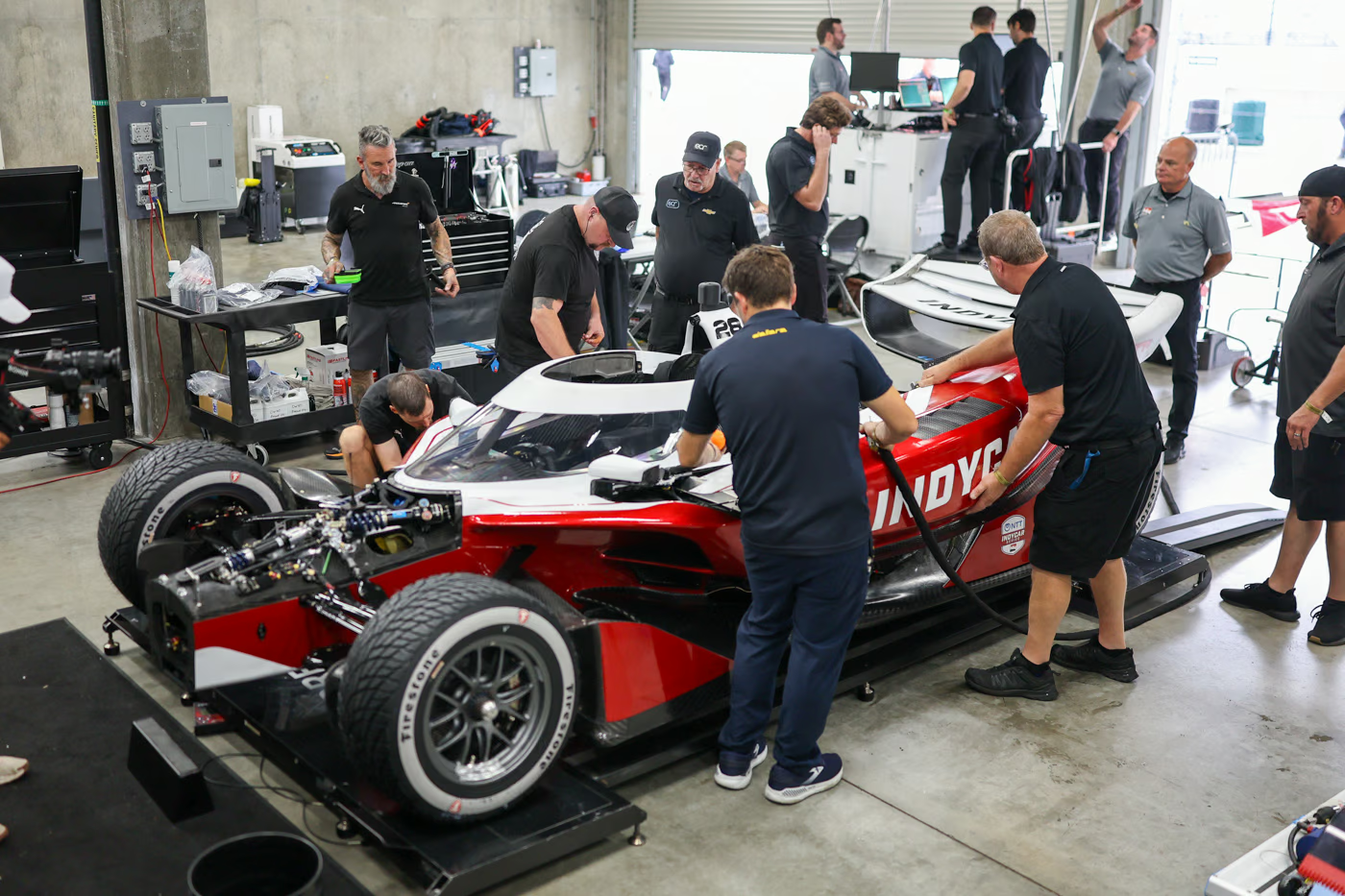
A suspension overhaul is part of the new package, with all cars using Axis dampers and a trio of coil springs at both ends. Anti-roll bar adjustment is now electronically controlled, allowing drivers to adjust the car’s balance throughout long stints. Tyres will continue to be supplied by Firestone, and BBS joins the series as the exclusive wheel supplier. Onboard electronics will come courtesy of Cosworth, while Motion Applied provides the ECUs.
With a 2028 race debut scheduled for the IR-28, the current Dallara DW12 has just over one year left to run. The car was introduced for the 2012 season, and was set to be known as the IR-12. One of the drivers involved in its development was Dan Wheldon – the 2005 Indycar Series champion, 2006 Daytona 24 Hours winner, and two-time conqueror of the Indy 500. Following a tragic multi-car crash at the Las Vegas Motor Speedway, Wheldon lost his life, and Dallara renamed the car in his honour.

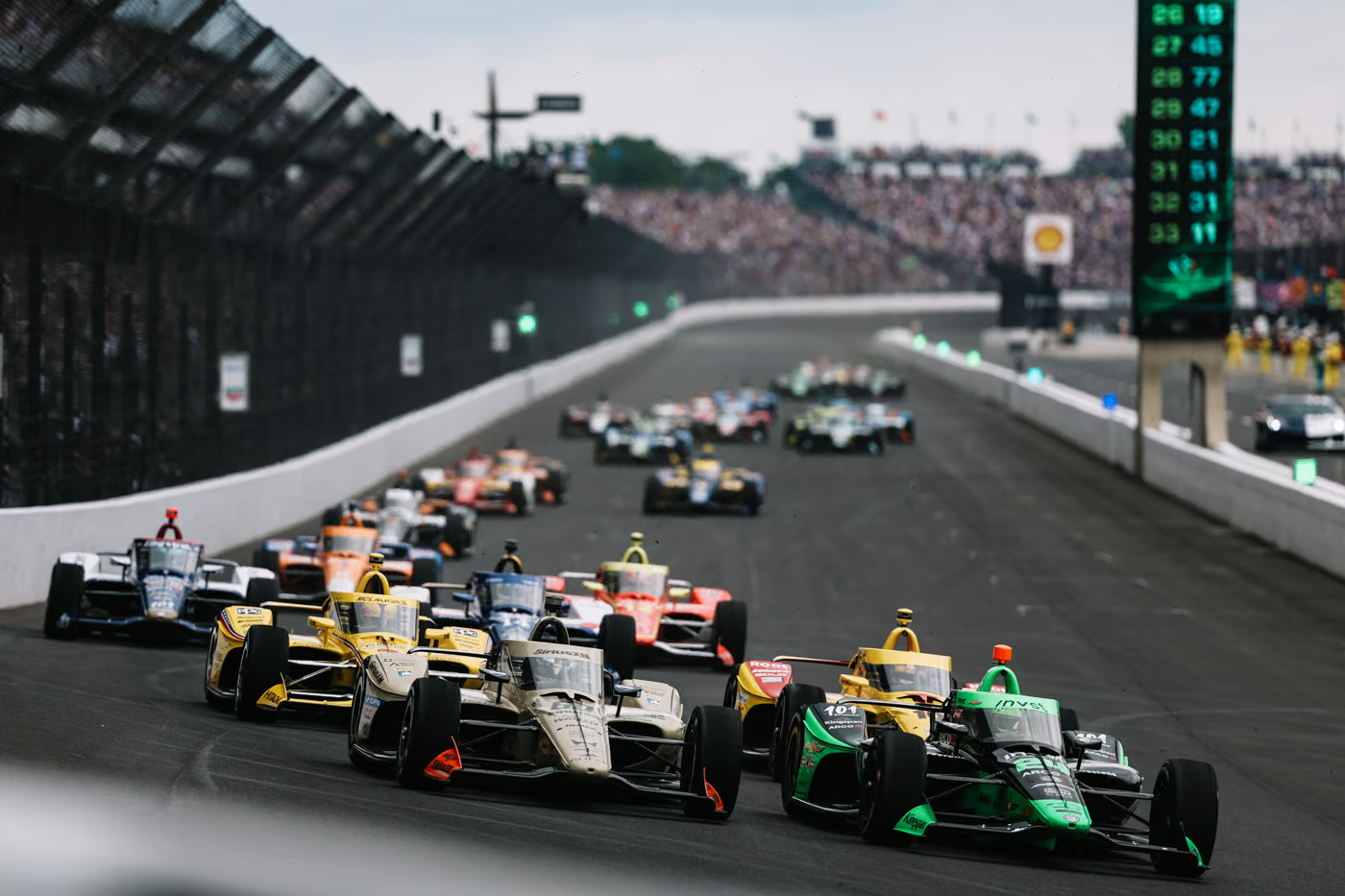
In the 14 years since its introduction, the DW12 has seen multiple aerodynamic, powertrain and safety evolutions to keep it racing long beyond its planned retirement date. Its replacement was initially due in 2021, before being pushed back to 2024.
When it finally arrives in 2028, the IR-28 will be lighter, faster and safer than its predecessor. We can expect even closer racing in an already competitive field and lap records to be broken throughout its first racing season. Those records should tumble further still in the coming years, with Indycar already talking of 800bhp engines being the goal, making 240mph average speeds at the Indianapolis Motor Speedway a real possibility.



.svg)

