-01.svg)

0–62mph is dealt with in just 3.3 seconds, with 124mph passing by after 10.8 seconds; top speed stands at 194mph. The plug-in hybrid system augments the V8 engine while reducing lag, contributing 189bhp and 356lb-ft (485Nm) on its own. The electric motor sits between the engine block and the eight-speed torque-converter transmission, and thanks to a 25.9kWh capacity battery, can offer an electric-only driving range in excess of 37 miles.
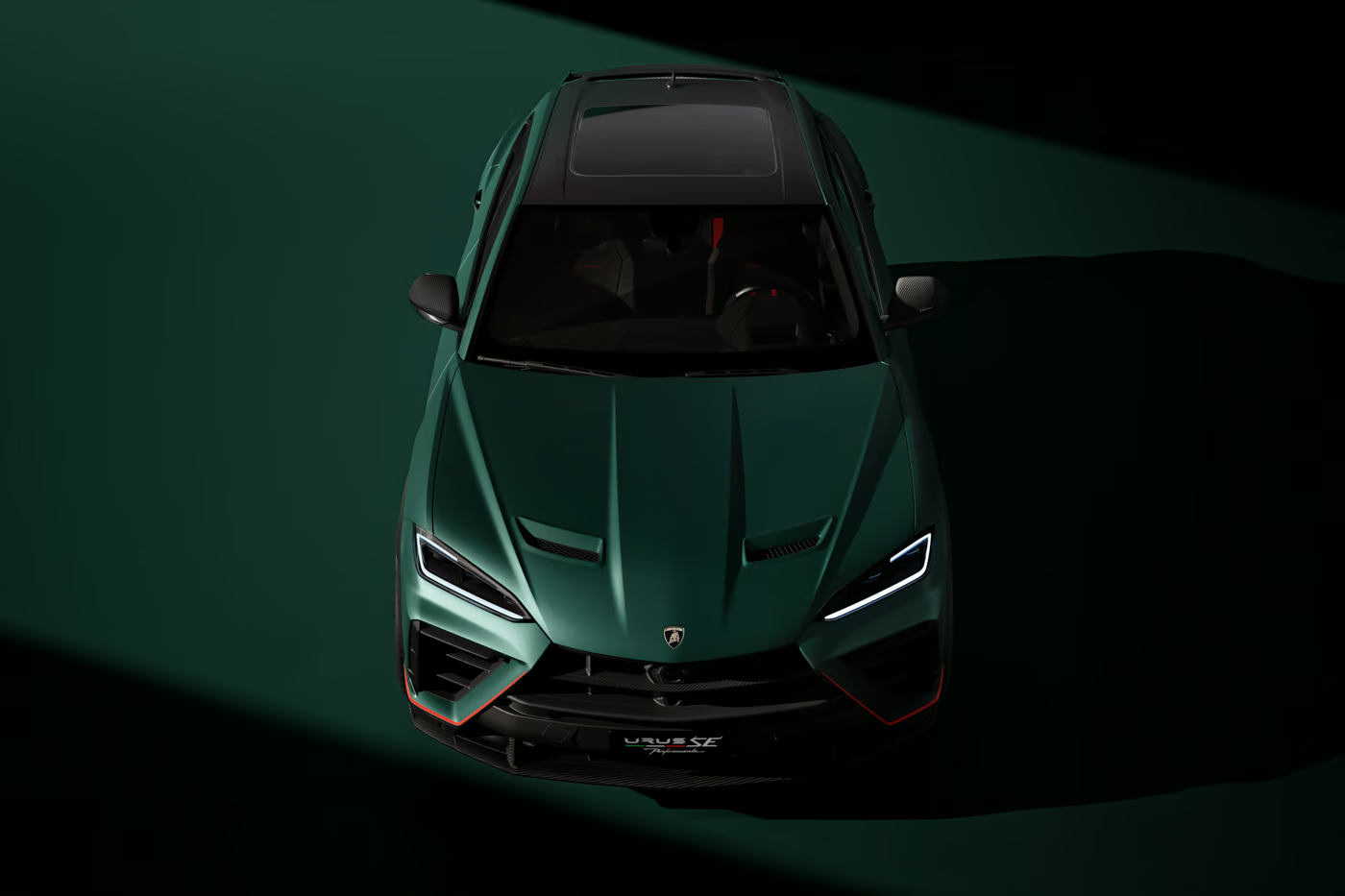
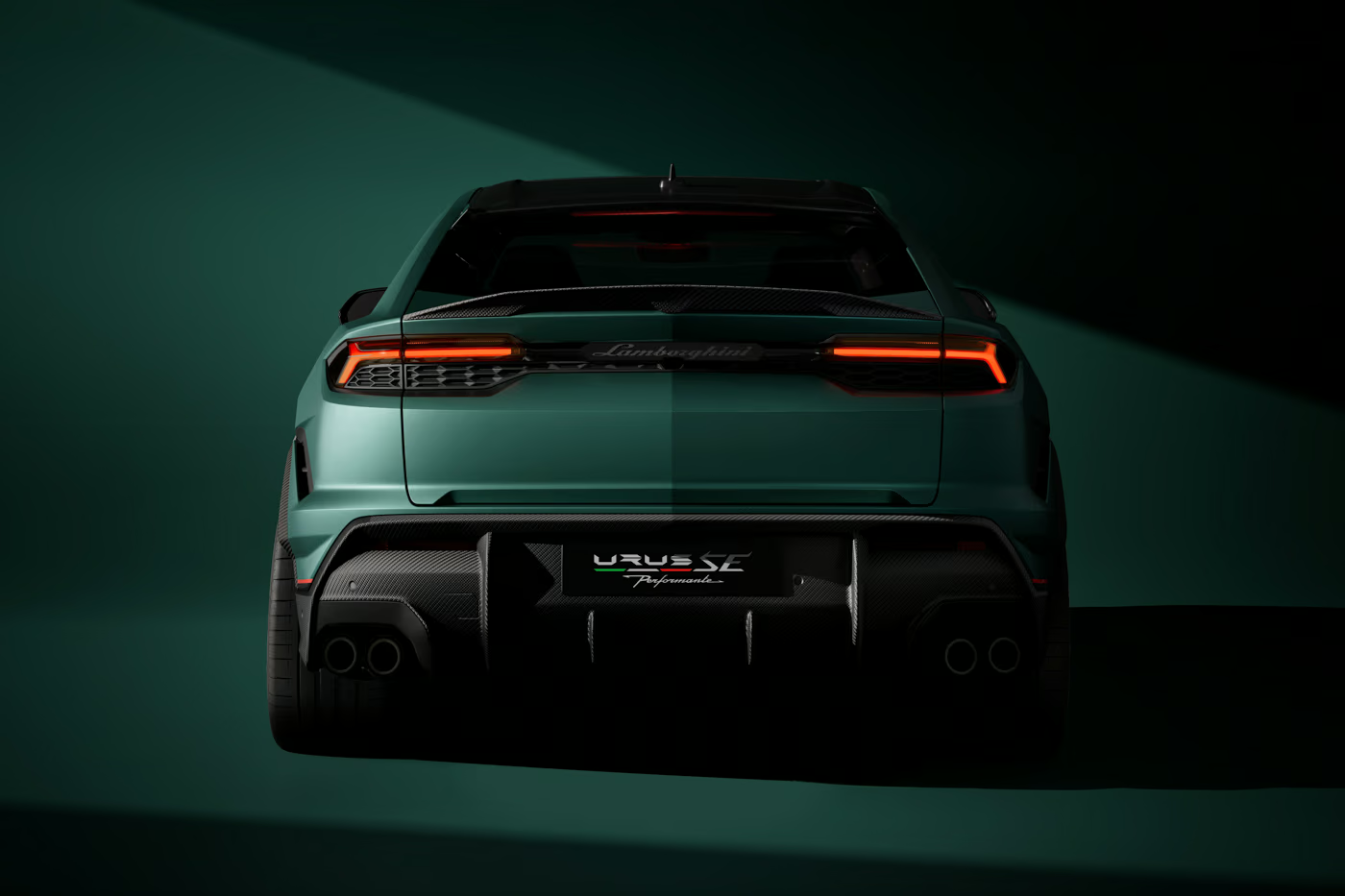
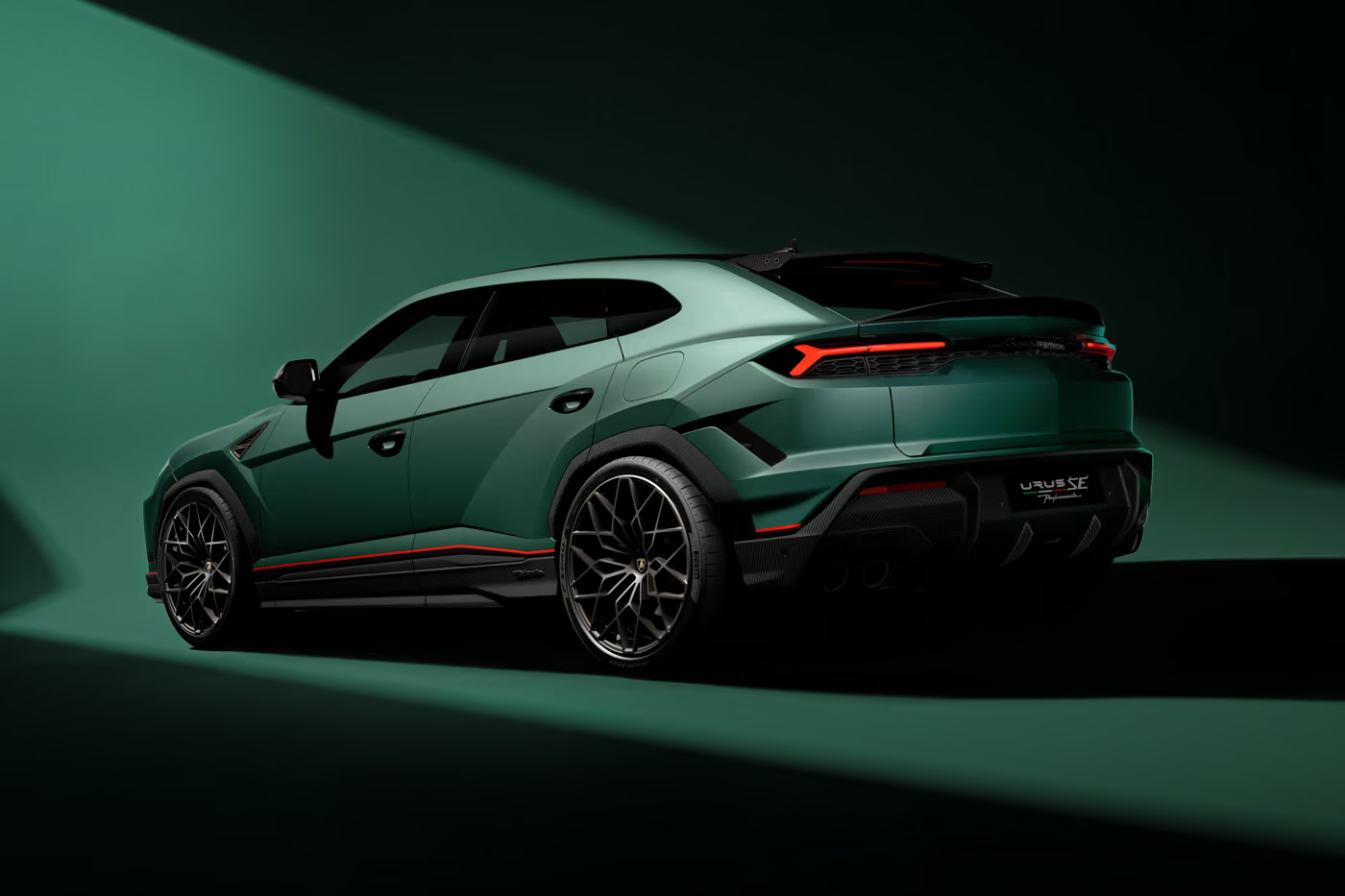
While undeniably a heavyweight at 2,473kg, targeted weight-saving measures and the extensive use of carbon fibre have trimmed 42kg compared to the standard Urus. The new bonnet features outlets for a pair of S-ducts, and the roof is available as a solid composite panel or one incorporating a glass sunroof. Elsewhere, the side skirts, front splitter and bumper trim, mirror caps, B-pillar, upper wing endplates, lower lip spoiler and the enlarged rear diffuser are all made of the lightweight material.
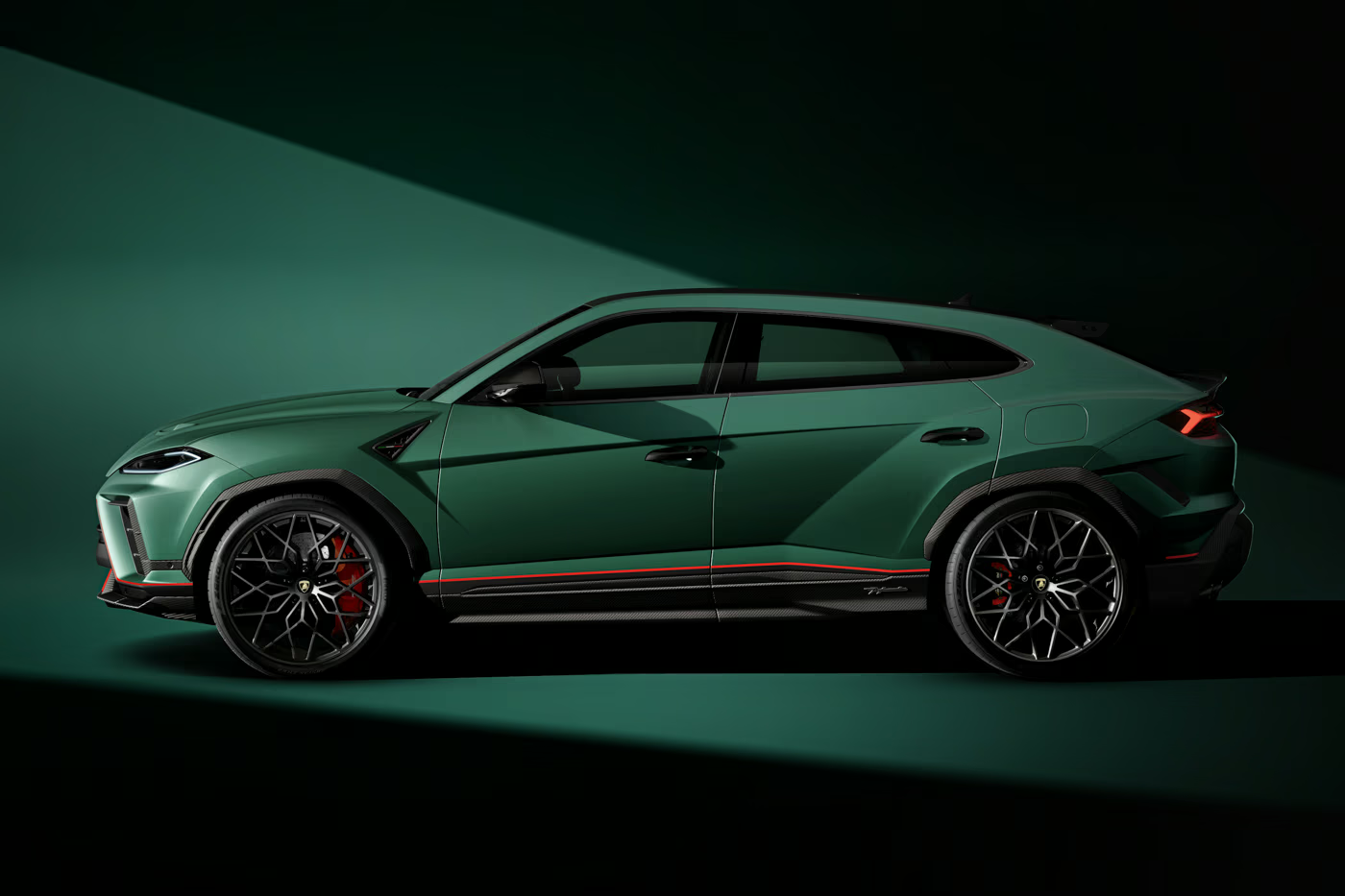
With its new bodykit, the Urus SE Performante cuts drag by three per cent while raising downforce by 23 per cent compared to the standard Urus SE. Four tailpipes are the business end of a new titanium Akrapovič exhaust system, enhancing the sound of the V8 engine by doing away with an X-pipe under the body, and saving 10kg compared to the standard pipework. Wheels measuring 22-inch and 23-inch are available, with Pirelli P Zero R or Scorpion Winter 2 rubber. Optional for cars with smaller wheels are semi-slick Bridgestone Potenza Race tyres optimised for track use.
Regardless of wheel and tyre choice, carbon ceramic brakes are found behind the spokes, with discs measuring 440mm and 410mm at the front and rear respectively. On top of the increased disc size over the Urus SE, the Performante gains a new Integrated Power Brake (IPB) system that replaces a traditional ABS unit. Rather than releasing and applying the brakes to prevent locking, the IPB continuously modulates the pressure applied to each caliper, resulting in improved braking performance and responsiveness. As a result, the Performante can brake from 124mph to a standstill in under 130 metres.
A brand new suspension system features beneath the Urus SE Performante's contoured skin, with dual-chamber two-valve air springs being introduced. This allows for a broader bandwidth of set-ups within the car's driving modes, and for simultaneous adjustments of the compression and rebound components. Lamborghini promises higher levels of ride comfort, alongside a 55 per cent reduction in roll when driving vigorously.
New to the Urus Performante is a 6D chassis dynamics sensor as seen on the Fenomeno hypercar. It takes data from eight accelerometers located on the chassis and the wheel hubs, allowing the Urus to measure pitch, roll, yaw, speed, body angle and tyre grip in real time, working with the traction control and vehicle control systems to adjust their inputs proactively rather than reactively. The system is active whether in the standard Strada driving mode, or the newly introduced Rally mode – designed for maximum performance on loose surfaces, in the spirit of the Huracán Sterrato.
Inside, the Urus SE Performante's visual makeover continues, with swathes of carbon fibre found across the dashboard, centre console, air vents and the new steering wheel. A 12.3" instrument cluster sits ahead of the driver, with an identically sized touchscreen in the centre of the cabin. New graphics reminiscent of the Revuelto's infotainment system feature on-screen, with a dedicated telemetry menu showing performance data in real time. A secondary display for climate control functions sits beneath the main screen and a row of shortcut buttons.
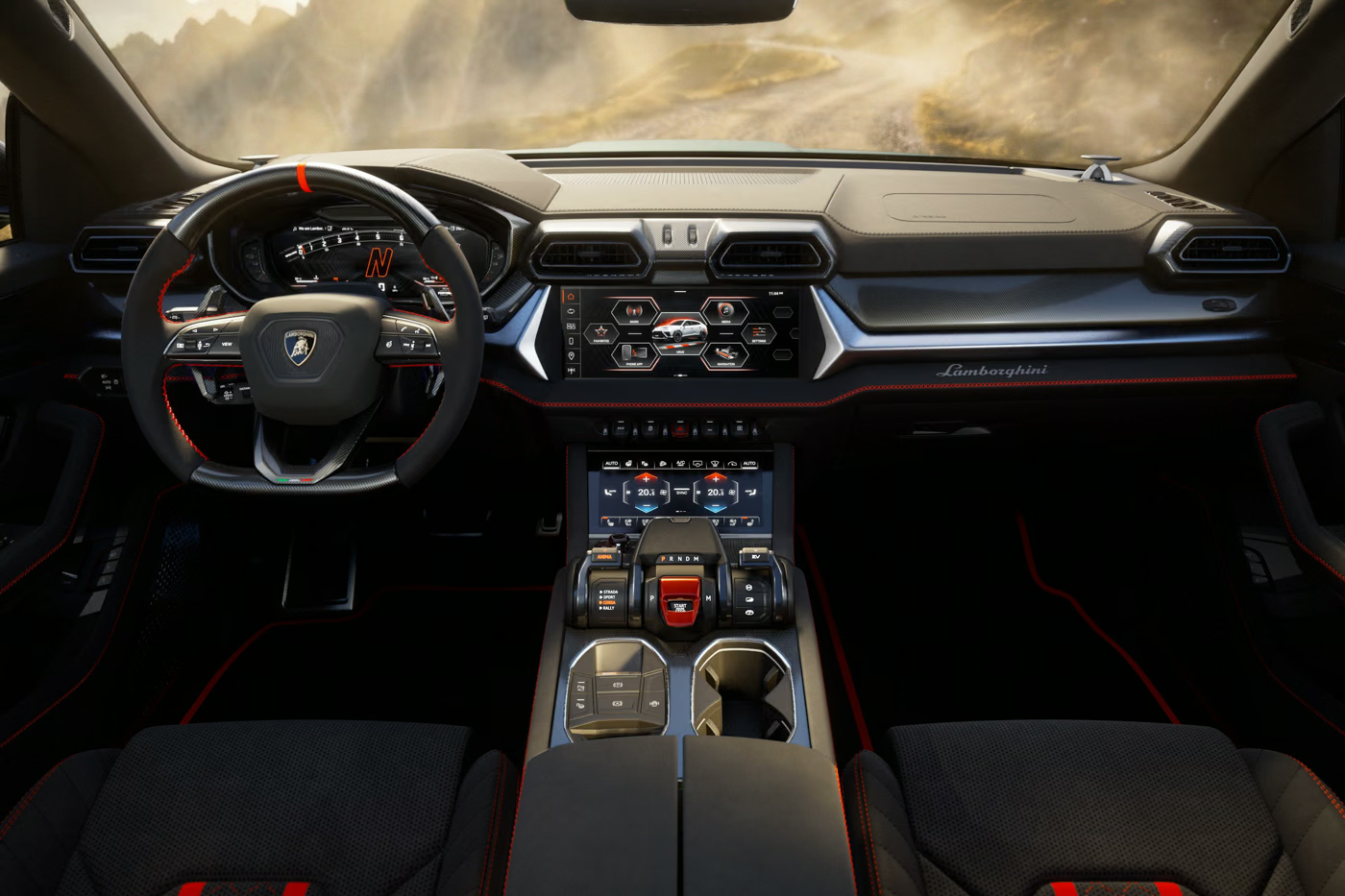
In typical Lamborghini fashion, the gear selector, starter button, drive mode selector and EV-mode switch are all in the style of fighter jet triggers and toggles. Elsewhere, a new Corsa Tex fabric upholstery comes as standard, saving 2.3kg compared to the optional leather interiors.
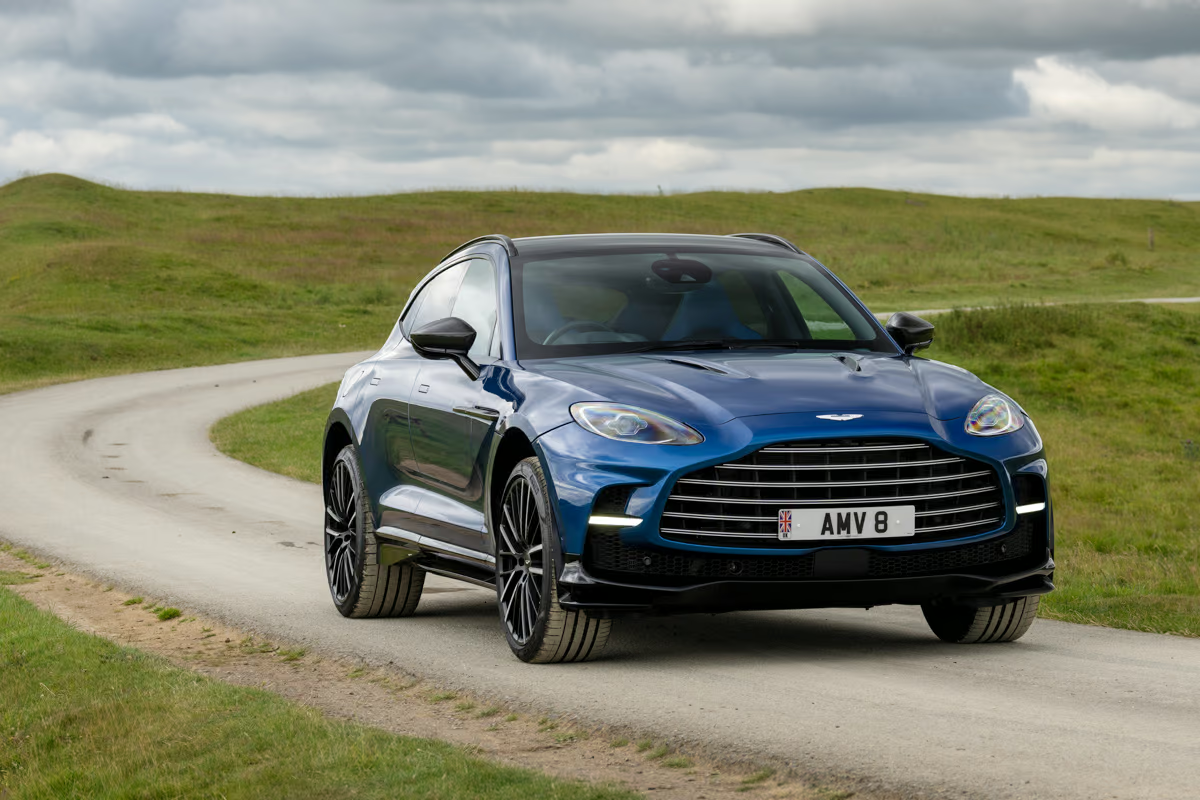
The Lamborghini Urus SE Performante is available to configure now, though UK pricing and availability are yet to be confirmed. We expect a starting figure of £230,000 before options, pitching the car directly against the Aston Martin DBX 707 and the Mercedes-AMG G63.



.svg)

