-01.svg)

And we tumble into the same pitfall. An Audi RS6 will be easier to live with and offer better driving dynamics, yet SUV sales continue to go from strength to strength. So, is there an SUV that can be a proper family car and a proper performance car? Speaking of Audis, Craig once mentioned the RS4 was the best way to laminate your dog onto the rear windscreen; the Aston Martin DBX707 will liquify it.
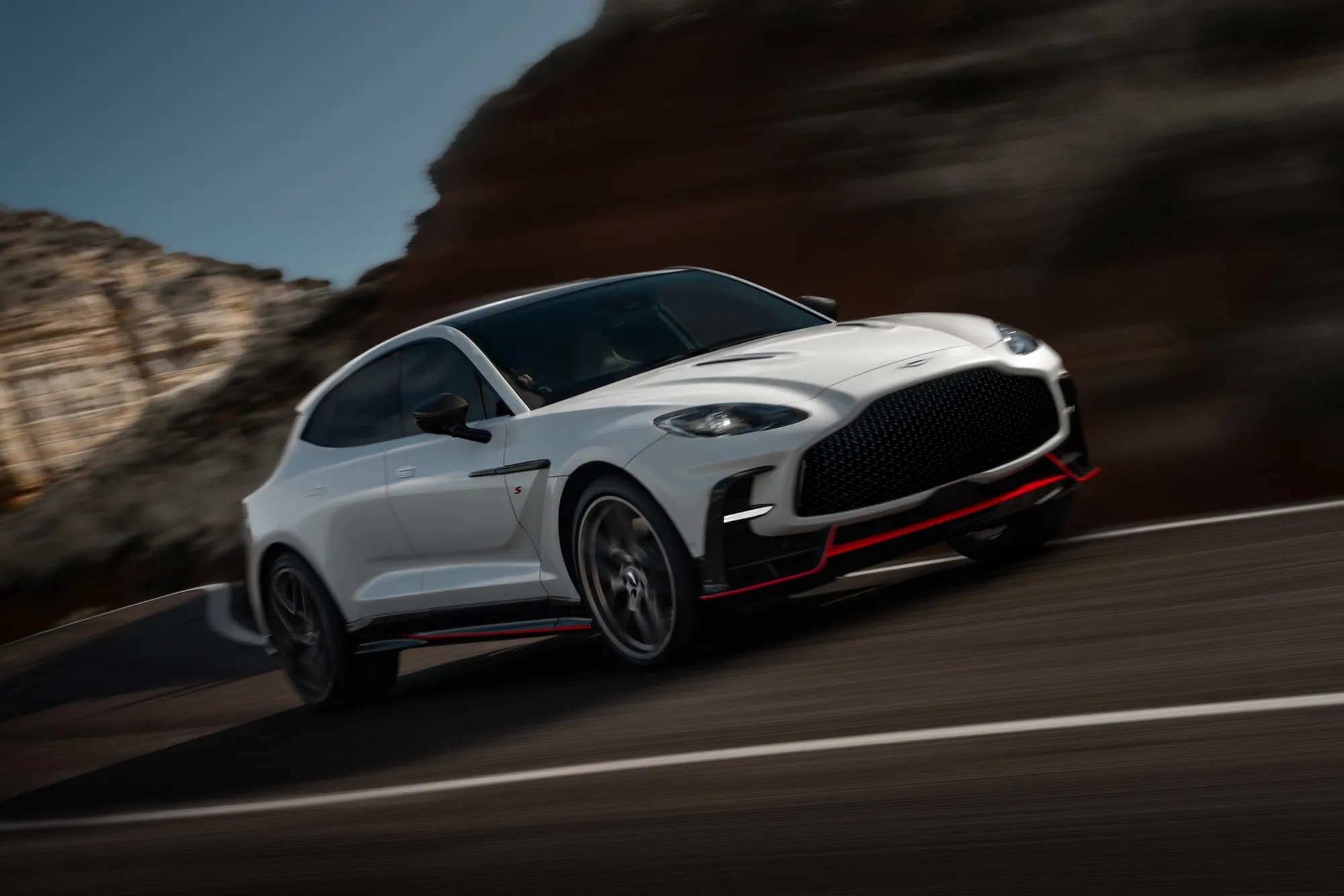
It’s little wonder the dealer-fit dog boot kit costs a small fortune. Nevertheless, this is a proper SUV. It’s comfortable and composed, with plenty of space for five and the poor dog. Its 2,245kg mass is made moot by its colossal 697bhp and 663lb-ft (899Nm) of torque. 0–60mph comes up in 3.1 seconds, and the top speed is a faintly ridiculous 193mph.
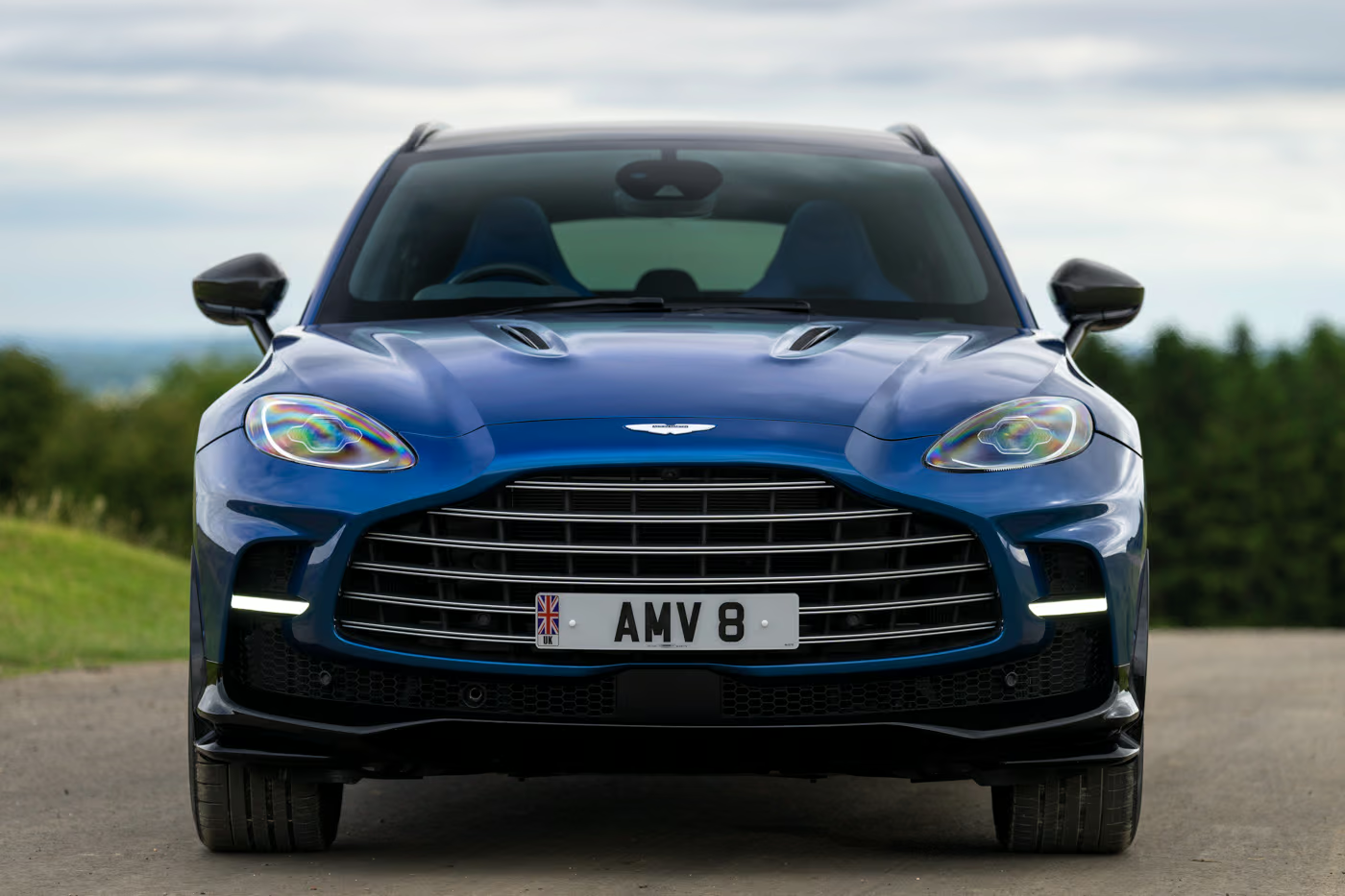
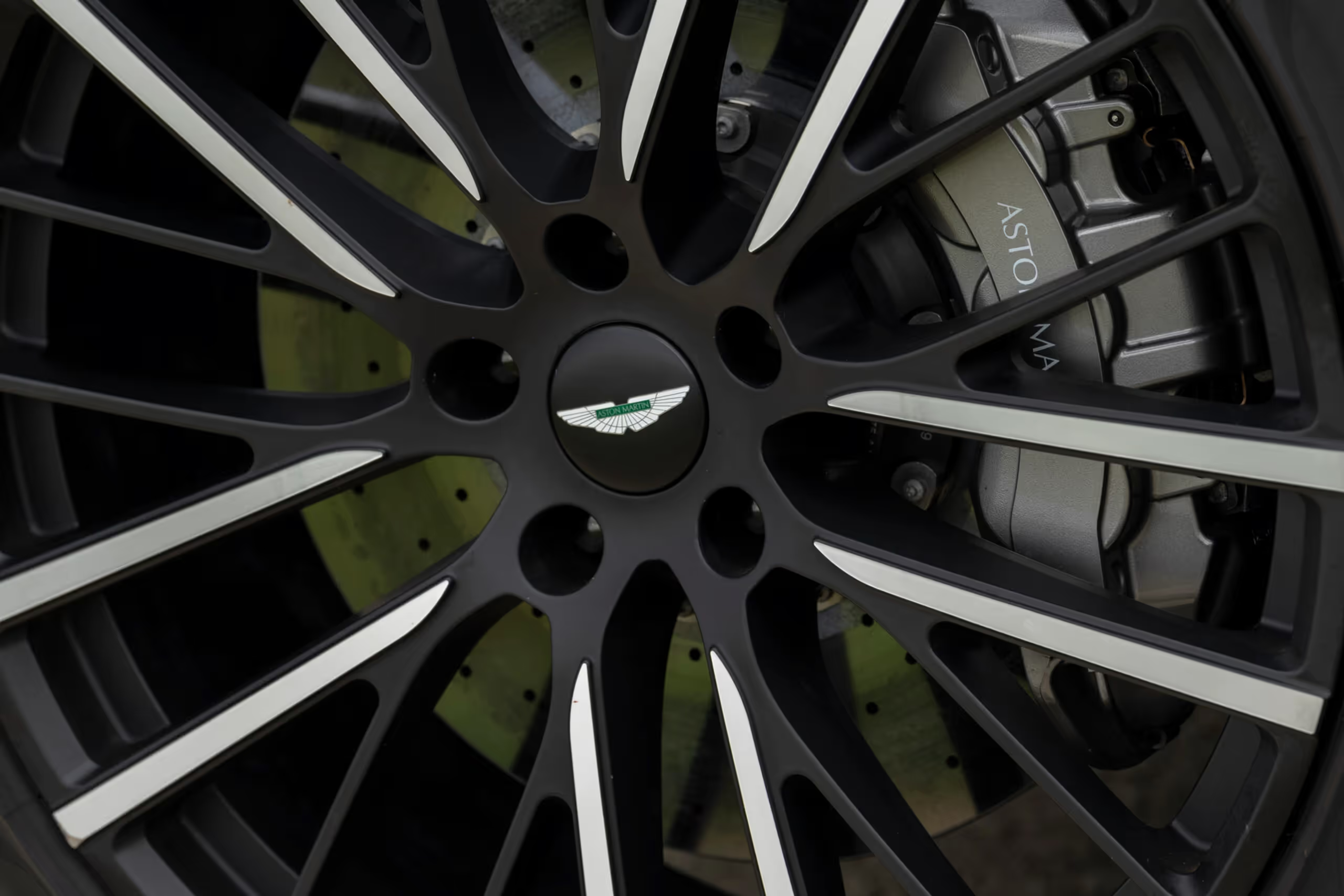
We may scoff and bicker about SUVs, but the reality is this thing can humiliate a good many supercars in a drag race – and a good many sports cars on track. It boasts carbon ceramic brakes, a carbon fibre propshaft, an AMG engine fettled and tuned in-house specially for the DBX, 48v electronic anti-roll bars, and bespoke Bilstein air suspension – stuff that can make any supercar enthusiast salivate.
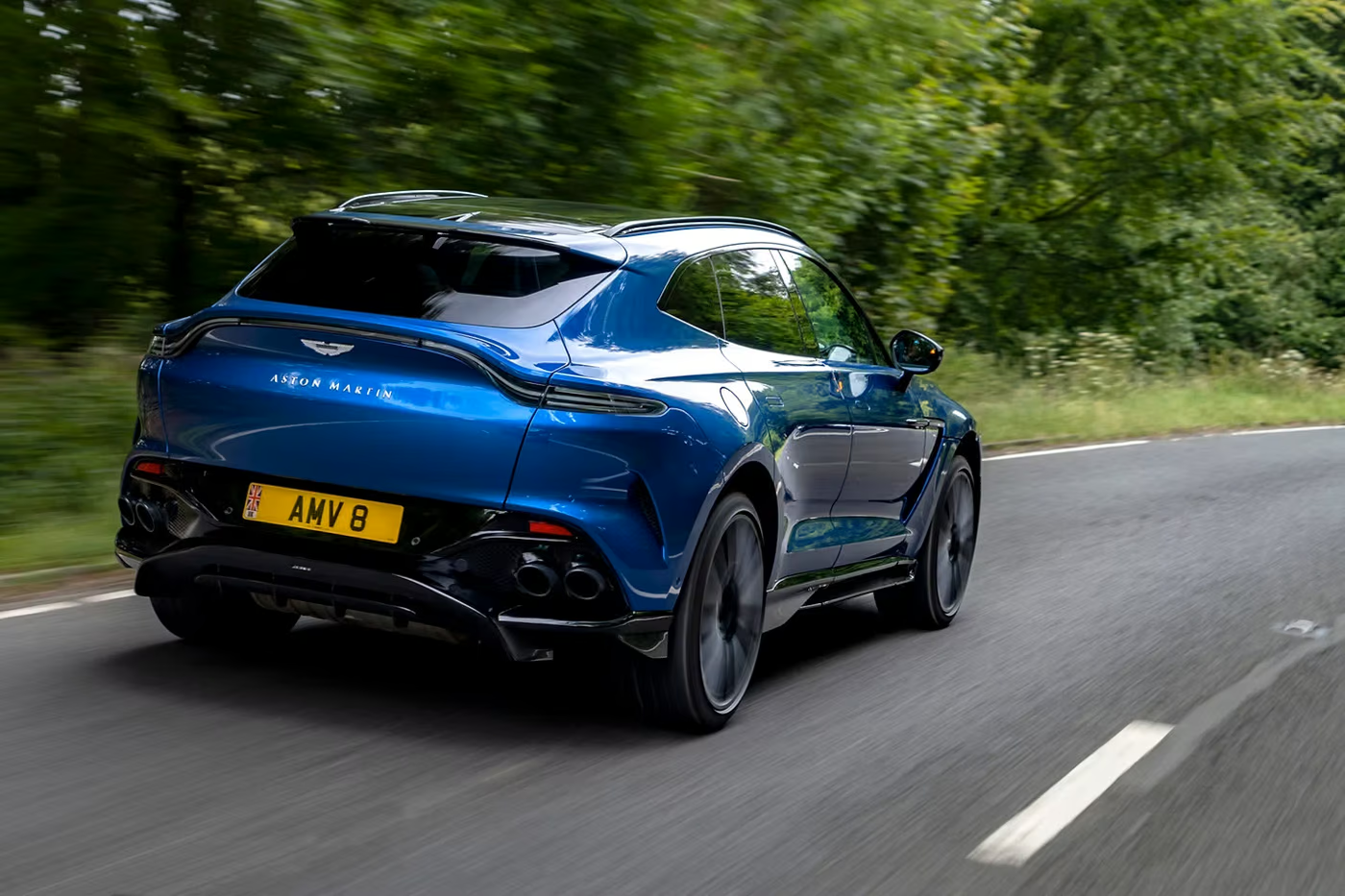
Despite all this heavy-duty engineering, the DBX works hard to suppress the benefits. On the road, you're so well insulated from the outside world – thanks to double-glazed windows and peeled cow trim – that you wouldn’t believe it could sprint faster than its Aston stablemates. It’s exceptionally composed, gentle even. Only extremely poor country roads that buck and heave upset it – the car will sway from side to side following the road's contours, no doubt influenced by the massive 285/35R23 front and 325/30R23 rear tyres, supplied by Pirelli. Otherwise, the three-stage air suspension does away with bumps, divots, and cattle grids with ease.
It can feel busy at times, with the odd tremor reaching the cabin – but no worse than any GT car. A big surprise was how its giant footprint shrinks around you – you tower over BMW X3s and Ford Kuga's, but it doesn’t feel big or unwieldy. I was more conscientious of my dainty Z4M’s arches against hedgerows than the DBX.
"When the 707 was announced, we all crowed that the 542bhp of the regular DBX was more than sufficient. Customers didn’t agree, and over 90 per cent of DBXs rolling down the production line were 707s..."
Overtaking is a nightmare, even in Sport or Sport+ modes, because it’s too slow to react. If you use the paddles, it takes longer to click down the ratios than perform the actual pass. You can hold the left paddle down to pre-select the lowest available gear, but I’d rather the gearbox just kicked down properly. The changes themselves are lightning fast, thanks to the wet-clutch setup, but the mapping lags behind. Is the software holding the gearbox back because of the massive torque in order to increase longevity?
In normal circumstances, the 9G transmission is super slick and changes barely register. But when you need it to act with haste, it gets confused or responds too slowly. I suspect this is one of the reasons the new Vantage has a ZF-8 automatic. Another consequence is the throttle feels sluggish because of the gearbox; I felt embattled getting up to speed when it was left in auto. On the flip side, taking control and dropping it into second, you move your foot about half an inch, and the skin on your cheeks peels off as the hot-V turbos spin up.
When they do, the performance available beggars belief. When the transmission finds a gear, the delivery and persistence of the power band up the rev range could be considered too much for UK roads. Boot it in second, and you’ll triple your speed from 30–90mph in what feels like about two seconds – even the digital speedo readout can’t keep up with the insane pace. It’s blisteringly fast, but you’re very slightly isolated from the brutality of speed. The clever chassis engineering stops the back end squatting and mitigates the huge torque threatening to break traction.
Even in a surprisingly stormy December, it never feels skittish. Launch control keeps wheel slip in check and, provided all four wheels are pointing in the same direction, mashing your foot down in anything in GT or Sport is completely secure – even in the wet. Hard cornering requires a little more care – tight bends under throttle can cause the front tyres to skip slightly, but we must remember the car is on summer tyres, out of their comfort zone.
"The brakes are a real treat to use. There’s not much pedal feel, but the power in them - whether cold or hot - is a huge accolade for the DBX"
That said, pushing the DBX 707 hard on a road would be insanity, not only because you’ll very quickly lose your licence, but because it’s still a 2+ tonne car; if it bites back, there will be tears – and pulling bits of tree from your mangled body is painful.
Happily, the DBX can be enjoyed without really tempting fate, as the body control is stunning. You don’t get a lot of communication from the tyres through the steering wheel about the amount of available grip, but you can sense what the chassis is doing – the active dampers stop the car leaning, and you can feel it stiffen through the steering wheel. As the corner tightens, the weight in the steering increases, and you can feel the entire car respond to the change instantly. It’s not a GT car; it’s not a sports car. But you’d be fooled into thinking it was the latter by the way it flows through corners with such poise.
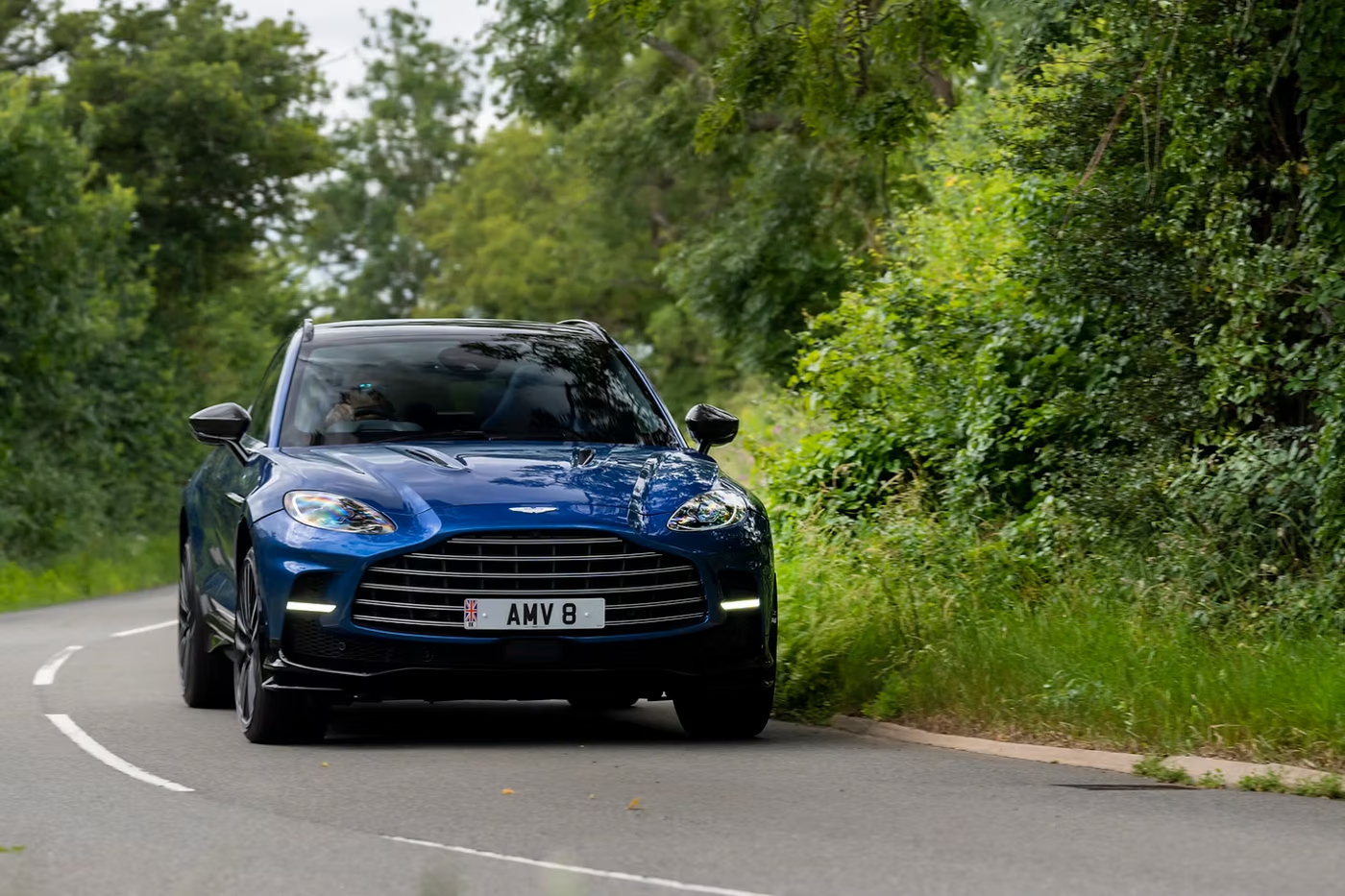
The brakes are a real treat to use. Again, there’s not much pedal feel, but the power in them, whether cold or hot, is a huge accolade for the DBX. They’re not grabby or plagued by pre-loaded “bite”. They’re very intuitive and progressive, requiring only small pressure changes on the pedal to maximise cornering this titan. With braking dealt with so easily, it allows you to work the transmission more effectively. On twisting, winding B-roads, you’ll need to use the paddles to get the most out of the gearbox.
The paddle tactility isn’t great – at times, I missed a downchange or upshift because it felt like they’d “clicked”, but it was just taking up the slack noisily. That’s something you’d get used to with time, but however minor, these details matter at this price point.
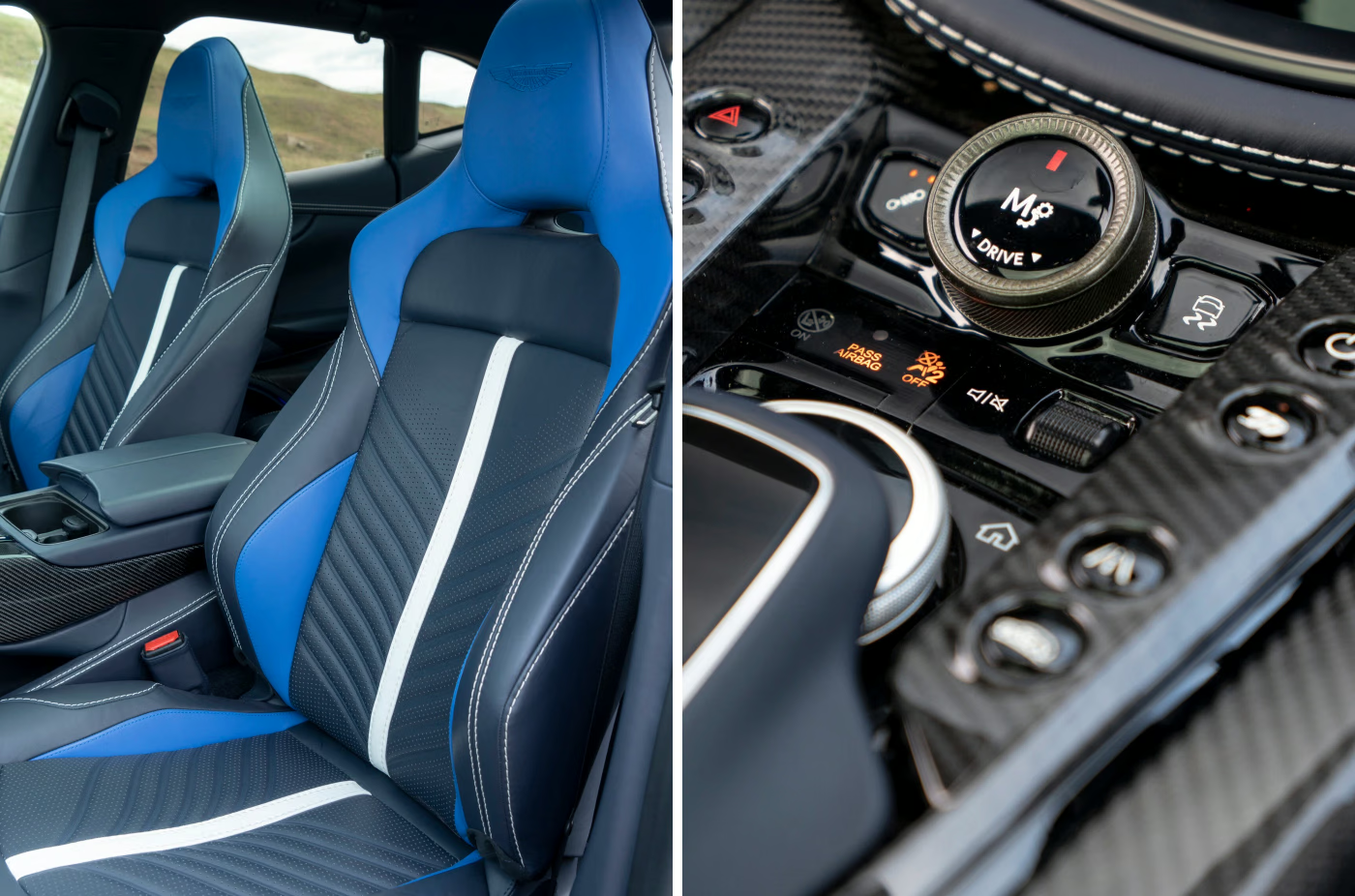
The DBX is in its element on longer drives too. The sports seats are firm but comfortable, with plenty of adjustability. The comfort-option seats are pretty much the same but not quite as visually appealing. I don’t have a fragile psyche, so the “commanding” driving position does nothing for me. Relative to its height, the seating position is very good and mounted quite low – lower even than a few recent hot hatches.
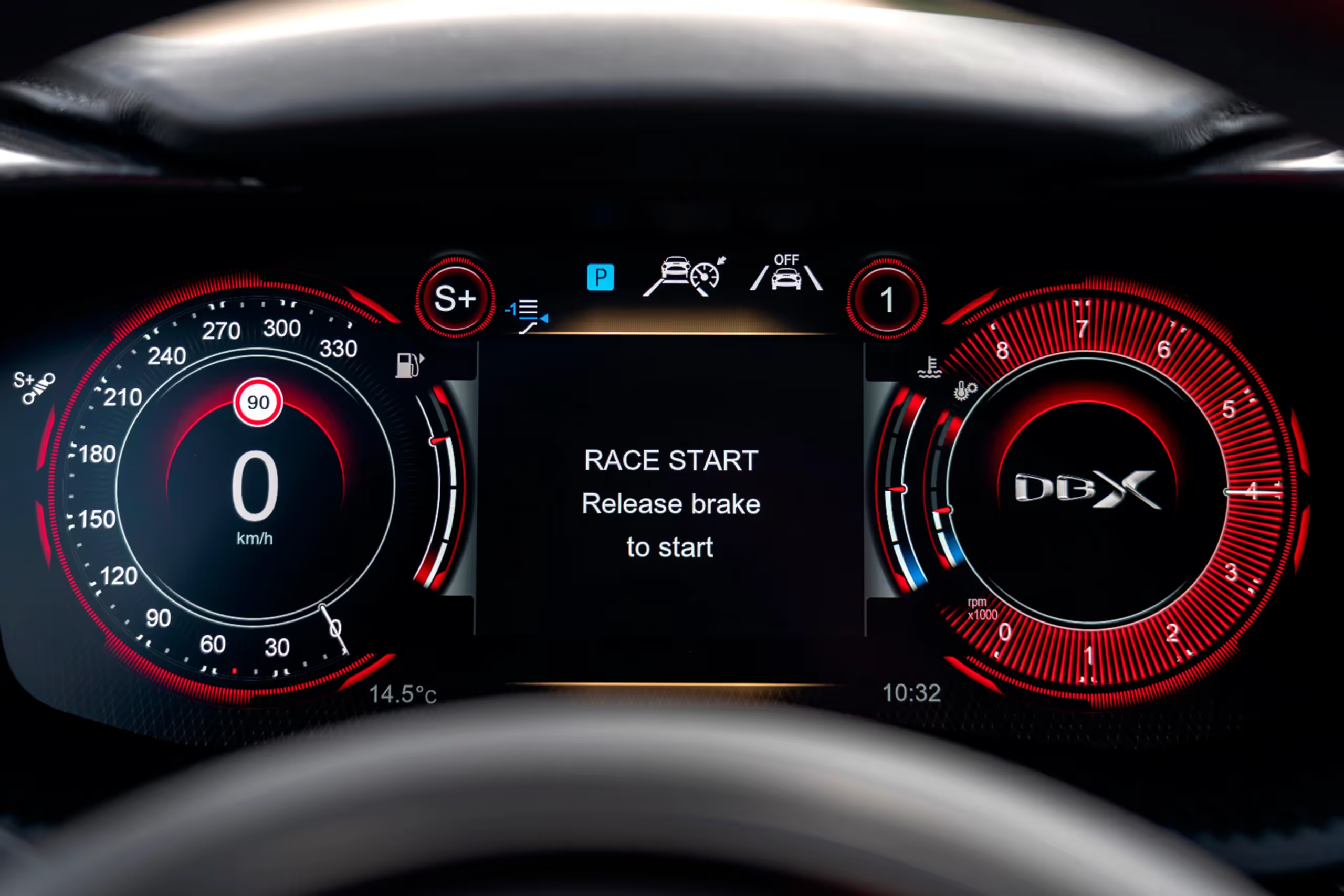
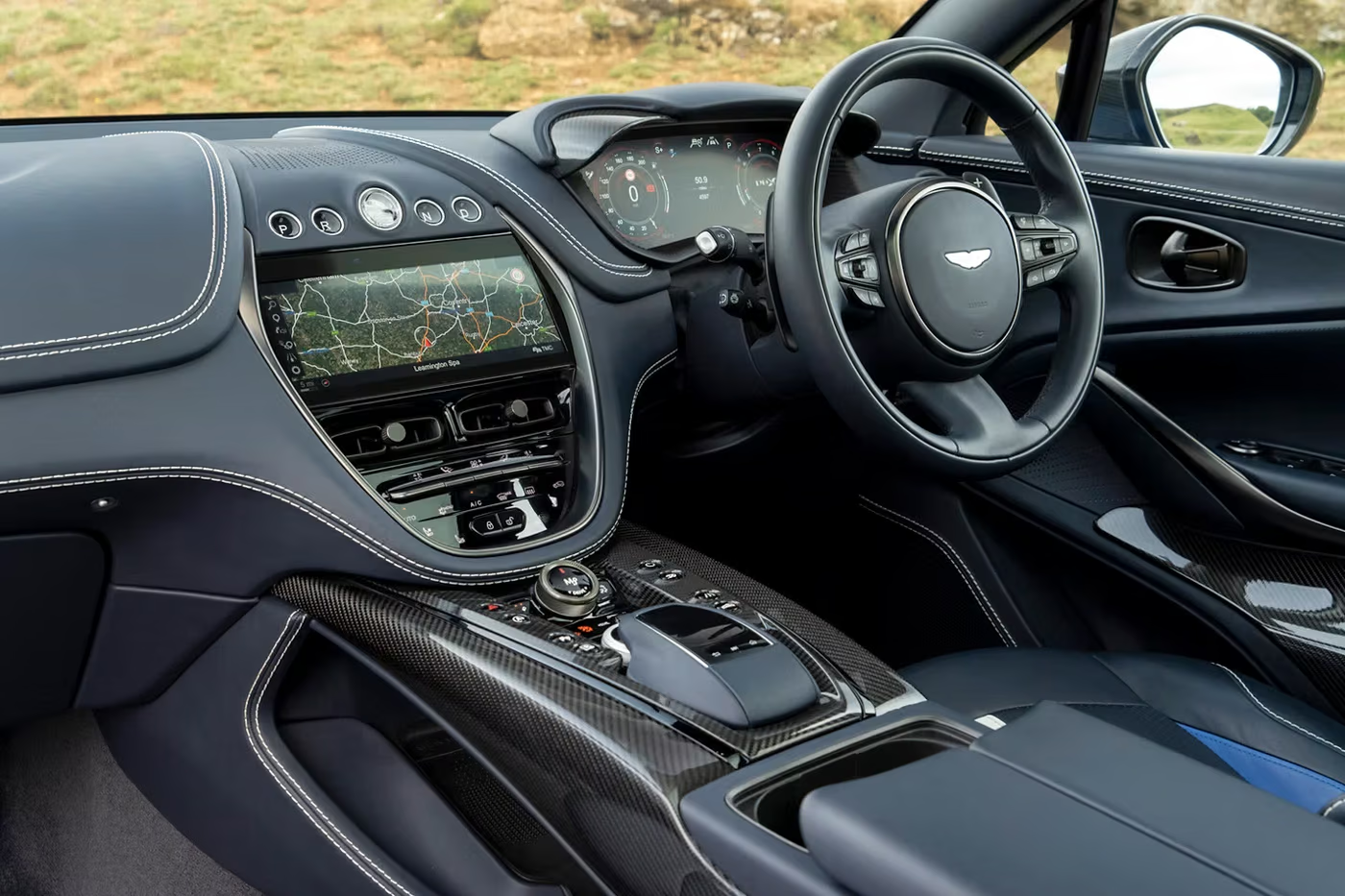
This car is the 2023 model, so it has the old interior and Mercedes-Benz infotainment. Still, the material quality is excellent, with leather, carbon fibre, and piano-black detailing throughout. At the time, many bemoaned the interior styling; the new one has a better layout and more visual appeal, but I quite like the vulva-inspired centre console. If it were sober and sensible like a Porsche, it wouldn’t feel as special.
As you’d expect, the car has every feature imaginable, with electric/automatic everything and radar cruise control that works surprisingly well. There’s a heated steering wheel, heated and cooled seats in the front, heated rear seats (cooling is optional), with front/rear climate control and plenty of charging points to keep driver and passengers happy. Mercifully, inane functions like lane-keep assist are off by default – anyone who needs these to get from A to B should be fed to North Korean conscripts.
The infotainment system is woeful, as are most screen-based setups. A simple, giant “Apple CarPlay” button would suffice, allowing me to connect my phone and move on. I dislike the climate control setup on the screen, but happily, many features still use toggle switches beneath it. Once you’re set up and have your Bluetooth dialled in, you can enjoy the exquisite sound system. The sound quality, even without touching the settings, is exceptional – if you listen carefully enough, you can hear podcasters blinking.
The speakers also emanate a lot of augmented engine noise when you’re approaching Mach II, mitigating the liberal use of cabin insulation. Outside, the exhaust note with the valves open is satisfyingly brutal, with plenty of crackling and popping – a result of Aston altering the firing order from AMG’s to make it distinctive. Hold down the right paddle when starting for a proper Aston Martin welcome. Meandering around town without wind noise, you can hear the grumble from the V8, and heads do turn – valves open or closed.
Another big reason the DBX is so popular, aside from the noise, is that it’s a proper five-seat SUV. There’s lots of space up front. I like to sit quite far back – normally with my seat resting on the bulkhead in sports cars. In the DBX, rear seat passengers had about a foot of space between the rear seat and the front. The DBX is a bespoke platform, not shared like many German SUVs, so Aston could build it with features like the flat floor and doors that conceal the sills. Getting in and out is easy, and you don’t get dirty trousers.
With the leather-clad parcel shelf removed, the boot is huge. It’s not class-leading, but relative to the Purosangue or a Cayenne, it’s cavernous – these cars have tapered rooflines, so headroom in the back seats and upper boot space is lacking. The DBX is surprisingly generous in this respect – a dog won’t be decapitated by closing the boot.
We could argue until we’re blue in the face about the validity of the super-SUV, but the fact is, like it or not, they’re here to stay. When the 707 was announced, we all crowed that the 542bhp and 516lb-ft of torque of the regular DBX was more than sufficient. Customers didn’t agree, and over 90 per cent of DBXs rolling down the production line were 707s. When it came time to facelift the car, Aston quietly dropped the original from sale.
Overall, the DBX707 isn’t perfect, but as a one-car solution combining SUV practicality and sports car performance, it’s as good as you’ll get. I expected to be blown away by its box-ticking ability, my preconceptions about SUVs obliterated.
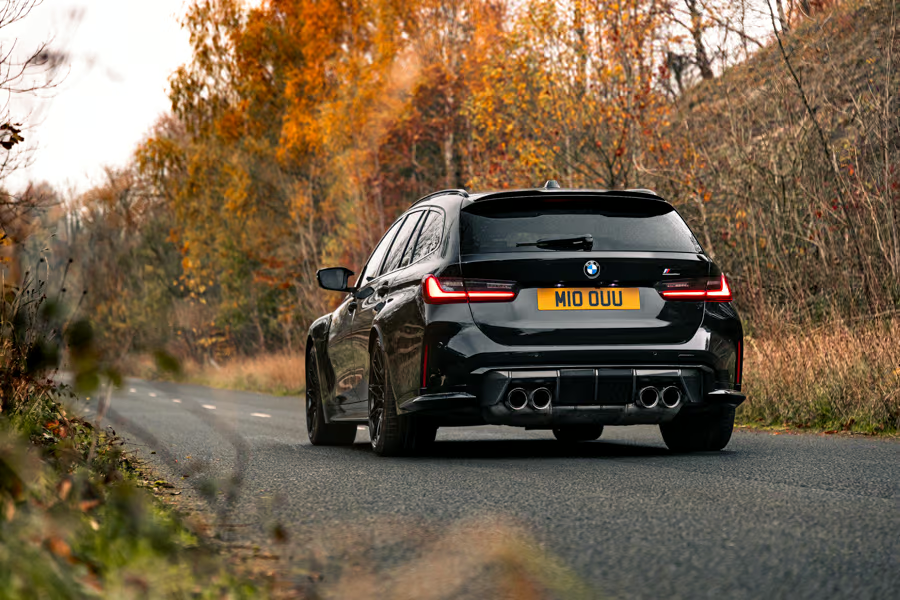
They’re not. I’d still much rather have a rapid estate car. However, the super-estate is in a state of flux. The RS6 has just been discontinued – unlikely to return – and the new hybrid M5 isn’t receiving the most favourable of reviews. It actually weighs more than the DBX and has lost that subtle, menacing style that defined it.
Which leaves the DBX and similar super-SUVs as the weapon of choice for wealthy families who still want a proper driving experience. As an anti-SUV parrot, I think I’d choose the DBX too.




.svg)

