According to head of design Philipp Römers, the car is ‘a bold evolution, not revolution’ of Polestar’s established design. It is the first concept under his leadership, following Maximilian Missoni’s move to lead design at BMW Alpina.
Polestar Formula 2030 Design
The overall look is instantly recognisable as a Polestar, and the changes are in the detail. The surfaces are curvier, the corners are rounded off with a generous radius where earlier Polestars used a sharp crease, and the stance is more overtly sporting, the car sitting low over a deep chin spoiler.
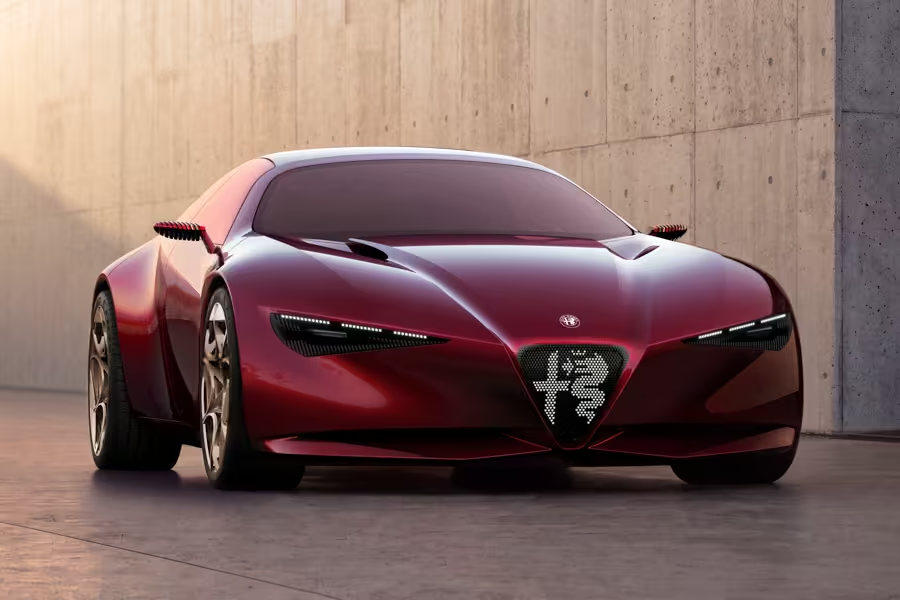
At 4680mm long, the Formula 2030 is a shade longer than the current Polestar 2, yet its roof stands just 1350mm off the ground – around 70mm lower than the Polestar 5’s, which is already considered a sleek design. The cabin is pushed well back on a 2780mm wheelbase, behind a long bonnet and with short overhangs at either end, while the body, a little over 2m wide, pinches in at the doors before swelling over broad haunches and 22-inch wheels. The rear doors are hinged at the back and open onto a pillarless aperture, much like the recent Alfa Romeo Cuorerosso concept.
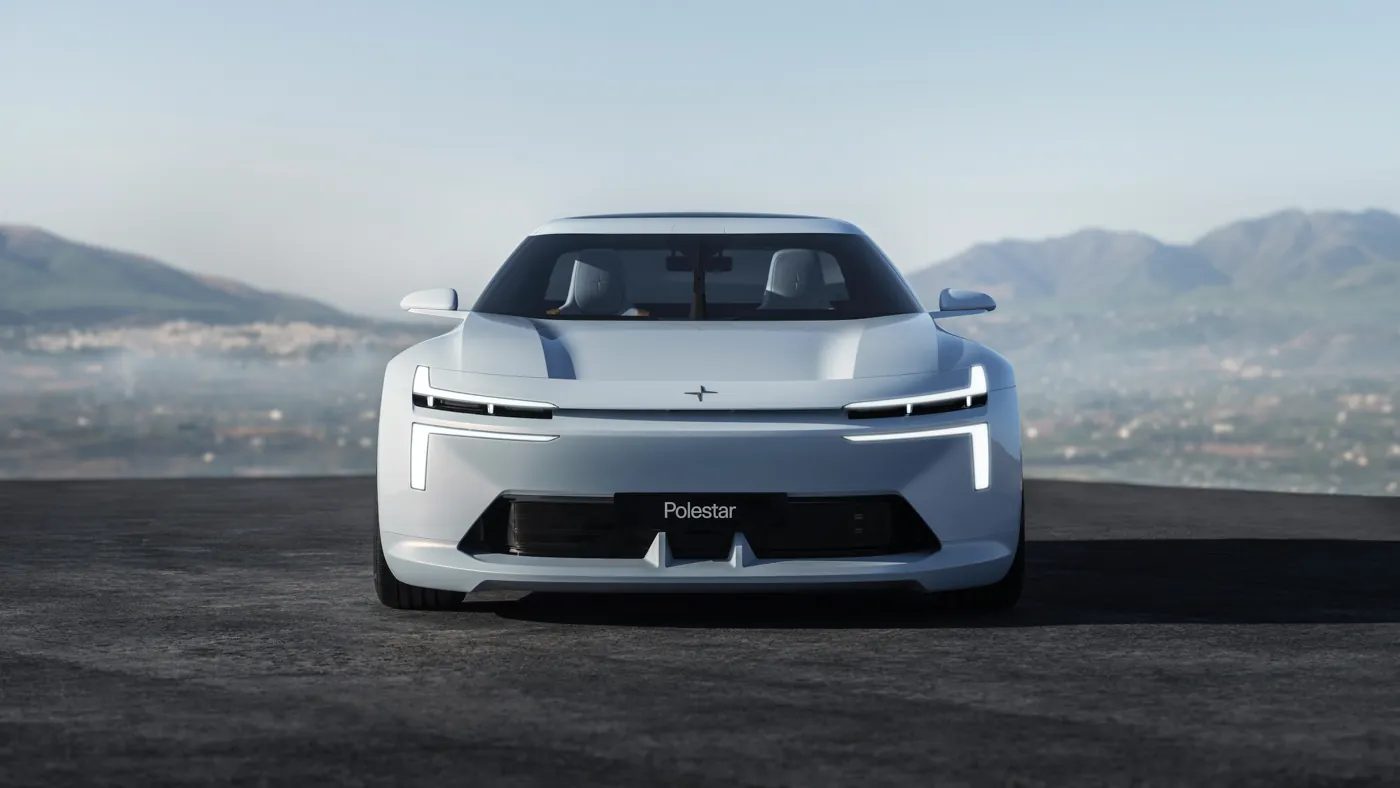

The Dual Blade headlights sit in a front aero wing, as on the Polestar 3. Below them, a central spine runs from the chin spoiler up the bonnet to a single vertical wiper, a nod to Polestar’s touring car roots. The windscreen wraps round into shallow side glass like a visor, a reference to the first Polestar 2. The rear glass does the same, broken only by a thick C-pillar running from the haunches into the roof.
At the back, the full-width lightbar is gone, a deliberate pivot away from a feature Polestar itself now calls ‘ubiquitous’. Two Single Blade lamps take its place, due for series production on a model Polestar has yet to name. A rear wing sits on lit central mounts above the diffuser.
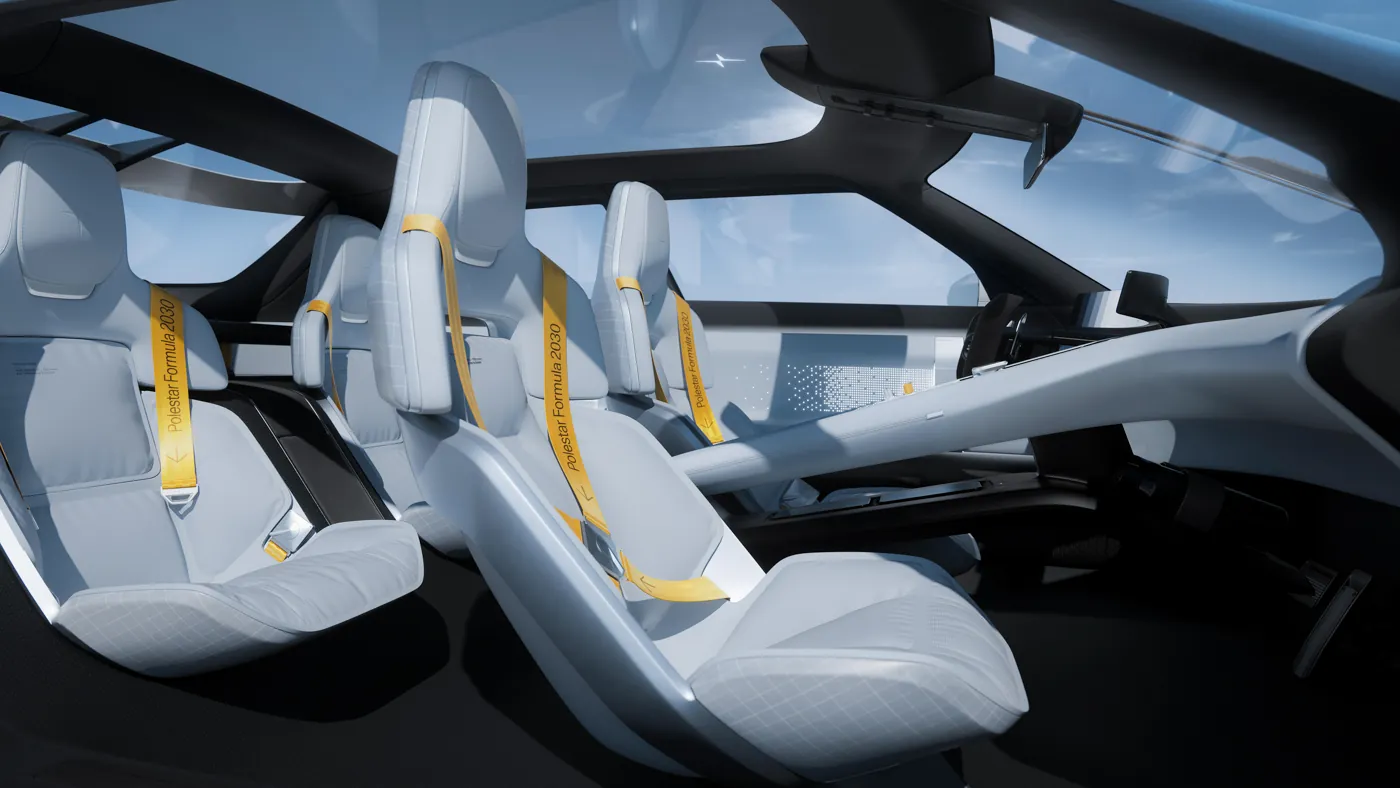
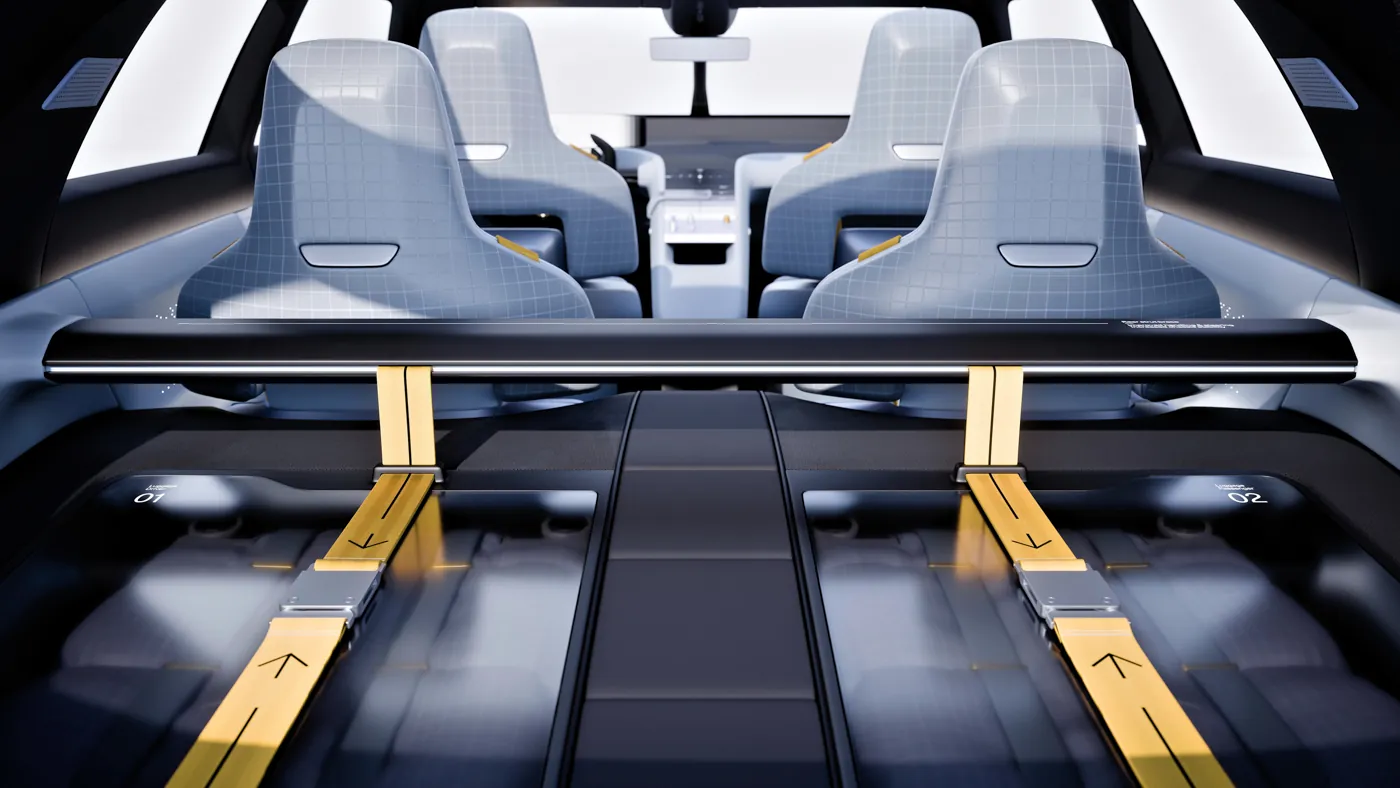
The paint, christened Nitrogen, is specific to the concept. It covers the body, wheels, side cladding, chin spoiler and diffuser in a single tone, varied only between gloss, satin and matt finishes, so the shape does the talking rather than the trim. Swedish Gold, Polestar’s performance colour, is the one accent it allows, picking out the brake calipers, valve caps, seatbelts and interior details. The seatbacks are a composite of flax and bio-based polypropylene, left visible in a grid weave.


Inside the Formula 2030
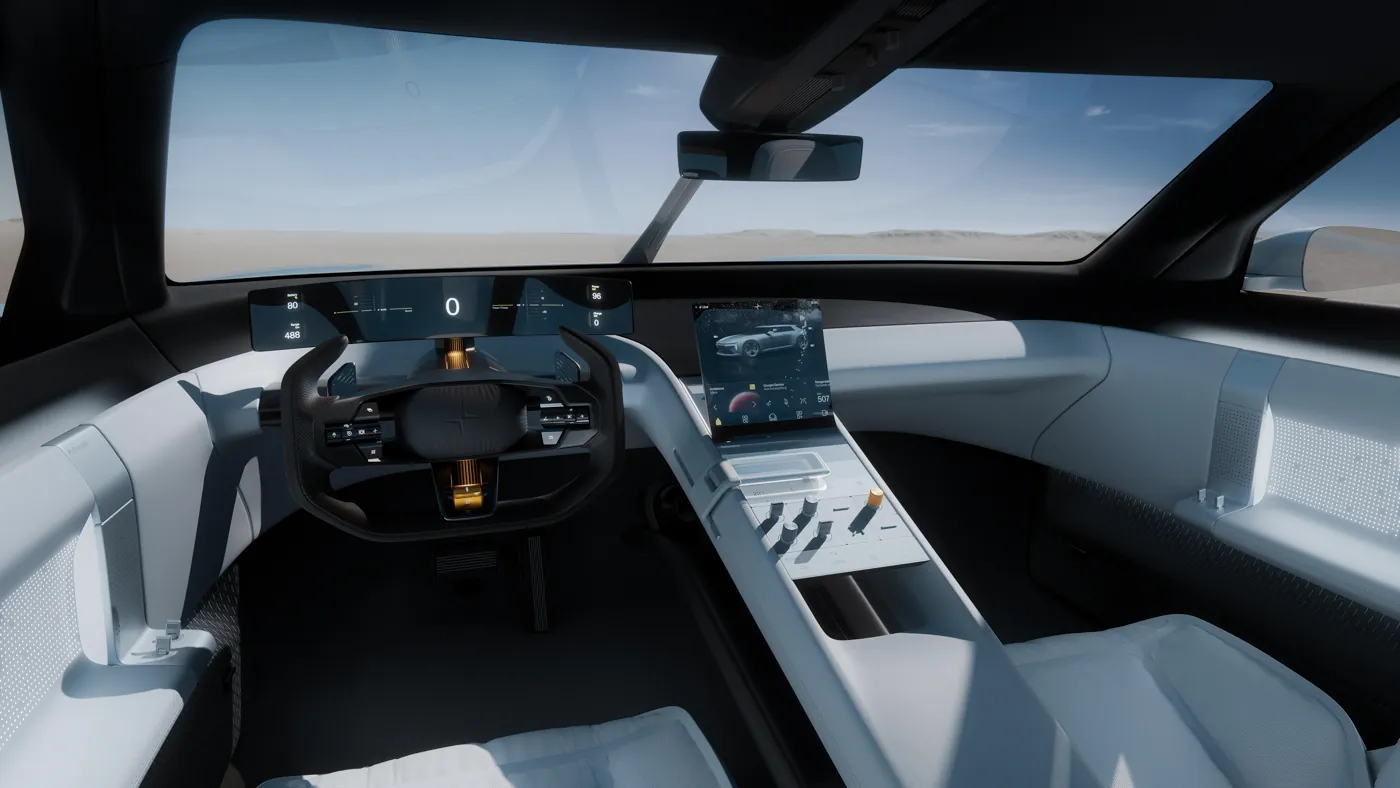
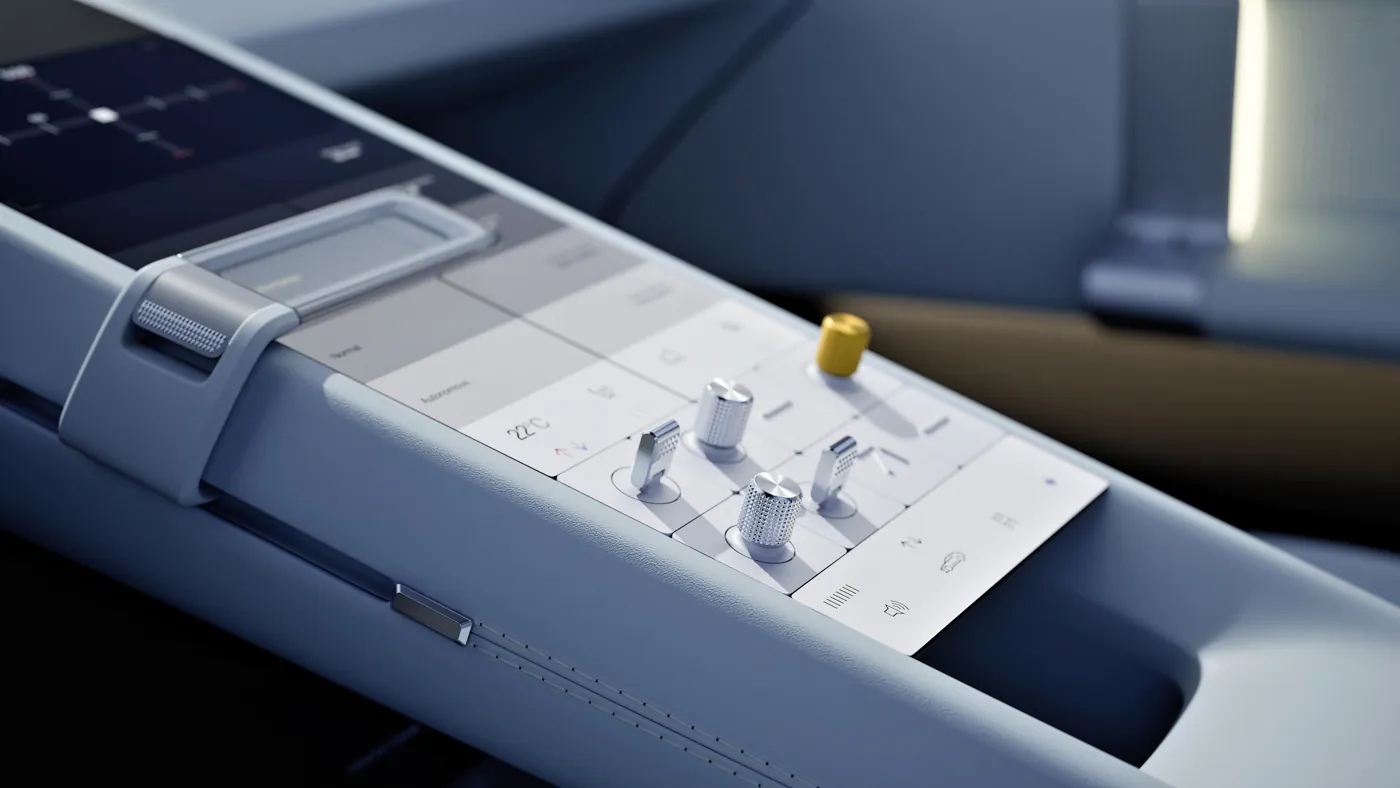
The cabin is laid out around the driver. A horizontal band, familiar from Polestar’s production cars, runs around the cockpit, and a curved 20-inch display is mounted on the steering column, which carries a yoke rather than a traditional wheel. The driving position also reshapes itself to suit the selected drive mode: in Performance, the yoke and instruments close in on the driver, and in Autonomous they back away. The main 12.2-inch centre screen sits low in a rising console, beneath which lie eight physical controls – Polestar has committed to rebalancing physical and digital controls across its future interiors.
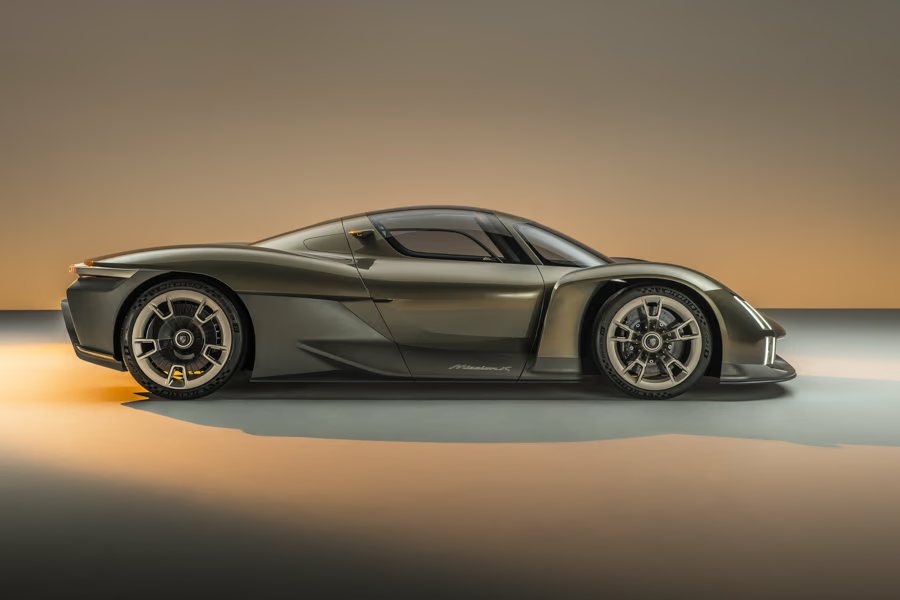
The commitment comes as Euro NCAP’s 2026 protocols now score whether indicators, wipers, hazard lights, horn and eCall have direct physical controls rather than touchscreen menus. That said, Polestar still can’t quite rein in its need for complexity, allowing owners to choose the type of control for each position – rocker switch or rotary – and assign its function.
What the Formula 2030 Means for Polestar
Polestar has published no powertrain or performance figures, although the Öhlins dampers on show beneath the rear clamshell are the clearest hint that the Formula 2030 belongs in the Performance family. The frunk even has dedicated space for two race helmets and a fire extinguisher.
The current Polestar 2 went out of production in October, though it stays on sale in the UK until its replacement arrives. The Polestar 7 compact SUV follows in 2028 as the first Polestar built in Europe, while the Polestar 6 roadster remains in the plan but no longer carries a date. Performance versions of each are expected to follow.
As things stand, none of the new models will be sold in the US, where rules barring connected-car software with links to China, home of majority owner Geely, shut out new Polestars from the 2027 model year.
Porsche’s plan runs to 2035. Polestar’s carries 2030 in its name and starts from a loss of US$842 million in the first half of this year alone. The first real test of it, and of this design, arrives next year in the Polestar 2’s successor.