-01.svg)
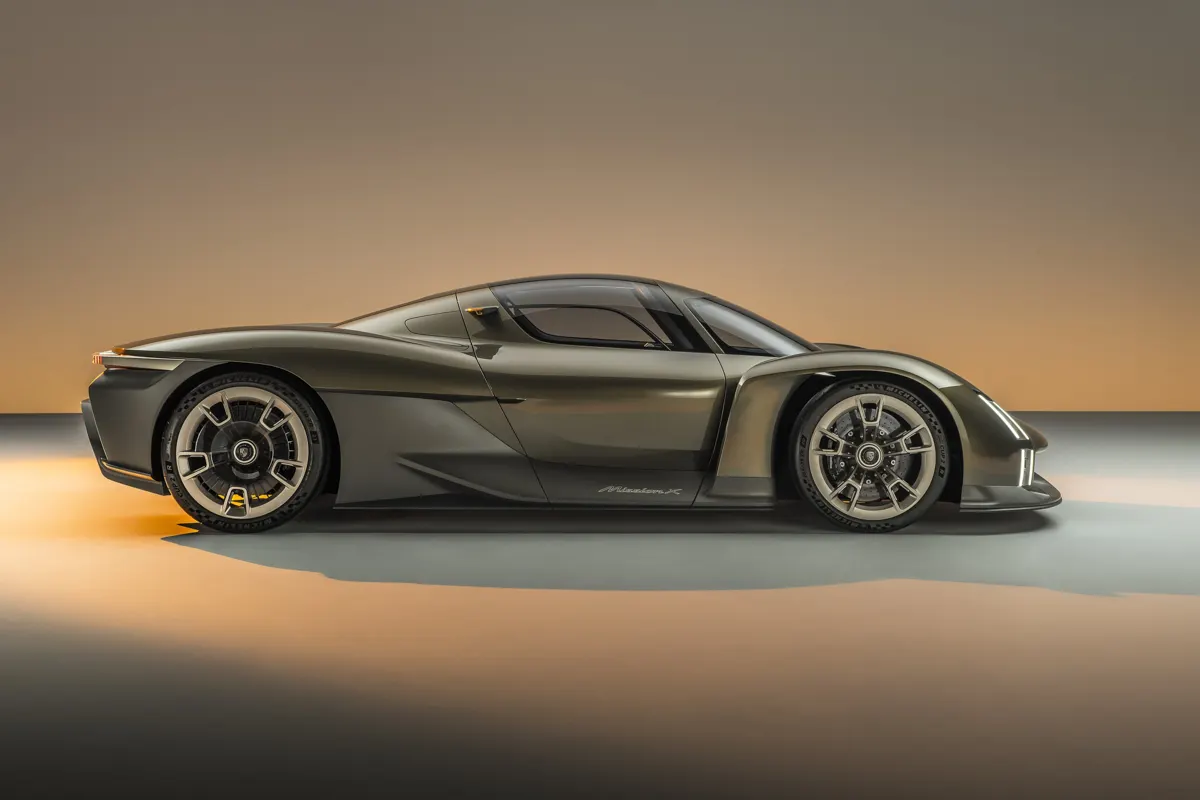
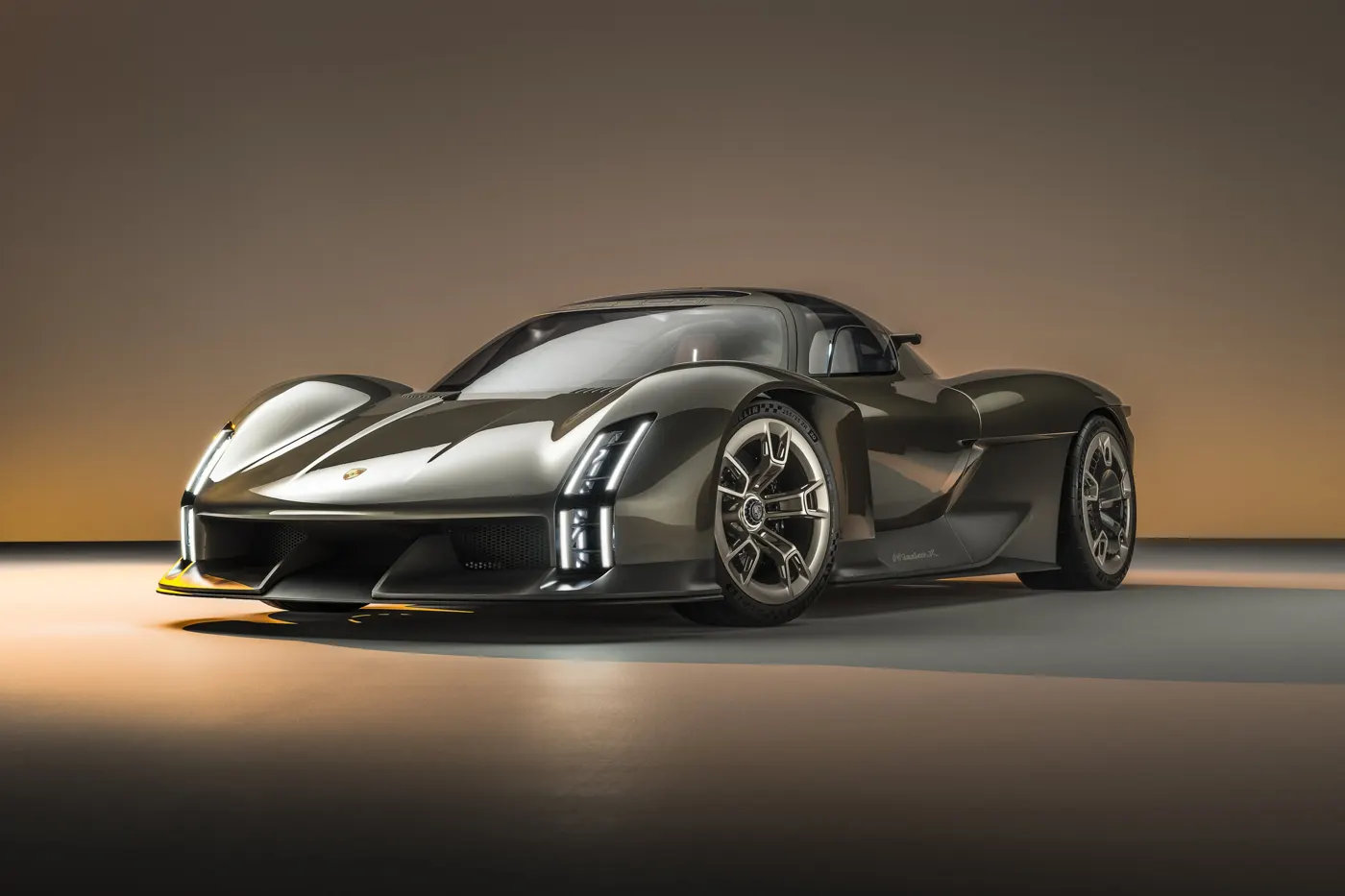
We're not quite in 986 Boxster territory – the model that pulled the company back from the edge in the 1990s – but there's an awful lot riding on this car. Thirty years later, the Mission S has to prove Porsche can make more money from fewer cars.
Porsche set out the plan behind the Mission S at its Capital Markets Day in Weissach on 7 October. The strategy is called Sportwagenschmiede '35 – ‘sports car forge’ – and lays out the company’s goals to 2035. The manifesto includes ruling out a fully electric 911, the return of a combustion-powered Macan-sized SUV, with a third, seven-seater SUV to sit above the Cayenne under consideration. The 718 Boxster and Cayman have also been confirmed as electric-only, despite a late-stage flirtation with combustion power; 2028 will be their first full year of production. By 2030, Porsche plans to launch at least one ‘brand-defining’ new product every year.
Elsewhere, Porsche will cut its model variants by around 20 per cent, and aggressively expand the Sonderwunsch department to drive up its sales sixfold, as part of a wider plan to increase the average selling price of its top-of-the-range models by 20 per cent in the medium term. The overall target is a break-even point below 200,000 cars a year, against 279,449 deliveries in 2025, and a net cash flow margin of 9 to 12 per cent.
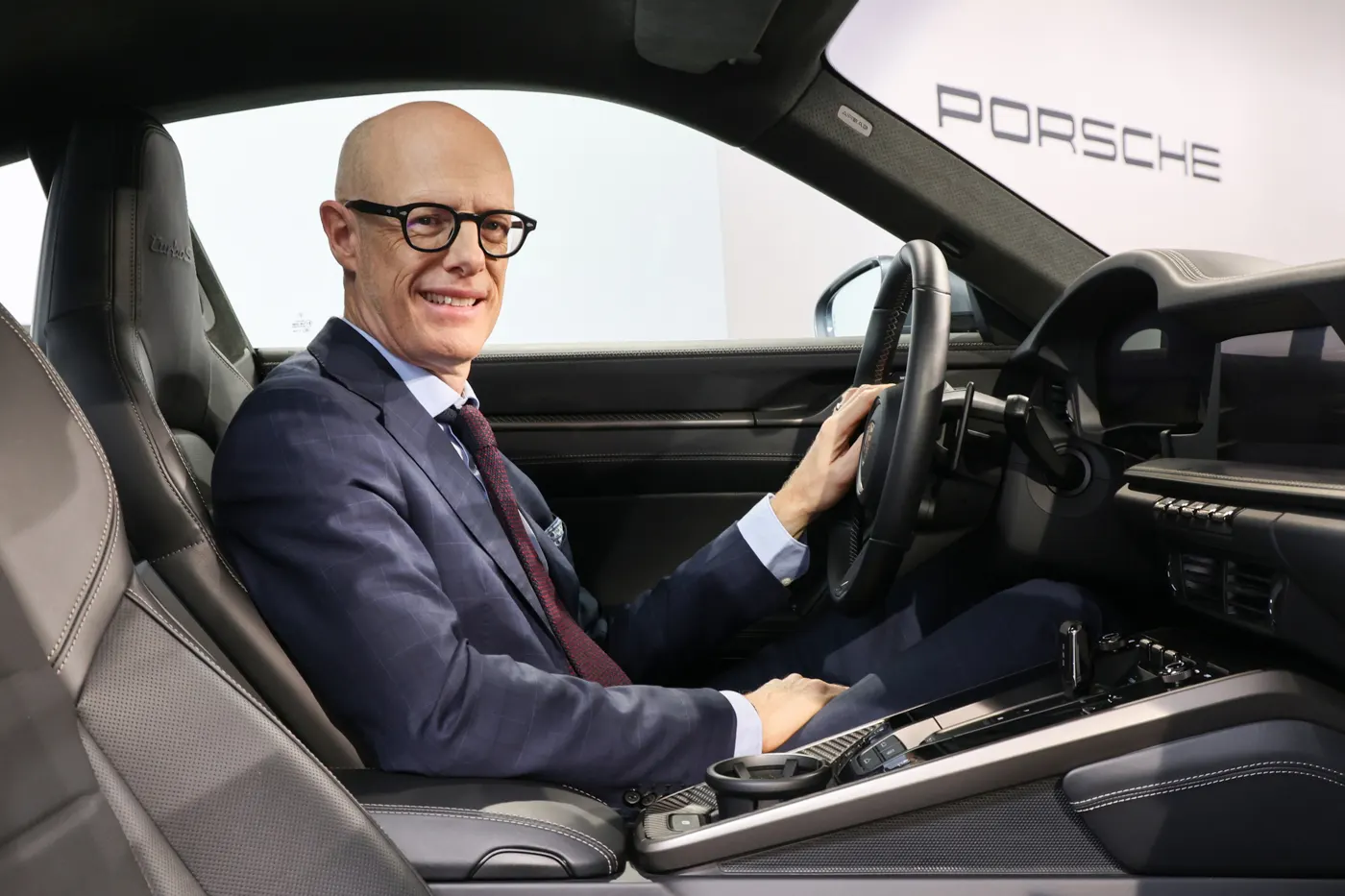
The man with the plan is the recently appointed CEO, Dr. Michael Leiters, who took over on 1 January. He came to Porsche from McLaren, where he was chief executive, and had already spent time at Porsche earlier in his career. He replaced Oliver Blume, who had run Porsche and the Volkswagen Group at the same time since 2022. Investors had criticised that dual role, and Blume now runs Volkswagen alone.
Leiters has already made big calls since taking over. Porsche has sold its stakes in Rimac and Bugatti Rimac, agreed a Future Package with employee representatives that removes a further 5,000 jobs, and is closing Cellforce, its battery-cell business. Not every move is a cut, though: the new strategy also raises Porsche's stake in Manthey Racing to 67 per cent.
Those decisions have been made against a backdrop of poor financial results for the brand, which have been well documented since 2023. That year, Porsche – Volkswagen's most dependable earner – made a Group operating profit of €7.28 billion, and a return on sales of 18 per cent. Two years later, profit had fallen to €413 million, and return on sales to 1.1 per cent. Weak demand in China and US tariffs took their toll, but the largest hit came from €3.9 billion in one-off charges, most of it for scaling back its EV strategy.
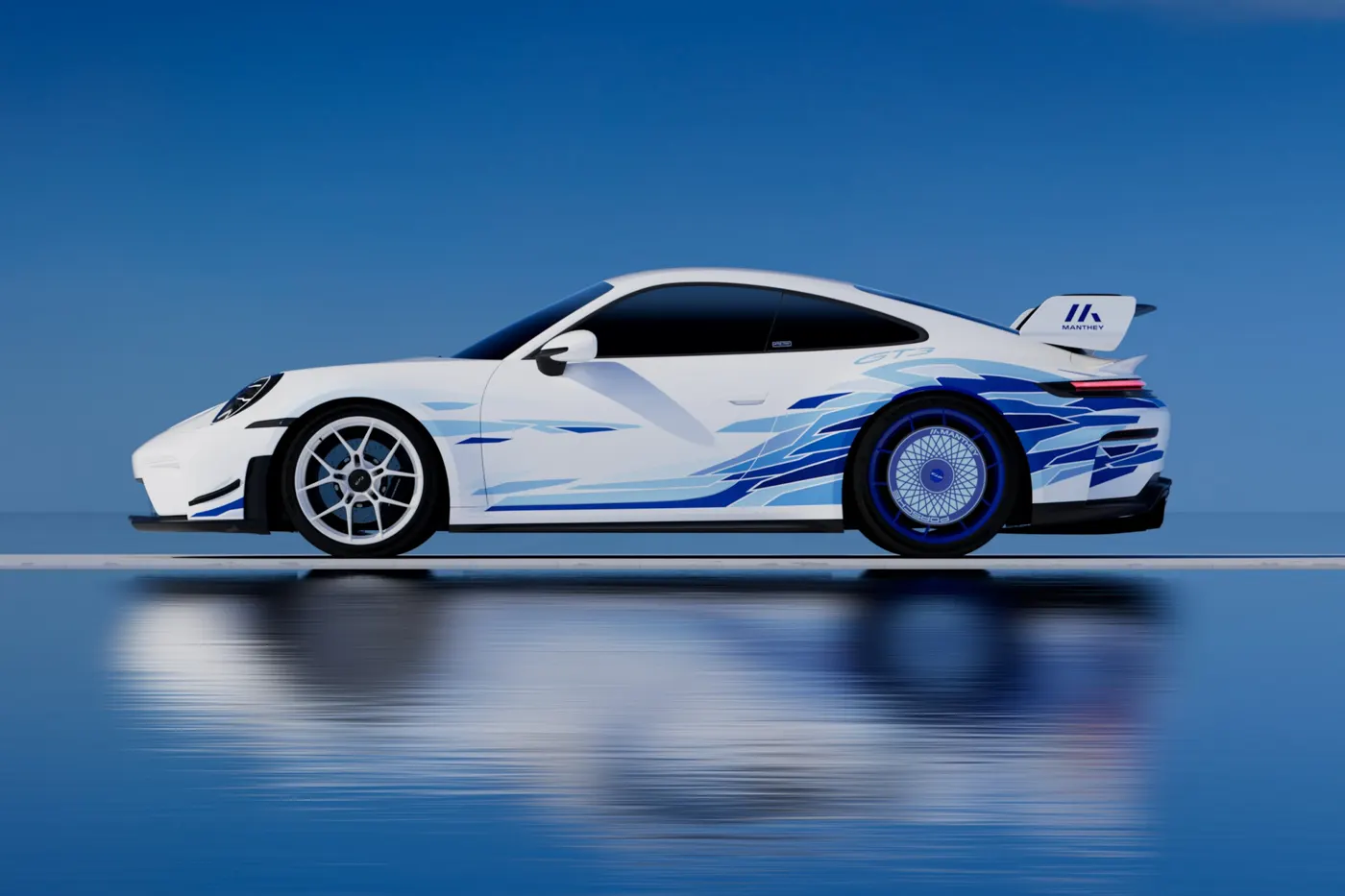
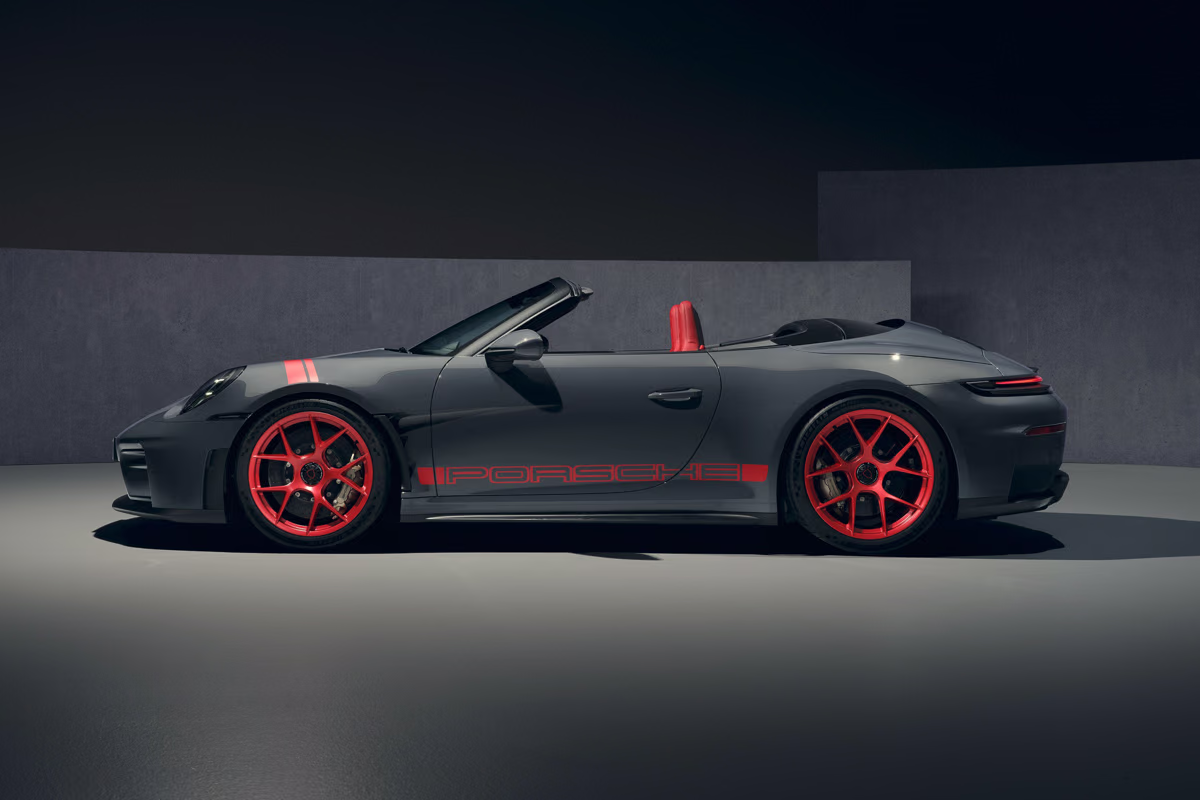
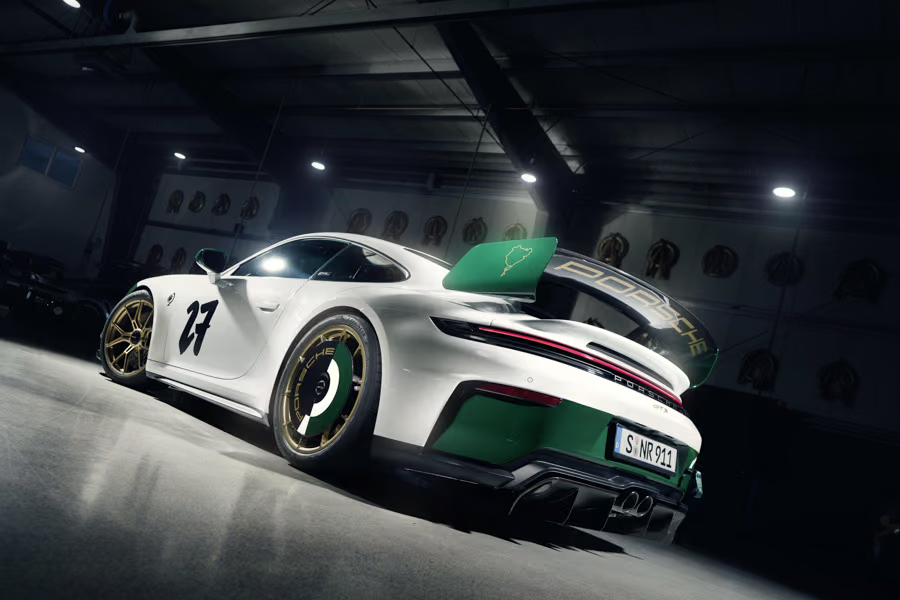
The first half of 2026 has already shown signs of recovery, with Group return on sales up to 7.8 per cent from 5.5 per cent a year earlier. But that won't do for a company that went public in 2022. With shareholders to satisfy, it's little wonder we've seen a proliferation of special-edition 911s: no fewer than five limited-run GT3s have been announced in the past 12 months alone, and the GT3 has gained a convertible for the first time in the S/C – with no cap on production.
Porsche had already announced in May 2025, under Blume, that around 3,900 jobs would go by 2029. The recovery raises the question of whether it needs to cut more. Leiters says the strategy runs in three phases, and that the current focus is ‘reducing costs and making the company more financially robust’.
The Future Package was negotiated rather than imposed, and guarantees no compulsory redundancies until the end of 2035, with the cuts coming through voluntary severance, early retirements, and attrition. Losses are planned across the board: the strategy targets a quarter fewer staff in both production and indirect roles over the coming years, and 40 per cent fewer managers.
The workforce has also given ground on pay and conditions, with 3.5 per cent of rises deferred until 2035, the Christmas bonus cut from up to a full month's salary to 60 per cent, and remote working reduced from 12 days a month to eight.
Porsche frames the cuts as a chance to slim down, with leaner management speeding up decisions, and shorter development times cutting development costs by up to 20 per cent. With a further 10 per cent saving on materials through more shared parts, can Porsche charge more for cars that cost less to develop and build, without it showing up in the end product? Porsche says it can, with a new quality initiative that aims to improve quality as customers perceive it and cut warranty costs by up to 45 per cent.
Even though the Mission S will steal the headlines, the real earner is likely to be the new Macan-sized SUV, which Porsche expects to boost profits from 2029. In the 1990s, Porsche built a smaller car to survive. Now it must build a smaller company.



.svg)

