-01.svg)

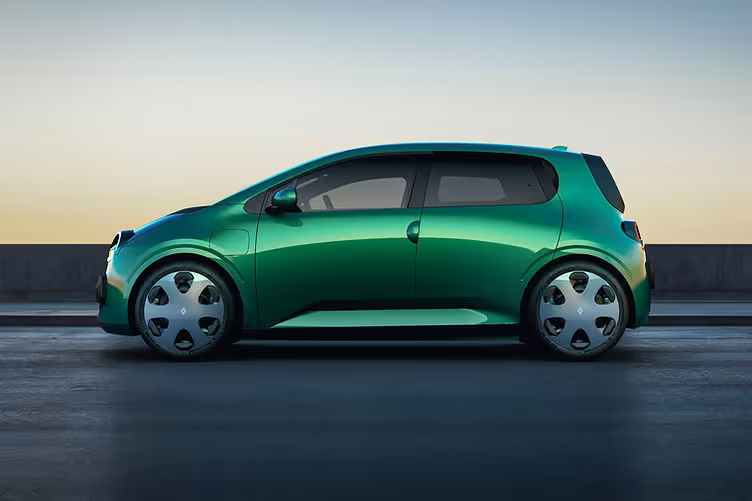
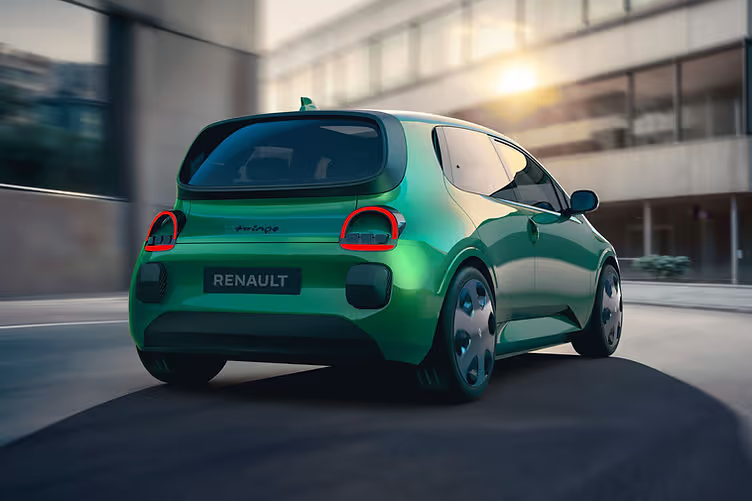
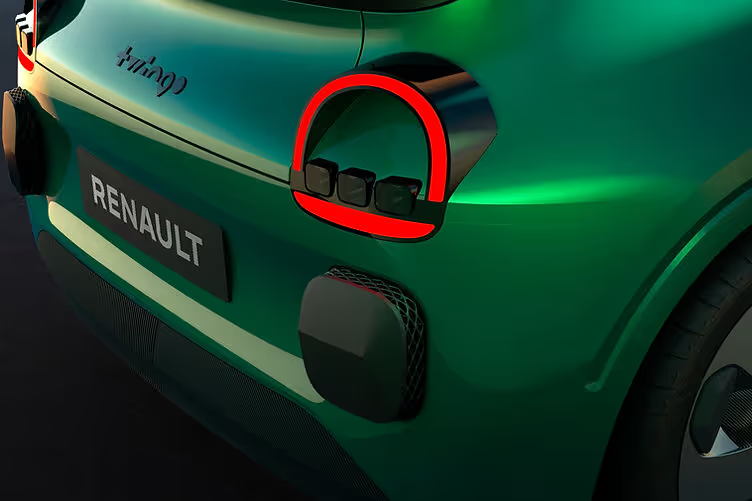
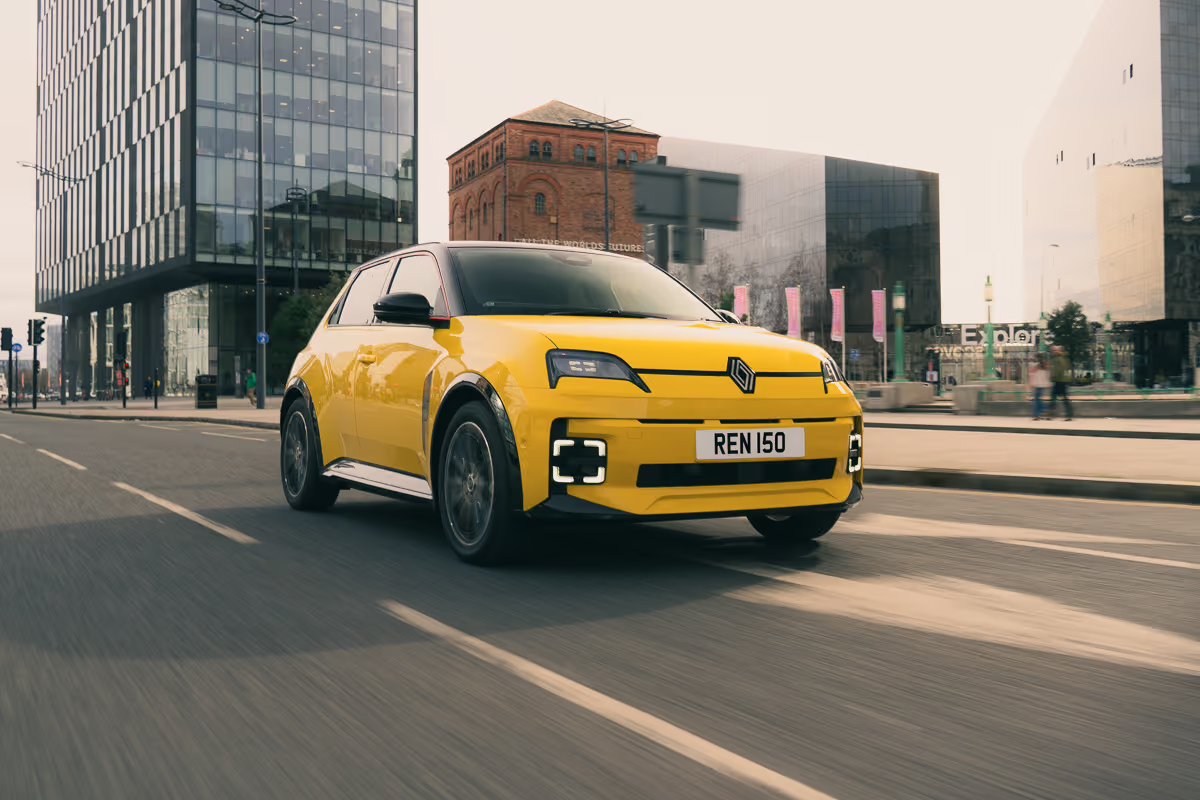
Like the 5, the Twingo prototype leans heavily on the innovative design and quirky charm of the original 1992 model. Noteworthy features include the signature round headlamps, now integrated into floating LED rings, and a front-end design that mimics the approachable, friendly face of its predecessor. The distinctive round door handles, now enhanced with light-up rims, are a playful update, while three small, non-functional vents on the bonnet provide another visual link to the past. At the rear, circular taillights and a black trim around the rear window complete the look.
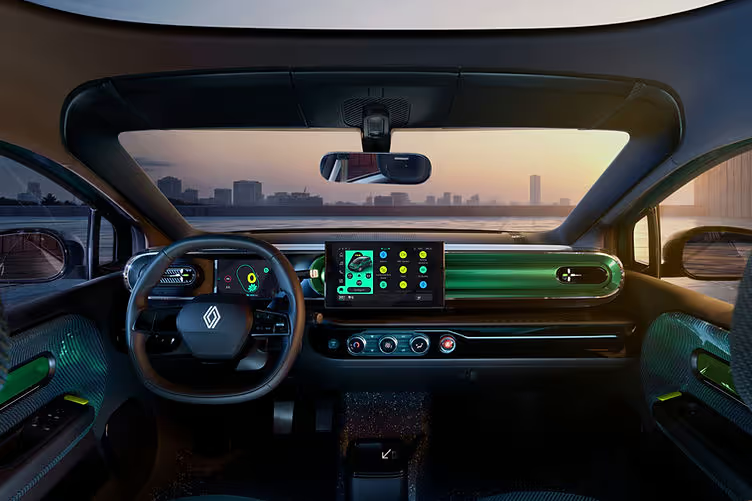
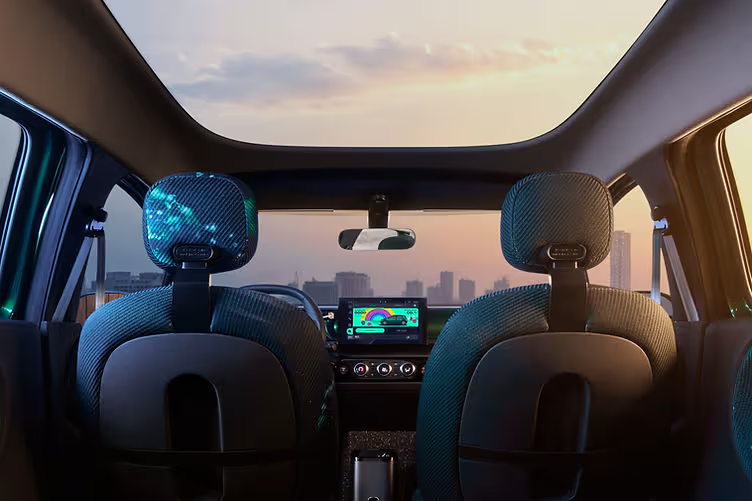
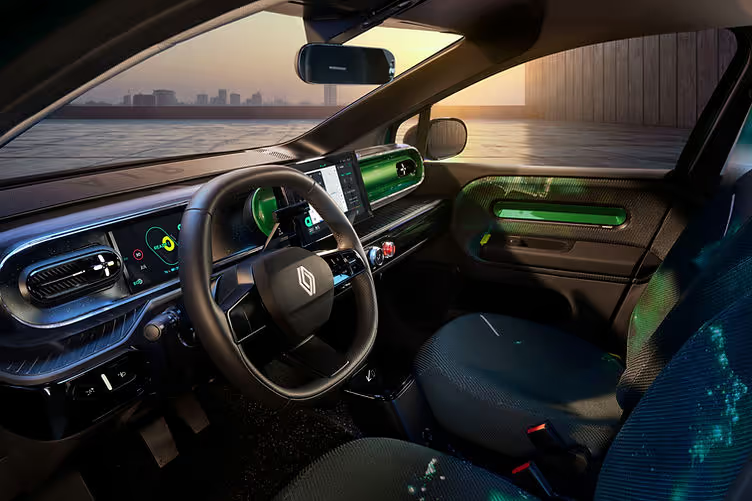
The hallmarks continue on the inside, with a cylindrical dashboard housing a 7-inch digital instrument panel and a 10.1-inch central multimedia screen. Other cues include a full length glass roof panel, two spoke steering wheel, and seat fabric sporting vibrant patterns, while in an typical prototype experiment, the floor is made of tinted cork. The design team has also given thought to the practical use of the car, with magnetic front headrests providing rear seat passengers a space to mount their phones, and 50:50 split/fold rear seats.
With a projected starting price of under €20,000, Renault aims to position the Twingo E-Tech as one of the most affordable electric cars in Europe when it launches in 2026. We'll also be keeping our fingers crossed for a potential Alpine variant, in the mould of the A290 hot hatch.



.avif)

.svg)

