-01.svg)

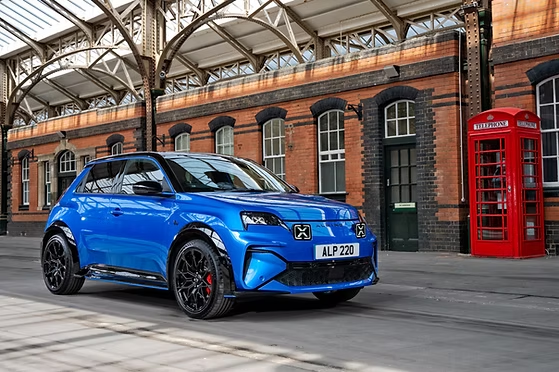
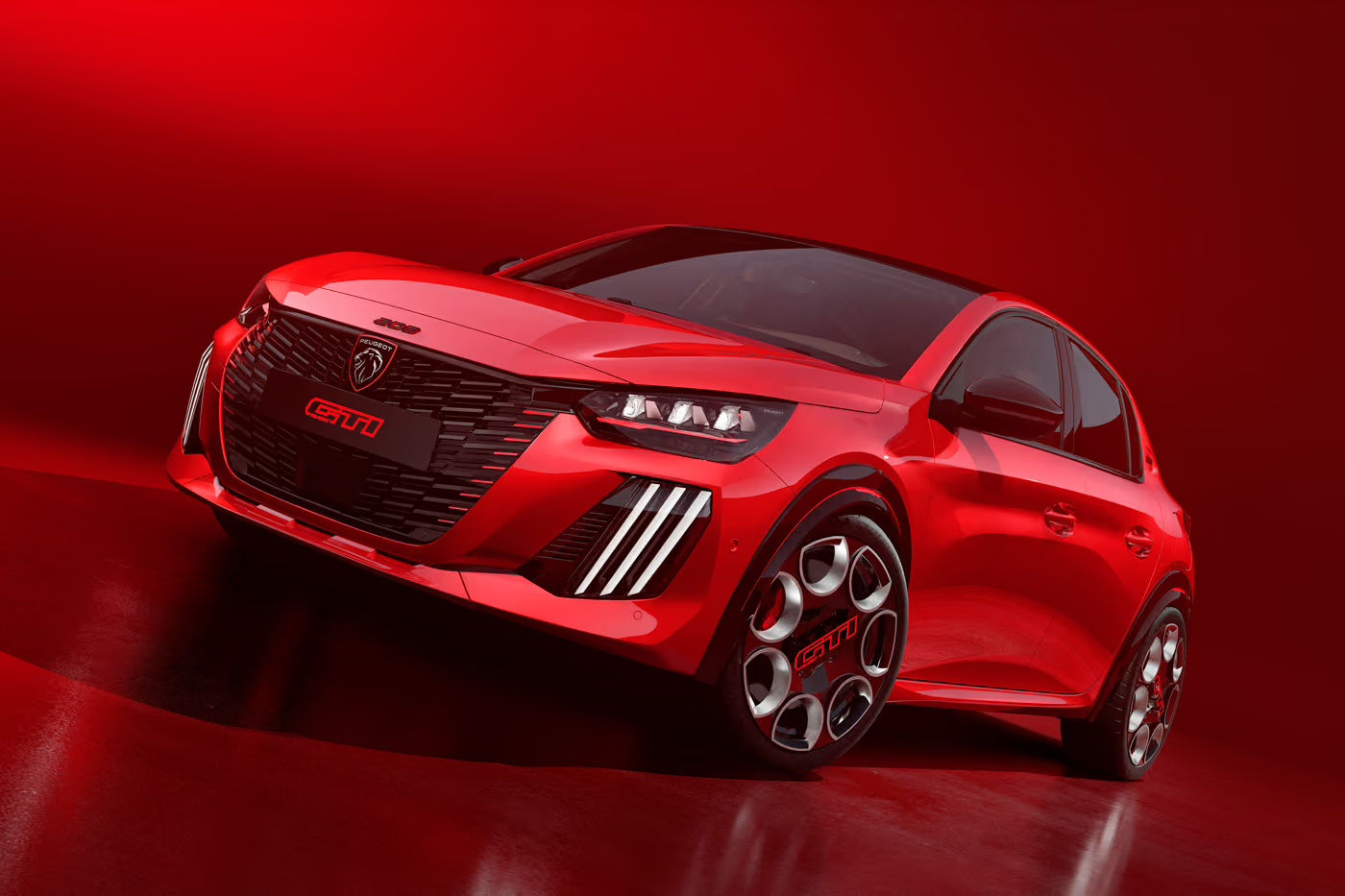
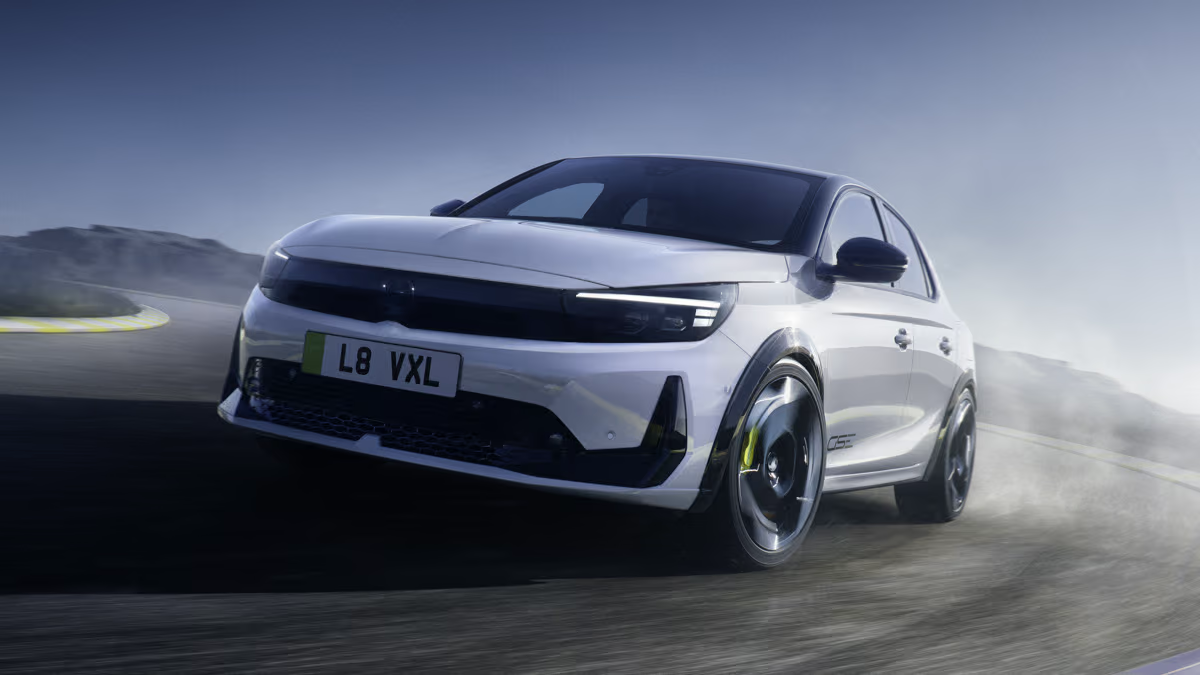
While down on output compared to the Peugeot e-208 GTi and the Vauxhall Corsa GSE, the electric Polo GTI is closely matched to the Alpine A290 GTS, with only 6bhp and 3mph separating the two. Like its rivals from Stellantis, the motor is equipped with a limited-slip differential, but the VW is unique in the burgeoning e-hot hatch segment with its adaptive suspension set-up.
Dynamic Chassis Control (DCC) configurable dampers come as standard, with multiple firmness levels programmable by the driver. Stiffened springs feature at each corner, with an uprated anti-roll bar at the front. While the A290 and Mini e-JCW use multi-link suspension at the rear, the ID Polo GTI uses a torsion beam for the trailing axle.
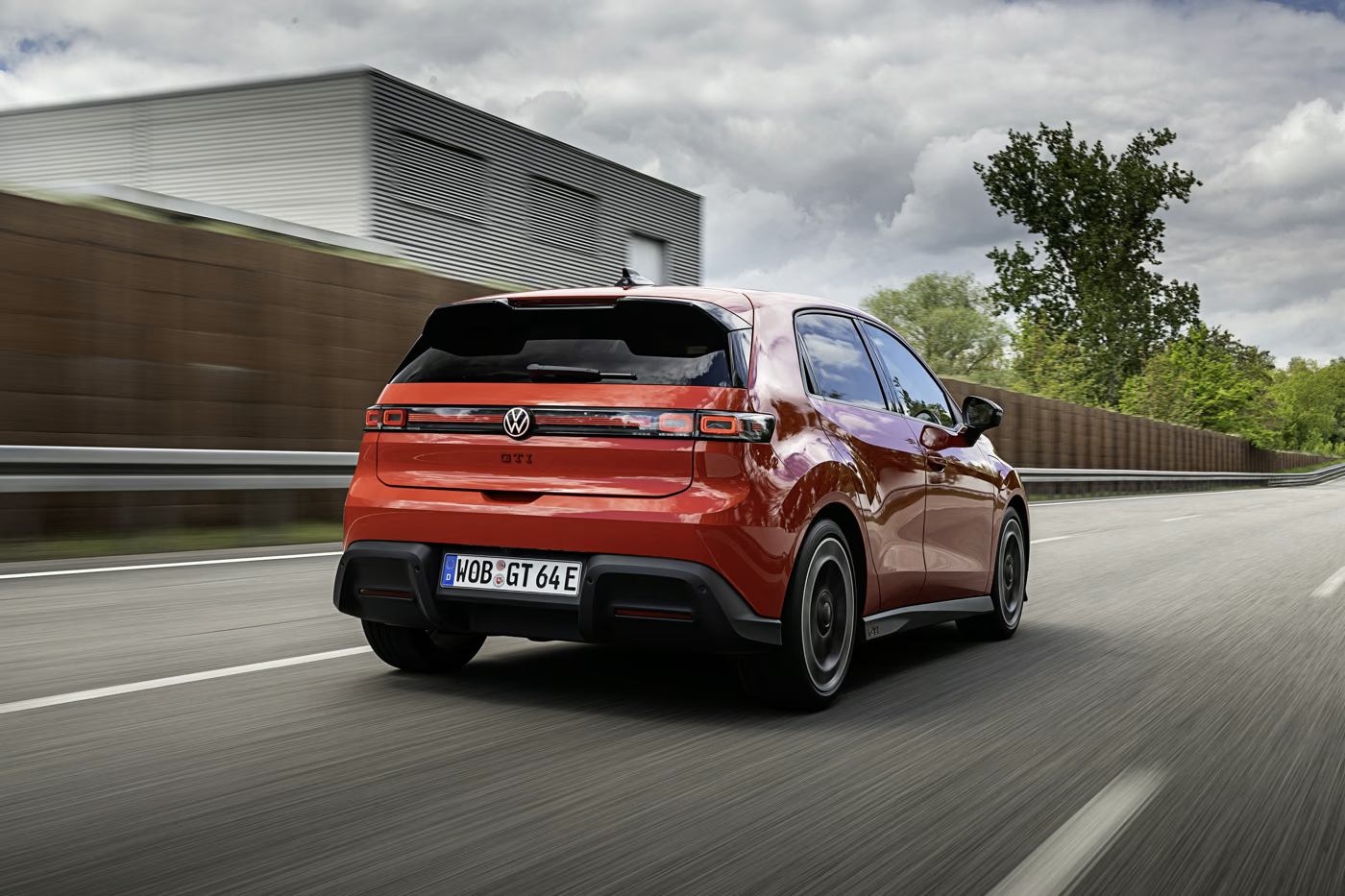

Following a brief flirtation with standalone ID models, Volkswagen is returning to making cars look and sound familiar, even if they feature an electric powertrain. The design builds on that of the recently revealed ID Polo, with classic hatchback proportions and signature GTI touches. The new full-width front light bar is underscored by a red trim strip and GTI lettering to one side. A honeycomb grille features below, with red inserts designed to look like racing tow hooks.
The model also gains a unique rear diffuser design, two-segment roof spoiler, and a rear light bar flanked by four rectangular LEDs. GTI lettering is found on the tailgate, side sill, and the wheel centre caps that feature golf ball-style detailing. The two-tone 19” rims are optionally available with Bridgestone Potenza Sport tyres measuring 235/40 R19 all round.
The visual overhaul continues inside, with the hot ID Polo gaining two-piece bucket seats up front and red contrast stitching throughout the cabin. The flattened steering wheel features physical buttons either side of the airbag, a red 12 o’clock marker above, and GTI lettering below. Pressing this activates the new dedicated GTI driving mode, in which launch control can be engaged. Paddles are found behind the spokes, allowing the driver to adjust energy recovery levels on the fly.


A 10.25” instrument cluster can show three different gauge styles, including classic dials inspired by the Golf Mk I. The central 12.9” touchscreen can also show retro graphics such as a cassette tape during music playback, and new switchgear for the air conditioning system is found below the screen. Access to the second row comes from concealed door handles mounted by the rear windows. Compared to the petrol version, the electric Polo offers greater cabin width and headroom, and a boot capacity of 441 litres - up 90 litres over the existing Mk6.
That gives it the biggest boot in the class, and with its 52kWh capacity battery offering 263 WLTP miles between charges, it’s got the longest range among its rivals too. A 10-80% top-up at a DC rapid charger will take 24 minutes with a maximum input of 105kW, while a full recharge on a home wallbox will require 7 hours.
Orders will begin in Germany this Autumn with a starting price of 39,000€ - equivalent to £33,900 at the time of writing, putting the Alpine A290 GTS squarely in its crosshairs. Production will take place at Seat’s Martorell factory just north of Barcelona, where the ID Polo GTI will be built alongside the Cupra Raval. UK pricing and specifications will be confirmed in the second half of 2026, with deliveries expected to begin in Spring 2027.



.svg)

