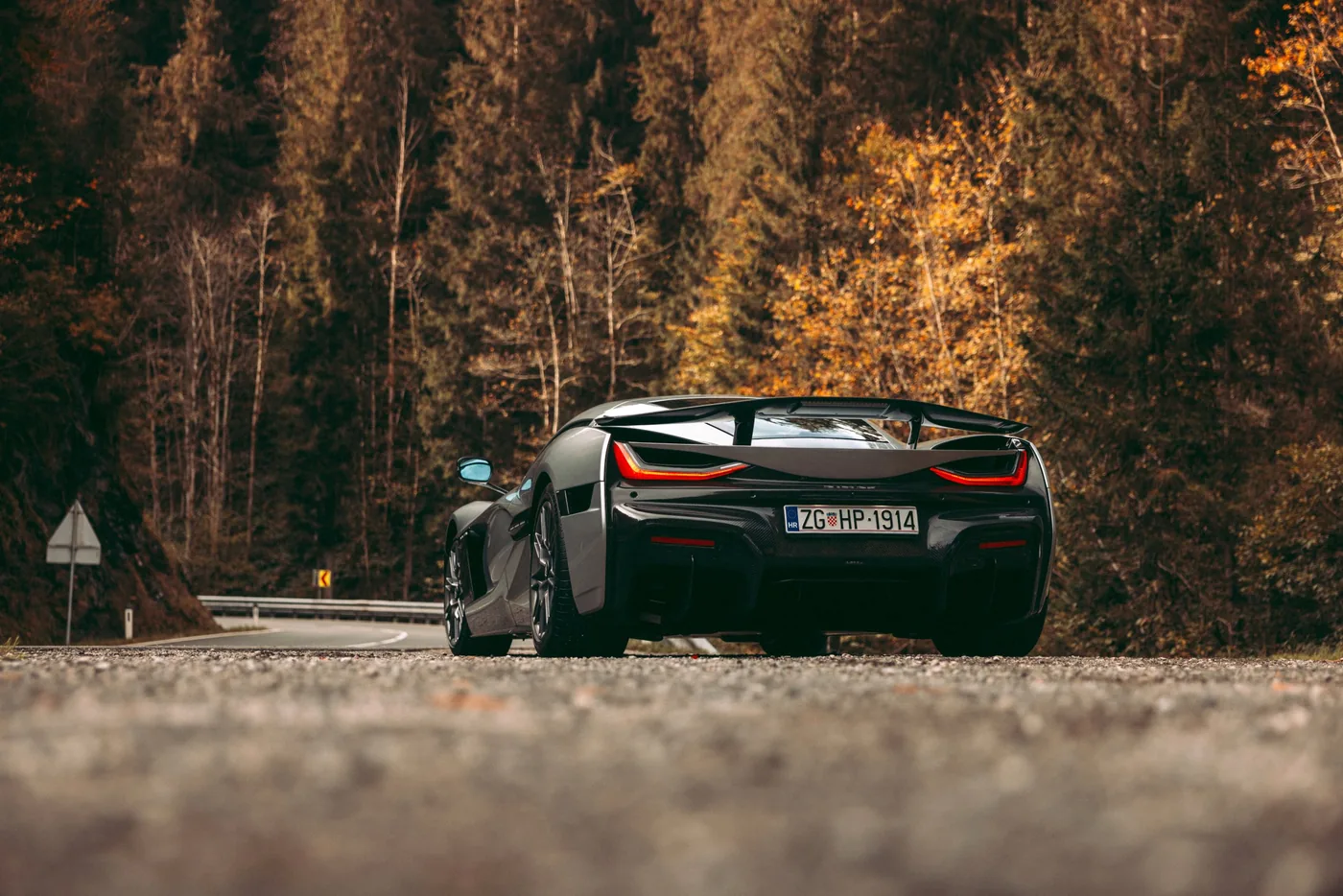
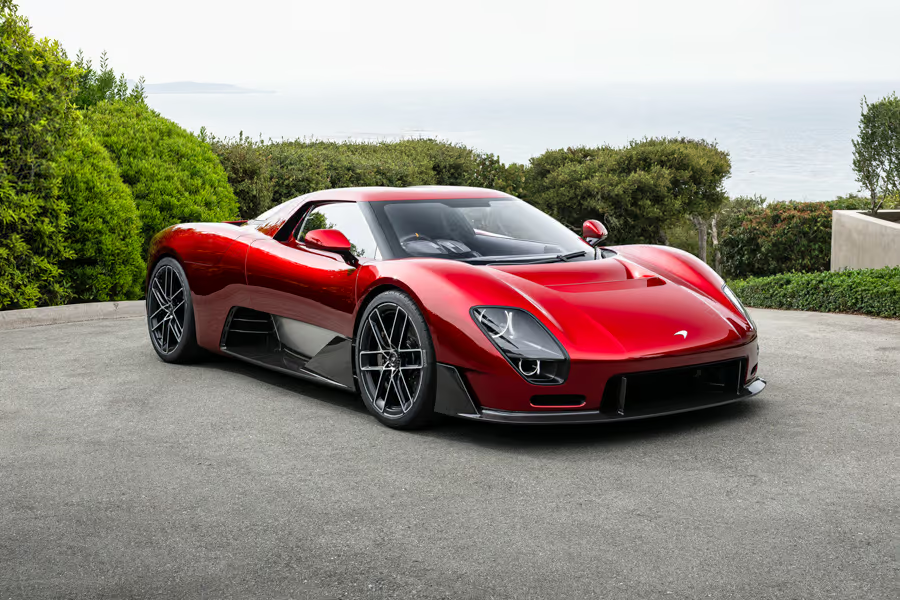
The affable founder took to Instagram to break the news, and delivered it from a place of pride rather than defeat – thanking his staff from the production line and beaming at a facility and a vision made real. ‘We planned 150,’ he said, before calling the Nevera the ‘most sold electric hypercar in the world’.
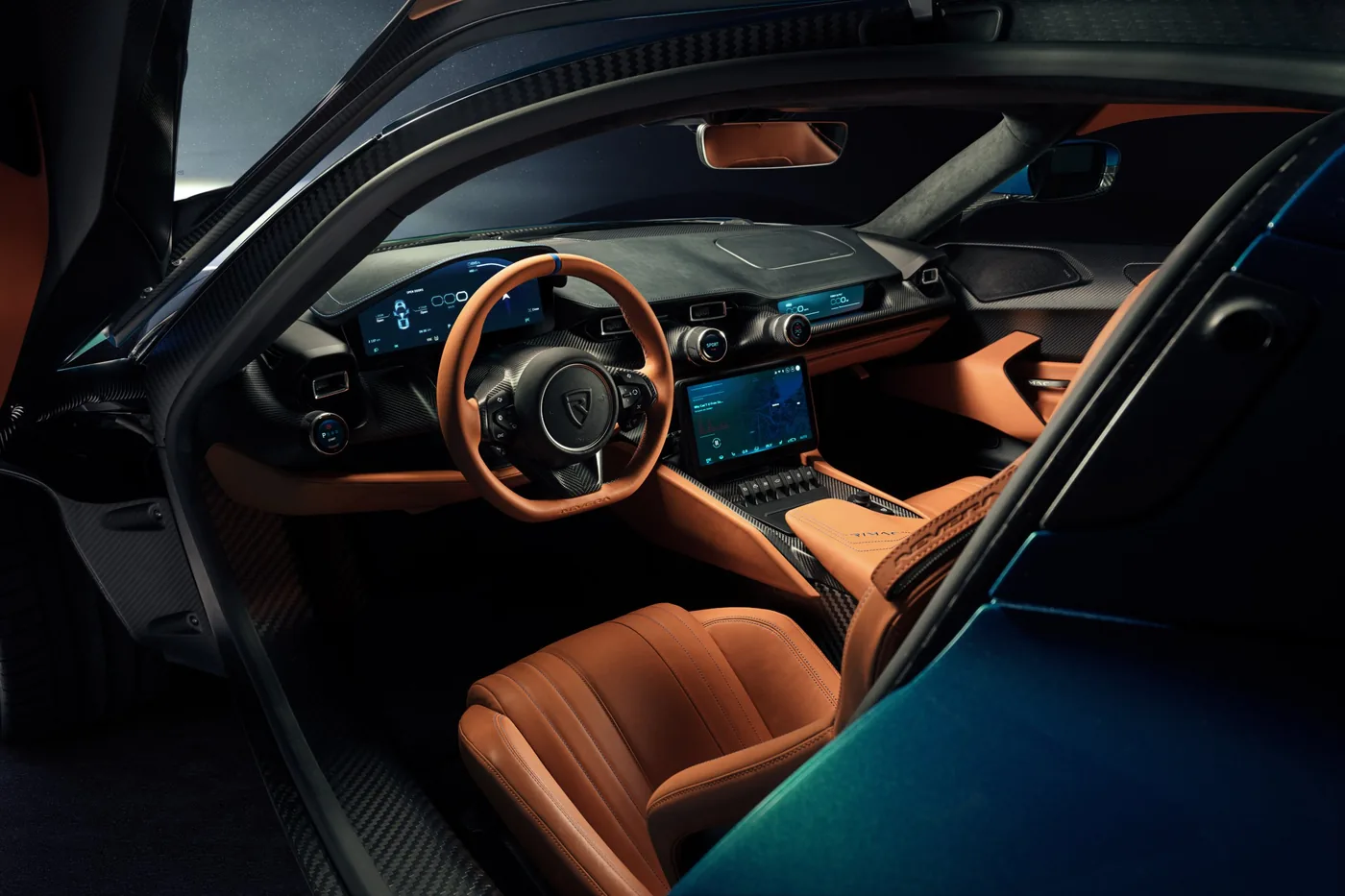
The Nevera began as the C_Two concept at Geneva in 2018 and was revealed in production form in 2021, priced at about £1.7 million (€2 million). Each wheel has its own motor, allowing for precise torque vectoring, and while Mercedes pioneered the layout in 2013 with the SLS Electric Drive, Rimac made it famous, mainly thanks to a combined 1888bhp and 1741lb ft output.

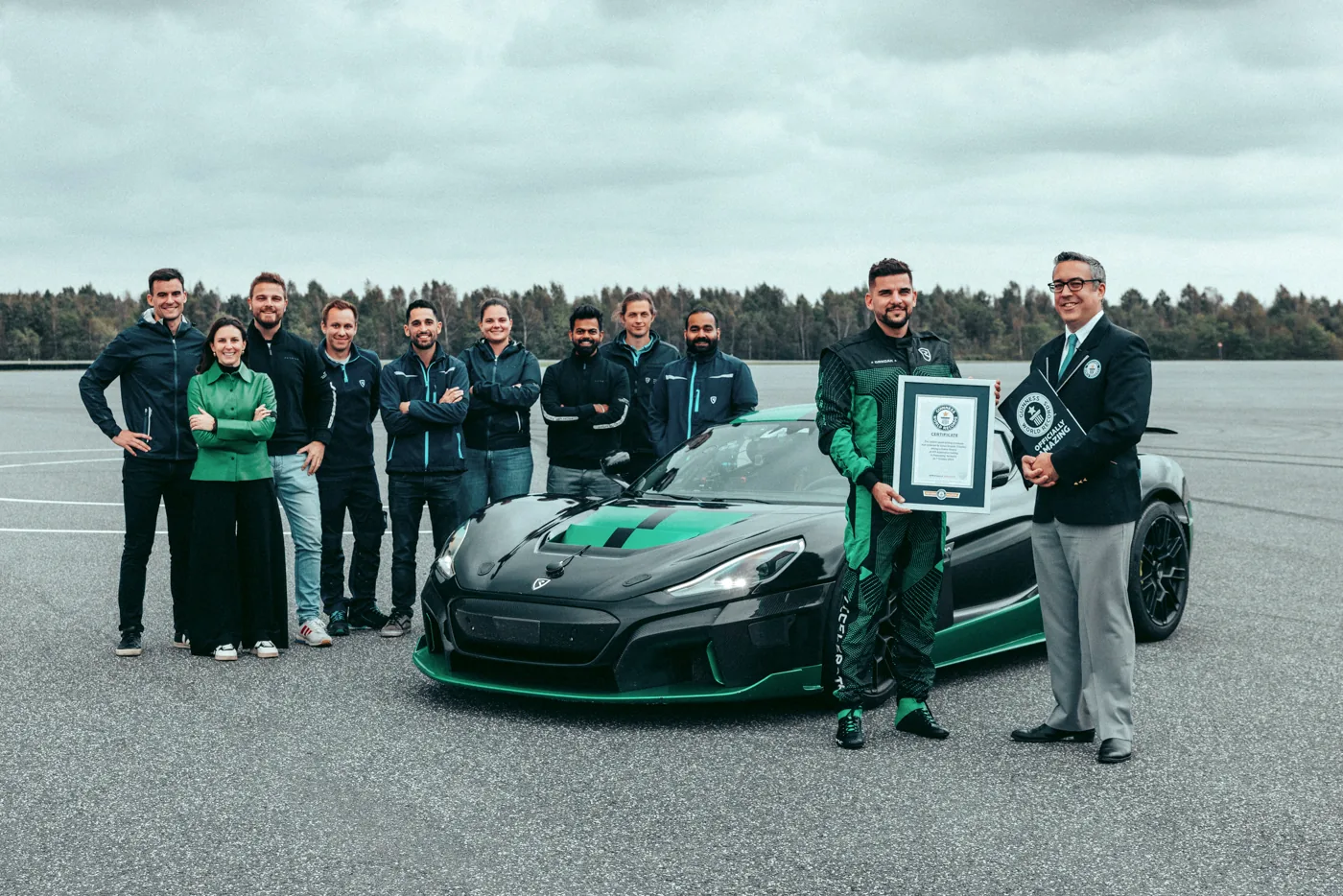

The 120kWh battery feeding all four motors sits inside a carbonfibre monocoque Rimac describes as the largest single-piece carbon structure in the car industry. The Nevera reached 256mph in late 2022, then set 23 performance records in a single day the following May. Three months later it went to the Nürburgring and lapped the Nordschleife in 7:05.298, almost 20 seconds inside the previous production EV record, proving there was more to the car than straight-line speed. Fifty-one were built in all, before Rimac turned its attention to the even more powerful R.
Announced in August 2024 with 2078bhp and a cap of 40 units, the R took 24 records of its own in July 2025, among them 0–60mph in 1.66sec, a 7.90sec quarter-mile and a top speed of 268.2mph. It reached customers late that year and production will stop at 20. Ten of those are Founder’s Edition cars, and the company says the series was allocated within a week of being offered to clients.
The Nevera is not alone. Pininfarina’s Battista, which uses a Rimac-supplied battery and powertrain, was also meant to run to 150 cars but bowed out in 2025 with what the company only calls ‘a limited number’ built. Lotus capped the Evija at 130 and has never disclosed how many it made.

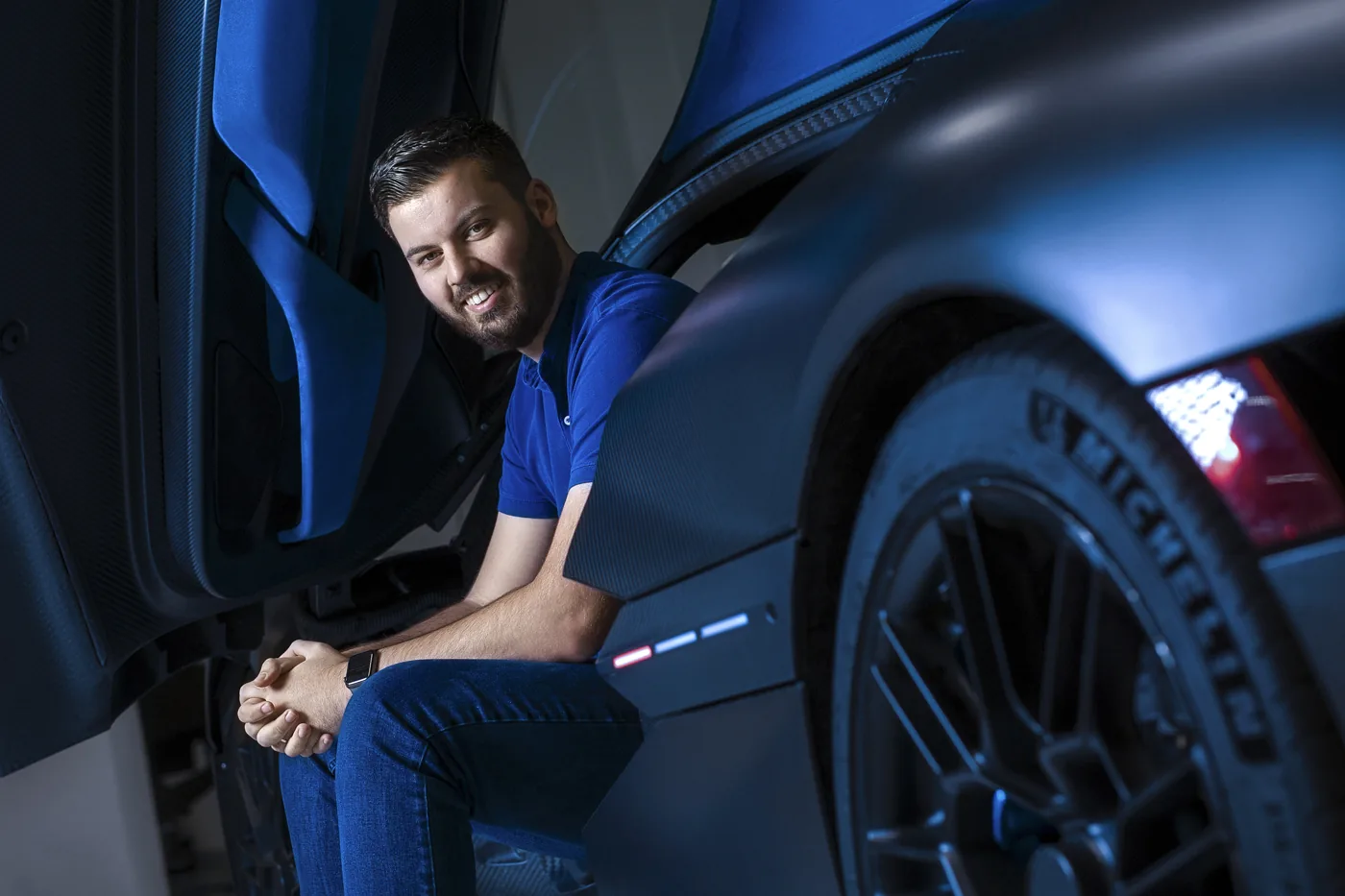
Mate Rimac has never hidden from the reason. A smartwatch, he has pointed out, outperforms a mechanical one on every measure, yet ‘nobody would pay $200,000 for an Apple Watch’. Hypercars are bought on emotion, and at this level that means an engine and an analogue feel – the very things that set an owner apart now EVs are everywhere. In his view, the market for electric hypercars has had its moment.
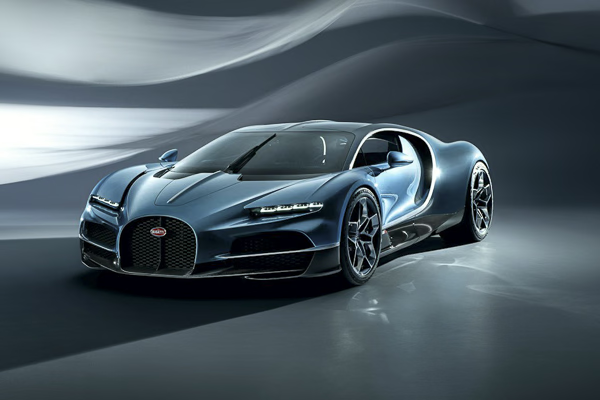
That thinking runs through Bugatti, where he is also chief executive. The Chiron’s successor, the Tourbillon, is a hybrid, but its centrepiece is an 8.3-litre naturally aspirated V16 that revs to 9000rpm and makes 986bhp on its own. An electric Bugatti, by his own estimate, would have found buyers on the badge alone, but far fewer. Bugatti sold all 250 Tourbillons from €3.8 million apiece, occupying the production line until 2029.
Where that leaves the Rimac badge is an open question. The company has announced nothing to follow the Nevera, and with Porsche’s shareholding gone since September and a full Bugatti order book to fill, the French marque appears the likelier home for the group’s next road car. Whatever comes next, Mate Rimac told his Instagram audience, the Nevera ‘will have its place in history’.