-01.svg)
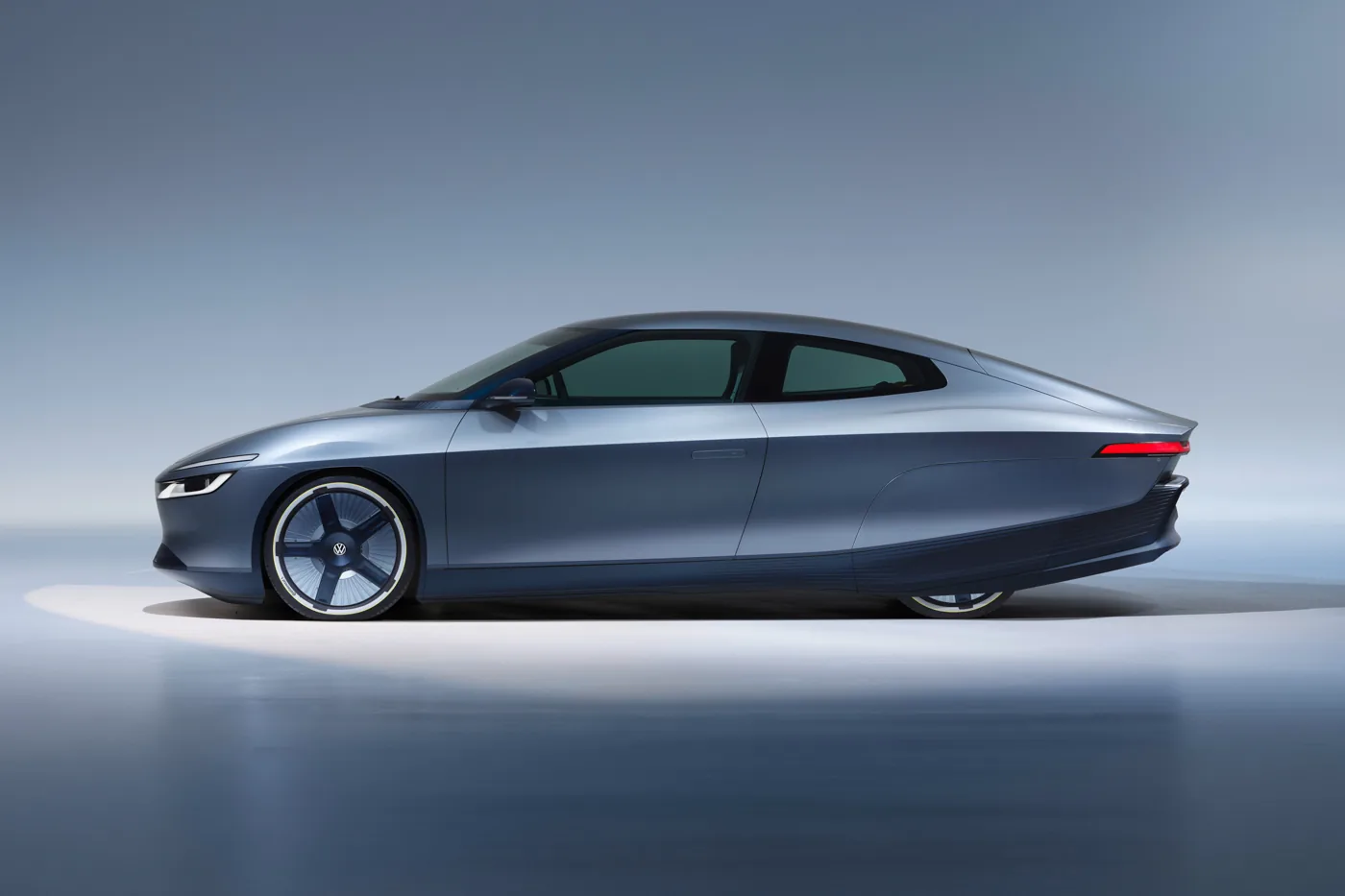
To prove itself, Mission Efficiency has just driven 794 miles from Wolfsburg to Vienna, requiring only one recharge along the way and arriving with another 102 miles of calculated range showing. The achievement may initially lead to a shrug of the shoulders – until the size of the battery pack registers. Instead of simply throwing more capacity at the problem, Mission Efficiency carries a relatively modest 54.9kWh battery, powering a 133bhp front motor closely related to the one destined for the ID. Polo.
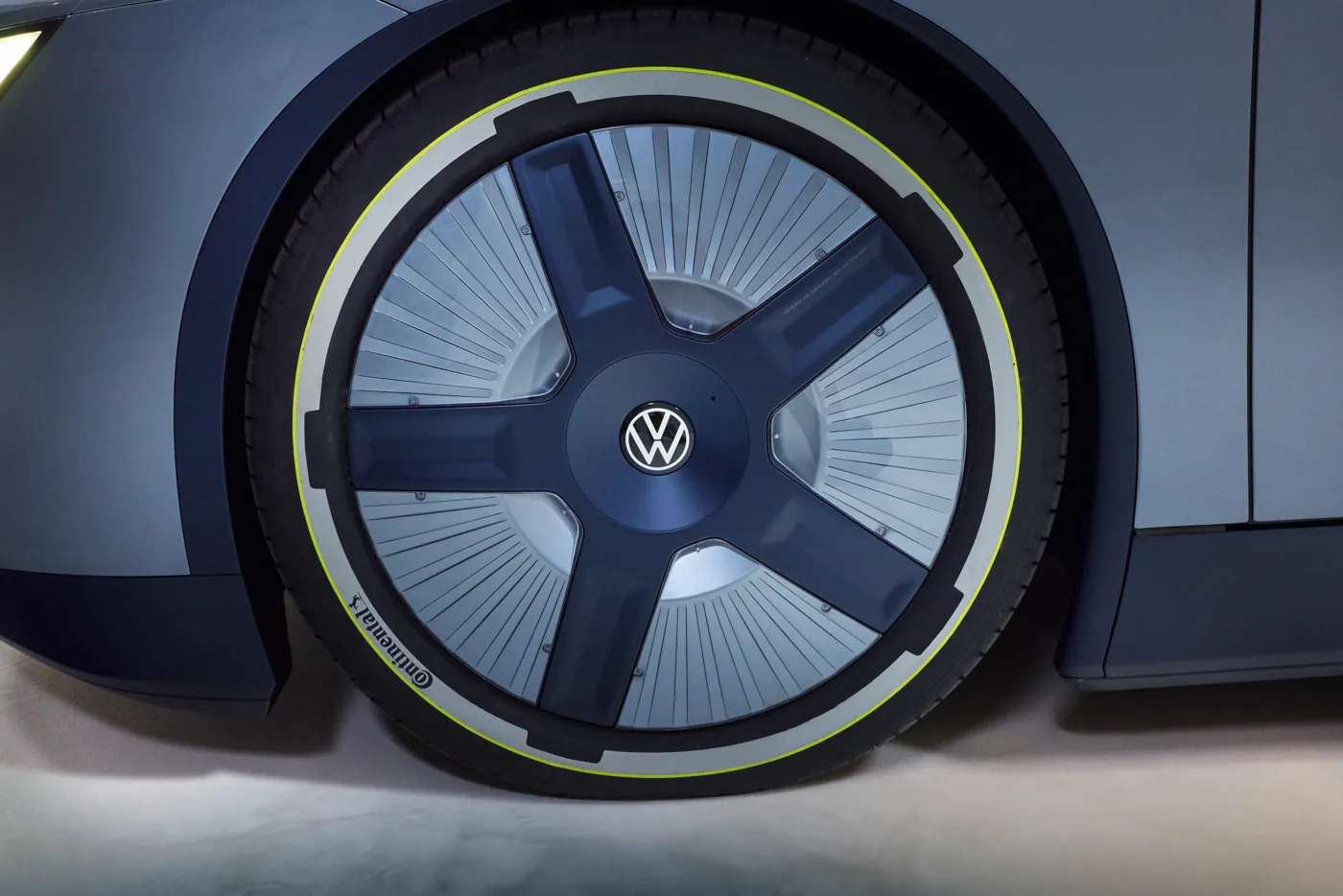
The bigger achievement was an average consumption of 6.89kWh/100km, and aerodynamics account for a large part of that. Mission Efficiency has a drag coefficient of just 0.158, helped by its small frontal area, enclosed rear wheels and fully clad underbody. Active cooling flaps reduce the amount of air entering the nose when it isn't needed, while the rear track is 170mm narrower than the ID. Polo's, allowing the bodywork to taper more aggressively towards the tail.
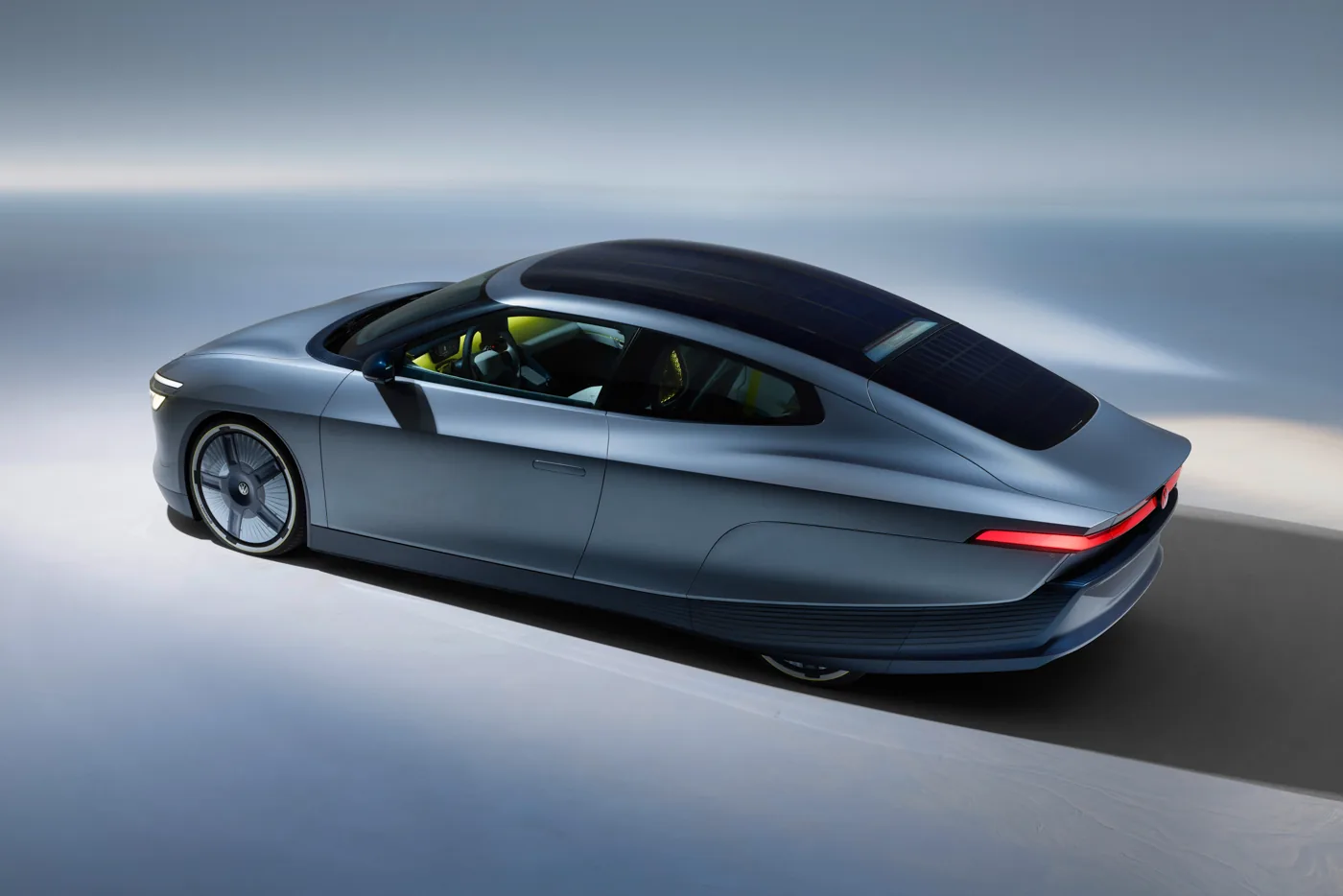
All of which becomes increasingly valuable as speed rises and aerodynamic drag takes over. Above 50mph, Volkswagen says Mission Efficiency consumes more than 30 per cent less energy than a comparable ID. Polo. At 87mph, it requires roughly the same energy as the Polo does at 62mph.
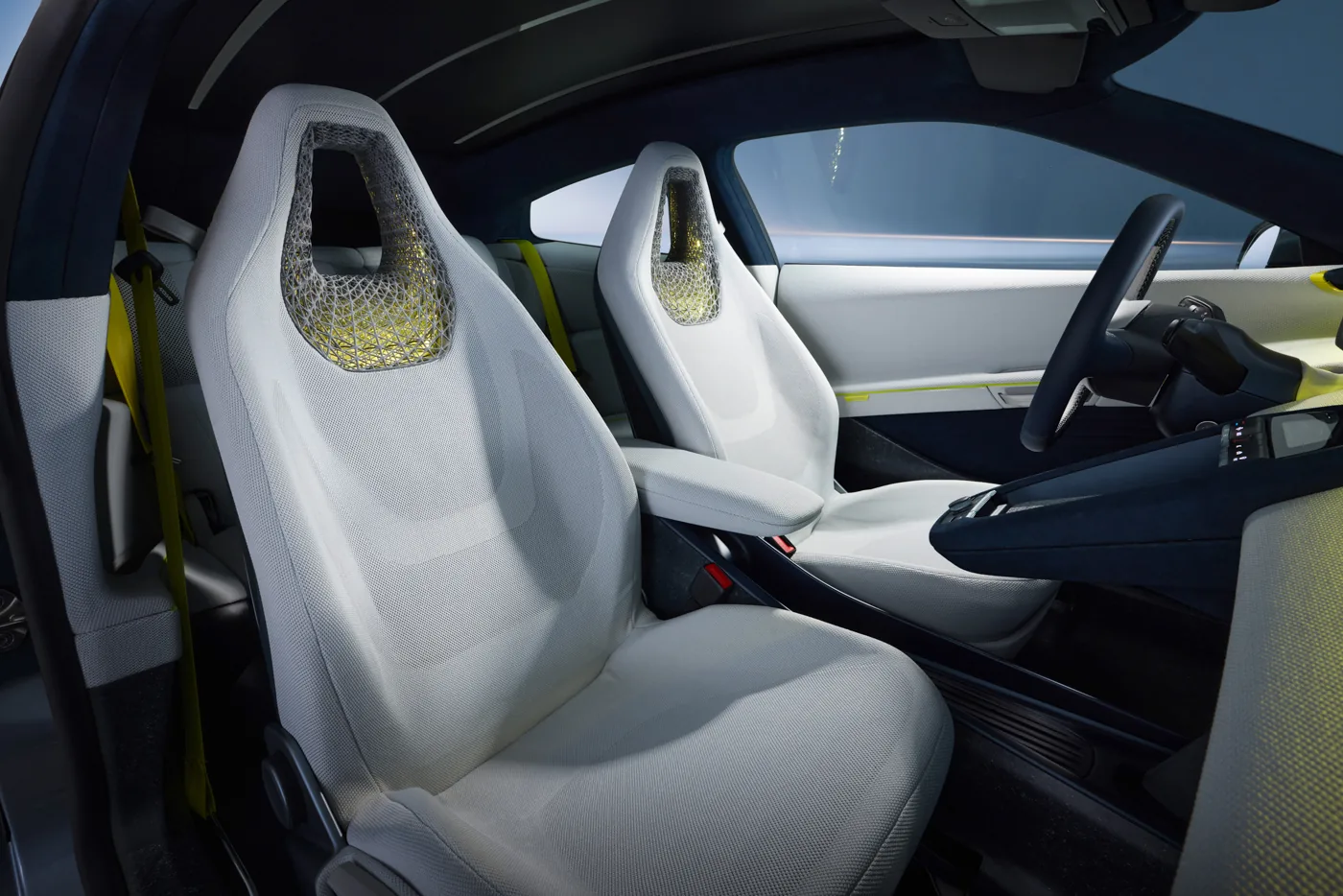
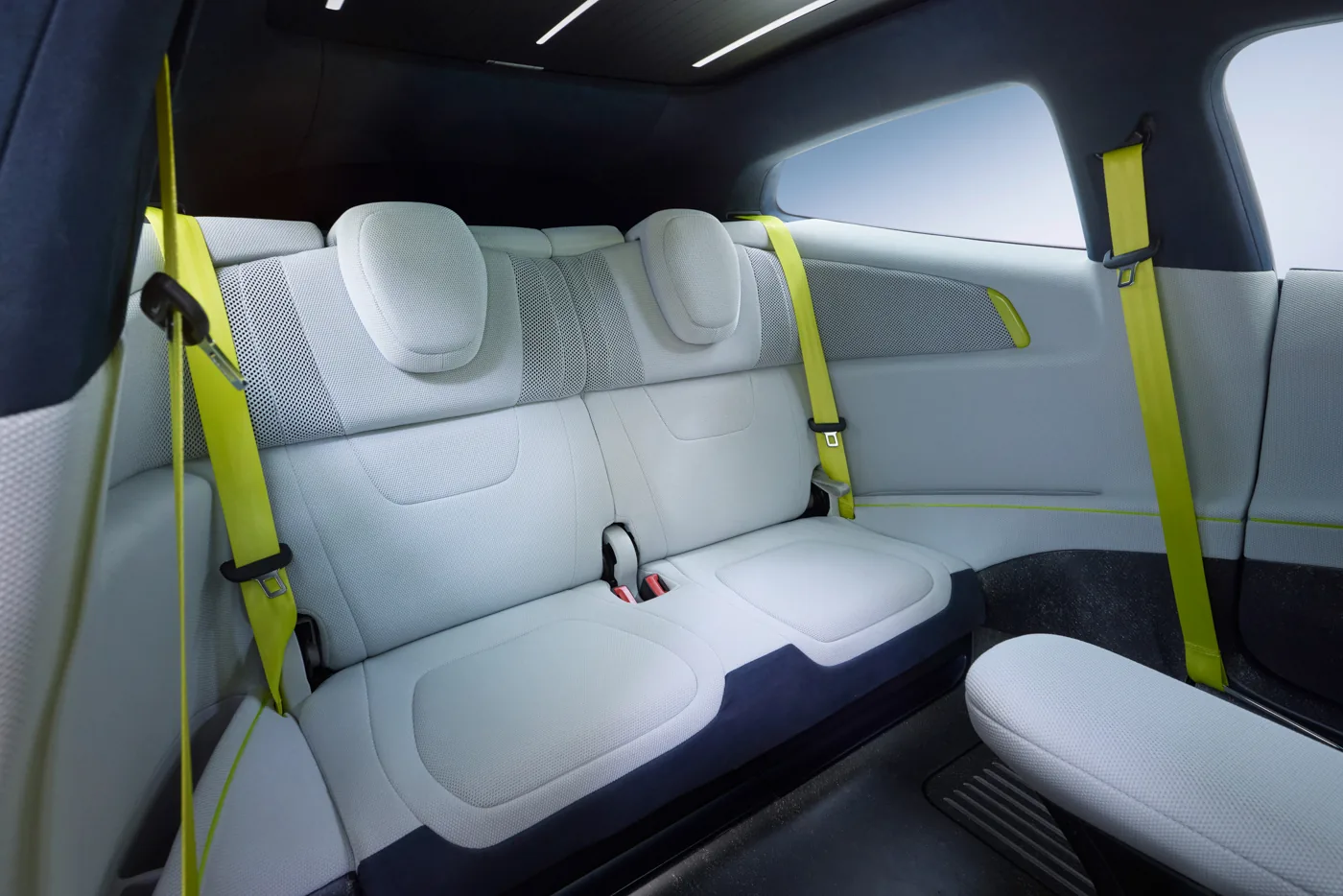
Volkswagen hasn't relied on aerodynamics alone. There's a self-supporting aluminium structure, with the doors, bonnet and tailgate made from a high-strength carbon-fibre/aramid composite, while lightweight seats and pared-back door cards reduce mass further. Even the conventional central touchscreen has gone, replaced by a mount for an occupant's own smartphone or tablet. Volkswagen hasn't quoted an overall kerb weight.
Parallels to the XL1 are both deliberate and functional. Mission Efficiency uses the same teardrop profile, tapering tail and enclosed rear wheels that delivered similarly obsessive gains more than a decade ago. And where the original XL1 weighed just 795kg and achieved a drag coefficient of 0.189, Mission Efficiency manages 0.158 while accommodating considerably more car: it's 4775mm long, has four seats and offers a 481-litre boot – even if Volkswagen concedes the rear seats are best suited to occupants below 1.6 metres tall.
There is, however, another lesson to take from the XL1 – Volkswagen actually put it into limited production. Just 250 were built, with a UK price nudging £100,000 thanks to its exotic carbon fibre construction. Mission Efficiency at least starts from more conventional foundations. Its powertrain has a direct connection to Volkswagen's next generation of small electric cars, while unlike the two-seat XL1, there's genuine accommodation. Volkswagen describes the car as near-production, but hasn't announced plans to sell it, so for now it remains a rolling demonstration of what could be achieved rather than an unexpected addition to the ID. range.
Whether Volkswagen could justify another such experiment is particularly pertinent now. The company is in the middle of a major restructuring of its German operations, cutting capacity and thousands of jobs as it attempts to reduce overheads. Against that backdrop, putting something this radical into production might sound fanciful – then again, perhaps that's exactly the kind of car a company in transition needs.


.avif)

.svg)

