-01.svg)

Things have moved on since then. Both versions now cost less than Zenos first suggested, but the r2 has given up 25bhp on its way to production, and first deliveries – originally promised for 2026 – will not begin until the second quarter of 2027.
Undeterred, Zenos has come out swinging, with a release that dismisses current new cars as ‘bloated and numb’. A 790kg sports car should be just the ticket then, even if the ticket starts at £115,900.
That buys the entry-level E10 r2, powered by a 2.3-litre Ford EcoBoost turbocharged four producing 300bhp at 6000rpm and 313lb ft at 3500rpm. The resulting 380bhp per tonne is good for 0–62mph in a claimed 3.8 seconds and a top speed of 150mph.
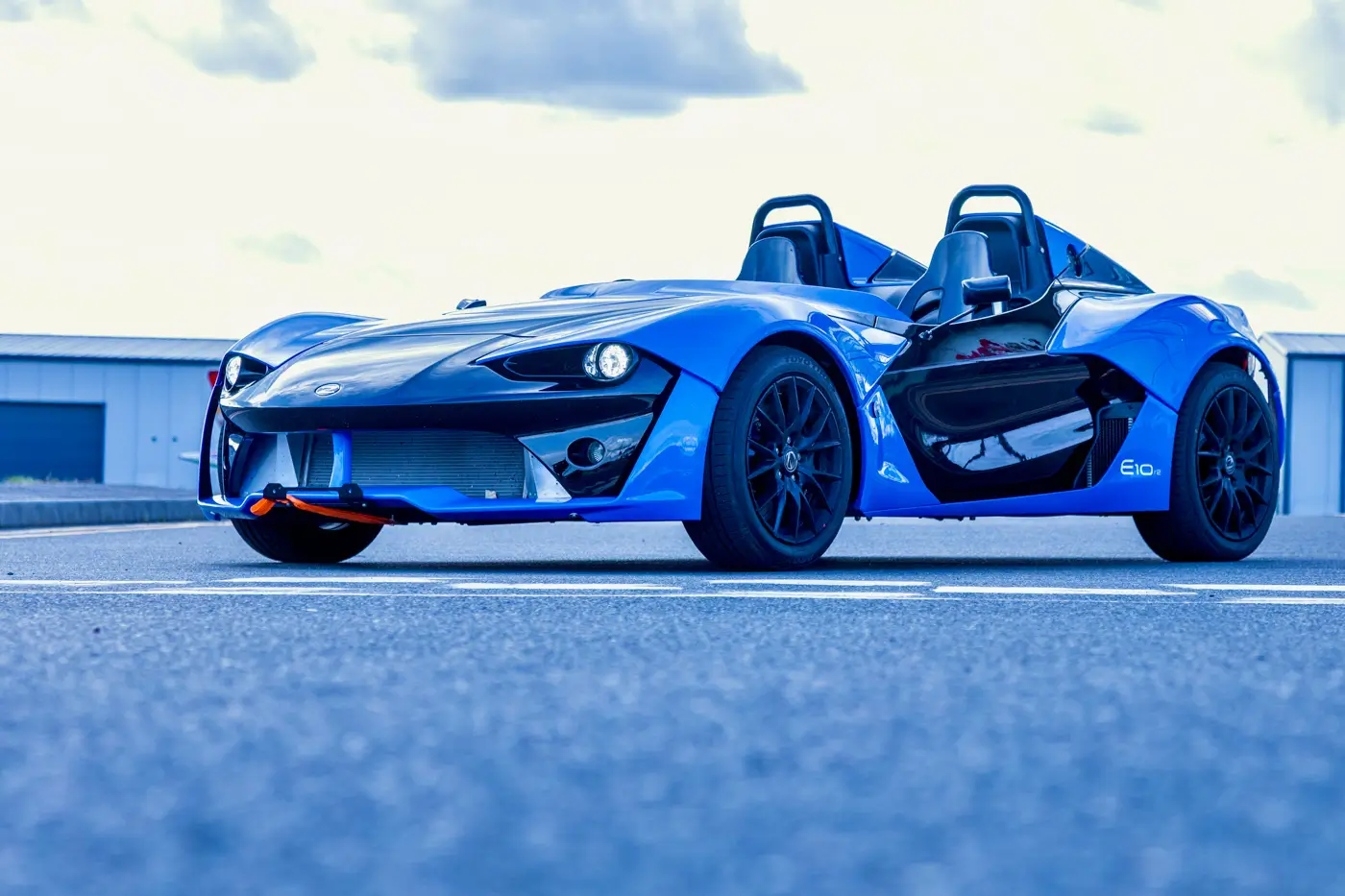
Above it sits the £129,900 E10 rZ, which switches to a Volvo-sourced 2.0-litre turbocharged four-cylinder. Capacity may be down but output jumps to 380bhp at 6000rpm and 376lb ft between 3000 and 4500rpm. At 481bhp per tonne, the rZ falls just short of last year’s 500 target, but it’s still enough for 0–62mph in 3.2 seconds and the same 150mph top speed as the r2.
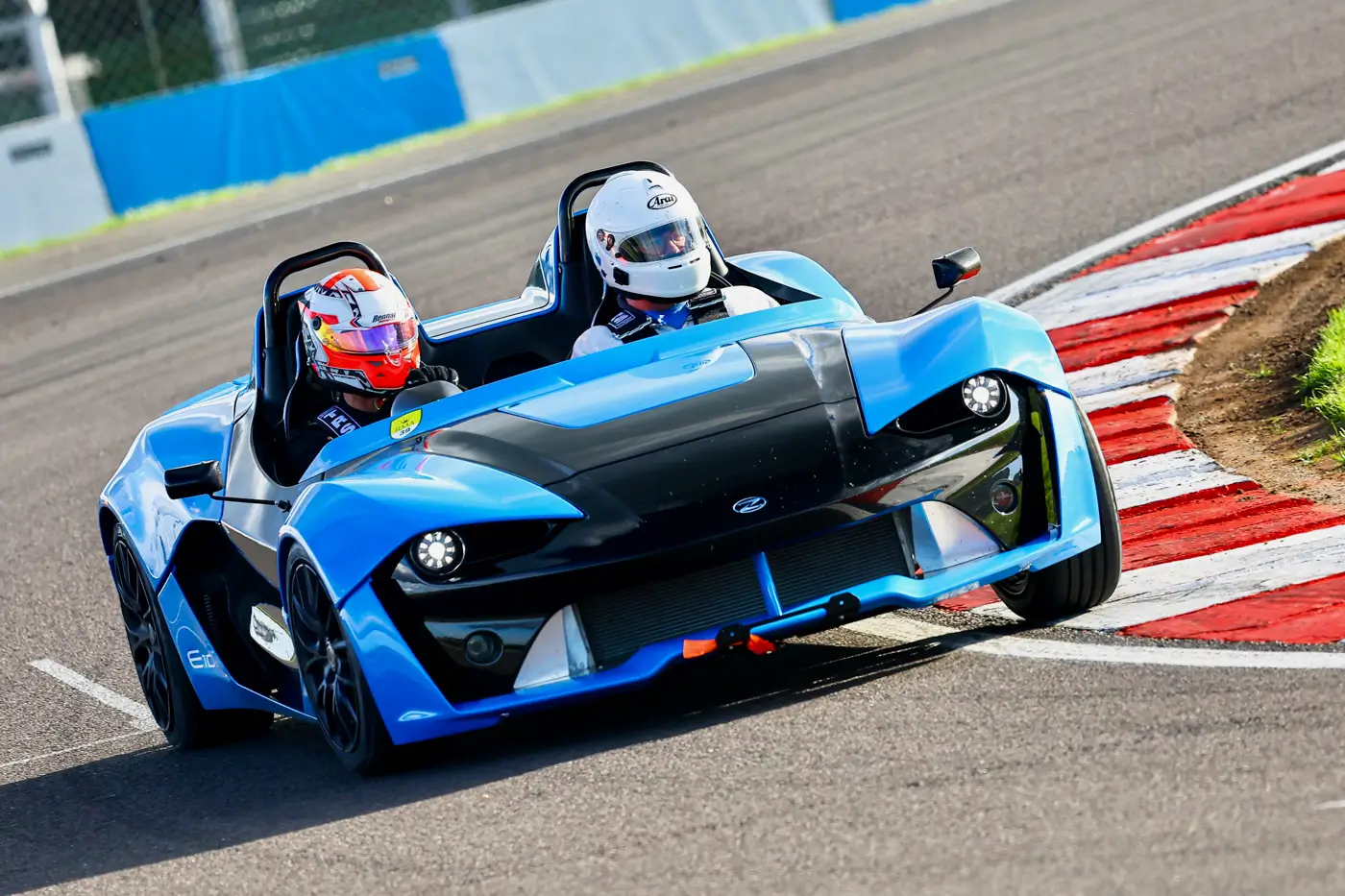
Both cars drive the rear wheels through a six-speed manual gearbox and a limited-slip differential. Neither has stability or traction control, and the steering is unassisted, too. Each engine now runs CAN bus electronics, with its intake and chargecooling reworked – the latter now with its own radiators, mounted beside the engine bay – and the gear linkage has been redesigned for a quicker, more precise shift.
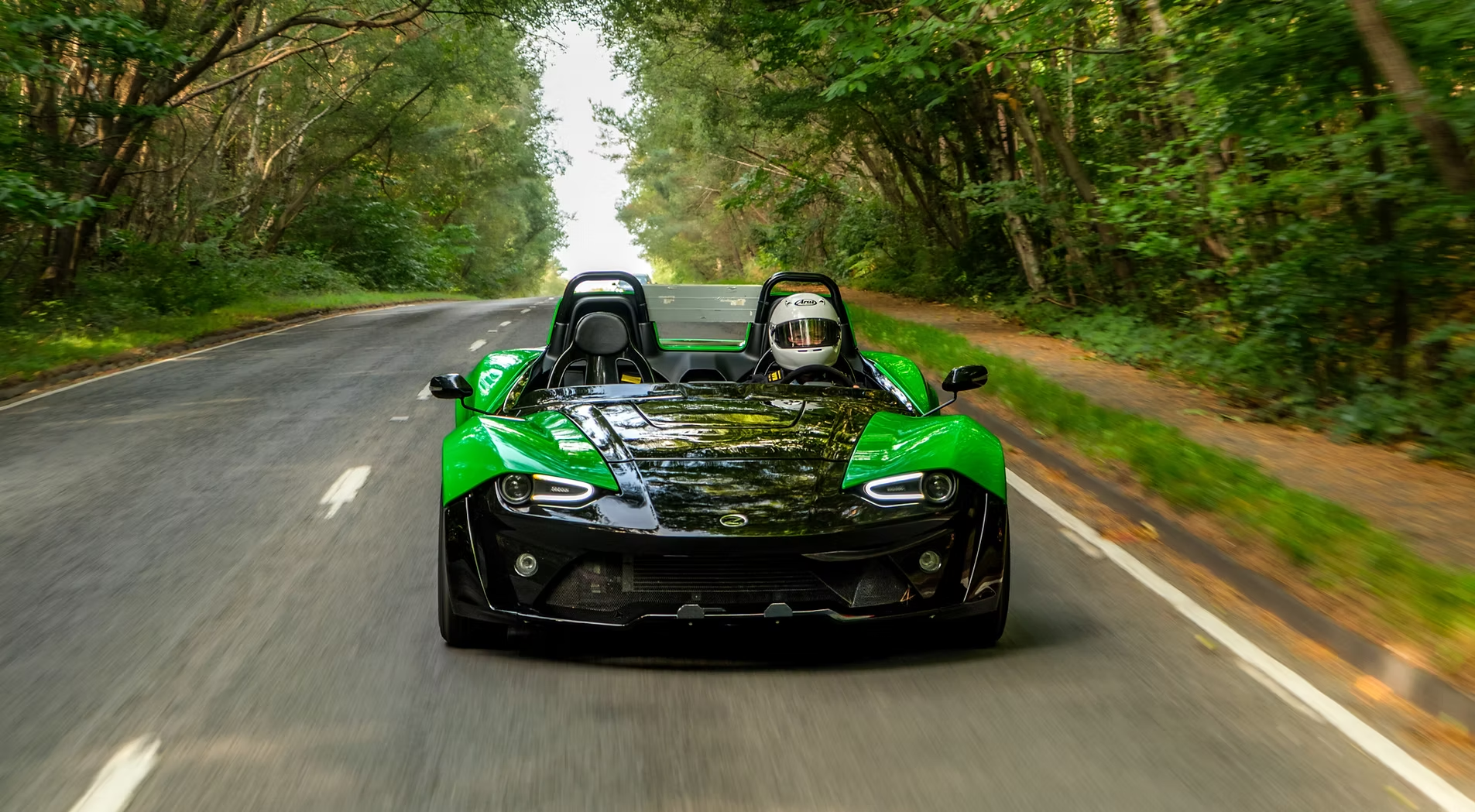
Under the skin, the E10 is still recognisably the original car. A single aluminium extrusion forms the spine, with a carbon fibre tub joined to it, although the bodywork over them is now carbon fibre throughout, and Zenos makes both tub and panels in-house. At the rear, an extruded aluminium subframe carries the engine and gearbox and takes the coil-over dampers directly, which keeps them, with the rest of the car’s significant mass, inside the wheelbase. The front retains its pushrod-operated inboard dampers, while Zenos has widened the track at both ends and lowered the centre of gravity slightly, though it gives no figures for either.
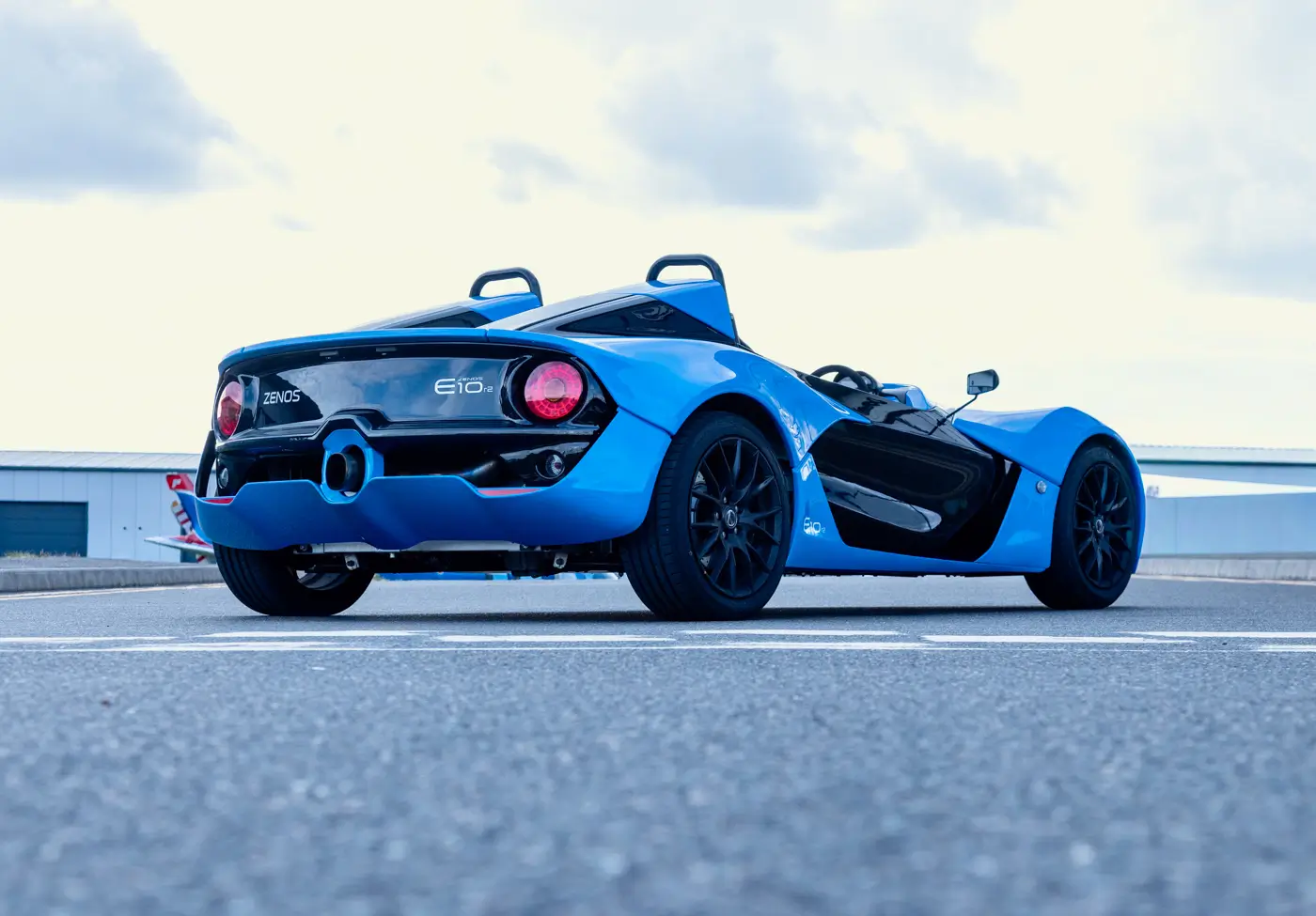
The styling carries over too, again with changes kept to the details. New headlight units combine the running lights, indicators, and dipped and main beams, and revised side skirts carry winglets behind the front wheels and ahead of the rears.
The brakes have had more attention. Behind 16in front and 17in rear wheels, on 195/50 R16 and 225/45 R17 tyres, sit 315mm front discs with four-piston callipers and two-piston callipers at the rear, along with new pads, a new master cylinder and dedicated cooling ducts at the front.
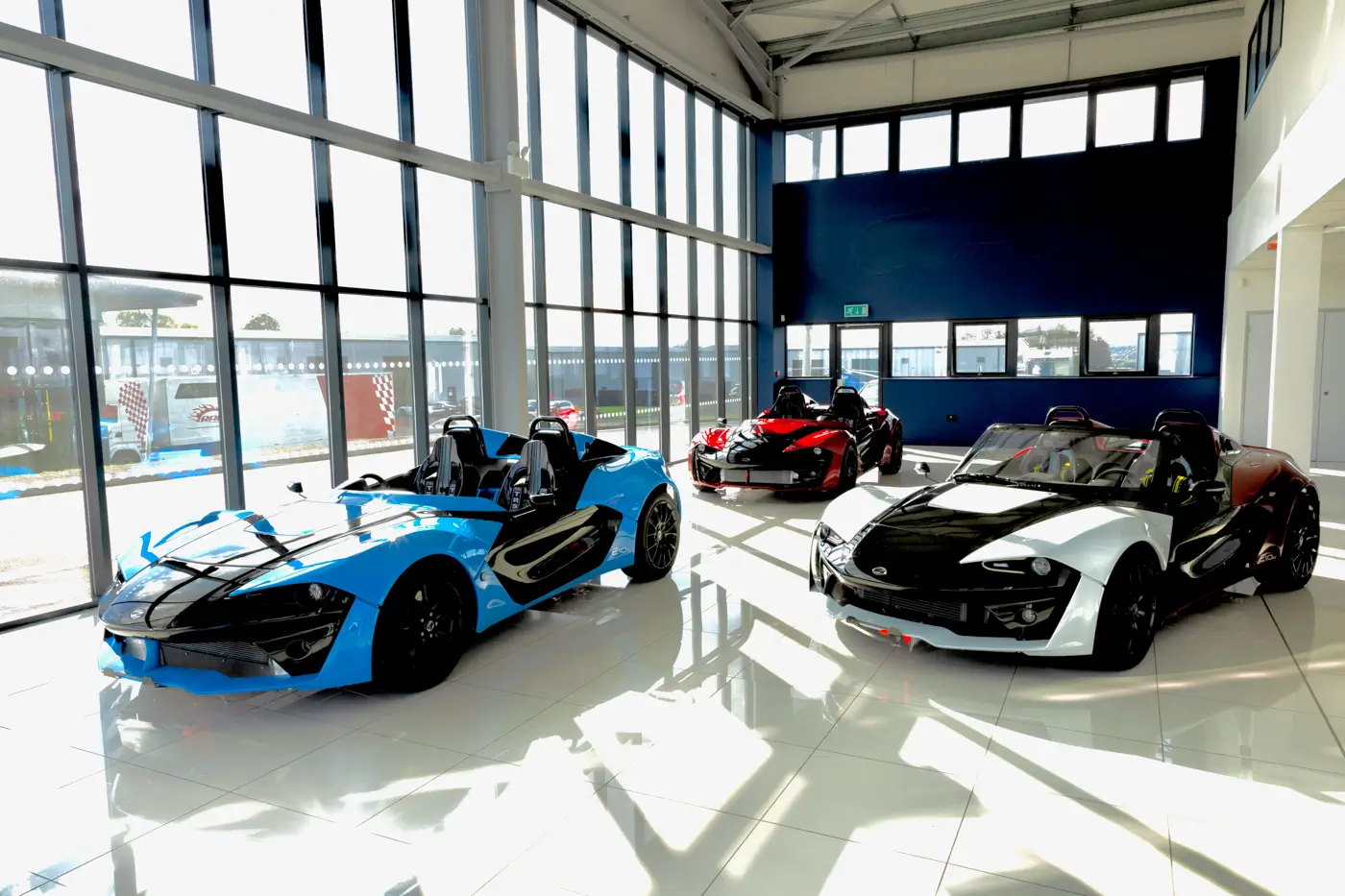
In the cockpit, a new dashboard and driver display sit alongside switchgear sealed against the weather, which in turn makes room for an AiM power management unit, the solid-state, programmable replacement for fuses and relays found in race cars. Carbon fibre seats developed in-house are standard, with colour-coded trim, and buyers choose between a full windscreen with wipers or a wind deflector. Six metallic colours are standard, and beyond those customers can match a paint colour, pick out individual panels and parts of the cockpit in contrasting shades, or leave the carbon fibre exposed.
The original E10 launched in 2014 at £24,995, and the range-topping E10 R cost £39,995 before Zenos entered administration in 2017 with just over 100 cars built. AC Cars led the consortium that bought its assets and is behind the revival, and in July Zenos signed heads of terms with Lotus to build future cars at the Hethel Performance Hub, although that agreement is not yet binding.
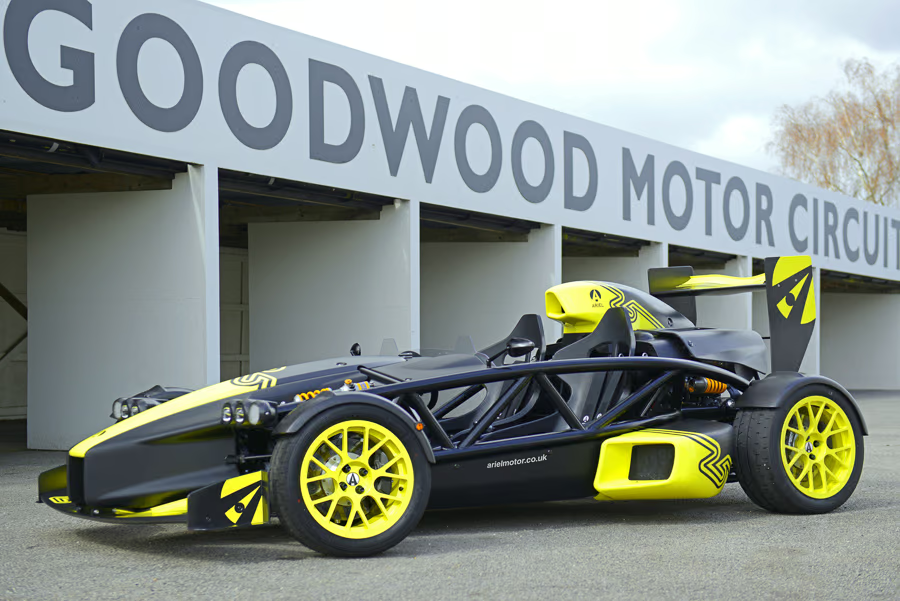
Despite the £4,000 and £10,000 savings for the r2 and rZ respectively, the E10 is still priced beyond the established players, and by some distance. Ariel’s 400bhp Atom 4R starts at £77,940 and Caterham’s 310bhp Seven 620 at £58,490, and even Morgan’s 335bhp Supersport, from around £105,000, undercuts the r2.
UK buyers can have the E10 road-registered or track-only, in right- or left-hand drive, while overseas markets get it as a track car. Order books are open now.




.svg)

