-01.svg)

The 4.0-litre twin-turbocharged V8 shares its state of tune with the DBX S, producing 717bhp and 664lb ft. Throttle response has been made more progressive, and the nine-speed wet-clutch automatic has been recalibrated for smoother, more consistent shifts, dialling back the more aggressive responses introduced with the S.
Performance is identical, with 0–60mph taking 3.1sec and top speed remaining 193mph. The S’s 4 per cent quicker steering ratio and 420mm front and 390mm rear carbon-ceramic discs also carry across.
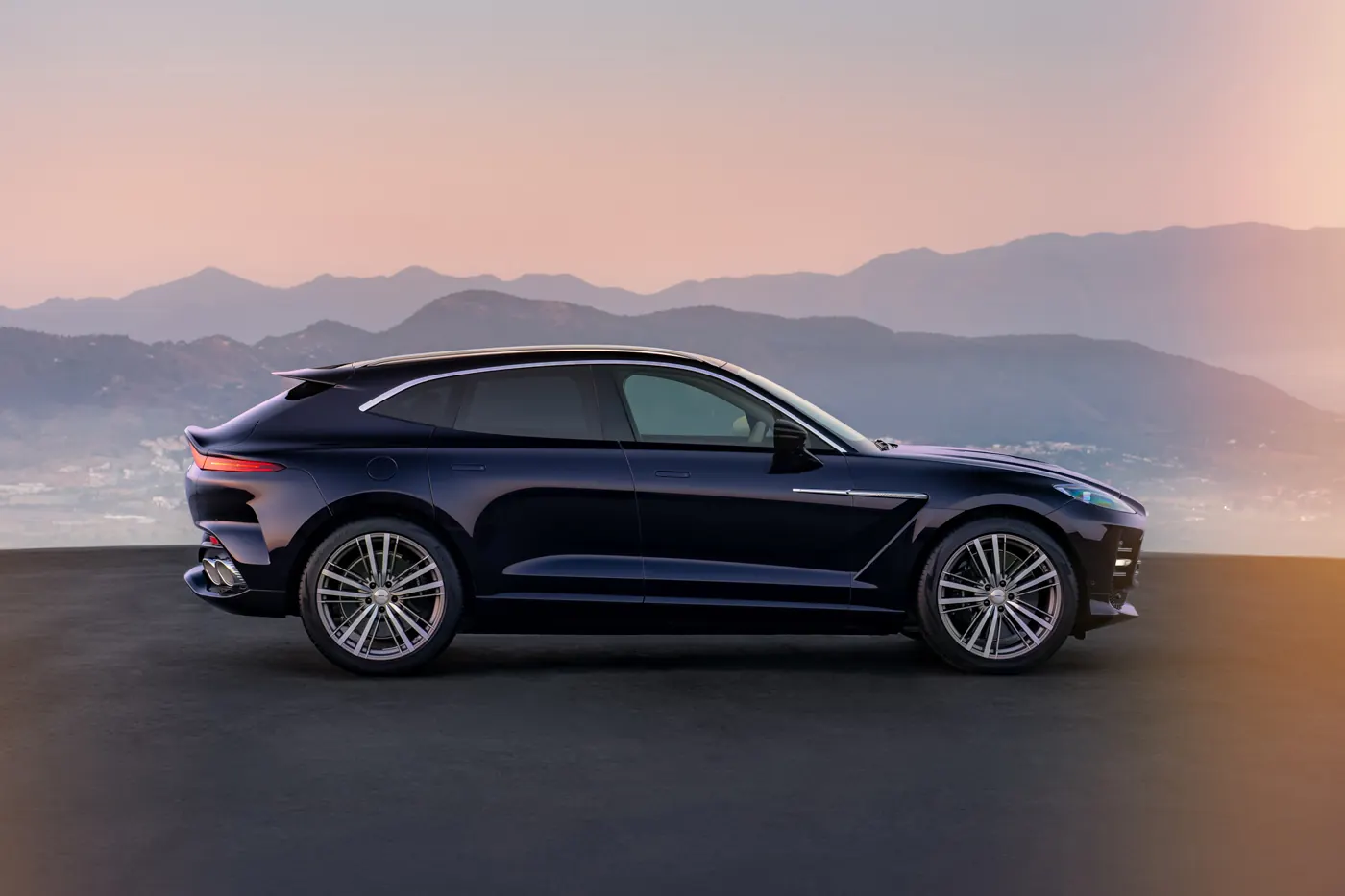
Aston Martin has developed new valve internals for the dampers, which it says better absorb the smaller, sharper inputs generated by coarse road surfaces without sacrificing body control. Notably, the GT switches to 22-inch forged wheels with Pirelli Scorpion Zero All-Season tyres as standard, their taller sidewalls intended to improve low-speed compliance and reduce road noise; 23-inch wheels remain optional.
Elsewhere, a stiffer transmission mounting bush – developed with learnings from the Valhalla programme – joins two new longitudinal dampers between the body and rear subframe to help settle the car over potholes and sharp crests. The exhaust system has been fettled too, removing some of its harsher frequencies and keeping things relatively subdued in GT mode, while Sport and Sport+ keep the V8’s drama on tap.
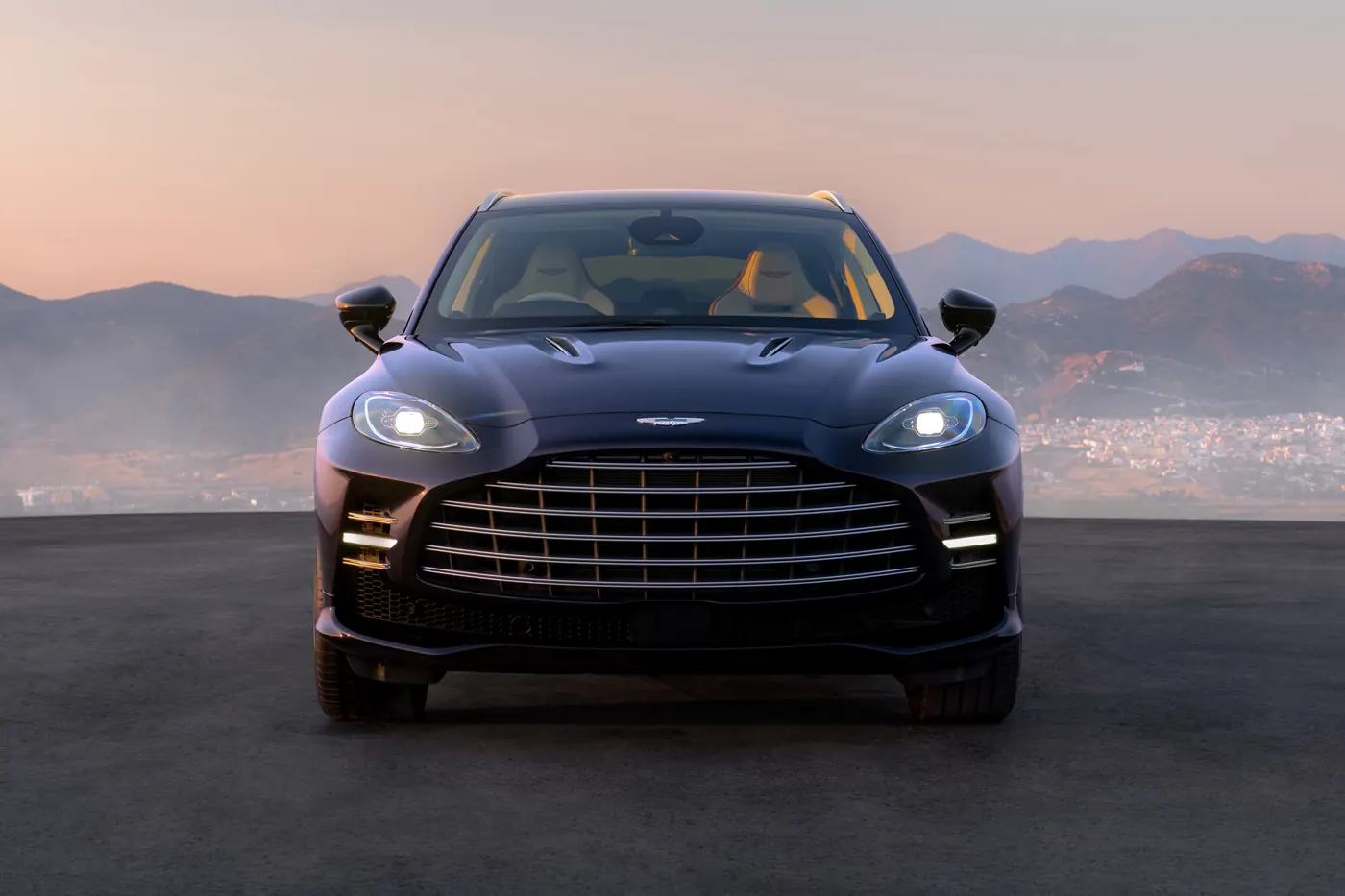
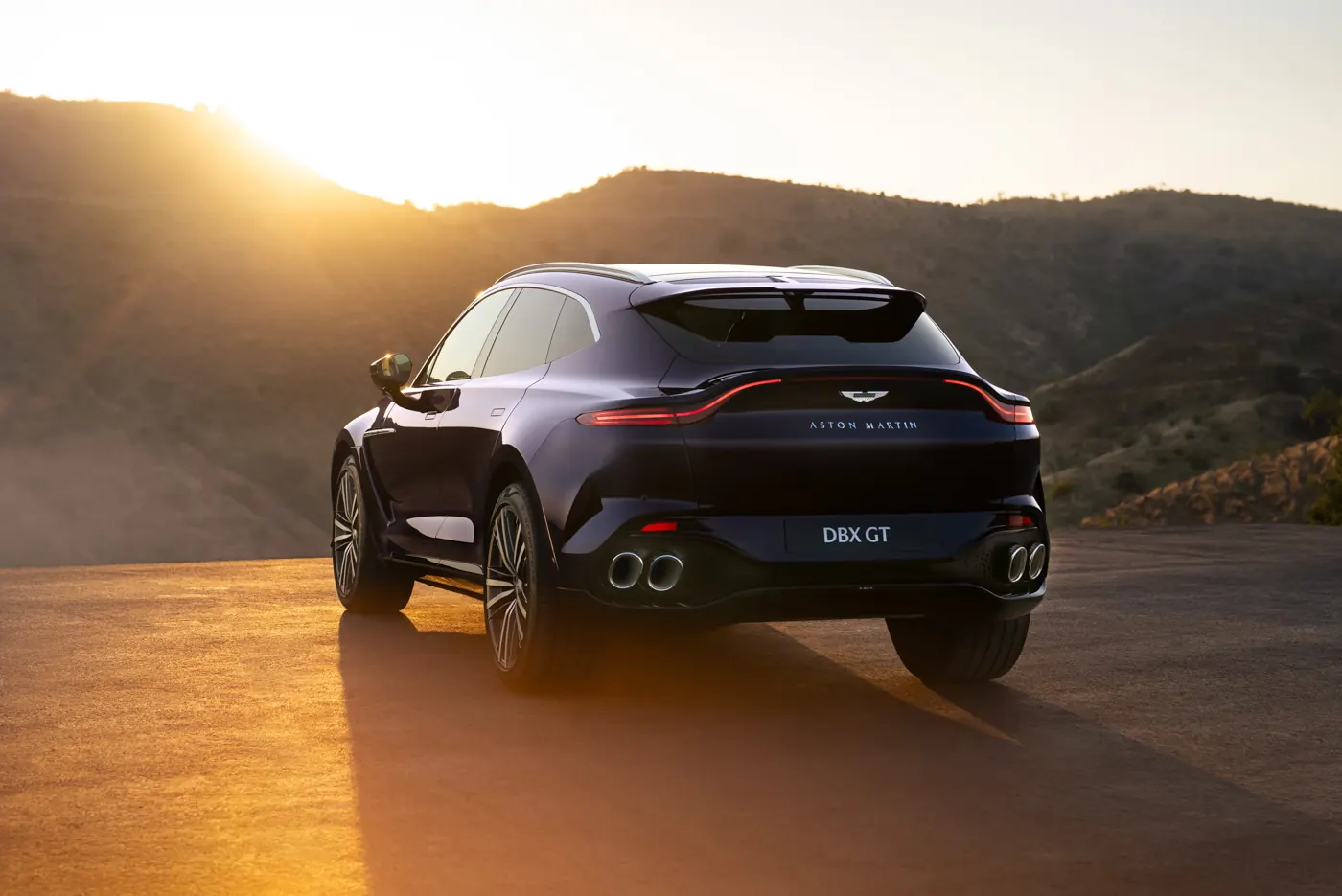
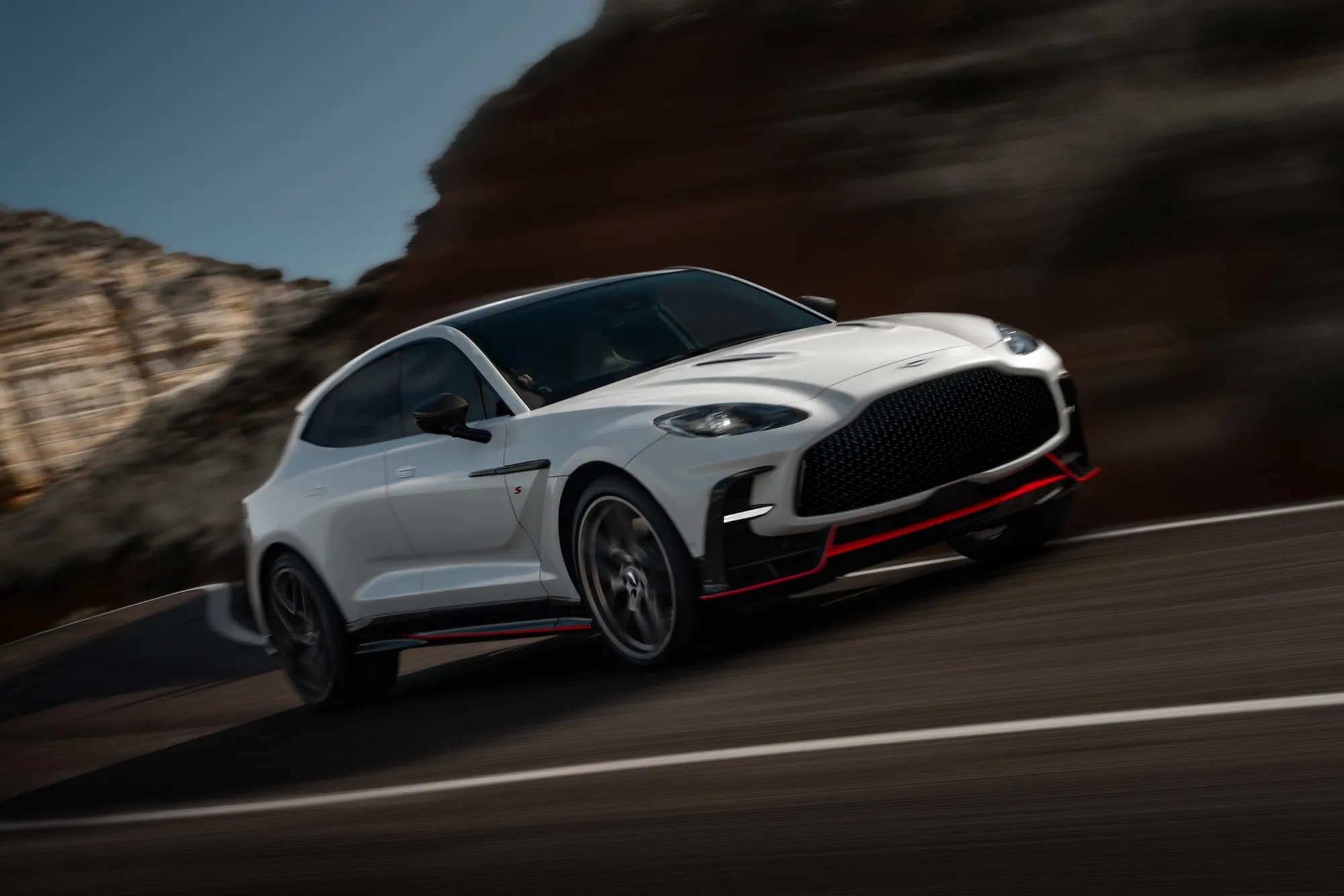
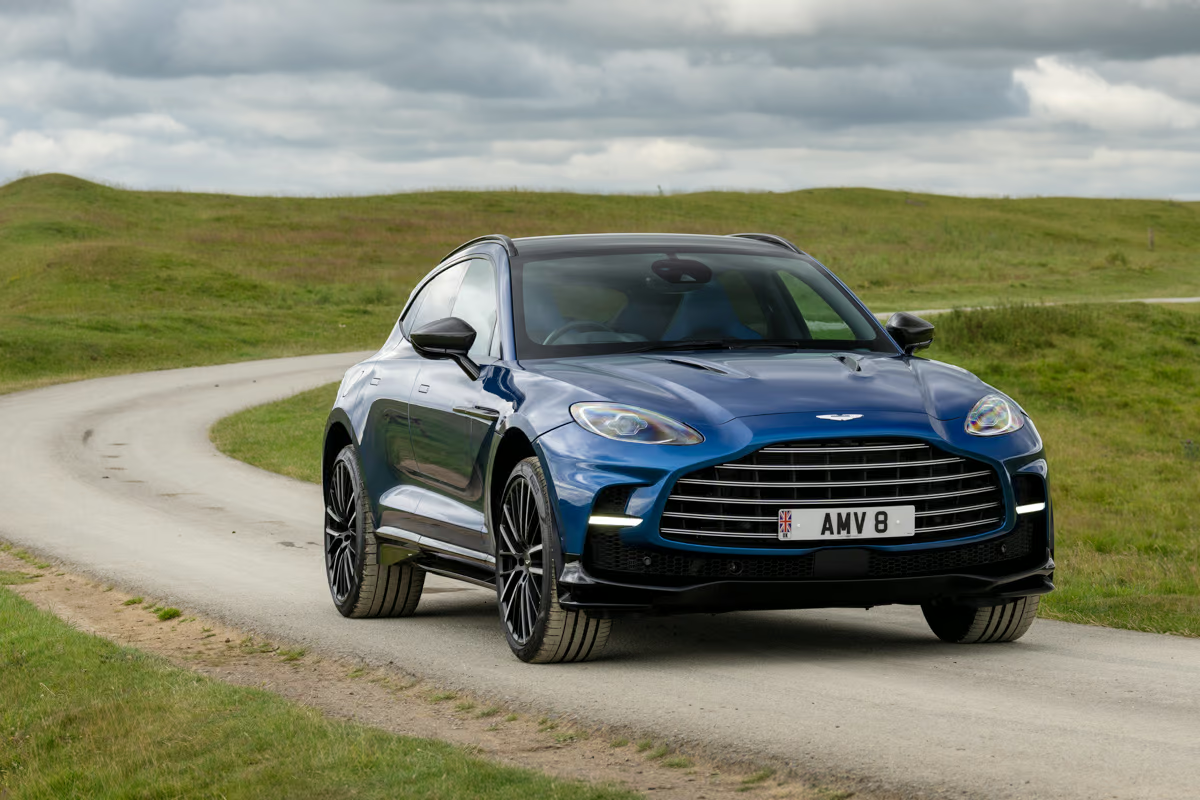
Visually, the GT steps away from the more overtly sporting treatment of the DBX S. A new double-vane grille carries its bars across the flanking vents and can be specified in bright or dark finishes, with the lower front bumper, sills and rear diffuser now body-coloured as standard. Two-piece metal side strakes mix polished and satin finishes. At the rear, four horizontally arranged exhaust outlets replace the S’s stacked arrangement.
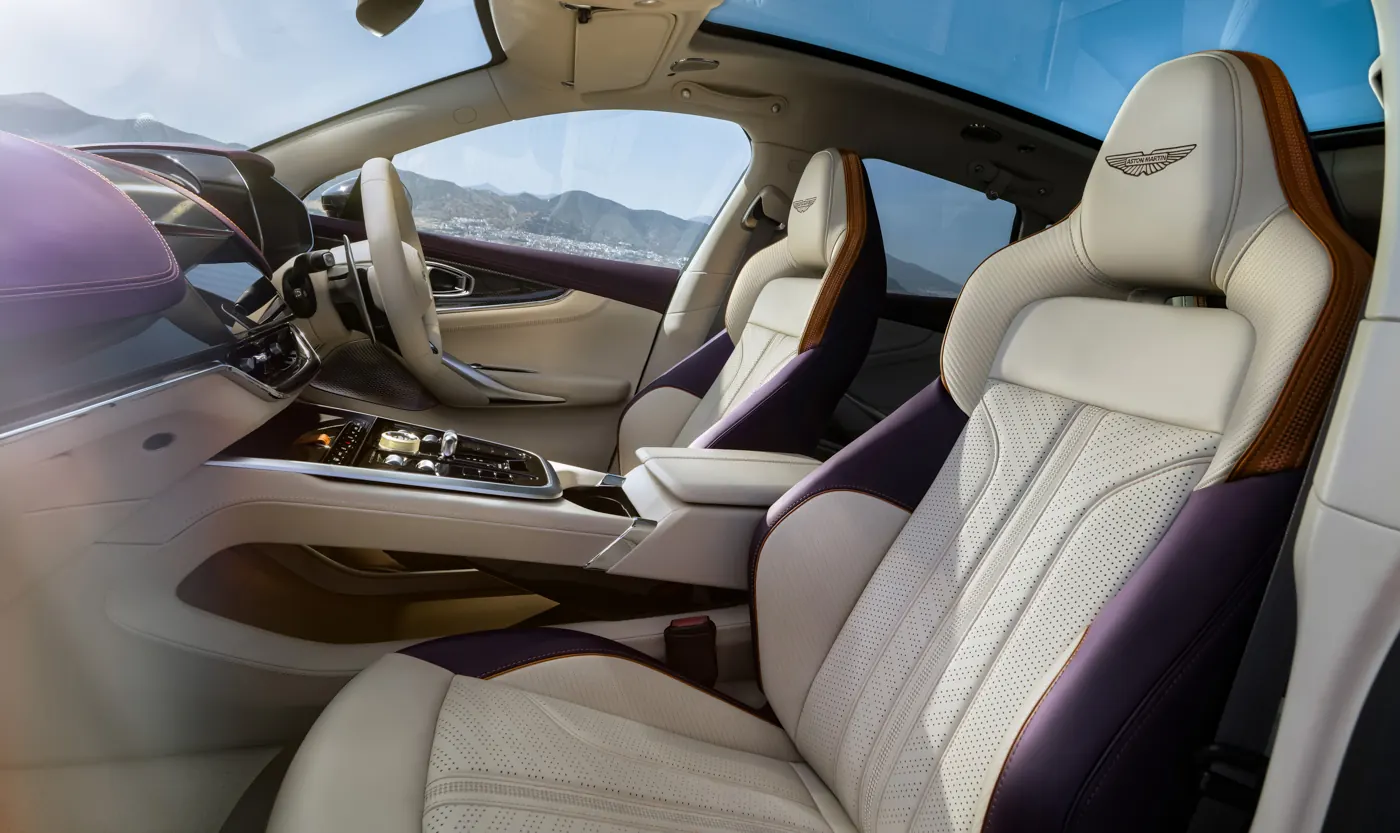
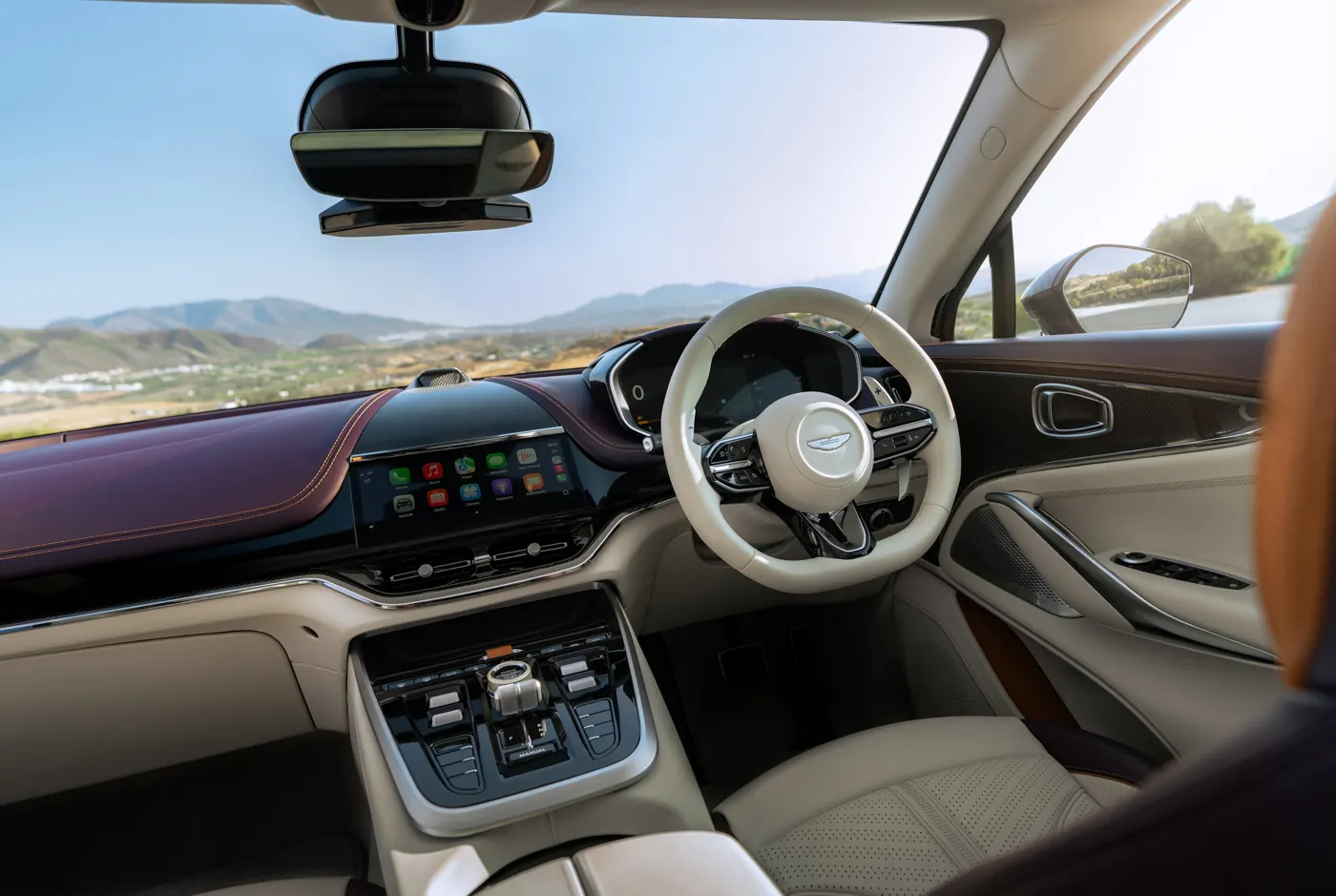
The approach continues inside. New seat designs use additional memory foam and revised bolstering. Buyers can choose monotone, duotone or tritone colour schemes alongside new quilting and perforation patterns. Anodised metal is used for the drive-mode selector and surrounding rotary controls, with a panoramic glass roof fitted as standard.
Additional sound-deadening material has been fitted around the doors, wheelarches and luggage compartment, and the rear side windows now use acoustic laminated glass. Deep-pile carpeting provides another layer of insulation. Aston Martin claims the changes improve the GT’s Articulation Index – effectively how easily occupants can hold a conversation on the move – by 13 per cent.
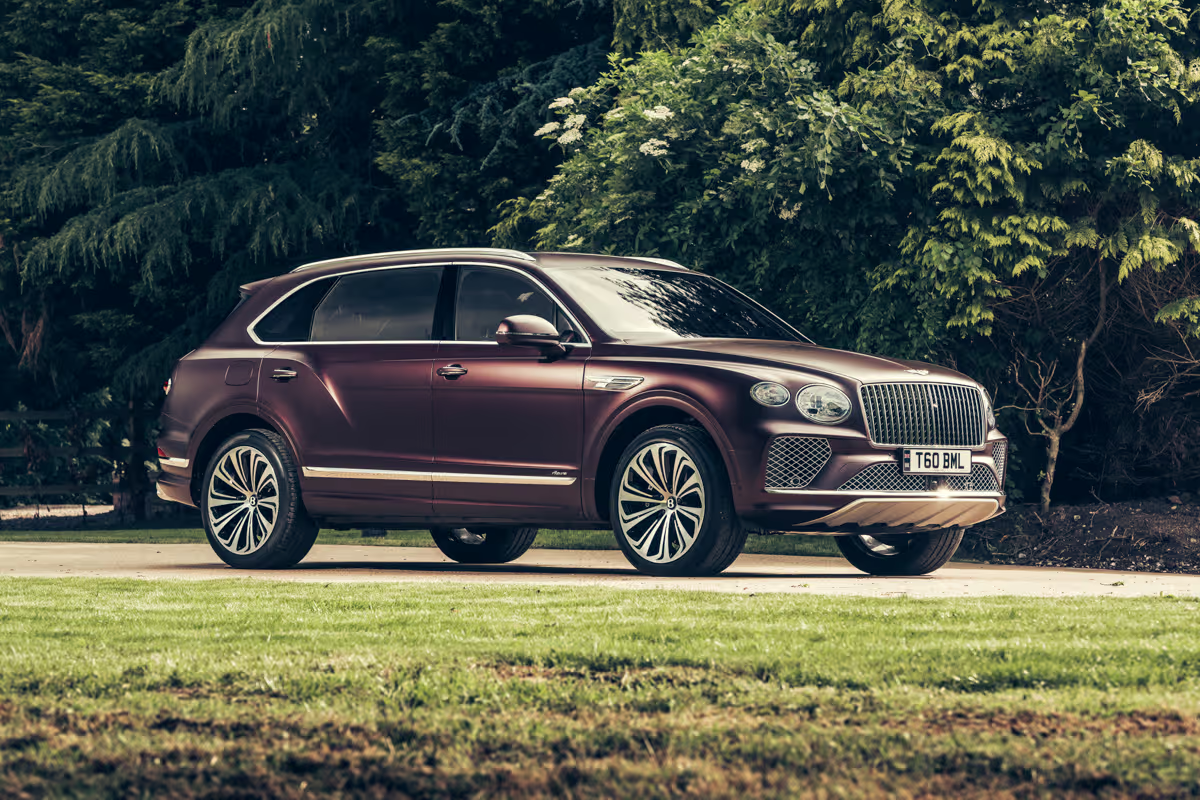
UK pricing has yet to be announced, although the S currently commands a starting price of £216,500. Where that model competes with the Lamborghini Urus SE Performante and Porsche Cayenne Turbo, the GT appears aimed squarely at the Bentley Bentayga Speed. The first DBX GT deliveries are scheduled to begin before the end of 2026.



.svg)

