-01.svg)

Now it's back, ushering in the next-generation LS6 V8. One thing it doesn't do - despite heavy rumour to the contrary - is herald the return of the manual gearbox to the mid-engined C8.
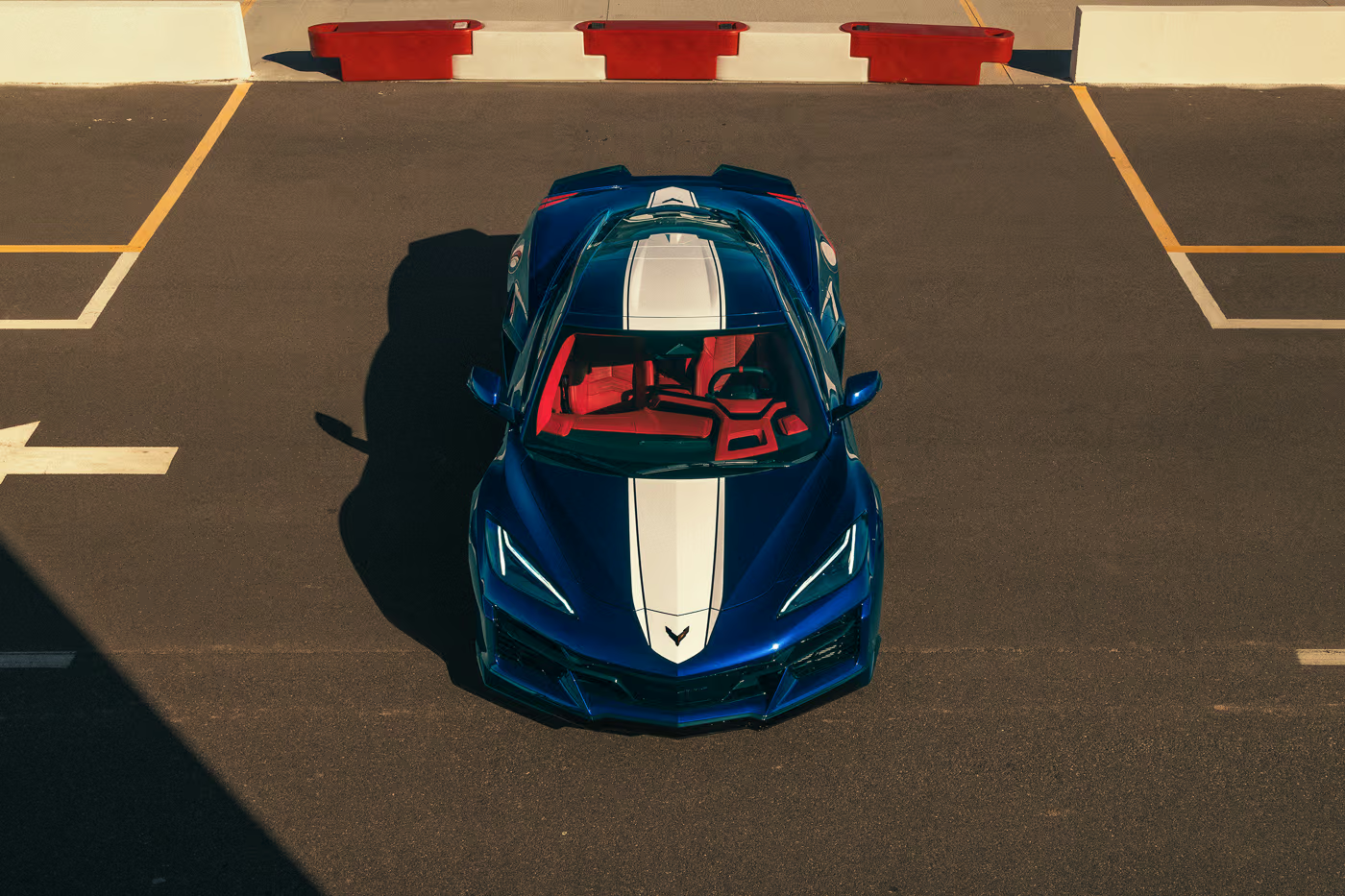
True to Grand Sport tradition, the launch car is finished in dark Admiral Blue Metallic with white stripes, while bright red leather covers every inch of the interior. The familiar Grand Sport hash marks also return, shifted rearwards to suit the mid-engined layout.
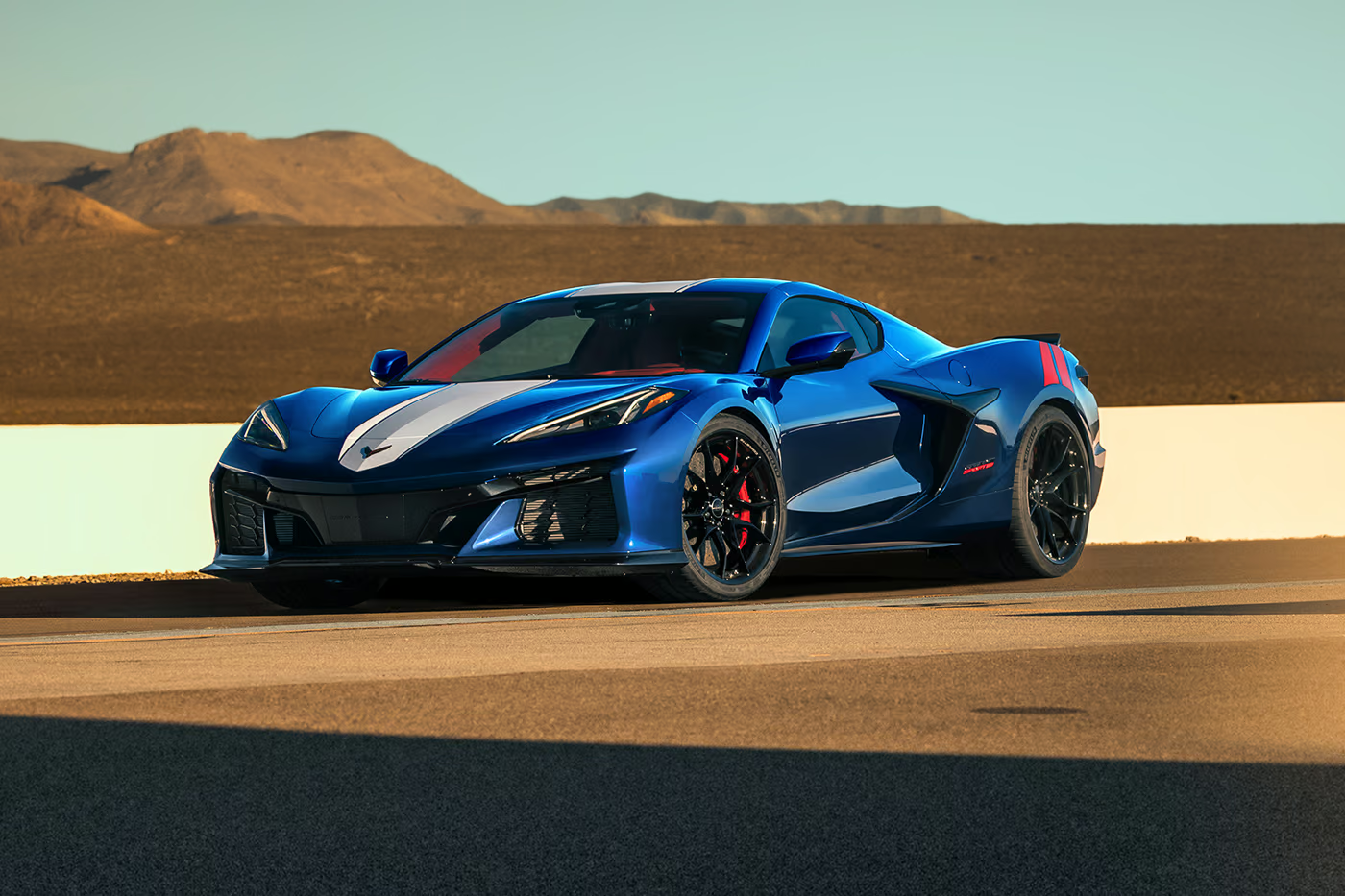
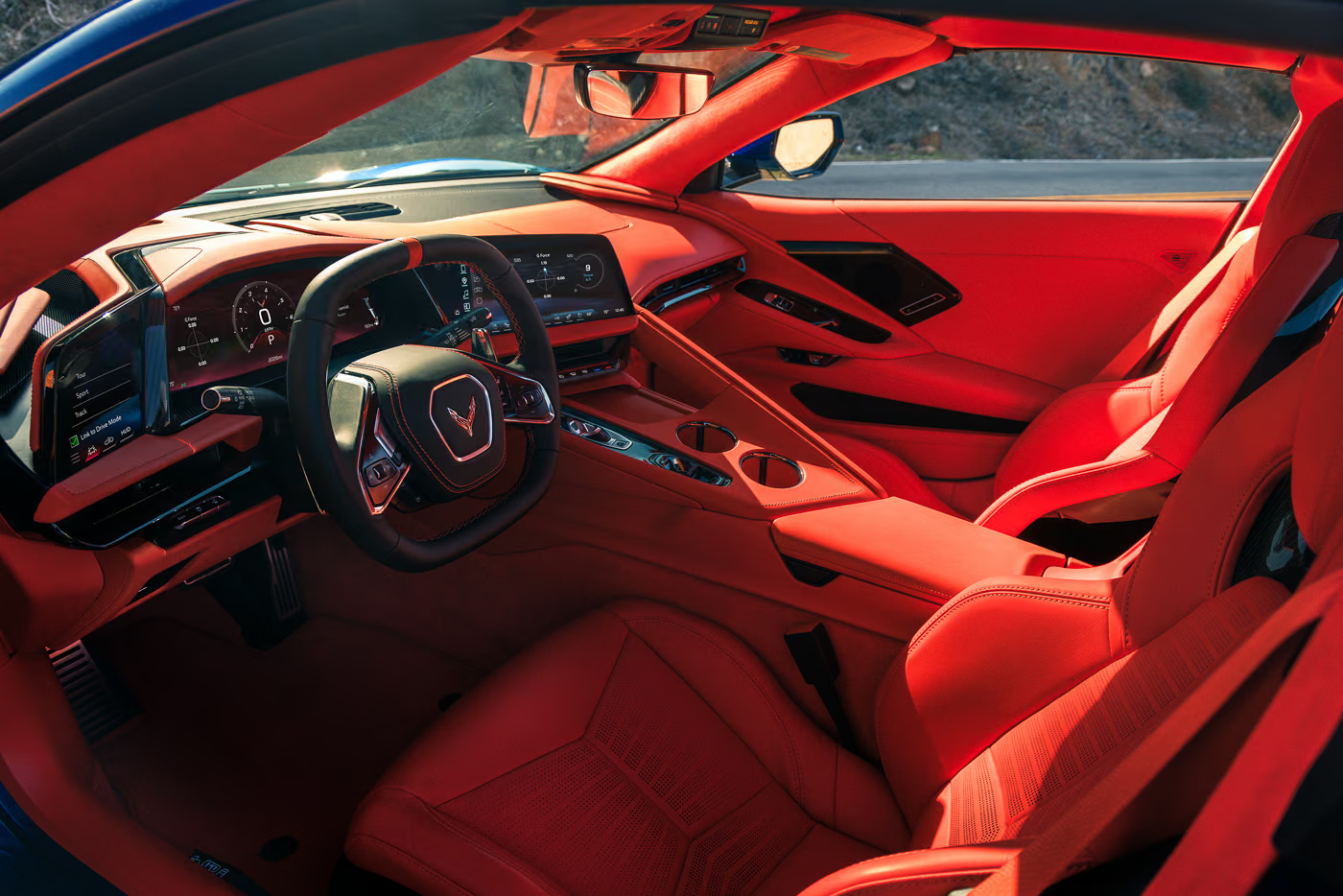
This time around, the Grand Sport arrives in two flavours: rear-wheel drive, naturally aspirated, and the Grand Sport X - set to replace the outgoing hybrid E-Ray. It adds an electrified front axle borrowed from the ZR1X, meaning all-wheel drive.
The rear-wheel drive car rides on the standard Corvette's Magnetic Ride Control and Michelin Pilot Sport All Season rubber. The braking package, however, has been revised for reduced dust and corrosion resistance, which sounds more show and shine than trackday paddock.
More promising is the optional Z52 Sport Performance Package. It swaps in Michelin Pilot Sport 4S summer tyres and upgrades the brakes to the Z06's iron set-up. Going further is the Z52 Track Performance Package. This is where the hardware gets serious: carbon-ceramic stoppers, Michelin Pilot Sport Cup 2R tyres, track-focused suspension tuning, and a full carbon aero package - splitter, dive planes, rockers, wing and underbody strakes. Save for the original racing car, GM claims this is the most track-capable Grand Sport ever built.
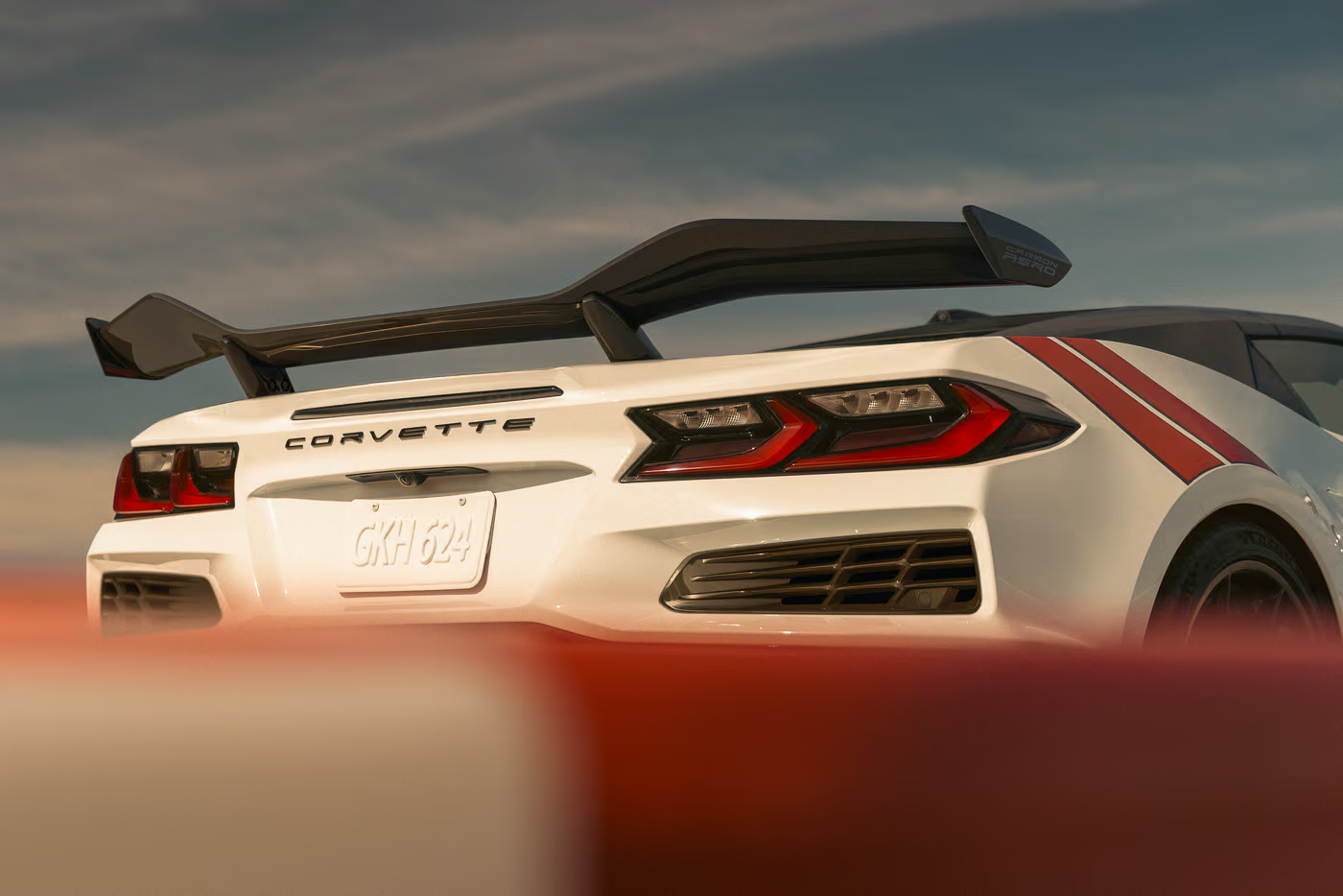
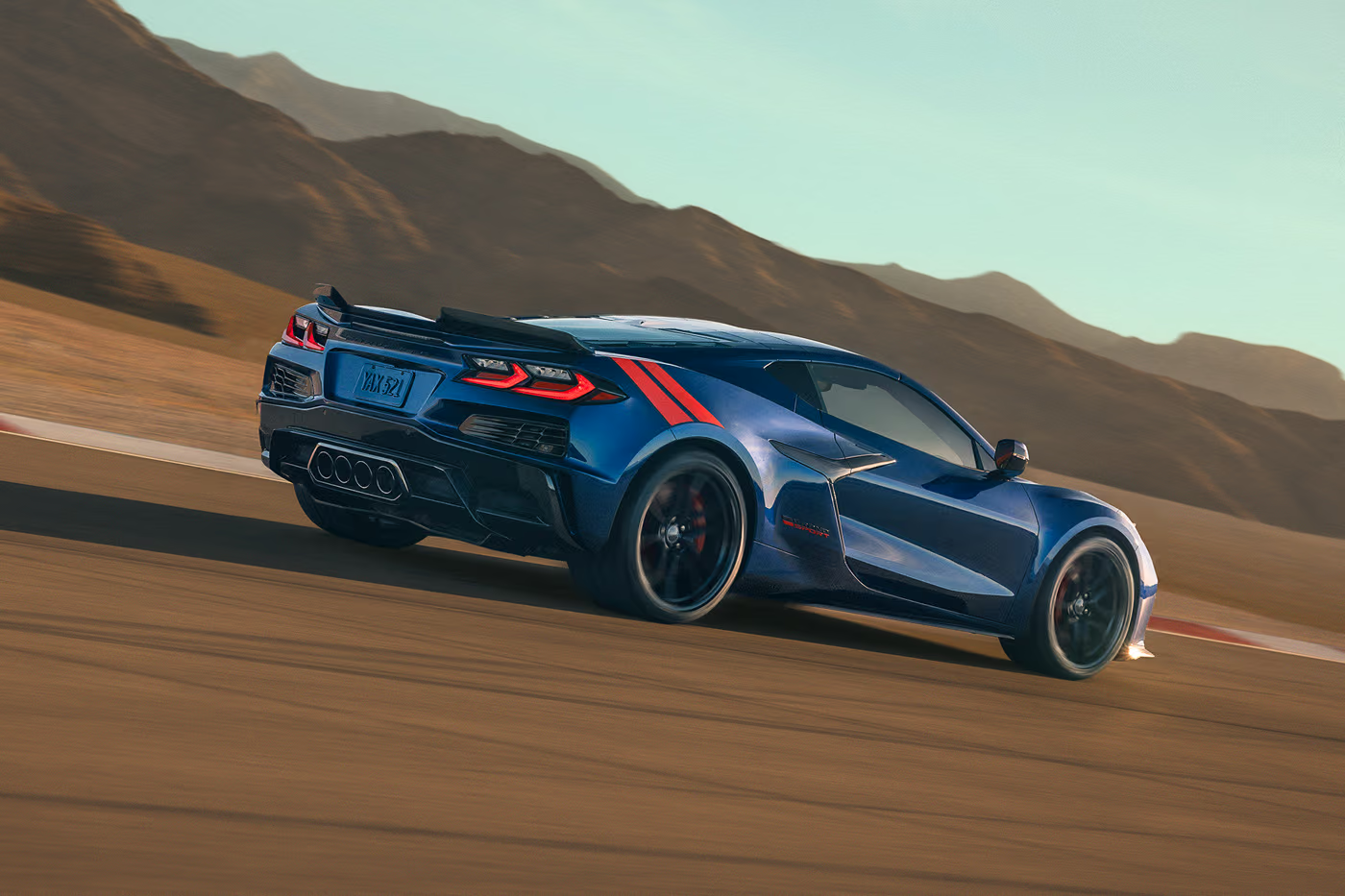
The Grand Sport X counters with brute force. 721bhp of it. Where the 2WD car produces 535bhp from the LS6 alone, the electric motor brings an additional 186bhp and 145lb-ft of torque to the party.
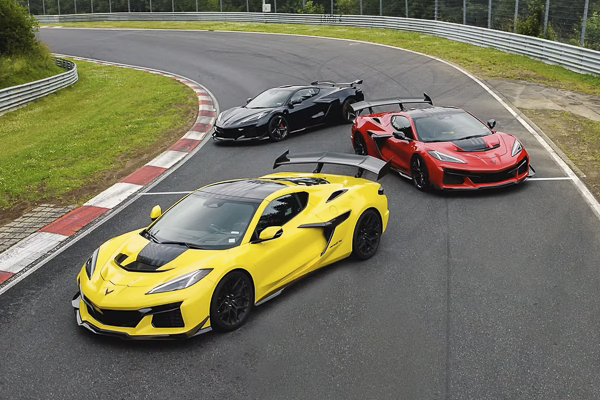
It also brings weight - the outgoing E-Ray tipped the scales at 1,907kg, a considerable premium over the standard car. But the ZR1X has already proven this mass is no object to performance, lapping the Nurburgring Nordschleife in 6:49.275 last July, becoming the fastest American production car ever around the circuit in the process. Even more impressive is the fact the time was set by a Corvette development engineer rather than a professional Ringmeister.
With the motor comes the ZR1X's three powertrain modes: Endurance for sustained lapping, Qualifying for maximum output over a single lap, Push-to-Pass. The battery sits low and centralised, preserving the platform's inherent mid-engine balance. For those early morning getaways, Stealth mode offers electric-only running up to 50mph.
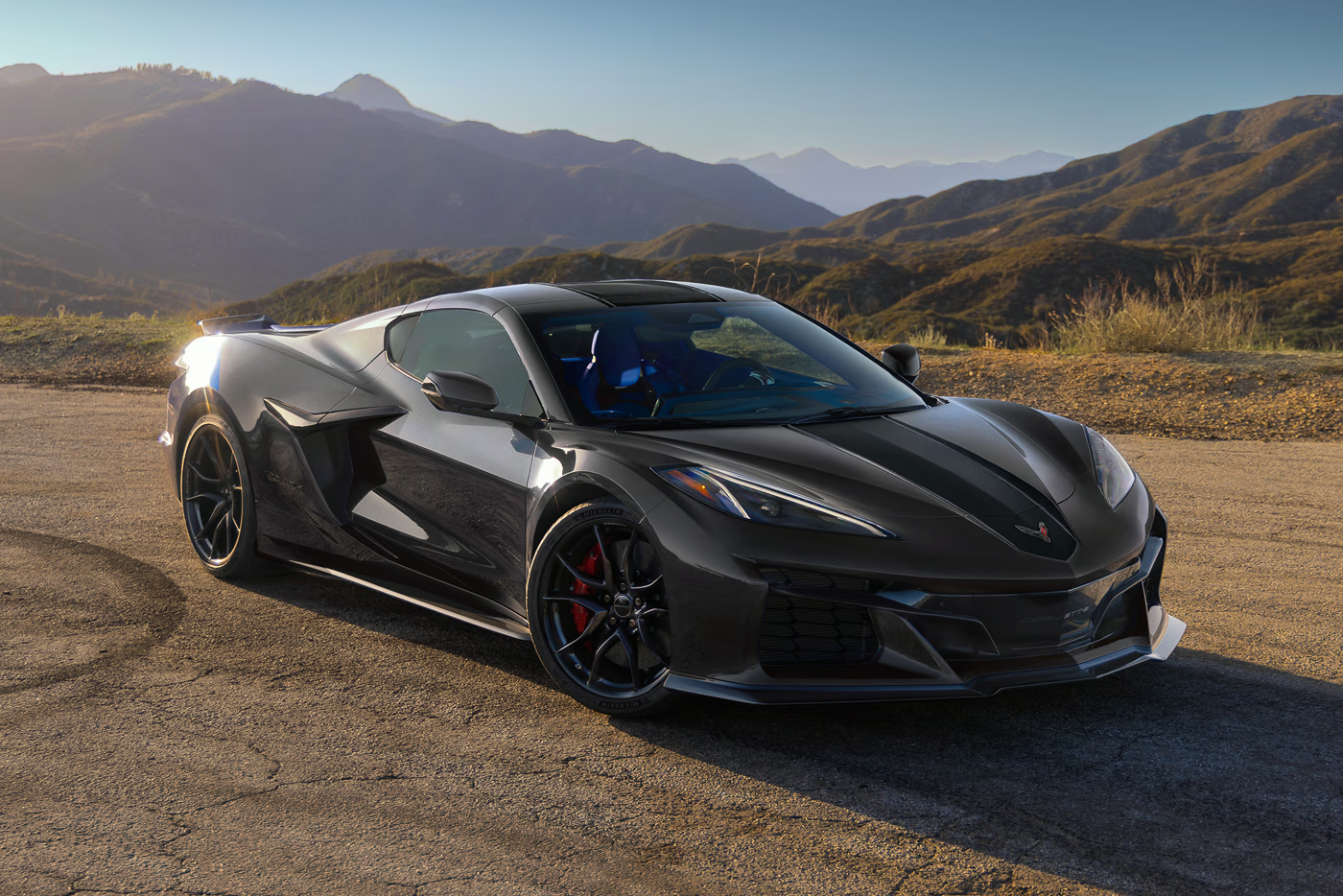
Standard-fit carbon-ceramic brakes - carried over from the E-Ray - are another advantage, although the Z52 Track Performance Package remains exclusive to the rear-drive car. Carbon-fibre wheels will be available on both variants, saving up to 18.5kg of unsprung mass over the standard forged alloys, and customers will also be able to choose from a corner- or centre-exit exhaust.
GM is yet to confirm performance figures for either variant, though both should improve on the already rapid 2.9 second 0-60mph time of the E-Ray and 3.3 second sprint of the standard 495bhp Stingray.
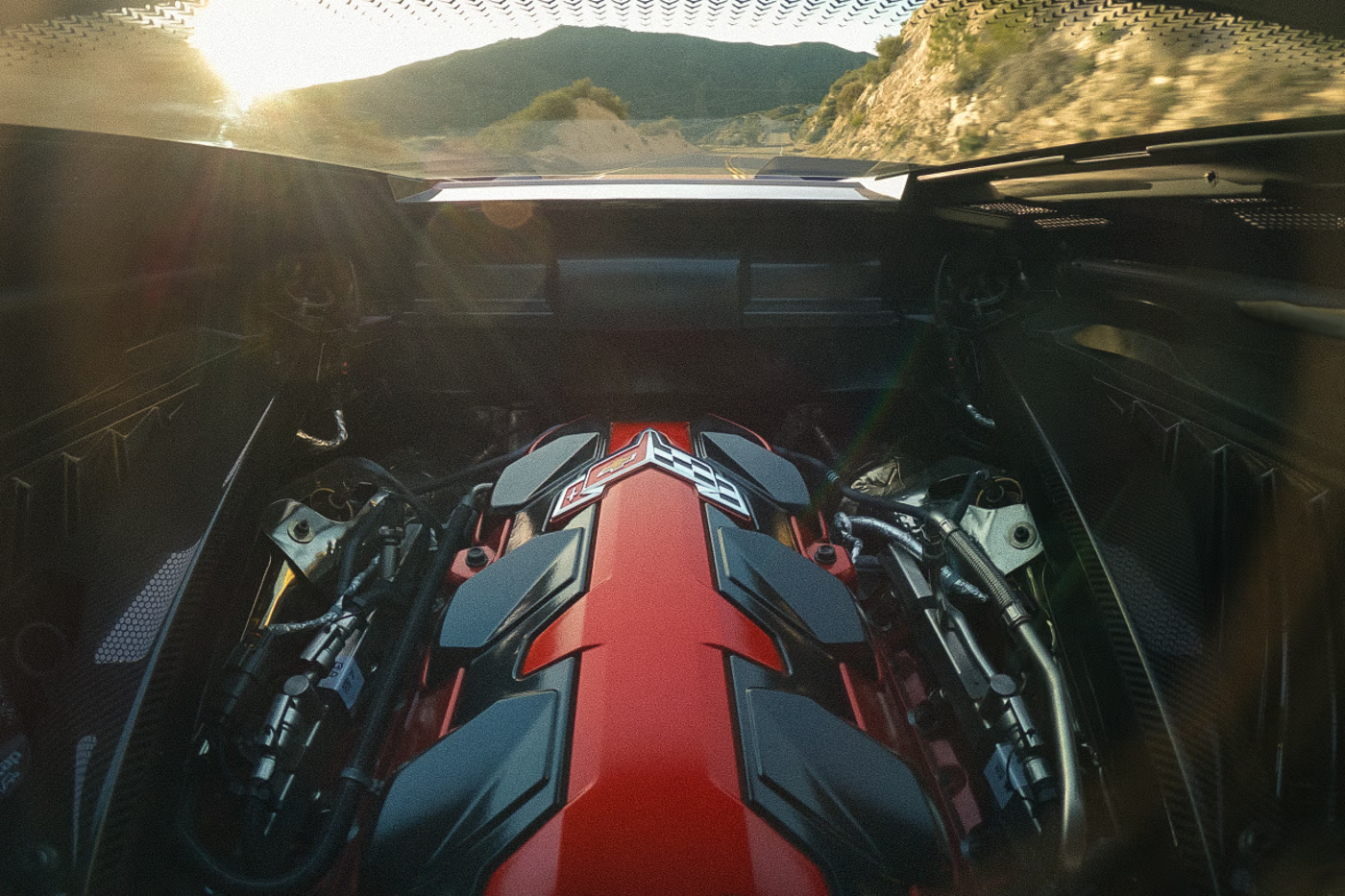
For all the weight of the nameplate, the LS6 is arguably the real story. Only the sixth all-new small-block V8 in Chevrolet's history, it displaces 6.7 litres - or 409 cubic inches in its native language - up from the 6.2-litre LT2.
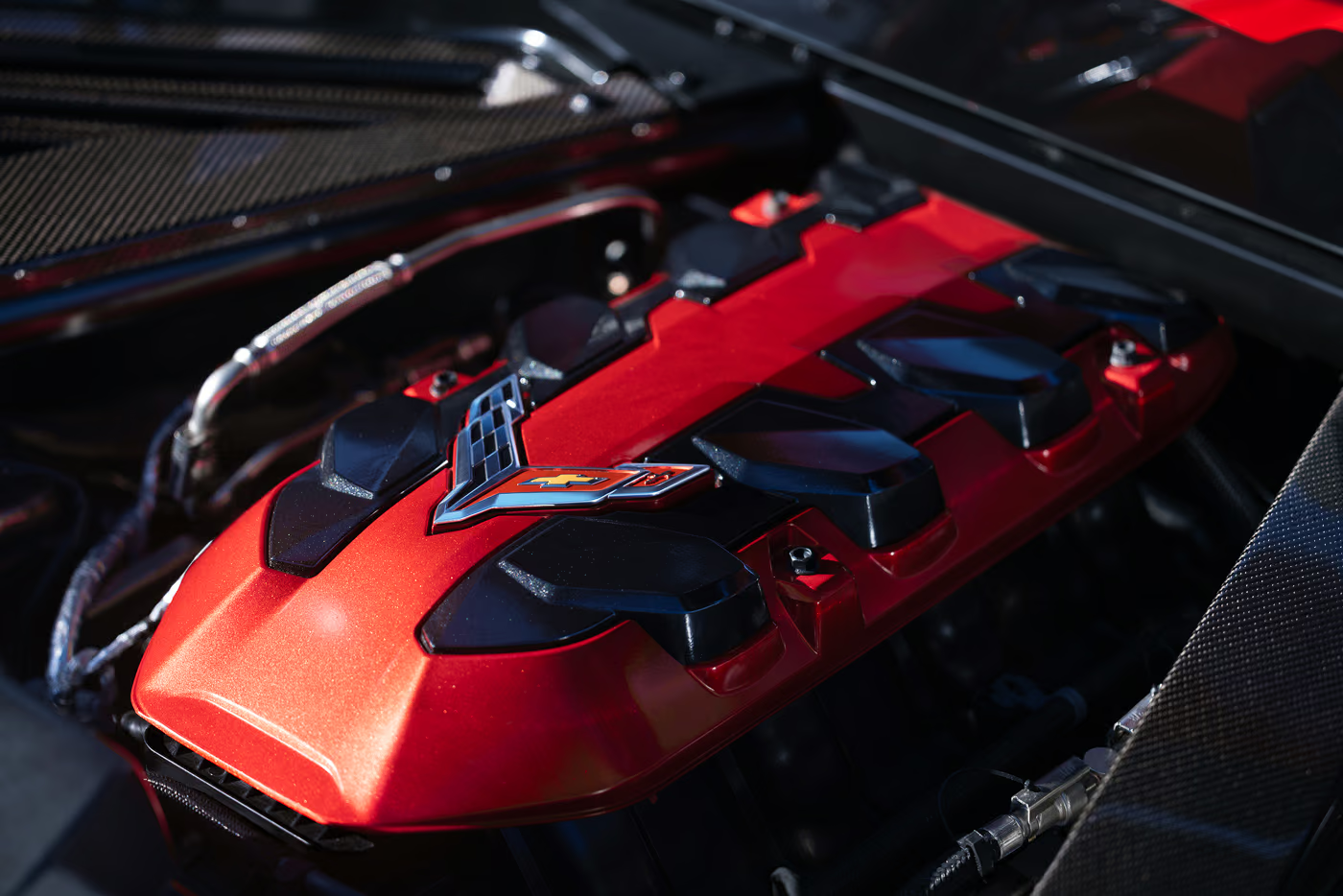
But there is far more to it than a bump in size. Retaining the small-block's 4.4-inch bore centres, the LS6 adopts a longer 100mm stroke in place of the LT2's 92mm and returns to a Tri-Y exhaust manifold design said to improve both output and character. Those changes go a long way towards explaining the headline torque figure: 520lb-ft, the most of any naturally aspirated Corvette V8, arriving 550rpm earlier in the rev range at 4,600rpm.
Beyond that, a tunnel-ram intake feeds through a 95mm throttle body, while port and direct injection now work in combination. The return of port injection is one reason GM felt justified in reviving the LS name, last seen on a Corvette engine in the Gen IV era. Forged pistons and rods feature, as do dual main oil feeds for the bottom end and two-piece water jackets in the cylinder heads. Compression rises to 13:1, up from the LT2's 11.5:1 and higher than any small-block before it, including those built for leaded fuel.
Not so long ago, a 13:1 compression ratio was the preserve of naturally aspirated BMW M engines, Honda VTEC units and high-revving exotica. The LS6 puts that figure to a different use - not in pursuit of extravagant specific output, but to extract more torque, efficiency and response from the traditional small-block formula.
Nor was the increase in capacity simply a pursuit of headline numbers. GM says the extra displacement allowed fewer compromises around emissions and fuel economy, particularly once the Displacement on Demand cylinder-deactivation system entered the equation. Yet despite the larger swept volume and broader remit, the LS6 weighs only 9kg more than its predecessor.
In Corvette terms, this is the most significant powertrain development since the switch to a mid-engine layout. The C8 has already introduced more exotic engines, not least the Z06's flat-plane-crank V8, but the LS6 is the one set to define the core Corvette range, Stingray included. Production of the new motor returns to GM's Flint plant in Michigan, where the first Corvette V8s were assembled in 1955.
With the C8 already on sale in the UK in multiple forms, the LS6 is destined to make its way across the Atlantic. Whether the Grand Sport follows remains to be seen, but given one of those forms is the E-Ray, there is a high likelihood it'll happen, carrying the usual import penalty. On these shores, an E-Ray starts from £153,440, a significant premium over the £83,000 (at the time of writing) US list price. Like the performance figures, GM is yet to confirm pricing for the Grand Sport, although US outlets are projecting a range of $95-115,000 when it reaches the market in early 2027.



.svg)

