-01.svg)

After being an interesting “what if?” in the Swedish hypercar-maker’s backcatalogue for the best part of two decades, the car’s ethos is being put into production as the CCGT1. An evolution of the CC850, the new model is powered by a 5.0-litre twin-turbocharged V8 which breathes through a large multi-channel roof intake.
When burning petrol, the engine develops 1,262bhp at 7,800rpm, and 737lb-ft (1,000Nm) torque from 2700–6170rpm. With E85 ethanol in the tank, the boost increases from 1.7 to 2.2 bar, resulting in 1,578bhp and 1,106lb-ft (1,500Nm). The performance is sent to the rear wheels through Koenigsegg’s Light Speed Transmission (LST), with two shifting options available.
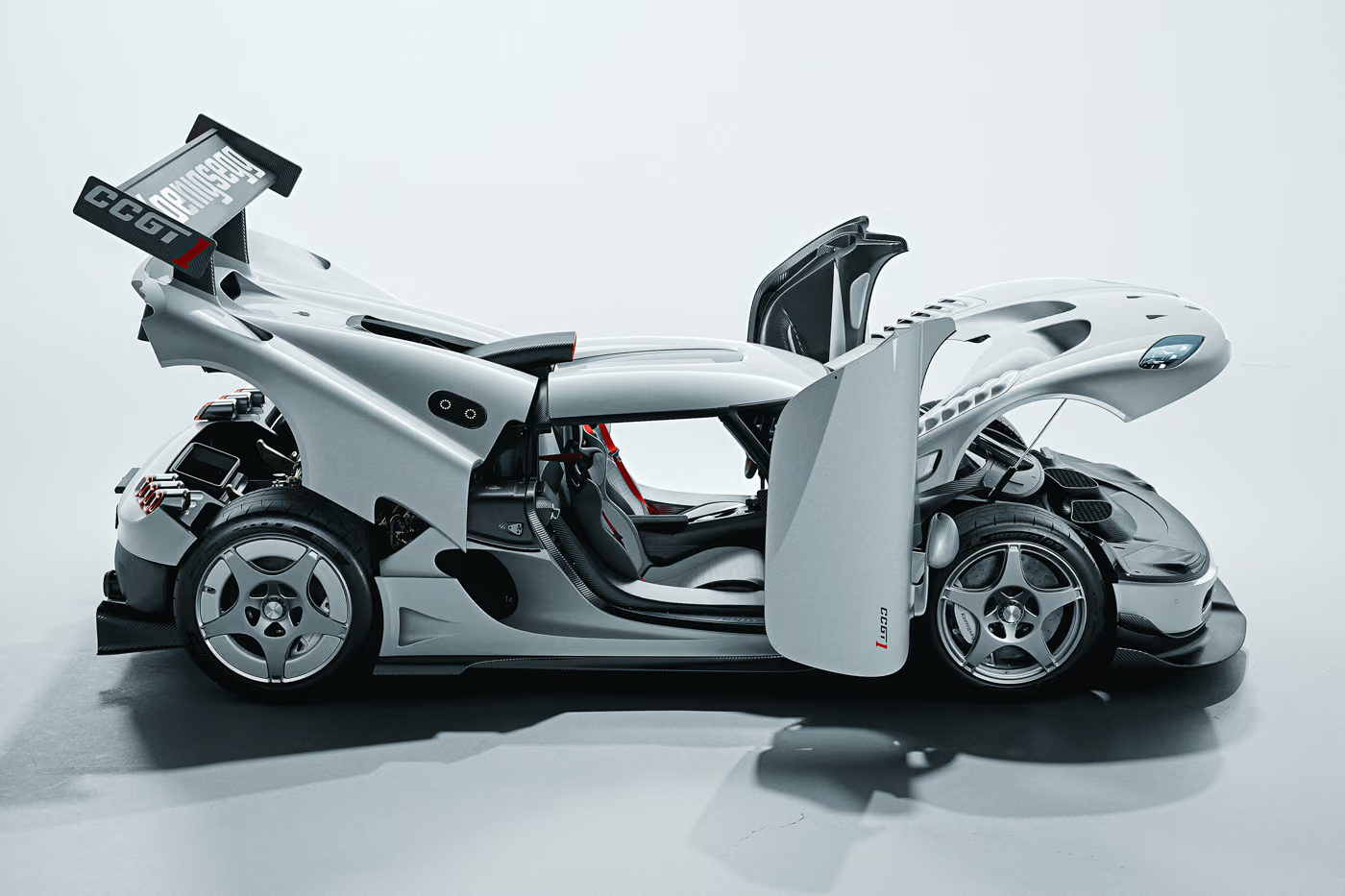
A new sequential set-up known as Koenigsegg Sequential Shift (KSS) has been specially developed for the CCGT1, with a large race-inspired lever rising from the centre console, and a clutch pedal in the footwell for pulling away. When moving, activating the shift lever cuts the ignition and allows for clutchless gear changes. Four gearbox modes - automatic, sequential, manual and reverse can be selected by turning the “ASMR” dial ahead of the shifter.
The alternative to KSS is ESS – the Engage Shift System which made its debut on the CC850. This uses the same nine-speed LST gearbox, but offers the driver a choice of automatic operation, or manual changes with a clutch pedal and an open-gate shifter. Unlike the Jesko Absolut which is designed for straight-line speed, the CCGT1 is engineered to attack circuits, generating 800kg of downforce at 155mph.
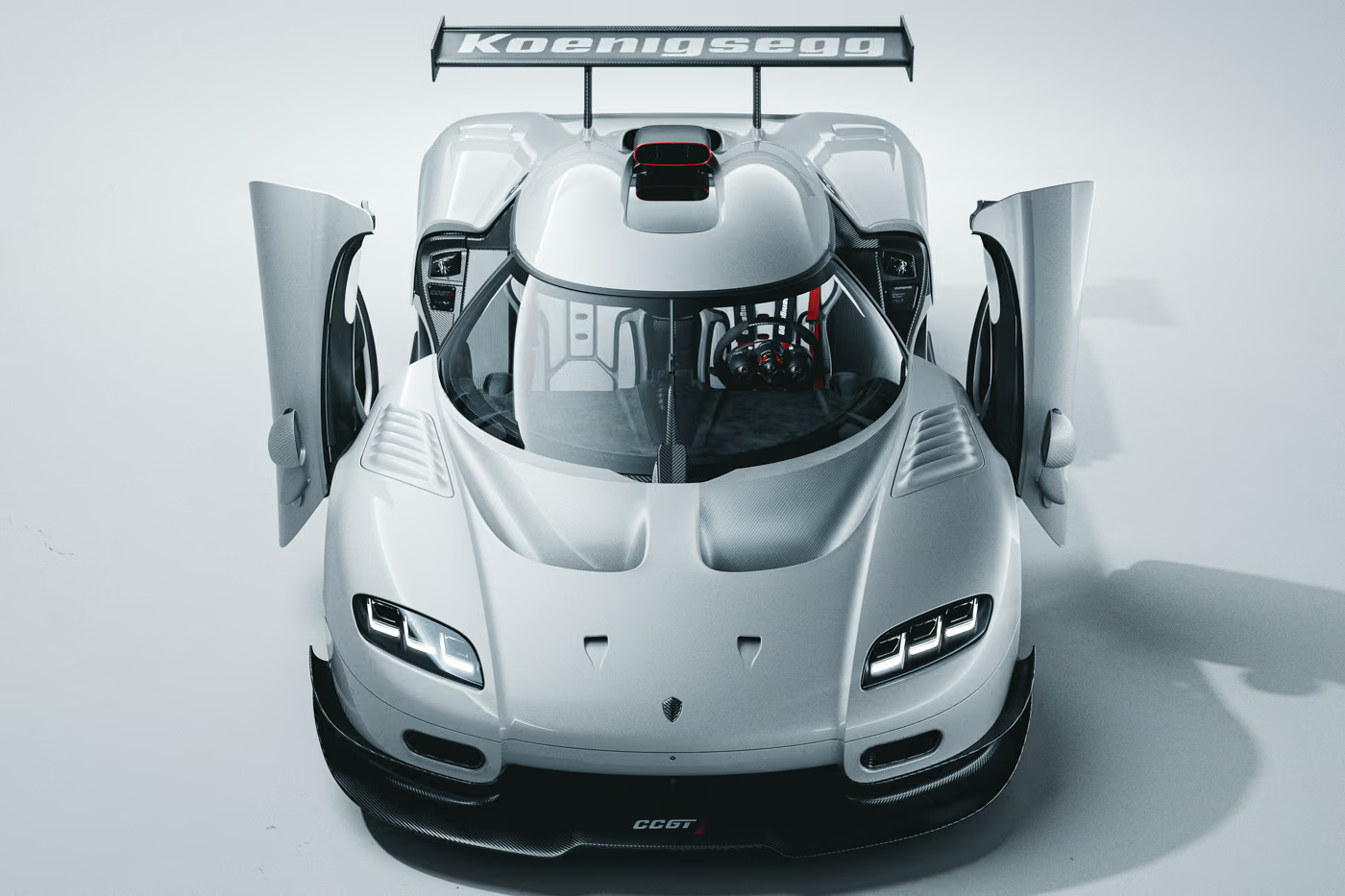
The aerodynamic grip comes courtesy of a large front splitter, bespoke rear diffuser, and the largest rear wing fitted to a Koenigsegg to date. The active aerofoil can adjust through 30 degrees, ranging from a low-drag mode on straights, to an air brake on corner entry, and high-downforce setting when turning. A new floor with active underbody flaps helps to keep the CCGT1 balanced, and pull the car closer to the tarmac at high speeds.
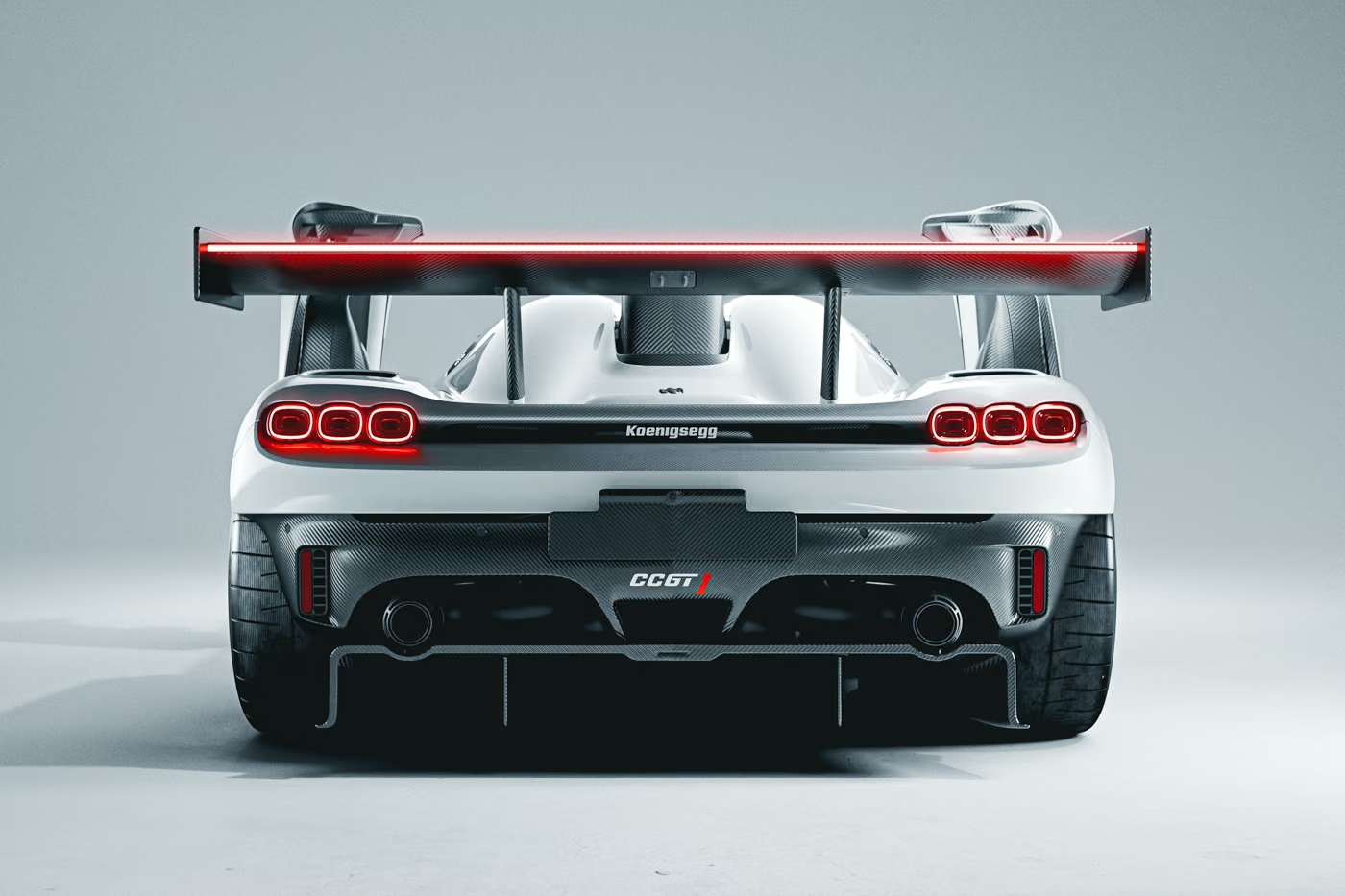
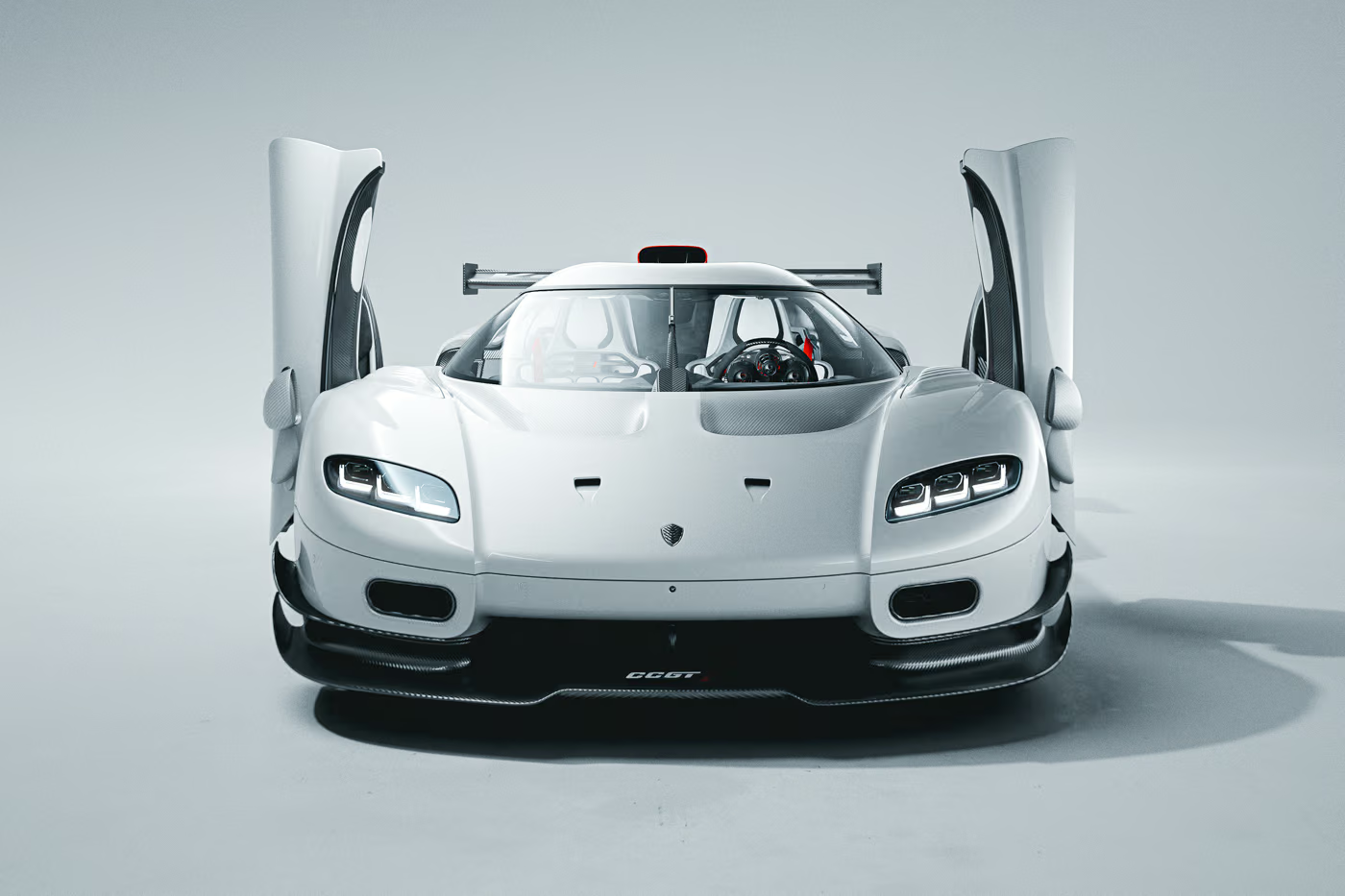
An active suspension system sees double-wishbones at each corner, with the dampers and ride height electrically adjustable. Carbon ceramic brakes feature on both axles, with six-piston calipers gripping 408mm discs at the front, while four-piston calipers clasp 390mm rotors at the rear. To cope with the increased demands of long track sessions, new cooling ducts have been fitted to channel air to the suspension, gearbox, and oil cooler.
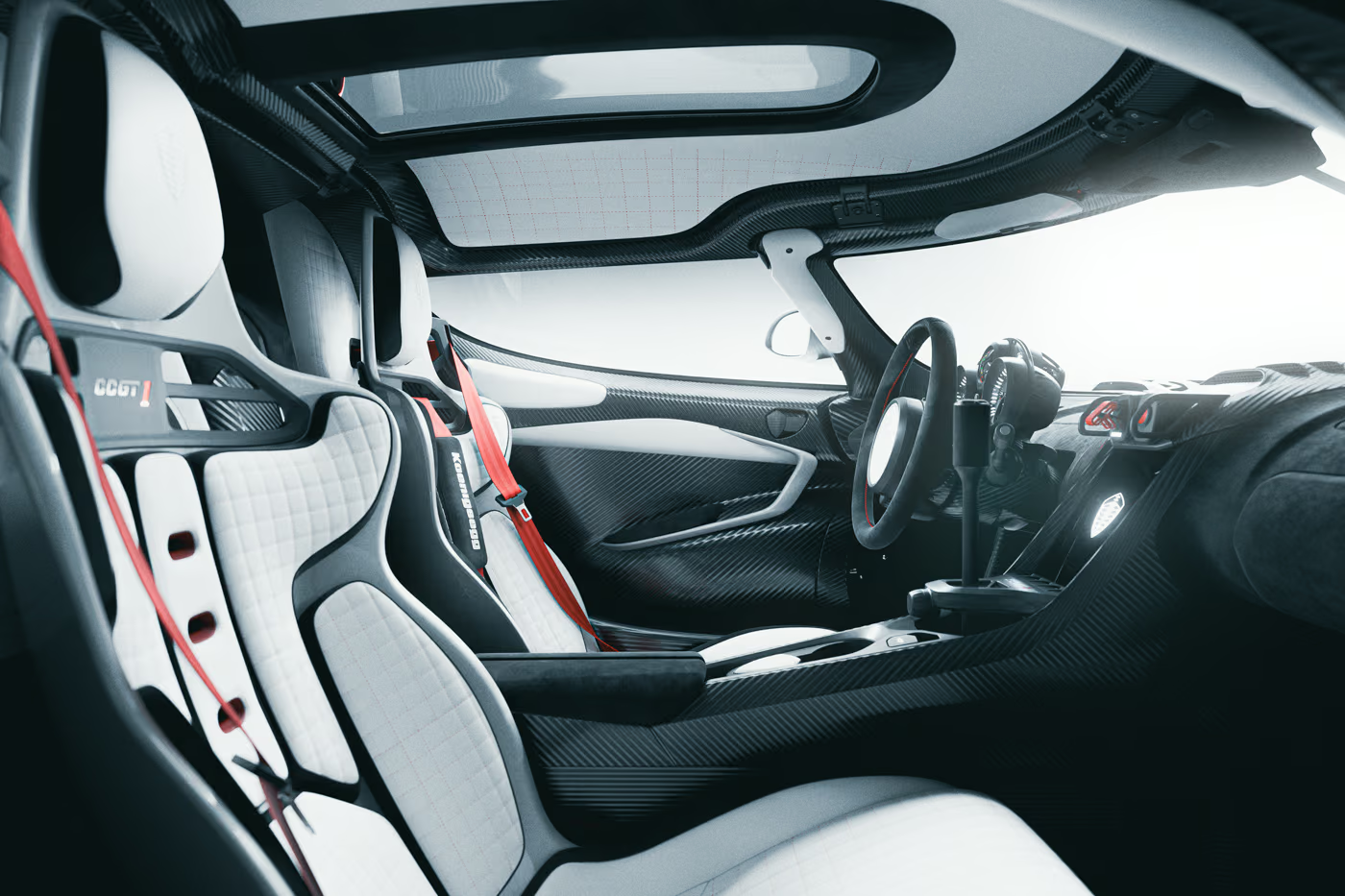
An optional track package is available for the CCGT1, comprising HANS device-compatible racing seats, six-point harnesses for both occupants, pneumatic air jacks, a removable carbon fibre roll cage, and fire suppression system. A revised suspension and braking package, enhanced aerodynamics kit, and race-tuned exhaust also feature, alongside three-spoke hollow carbon fibre wheels with Pirelli P Zero tyres, replacing the standard five-spoke wheels. The package can be installed and removed at Koenigsegg dealers as and when the owner desires.
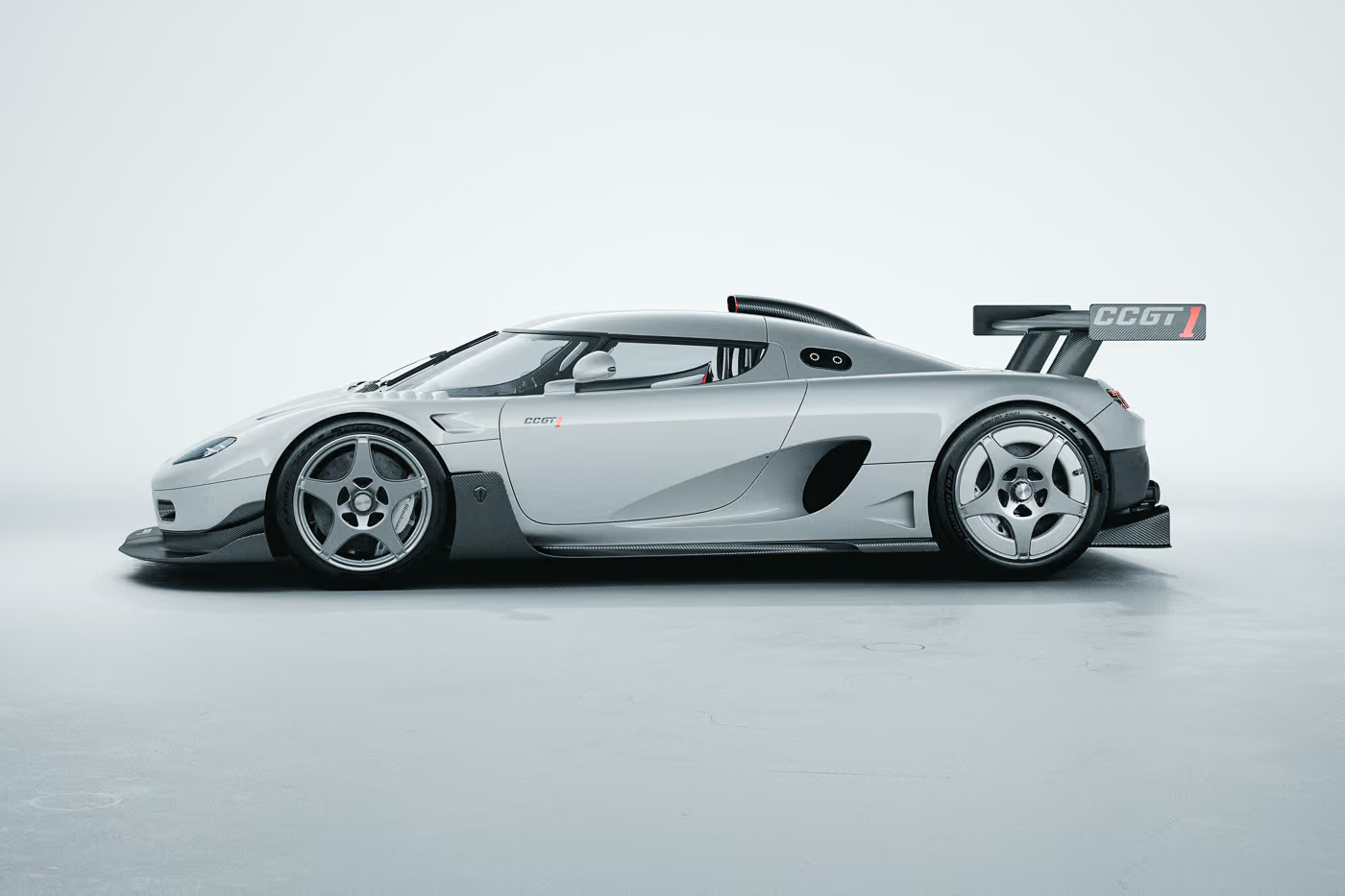
With or without the track package fitted, the end result looks extreme. While its CC850 origins are clear, the two cars only share three panels: the two doors, and the single-piece removable roof. Everything else is new, with a widened body, gently flared arches, and a host of new ducts, intakes, outlets and fins to manipulate the air flowing through and around the CCGT1.
The pair of NACA ducts ahead of the rear wheels are a direct reference to its predecessor, while new illuminated graphic panels take the place of the quick-fill fuel inlets intended for racing. Now, they show oil pressure and fuel levels. The white bodywork of the launch car is another nod to the CCGT, but it’s not achieved with paint. Koenigsegg’s new Ghost Fibre composite is naturally white as opposed to black like traditional carbon fibre. The new material is also lighter, tougher, and features sound-deadening properties.
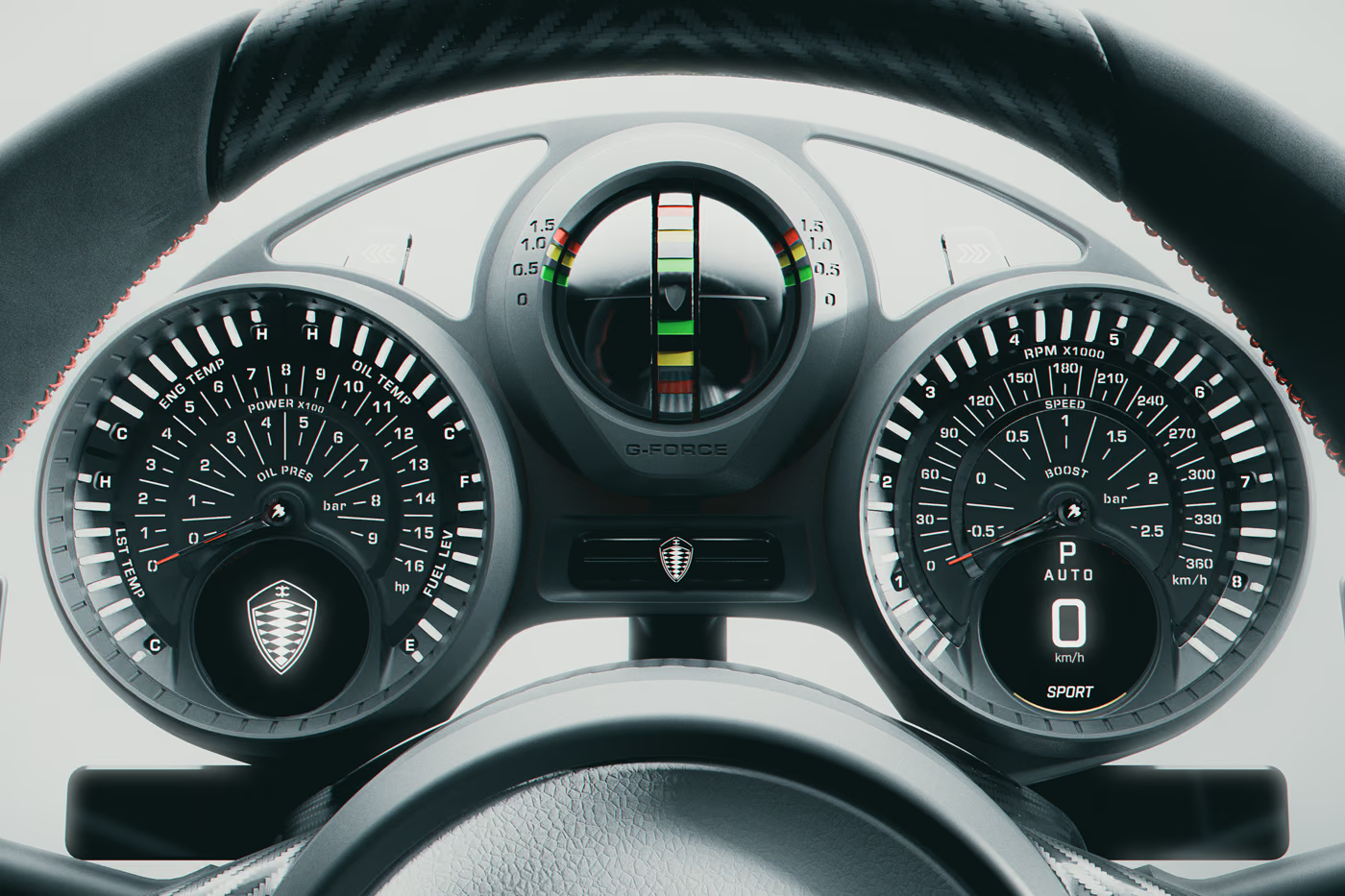
Inside, the race-ready theme continues with toggle switches for the ignition, fuel pumps and engine starter atop the dashboard. Visible carbon fibre is seen throughout the two-seat cabin, only occasionally interrupted by quilted leather and suede which is used sparingly. Mechanical dials sit on the steering column, with an intricate design containing fluid temperature, boost pressure, engine and speed readouts in two clusters, separated by a fully analogue G-force meter.
The Koenigsegg CCGT1 will make its public debut during Monterey Car Week, although private showcases have already taken place, and all 70 examples are spoken for. There’s no word on pricing, but a healthy seven-figure sum is guaranteed. Koenigsegg describes CCGT1 as the fastest-lapping car they’ve ever made, so expect them to put that claim to the test in the near-future.






.svg)

