-01.svg)

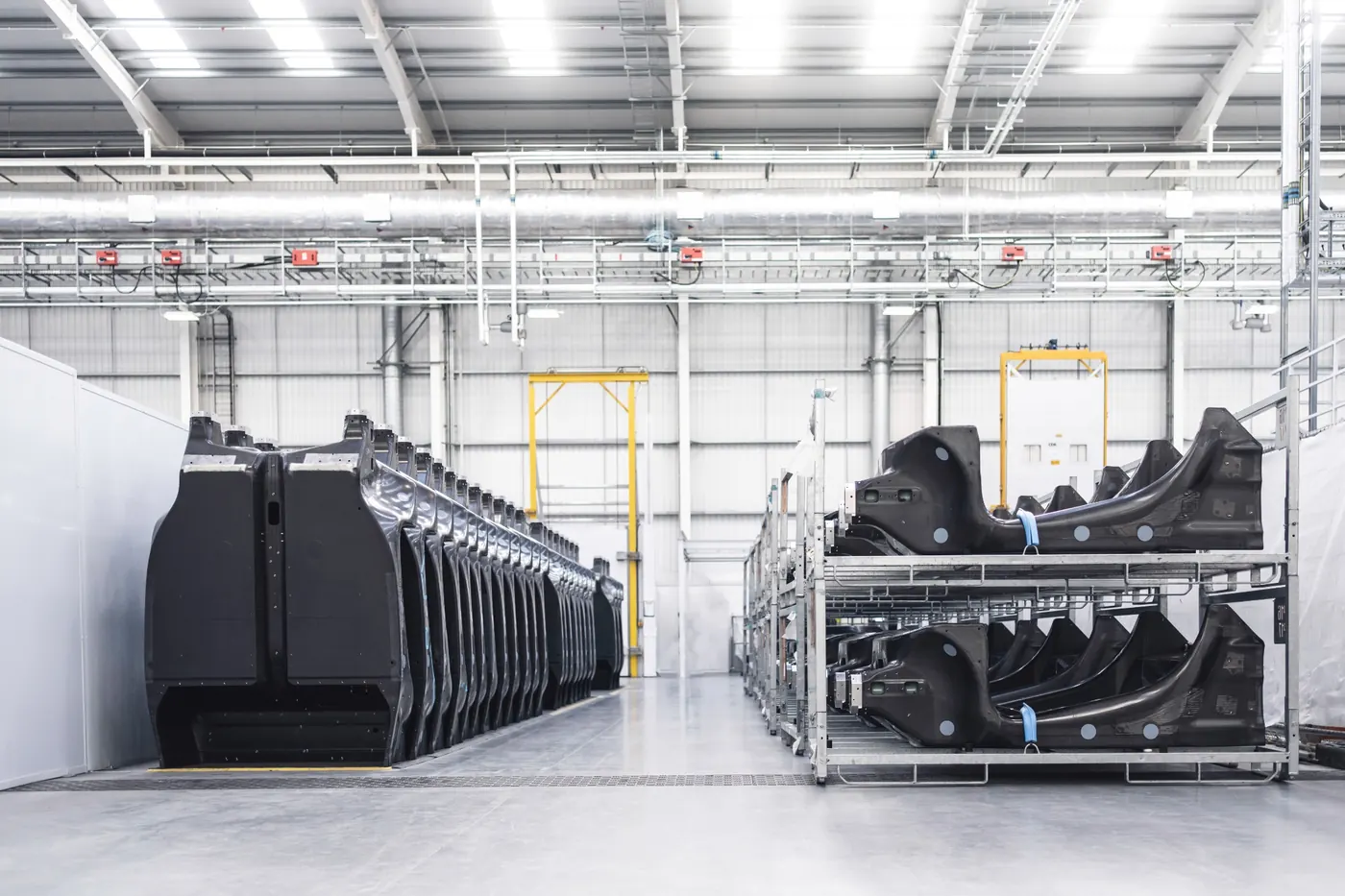
The money splits three ways: a second UK vehicle assembly facility, an expanded McLaren Composites Technology Centre in South Yorkshire, and the SUV itself. McLaren has yet to confirm where the new facility will break ground, but the extra capacity is what finally lets the company build something other than a two-seater. McLaren says the programme will create at least 1,000 direct and indirect jobs by 2032, with government estimates putting potential supply-chain gains at up to 3,000 more.
McLaren's refusal to follow its rivals into the SUV market has always been admirable from a purist's perspective. But we now live in a world where the Urus accounts for over half of Lamborghini's sales, and Ferrari now builds a half-million-euro electric car. Crucially, neither has stopped being thought of as a supercar maker. There is little reason an SUV should define McLaren either – especially if a new line of supercars follows in its wake.
Powering that future lineup will be something McLaren has never built before: its own engines. The decision calls time on a manufacturing partnership with Ricardo that has served every series-production road car since the 12C arrived in 2011 – 34,000 and counting. Two new powertrains are already in development.
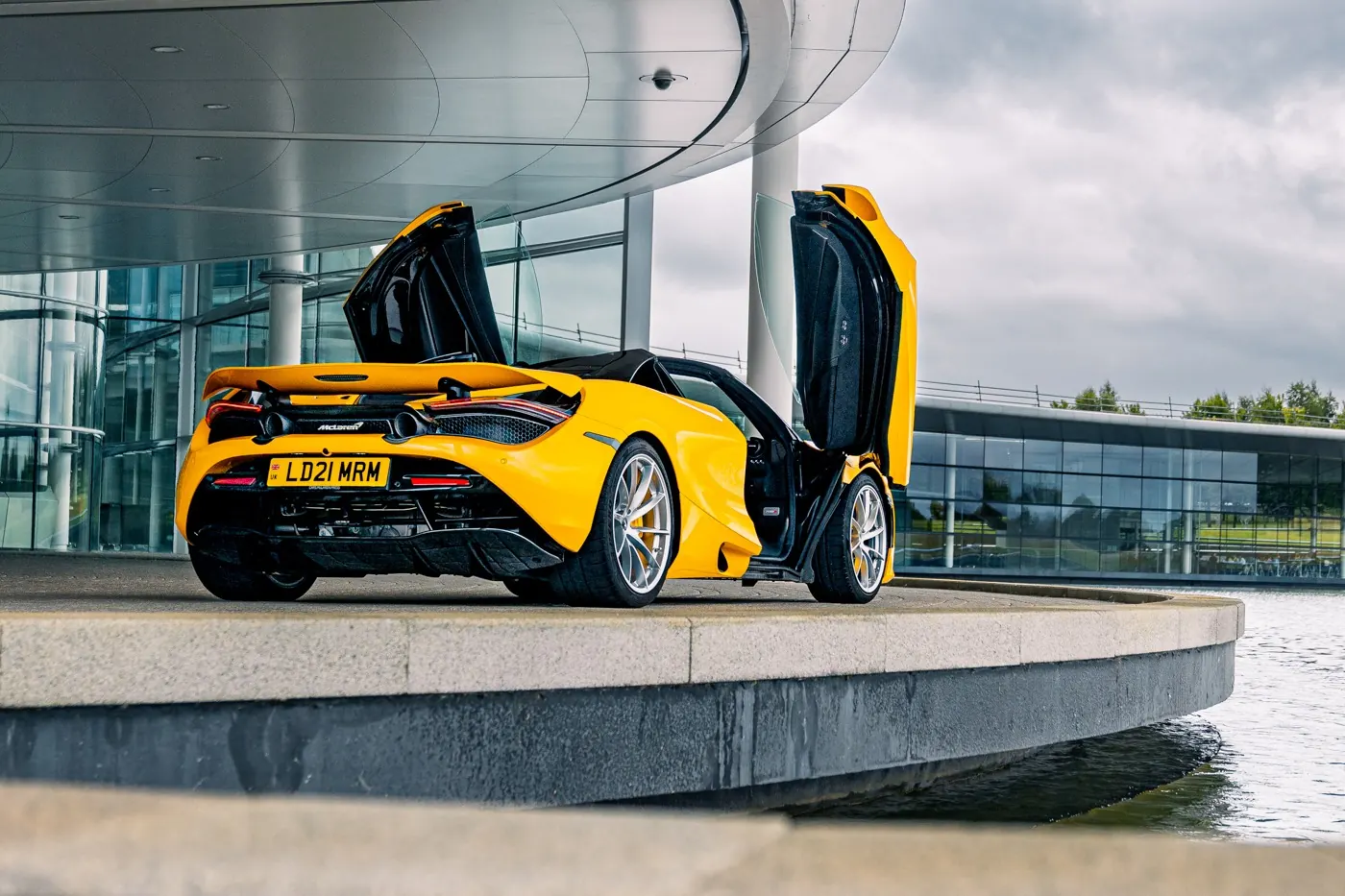
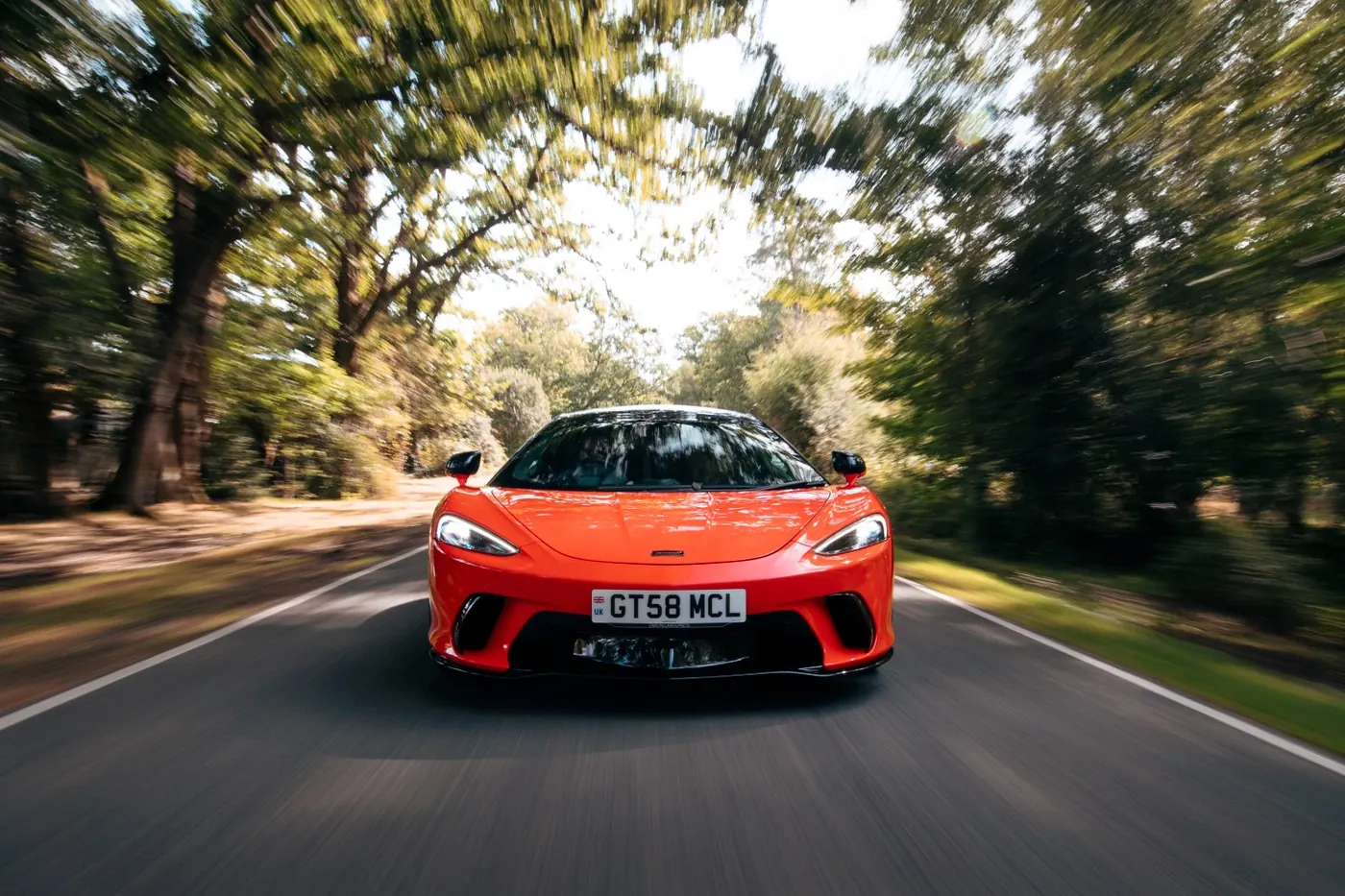
The current 4.0-litre twin-turbo M840T V8 and the Artura's 120-degree M630 V6 are both McLaren designs, and neither has lacked for pace. What they've lacked, next to Italy's finest, is a reason to talk about them beyond the numbers. Bringing manufacturing in-house will improve profitability, but only the powertrains themselves can answer the existing criticism. It won't have escaped Woking how the Temerario is drawing fire despite its 10,000rpm V8 – satisfying that need to stir the soul while meeting increasingly stringent noise regulations may prove the hardest task of all.
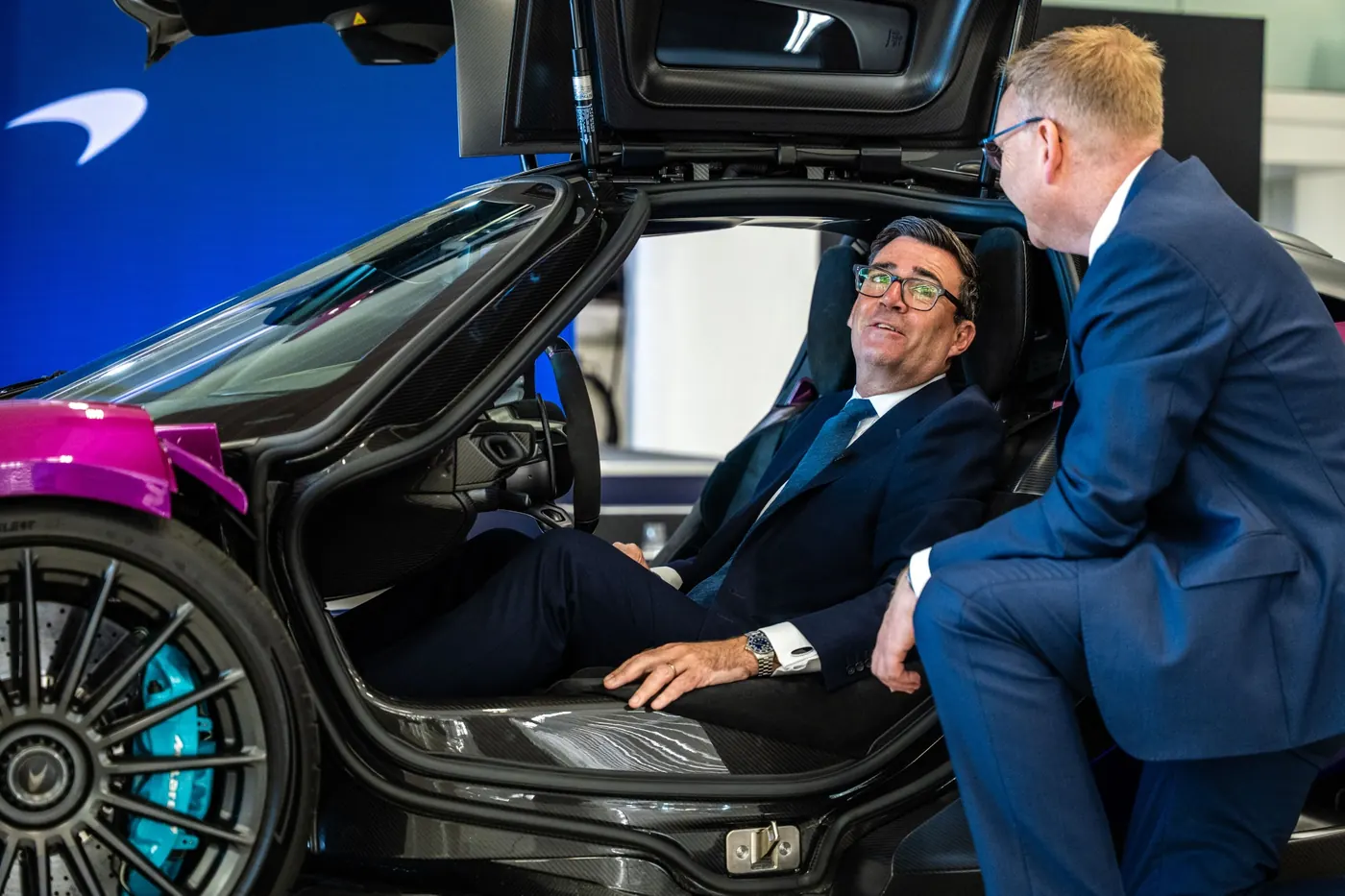
Nick Collins, McLaren's chief executive, framed the investment as being as much about identity as capacity: ‘This investment gives us the platform to grow, develop and build on what makes us distinctive, while investing in the people, technologies and products that will keep us competitive for decades to come.’
Not long ago, McLaren was cutting a shift at Woking and switching to build-to-order just to stop discounting stock it couldn't sell profitably. A £500 million programme aimed at building more, not less, backed by a shareholder in L'IMAD willing to commit at this scale, is perhaps the clearest sign yet that the company has stopped managing decline and started planning growth.





.svg)

