-01.svg)

Starting life as a 964 Carrera 4, over 325kg has been shed from the donor car. It could have been more, but as is standard Theon practice, the car retains the original steel doors – the solid thunk of a 911's door is one of the car's defining traits, and not something that can be replicated with weave. Modernised and streamlined wiring looms help to offset the difference, shedding 24kg over the originals.
The architect behind the car – literally in this case – specified the 3.8-litre flat-six option, the middle of three derivatives offered by Theon, with a 3.6 and 4.0-litre unit on either side. Output has crept up to 407bhp and 303lb ft thanks to the adoption of a 997-generation GT3 air intake plenum feeding individual throttle bodies, managed by a Motec ECU. The front driveshafts have been ditched in favour of a rear-wheel drive conversion, with power sent through a fully rebuilt five-speed 964 gearbox and limited-slip differential, giving the car 354bhp per tonne – comparable to a 992 GT3.
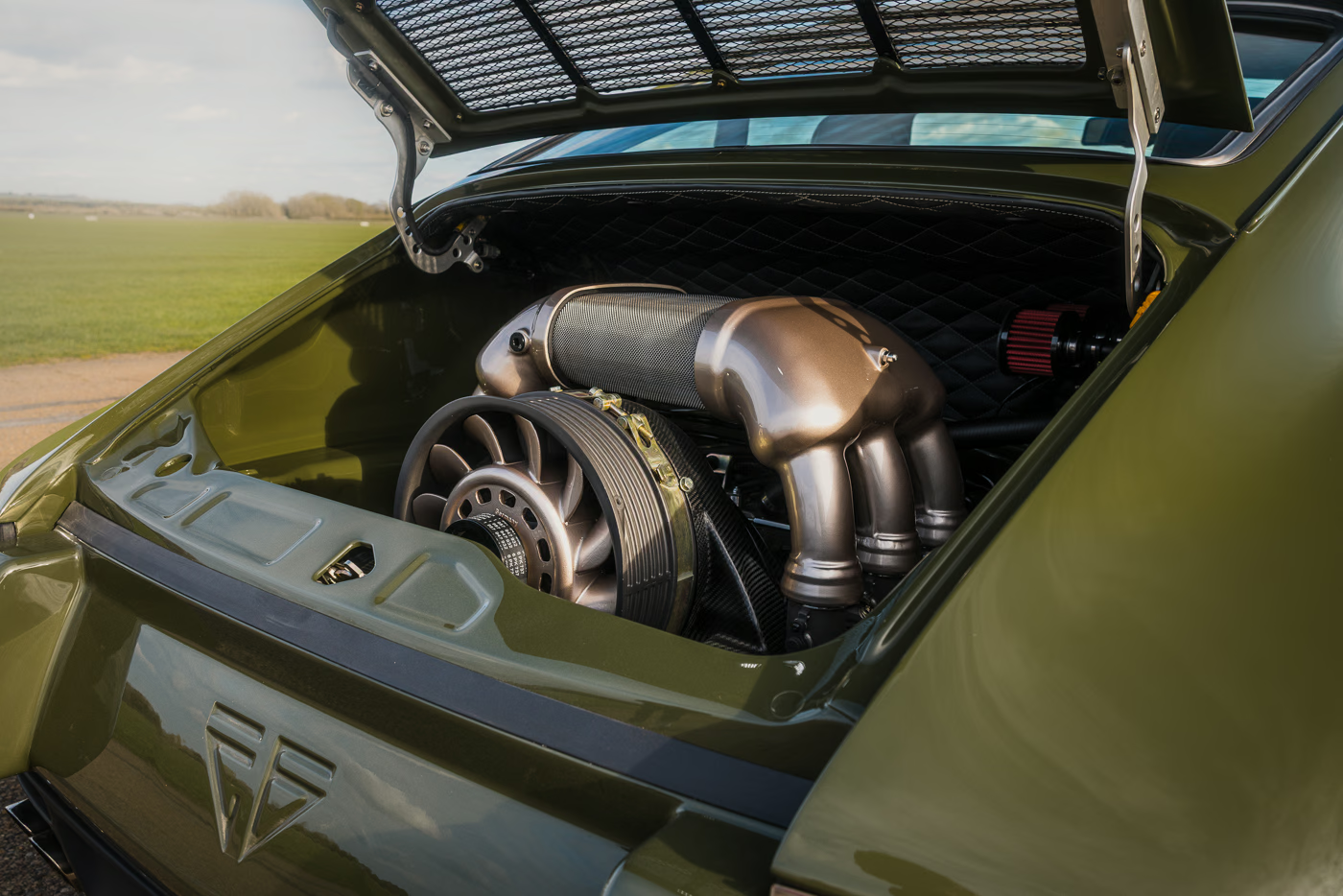
Despite the modern refinements, the engine remains air-cooled, preserving the dry, mechanical soundtrack. At the client's request, a bespoke cable throttle replaces the drive-by-wire setup found on other Theon builds, sacrificing traction and stability control for a direct connection. Given the car's destination, that may be less of a concern.
In the handling department, Theon offers adjustable KW coilovers or TracTive semi-active suspension, with the latter fitted to this commission, alongside front-axle lift. Michelin Pilot Sport 4 tyres sit at each corner, while the client has opted for 964 RS specification brakes finished in Brembo red.
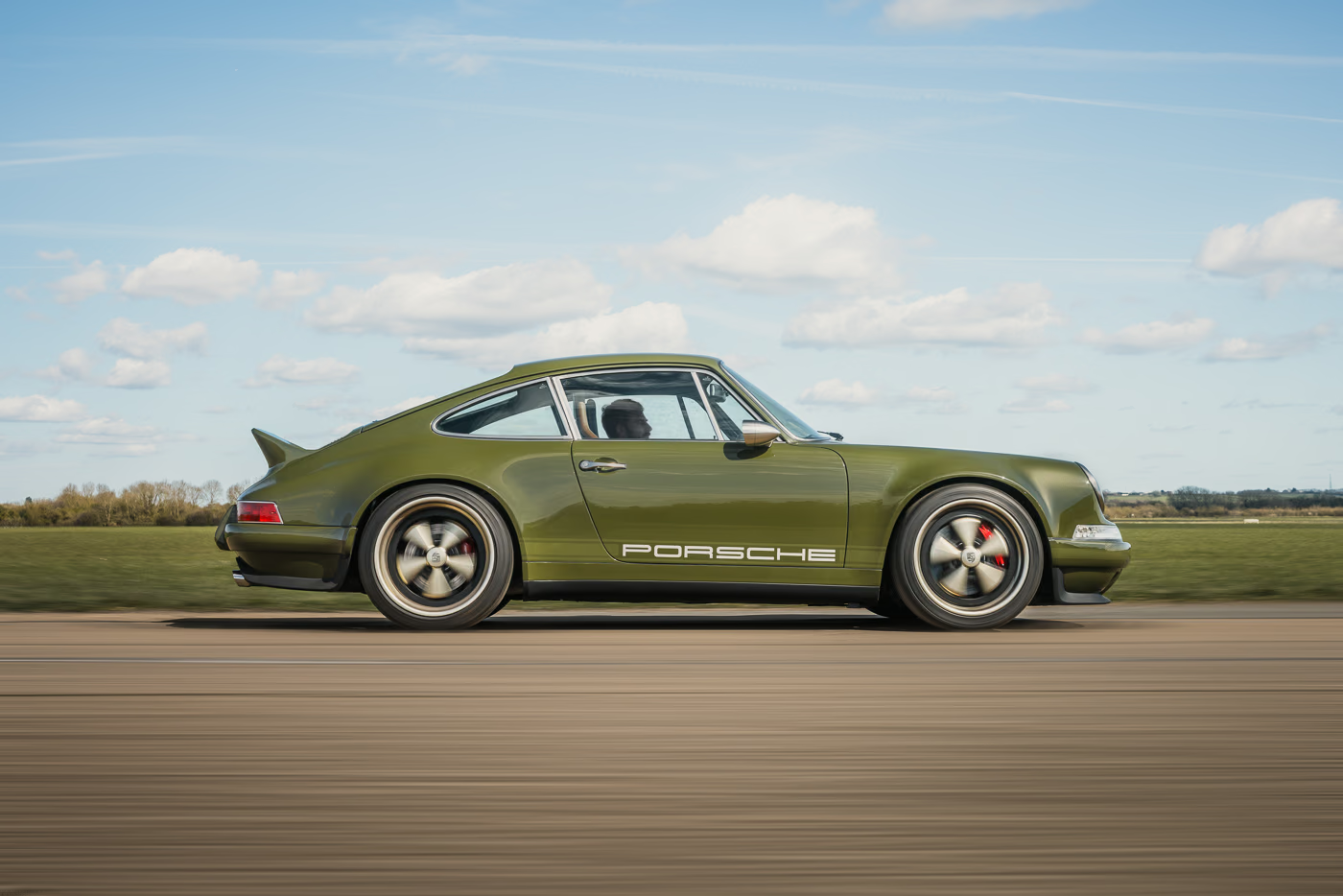
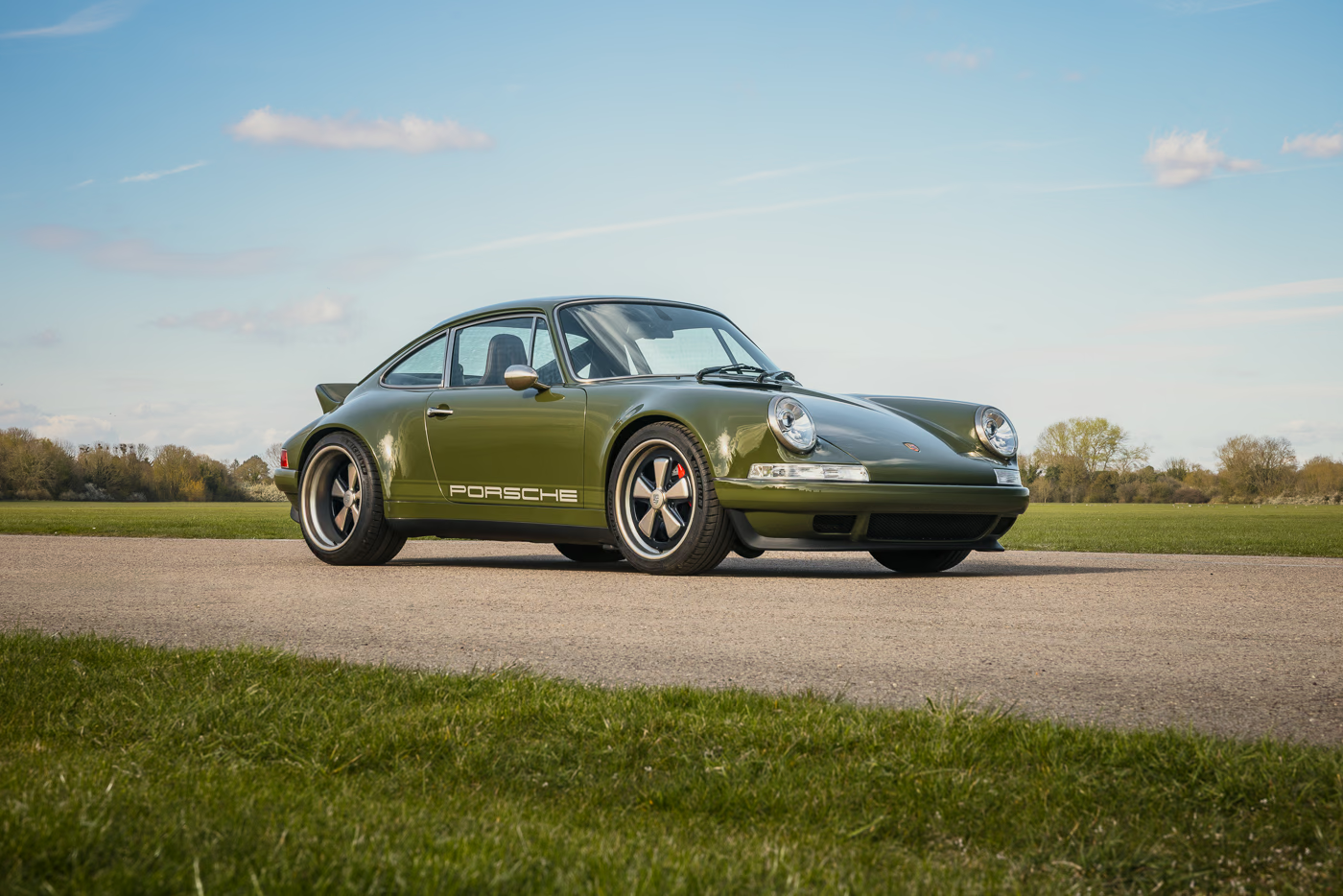
One of the attractions of a money-no-object restomod is the scope for personalisation. But what happens when you narrow the exterior paint down to two historical Porsche colours and can't choose between them? Theon simply blends the two for you, in this case Nato Olive Green and Underberg creating a muted, earthy tone that shifts in changing light. Ghost stripes sit beneath the surface, while champagne-finished Porsche script, brightwork and 18-inch Fuchs-style wheels complement the bespoke hue.
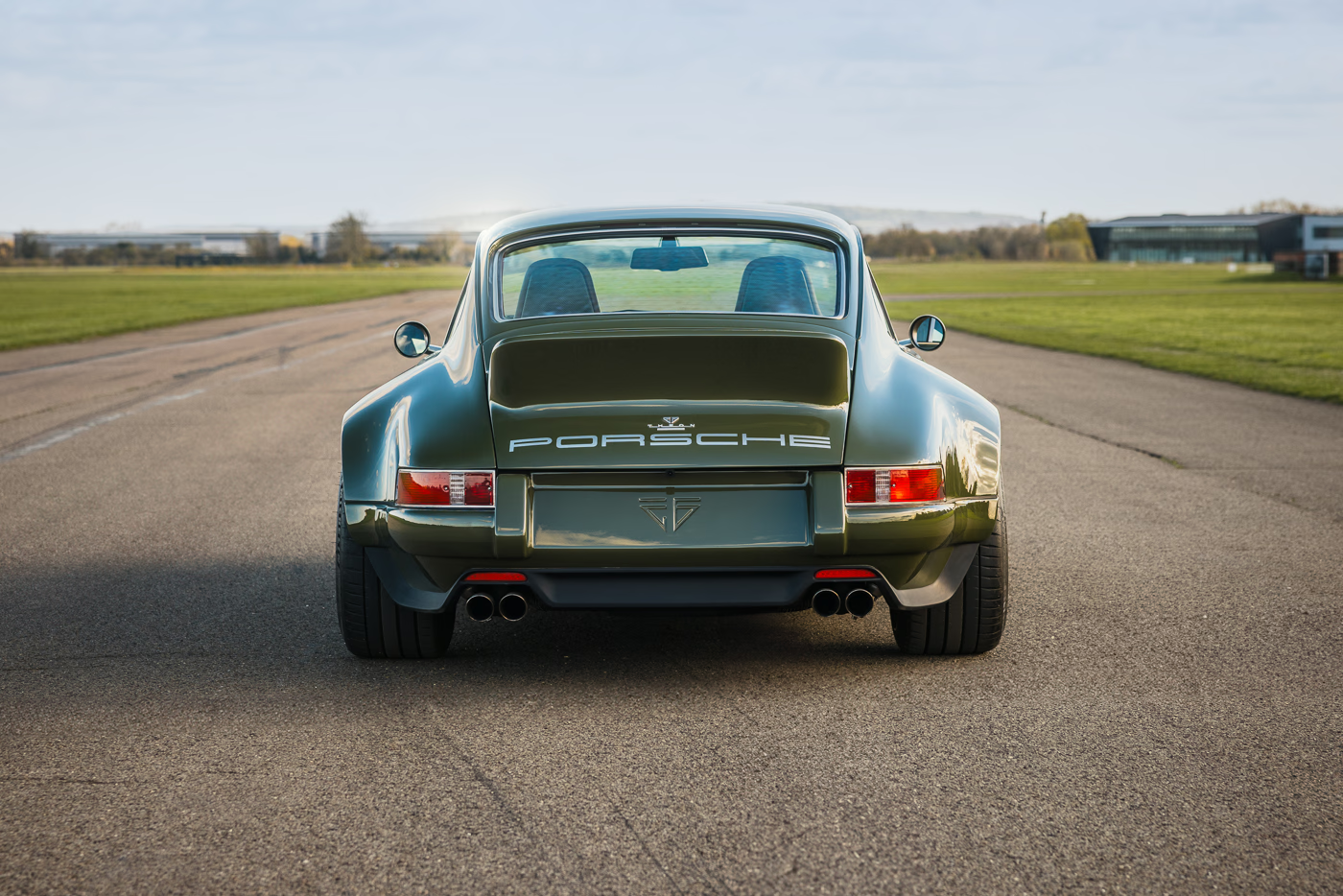
At the rear, a carbon-fibre ducktail references the 2.7 RS, a Theon first, while a switchable quad-exit exhaust offers a subtle tell of the flat-six's potency. The one deliberate break from the prevailing colour scheme is the aforementioned brake callipers, which are finished in bright red. The champagne theme extends under the engine lid too, with the GT3 plenum, engine cooling fan and carbon-fibre tinware finished in satin clear lacquer to reveal the weave beneath.
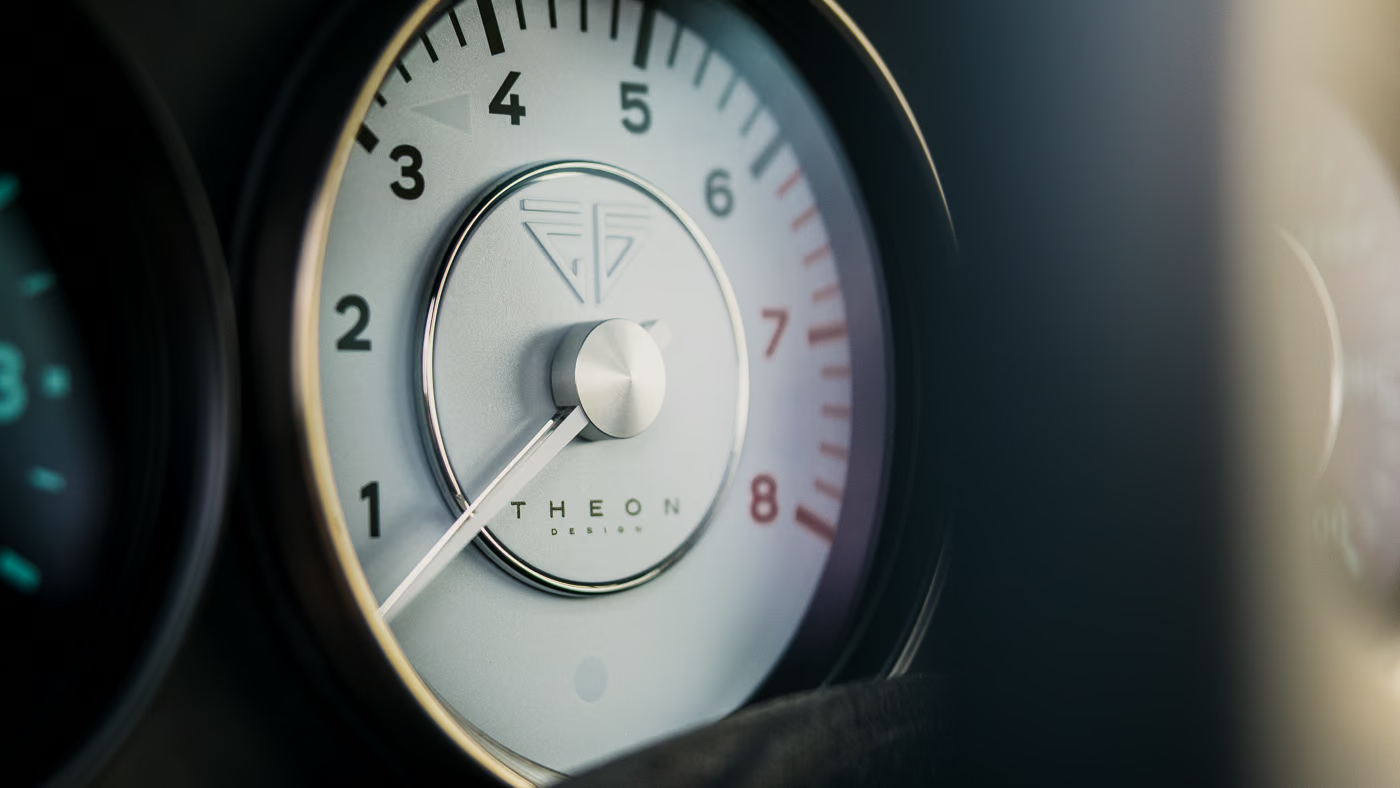
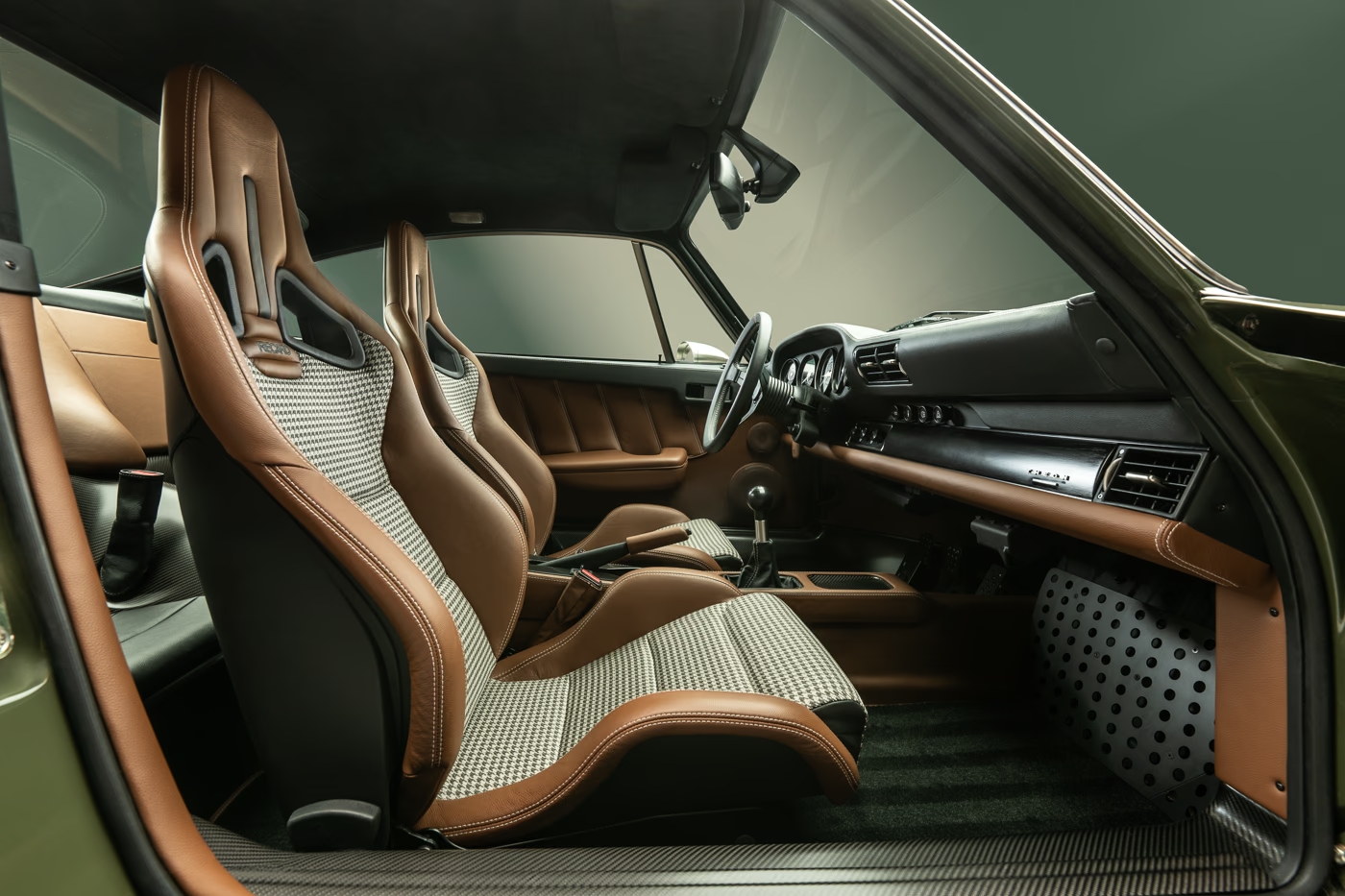
Inside, Liquorice and Saddle Brown leather covers the majority of the cabin, with carbon fibre left partly exposed in places. Two-piece Recaro CS seats are trimmed in a combination of leather and Pepita cloth in a pattern drawn from the 991 Sport Classic, while the dashboard, air vents, door handles and switchgear are all machined from billet aluminium. The five-dial instrument cluster retains its traditional layout, with the rev counter's white background standing out against the black dials on either side, viewed through a deep-dish three-spoke steering wheel.
Discretion is also the name of the game when it comes to interior tech. There is no conventional head unit, instead, all audio runs through a Bluetooth-only connection to a six-speaker Focal system. USB-C charging ports are tucked beneath the ventilation controls, and a reversing camera feed activates only when reverse gear is engaged.
Each Theon commission requires approximately 18 months and 6,000 hours to complete, with the company producing five to six cars per year from its base in Deddington, Oxfordshire. Prices start at £430,000 before the donor car, shipping and local taxes. Serious money, but in a restomod marketplace where every new build tries to shout louder than the last, Theon's Mexico commission is more refreshing than a Tommy's Margarita.



.svg)

