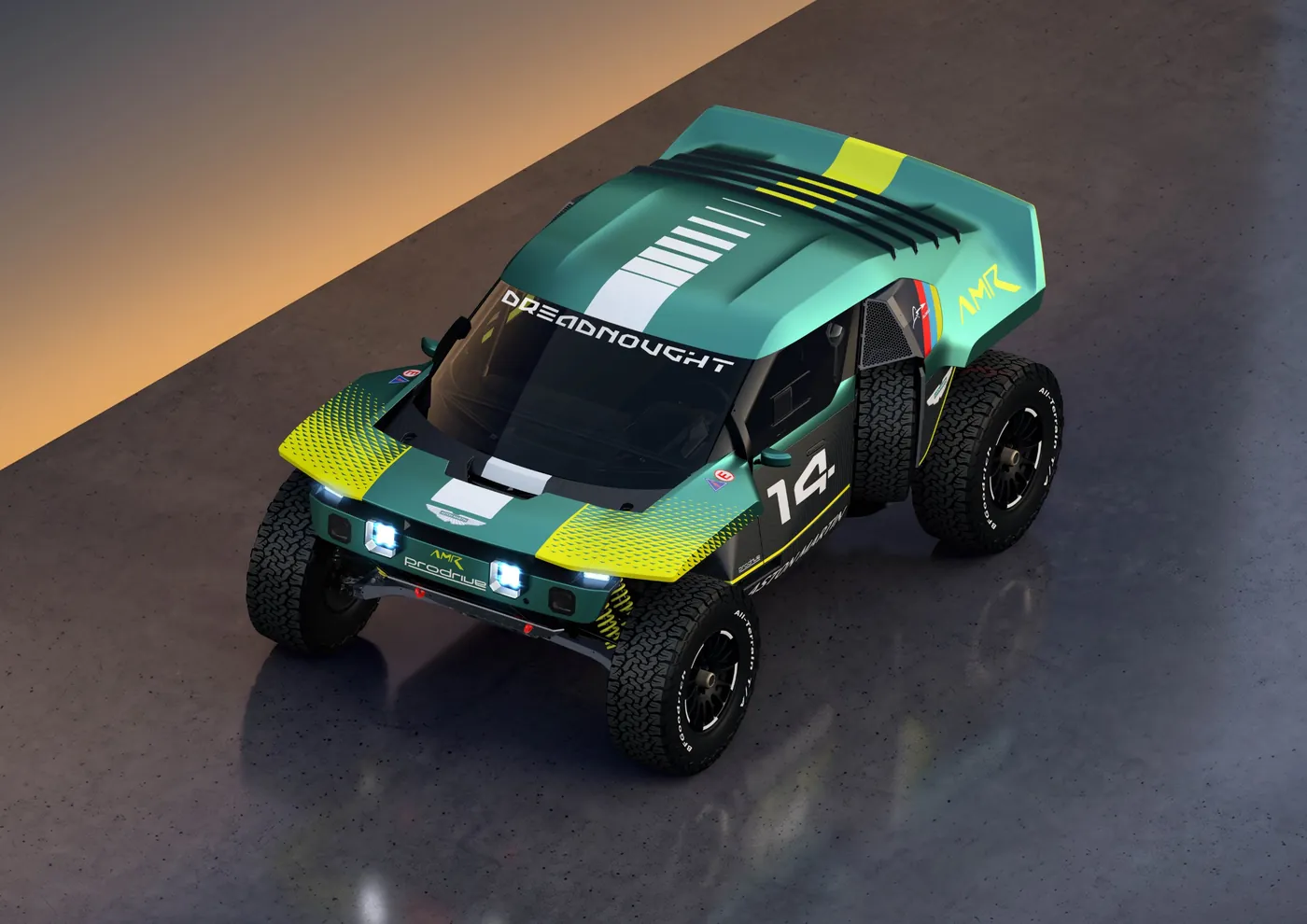
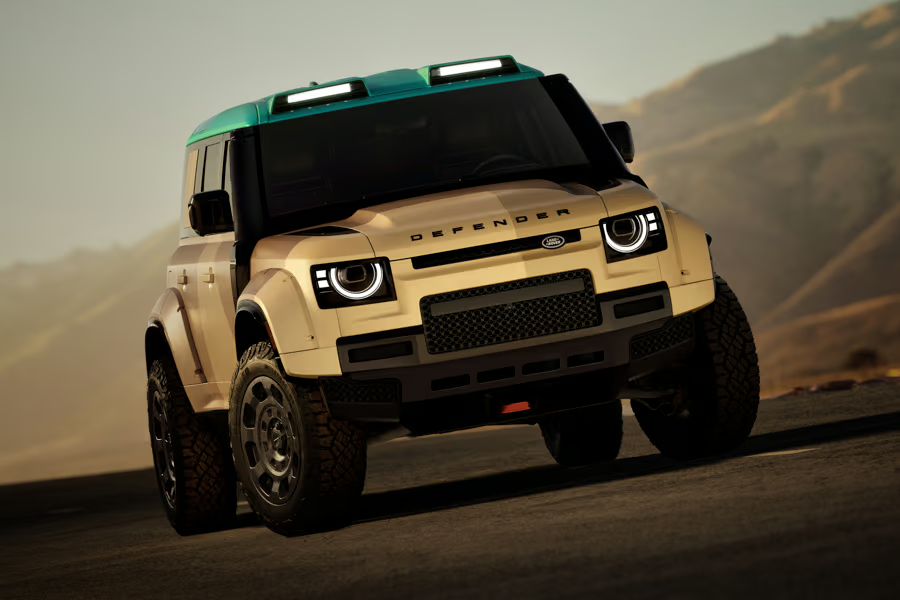
These will be driven by Sebastien Loeb, reigning FIA World Rally Raid Champion Lucas Moraes, and Fernando Alonso, joined by co-drivers Fabian Lurquin, Pablo Moreno, and Marc Coma. Loeb has finished second three times, and Moraes was third on his debut, while Alonso came in 13th overall in 2020. With the rally taking place ahead of F1 pre-season testing, it makes for a busy start to the year for Alonso. Looking ahead to the rally, he said: “In the end, the decision became simple. I wanted to embrace the challenge completely and take on both Formula One and the Dakar Rally in the same year. In 2020, Dakar was one of the most challenging and enjoyable experiences of my career. Formula One remains my priority. But I am a racing driver, and challenges like this are why I love competing”
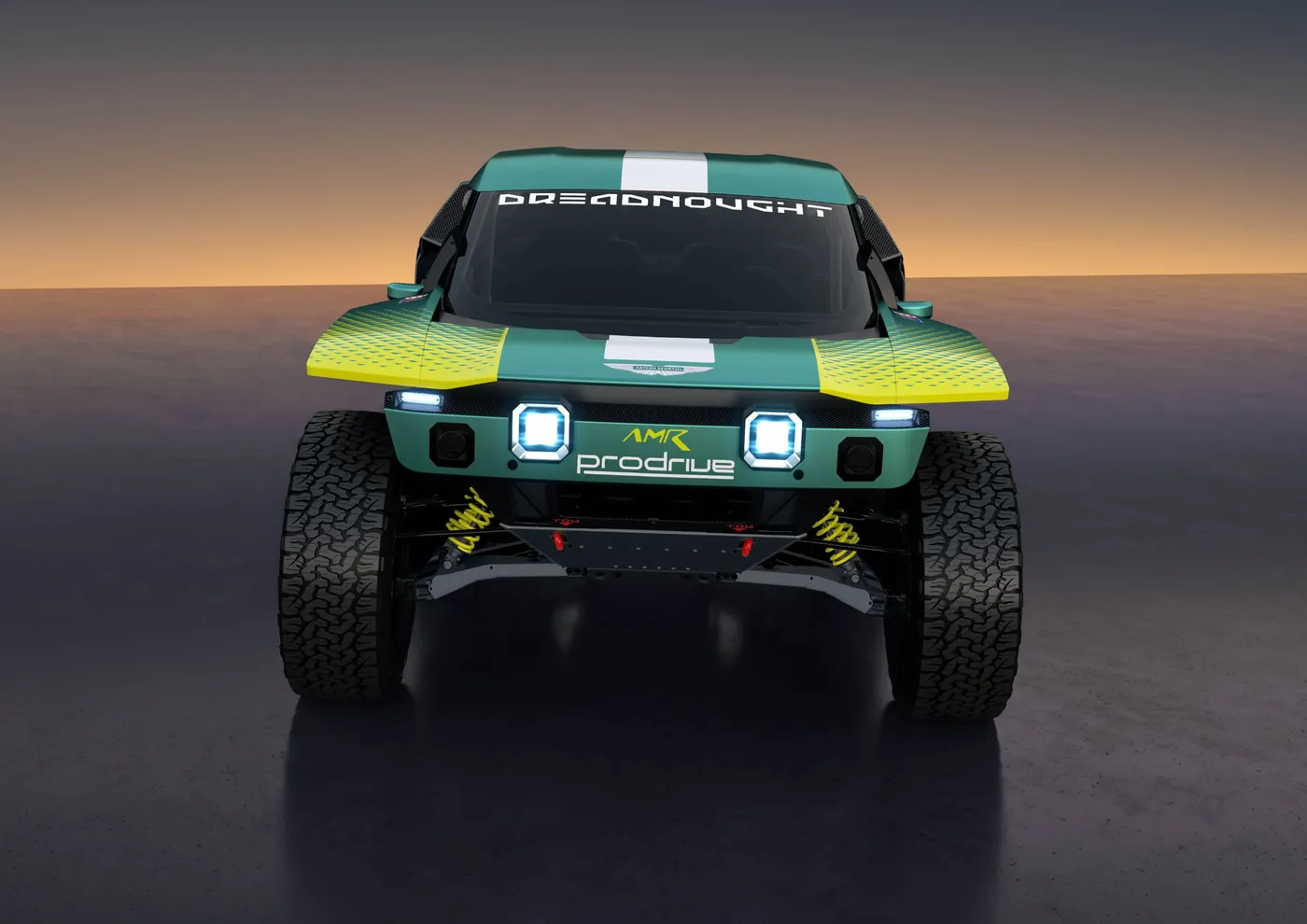
The car they’ll be driving first broke cover in mid-2026 as a concept destined for Call of Duty: Modern Warfare 4, which has been significantly redesigned to get competition ready. While the original Dreadnought featured a classic Aston Martin grille, the Rally Raid variant is mostly devoid of front bodywork, showing off a pair of X-shaped LED spotlights, a sizable skid plate, and dune-ready suspension. Two spare wheels are carried at all times, with these being semi-recessed ahead of the rear axle. The chiseled haunches and ducktail spoiler are reminiscent of the Valen, while the louvred rear deck nods to the Valiant.
Like the road cars it draws inspiration from, the Dreadnought will be front mid-engined, even if the proportions suggest otherwise. What will power it remains unconfirmed, but given it’s based on Prodrive’s T1+ platform, a 3.0-litre twin-turbocharged V6 seems likely to be nestled behind the front axle. While rally-specific Balance of Performance measures will dictate the exact output, Ultimate-specification cars make around 355bhp, and all have a limited top speed of 106mph.
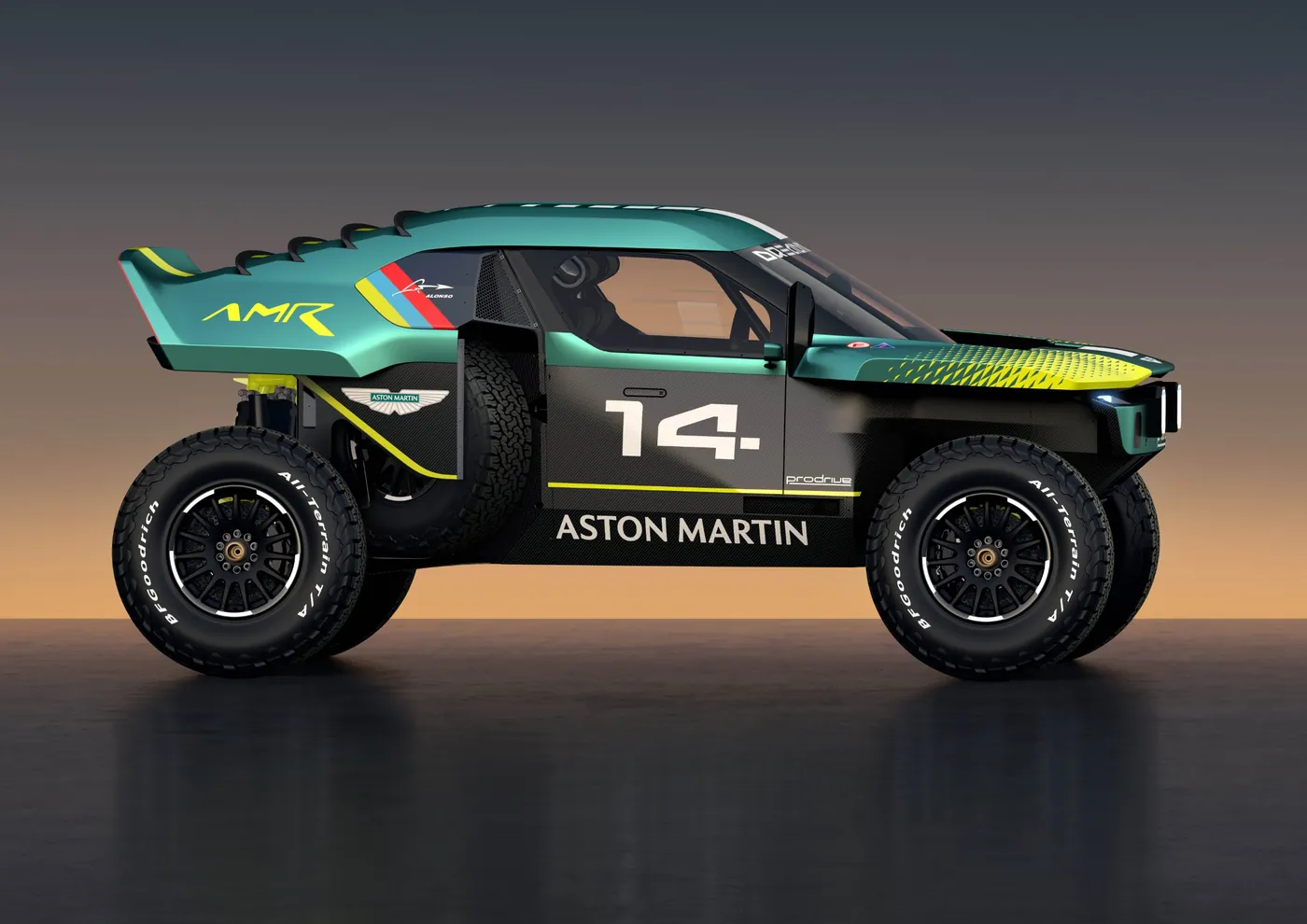
The Dreadnought will face strong competition from Toyota in the Ultimate class, with Gazoo Racing bringing five Hiluxes to the Dakar’s start point in Portugal. However, reigning champions Dacia will be absent from the 2027 entry list as the Prodrive-run Sandrider programme draws to a close at the end of the 2026 World Rally Raid Championship season.
While Aston Martin is new to off-road competition, Prodrive is not. The Banbury-based engineering firm started preparing rally cars before circuit racers, and spent 19 years operating Subaru’s World Rally Championship team. Their two-decade collaboration with Aston Martin has brought GT-class victories at Le Mans, as well as the V8 Vantage Prodrive road car, available with a new ECU, Eibach springs, adjustable Bilstein dampers, forged alloy wheels, and carbon fibre aerodynamic elements. The combined effort will be looking for a strong initial outing in next year’s Dakar Rally, beginning with the Prologue on January 9th.