-01.svg)
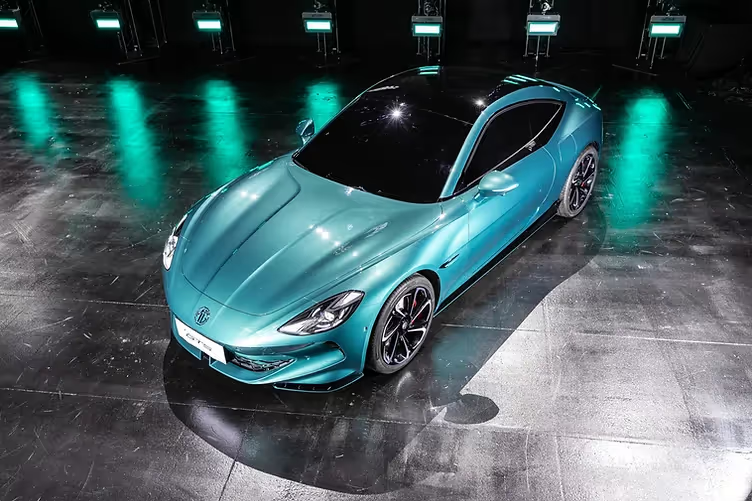
The Cyber GTS is expected to launch with the same powertrain options as its convertible counterpart, meaning a choice of a 335bhp rear-wheel drive, or 496bhp all-wheel drive setup. Expect the 0-62mph times to match the 5.0 and 3.2 seconds of the Cyberster. Top speed should be in the region of 120mph.
Assuming that the car shaves a few kilos off the 2.1-tonne kerb weight of the Cyberster, the 77kWh battery may offer a slight increase over the 316-mile maximum range currently on offer. DC rapid charging from 10-80% will take 38 minutes, and a full charge at home will require just over 10 hours.
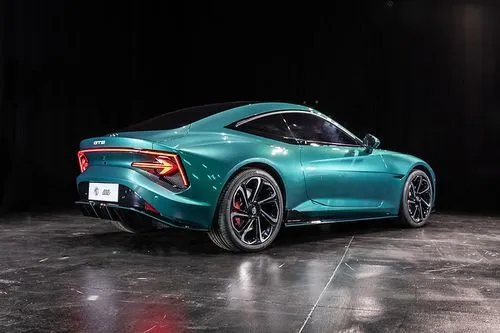
While its Cyberster stablemate is a strict two-seater, the coupé variant will become a 2+2, and sport a larger boot. A glimpse of the interior has been given, and the driver-focused multi-screen setup will remain, as will the electrically-operated butterfly doors.
When it arrives, the Cyber GTS will spearhead the electric sportscar segment, beating the new Alpine A110 and Caterham Project V to market. The rotary range-extender Mazda Iconic SP remains a concept despite claims of being green-lit for production, but competitors are coming from Porsche.

The Boxster and Cayman EV twins are a year overdue, however these will be undercut by the MG which currently starts at £54,995 in convertible-guise.
A fixed-roof option will broaden the appeal of MG’s halo model, and hopefully encourage other manufacturers to develop new cars for enthusiasts. Regardless of propulsion type, a new addition to the sportscar market can only be a good thing.


-2.avif)

.svg)

