-01.svg)

With a 94kWh capacity battery mounted between the axles, the electric C-Class offers up to 473 miles of WLTP range, and its 800v electrical architecture allows DC rapid charging at up to 330kW. In practical terms, that means 206 miles of range can be added within 10 minutes on the public charging network, while topping up at home at 7.4kW AC will take around 13 hours from flat to full.
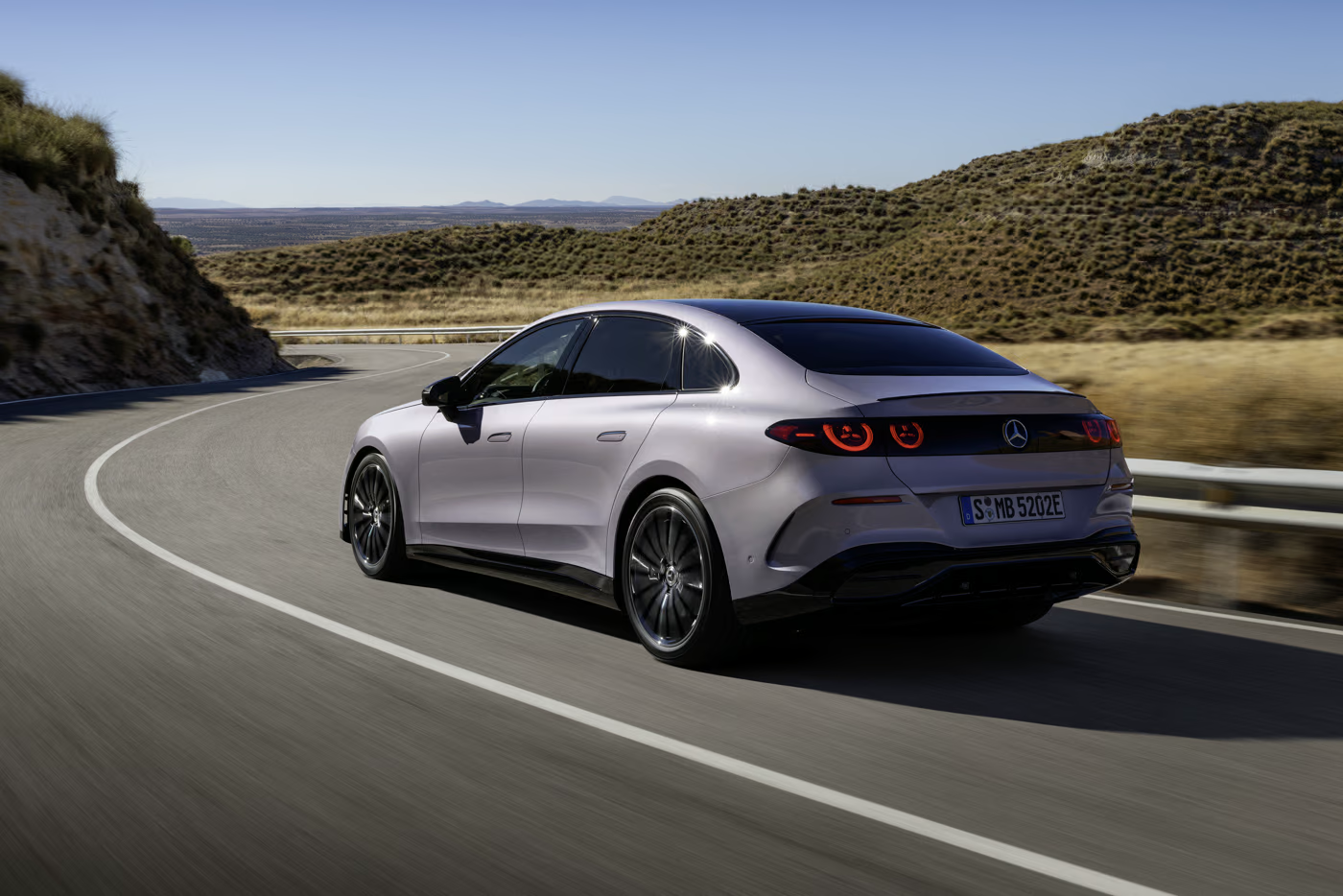
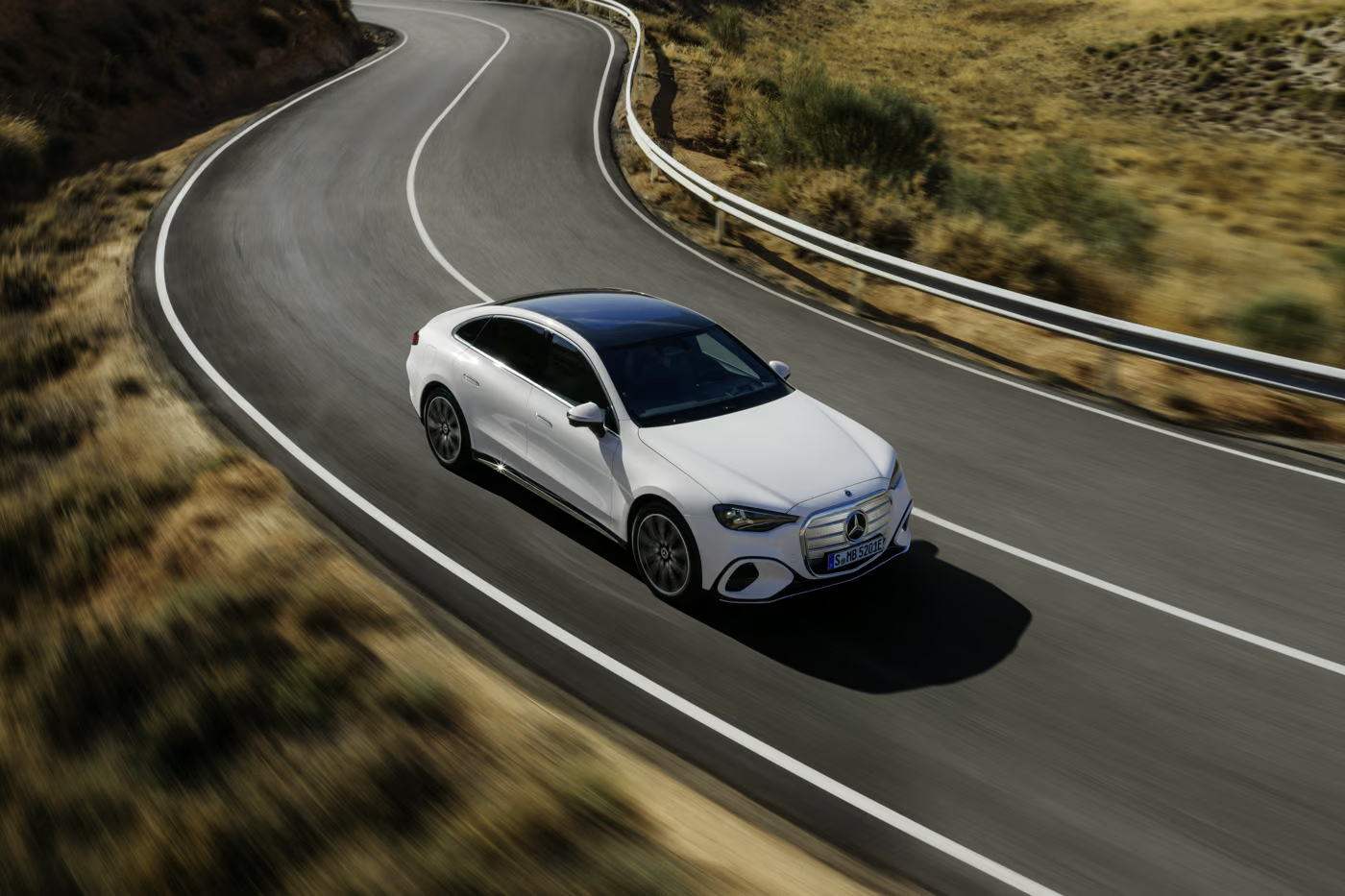
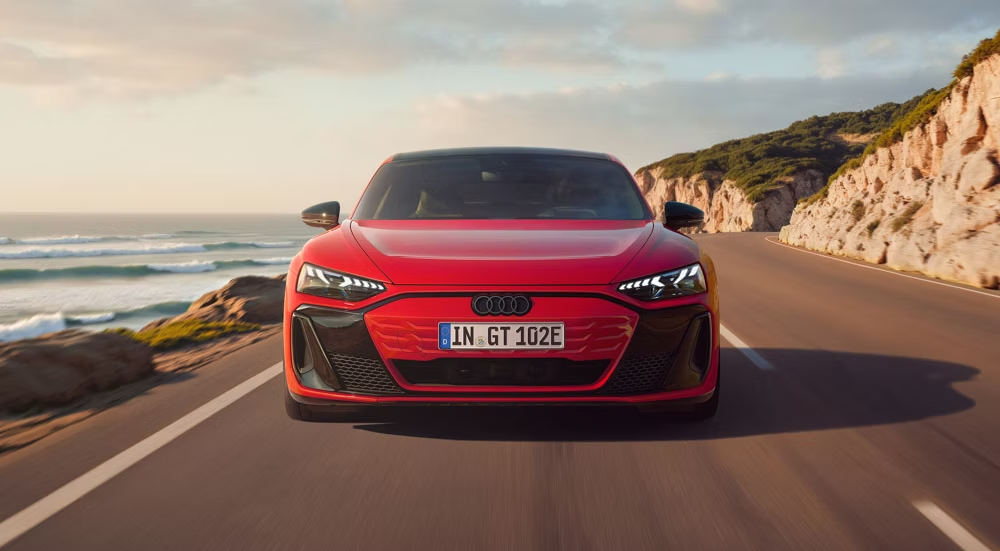
The launch model is the C400 4Matic which features an electric motor on each axle, and a two-speed transmission at the rear - similar to the Audi e-tron GT. This improves high-speed energy efficiency - something that’s long been the achilles heel of EVs. There is no set point where the automatic transmission will shift between its ratios, with the car deciding based on the driving conditions and the selected drive mode.
The dual-motor powertrain delivers 483bhp and 590lb-ft (800Nm) of torque, propelling the car to 62mph in 4.0 seconds and onto a limited top speed of 130mph. The C400 4Matic is predominantly rear-wheel drive, with the single-speed front motor activating when additional traction or performance is required. Switching off at a cruise improves energy consumption, and reduces front-axle losses by up to 90%.
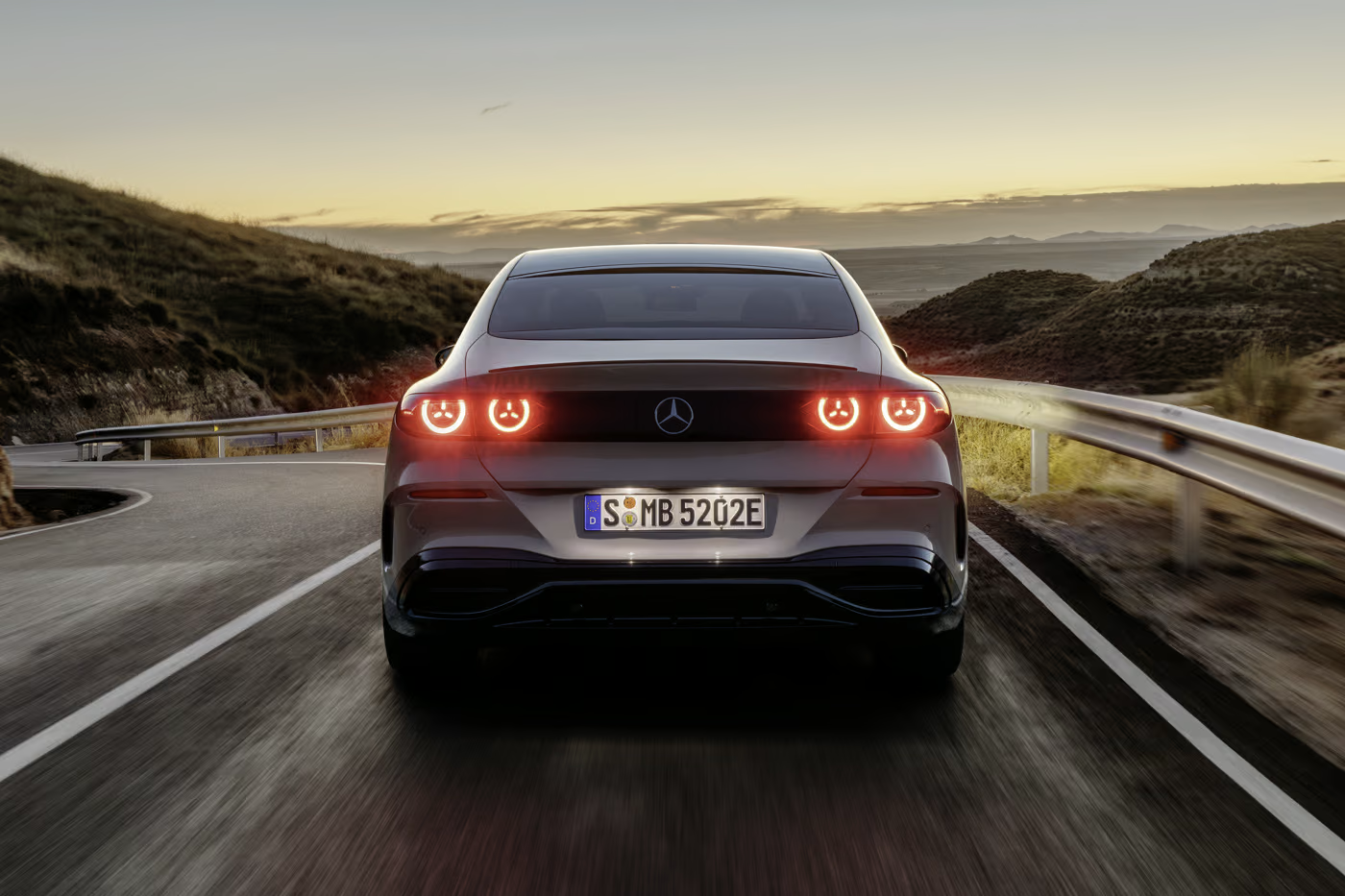
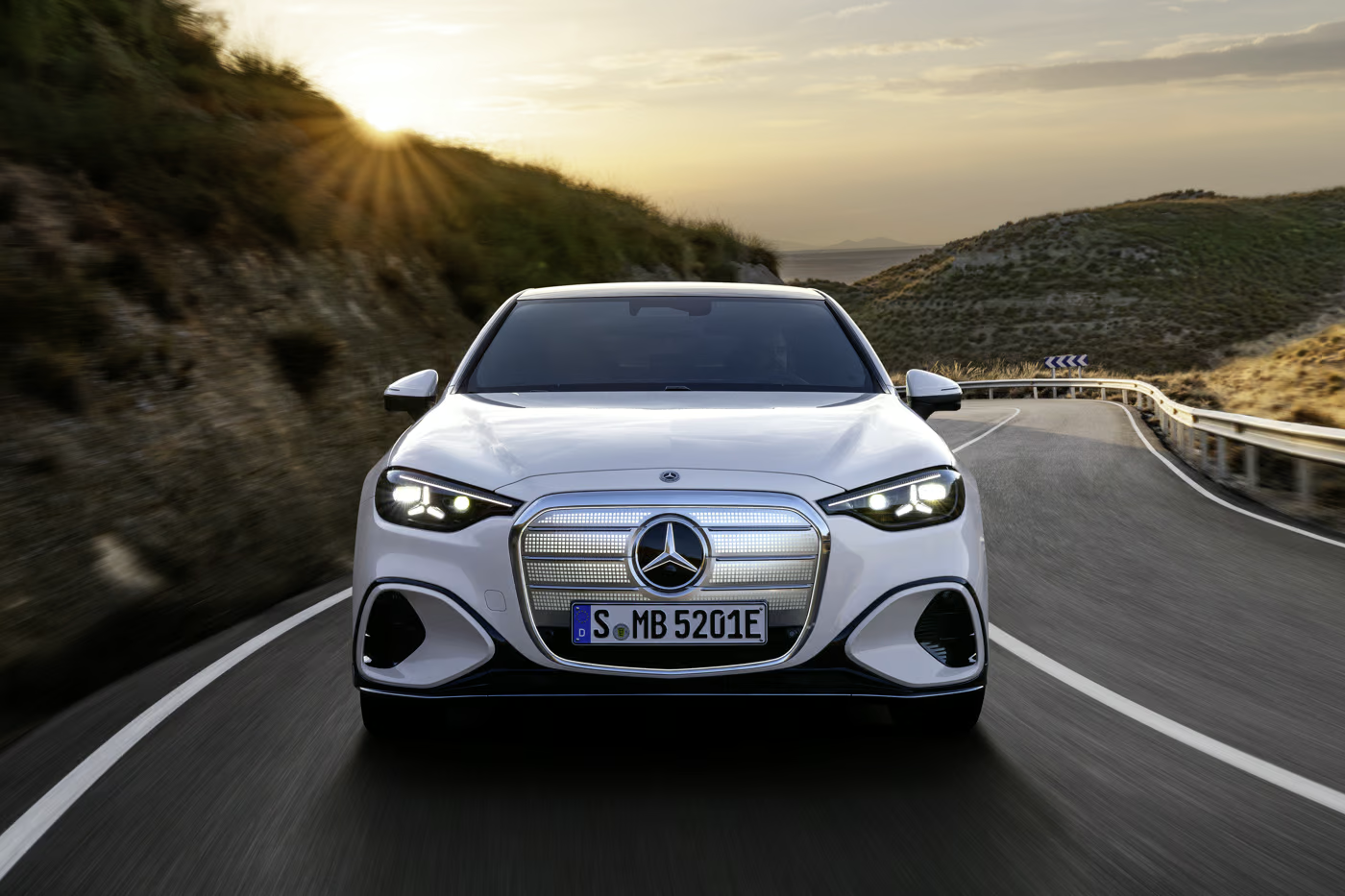
A choice of two suspension set-ups will be available for the new electric C-Class, with passive dampers and steel springs as standard. Optionally available will be Airmatic air suspension, which promises class-leading ride comfort, and allows the car to intelligently adjust its ride height to maximise efficiency depending on the type of road it’s on. Activating the sport driving mode will also lower the C-Class.
The air suspension option includes rear-axle steering, allowing the rear wheels to turn up to 4.5 degrees in the opposite direction to the front wheels. This reduces the turning circle to 11.2 metres and matches the smaller CLA. Above 45mph, the rear wheels turn up to 2.5 degrees in the same direction as the front wheels, improving high-speed stability.
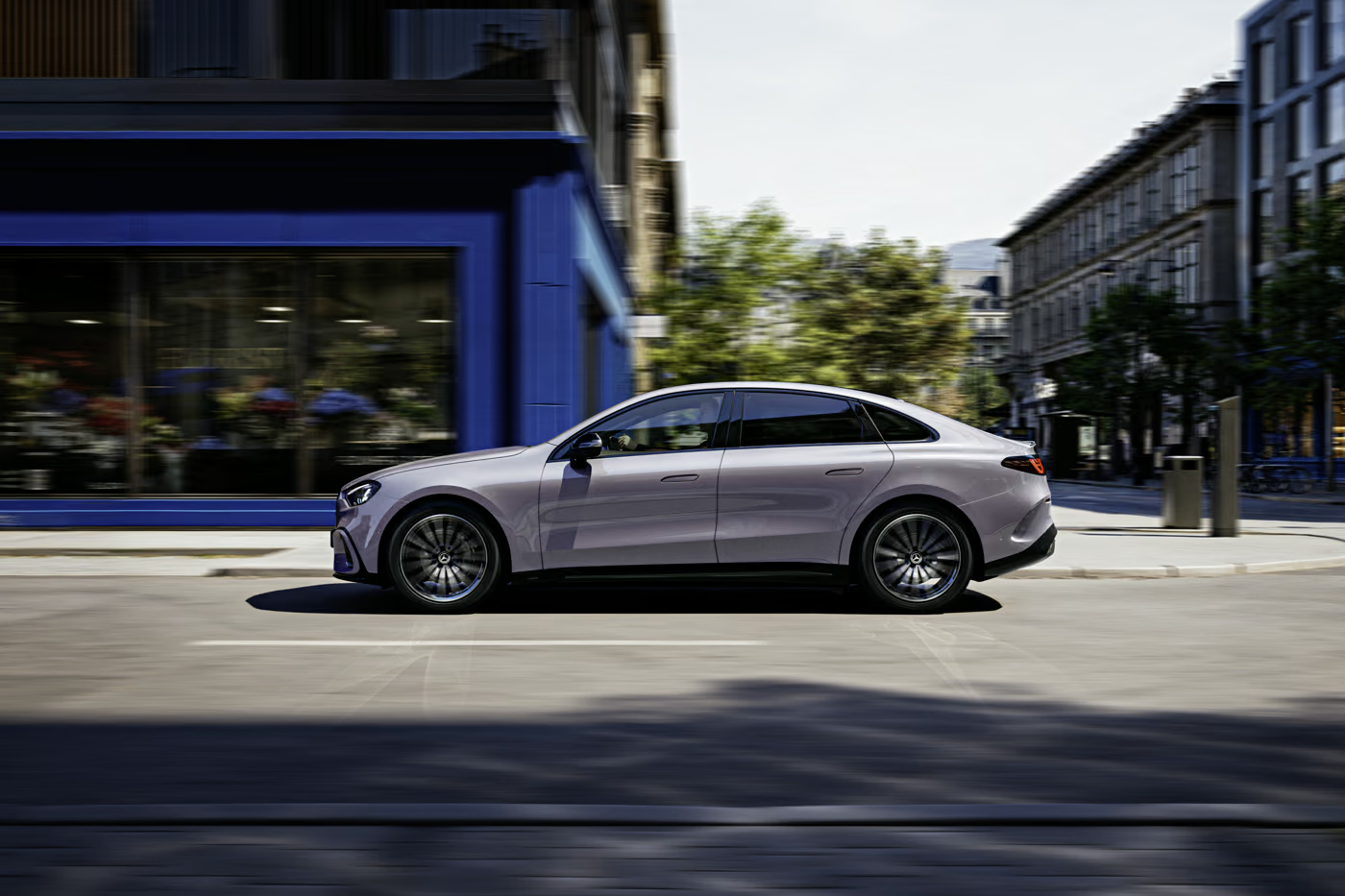
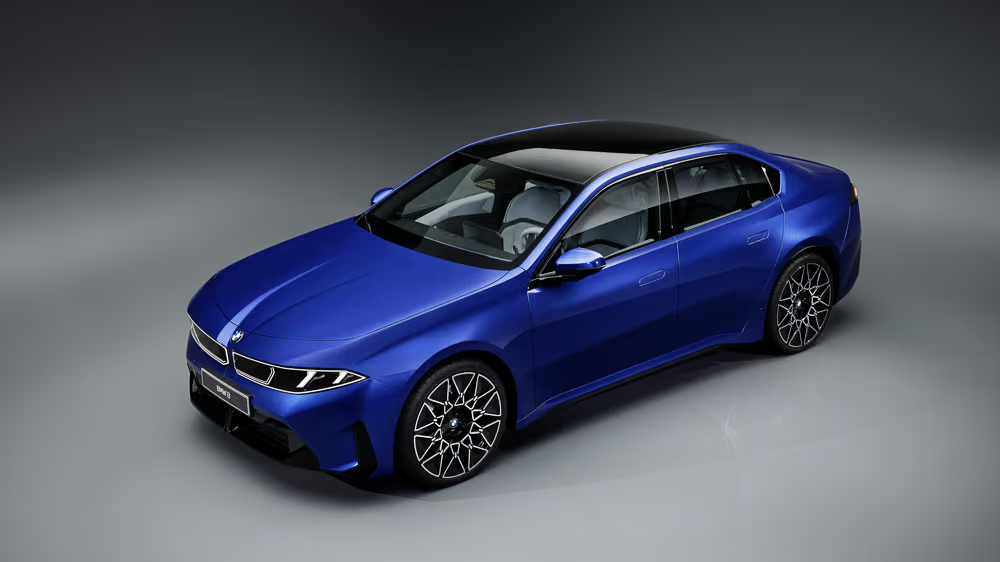
Both suspension variants are connected to the chassis with a four-link set-up on the front axle, and a multi-link arrangement at the rear. At launch, the C400 4Matic offers more power than the equivalent BMW i3 50xDrive, but is 89 miles short of its maximum 563-mile claimed range. The all-wheel drive launch model will be joined by a single-motor variant offering a range north of 500 miles in the near future, but an estate is reportedly not being considered.
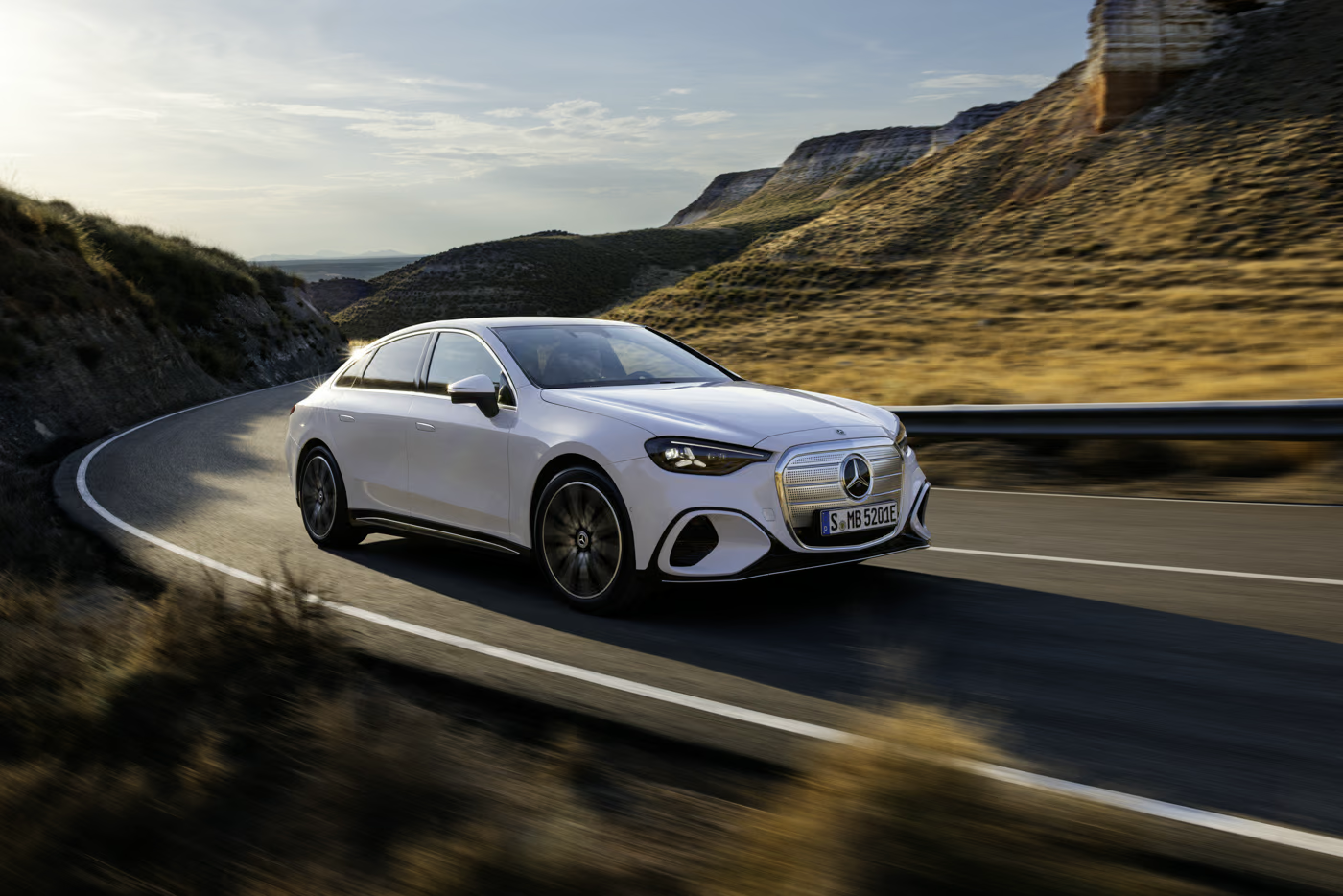
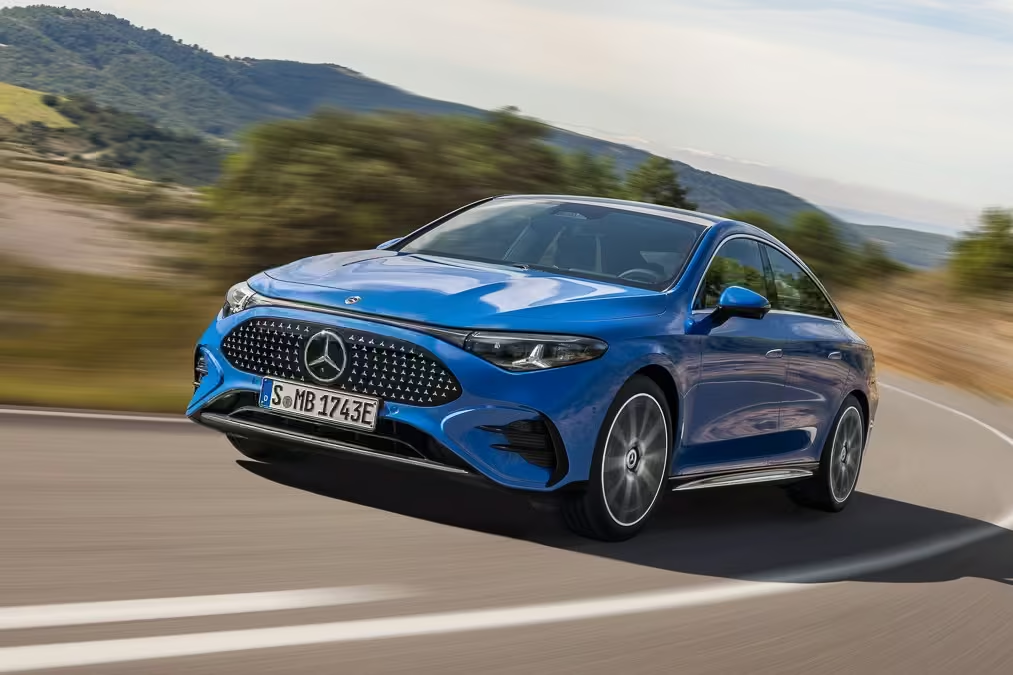
The design of the new C-Class is certainly a departure from its combustion-engined stablemate, with the car being the second new Mercedes-Benz to gain the large retro grille that harks back to the 600 limousine of 1963. Only the lower quarter is open, with the upper portion featuring flat bars filled with 1,050 LEDs. Having seen the new grille first-hand on the new GLC at this year’s Brussels Motor Show, we can safely say it looks better in person.
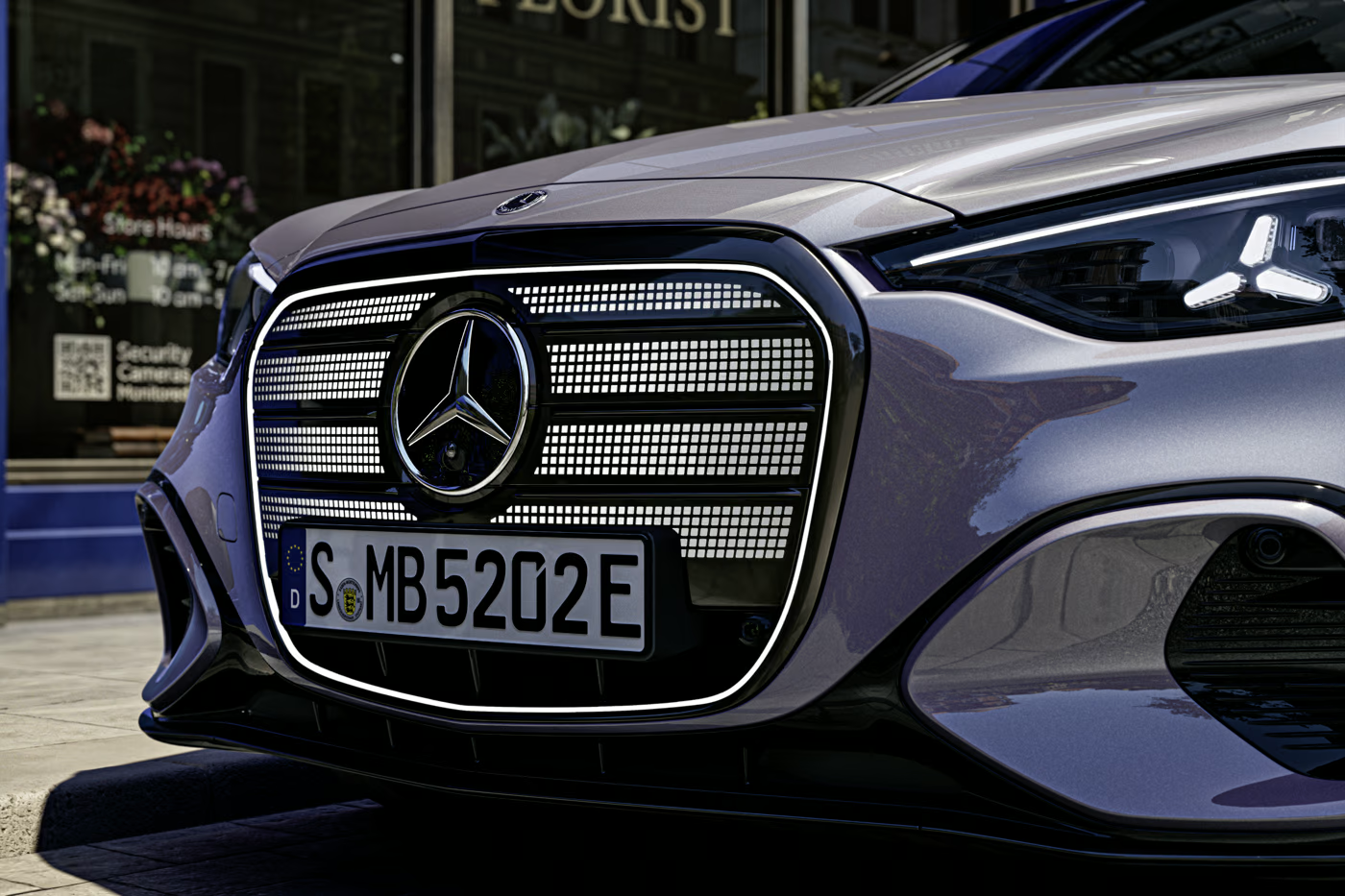
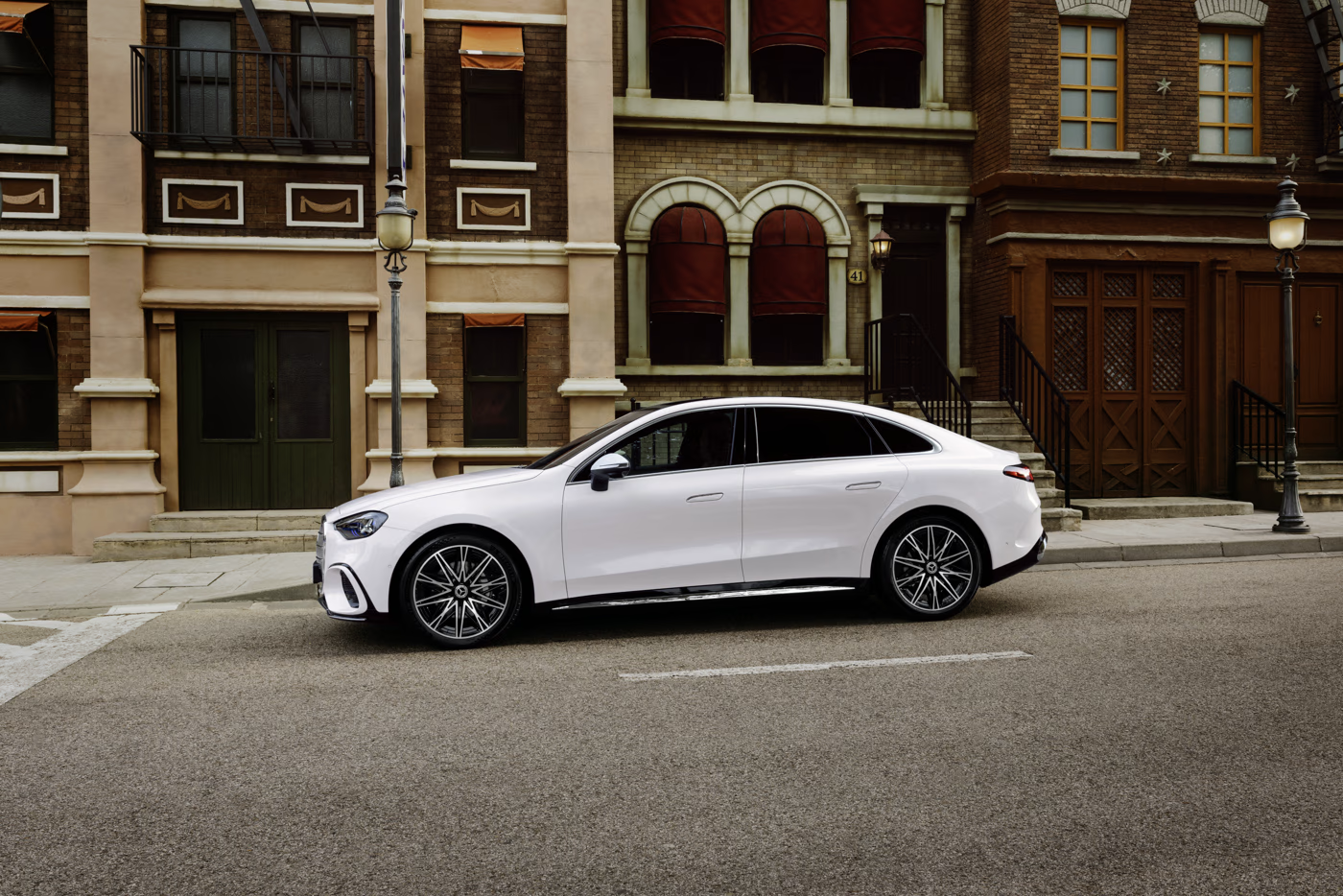
For AMG Line models, body-coloured bumper inserts incorporate air channels to direct airflow through the front wheel wells, improving aerodynamic efficiency. Viewed from the side, the electric C-Class shows a sleek silhouette, with a gently sloping roof and boot section clearly inspired by the CLA. The 2,962mm wheelbase is 97mm longer than the W206 C-Class, and is framed by gently flared wheel arches housing alloys from 18-20” in diameter.
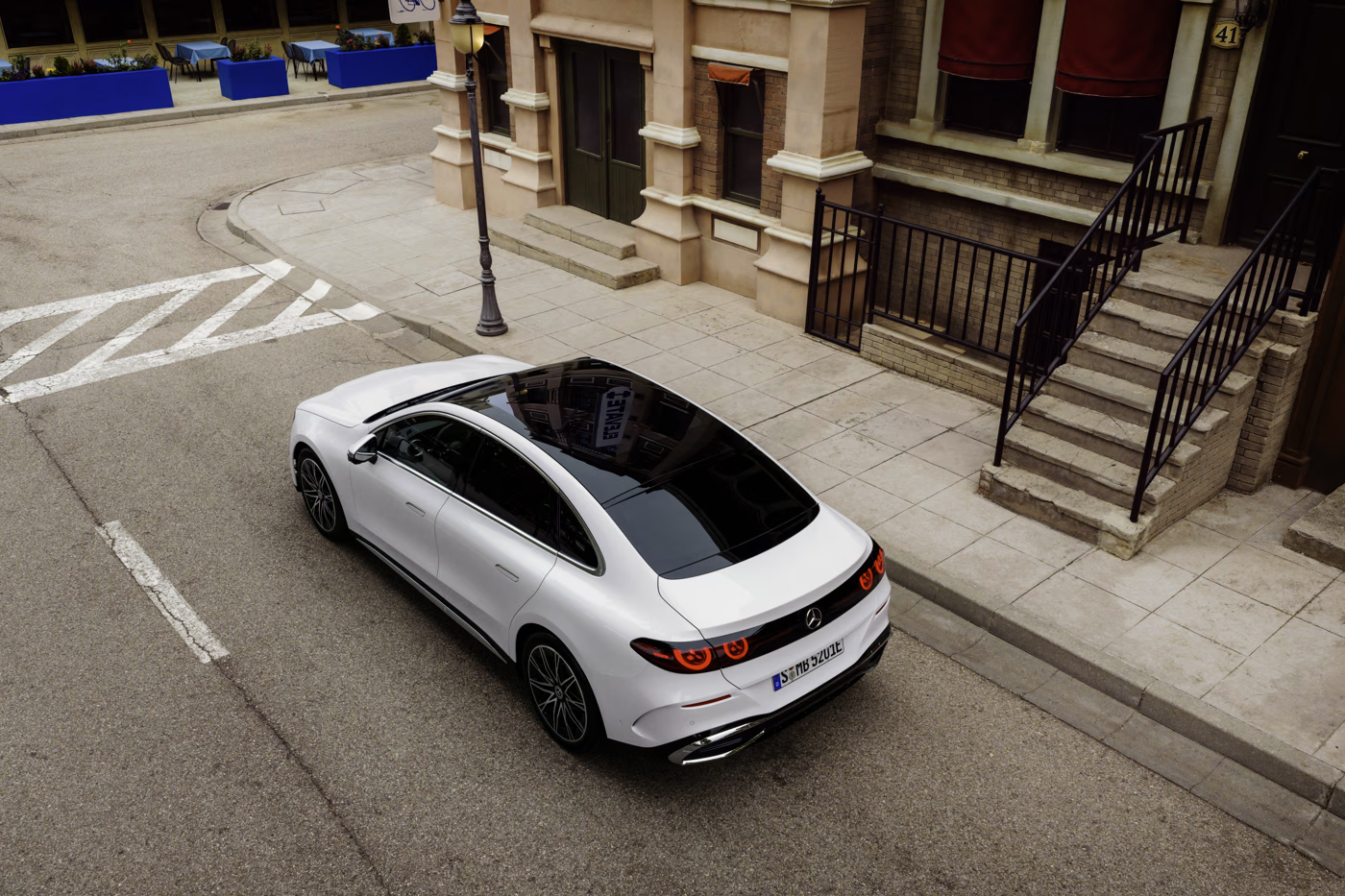
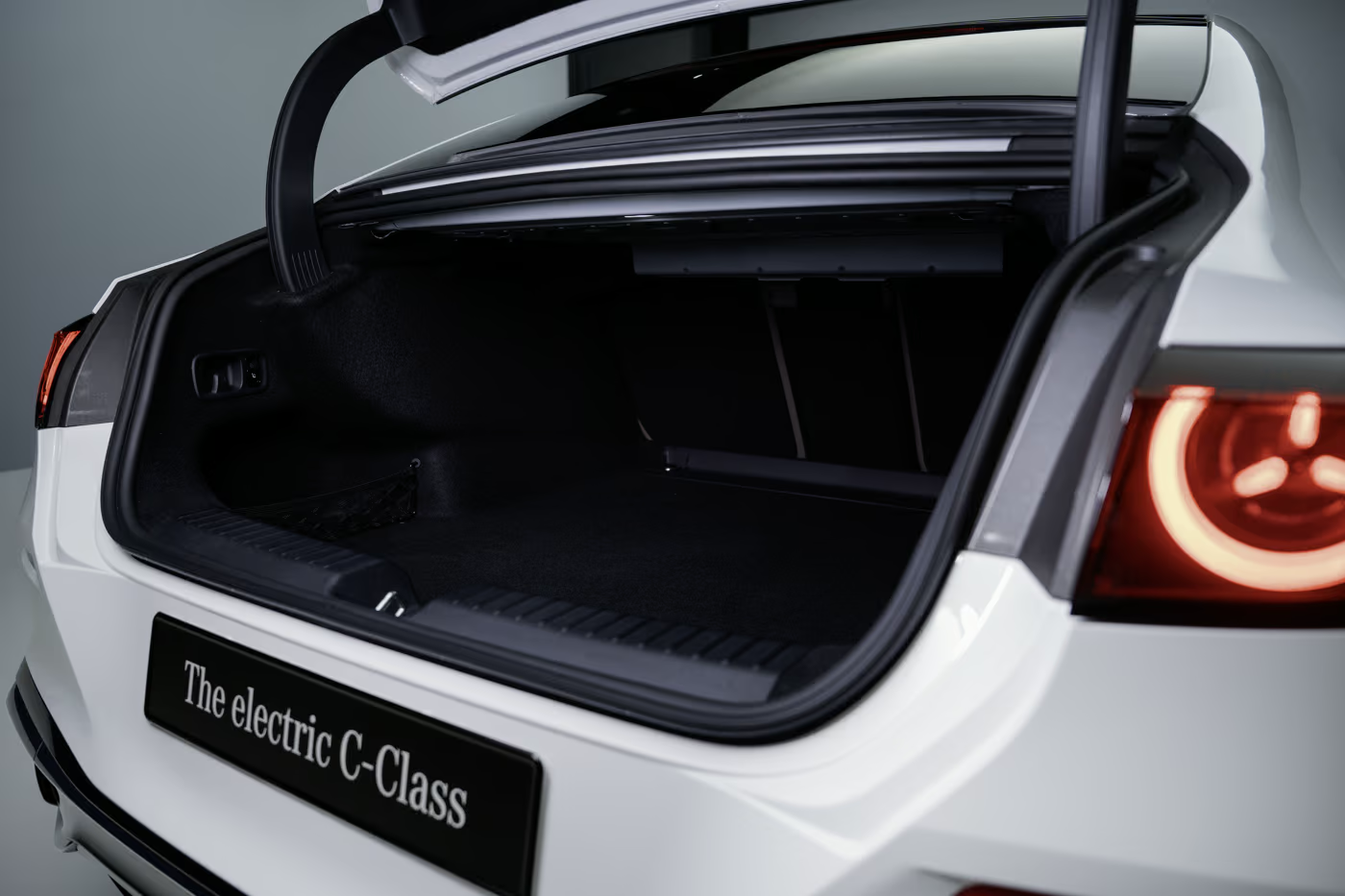
The rear features four star-shaped lights either side of the saloon boot opening, which is opened by twisting the central badge. Up to 470 litres of storage space is complemented by a bonnet storage area offering an additional 101 litres of capacity, and is accessed by pressing the badge atop the grille.
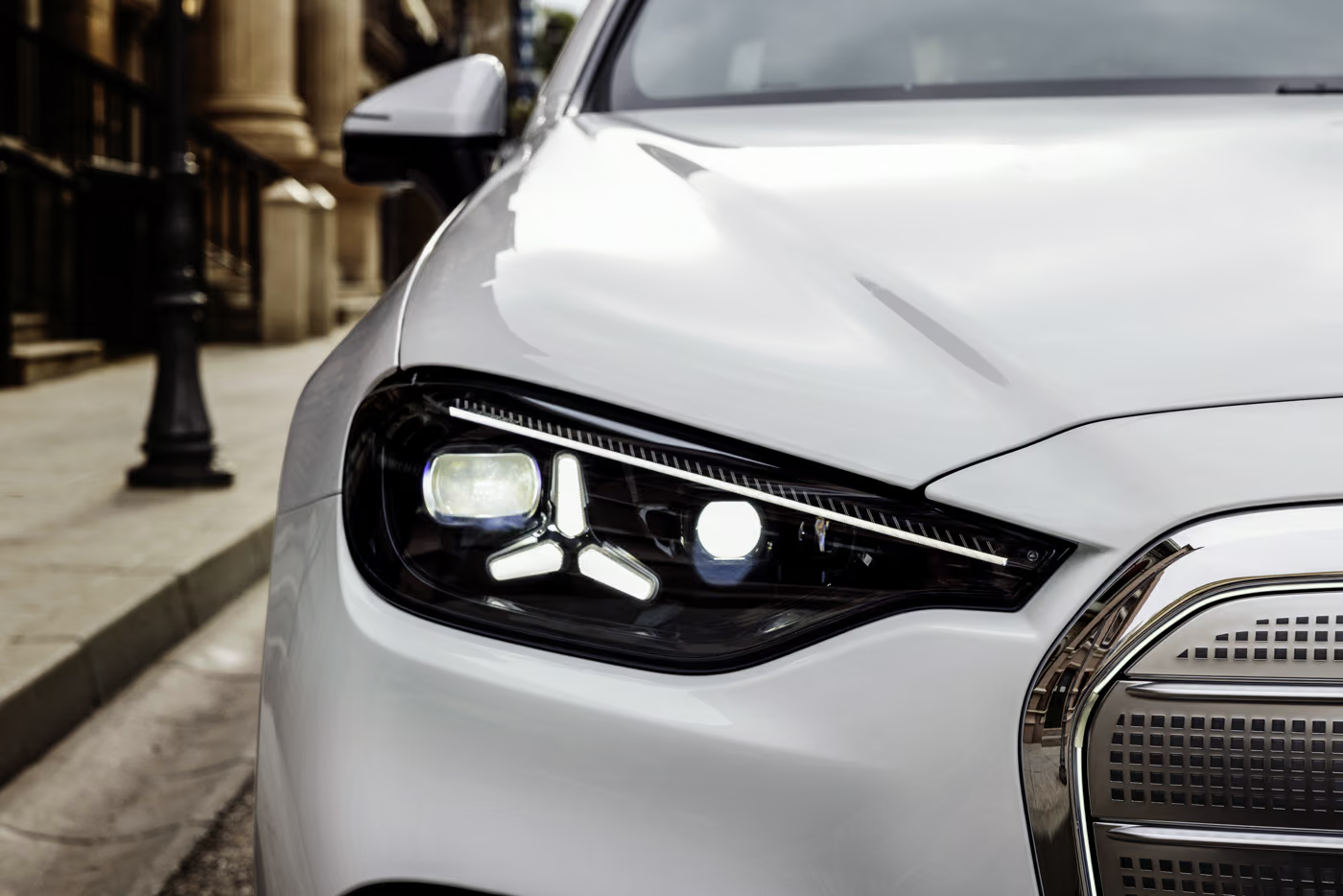
While the overall front-end design looks to the 1960s, smaller details hide in plain sight and make reference to the W540’s more recent predecessors. The bonnet goes without the power domes that have proliferated across the Mercedes-Benz model range in recent years, instead having a raised central section that widens as it reaches the windscreen; conversely, the extremities widen as they reach the headlights, similar to the 204-series C-Class of 2007-2015. Likewise, the door mirrors contain C-shaped LED indicators, again referencing the third-generation model.
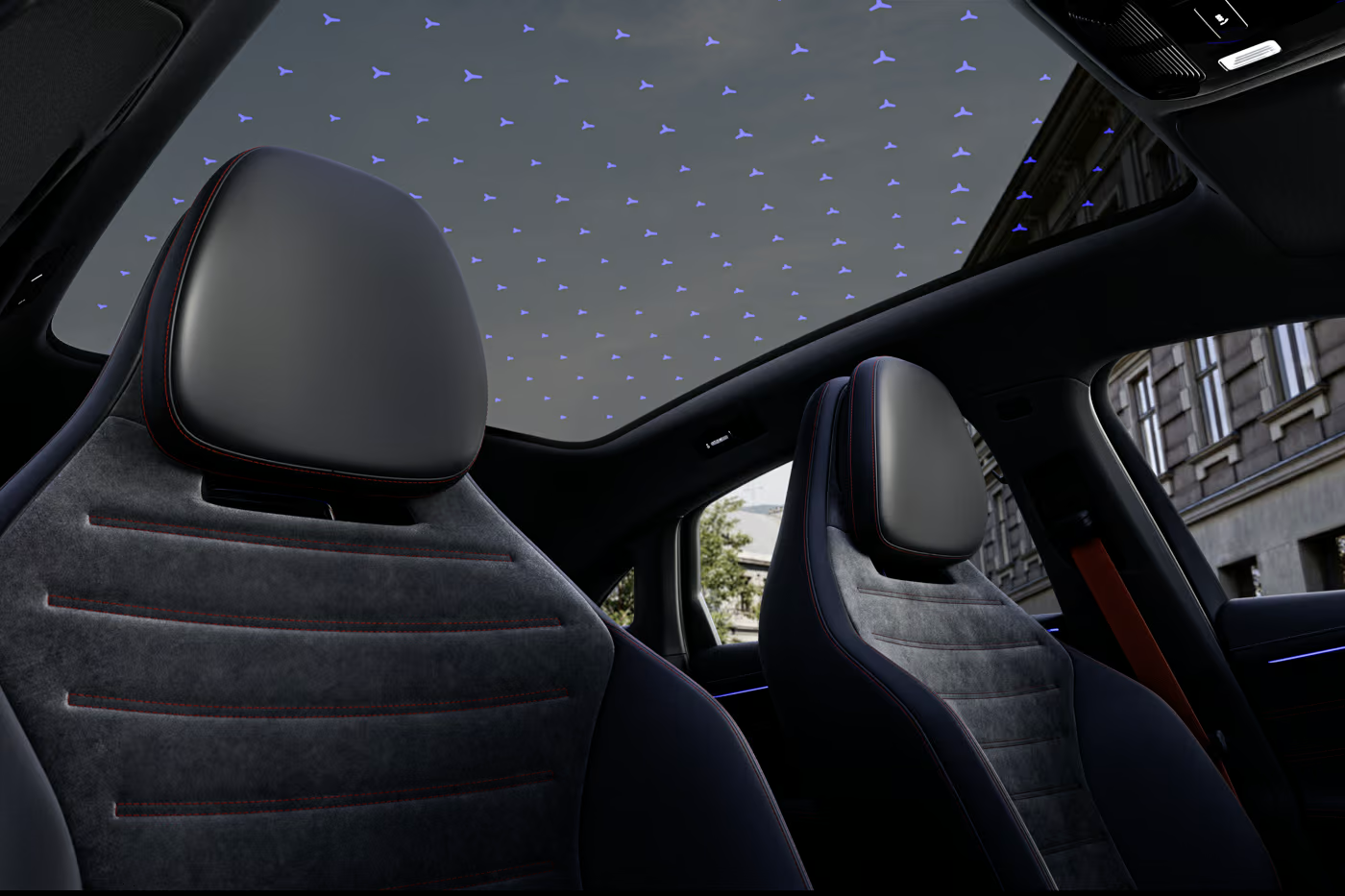
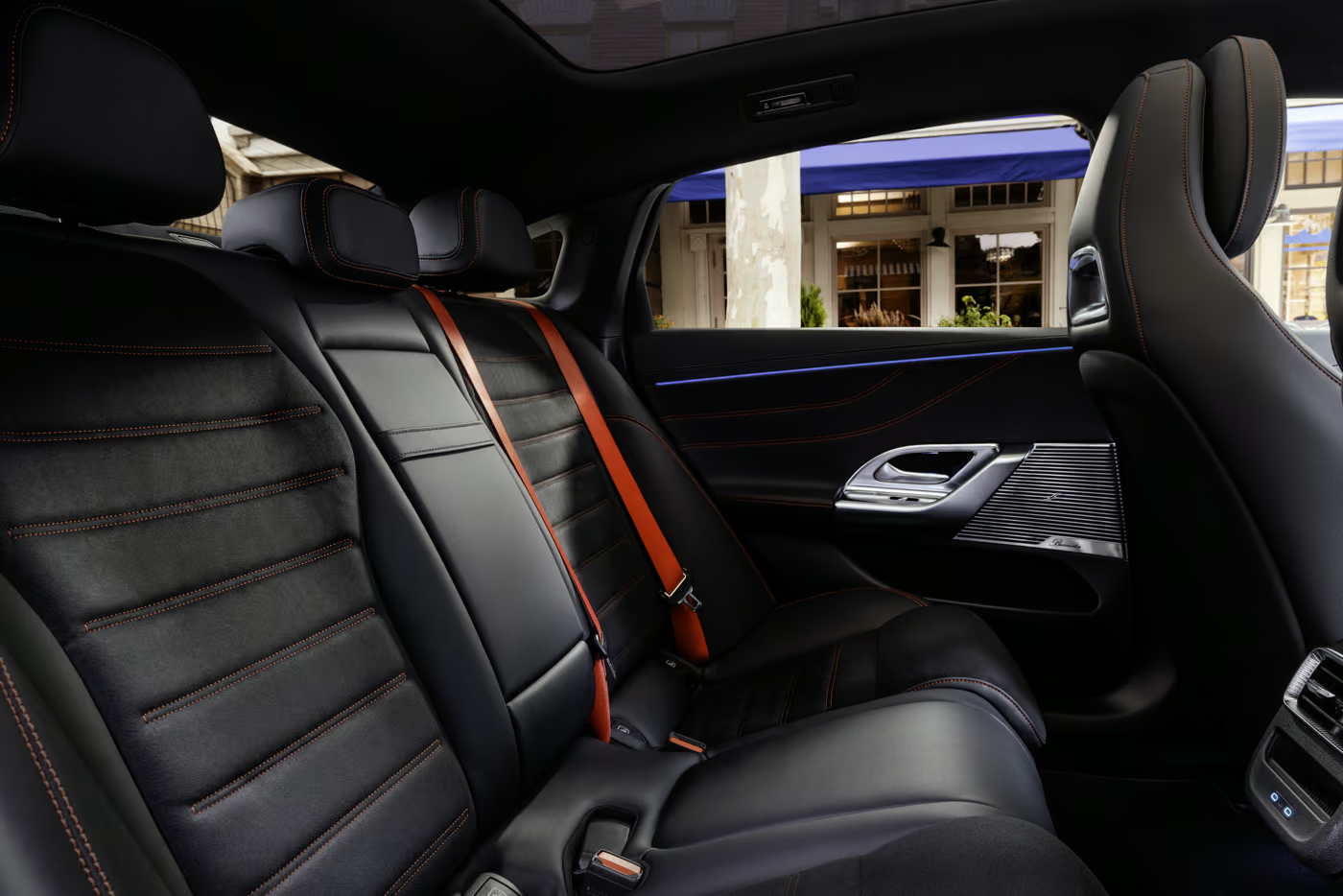
All models will get a fixed panoramic glass sunroof as standard, and this comes without a roller blind. As such, this allows for 22mm and 11mm more headroom than the current 206-series C-Class in the front and rear respectively. We suspect the Sky Control roof will feature on all UK-bound models, incorporating electrochromic glass with variable opacity. Higher specification models will get an enhanced version of the roof containing 162 Mercedes-Benz stars that can be illuminated in a wide variety of colours.
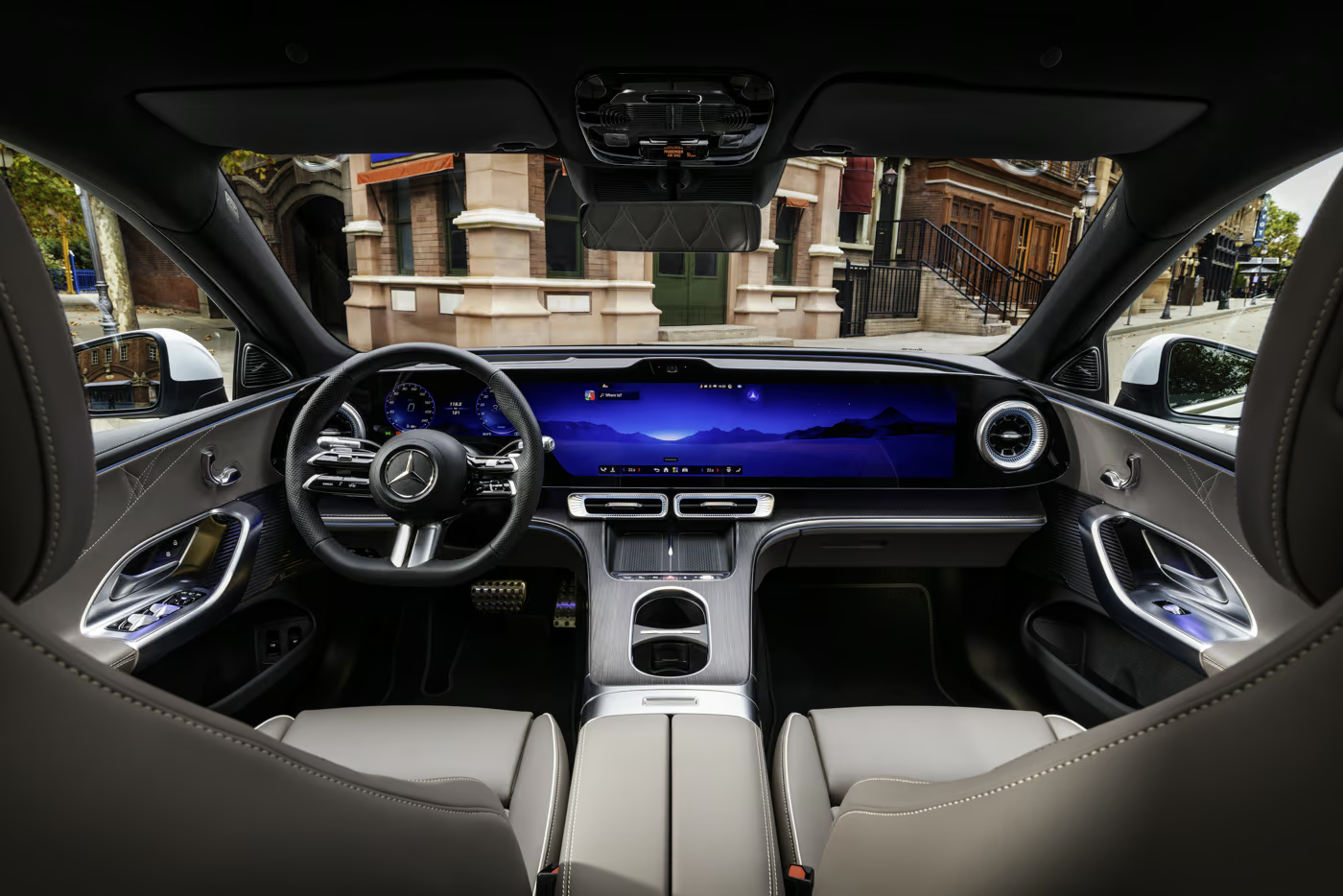
Dominating the interior design is the upright dashboard that’s home to the car’s vast infotainment system. A digital instrument cluster and a large central touchscreen come as standard with a digital trim panel ahead of the front passenger, but optionally available are the MBUX Superscreen and Hyperscreen. The former places a trio of displays under a single pane of glass, while the latter features a continuous 39.1” screen spanning the full width of the dashboard. All options run the latest iteration of the Mercedes-Benz User Experience infotainment system, now powered by the brand’s MB.OS software. The voice-activated interior assistant now uses a combination of ChatGPT, Google Gemini and Microsoft Bing AI to answer more complex questions that previous versions would stumble on.
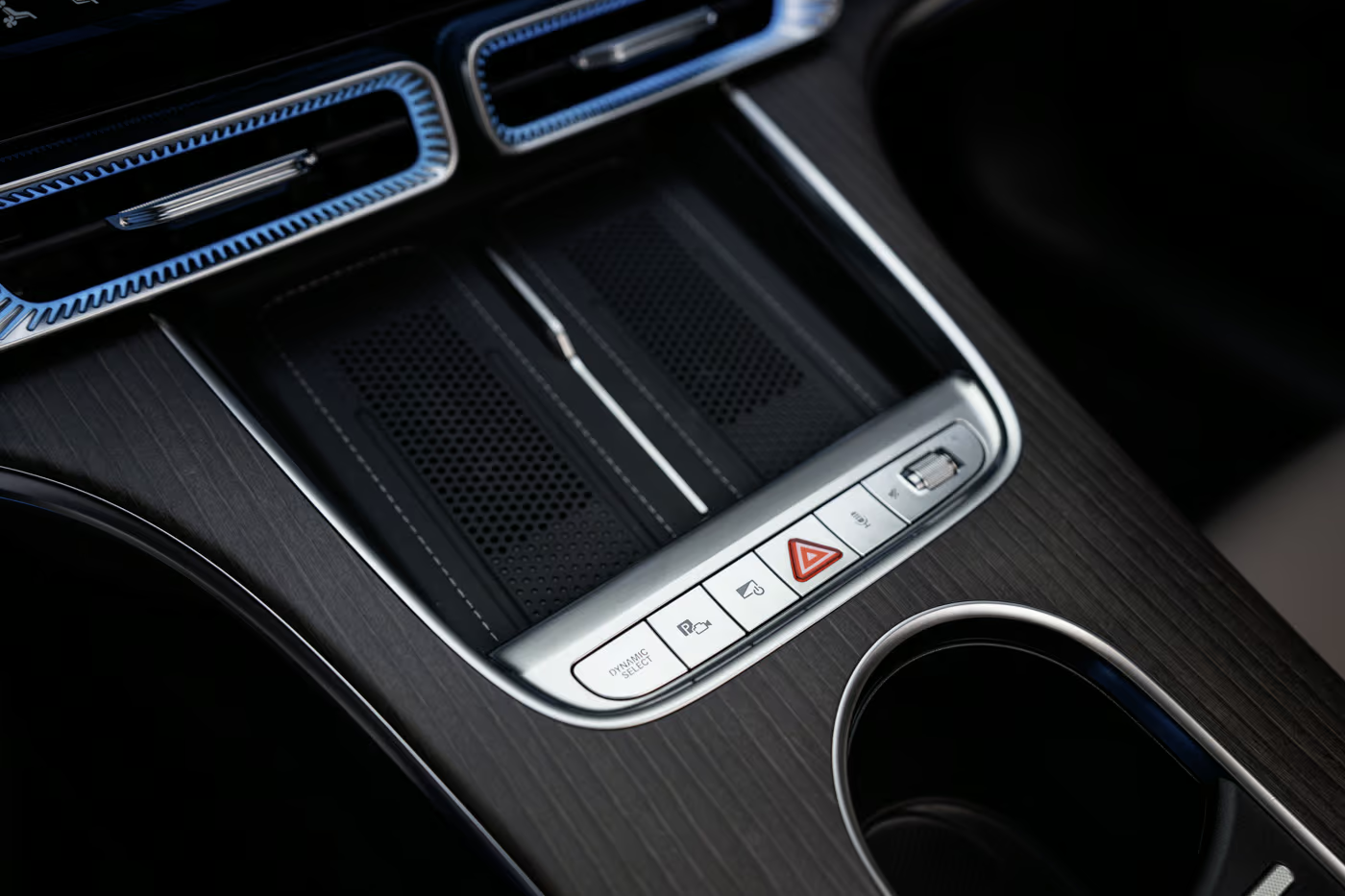
As expected in such a tech-first cabin, physical controls are limited but not completely omitted from the electric C-Class. A knurled roller dial for the media volume, and a switch for setting the radar-guided cruise control return to the steering wheel, while electric seat adjustment is done by pushing buttons on the door cards. However, activating the seat heating or ventilation is now done via the central infotainment display.
The fully-electric C-Class is expected to go on sale in the UK in the coming weeks, deliveries commencing in the second half of 2026. When pricing and specifications are announced, we expect the model to generally mirror the GLC’s product offering. As such, a starting price around £57,000 looks likely, with top-spec variants approaching £70,000. Looking further ahead, multiple battery and motor options will soon bolster the range, with an AMG variant arriving in 2027.
The styling and interior technology of the new electric C-Class will influence the upcoming facelift of the combustion-powered model. This is set to be revealed at the tail end of 2026, and will feature star-shaped lights, upgraded interior technology, an enlarged front grille, and a new six-cylinder AMG model replacing the current four-cylinder options.



.svg)

