-01.svg)

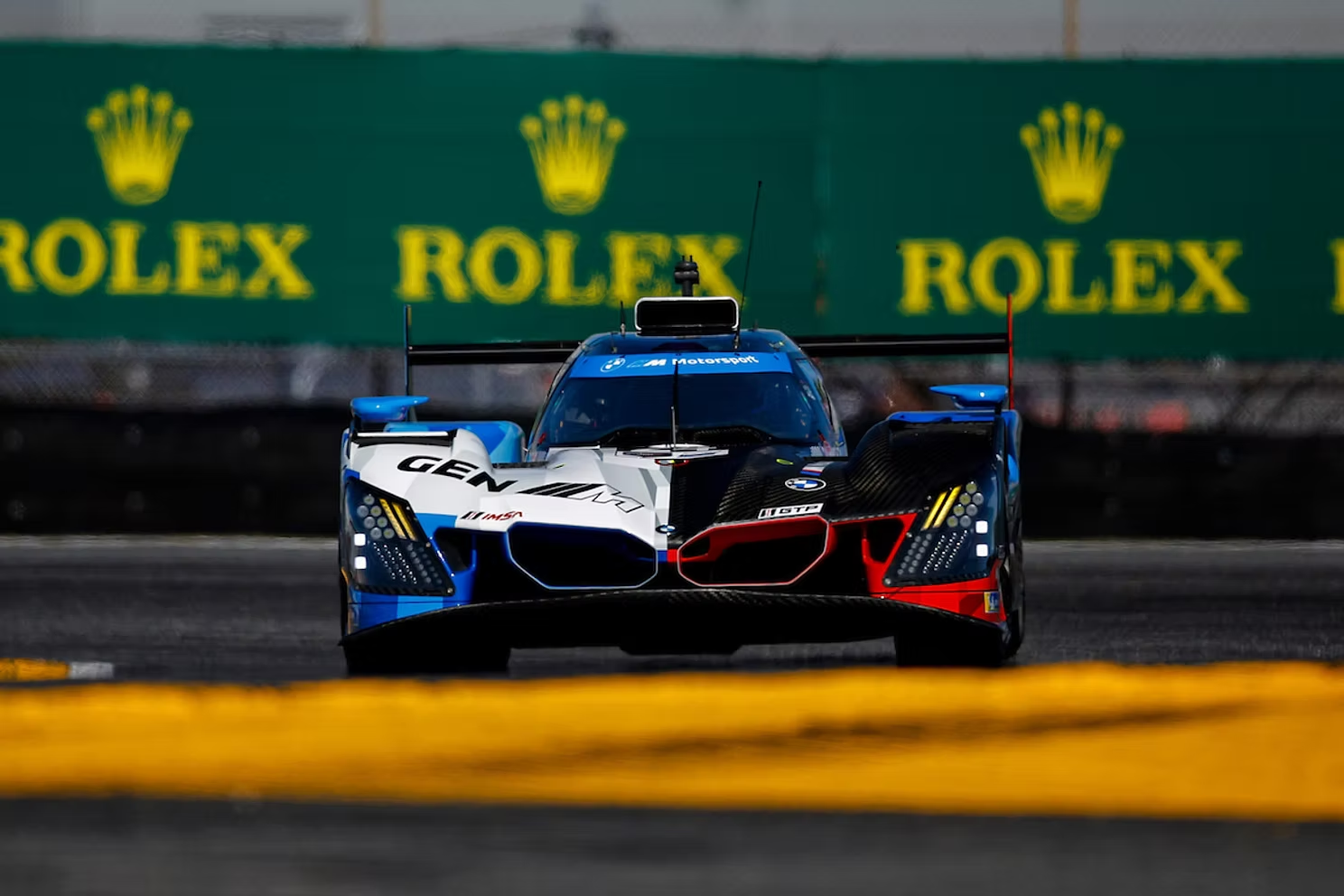
Built to LMDh specifications, the MCL-HY is constructed around a Dallara monocoque like the BMW M Hybrid V8 and Cadillac V-Series.R. It uses a spec hybrid system and transmission from Bosch, Fortescue Zero (formerly Williams Advanced Engineering) and Xtrac, but the engine is one of McLaren’s own: a 2.9-litre twin-turbocharged V6. The powertrain boasts a peak output of 697bhp, although this is subject to alterations by the FIA World Endurance Championship’s Balance of Performance system. Likewise, the 1,030kg minimum weight will likely fluctuate over the course of the WEC season.
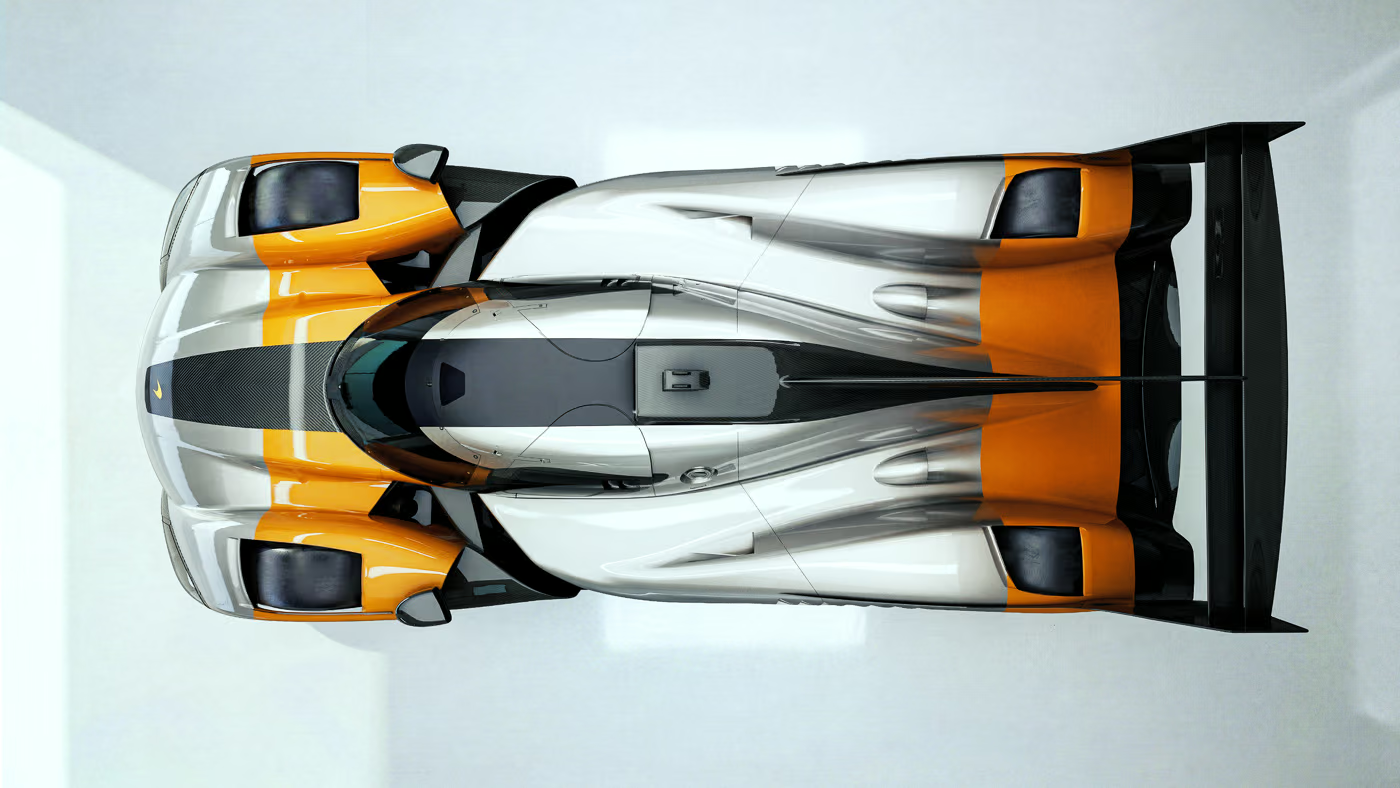

Visually, the MCL-HY looks like part of the McLaren family. Its front end design is reminiscent of the track-focused Senna, with large air intakes and bare carbon found close to the headlight clusters. Prominent air channels for brake cooling flank the front splitter with its noticeably raised central section - something becoming ever more common among LMDh-spec race cars.
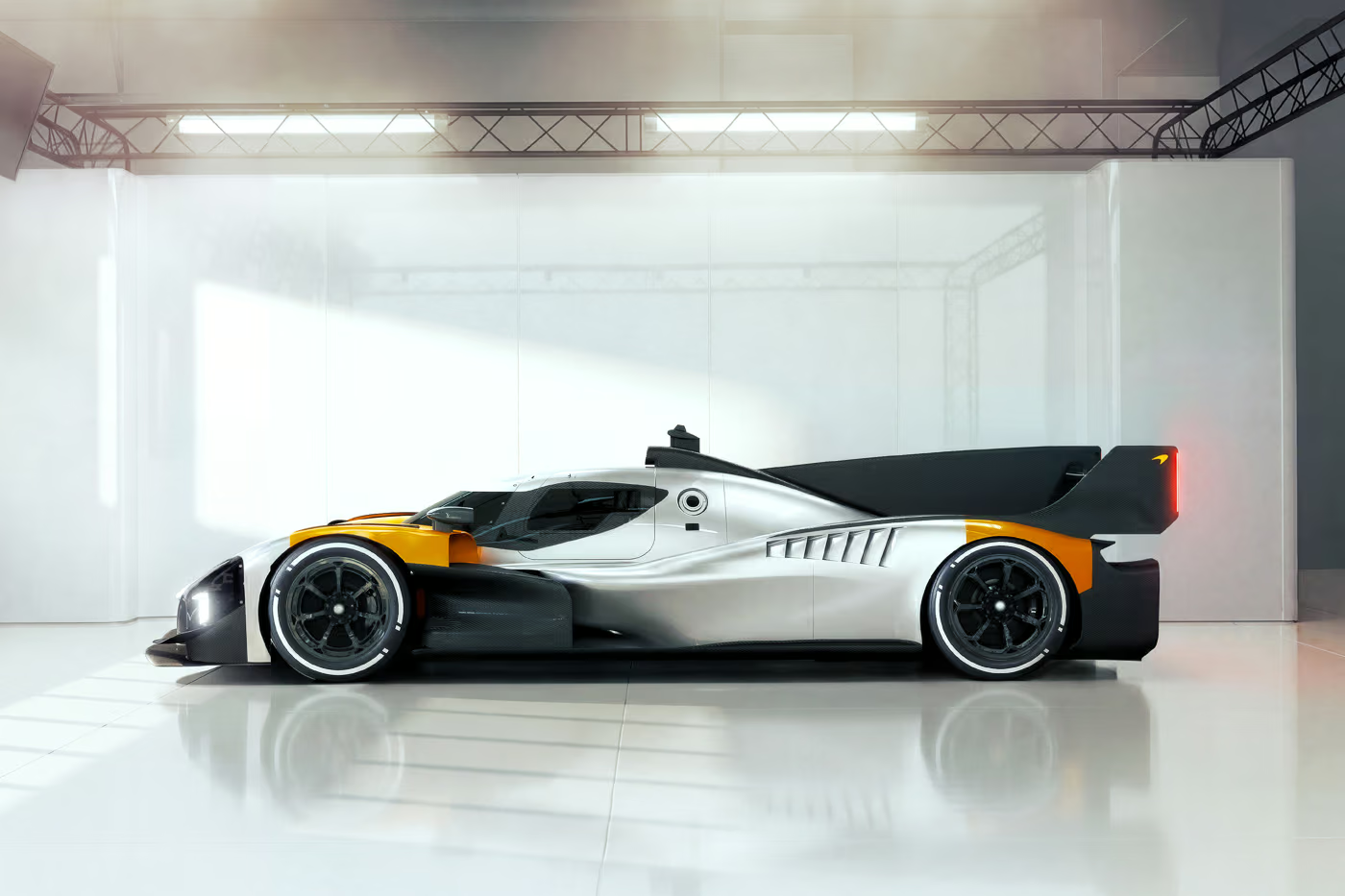
Unique to the class though is the F1-style barge board which appears behind the front axle. This will help to manage airflow along the side of the car, while reducing turbulence caused by the front wheels rotating at speed. Similar to the Cadillac V-Series.R, the rear arches begin to rise from the sidepods at the midpoint of the car. These host brake cooling inlets on the inside, air outlets on the outside, and reveal a near-aerofoil shape when viewed from above.

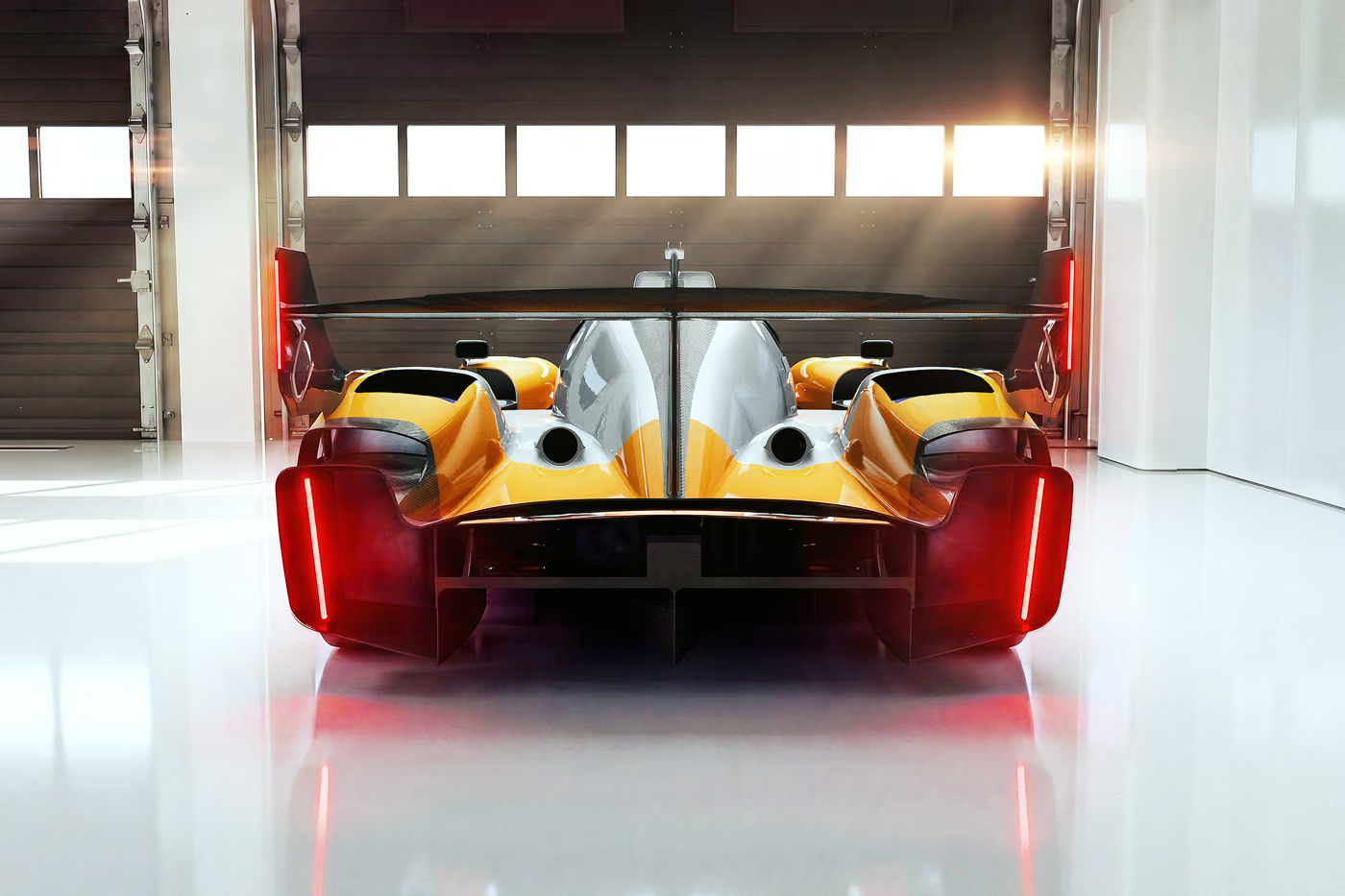
It’s at the rear where the MCL-HY’s aerodynamic package gets really ambitious. A pair of aircraft-style tailfins are disconnected from the lower bodywork, sitting above dual-stacked vents beyond the rear wheel arches. The F1 Longtail-style bumper extensions have a curved profile, while a secondary boomerang wing emerges from the low-set rear deck - no doubt aiming to interact with the hot gases emerging from the dual exhaust pipes.
In addition to the reveal of the 2027 WEC challenger, McLaren also confirmed the name and the first specifications for the trackday variant: the MCL-HY GTR. It will use an uprated version of the 2.9-litre twin-turbocharged V6 engine producing 720bhp, but dispense with the hybrid system and have a lower dry weight. Customers will be invited to six private track sessions over two years, and VIP access at races. Deliveries set to begin at the end of next year.

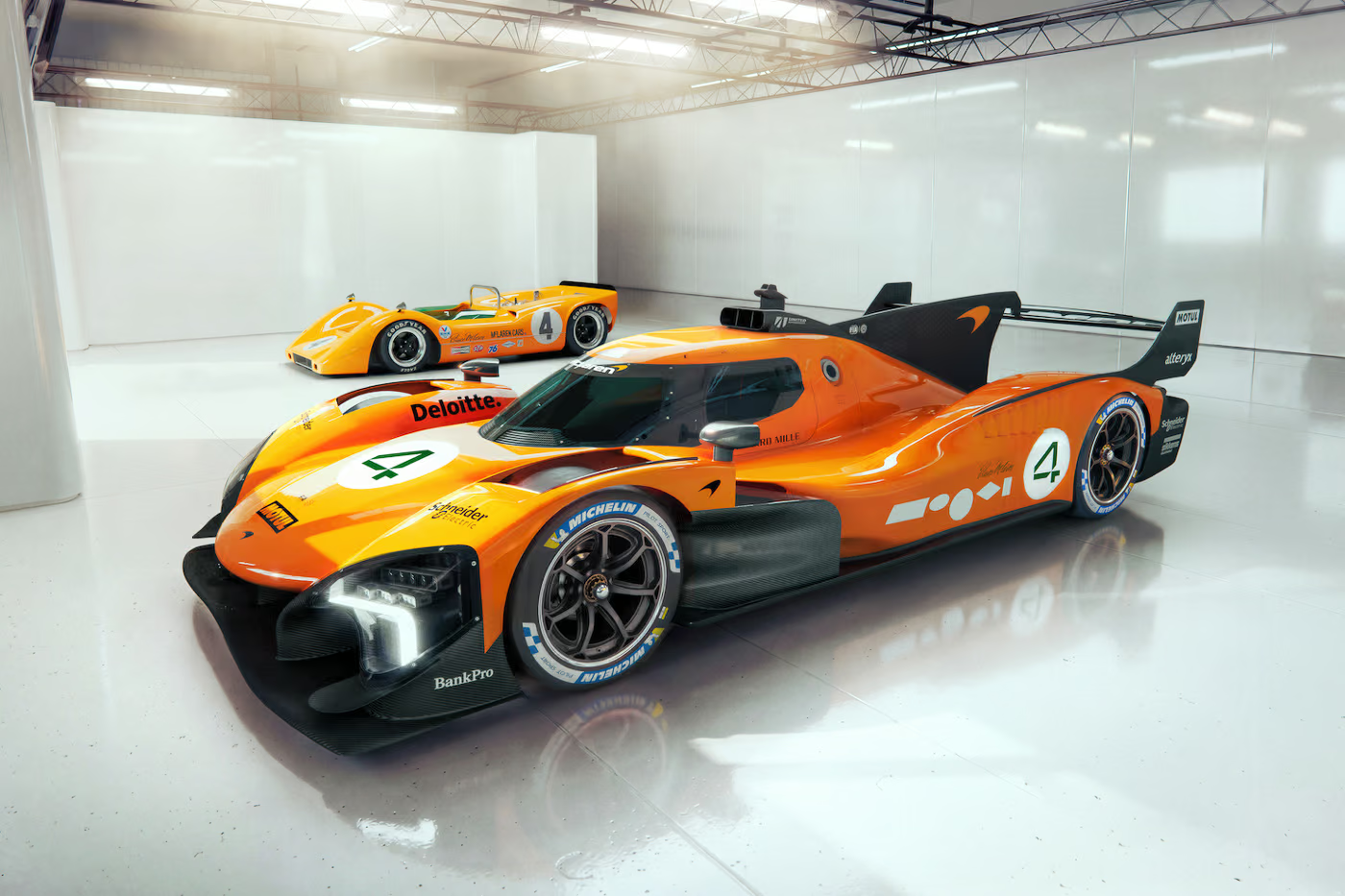
In the meantime, all focus is on preparing the MCL-HY for its competition debut, with the car set to embark on an intensive testing programme in the coming weeks. It will be put through its paces by Mikkel Jensen, Gregoire Saucy, Richard Verschoor and Ben Hanley in a papaya livery inspired by the M6A - the dominant Can-Am racer that Bruce McLaren hoped to take to Le Mans.
Once homologated at the end of 2026, a pair of MCL-HYs will be entered into the FIA WEC in 2027, taking on the 24 Hours of Le Mans 32 years after the F1 GTR scored its historic debut win at the Circuit de La Sarthe.



.svg)

